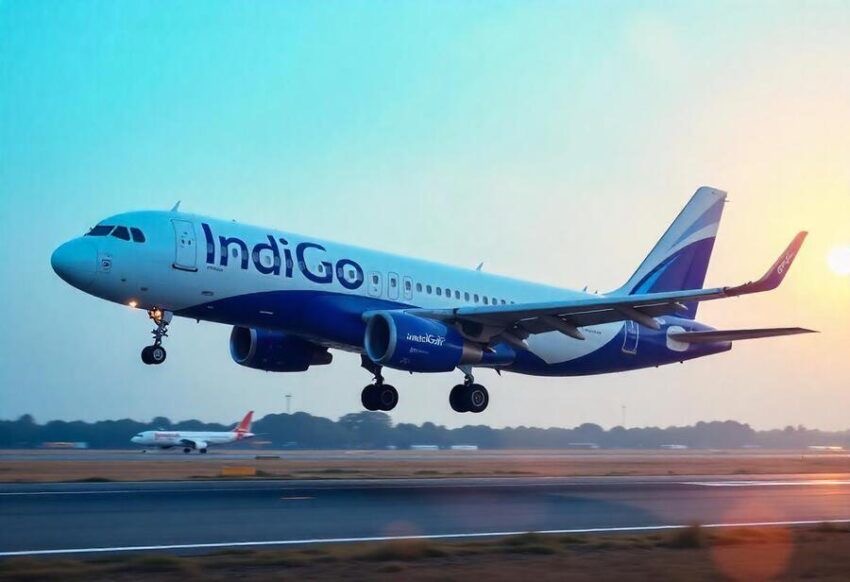
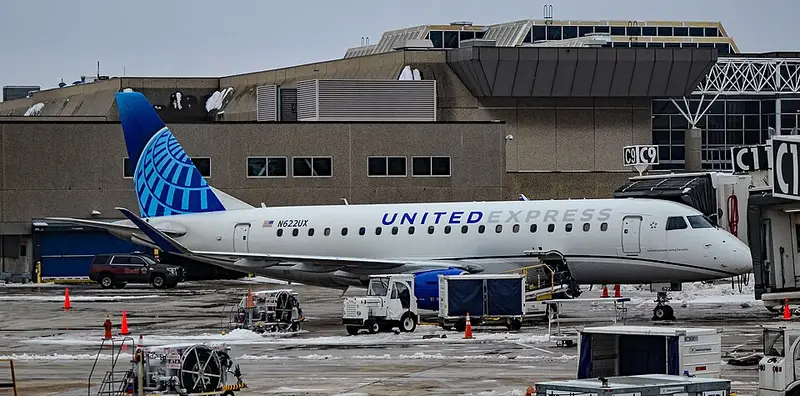
A United Airlines regional flight was forced to return to Washington Dulles International Airport shortly after takeoff when the crew detected an engine problem that warranted immediate attention. The aircraft had only just departed when pilots decided to turn back as a precaution, ensuring the safety of everyone on board.
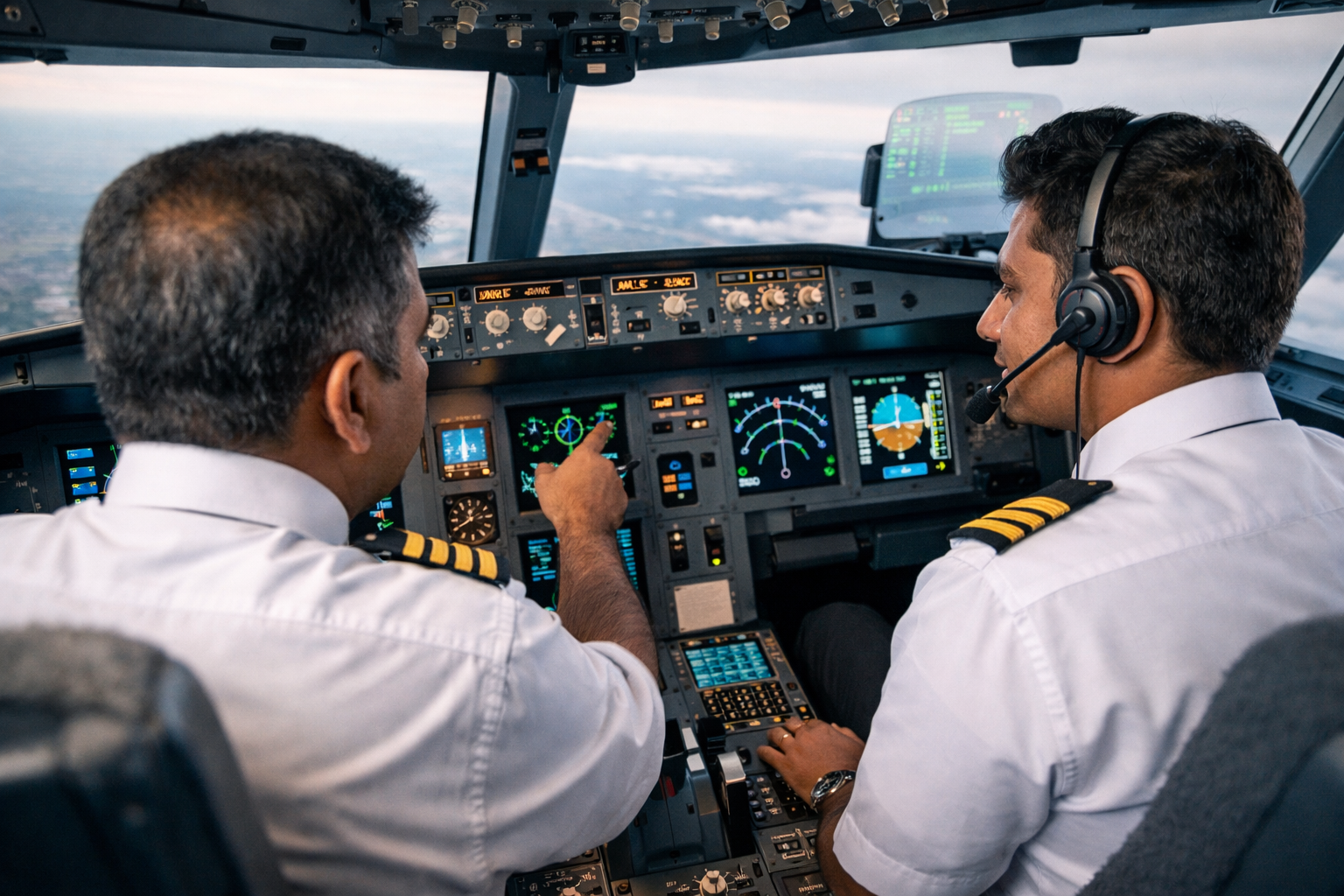
The flight, operated by a regional partner for United Airlines, left Dulles on schedule for a routine short-haul journey. Soon after becoming airborne and climbing through the initial stages of the flight, cockpit instruments signalled an irregularity related to one of the engines. After consulting with operations staff and following established safety protocols, the captain made the decision to return to the departure airport.
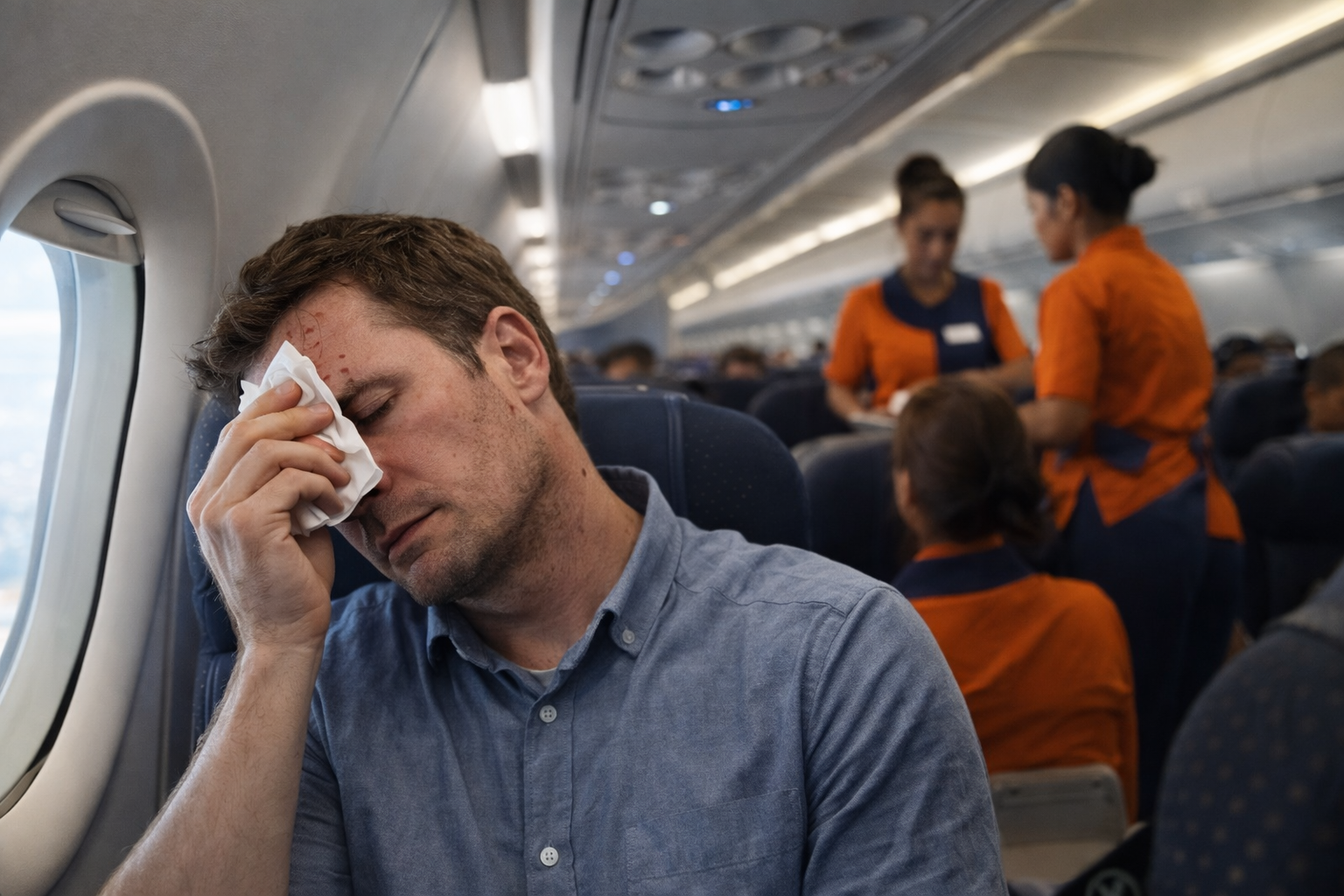
Passengers on the flight said they experienced no sudden jolts or alarming noises, and the pilot’s announcements were calm and reassuring throughout. Flight attendants quickly moved through the cabin, reminding passengers to keep their seat belts fastened and explaining that a technical matter required the aircraft to land back at Dulles. Many passengers later praised the crew for their clear communication and composed response.
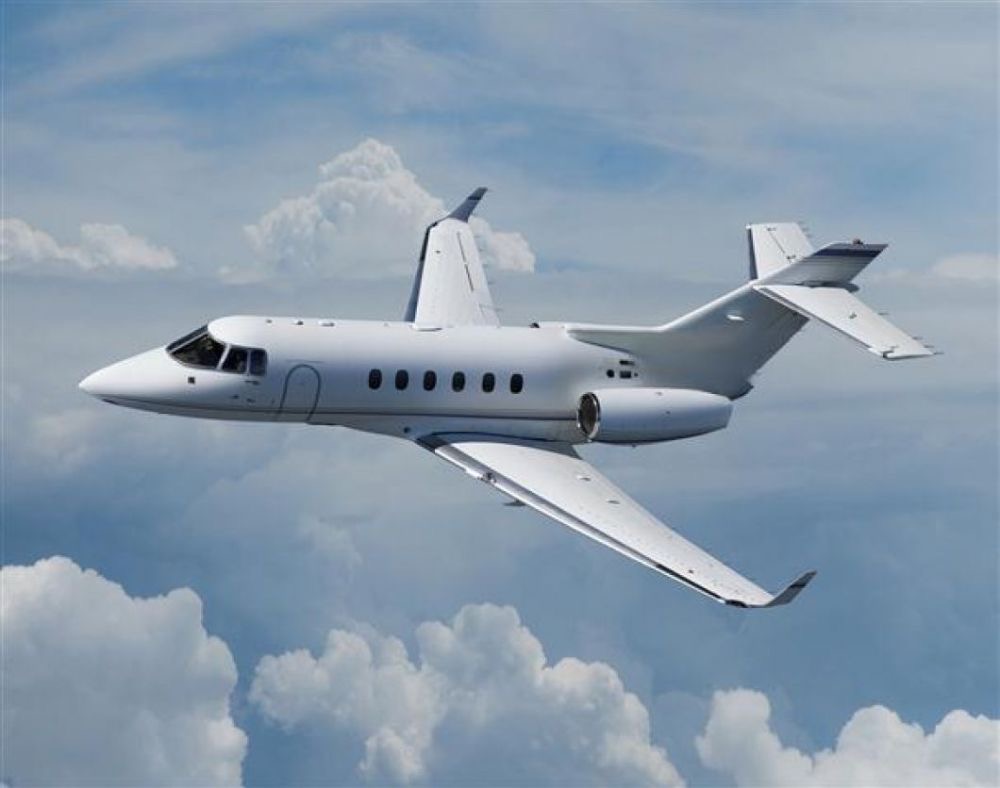
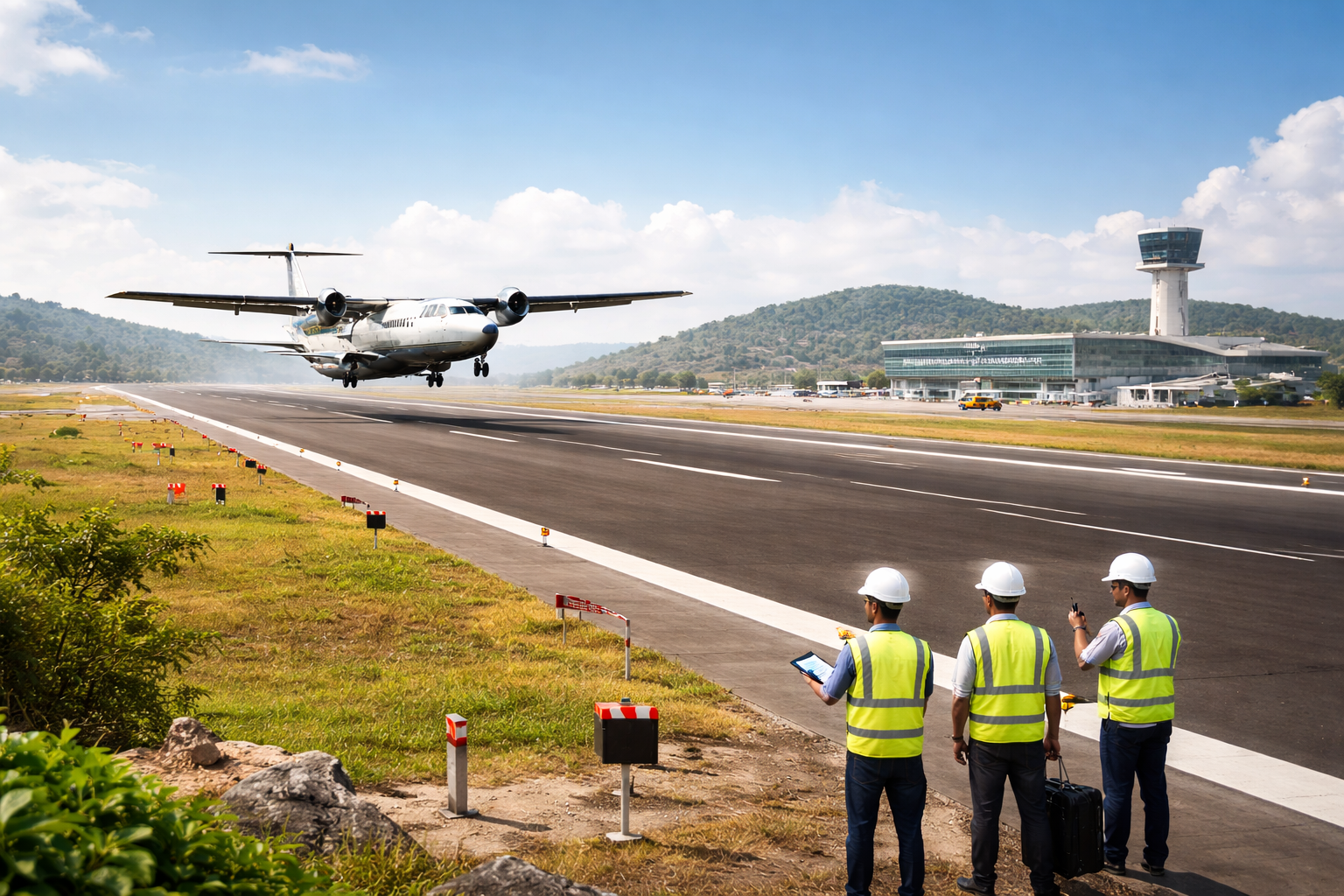
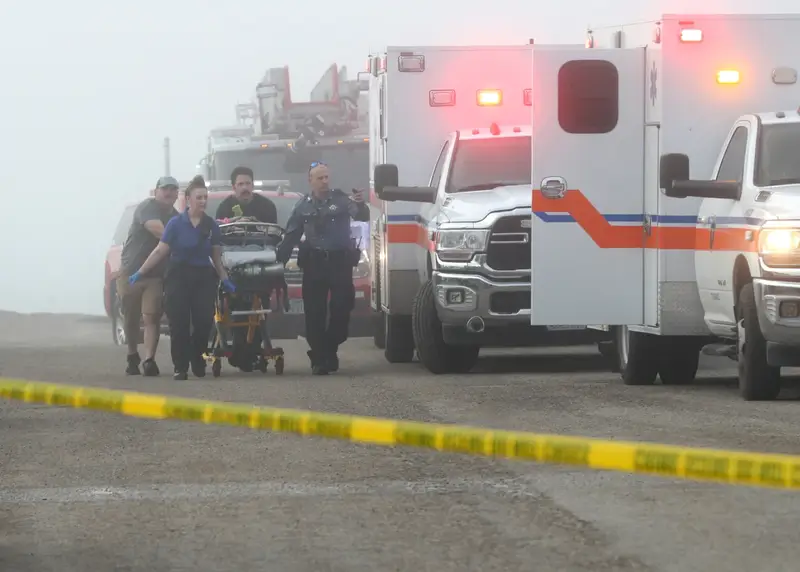
Air traffic control promptly cleared the flight for a priority return to the airport, and emergency response teams were positioned on standby as the jet approached the runway. Such precautionary measures are standard whenever a suspected mechanical issue arises, even in cases where no immediate danger is present.
The aircraft made a smooth landing back at Dulles, and once it had come to a complete stop, passengers were able to disembark using the regular jet bridge. United Airlines ground staff greeted travellers at the gate with updates and assistance, including information on alternative flights and onward travel arrangements. No injuries were reported during the incident.
Maintenance crews were immediately dispatched to inspect the affected engine and assess the nature of the issue. United Airlines stated that the aircraft will remain out of service until engineers can determine the exact cause of the anomaly and complete any necessary repairs. The airline emphasised that safety is its highest priority, and even minor indications of trouble are taken seriously.
Safety and aviation experts note that engines and other critical systems are monitored constantly during flight, and pilots are trained to respond swiftly to any irregular readings. Returning to an airport after takeoff is a well-rehearsed procedure designed to manage potential issues before they escalate, and modern commercial jets are built with multiple redundancies to ensure safety.
Passengers affected by the unexpected return were offered options for rebooking or refunds, along with meal vouchers and lounge access in line with the airline’s customer care policies. Many travellers expressed appreciation for the airline’s handling of the situation, acknowledging that unscheduled returns can be inconvenient but are preferable to risking safety.