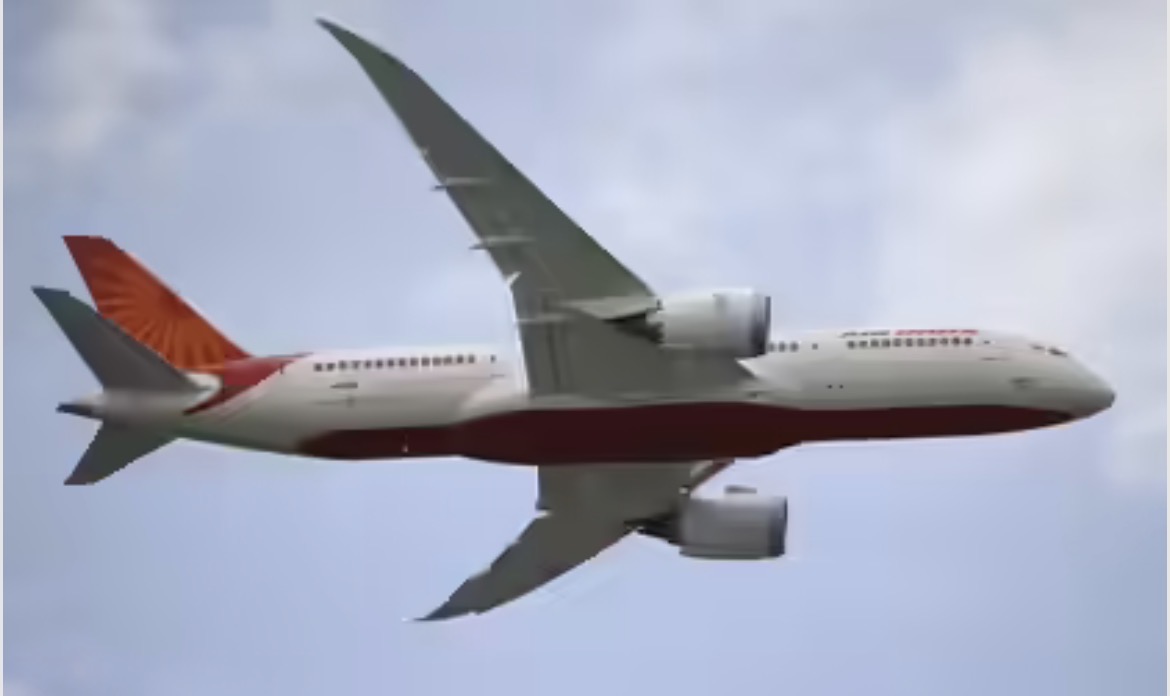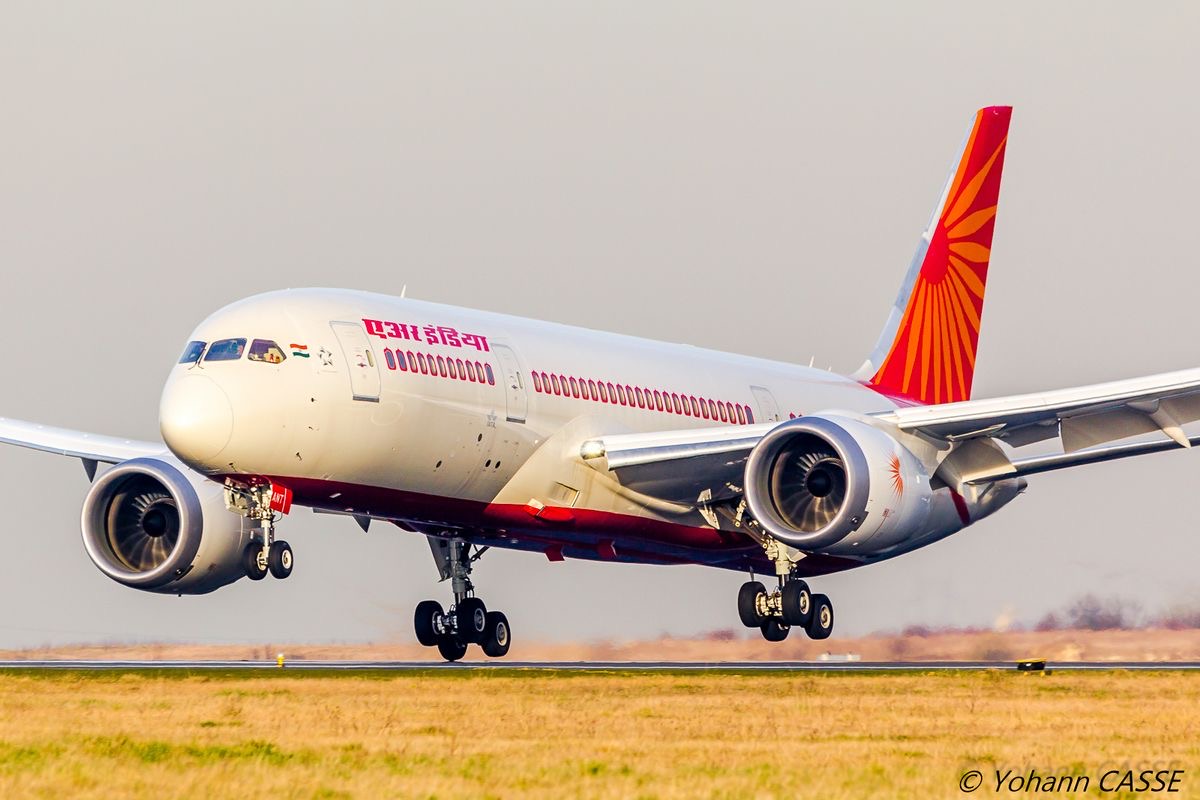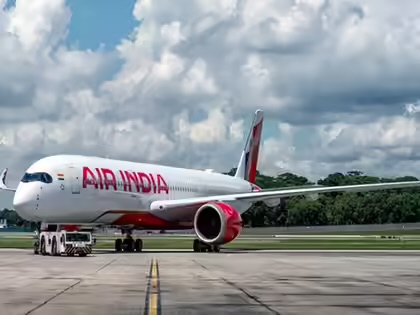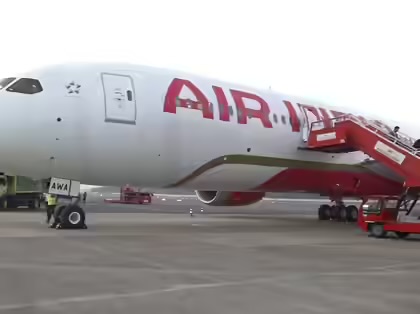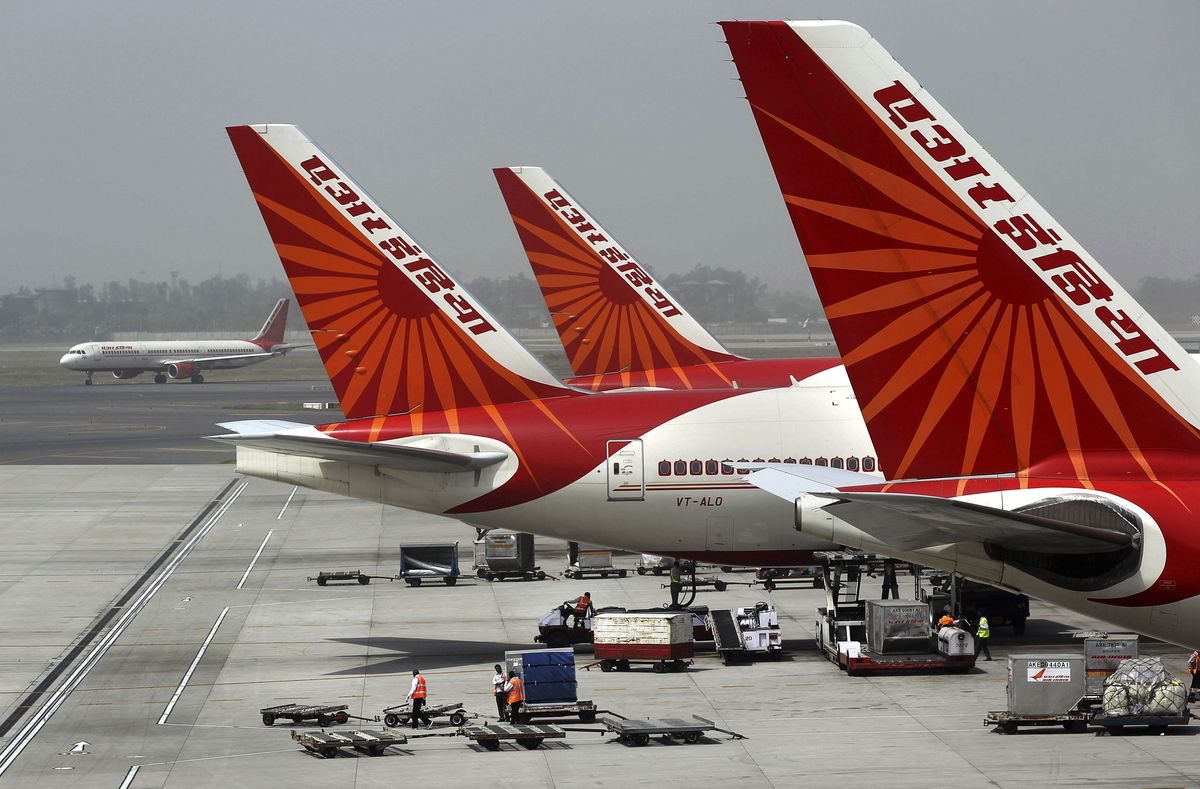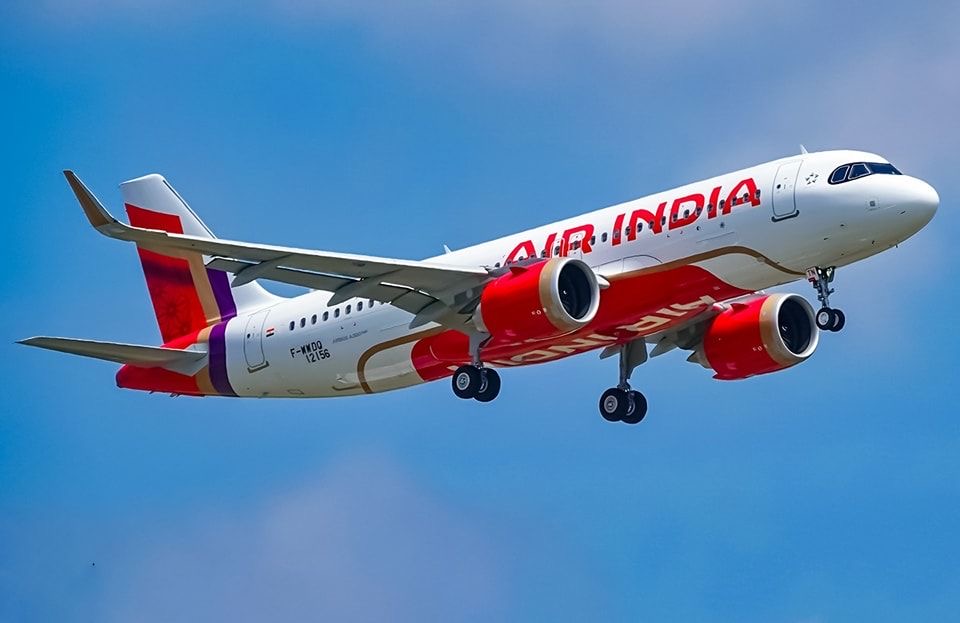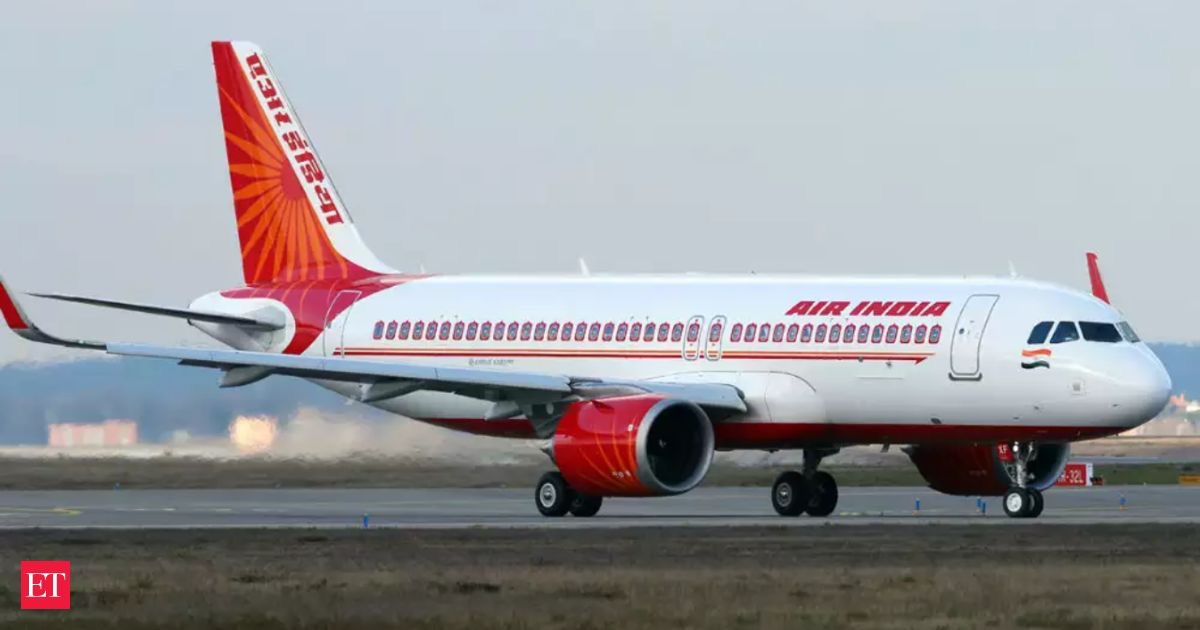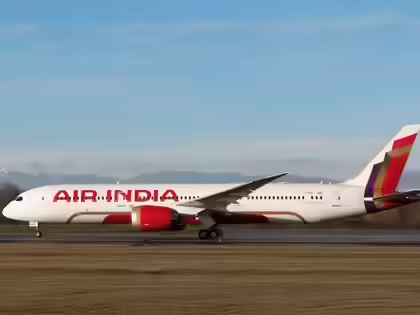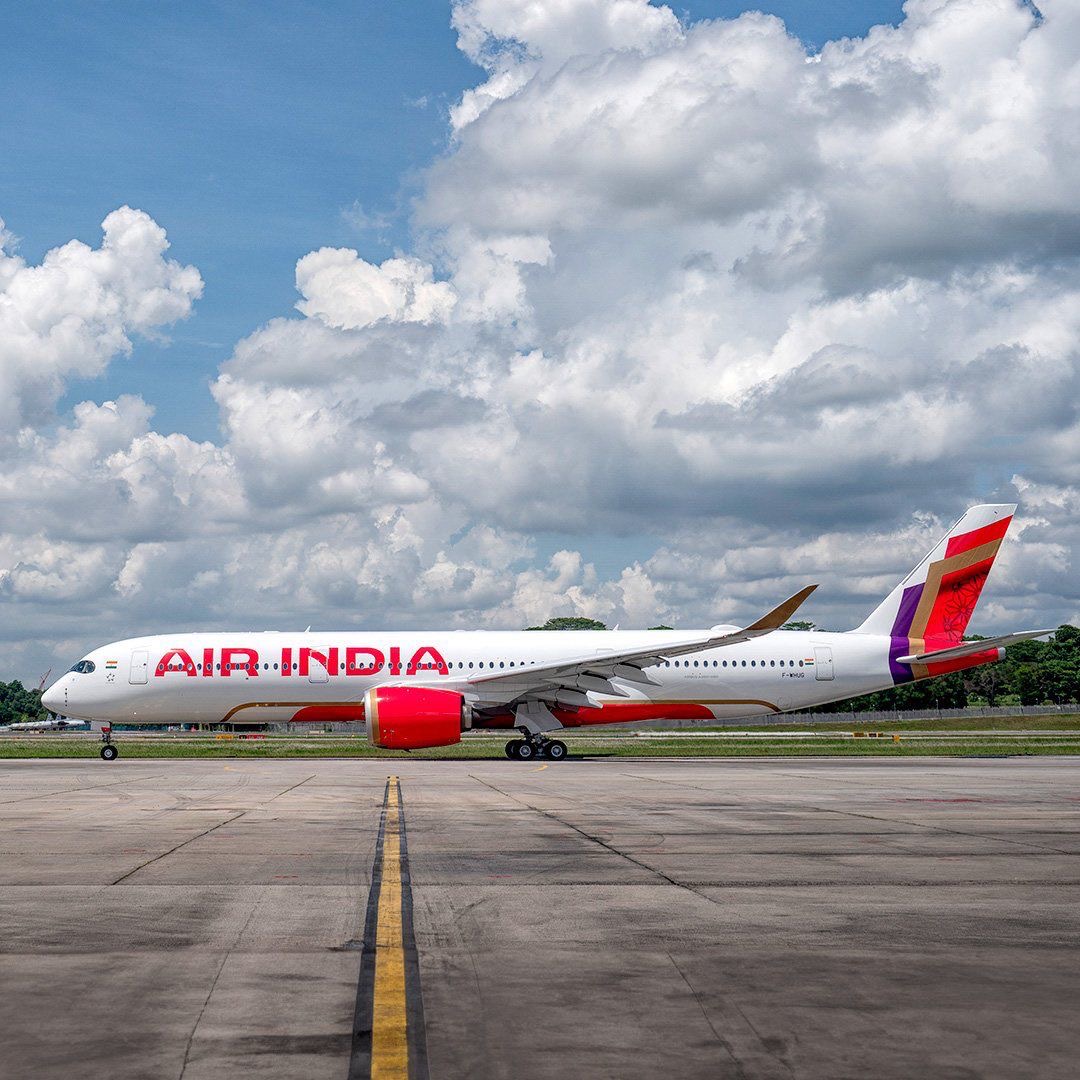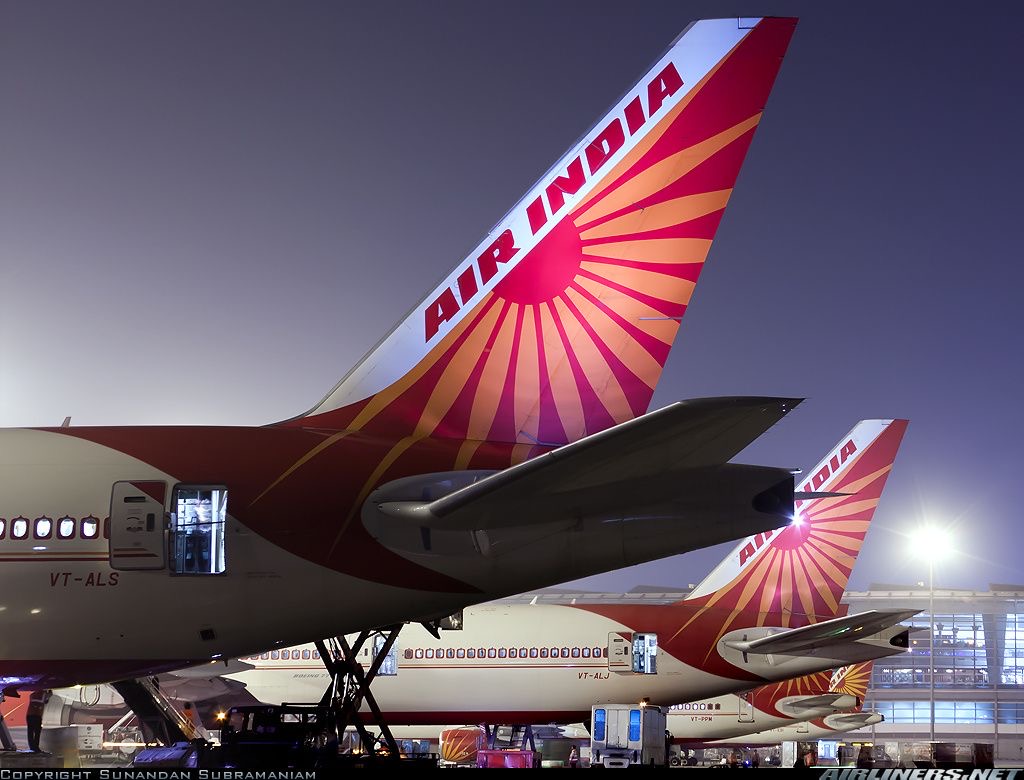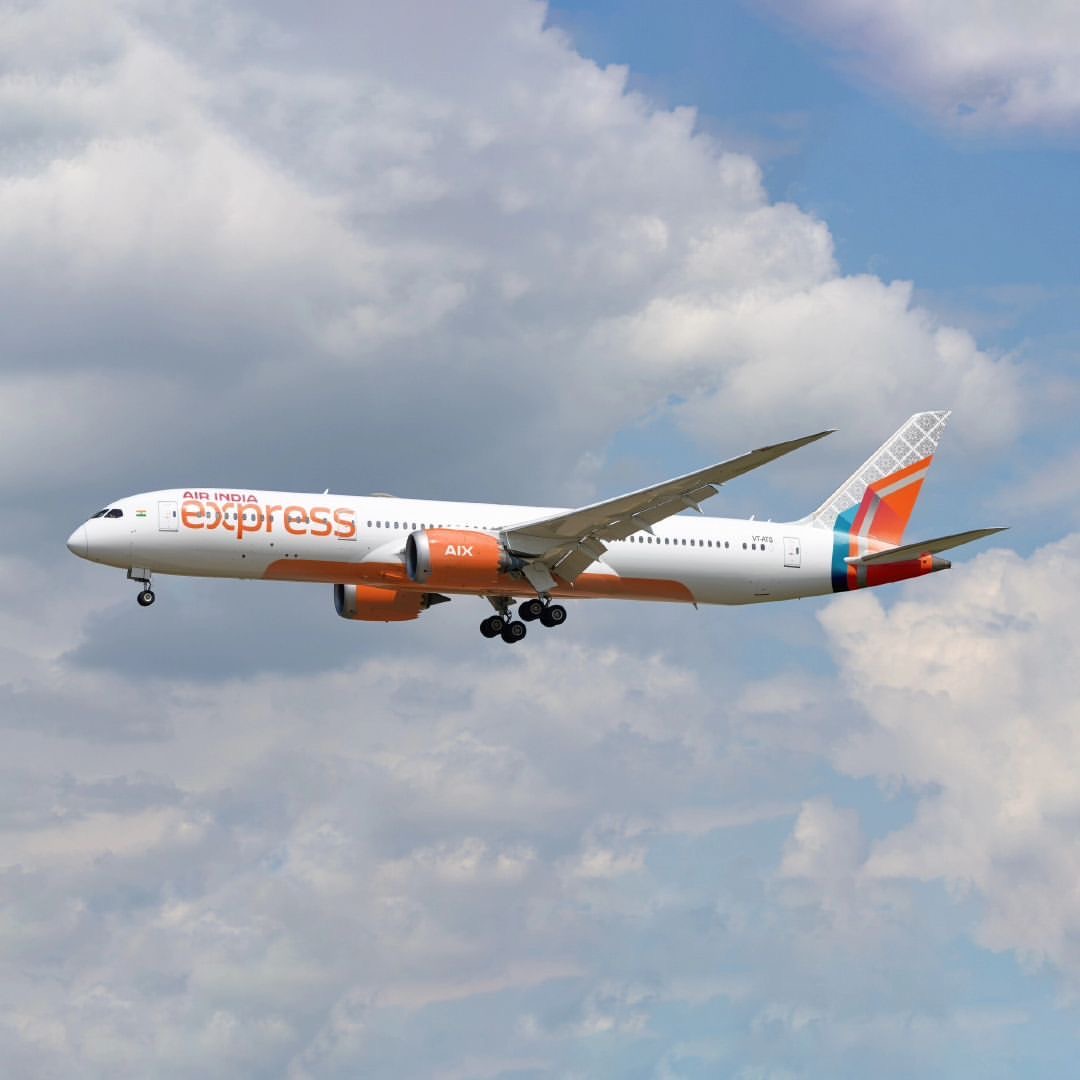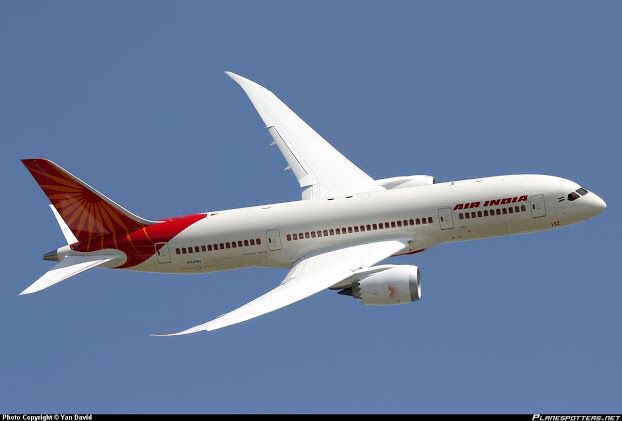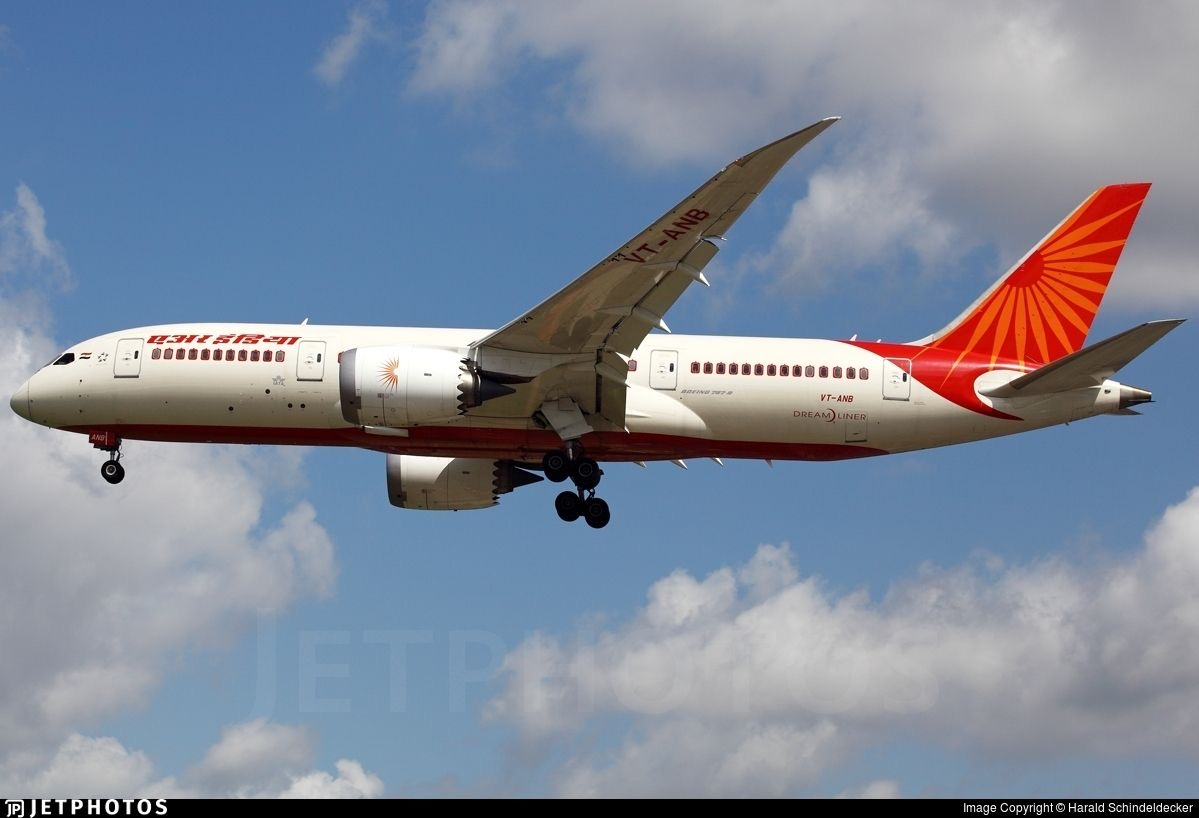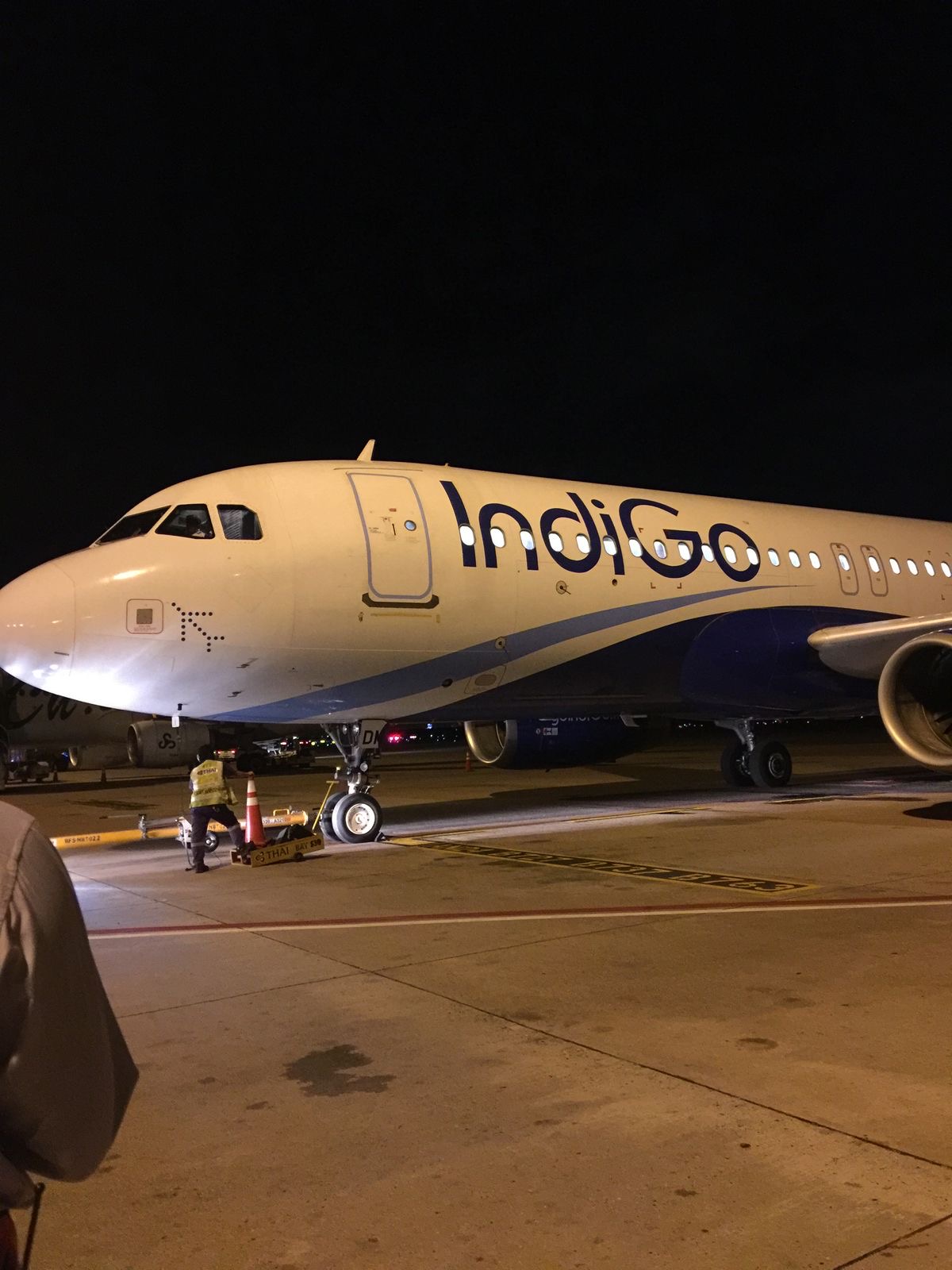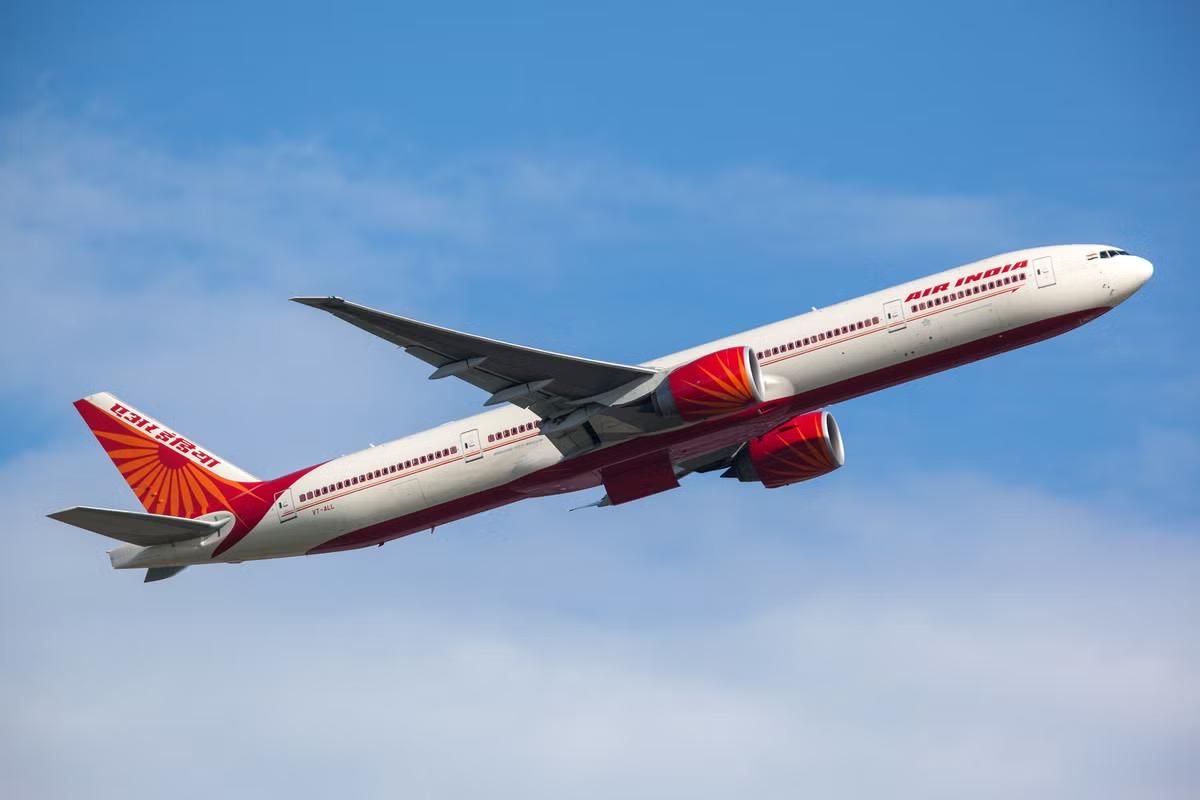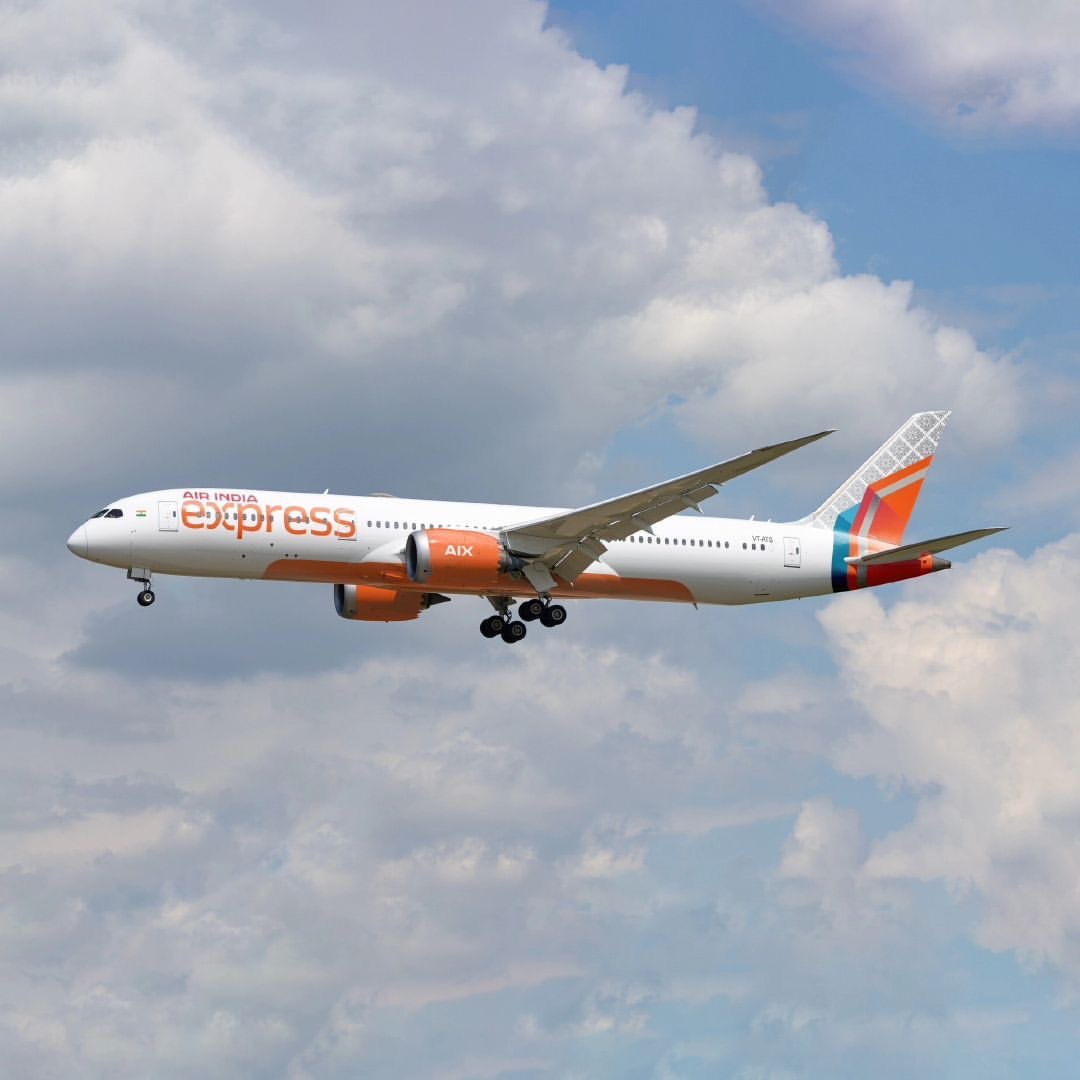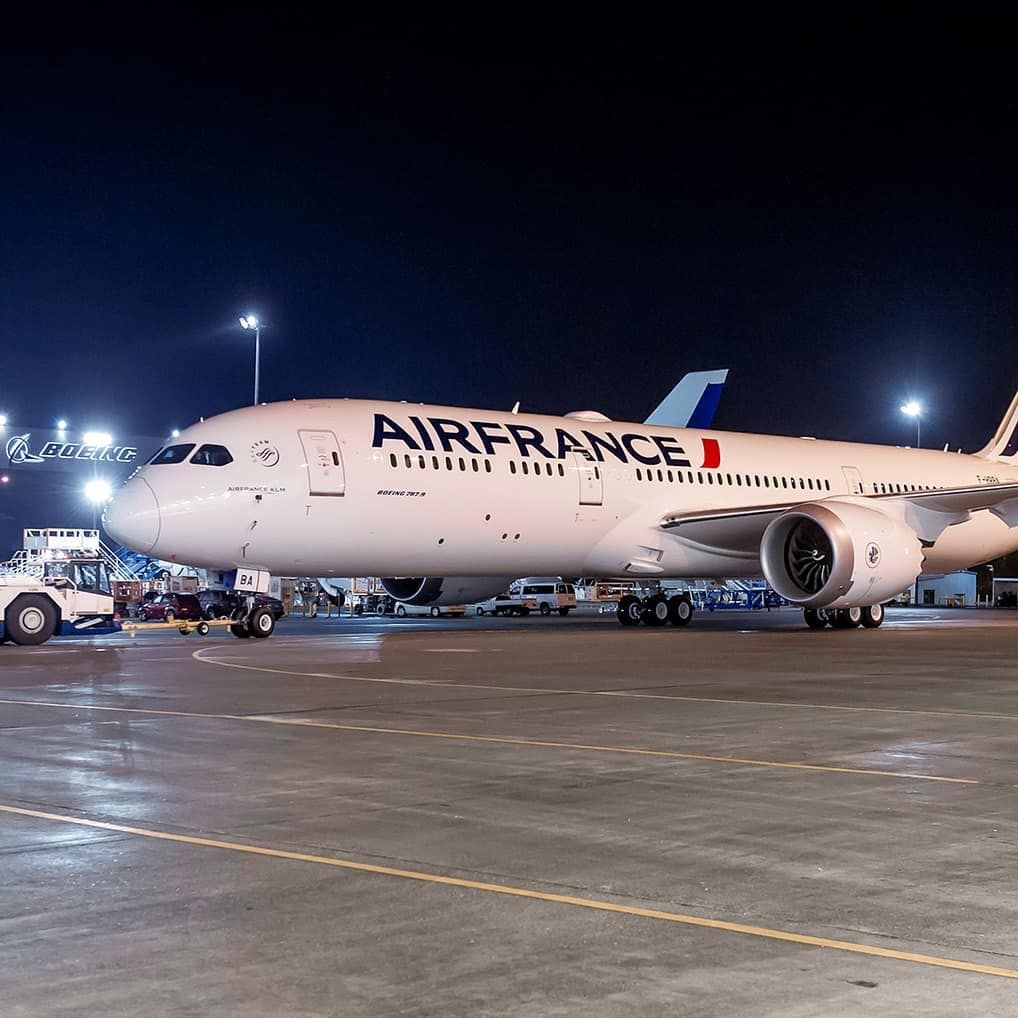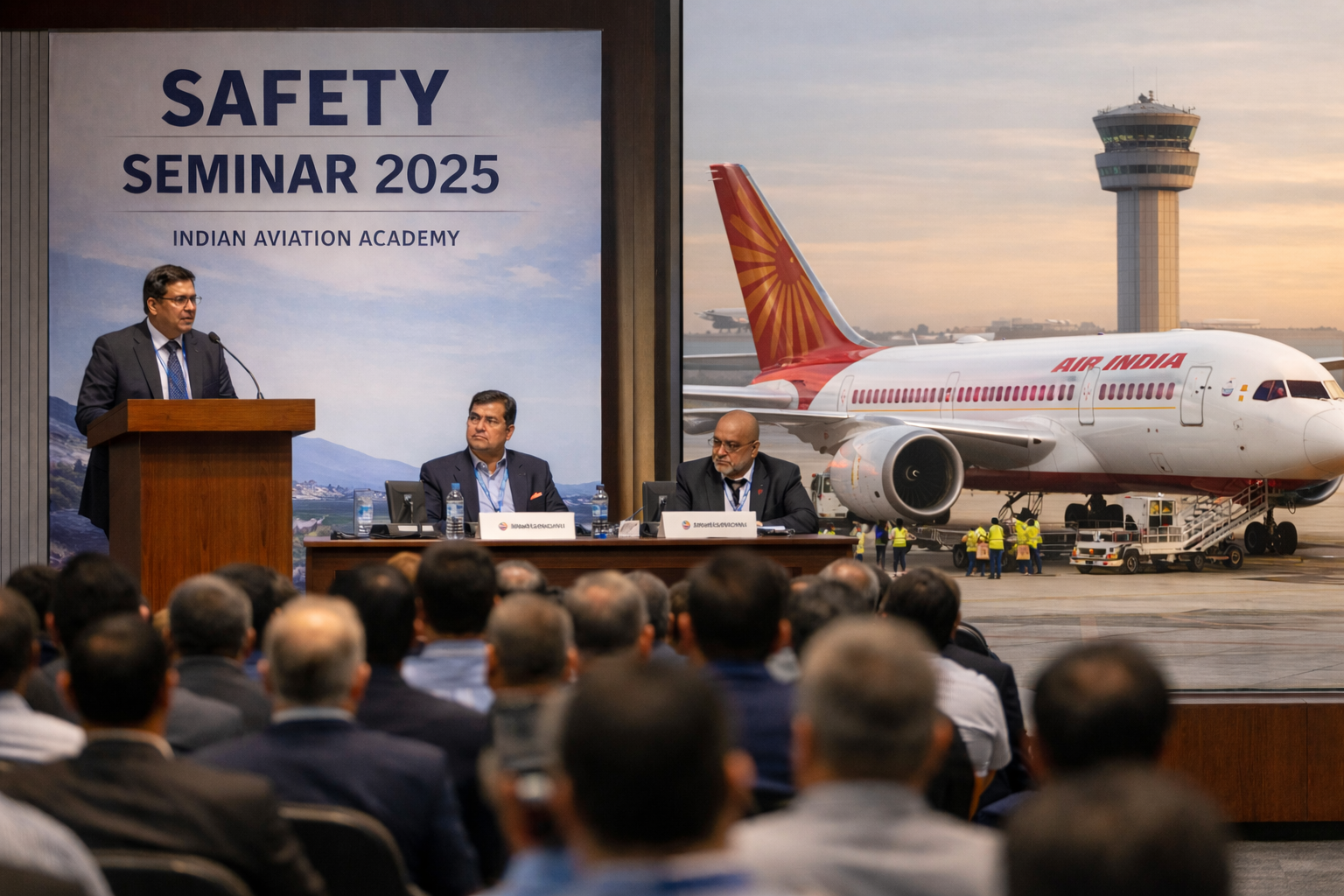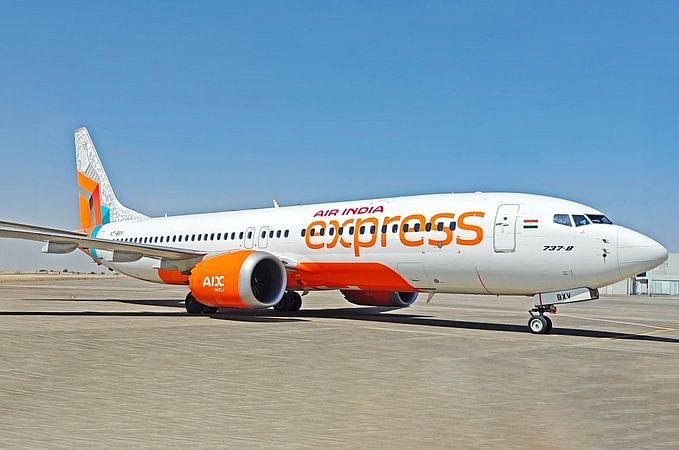
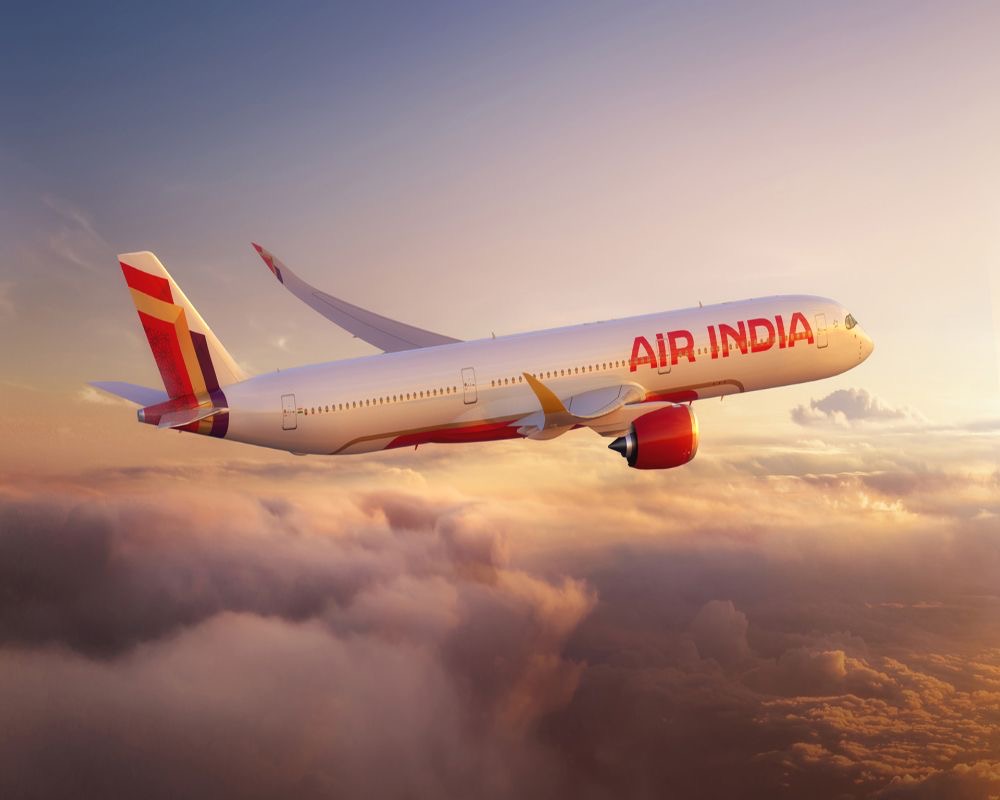
An Air India Boeing 787 flight declared an inflight emergency due to low fuel and made a precautionary diversion to London Heathrow Airport, where it landed safely without any injuries to passengers or crew. The incident unfolded as the aircraft was en route on a long-haul flight when the cockpit crew identified a fuel-related concern that required immediate attention and a change of plans.
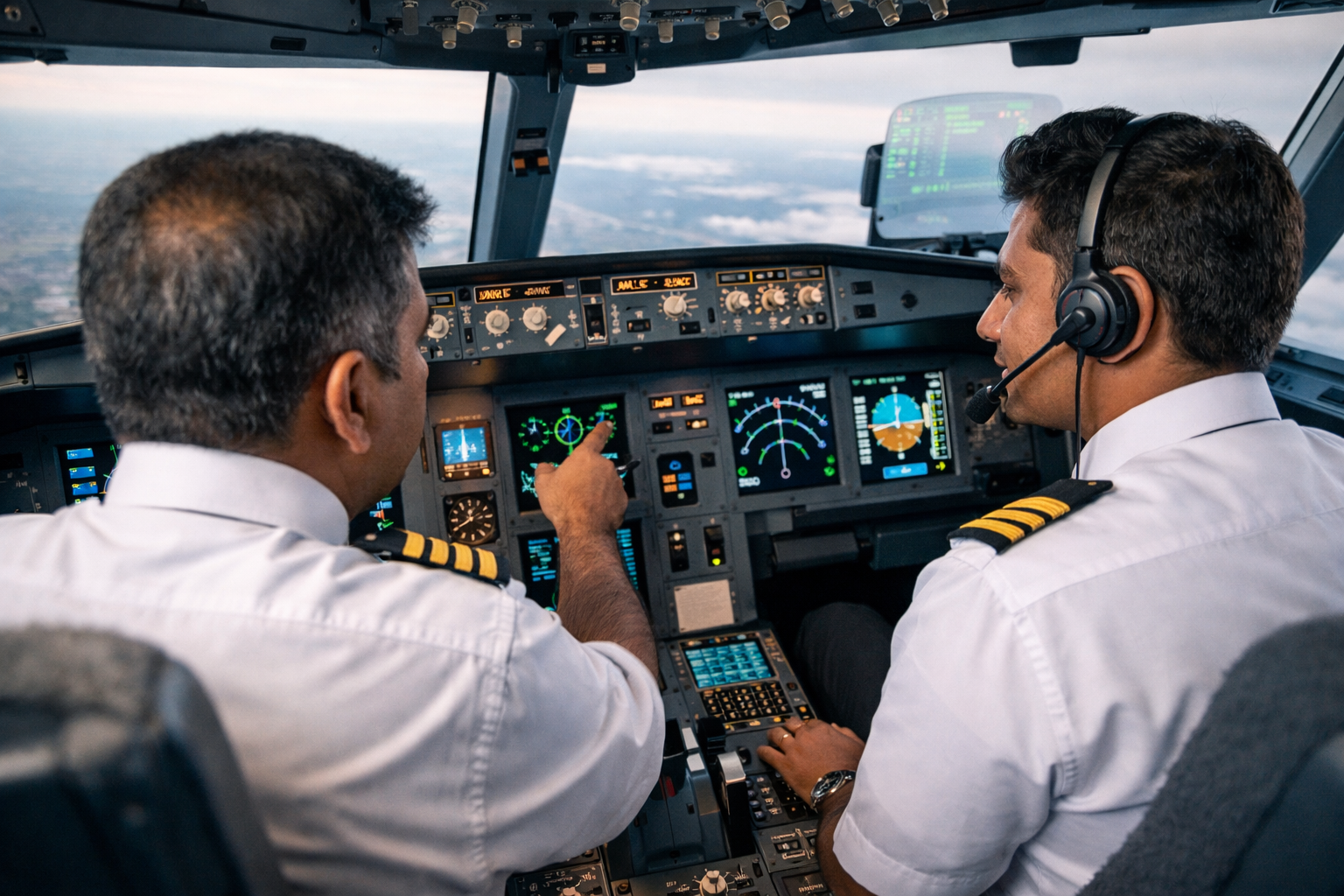
The flight had originated on its scheduled international route and was well into its cruise phase when indications suggested a shortfall in the planned fuel margin. Recognising the potential risk, the flight crew followed established emergency procedures and promptly notified air traffic control of their intention to divert to the nearest suitable airport. London Heathrow, with its wide runways and full emergency support infrastructure, was selected as the safest option to handle the unscheduled landing.
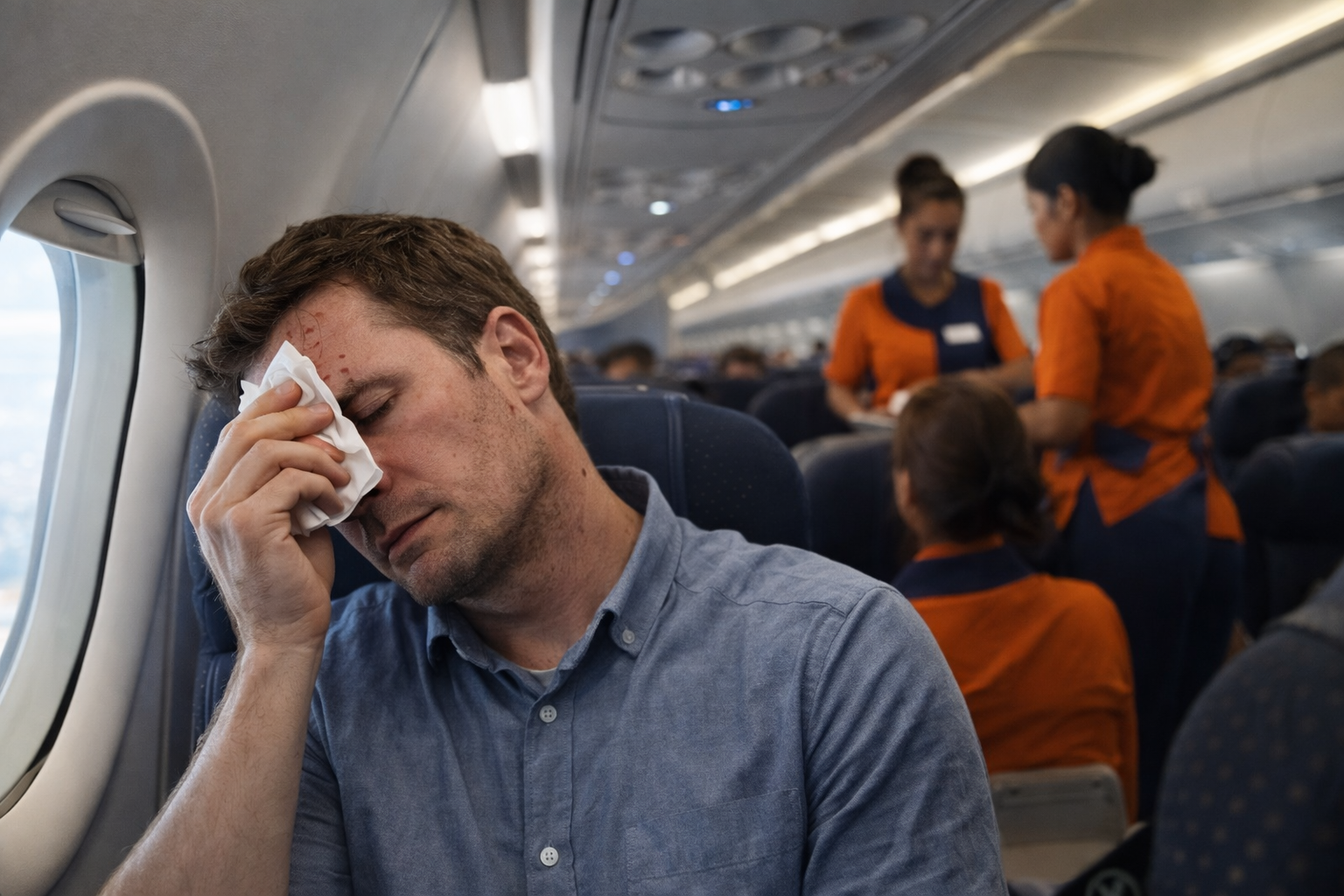
Passengers were informed calmly by the flight crew that the diversion was necessary for safety reasons. Cabin attendants continued to monitor the situation in the cabin, preparing passengers for the landing and ensuring that everyone understood the situation. Although the declaration of an emergency can be unsettling, the crew’s experience and professionalism helped maintain order and reassurance throughout the diversion.
Air traffic controllers at Heathrow readied the airport’s emergency response teams, clearing other traffic and allocating a priority arrival path. Fire and rescue units, as a standard precaution, positioned themselves near the runway where the aircraft would arrive, prepared to assist if necessary. Meanwhile, ground operations and airline personnel made preparations to support the flight once it was on the ground.
Upon touchdown at Heathrow, the Boeing 787 executed a smooth landing. Emergency responders stood by as the aircraft taxied to a designated remote stand. Passengers were then disembarked in an orderly manner and met by airline ground staff who provided updates, assistance, and arrangements for onward travel. All passengers and crew were reported safe, with no medical issues arising from the diversion.
The airline released a statement confirming that the aircraft declared an emergency due to a low-fuel indication and that the pilots acted according to protocol, prioritising the safety of all onboard. Airline officials emphasized that safety remains the absolute priority and that pilots are trained to make conservative decisions when fuel anomalies occur. They also stated that a thorough technical review would be conducted before the aircraft is cleared for its next flight.
Aviation experts explain that fuel management on long-haul flights involves detailed planning with contingency reserves for alternate airports and unexpected headwinds. However, unpredictable factors such as stronger-than-forecast winds, routing changes, or delays can affect fuel consumption, prompting pilots to reassess fuel status and divert when necessary. The swift and safe handling of this situation illustrates the effectiveness of aviation safety margins and crew training.
Following the incident, engineers and maintenance crews inspected the aircraft to determine the precise cause of the fuel discrepancy. Data from the flight’s fuel monitoring systems, weather conditions encountered, and operational records are being analysed to ensure any procedural or technical issues are fully understood. The airline assured the public that appropriate follow-ups will be carried out.
Passengers affected by the diversion shared their appreciation for the calm communication from the crew and the orderly manner in which the landing and disembarkation were handled. While unscheduled diversions can disrupt travel plans, most travellers acknowledged that the crew’s focus on safety and clear guidance made the experience manageable. The episode highlights how robust procedures and experienced flight teams work together to manage unforeseen inflight developments without compromising passenger welfare.