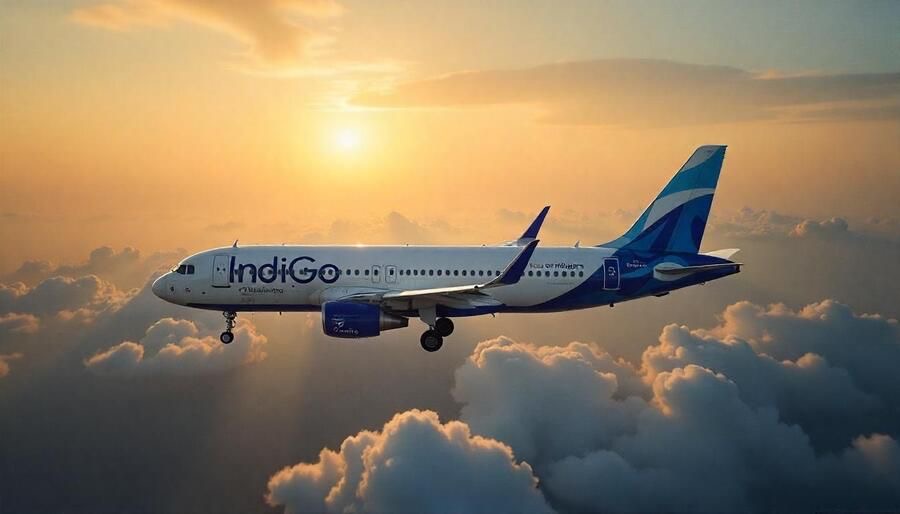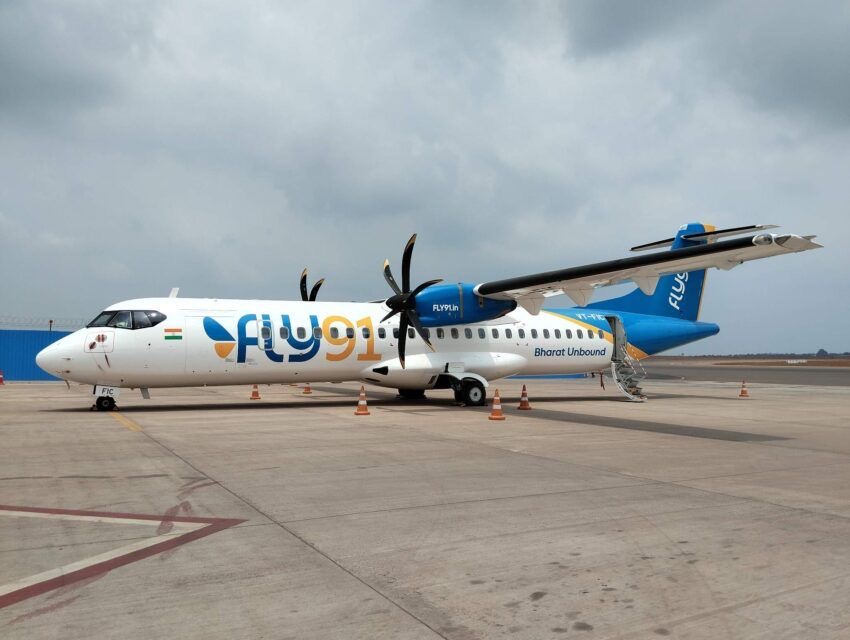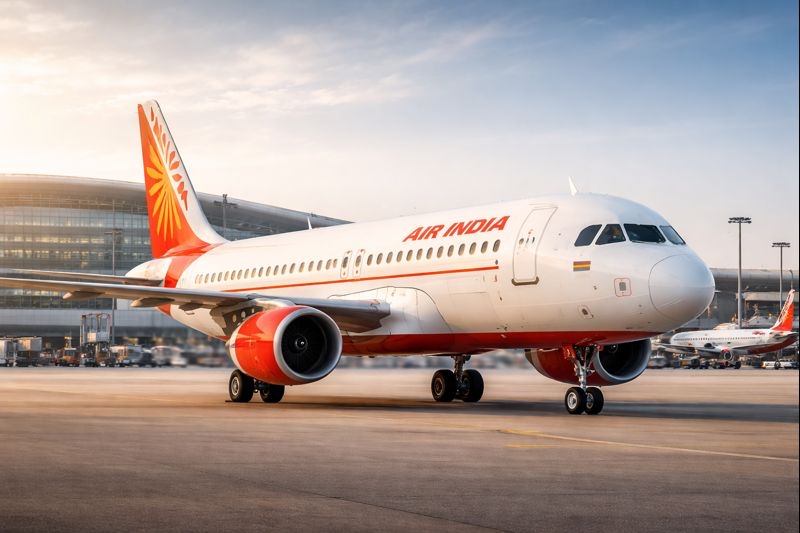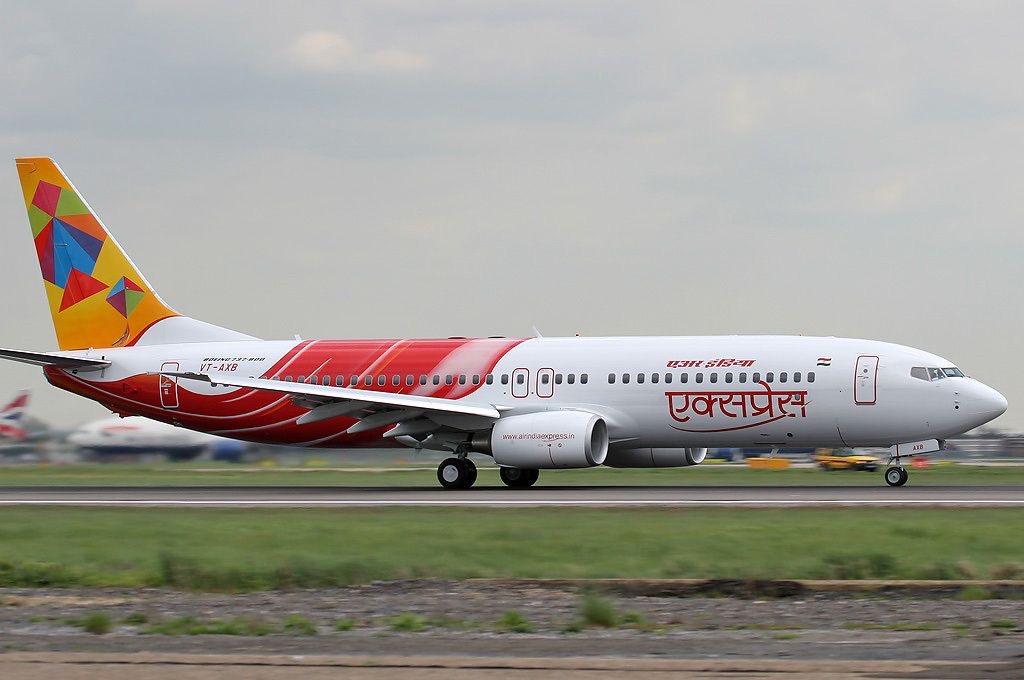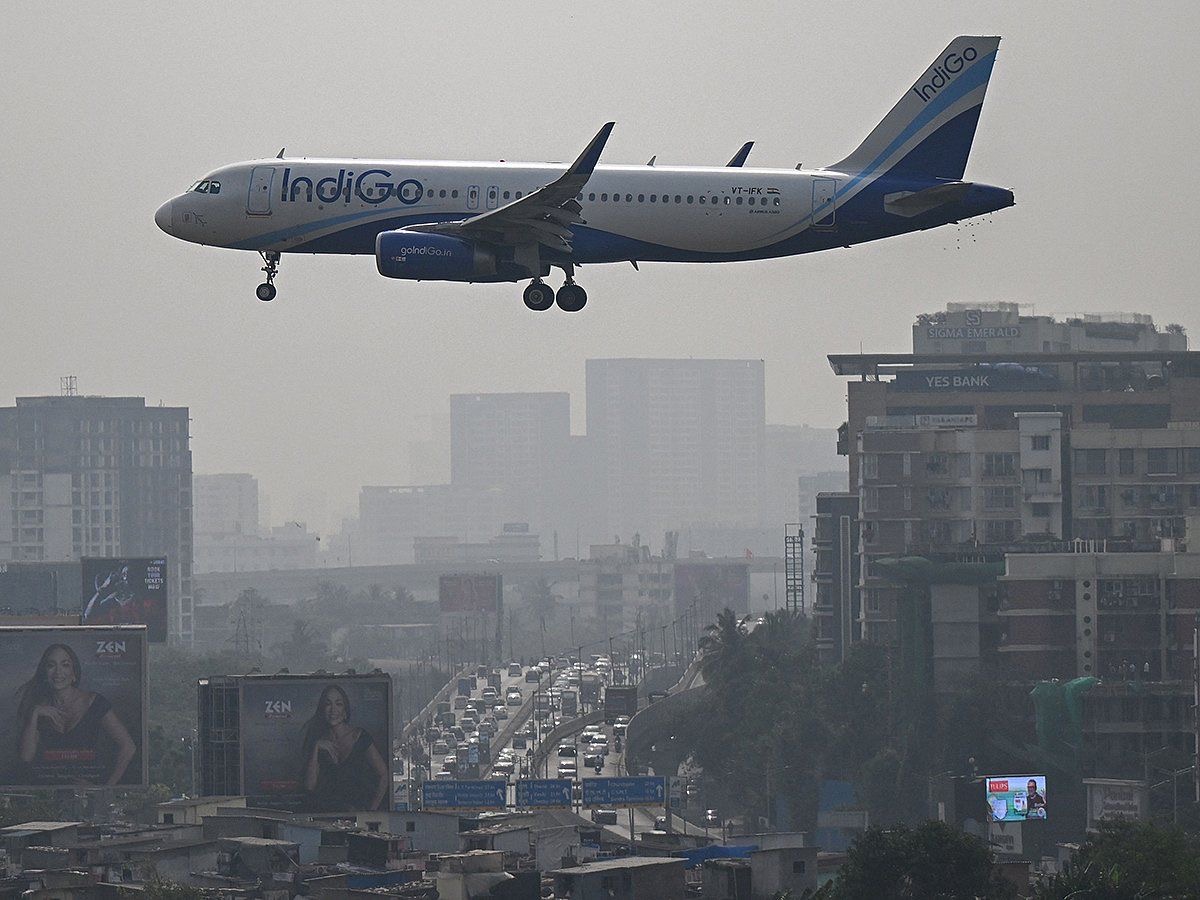

The global aviation industry is poised for another landmark year as air travel demand continues to surge and airline finances show steady improvement. According to the latest industry outlook, airlines worldwide are expected to carry more passengers than ever before in 2026, while also posting their strongest collective profits in years. The forecast reflects a sector that has largely recovered from past disruptions and is now entering a phase of sustained growth.
Airlines are projected to generate total net profits of around 41 billion dollars in 2026, surpassing the earnings anticipated for the previous year. While this figure represents a major milestone for the industry, profit margins are expected to remain relatively modest. On average, airlines are likely to earn just under eight dollars per passenger, highlighting how high volumes are essential to achieving overall profitability in a business that continues to operate on tight margins.
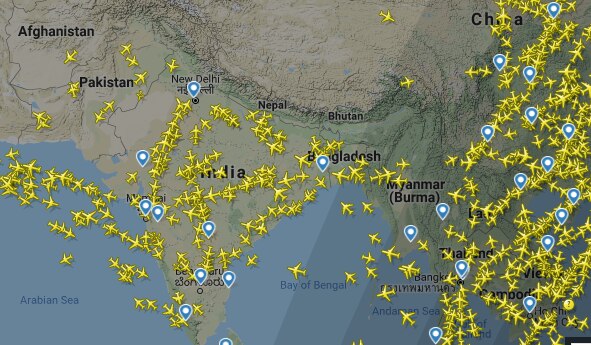
Passenger demand is expected to reach unprecedented levels, with more than 5.2 billion people forecast to travel by air globally during the year. This growth is being driven by strong economic activity in several regions, particularly in Asia Pacific, where markets such as India and China continue to see rapid expansion in both domestic and international travel. Demand in North America, Europe, and the Middle East is also expected to remain resilient.
Aircraft are likely to fly fuller than ever, with seat load factors projected to remain near record highs. This reflects not only strong demand but also limited capacity growth, as airlines continue to face delays in aircraft deliveries. As a result, carriers are maximizing the use of existing fleets to meet passenger needs while carefully managing schedules and frequencies.
Industry revenues are expected to cross the one trillion dollar mark in 2026, supported by passenger ticket sales, ancillary services, and cargo operations. Airlines are increasingly relying on multiple revenue streams to offset rising costs, including fuel, maintenance, labor, and airport charges. This diversified income base has become a key pillar of financial stability for many carriers.
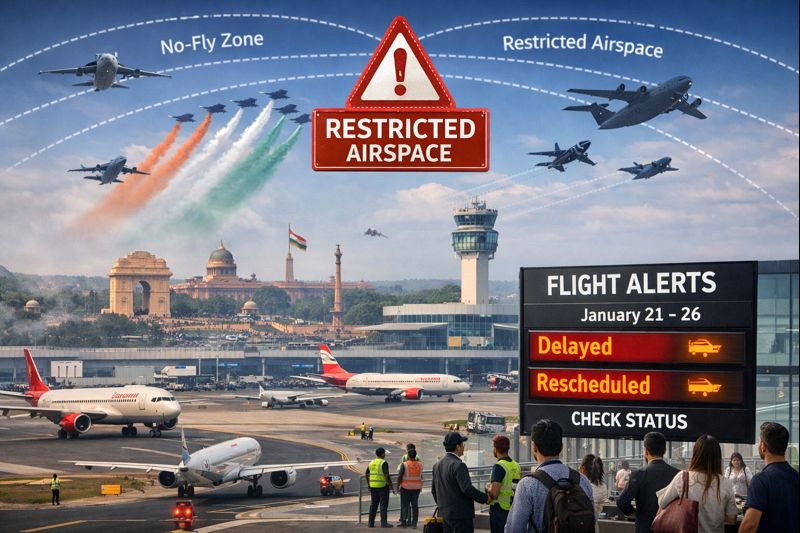
Despite the optimistic outlook, the industry still faces several challenges. Supply chain disruptions continue to affect aircraft manufacturing and maintenance, forcing airlines to keep older planes in service for longer periods. Geopolitical tensions, airspace restrictions, and regulatory pressures also add complexity to airline operations, particularly for international carriers.
Another notable aspect of the forecast is the uneven distribution of profits across the industry. While overall figures appear strong, not all airlines or regions are expected to benefit equally. Some carriers may struggle with higher costs, weaker demand, or structural limitations, underscoring the importance of careful financial management and strategic planning.
Overall, the outlook for 2026 suggests that global aviation is entering a phase of stability and maturity following years of uncertainty. Record passenger demand and solid profitability point to renewed confidence in air travel, even as airlines remain cautious and focused on navigating ongoing operational and economic challenges.