
Private Pilot Licence (PPL)
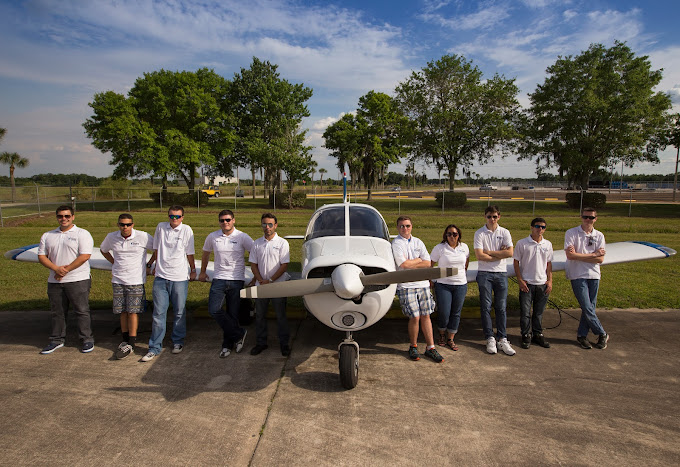
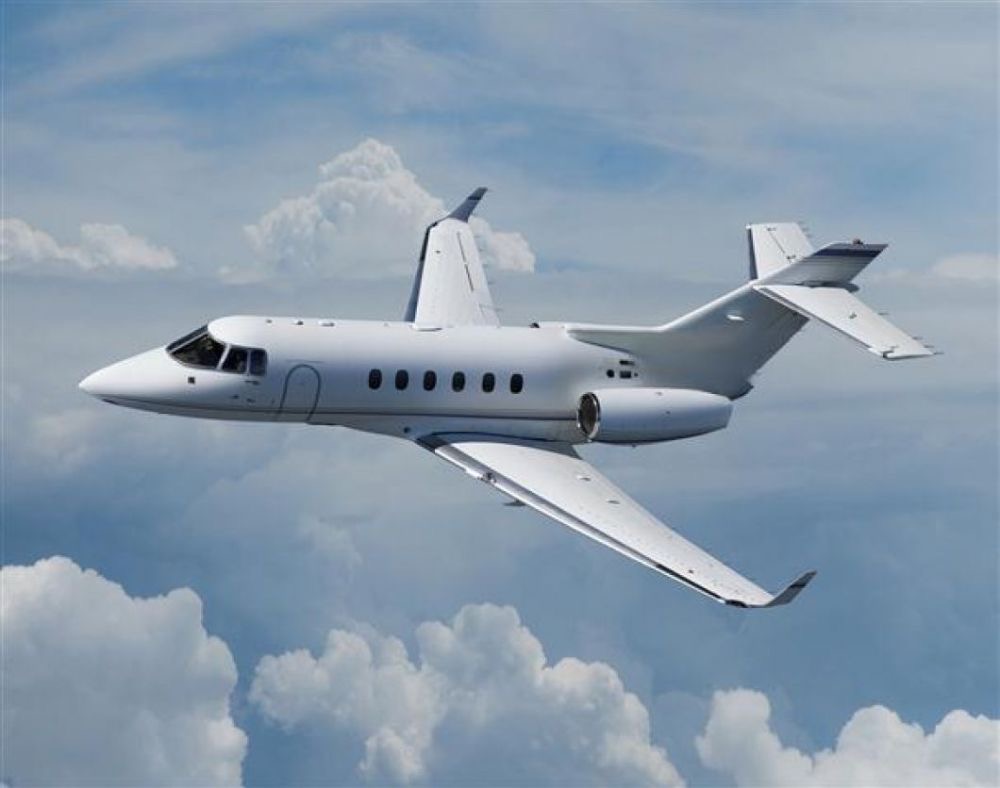
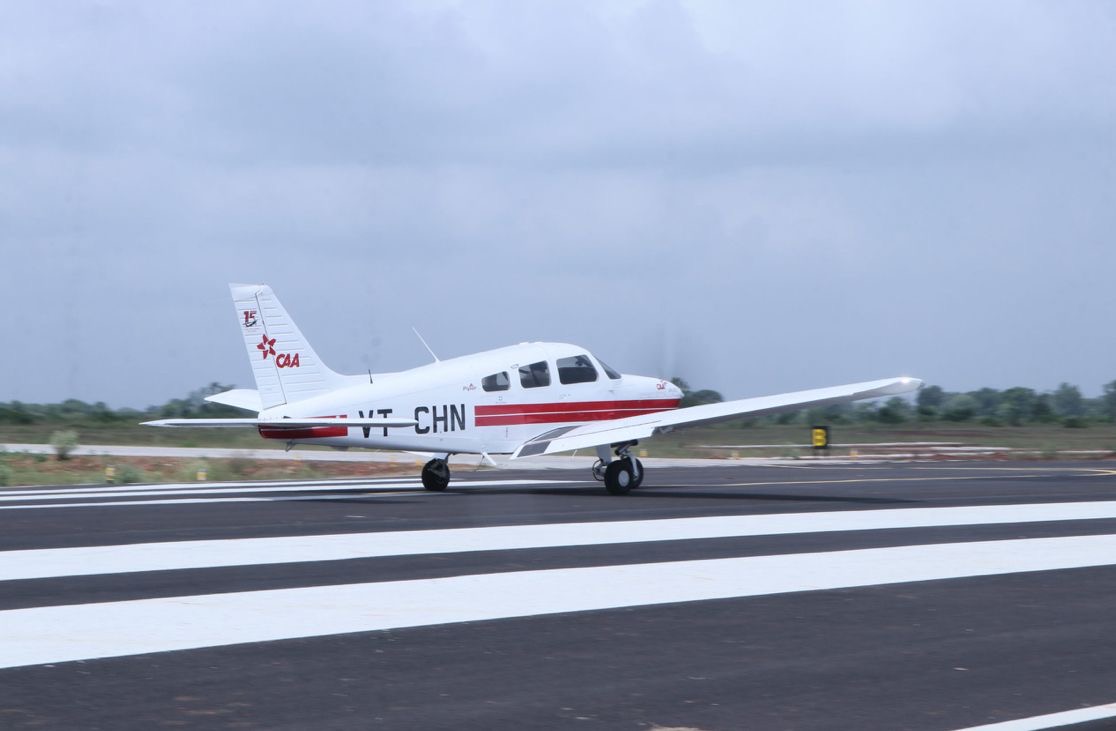
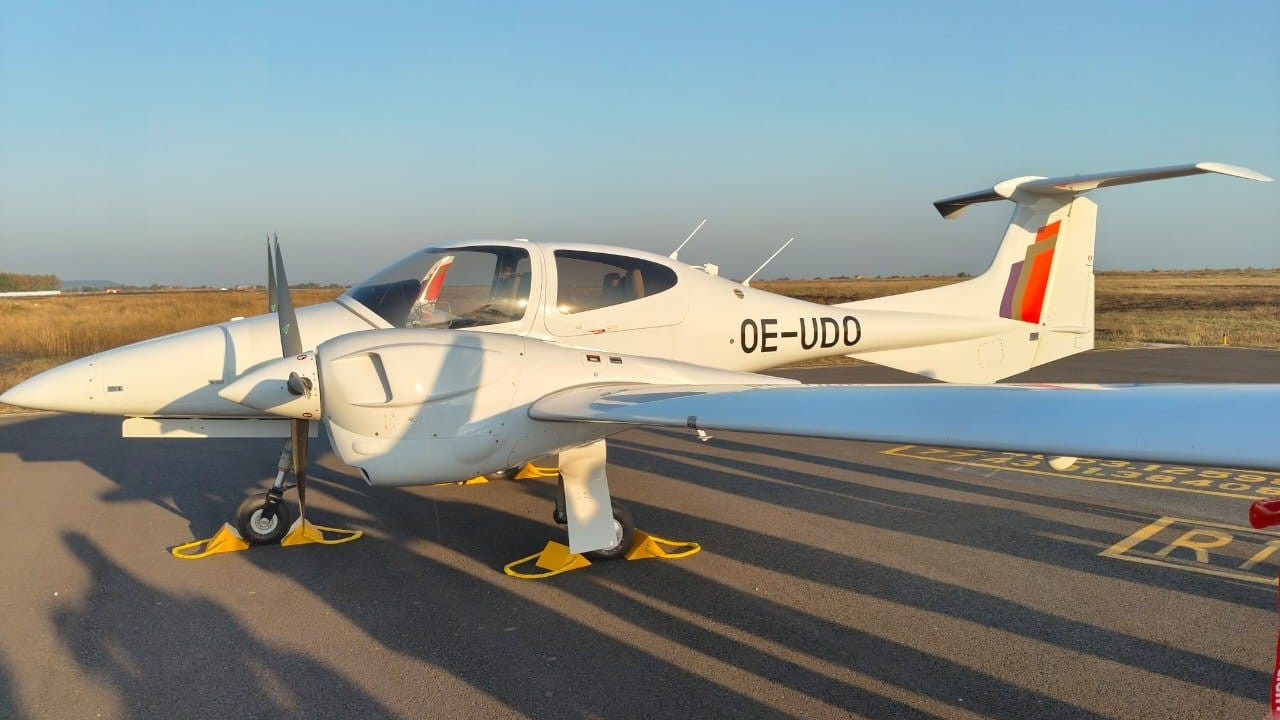
The Private Pilot Licence is usually the first step into aviation for hobby flyers or early learners. It allows you to fly an aircraft purely for personal enjoyment or travel, without any commercial intent. Many pilots pursue a PPL simply because they love flying, or because they want to get comfortable in the cockpit before committing to full-time training.
In India, the DGCA requires a minimum of 40 hours of flying, along with a Class 2 medical. The subjects are basic Regulations, Meteorology, Navigation and Technical and are designed to introduce you to aviation fundamentals. A PPL won’t make you eligible for a paid flying job, but it is the perfect place to understand whether aviation is truly your calling.
Commercial Pilot Licence (CPL)
For anyone who dreams of becoming an airline pilot, the CPL is the real gateway. This is the licence that turns flying into a profession. With a CPL, you are legally allowed to fly an aircraft for commercial purposes and get paid for it.
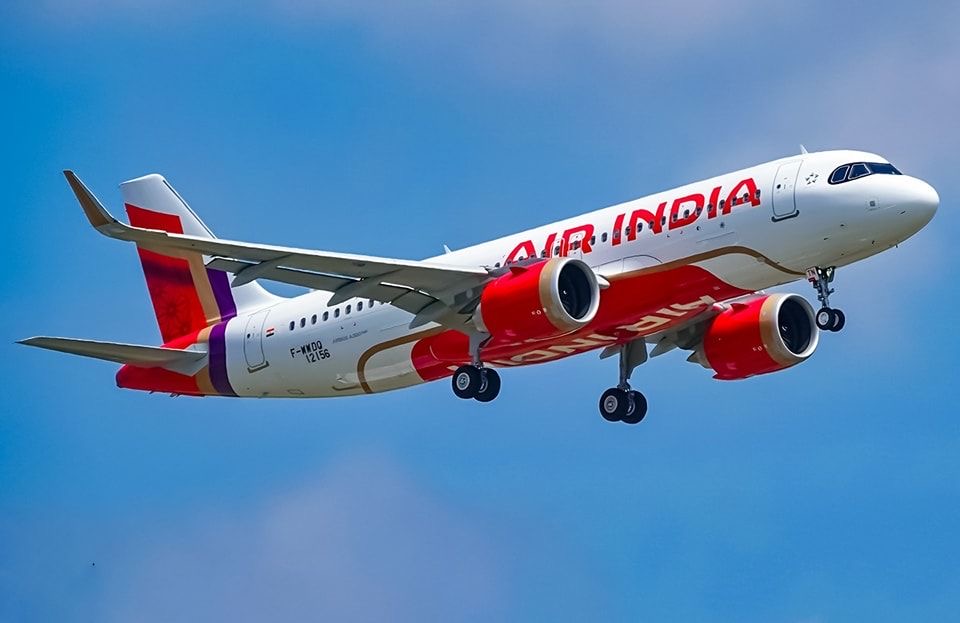
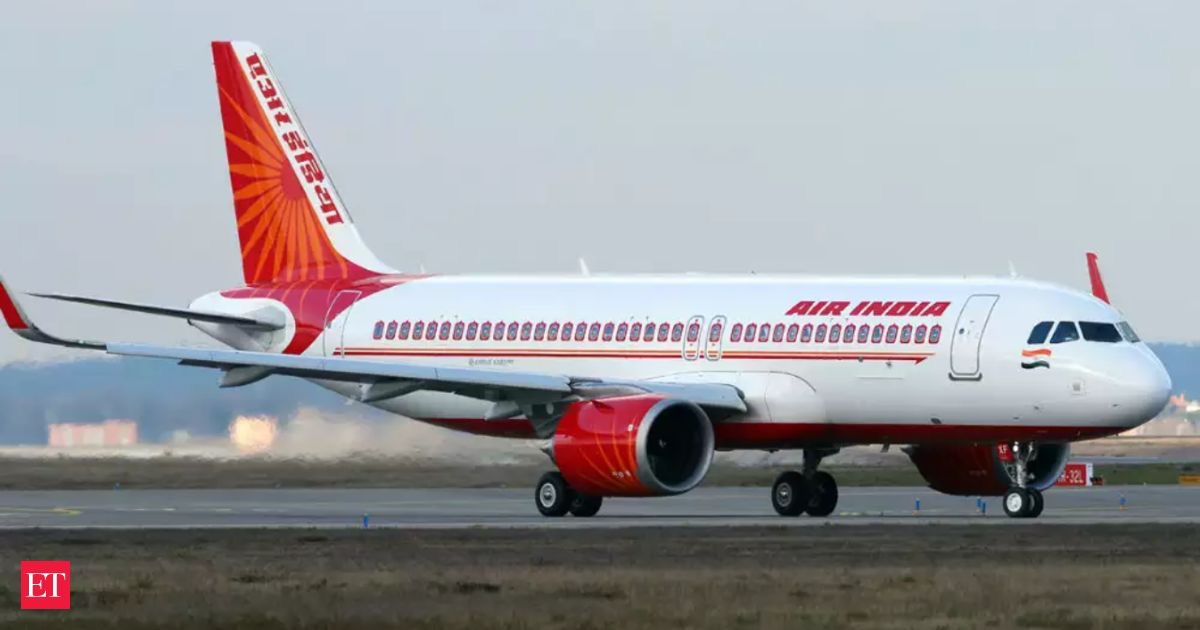
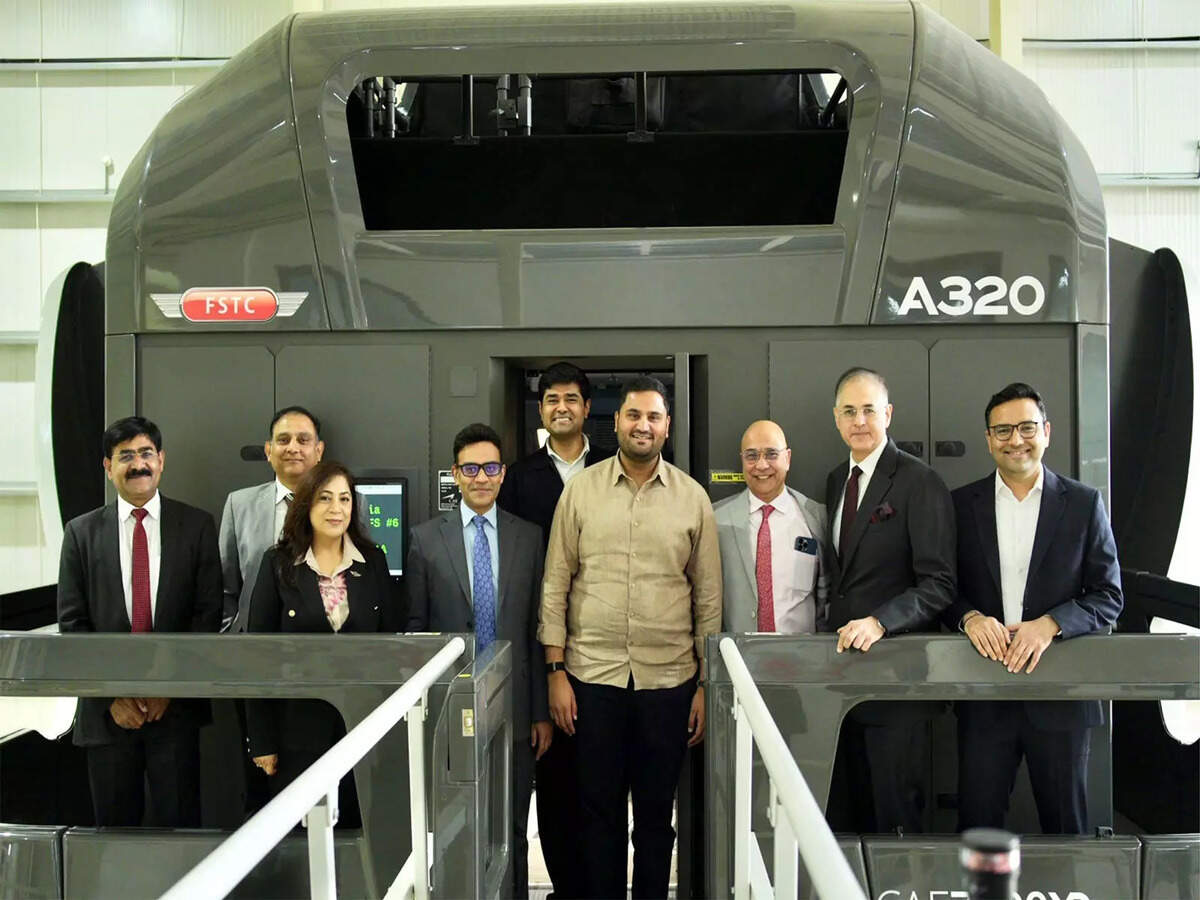
The DGCA mandates 200 hours of flying, a Class 1 medical, and a set of written examinations including Navigation, Meteorology, Air Regulations, Technical General and Technical Specific. Most student pilots spend a year or more completing their hours and clearing exams, followed by a Type Rating to qualify on aircraft such as the A320 or B737.
Once you hold a CPL, you can apply for airline pilot vacancies, charter operations, corporate flying jobs, and even pursue a Flight Instructor rating. It is the foundation of almost every aviation career in India.
Airline Transport Pilot Licence (ATPL)
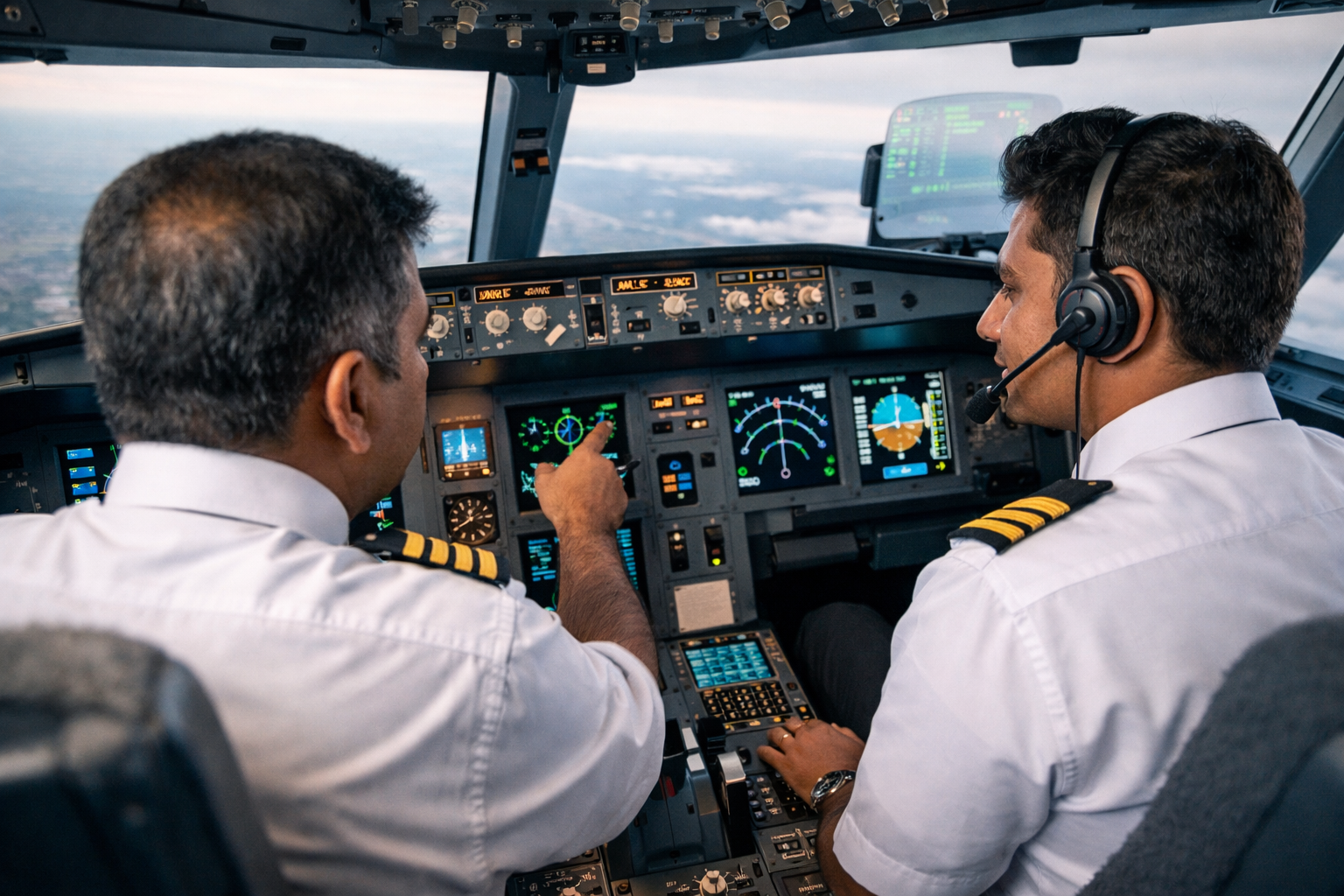
The ATPL is the highest licence a pilot can hold. It is not something you start with rather, it is an upgrade earned after years of experience. In commercial airlines, pilots with an ATPL are the ones who sit in the left seat: the Captain.
To qualify, the DGCA requires 1,500 hours of total flying time, including specific experience such as cross-country, night flying and PIC (Pilot-in-Command) hours. ATPL exams include Radio Aids, Meteorology and Advanced Navigation. Pilots usually complete these requirements while flying as First Officers in an airline.
An ATPL is essentially the final milestone in a pilot’s professional development, opening doors to command positions, trainer roles and higher responsibilities within an airline.
Which Licence Should You Choose?
The path is simple:
- If you want to fly for fun, start with a PPL.
- If you want a career in aviation, go for a CPL.
- And if your goal is to one day command a commercial airliner, the ATPL is where your journey eventually leads.
Each licence has its place in a pilot’s growth, and understanding these differences early helps you plan your training, investment and long-term career goals with clarity.