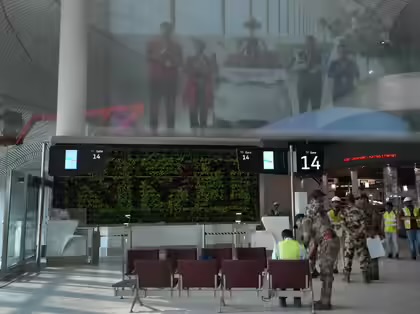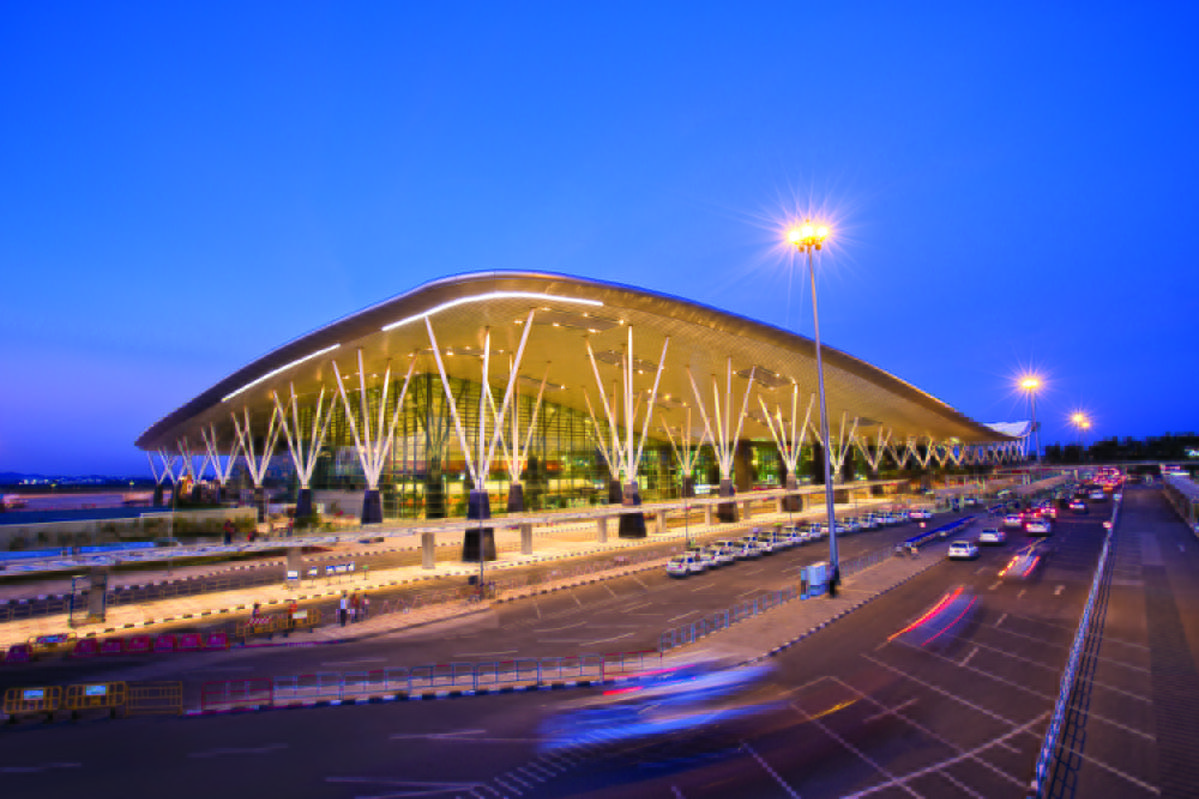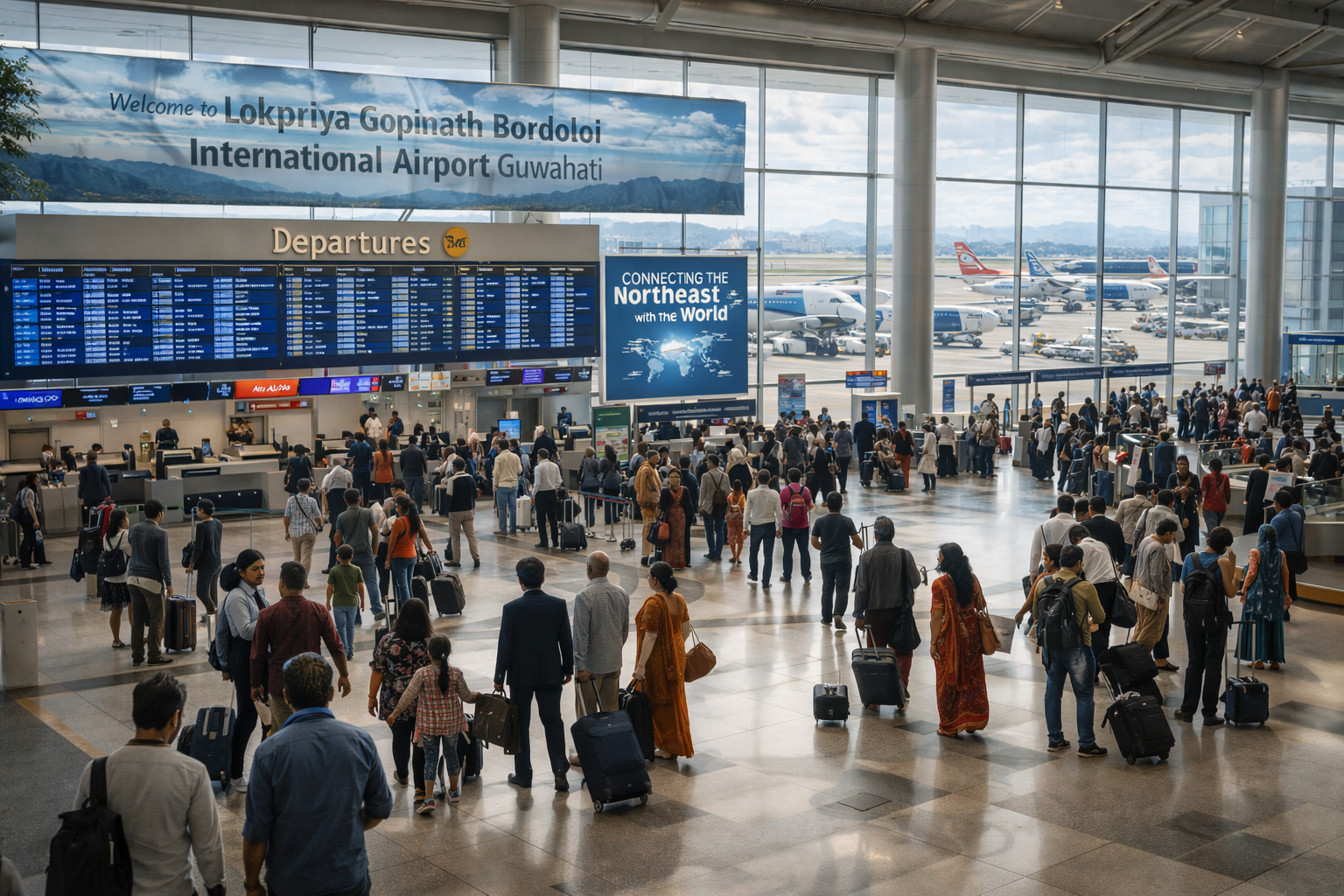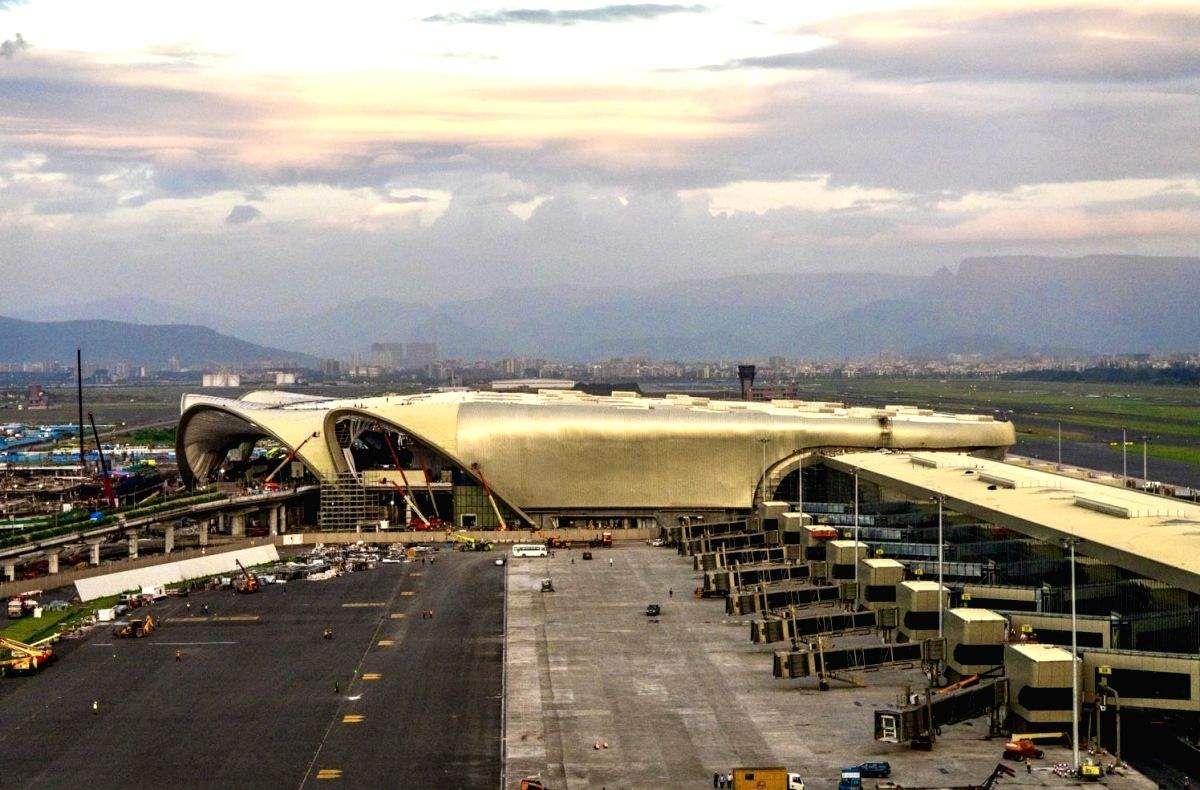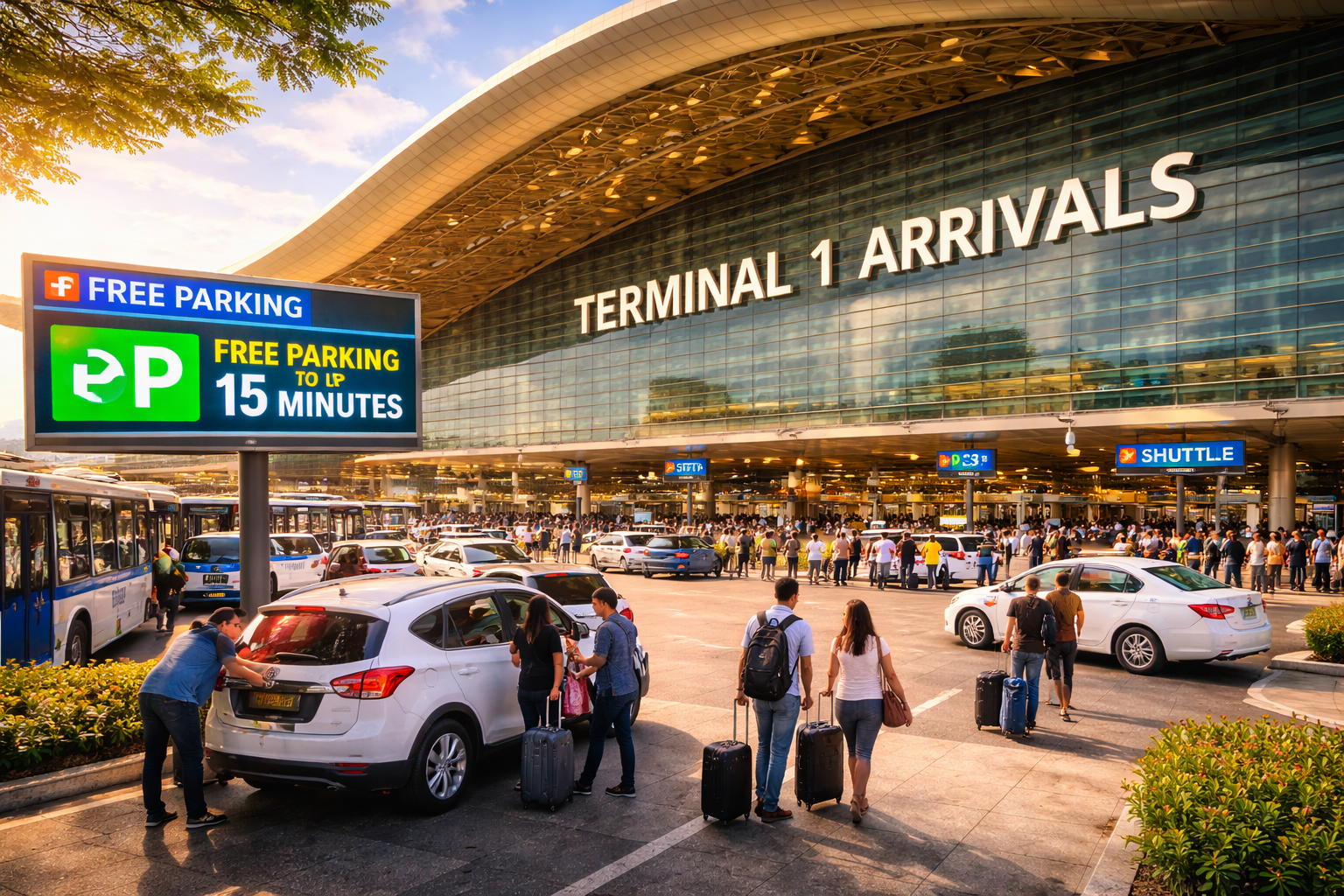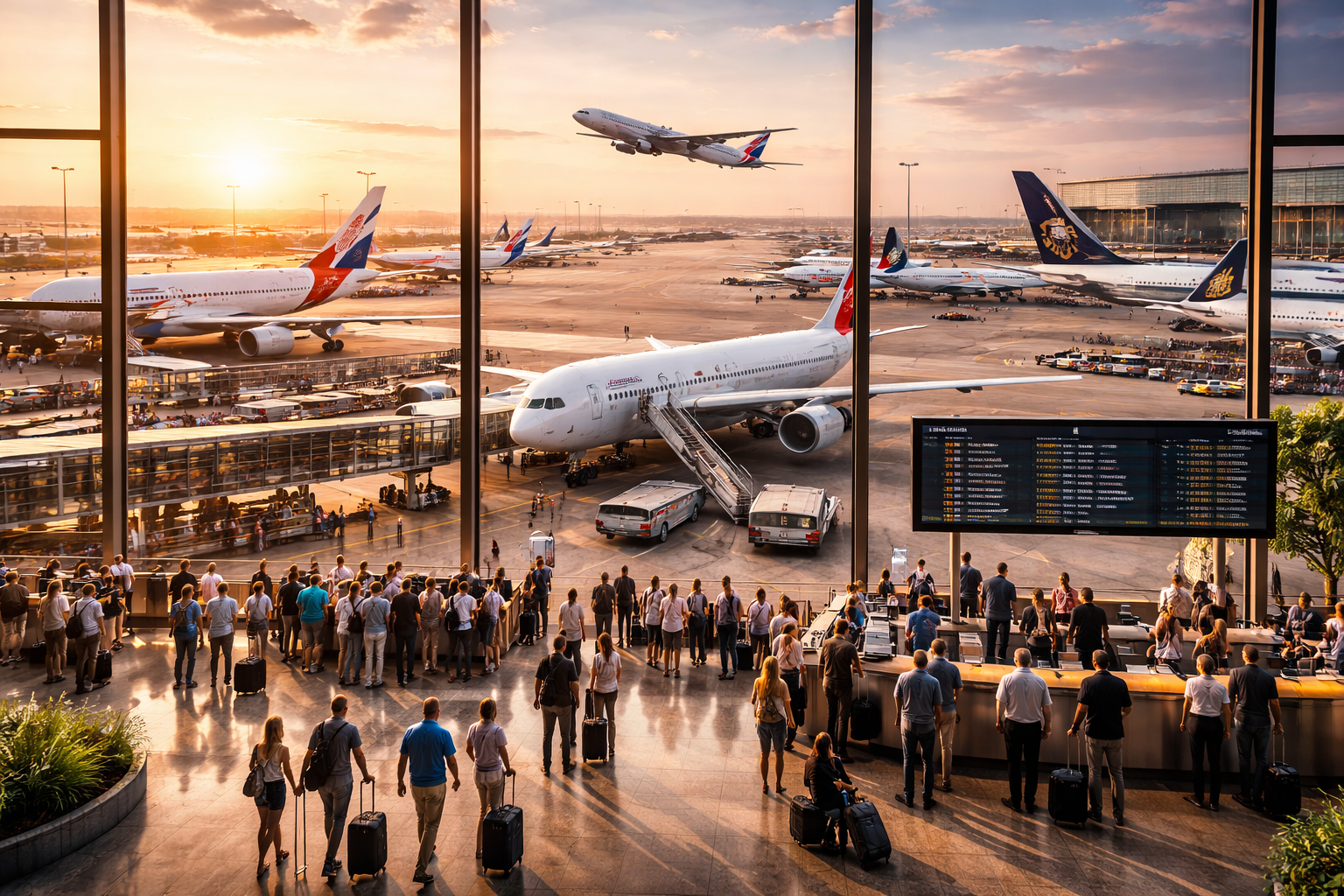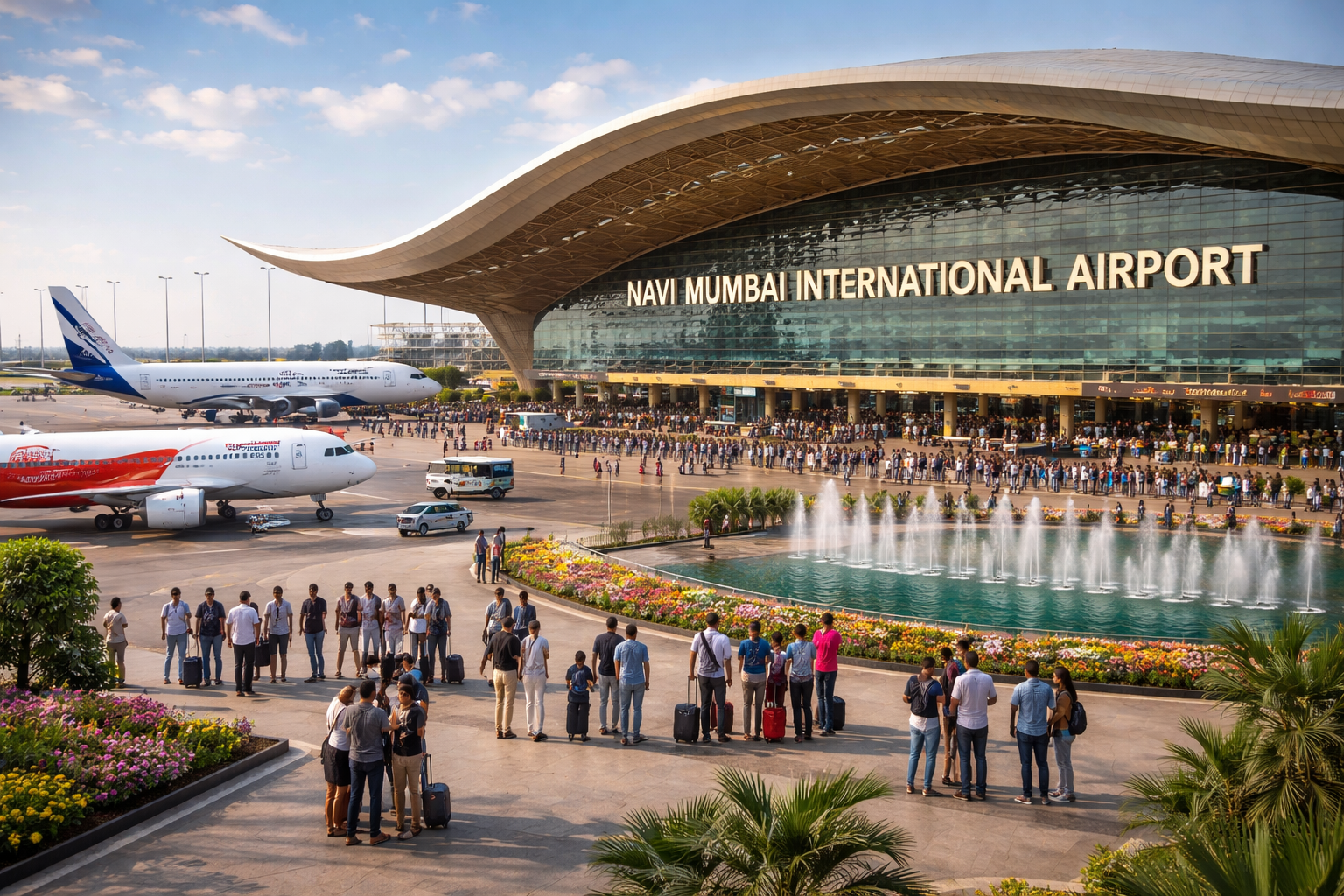
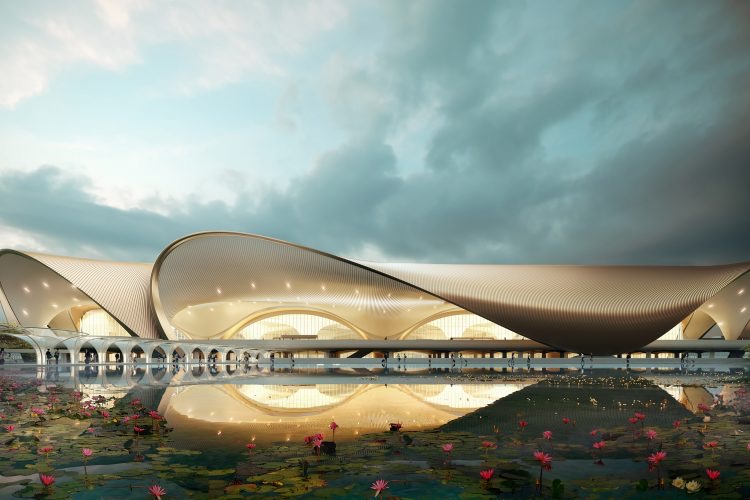
The Navi Mumbai International Airport (NMIA) officially began commercial flight operations on December 25, 2025, marking a significant milestone for India’s aviation infrastructure and providing much-needed relief to the congested Mumbai Metropolitan Region (MMR).
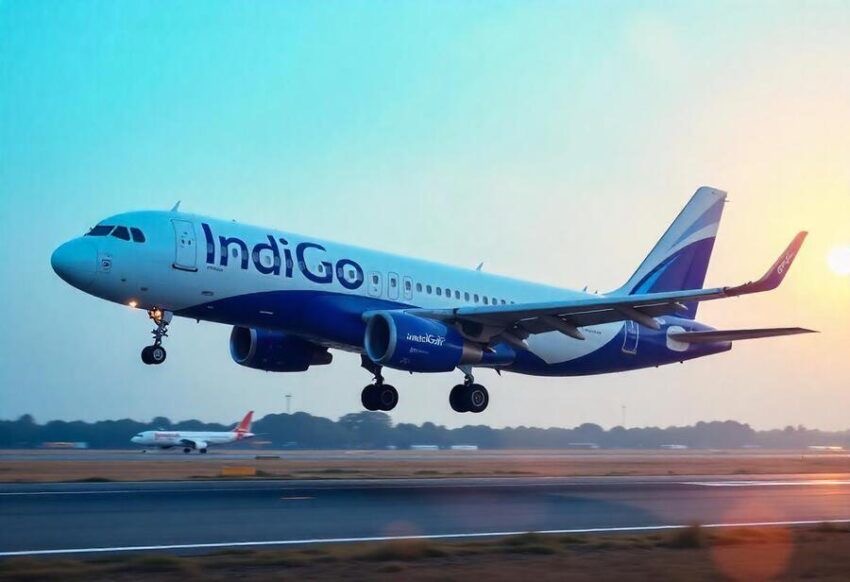
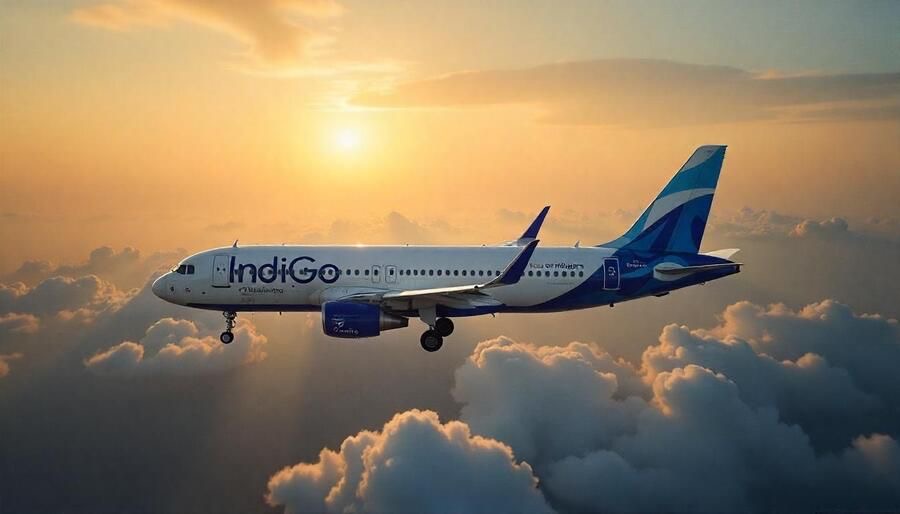
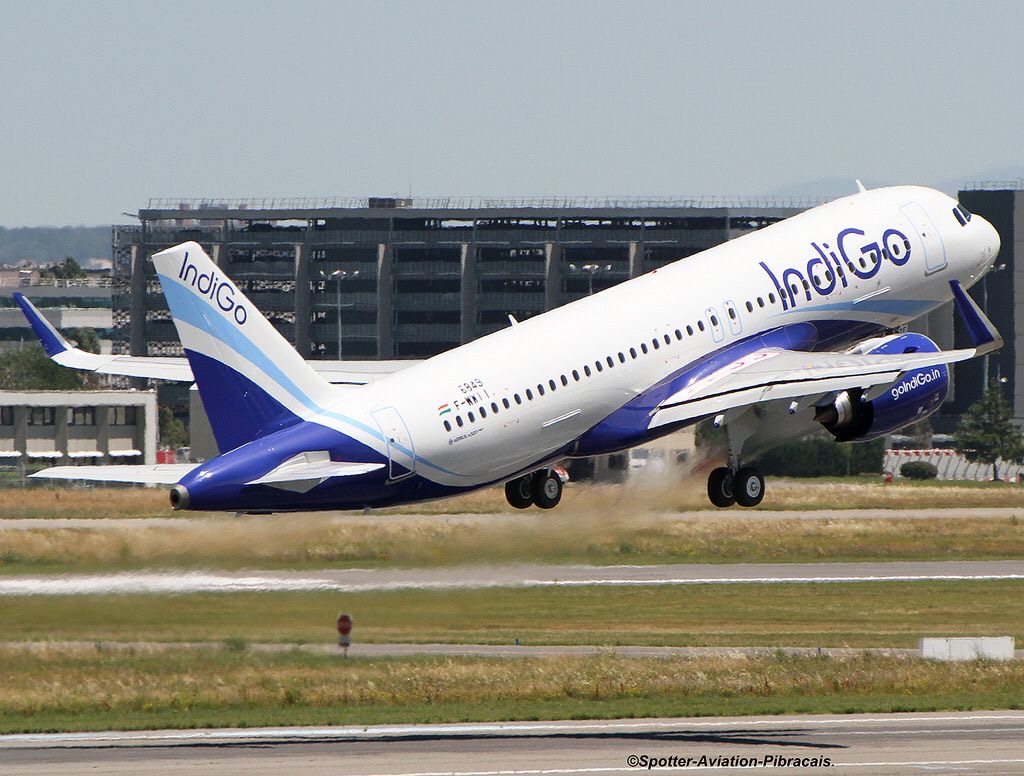
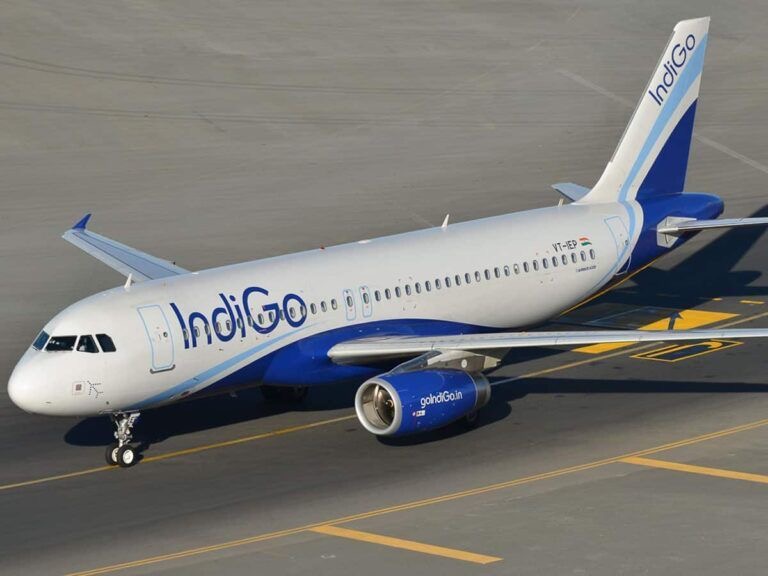
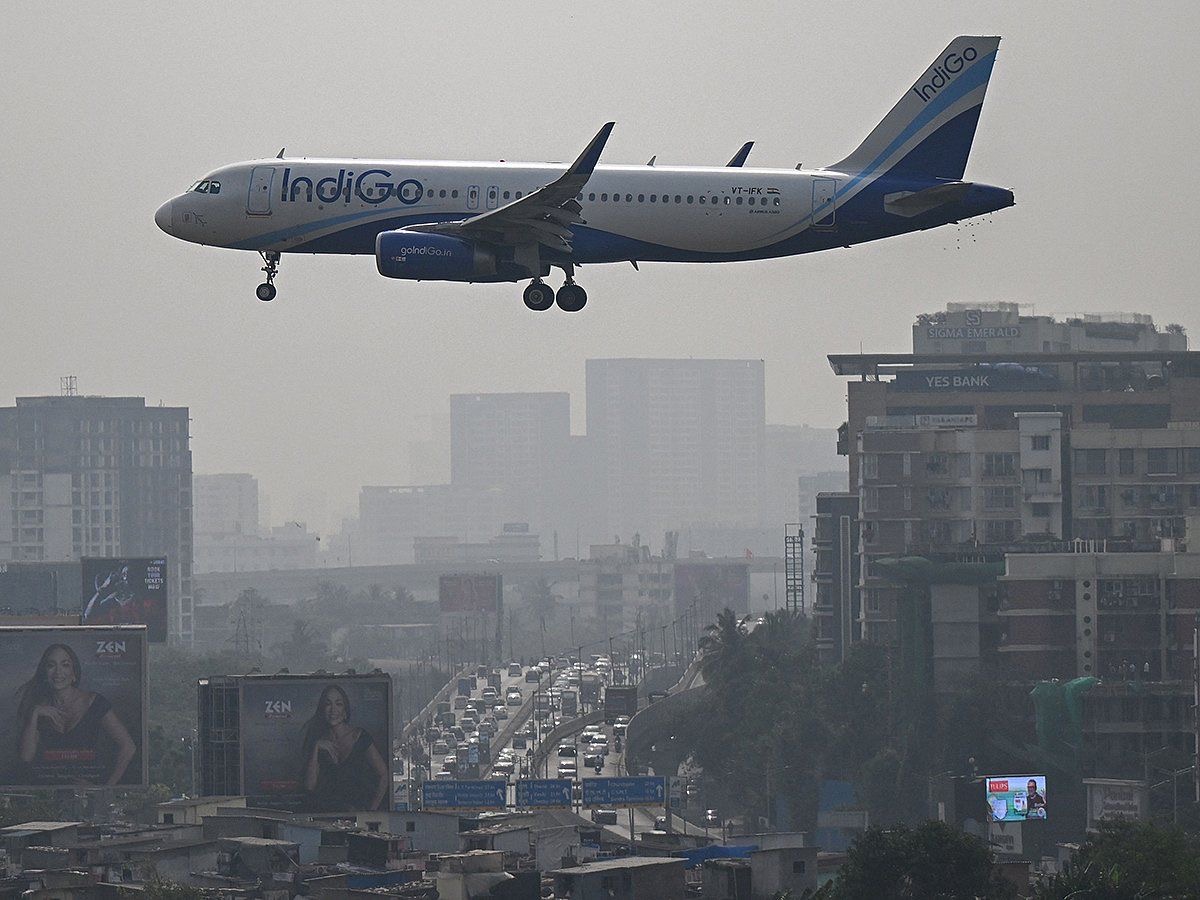
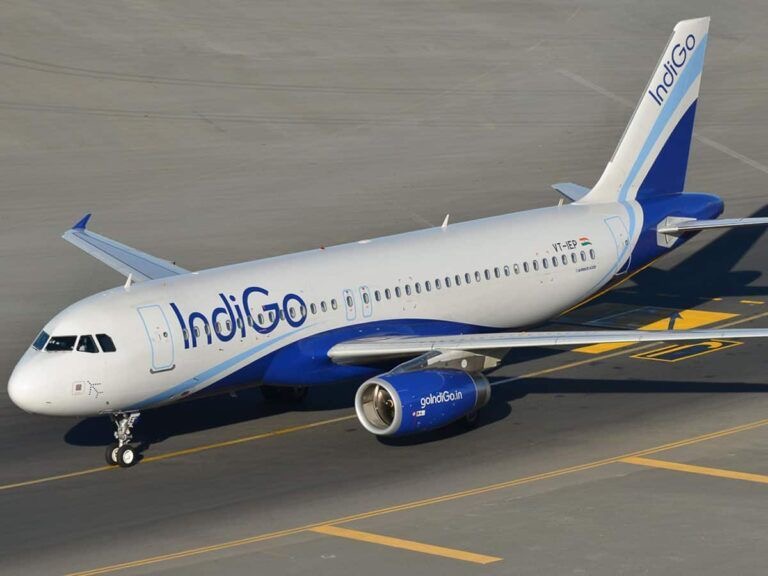
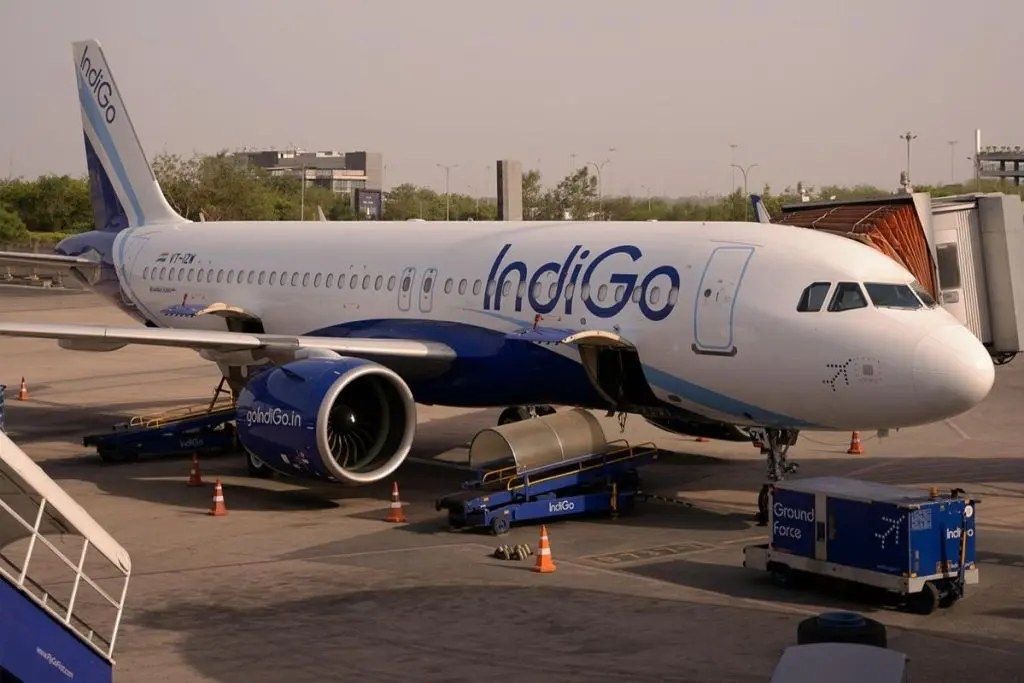
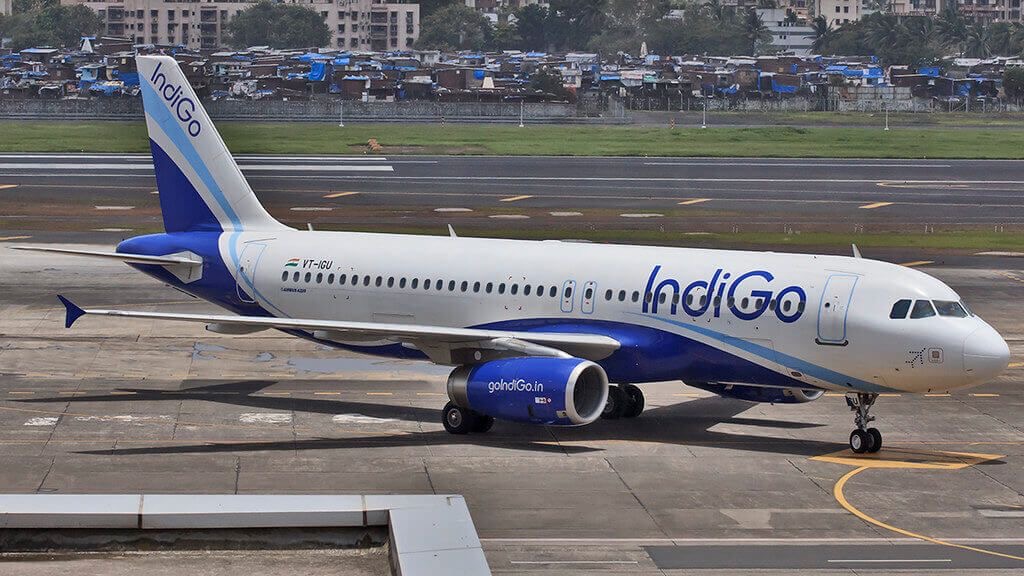
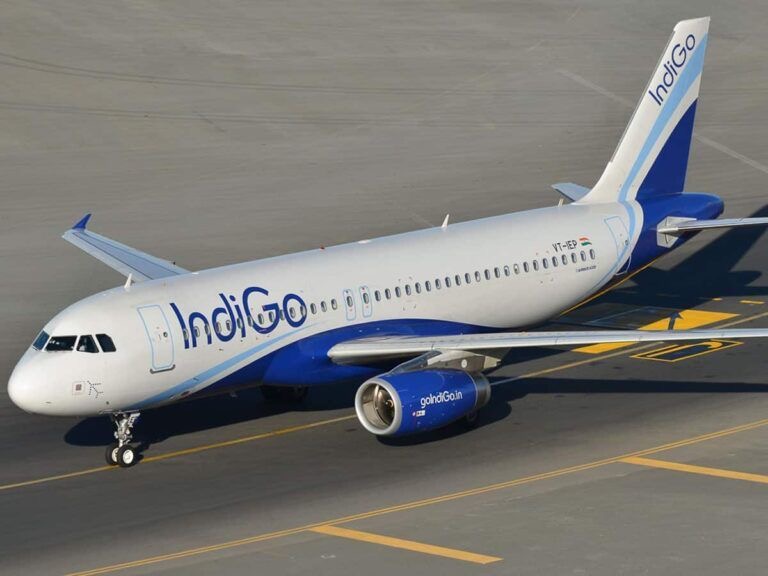
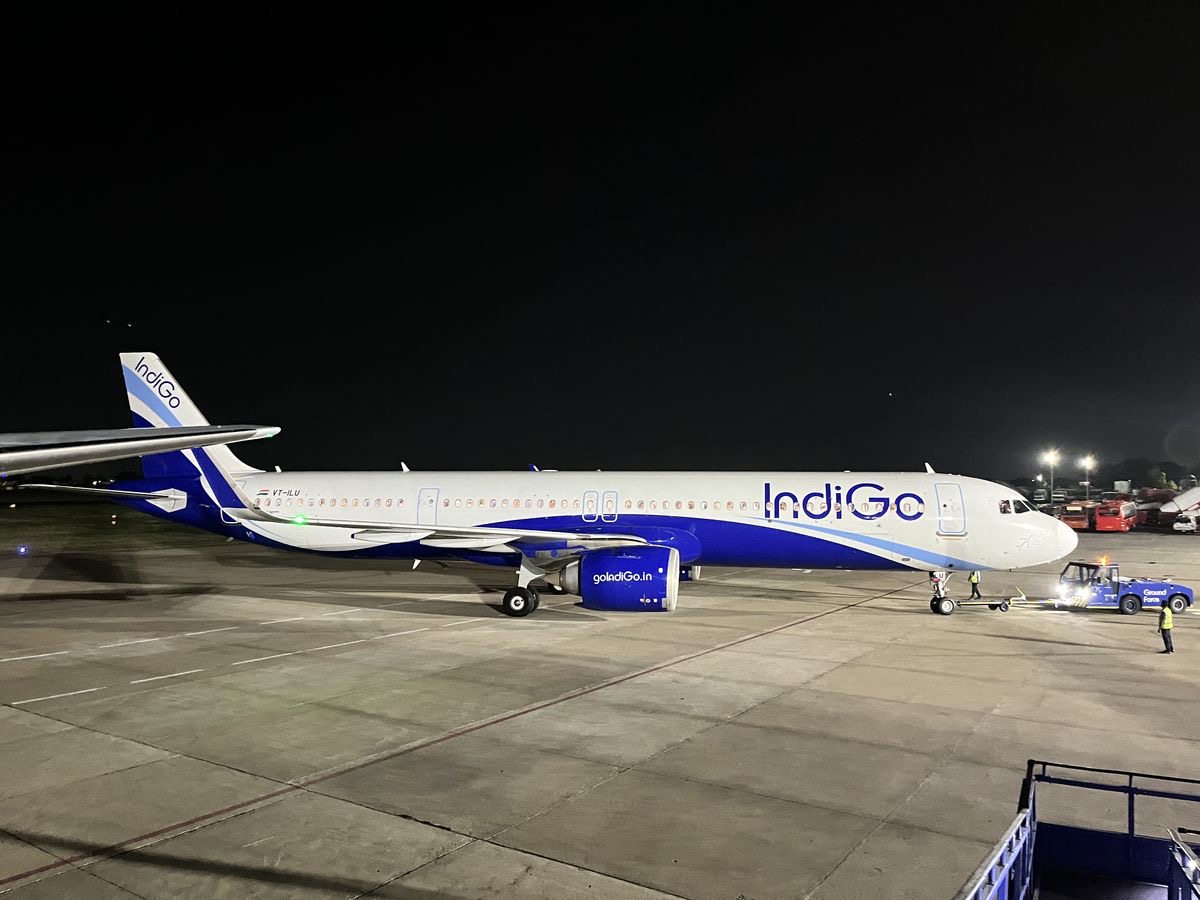
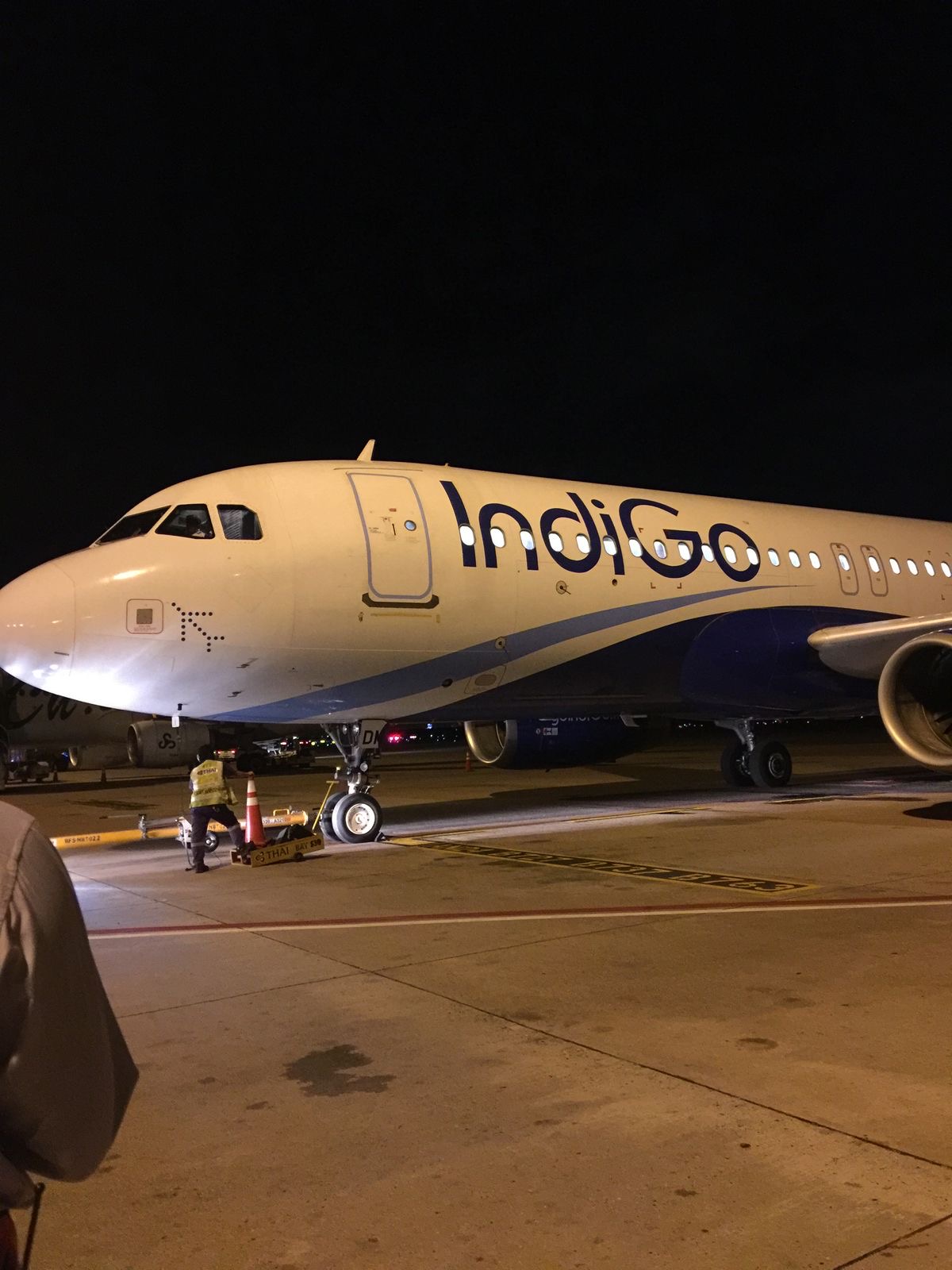
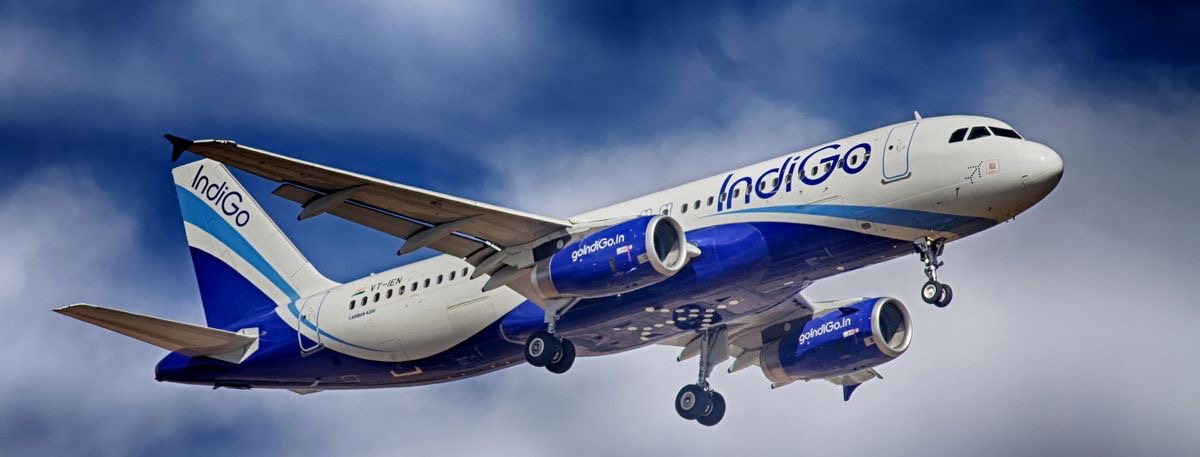
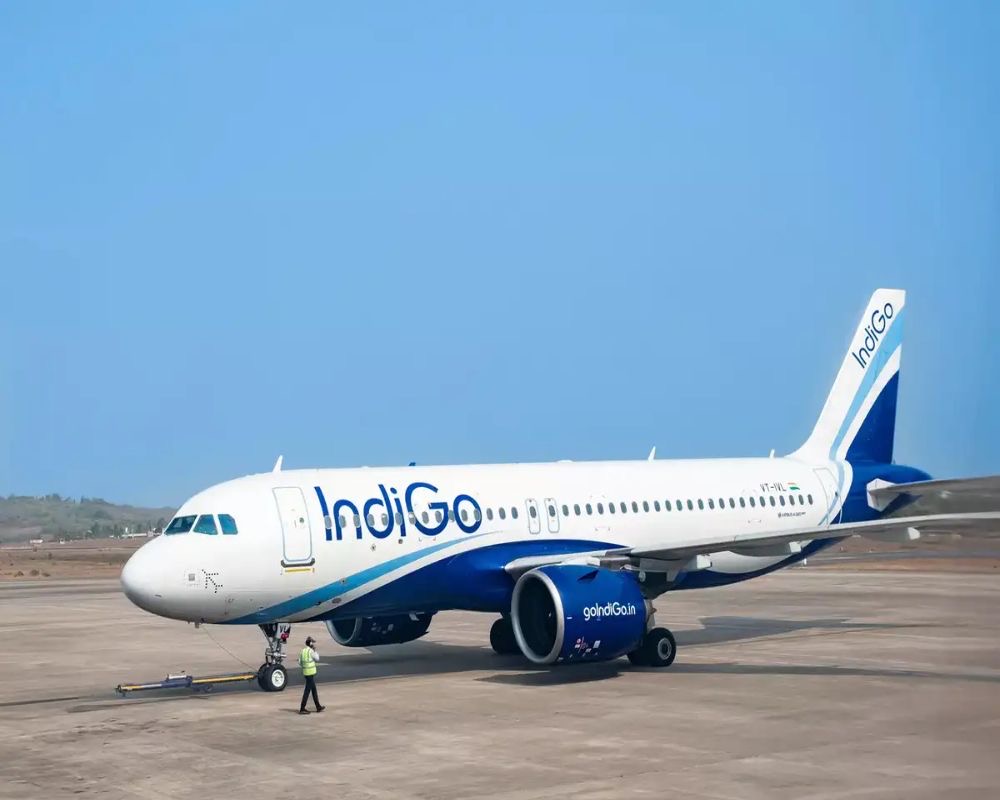
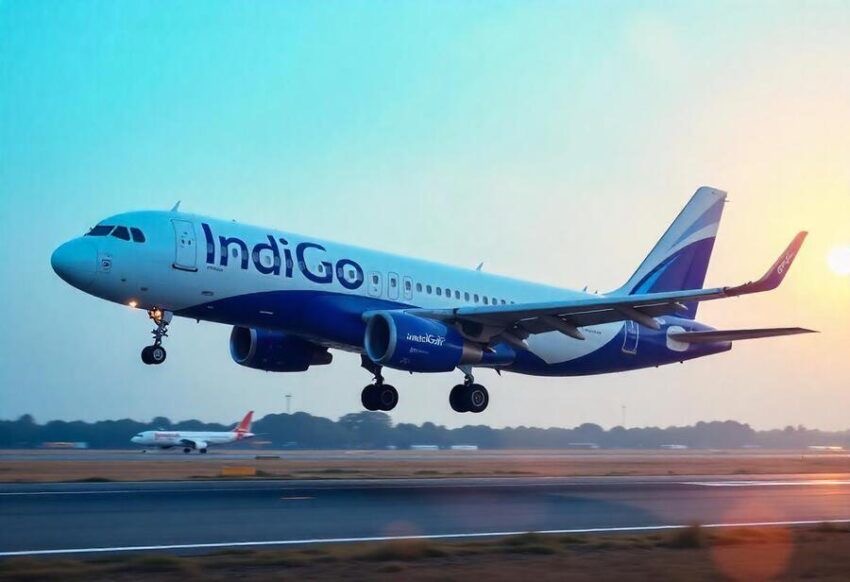
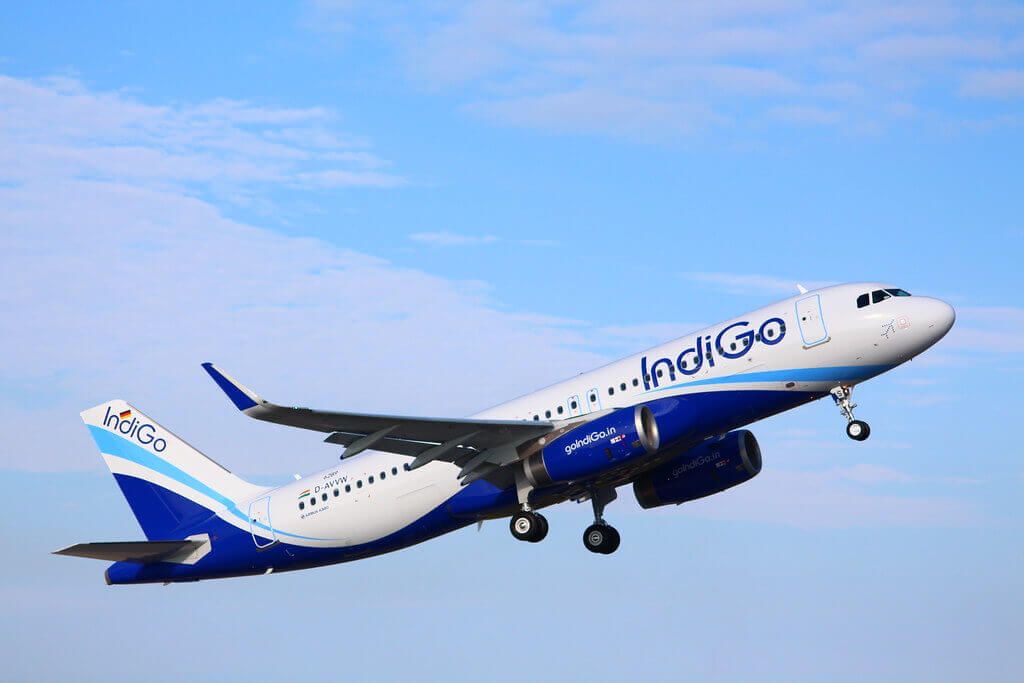
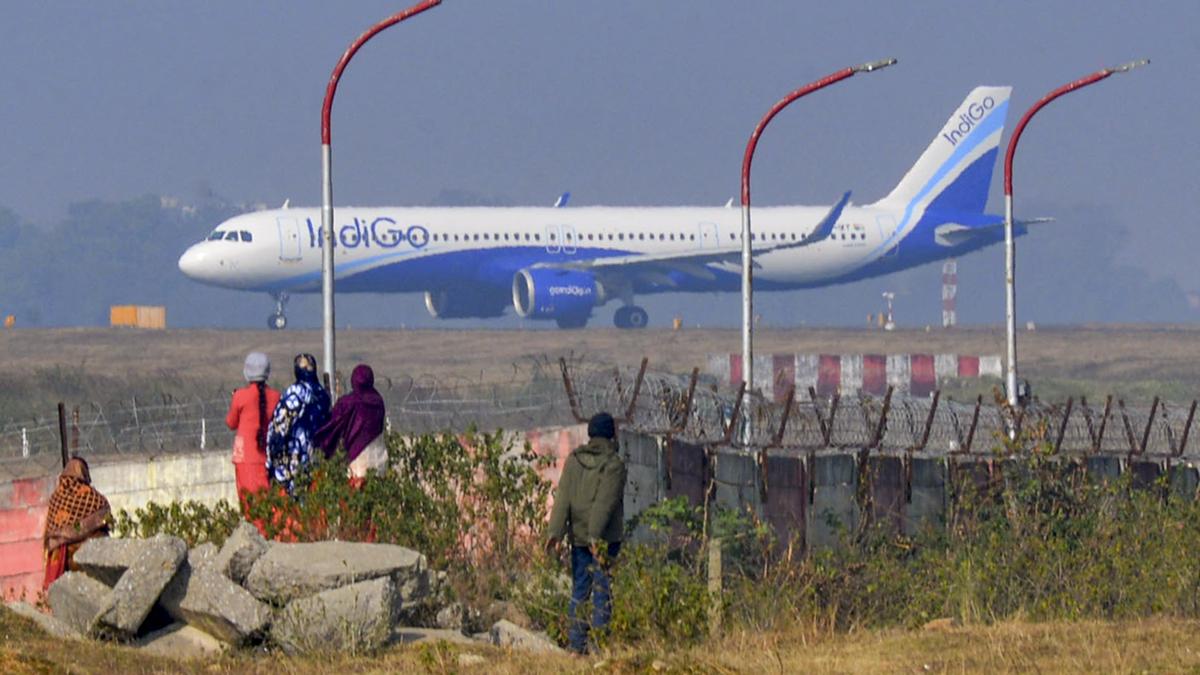
The inaugural commercial arrival was IndiGo flight 6E460 from Bengaluru, which touched down at 8:00 am. The aircraft received a traditional ceremonial water cannon salute upon landing, a longstanding aviation custom honouring the airport’s first scheduled passenger touchdown.
Shortly after, the airport recorded its first departure with IndiGo flight 6E882 to Hyderabad, taking off at 8:40 am, completing the inaugural arrival-departure cycle.
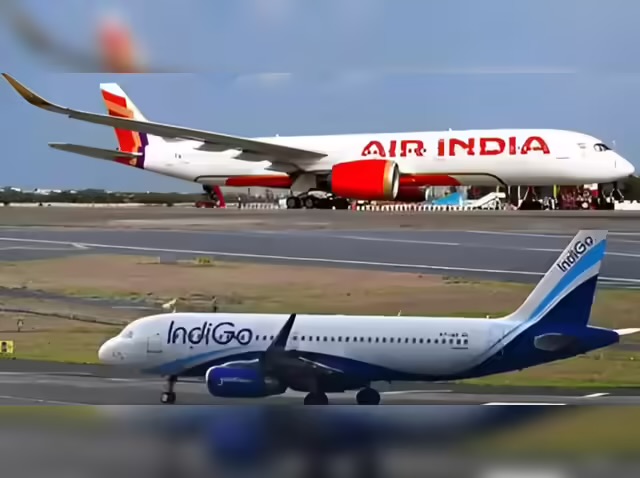
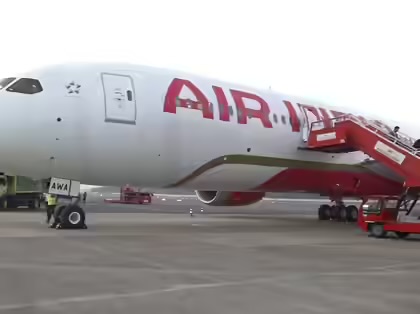
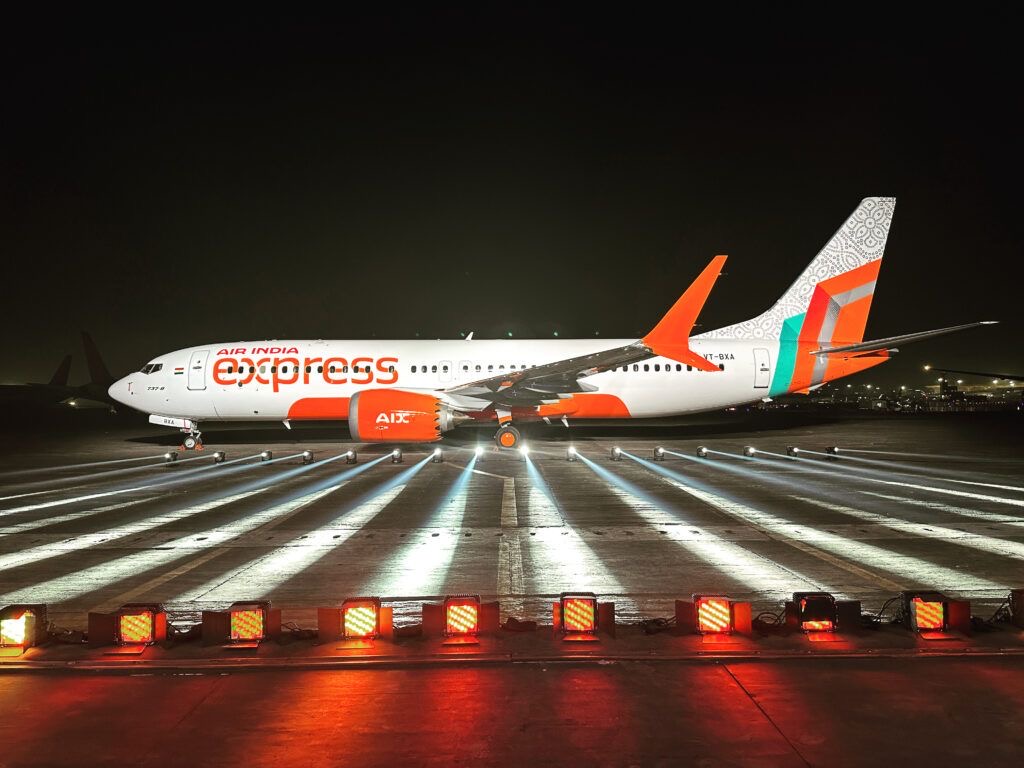
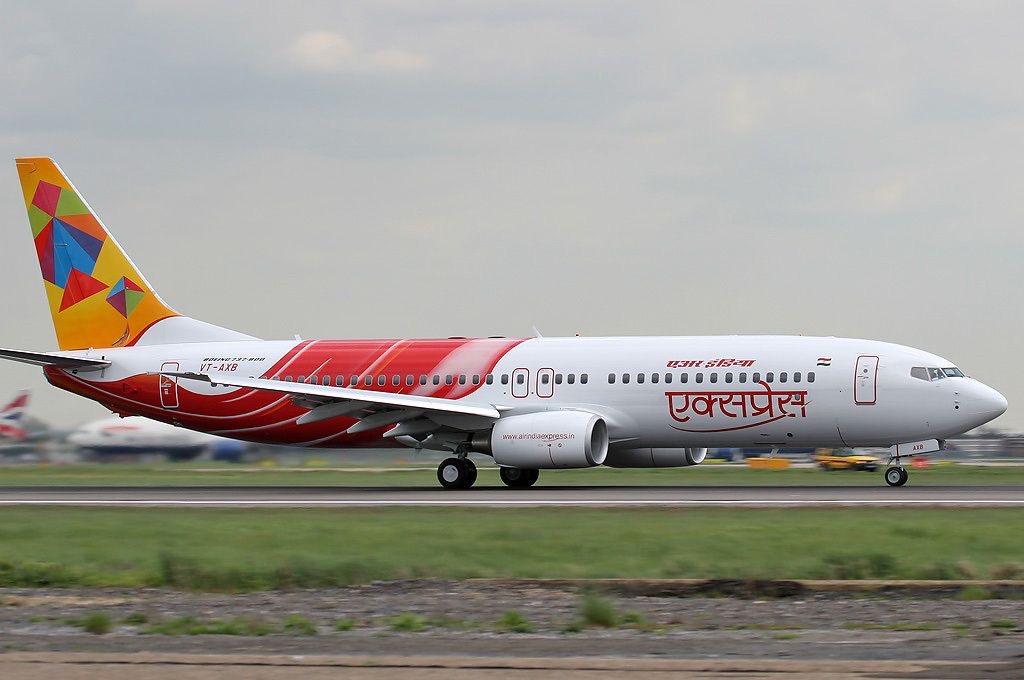
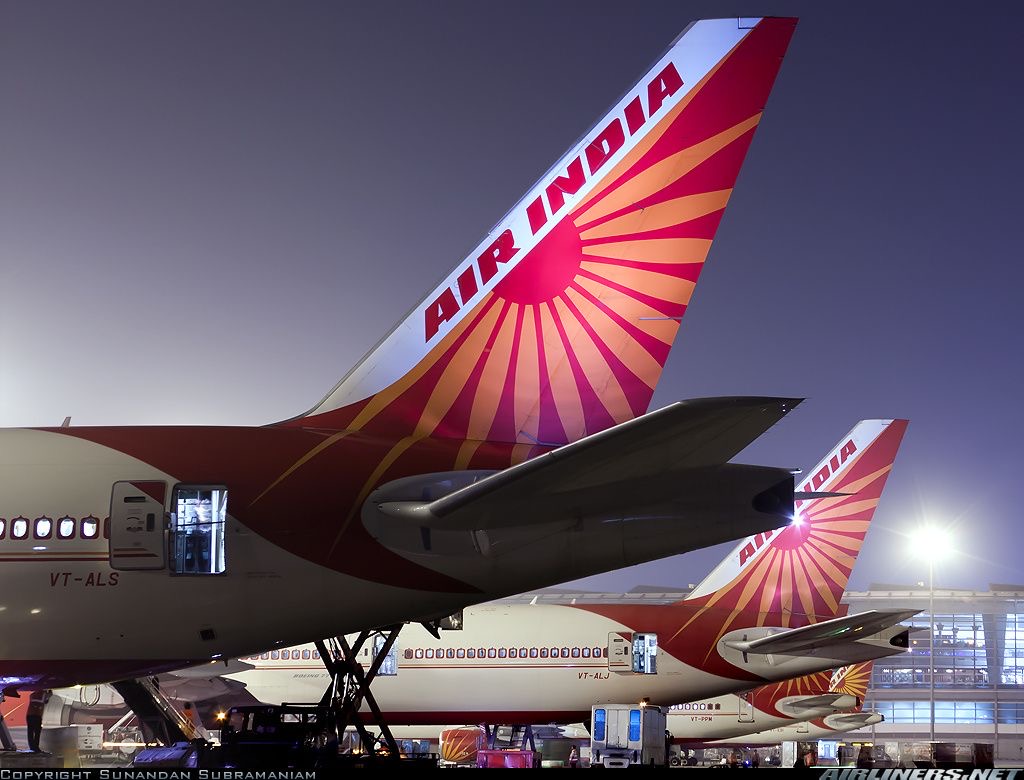
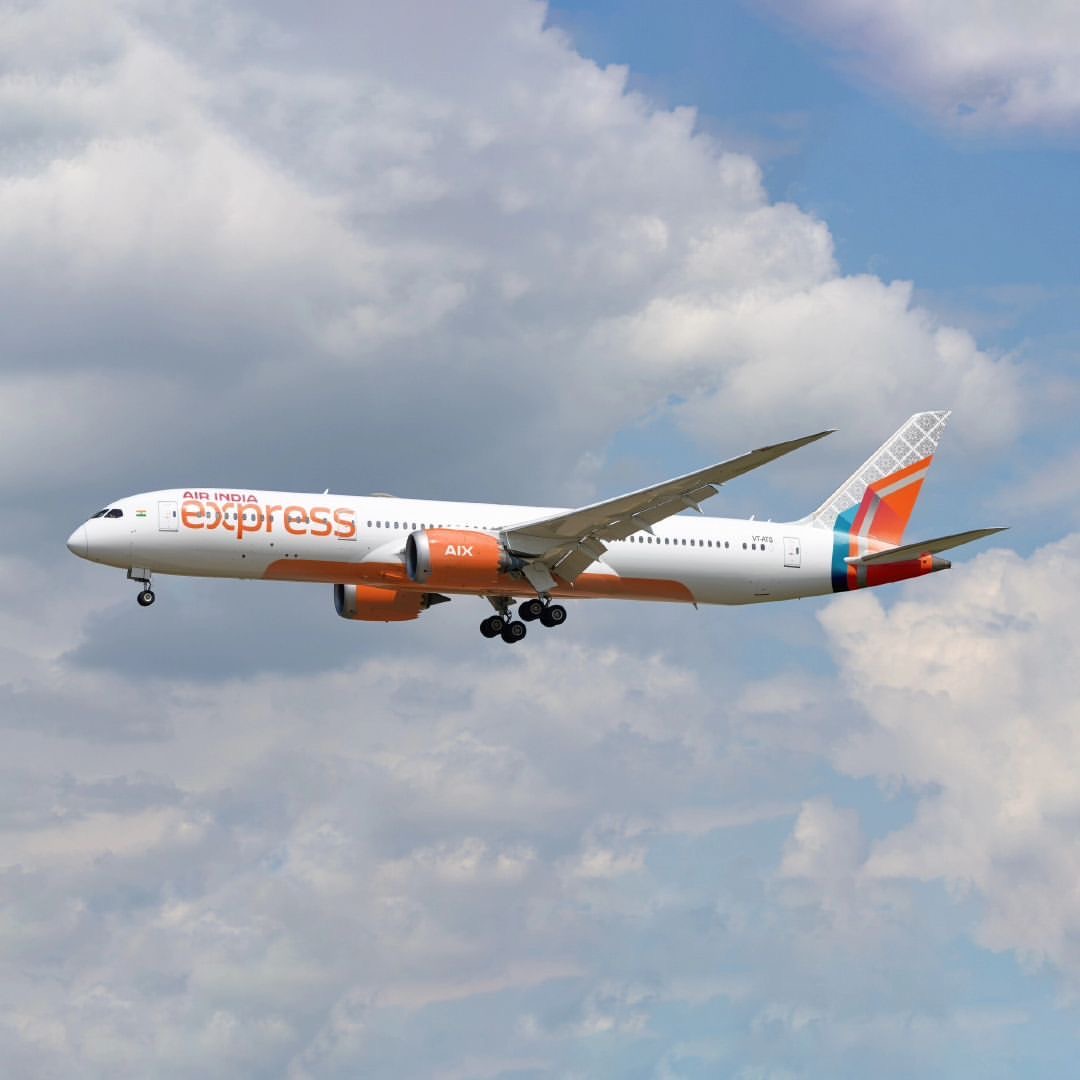
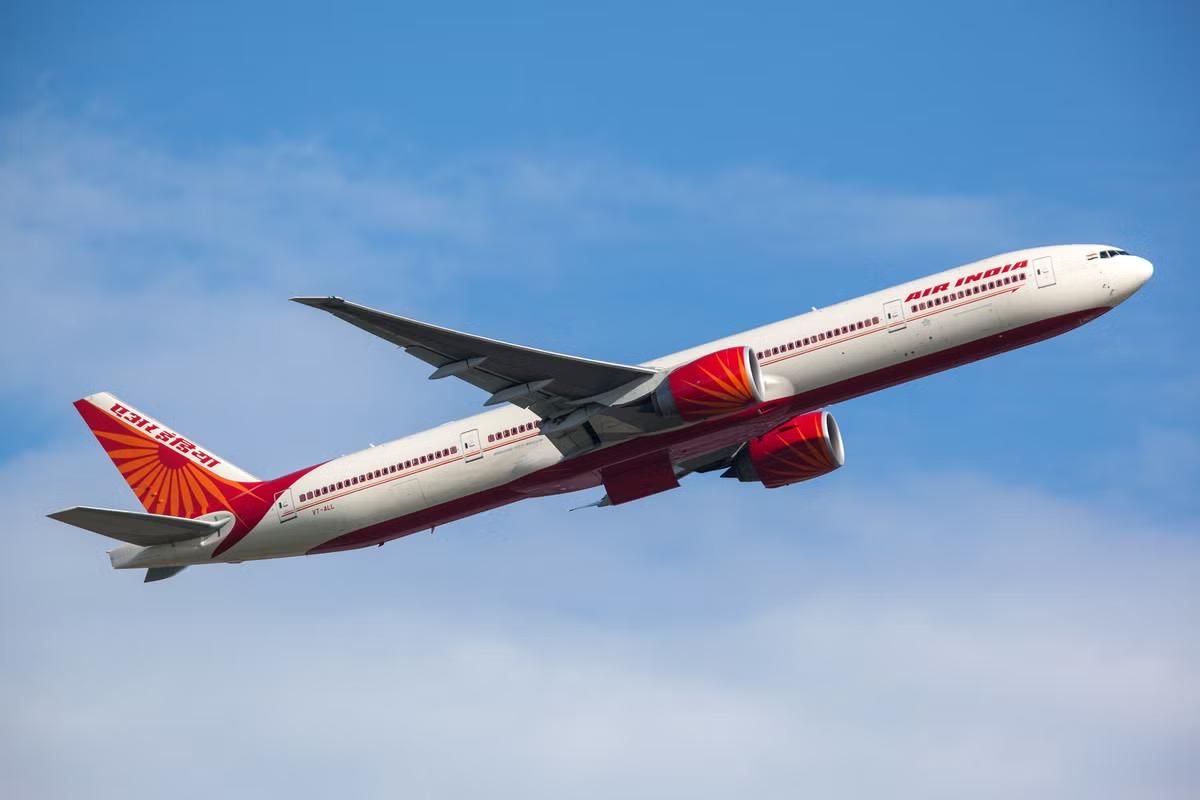
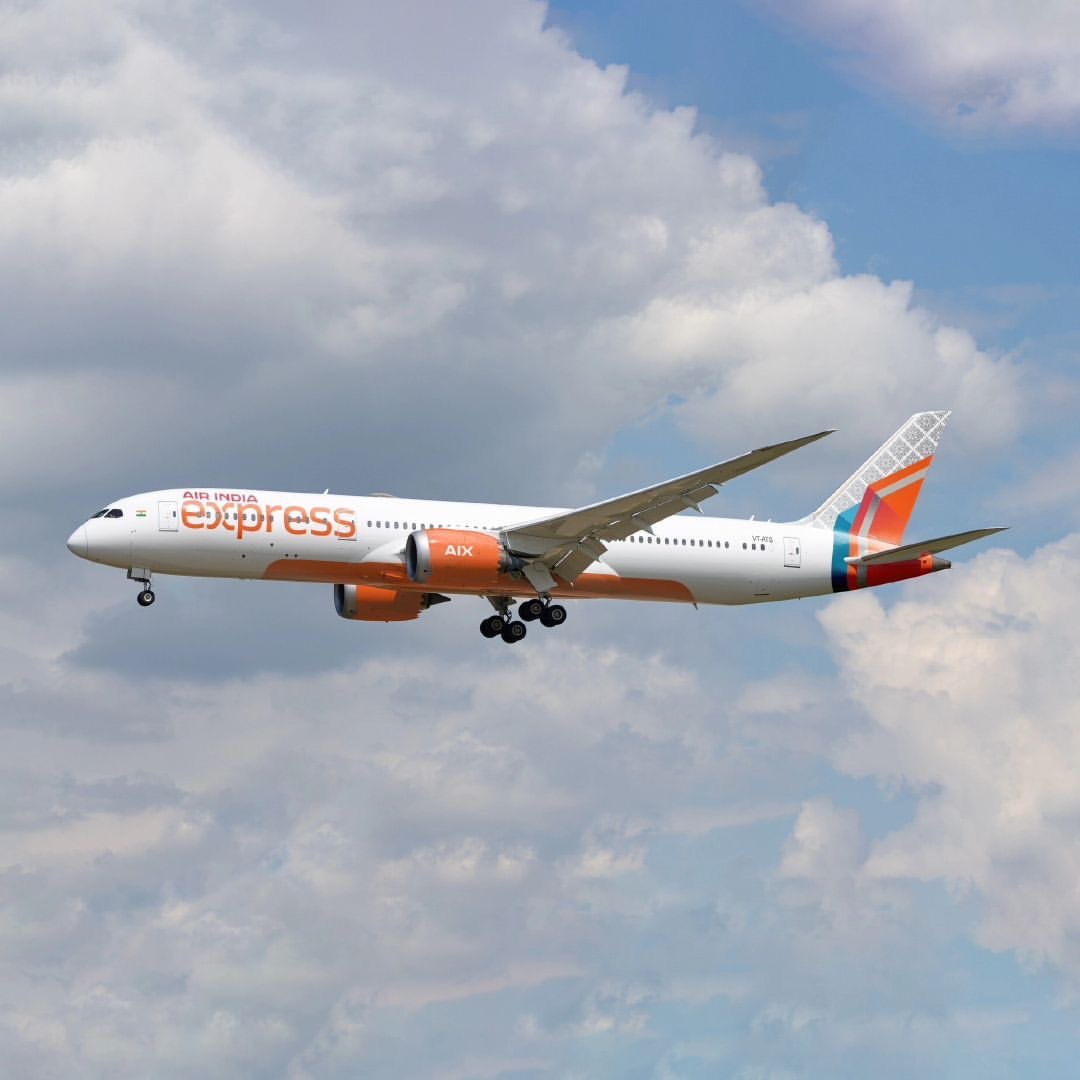
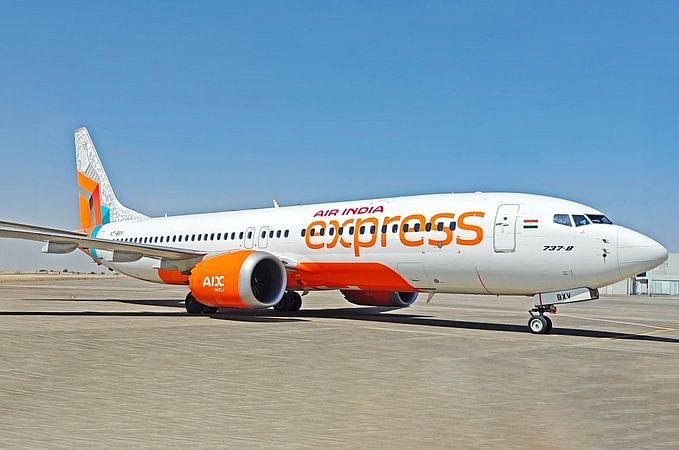
On the opening day, operations were limited to domestic flights, with four airlines IndiGo, Air India Express, Akasa Air, and Star Air—operating services. These connected NMIA to nine destinations across India, with approximately 15-30 scheduled movements (arrivals and departures) handled throughout the day.
Initially, the airport operated from 8:00 am to 8:00 pm, with plans to expand to 24/7 operations by February 2026. In the coming weeks, services are expected to grow, with IndiGo alone planning connections to over 13 cities, including daily flights to Ahmedabad, Bengaluru, Cochin, Delhi, Hyderabad, Lucknow, Mangaluru, Nagpur, and others.
Developed under a public-private partnership between Adani Airport Holdings Ltd (74% stake) and the City and Industrial Development Corporation of Maharashtra (CIDCO, 26% stake), NMIA is designed to complement the existing Chhatrapati Shivaji Maharaj International Airport. The greenfield project, first proposed in 1997 and facing multiple delays including those due to the Covid-19 pandemic, was formally inaugurated by Prime Minister Narendra Modi on October 8, 2025.
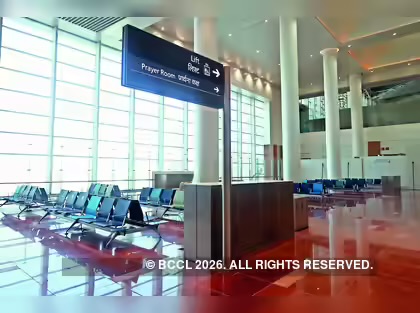
In its first phase, NMIA has a capacity to handle 20 million passengers annually, with the full project ultimately aiming for 90 million passengers and significant cargo operations. The airport is touted for its modern, digital-first features and strategic location, enhancing connectivity in the MMR and supporting economic growth in the region.