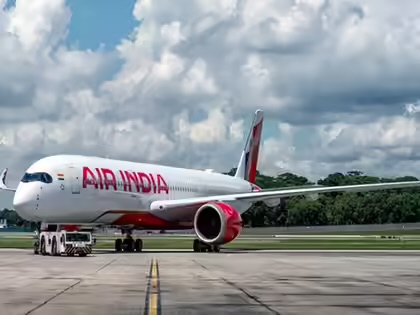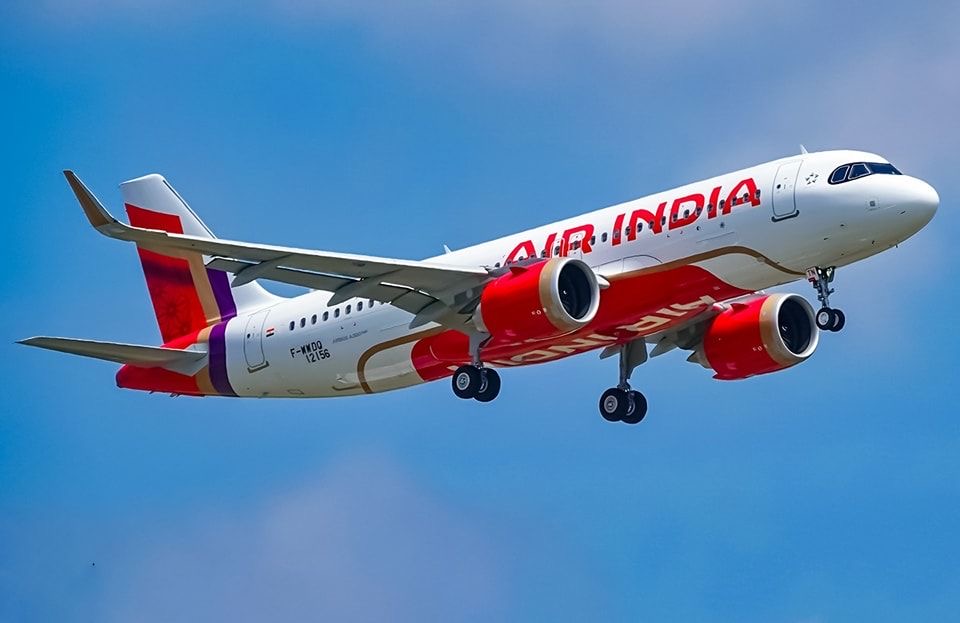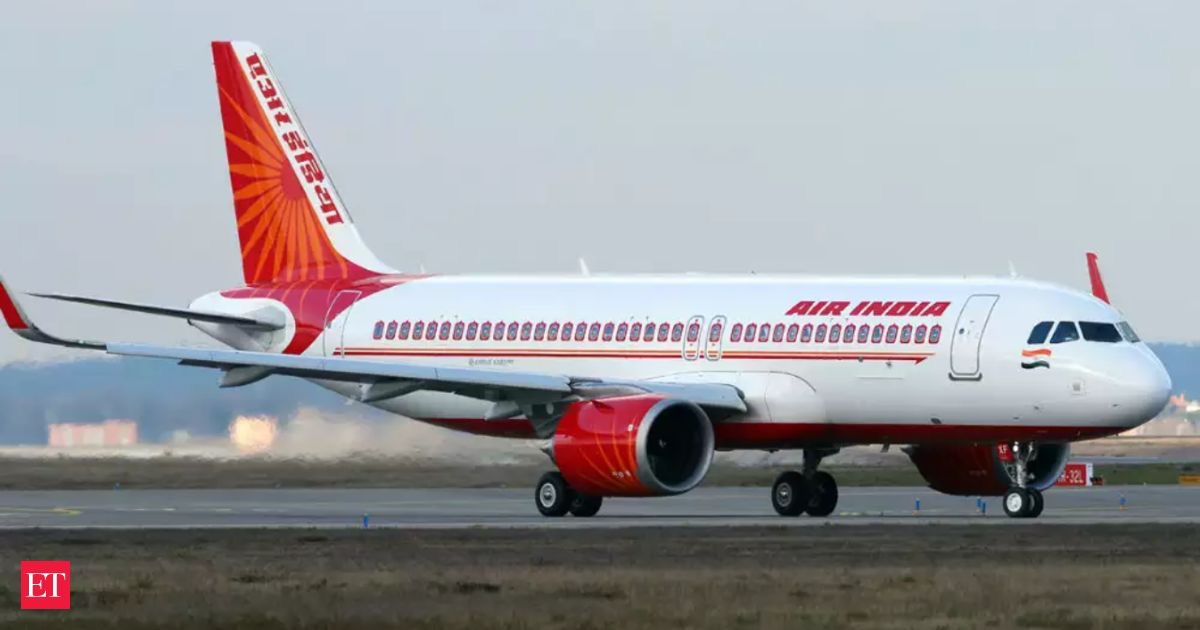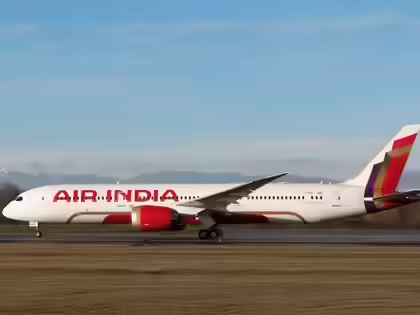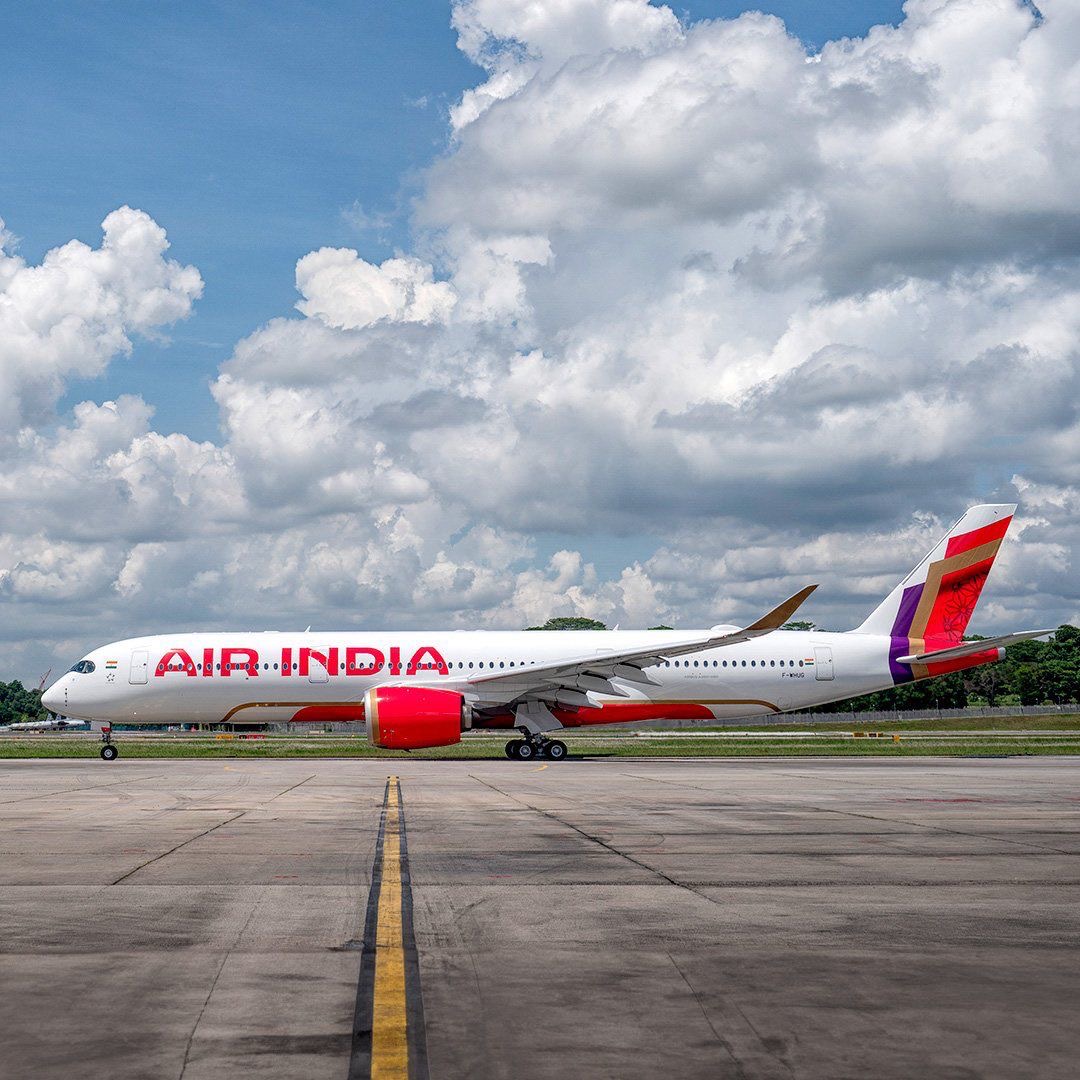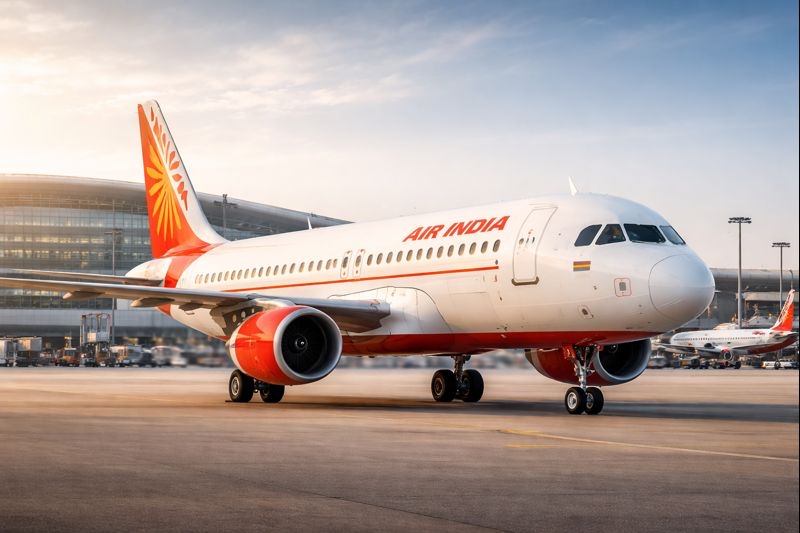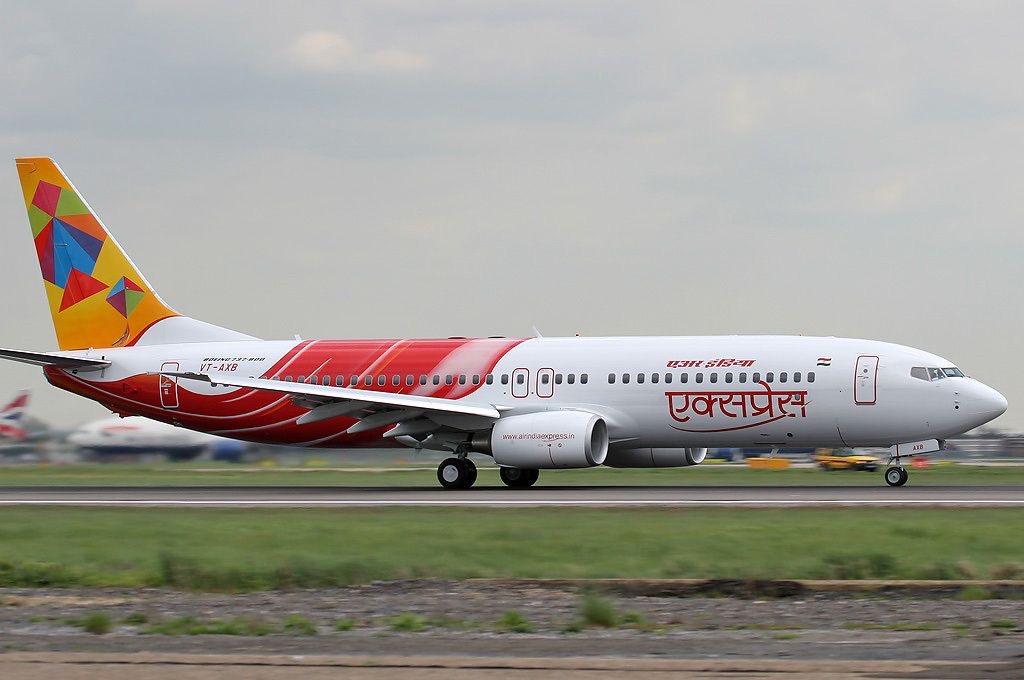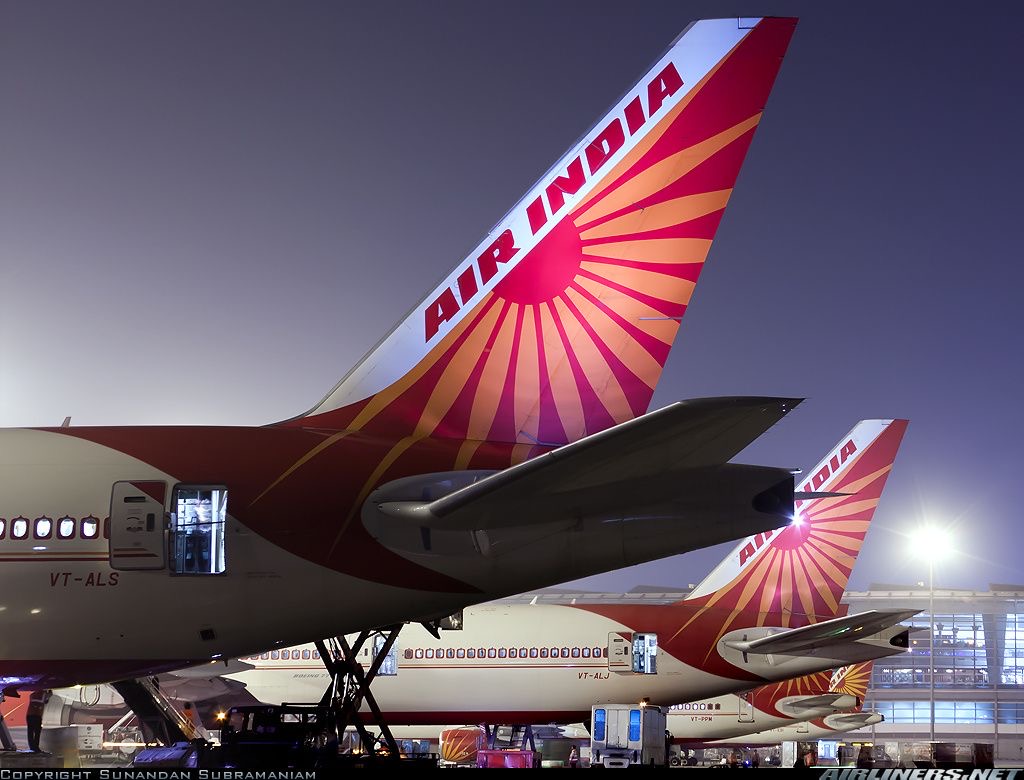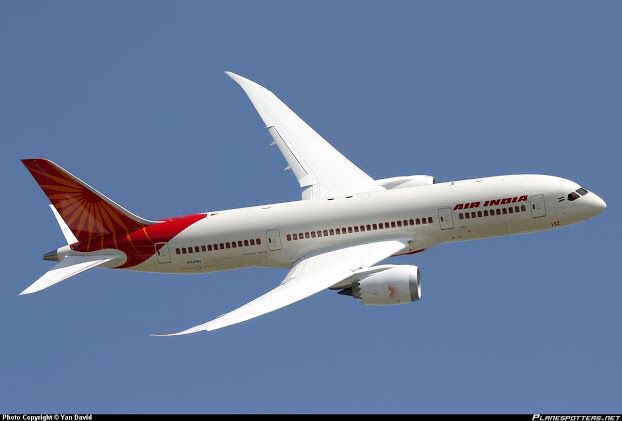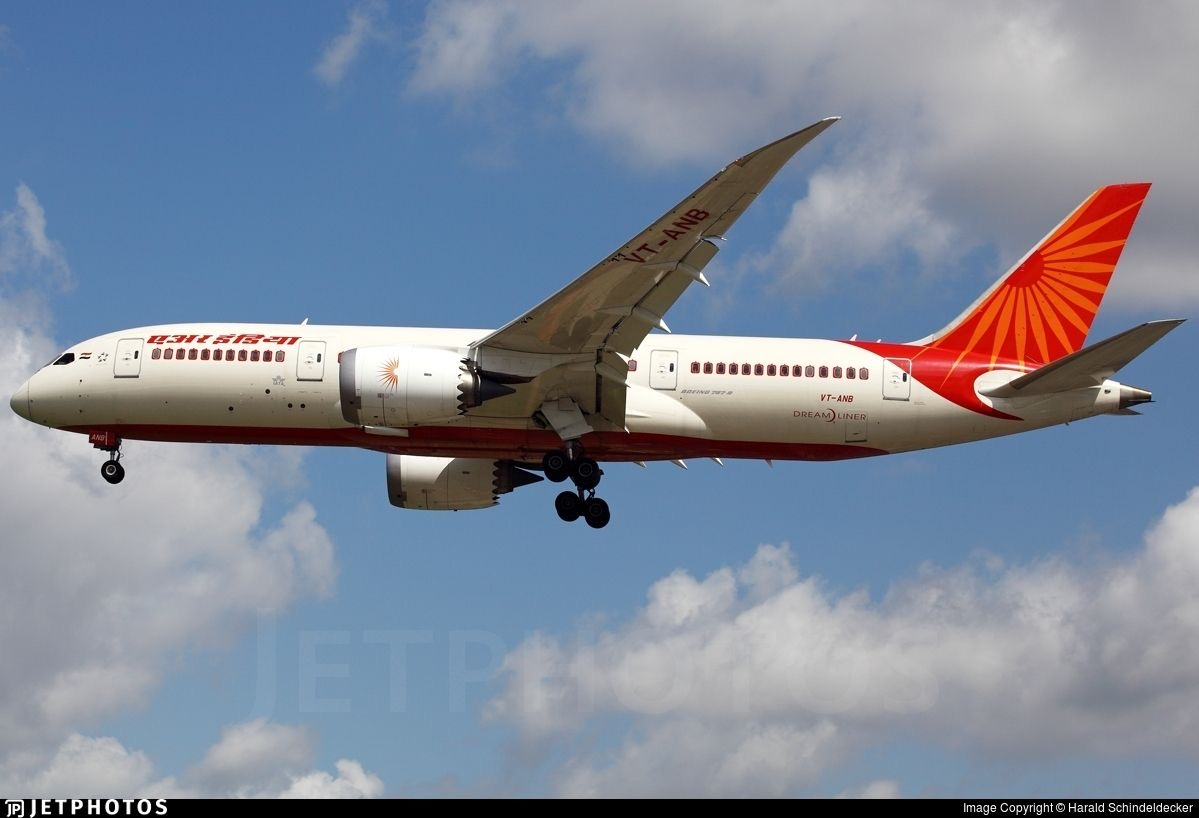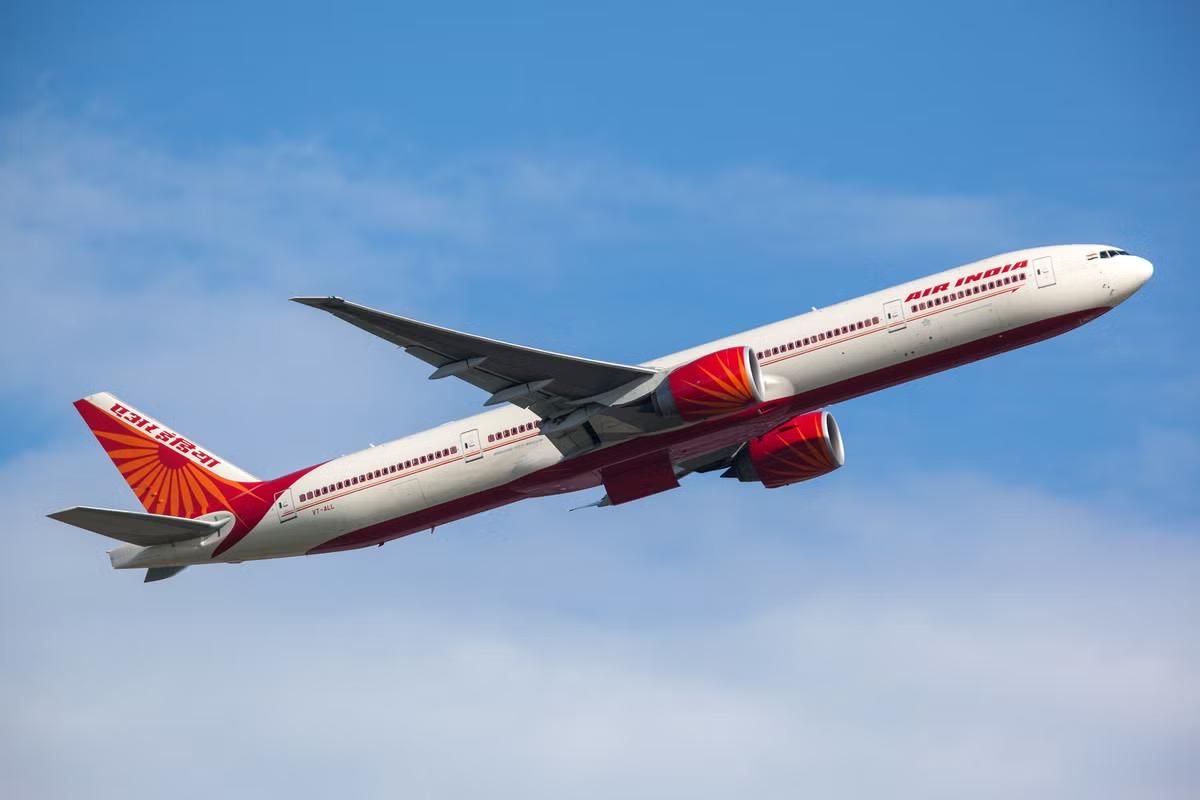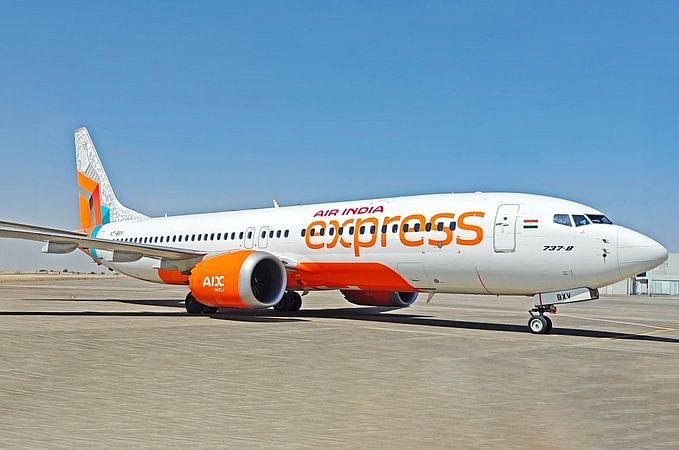
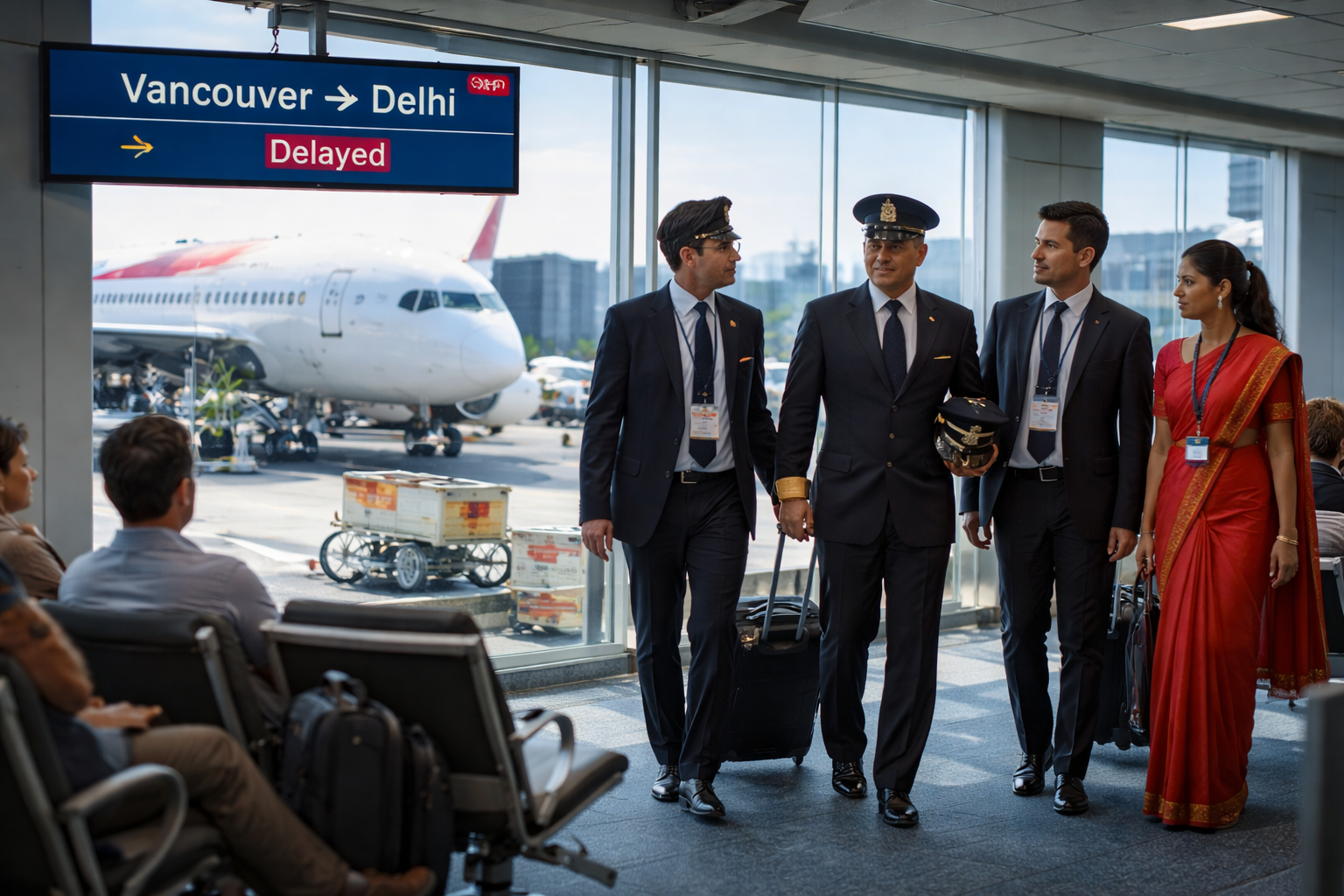
An Air India pilot was unexpectedly removed from flight duty shortly before the scheduled departure of an international flight from Vancouver to Delhi after airline officials raised concerns about the pilot’s fitness to operate the aircraft. The decision was made during the final stages of pre-flight preparations, prompting quick action by crew schedulers to ensure that the flight could still depart safely and on time with a replacement pilot.
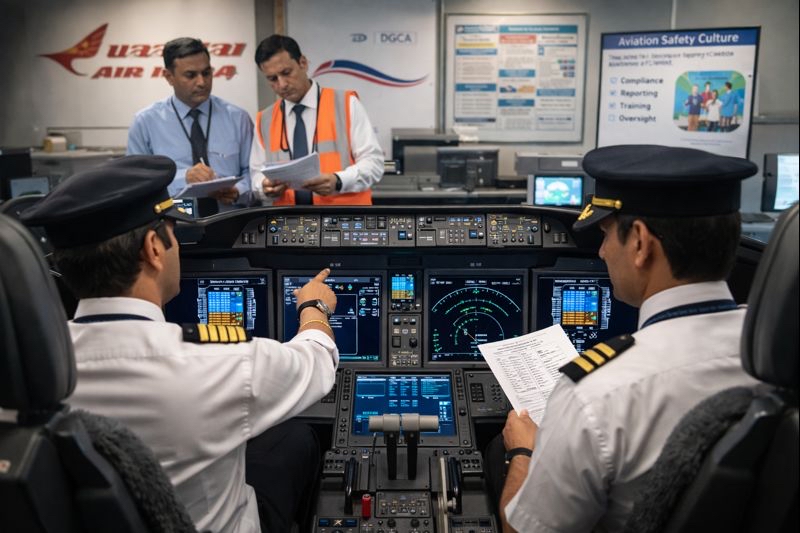
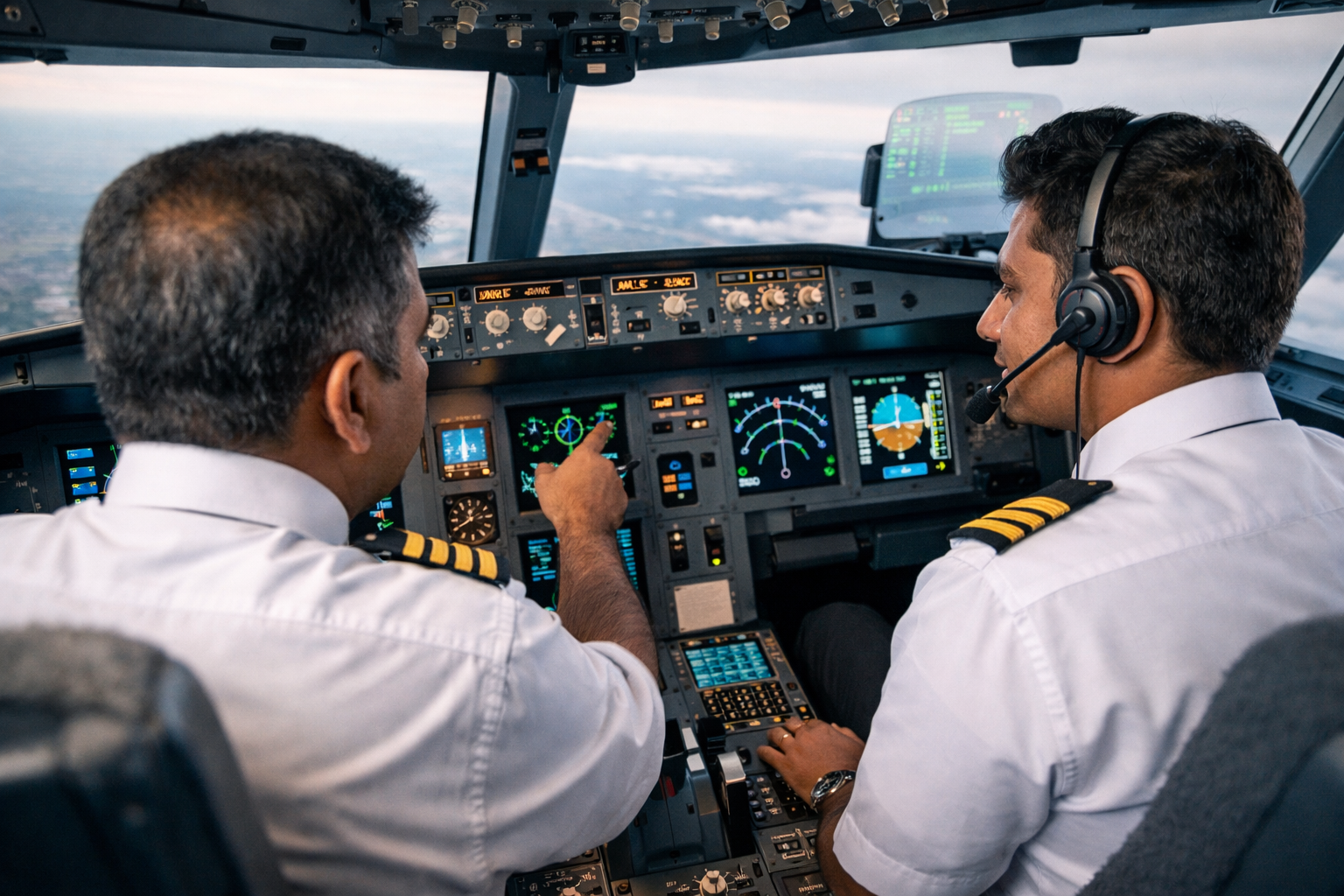
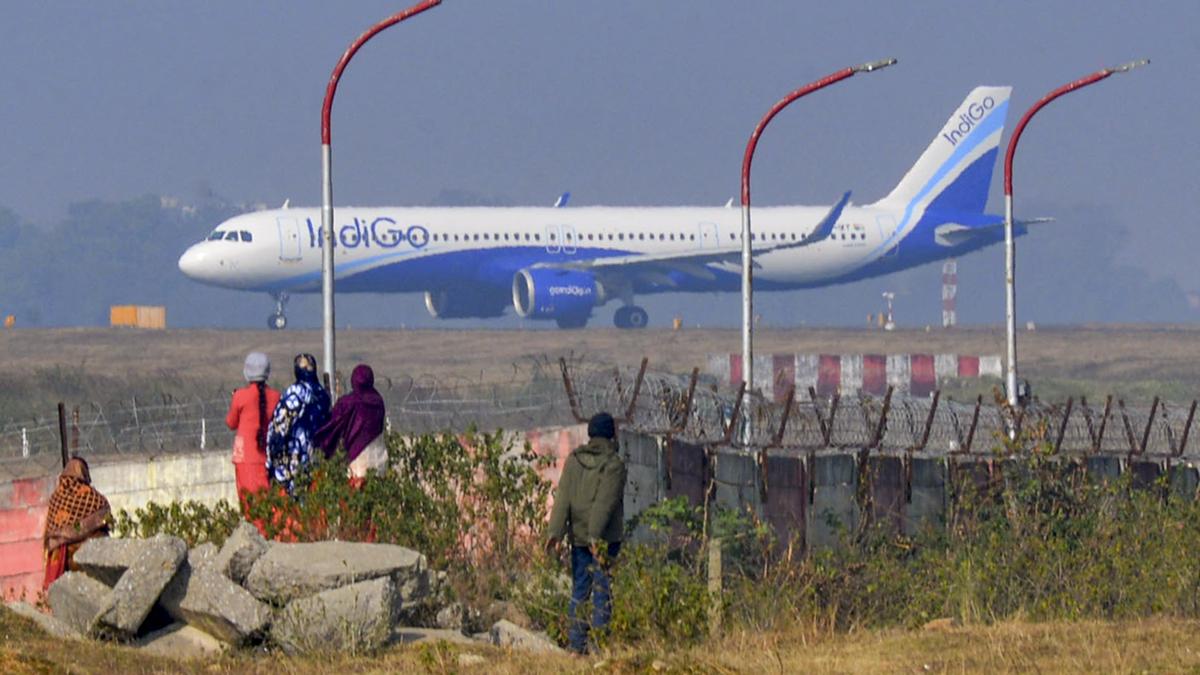
The episode unfolded at Vancouver International Airport, where Flight AIXXX was preparing to board passengers for its long-haul journey to Delhi. As part of standard pre-departure procedures, crew members undergo checks that include assessments of physical and mental fitness, adherence to duty limits, and readiness to perform the demanding tasks of long-distance flying. During these assessments, concerns were raised that the assigned pilot did not meet the airline’s fitness criteria.
Air India officials acted promptly upon identifying the issue, grounding the pilot from duty even though the aircraft, cabin crew, and passengers were on schedule. The airline emphasised that safety considerations must always take precedence over operational convenience, and that regulatory and internal policies require that all flight deck crew demonstrate full fitness before being cleared to fly.
Once the pilot was relieved of duty, Air India moved quickly to substitute another qualified captain to lead the international service. The replacement process was carried out in coordination with the airport authority and crew scheduling teams, ensuring that the flight departed with minimal delay. Passengers were kept informed of the situation and assured that the change in flight crew would not affect their safety or overall travel experience.
Passengers who were present during the incident reported a mix of surprise and relief. Some travellers expressed admiration for the airline’s transparent approach in communicating the situation, noting that many would rather face a short delay than risk flying under suboptimal conditions. Others acknowledged that long flights like the one to Delhi demand the highest levels of alertness and proficiency from flight crews.
Air India’s decision reflects broader industry practices that prioritise crew fitness, which encompasses not only physical health but also mental sharpness, adequate rest, and compliance with duty-time regulations. Pilots are subject to rigorous checks precisely to avoid situations where fatigue, illness, or other factors could compromise the safety of a flight. These procedures align with international aviation standards and regulatory expectations.
The airline issued a statement reinforcing its commitment to safety and its systematic approach to crew readiness. According to the statement, the grounded pilot will undergo further evaluation to determine the nature of the fitness concern and to ensure they receive appropriate support. Officials also indicated that such actions are not punitive but are designed to uphold the highest safety protocols for both passengers and crew.
Aviation industry experts say that while incidents of pilots being grounded for fitness reasons are relatively rare, they are an important aspect of safety cultures within airlines worldwide. The ability of airline management to make tough calls when necessary — even at the last minute — is seen as a positive indicator of prioritising passenger welfare and operational integrity.
As Flight AIXXX successfully continued its journey to Delhi under the command of a fresh and fully certified pilot, the episode served as a reminder of the unseen layers of decision-making that go into every flight. From routine checks to emergency responses, aviation operations rely on a complex web of safety procedures that protect travellers and preserve confidence in commercial flying.