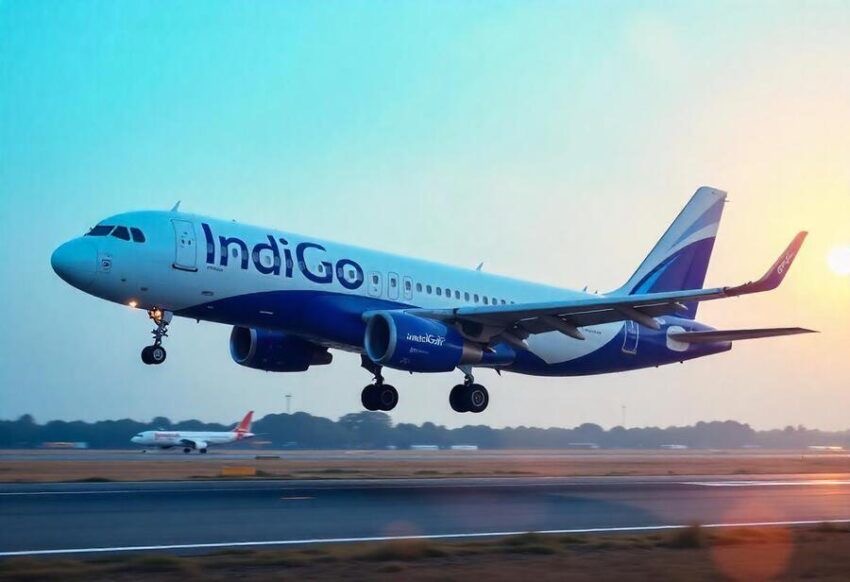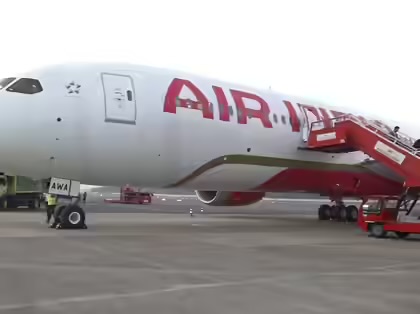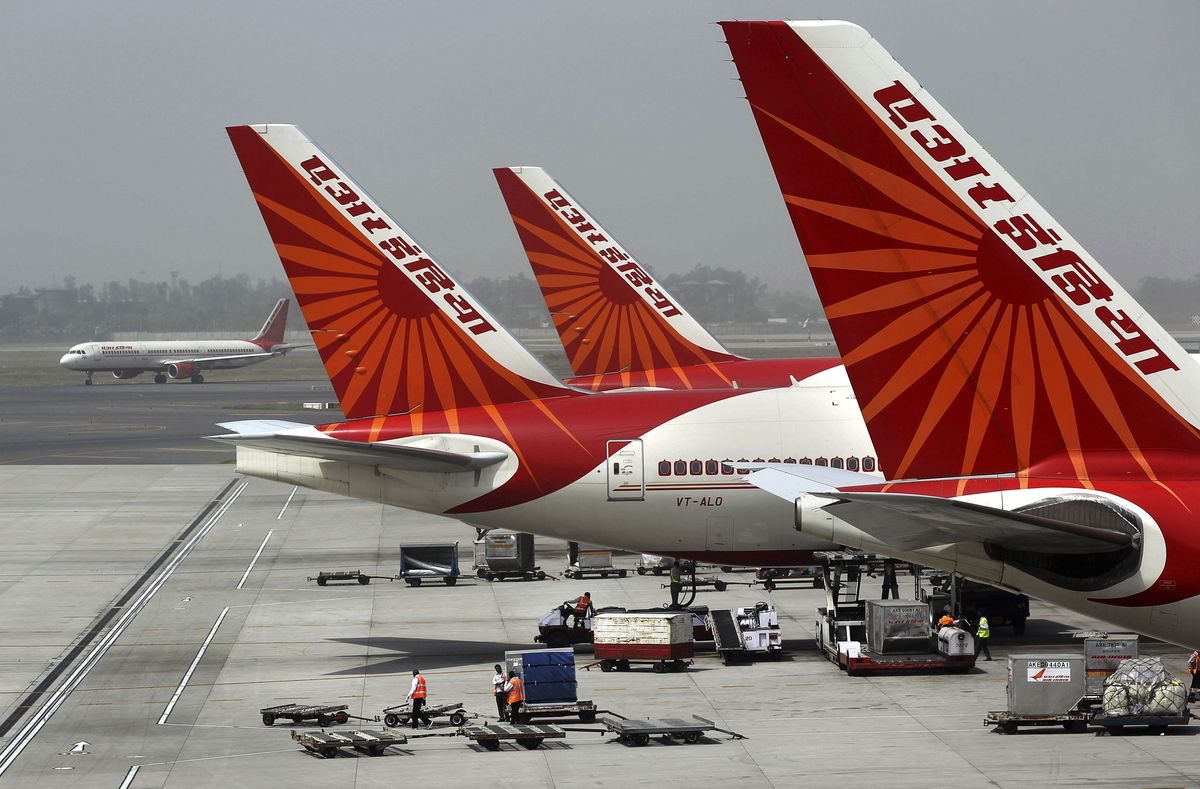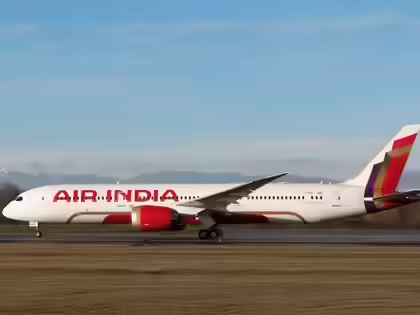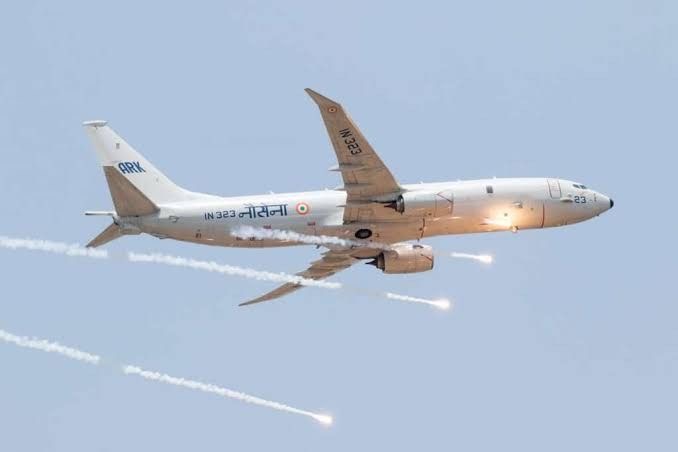
The Adani Group is preparing to significantly deepen its presence in India’s aviation sector by expanding beyond airport operations into high value aircraft services. According to plans outlined by the conglomerate, the group intends to enter the aircraft engine maintenance, repair and overhaul segment while also exploring opportunities in converting passenger aircraft into freighters. This move reflects Adani’s growing ambition to build a comprehensive aviation services ecosystem in line with India’s rapidly expanding aviation market.
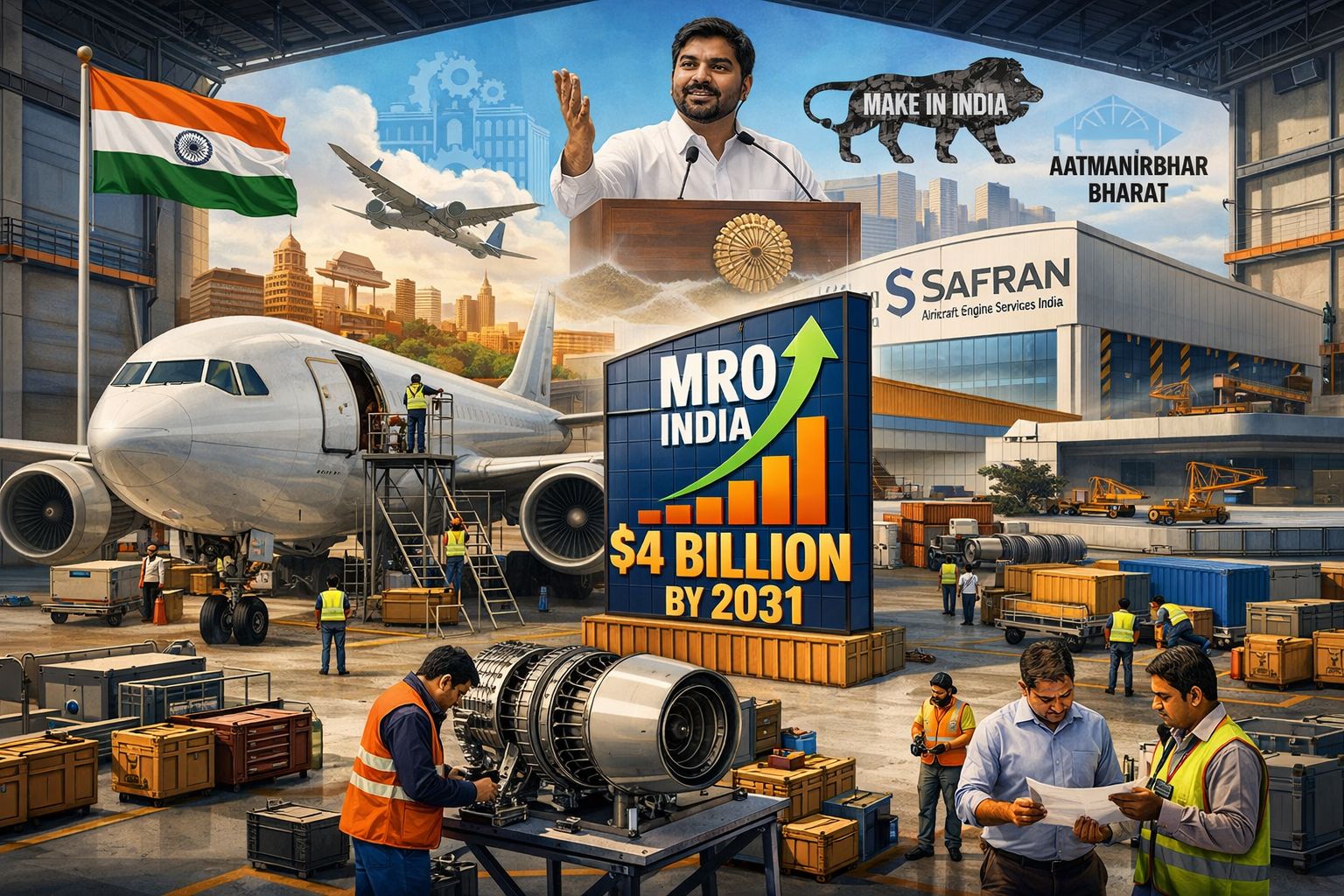
This strategic expansion comes at a time when India is witnessing a sharp rise in both passenger traffic and air cargo demand. Engine maintenance is among the most technically demanding and capital intensive areas of aviation, traditionally handled by overseas facilities. By entering this space, Adani aims to help reduce India’s dependence on foreign engine overhaul centres while strengthening domestic capabilities that support airline operations.
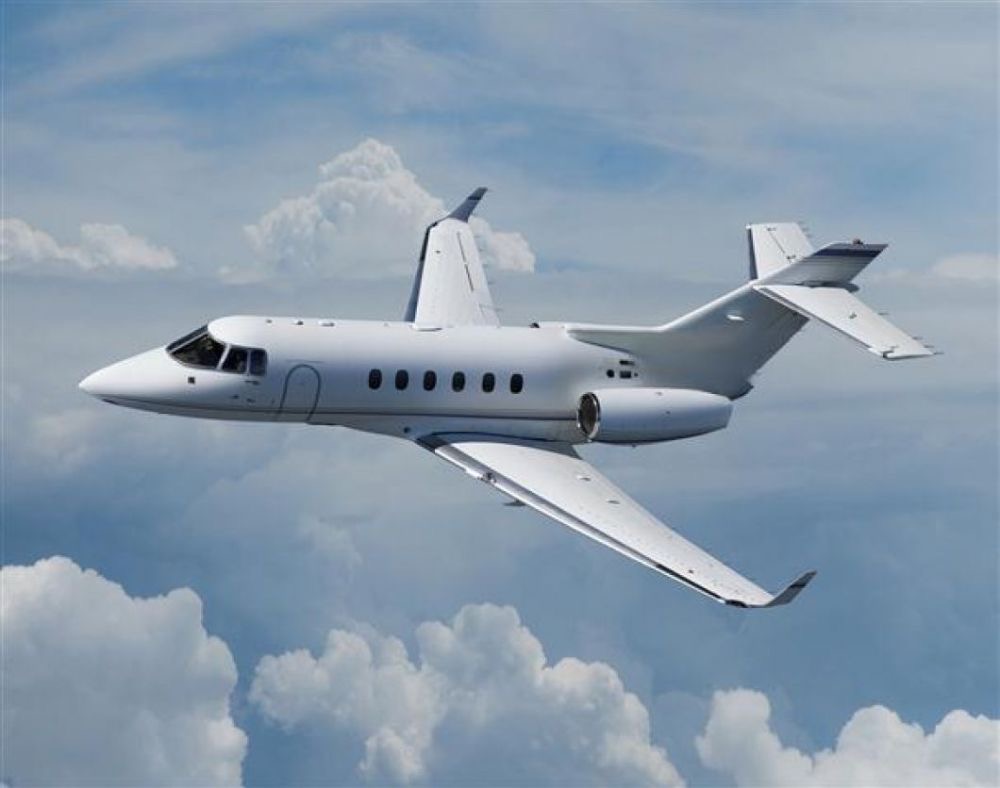
Another key area of focus for the group is passenger aircraft to freighter conversion. With the growth of e commerce and time sensitive logistics, airlines across the world are increasingly converting older passenger jets into dedicated cargo aircraft. Adani’s interest in this segment highlights its intent to tap into a fast growing global market while supporting India’s ambition to become a regional cargo hub.
The foundation for this expansion was laid with Adani’s acquisition of Air Works, one of India’s largest independent maintenance repair and overhaul providers. That deal brought established technical expertise, regulatory approvals and a nationwide footprint into the group. Since then, Adani has continued to strengthen its aviation services arm through further strategic investments and partnerships.
More recently, Adani Defence Systems and Technologies moved to acquire full ownership of Indamer Technics, another well known aviation services company. This acquisition adds specialised capabilities such as aircraft maintenance, component support and painting services. Together, these assets position the group to gradually move into more complex areas such as engine overhaul and large scale aircraft modification projects.
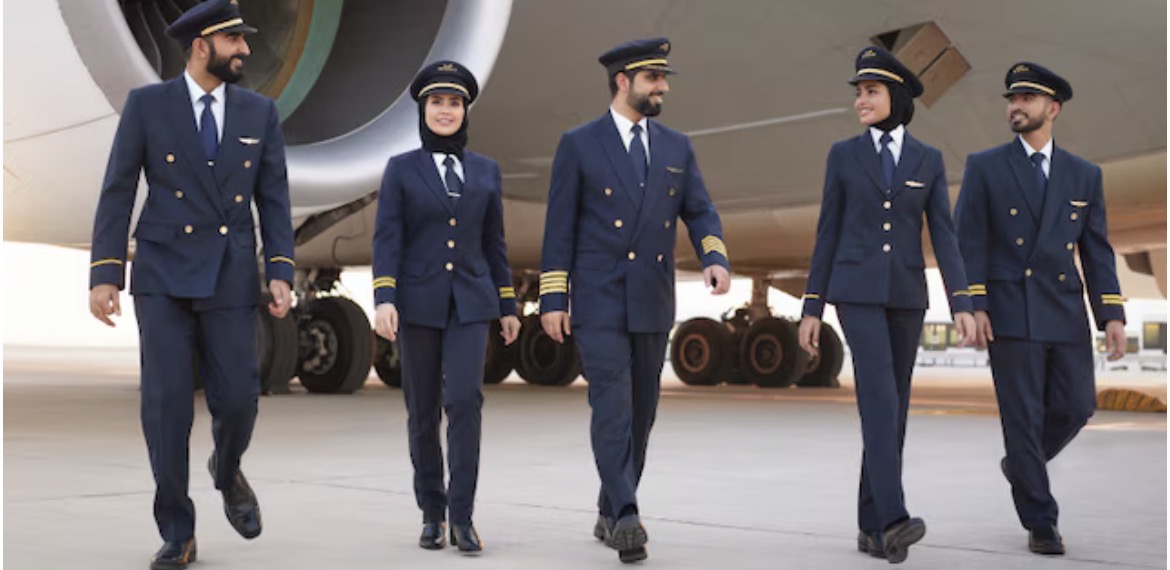
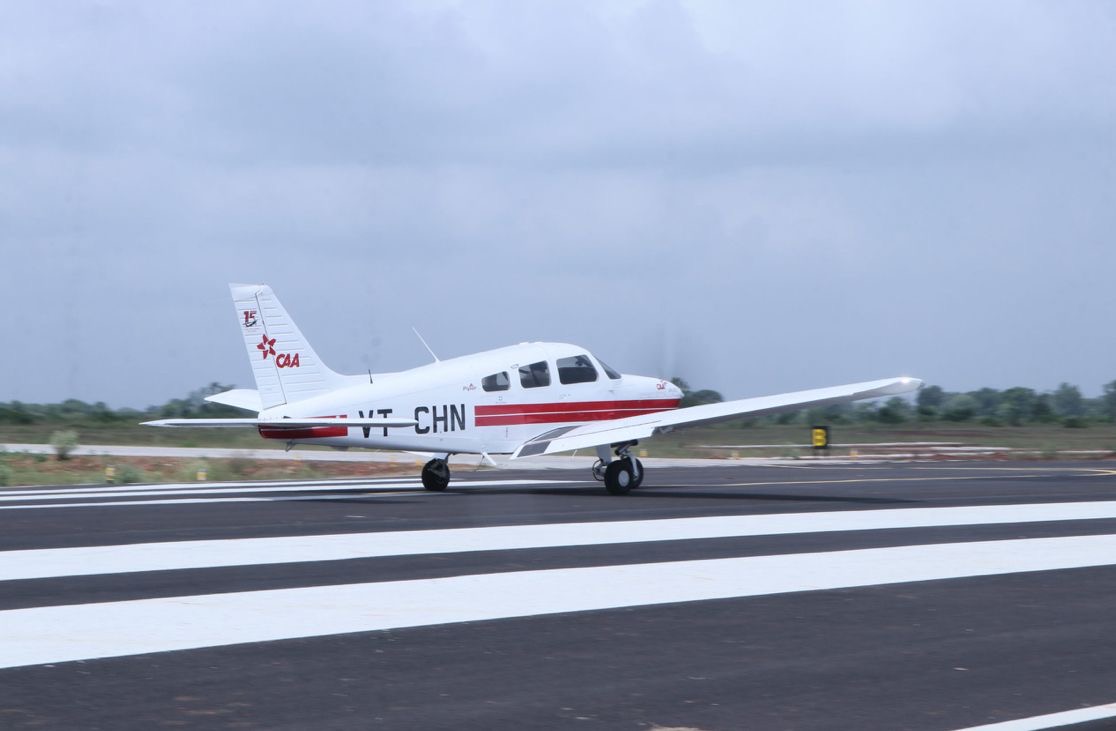
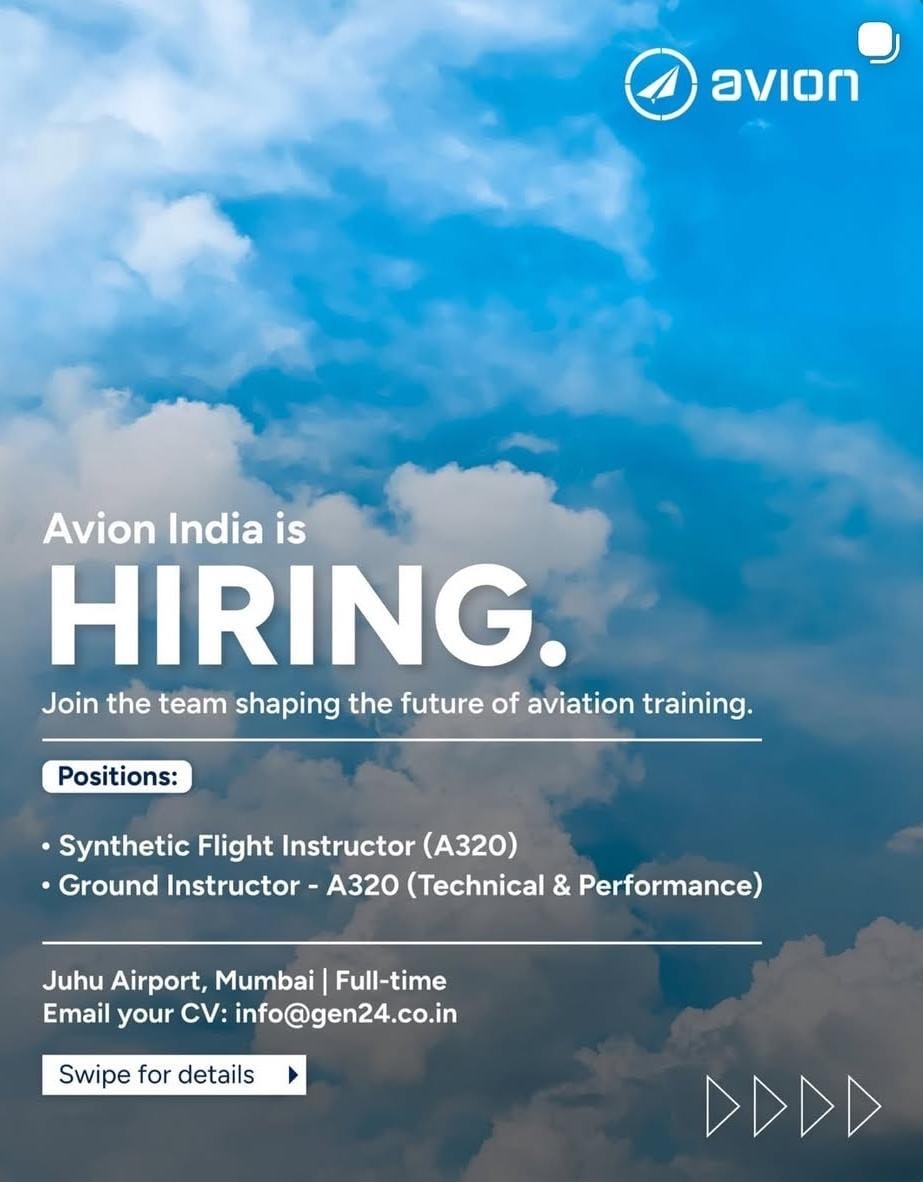
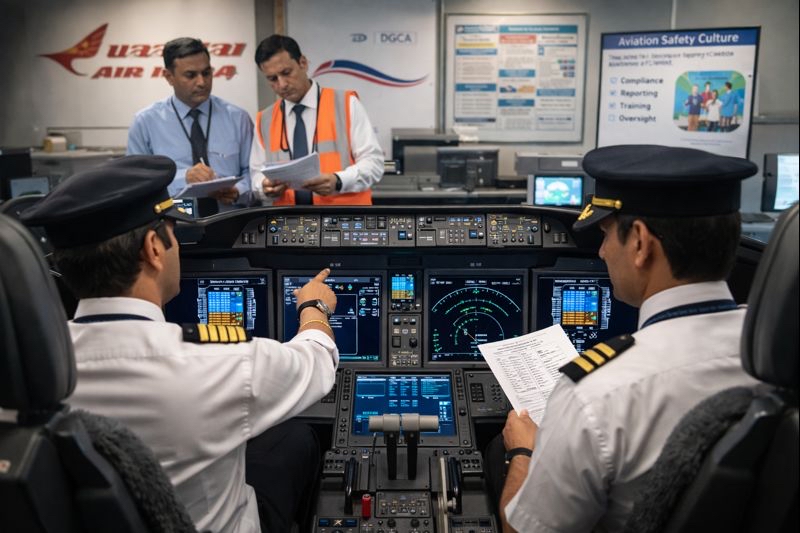
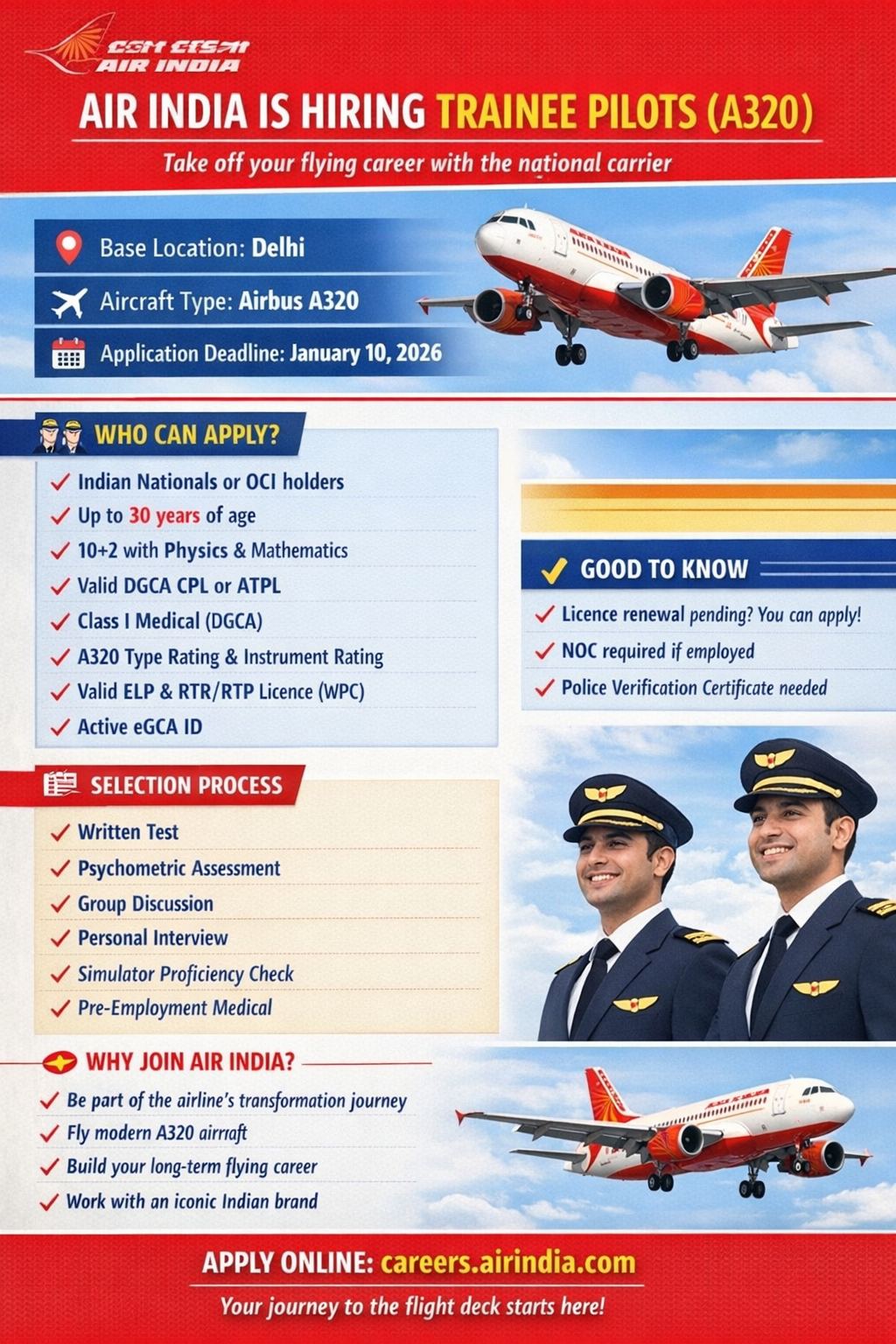
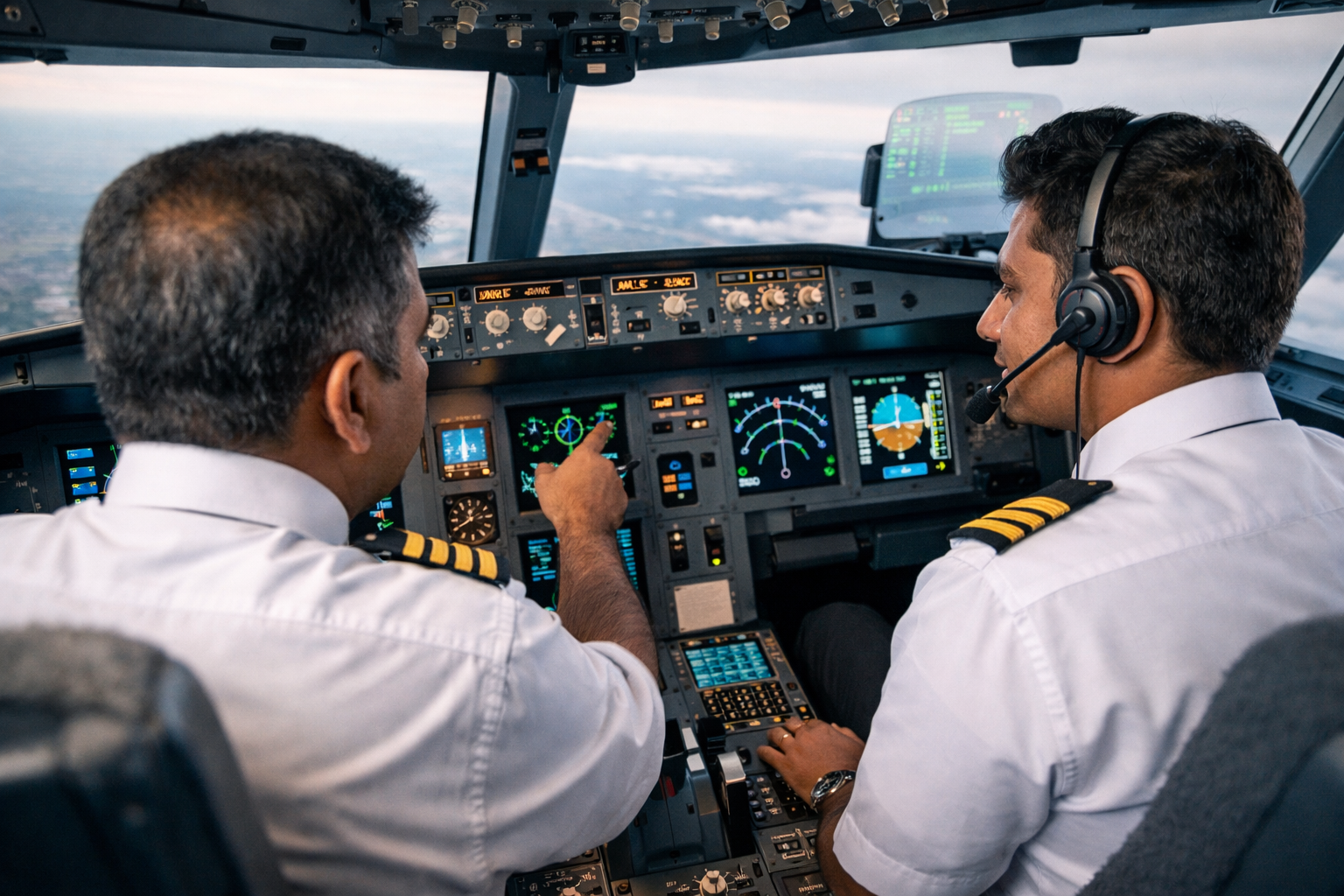
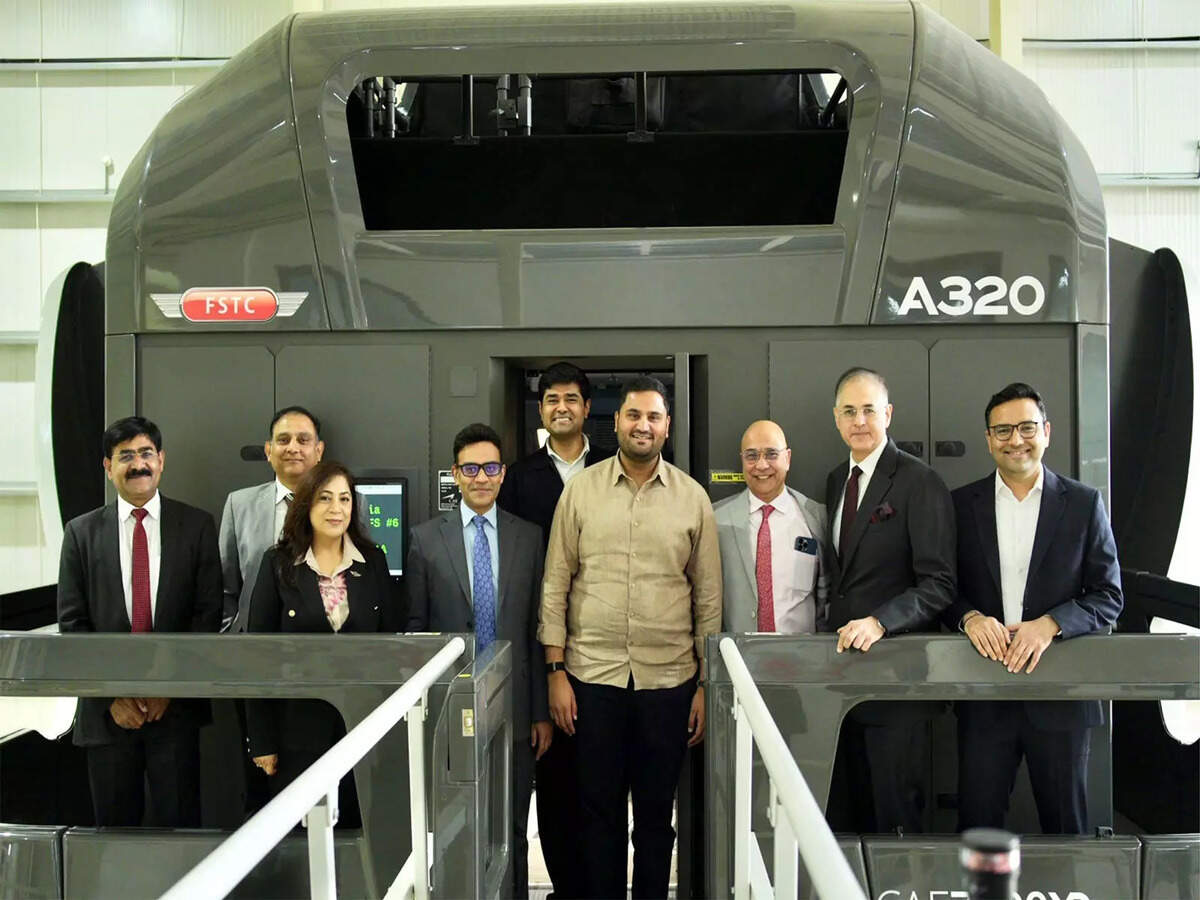
Alongside maintenance and cargo conversion, the group is also looking to expand its presence in aviation training. With Indian airlines expected to induct hundreds of new aircraft over the coming years, the demand for trained pilots and technical personnel is set to rise sharply. Investments in simulators and training infrastructure are seen as a critical part of supporting the industry’s long term growth.
Industry observers view this multi layered strategy as a natural extension of Adani’s existing airport business. By combining airport infrastructure with aircraft services, training and cargo solutions, the group is aiming to create an integrated aviation platform. This approach could help improve efficiency across the value chain while aligning with government efforts to strengthen domestic aviation manufacturing and maintenance capabilities.
Overall, Adani’s move into engine maintenance and freighter conversions signals confidence in the long term potential of Indian aviation. It also reflects a broader shift toward building self reliance in critical aviation services, an area that will play an increasingly important role as India cements its position as one of the world’s fastest growing aviation markets.