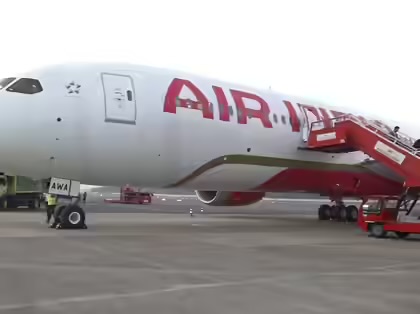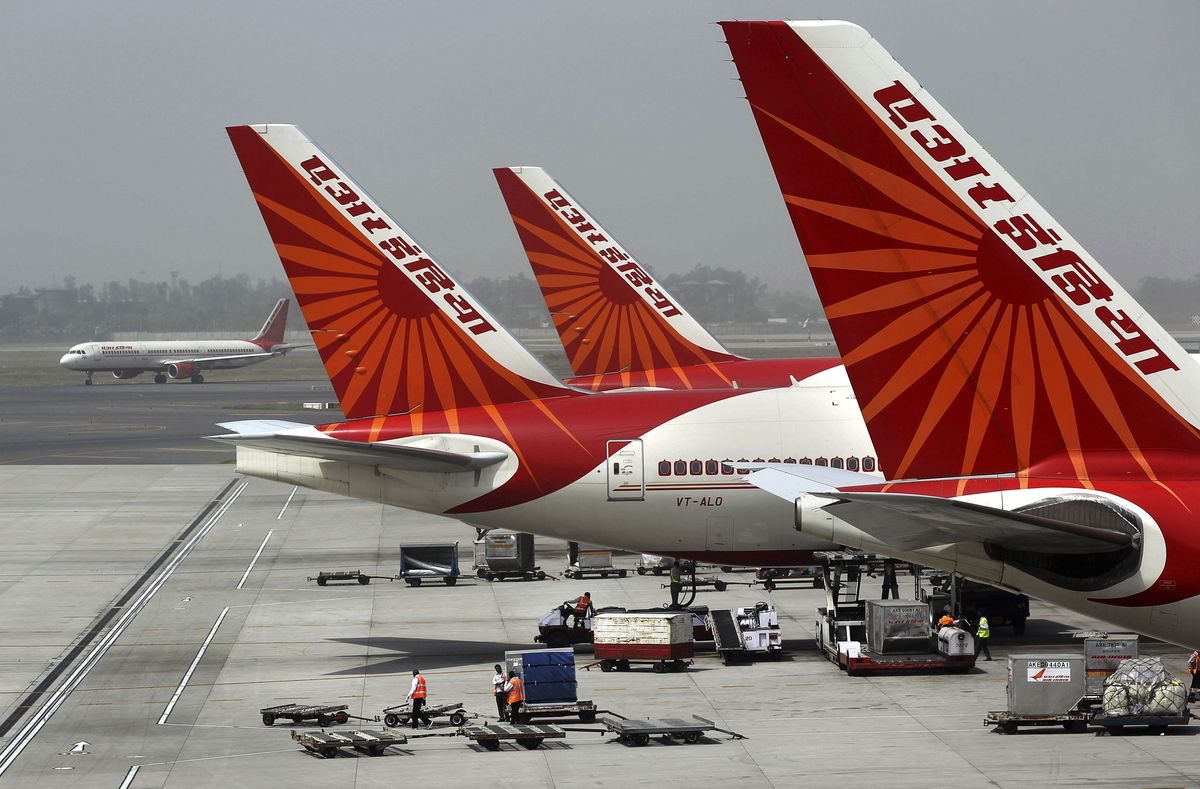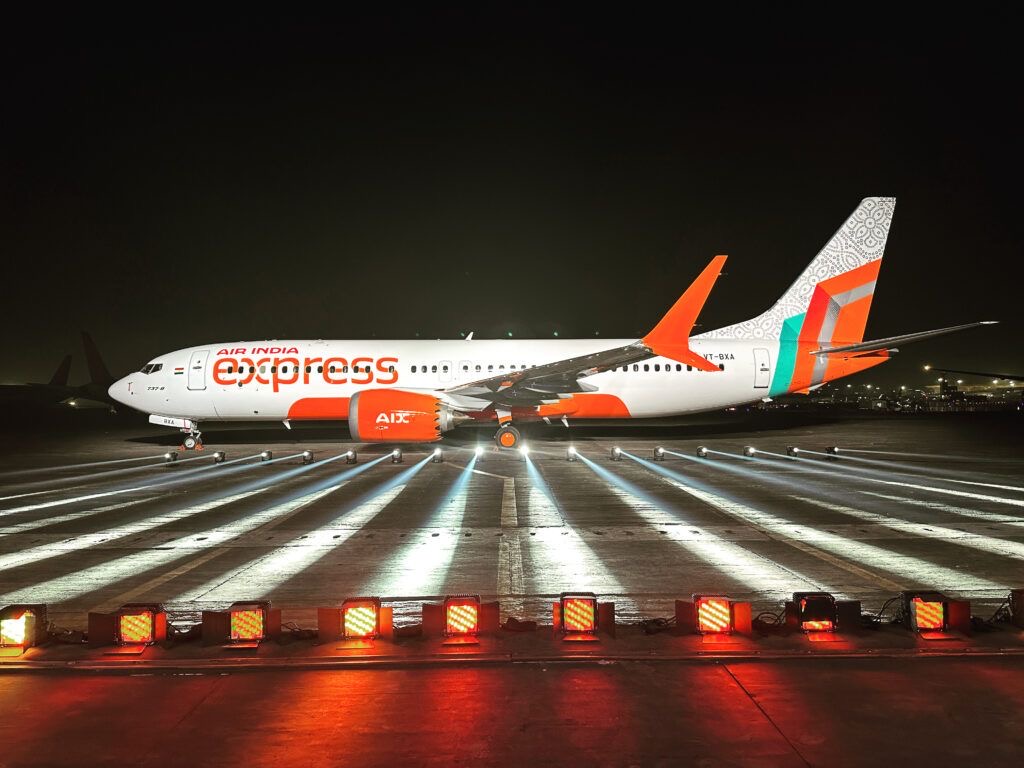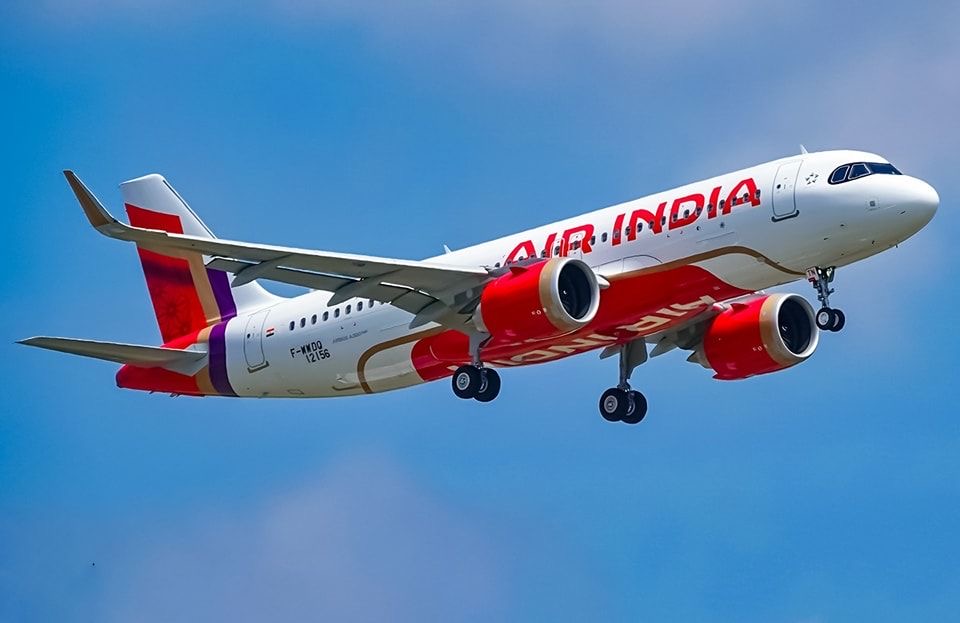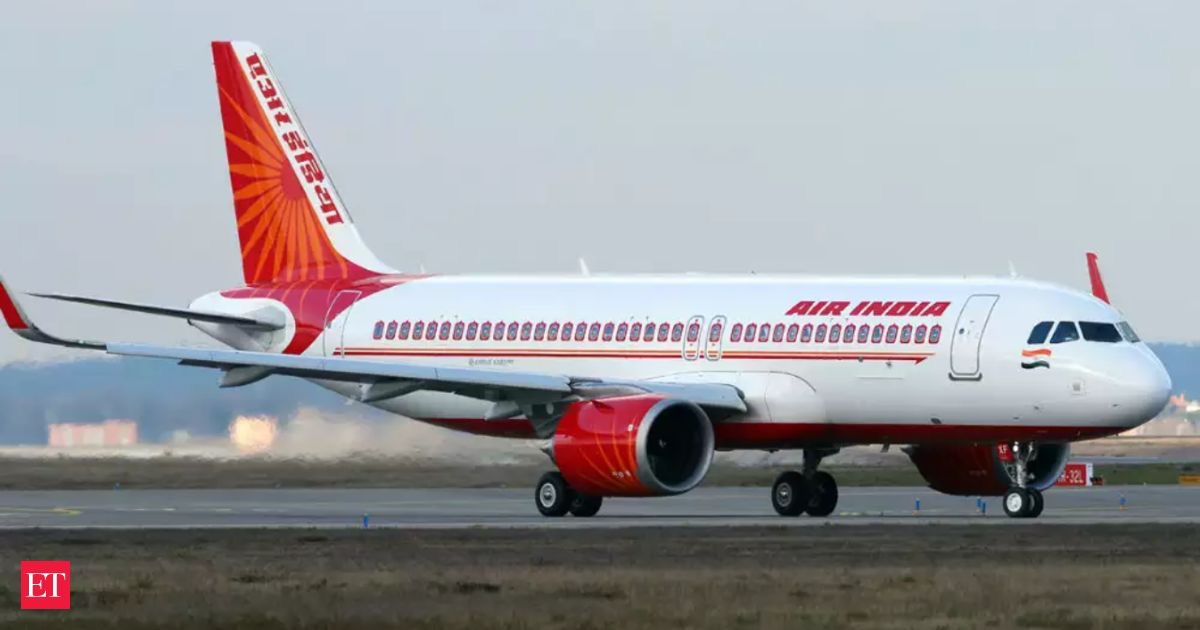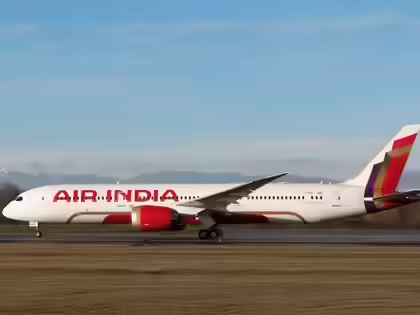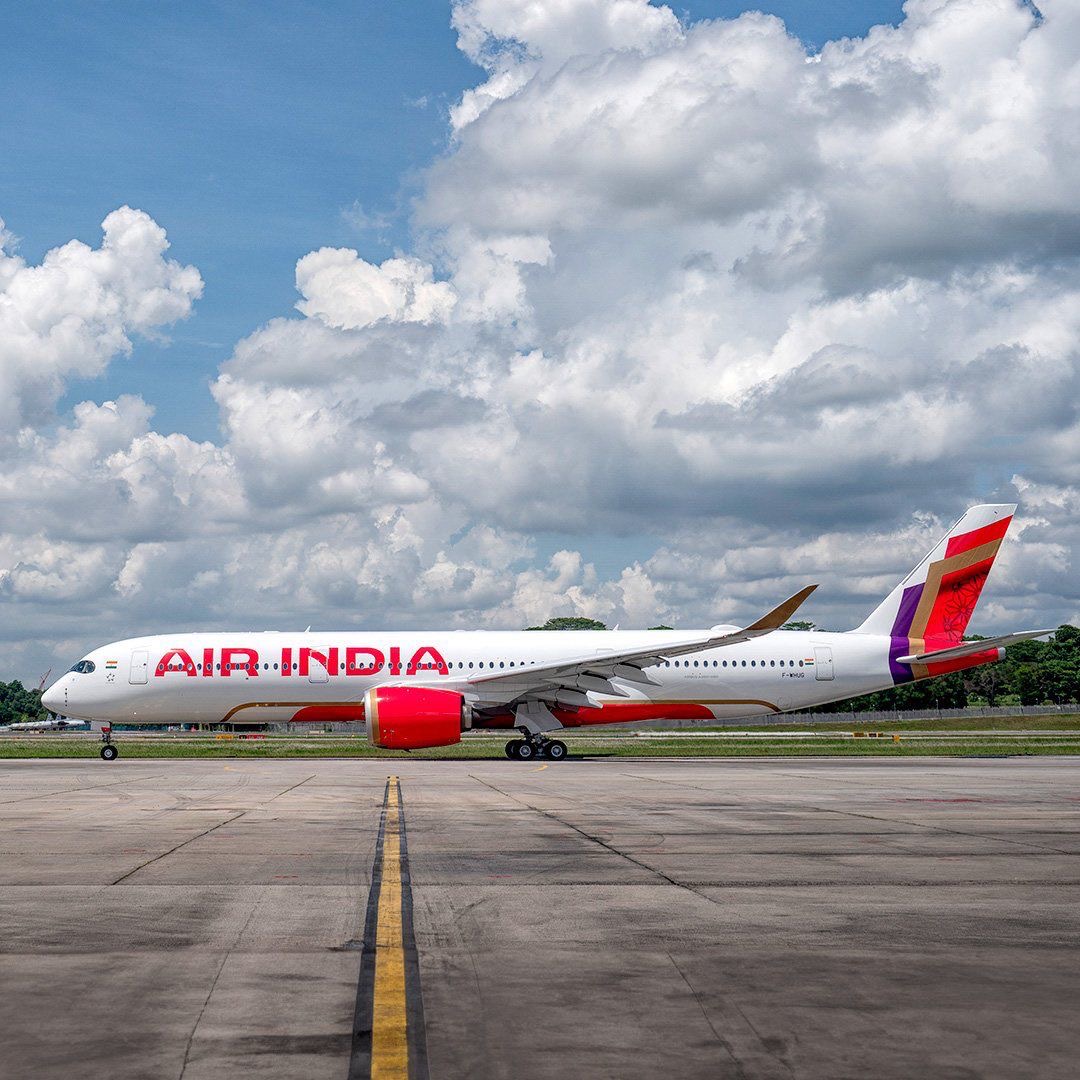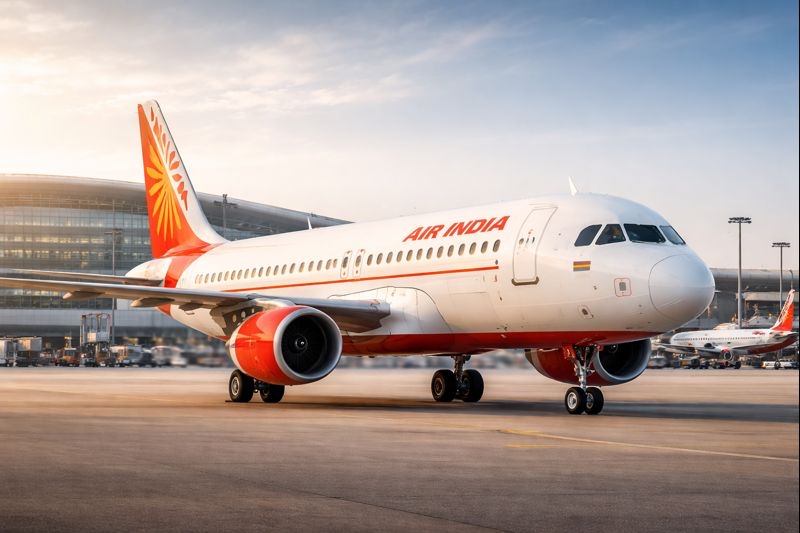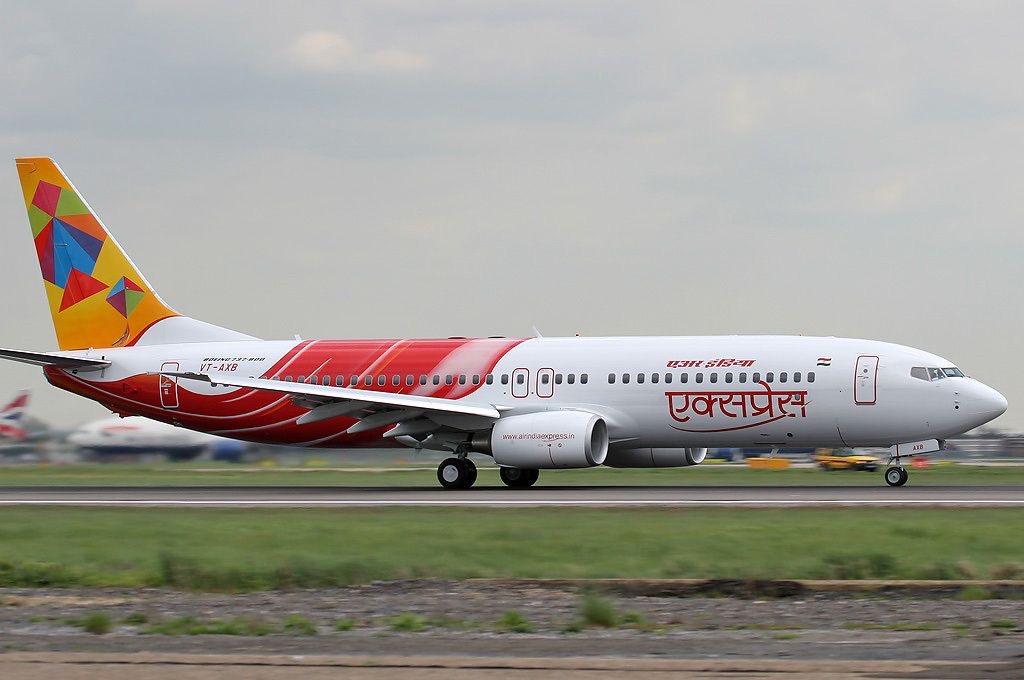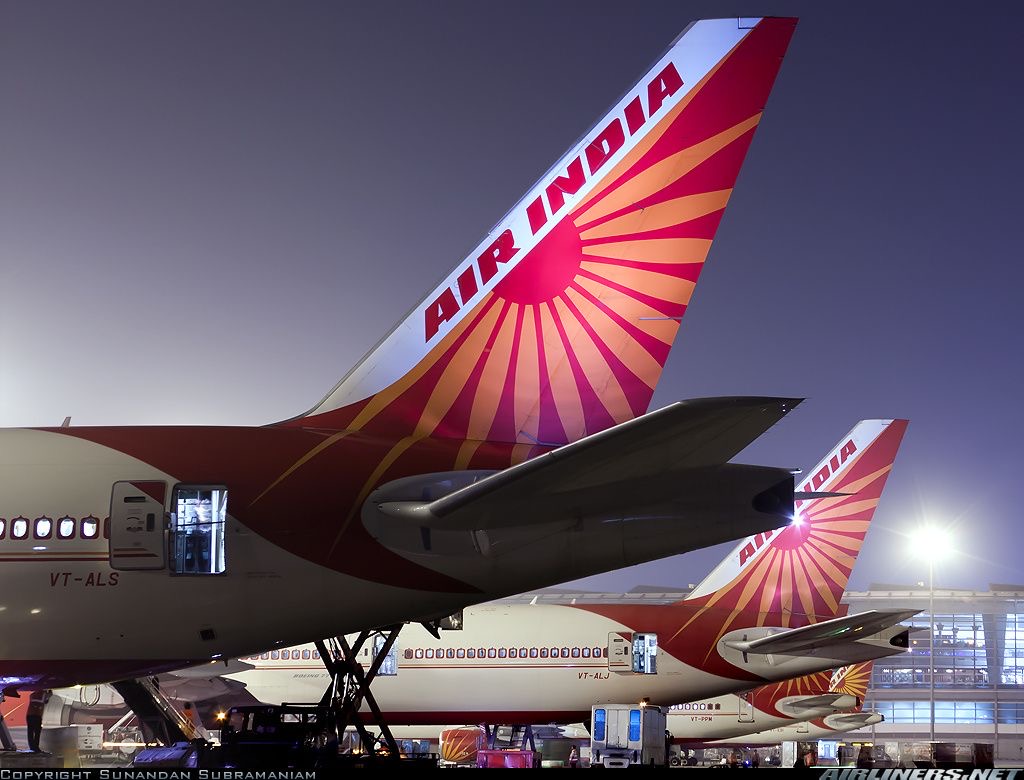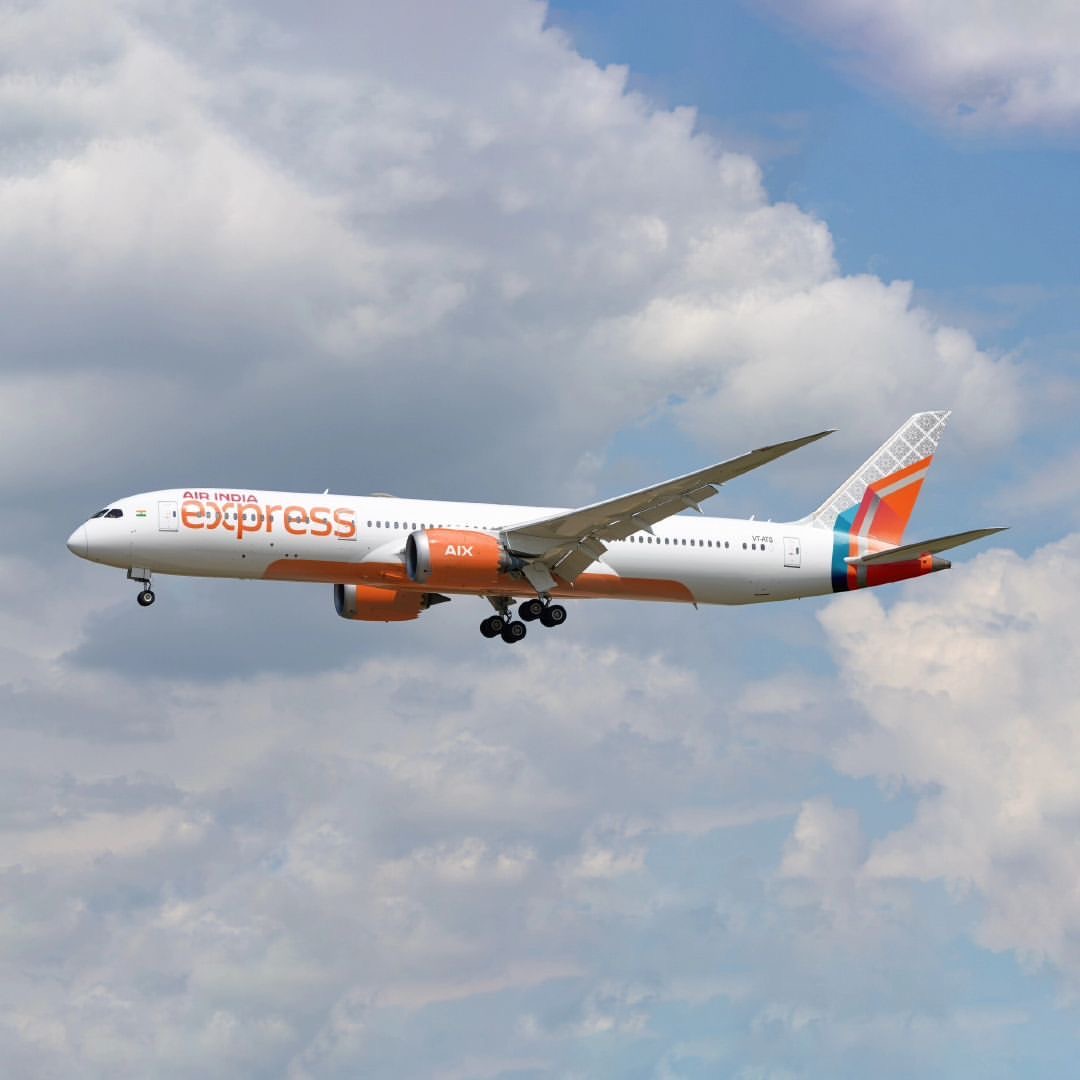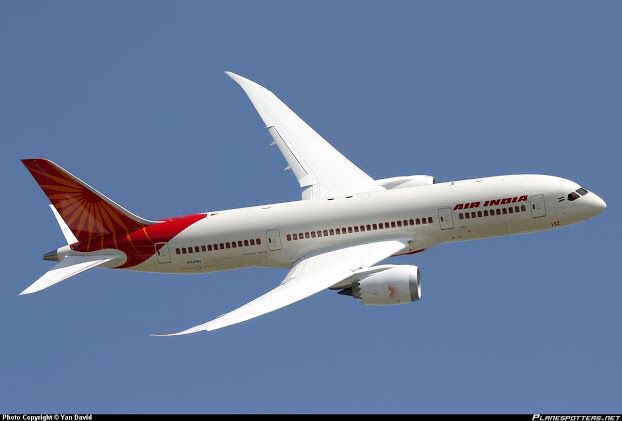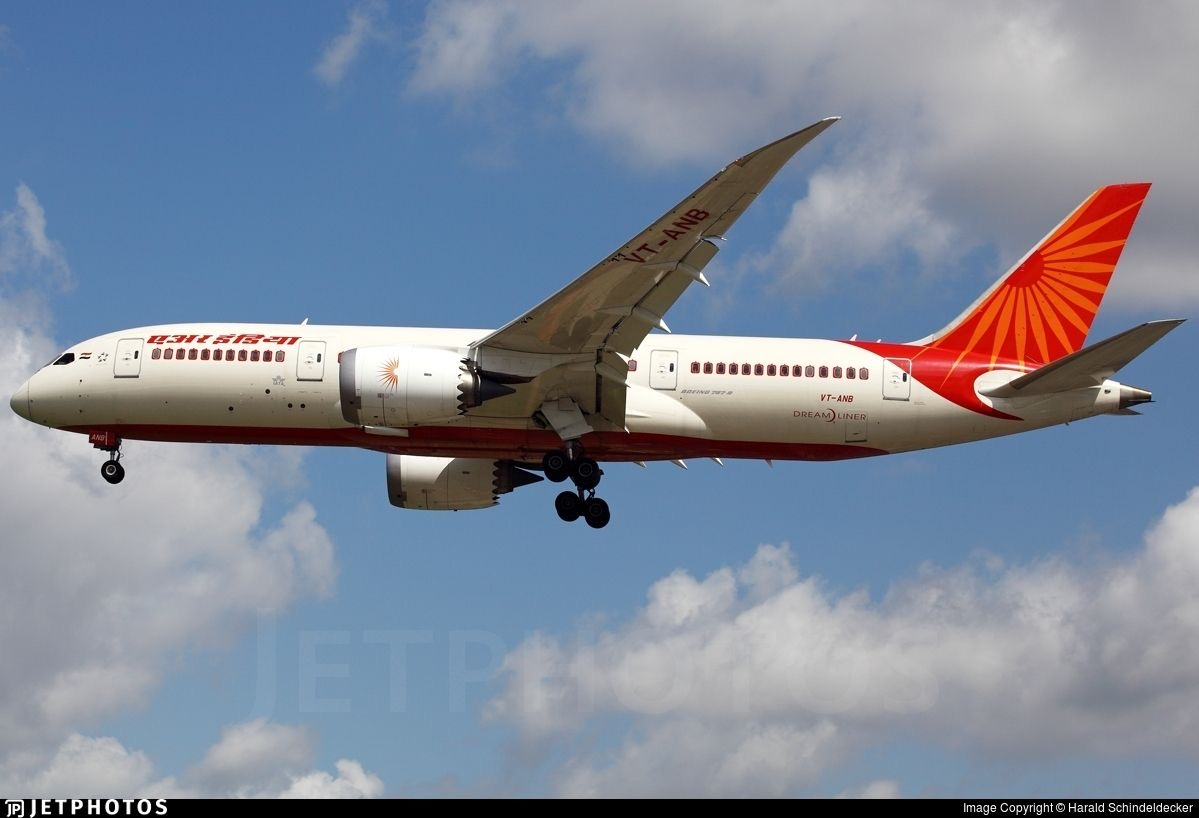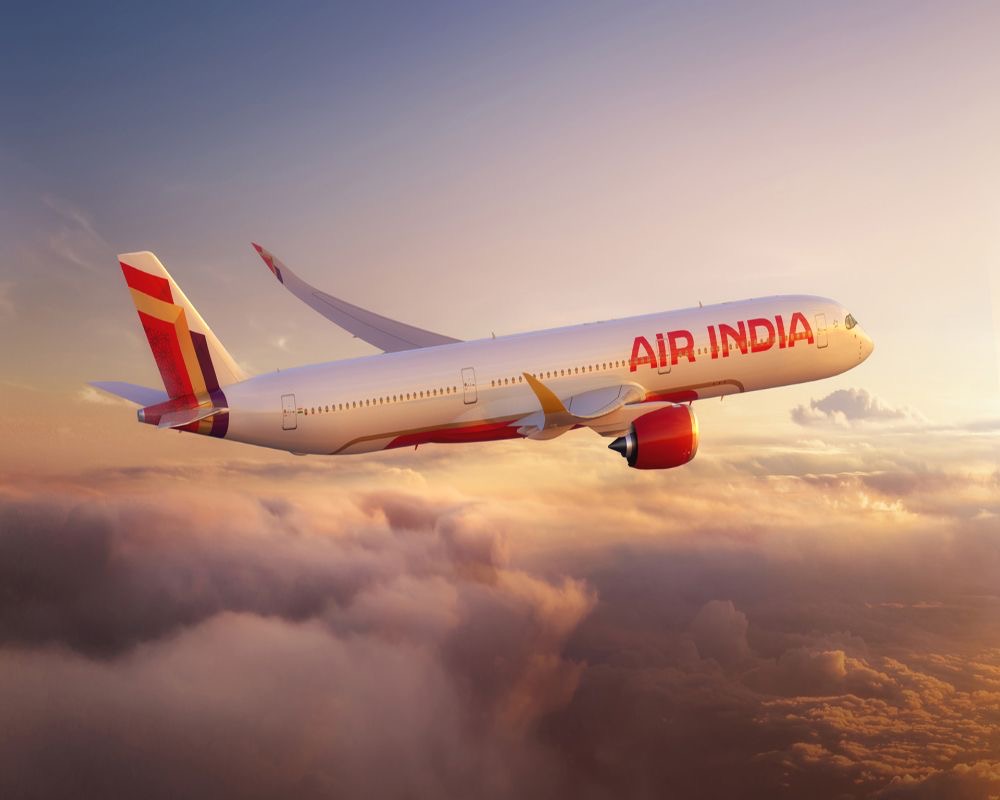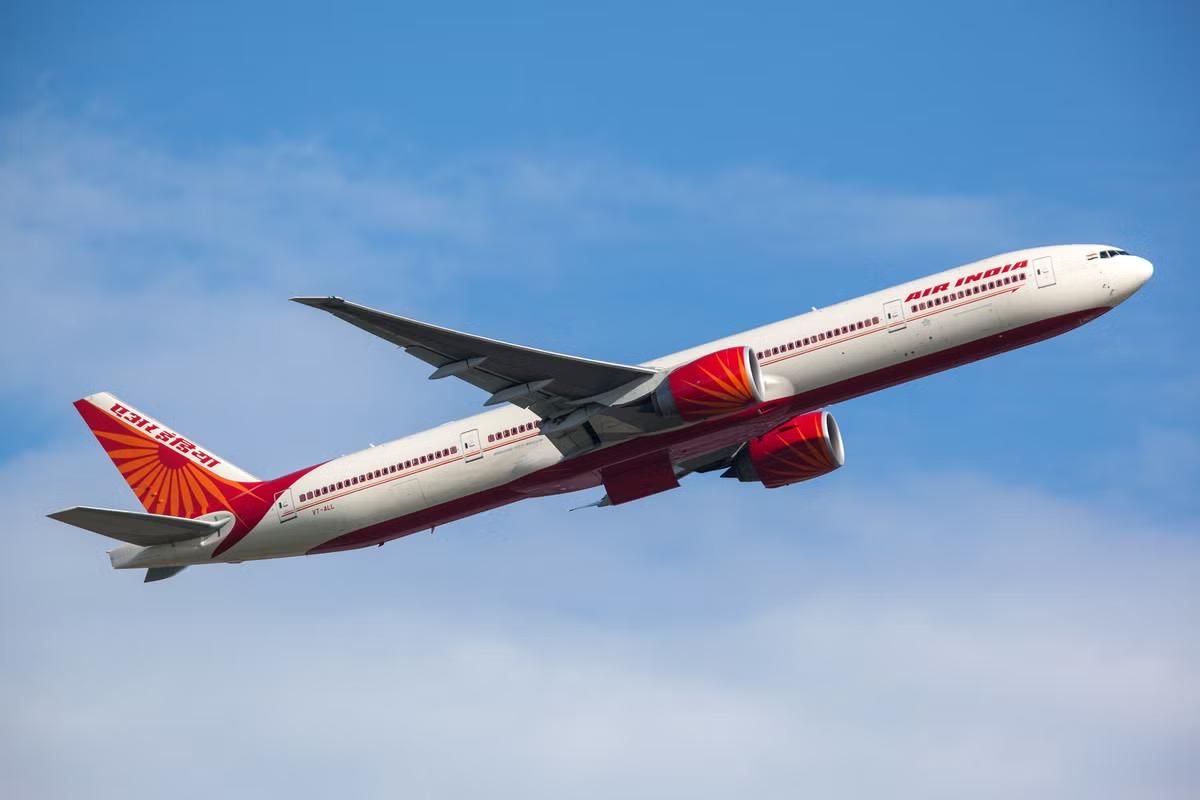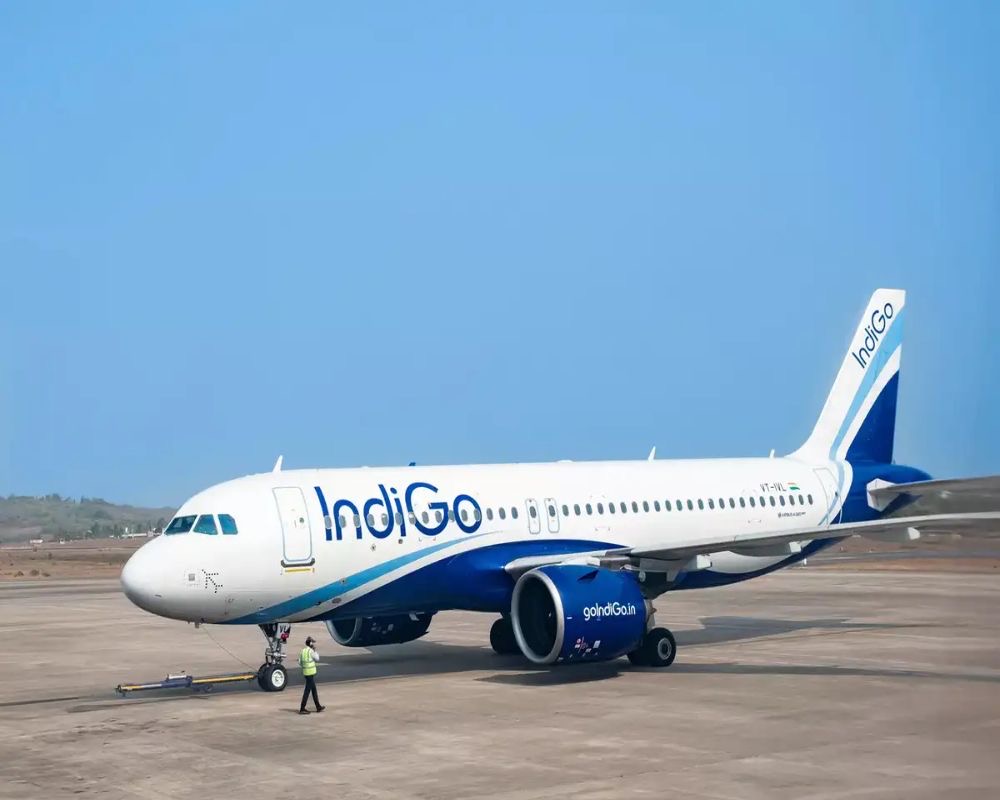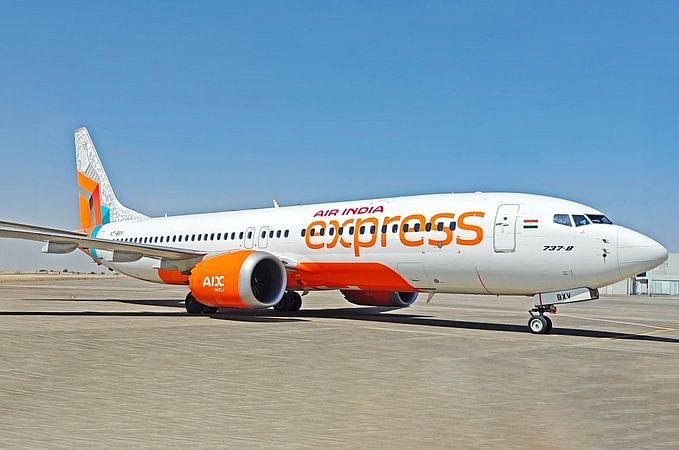

Air India has placed an order for 30 additional Boeing 737 MAX aircraft, a move that strengthens the airline’s fleet expansion strategy and adds capacity for its growing domestic and regional international network. The new order builds on existing agreements with Boeing and reflects Air India’s commitment to modernising its narrowbody fleet while enhancing operational efficiency and route flexibility.
The Boeing 737 MAX family, known for fuel efficiency and advanced aerodynamics, continues to be a preferred choice for airlines seeking to optimise unit costs and expand services on short- to medium-haul routes. Air India’s renewed investment in this aircraft type signals confidence in demand for both domestic travel and regional international traffic, particularly as market recovery continues and passenger numbers strengthen.
The additional 30 jets will complement Air India’s existing order book, which already includes hundreds of aircraft from major manufacturers to support both widebody and narrowbody operations. With the goal of providing more frequency, better connectivity and enhanced customer experience, the airline plans to deploy the new 737 MAXs across key sectors that connect India’s major metropolitan centres with secondary cities and important overseas destinations within the aircraft’s range.
Air India executives have emphasised that fleet expansion is a key pillar of the airline’s long-term growth plans. In addition to meeting current travel demand, the strengthened narrowbody fleet will give the airline greater flexibility to adjust capacity across markets and respond quickly to evolving traffic patterns. Investments in modern aircraft also support sustainability goals, as newer jets typically deliver lower fuel burn and reduced emissions compared with older models.
Industry analysts note that narrowbody aircraft such as the 737 MAX play a crucial role in network planning, enabling carriers to serve high frequency domestic routes as well as international city pairs that require efficient, point-to-point connectivity. As India’s aviation market matures, carriers that can offer both robust domestic networks and competitive regional international services are expected to gain strategic advantages.
The timing of the order comes amid a broader industry environment where aircraft backlogs remain long and production slots are highly sought after. By securing an additional tranche of aircraft early, Air India has positioned itself to access deliveries that support its near-term and medium-term expansion without undue delays. These new jets will bolster the airline’s ability to add new destinations, increase seat capacity on existing routes and improve scheduling flexibility during peak travel seasons.
Customers and travel partners can expect to see the impact of the expanded fleet in the months and years ahead as the new aircraft are phased into service. With improved aircraft utilisation and upgraded cabin amenities, Air India aims to offer travellers a combination of reliability, comfort and growing network reach.
The airline’s ongoing fleet strategy emphasises not only growth in numbers but also alignment with broader industry trends toward fuel efficiency and environmental performance. As carriers worldwide adapt to changing market conditions, investments in next-generation aircraft like the 737 MAX are a key element of strategic planning to support sustainable operations and long-term competitiveness.
Overall, Air India’s order for 30 more Boeing 737 MAX aircraft highlights confidence in the strength of travel demand, the importance of modern narrowbody jets to future route development and the airline’s commitment to offering passengers a network that is both extensive and efficient.