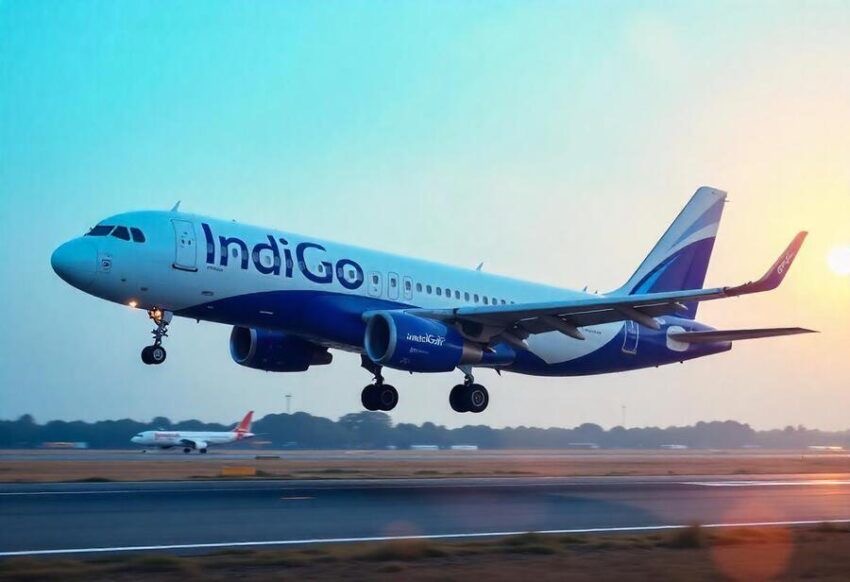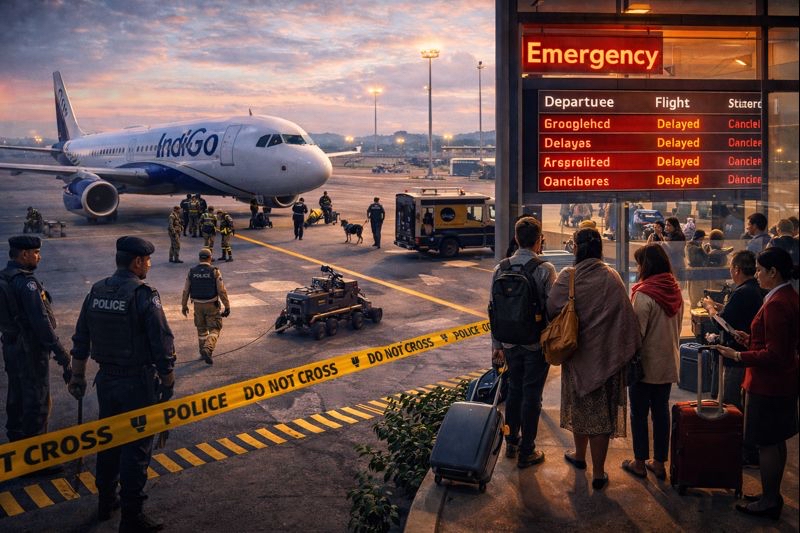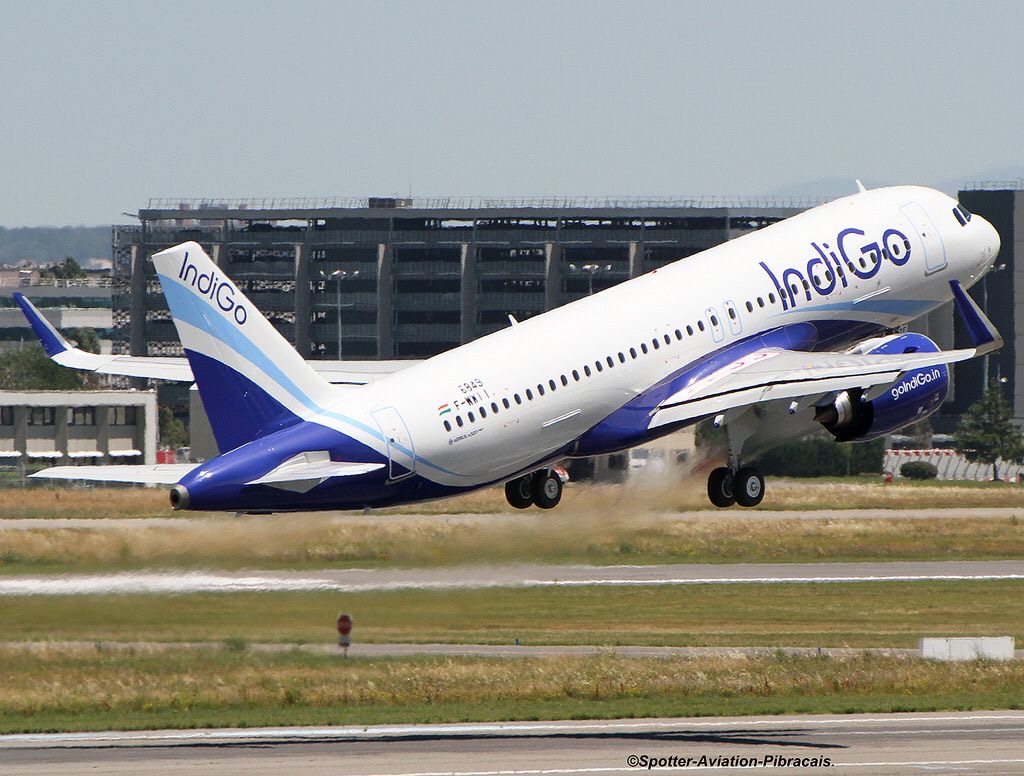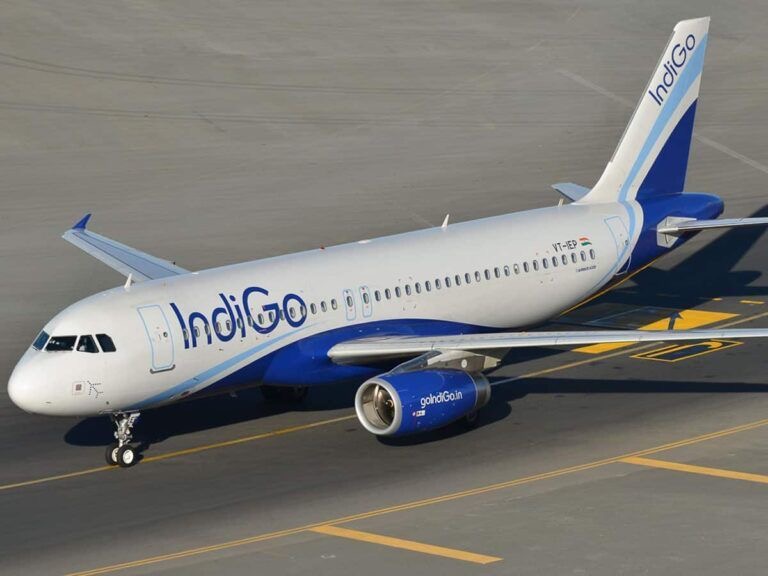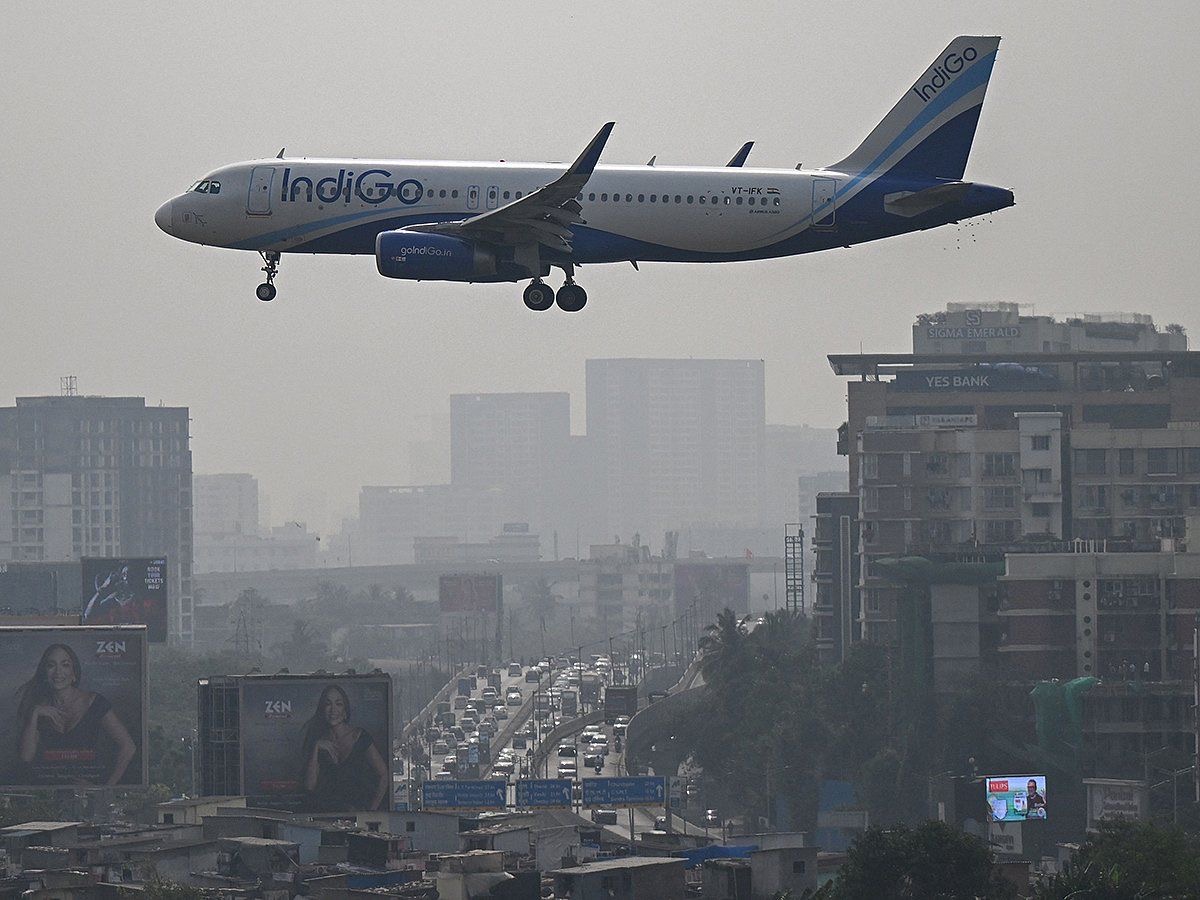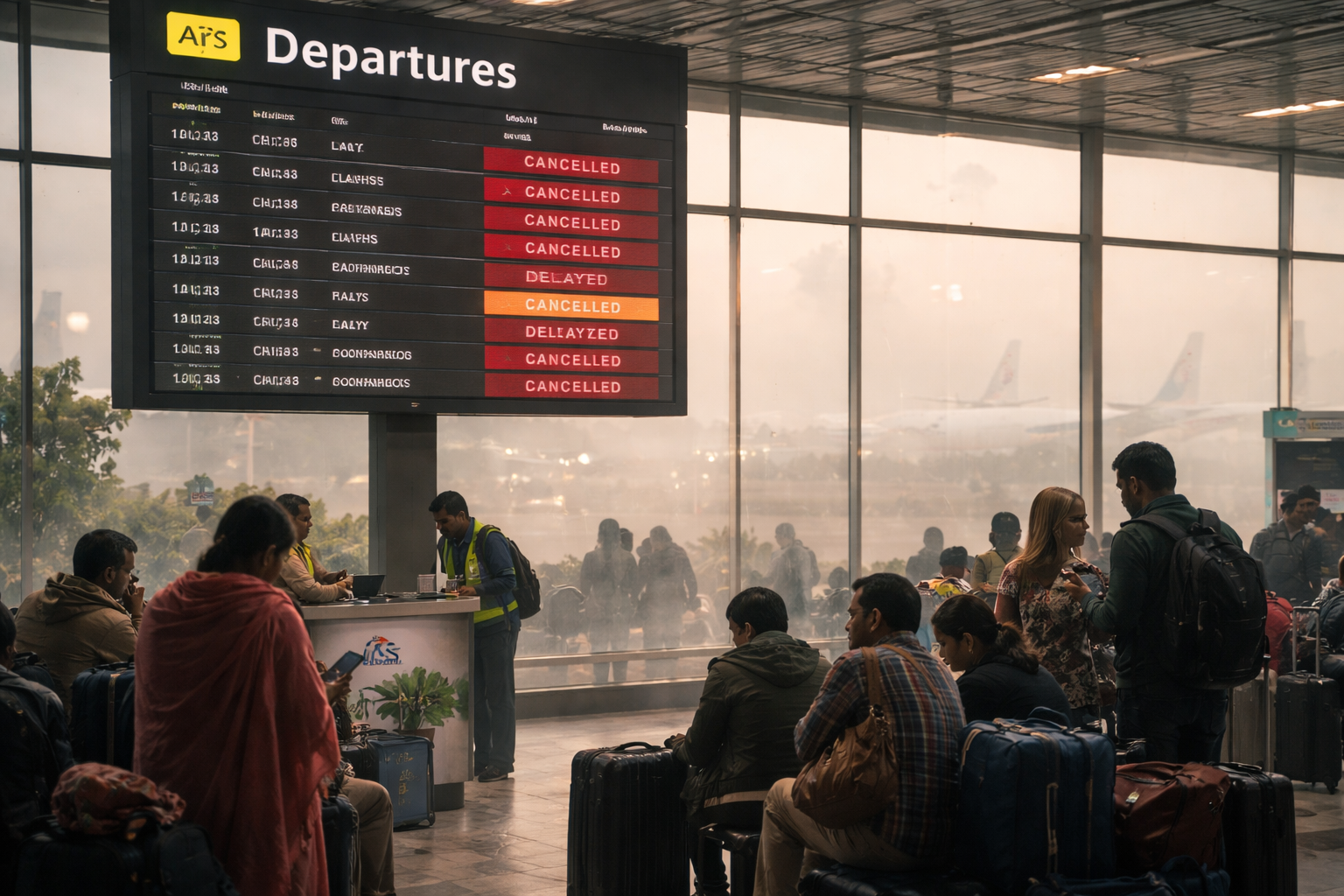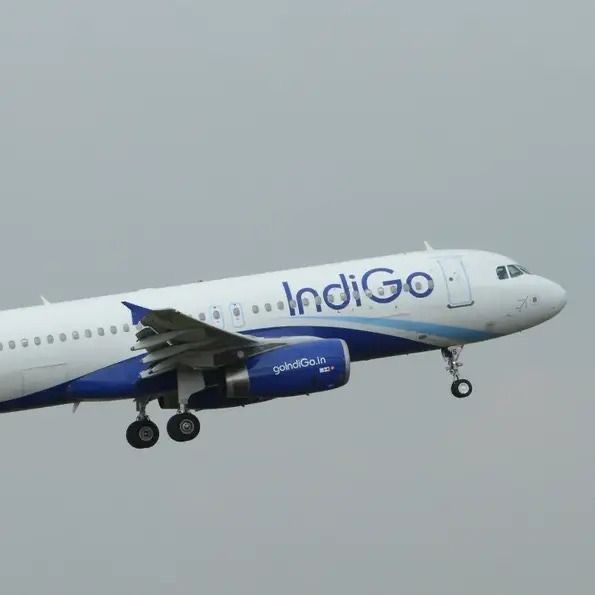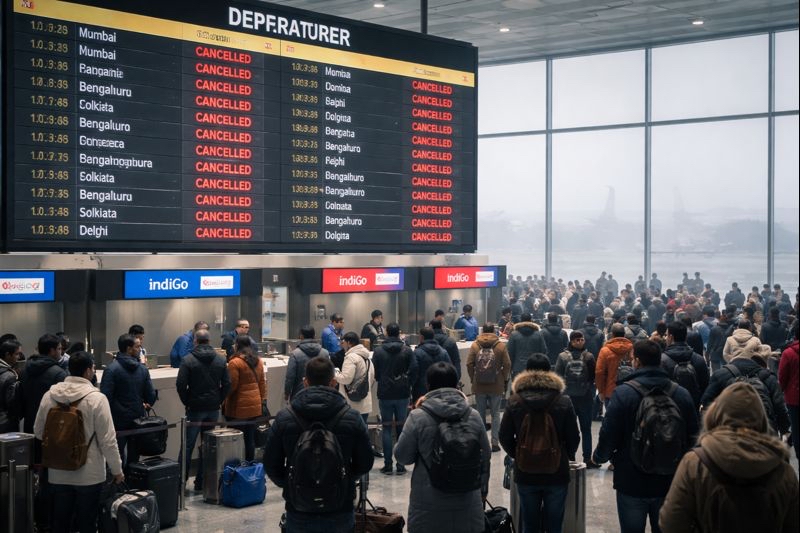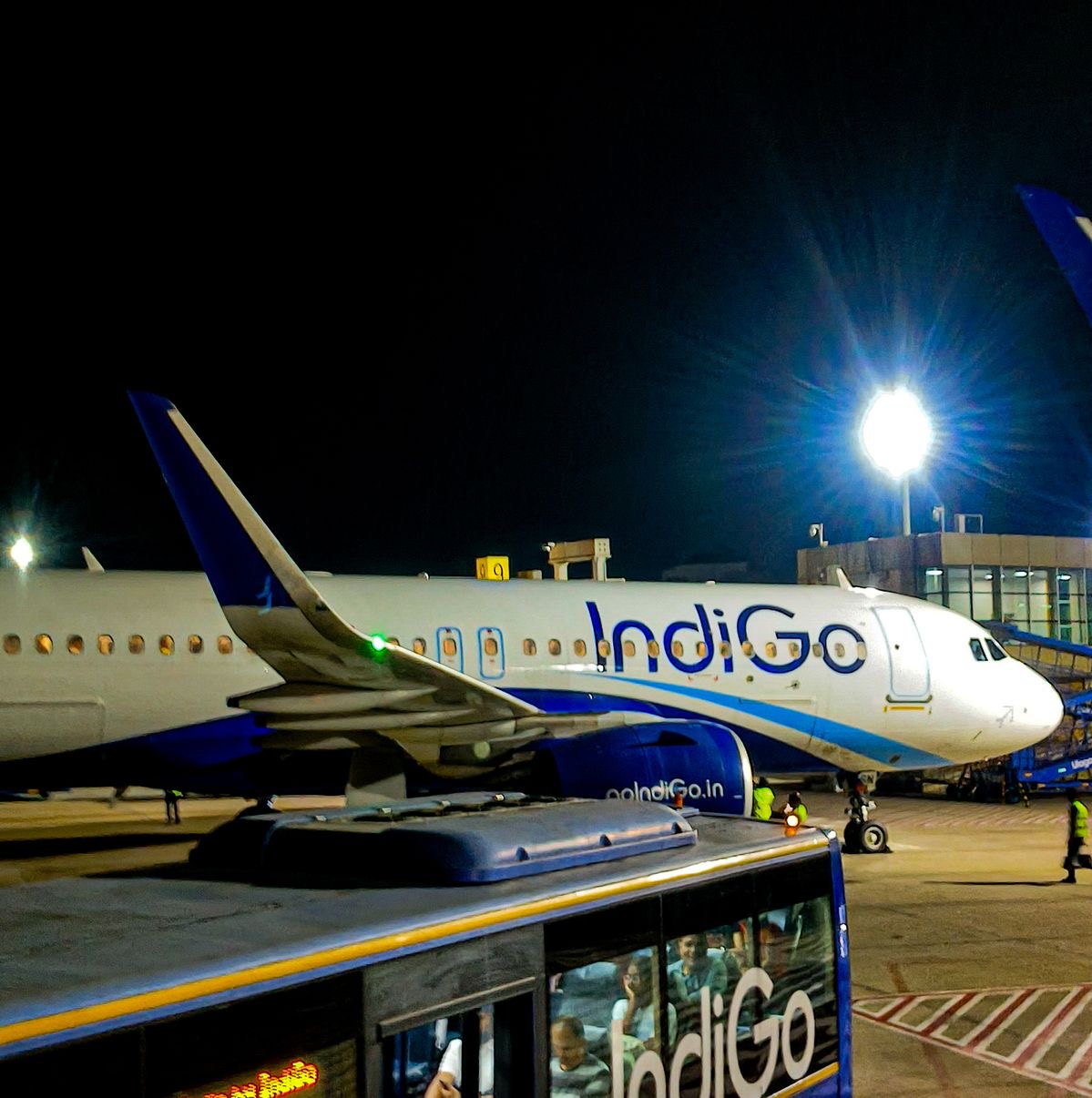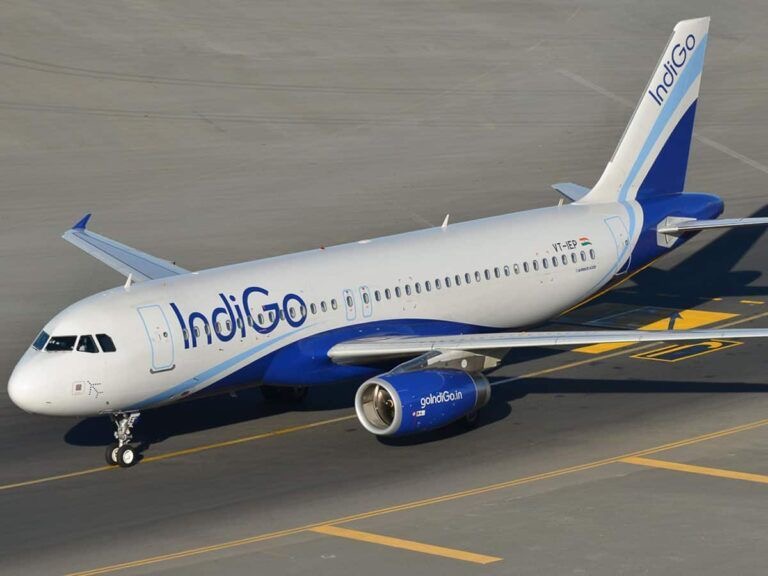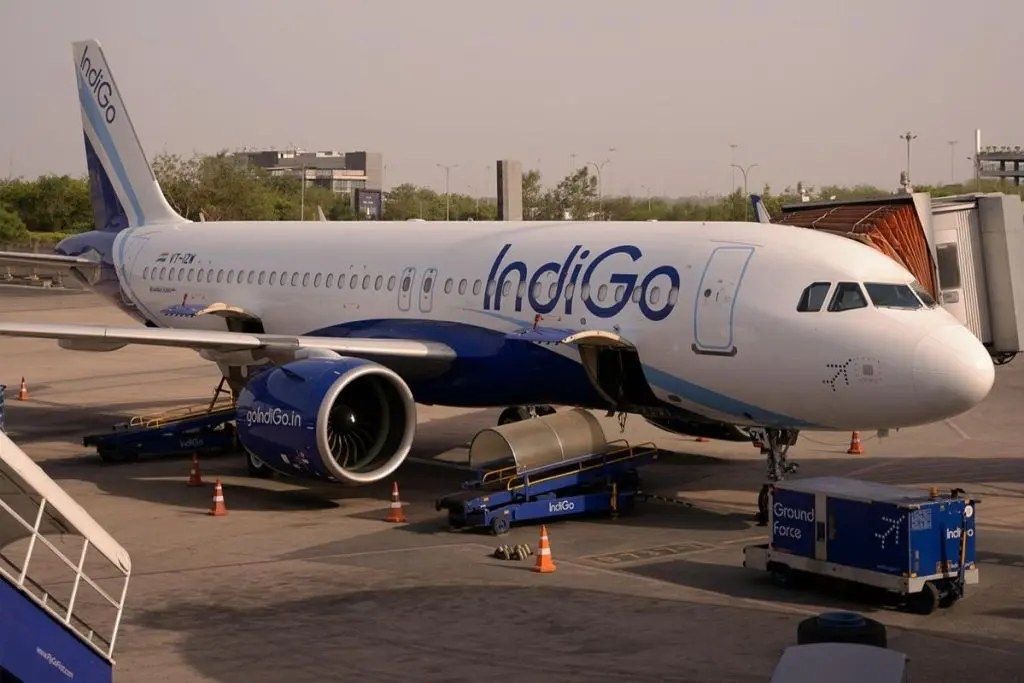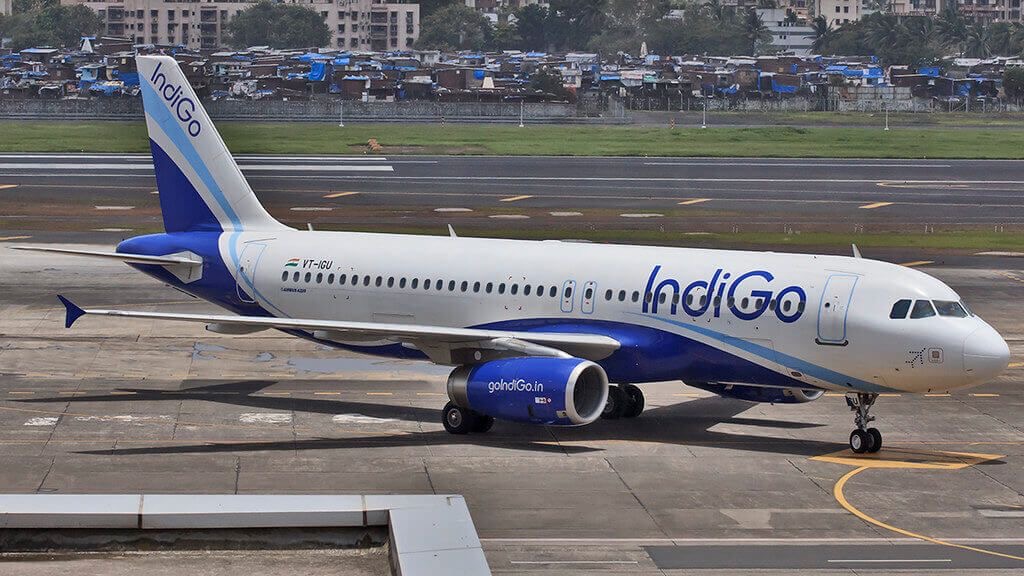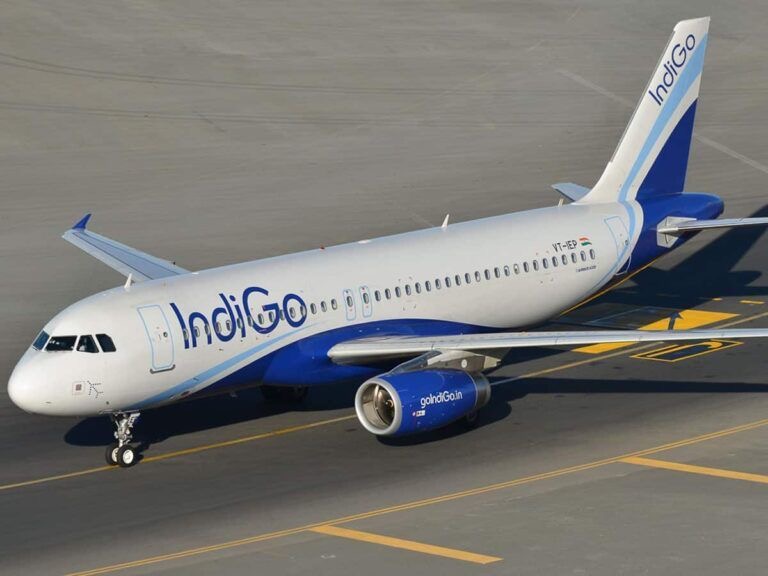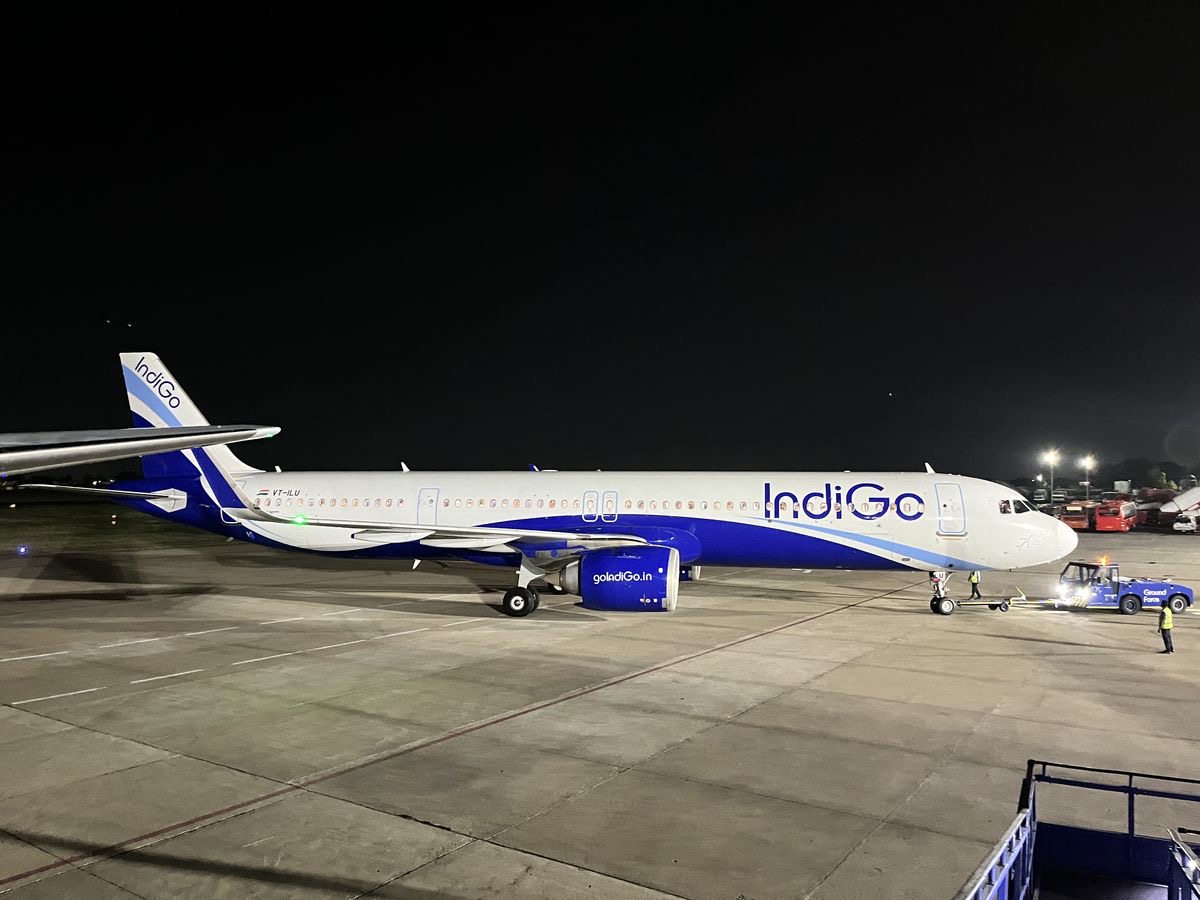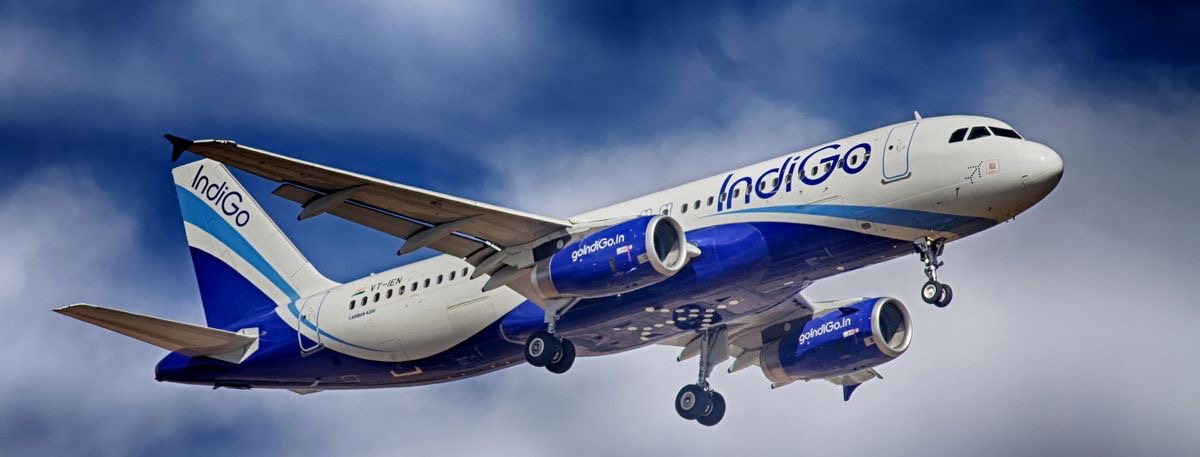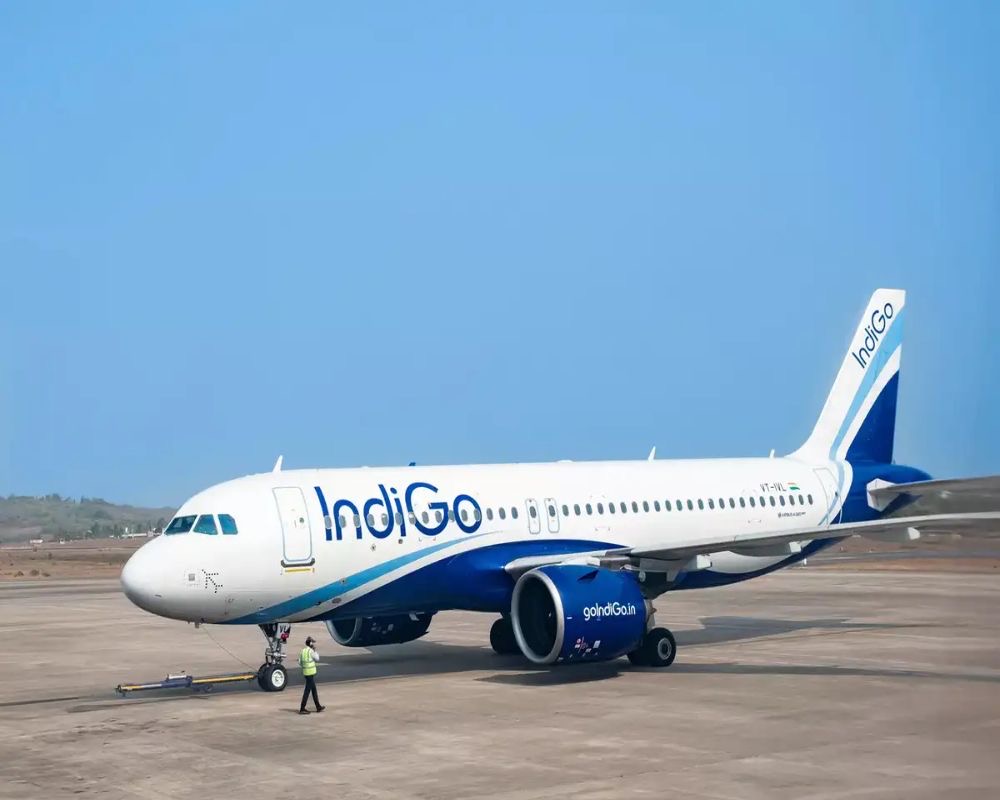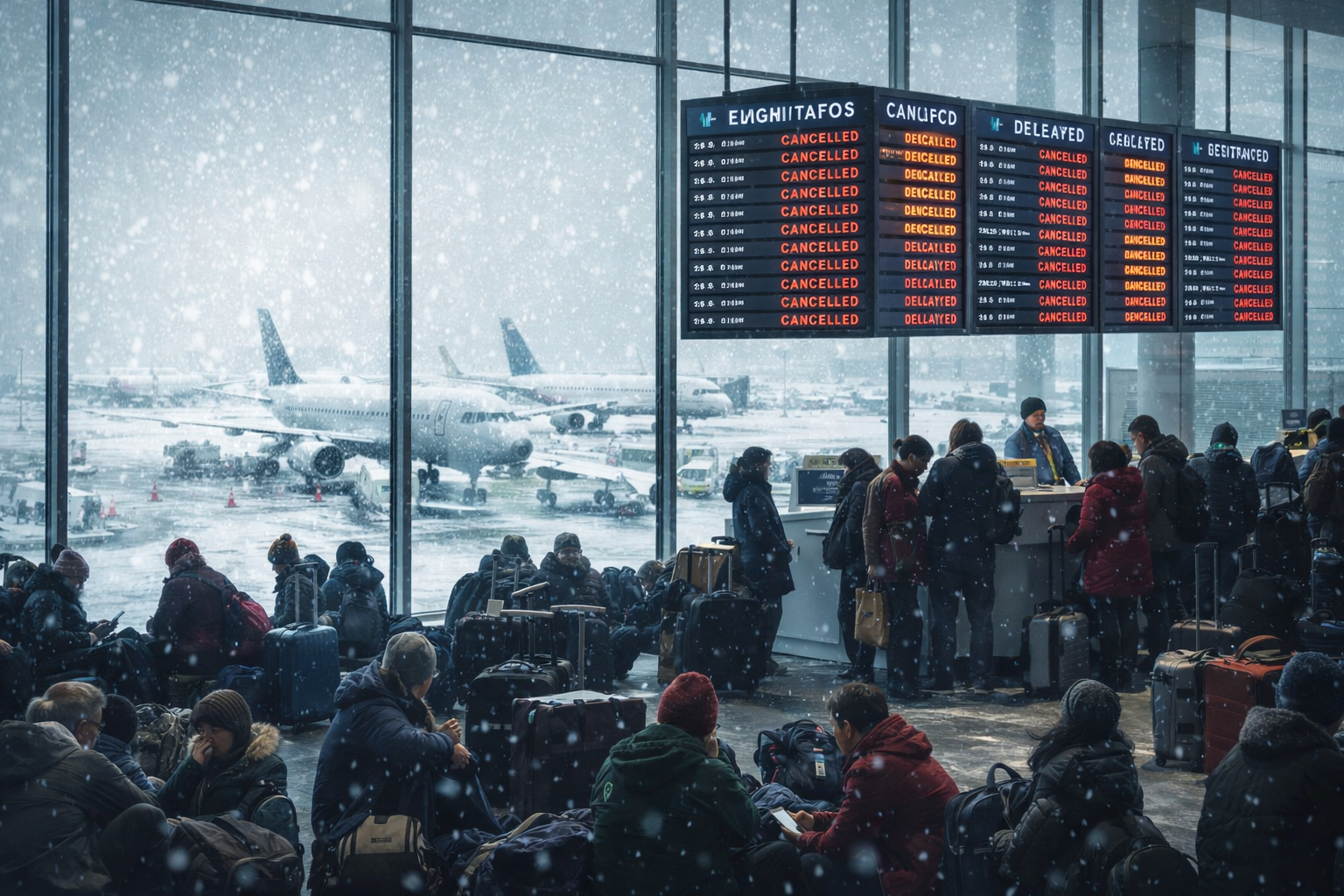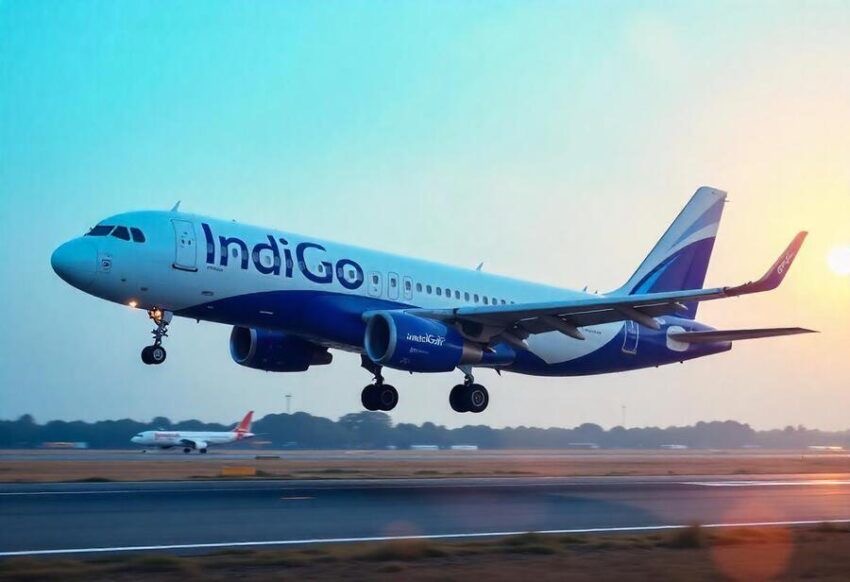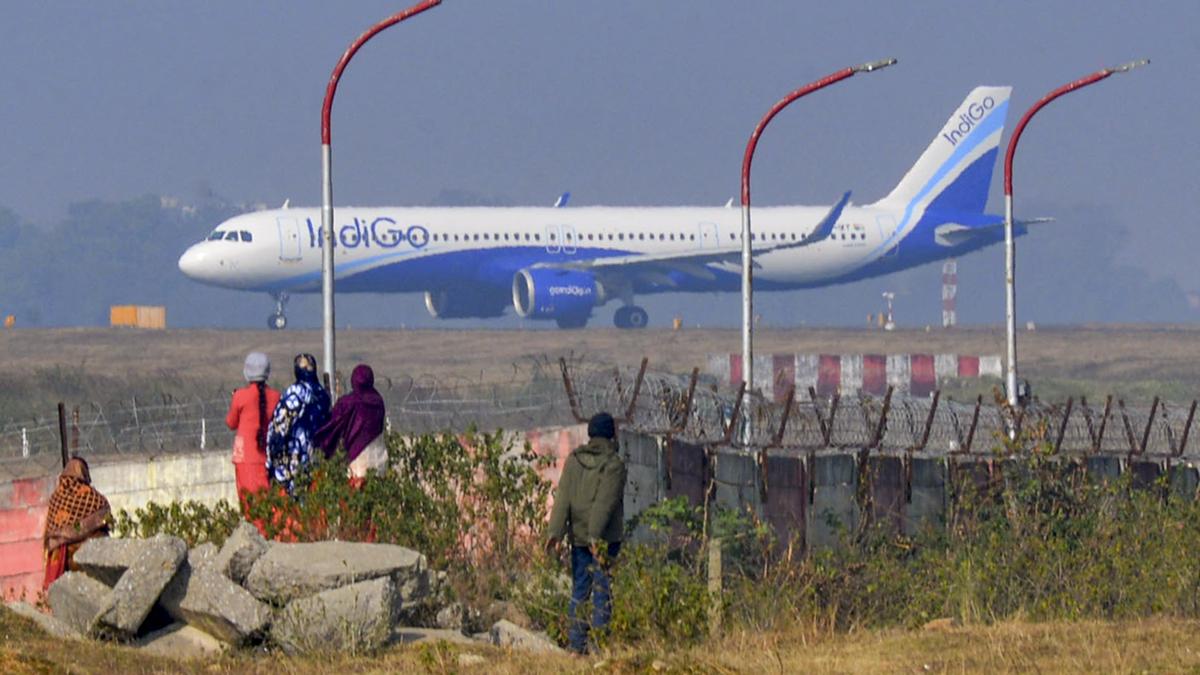

India’s aviation sector faced an unexpected jolt in early December as widespread flight cancellations by IndiGo, the country’s largest airline, sent shockwaves far beyond crowded airport terminals and frustrated passengers. The disruption left a visible dent in aviation turbine fuel (ATF) consumption, with jet fuel sales falling by around 4.1% during the first half of the month, according to preliminary industry data.
The decline marks a rare pause in what had been a strong and sustained recovery for the aviation industry. For nearly two years, ATF demand had steadily climbed, mirroring the rapid rebound in air travel after the pandemic. Airlines were flying fuller planes, routes were expanding, and fuel consumption had become one of the brightest indicators of aviation’s revival. December’s sudden dip, however, served as a stark reminder of how fragile this momentum can be when operational challenges converge.
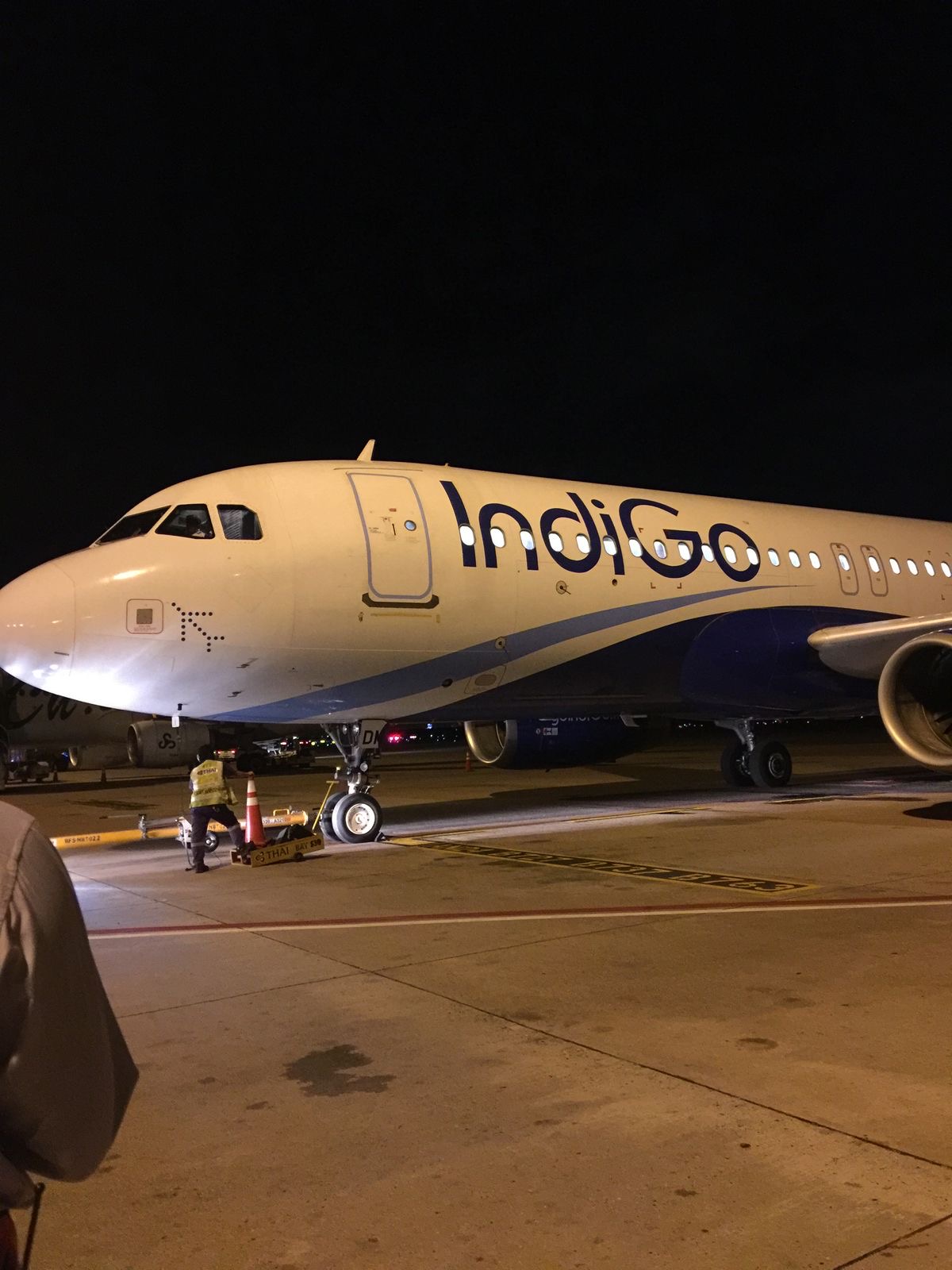
At the heart of the slowdown were IndiGo’s mass flight cancellations, which unfolded as the airline grappled with multiple pressures at once. The rollout of revised pilot duty-time regulations significantly altered crew scheduling, while shortages of trained personnel added to the strain. Compounding the situation, harsh winter conditions—especially dense fog at major northern airports—further disrupted flight movements, forcing cancellations and delays across the network.
As aircraft remained grounded, fuel uplift dropped sharply. Every cancelled flight meant less jet fuel consumed, and when those cancellations occurred at scale, the impact rippled through fuel suppliers and the broader energy market. Industry officials noted that the effect was most pronounced in the first half of December, when cancellations peaked and schedules were repeatedly adjusted.
Interestingly, the aviation fuel slump stood in contrast to trends seen across other petroleum products. Demand for petrol, diesel, and LPG continued to grow, reflecting resilient economic activity and seasonal consumption patterns. This divergence underlined that the dip in ATF sales was not a sign of weakening fuel demand overall, but a sector-specific shock driven by aviation disruptions.
Experts say the episode highlights the aviation sector’s deep interdependence—where operational decisions, regulatory changes, weather conditions, and fuel markets are tightly intertwined. A single airline’s struggles, particularly one with IndiGo’s market dominance, can quickly influence industry-wide indicators such as fuel consumption.
With airlines and regulators now focused on stabilising operations, restoring crew availability, and managing winter weather challenges, industry watchers expect ATF demand to regain its upward trajectory once flight schedules normalise. Until then, December’s turbulence stands as a powerful reminder that in aviation, disruptions on the runway can echo far beyond the airport fence—reaching fuel depots, balance sheets, and the wider economy.