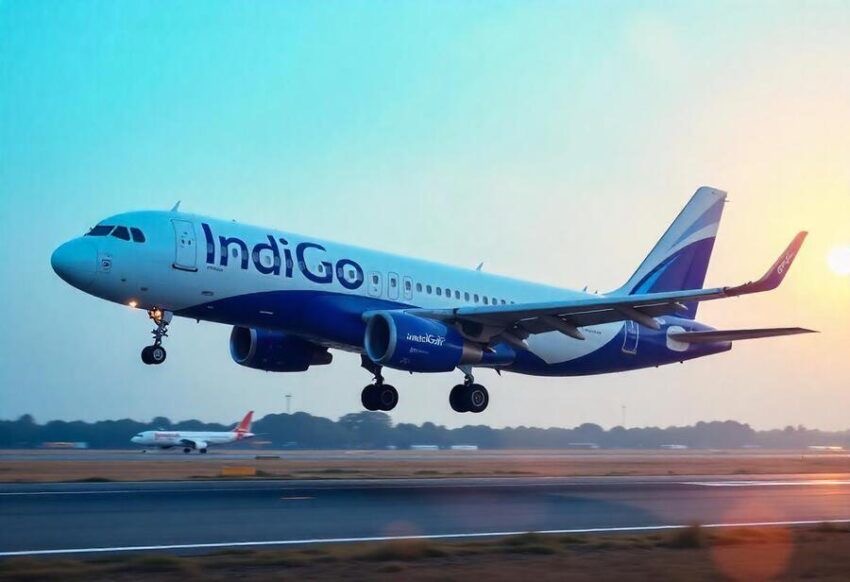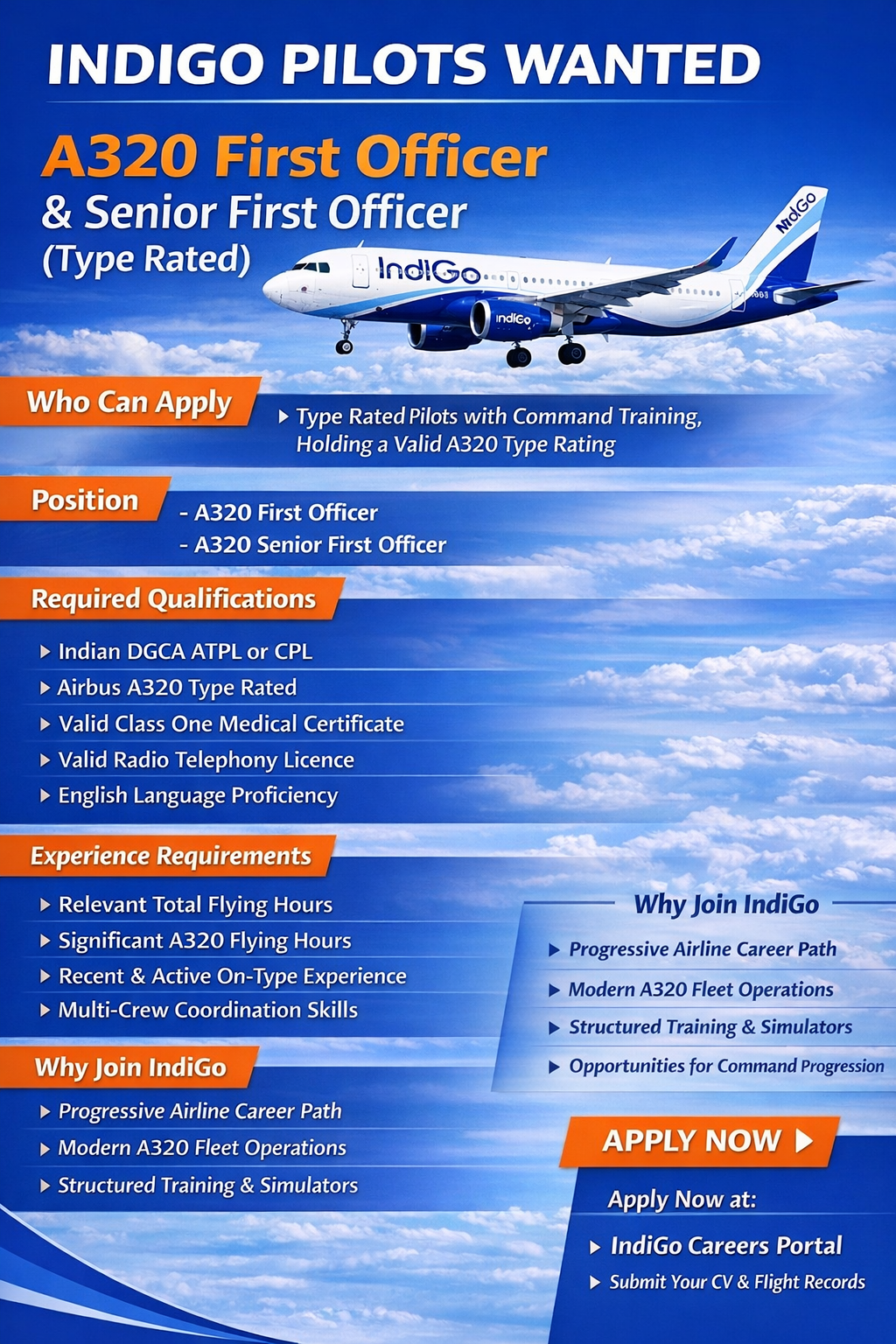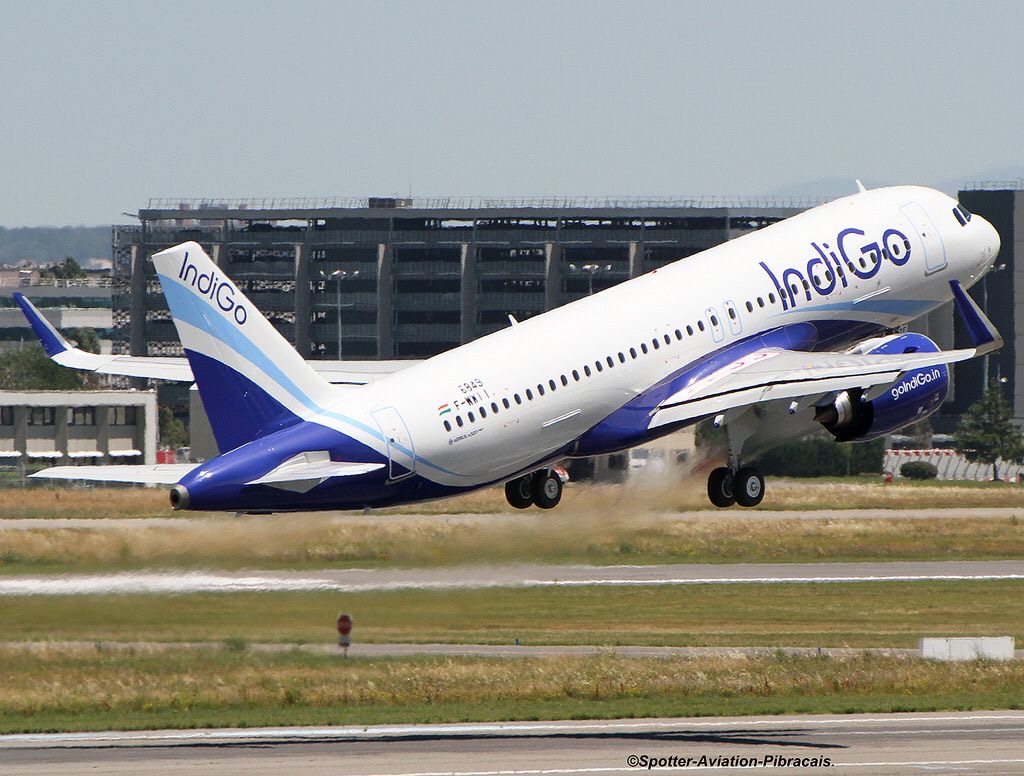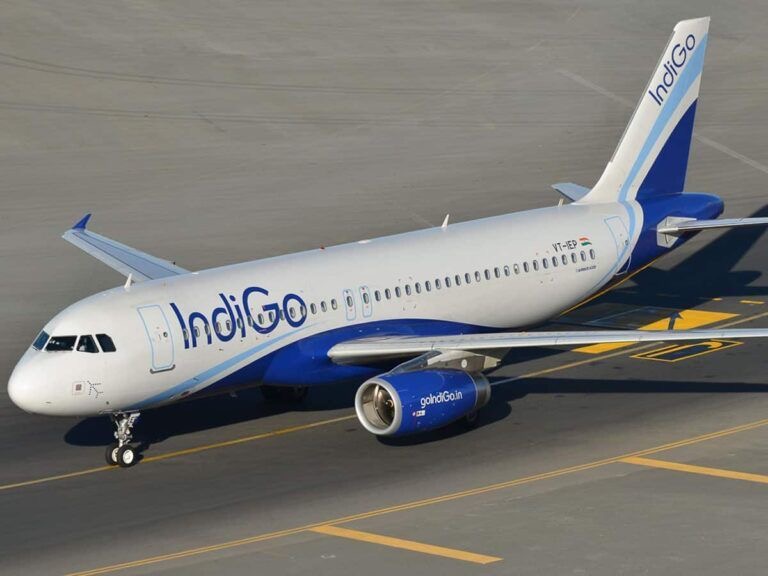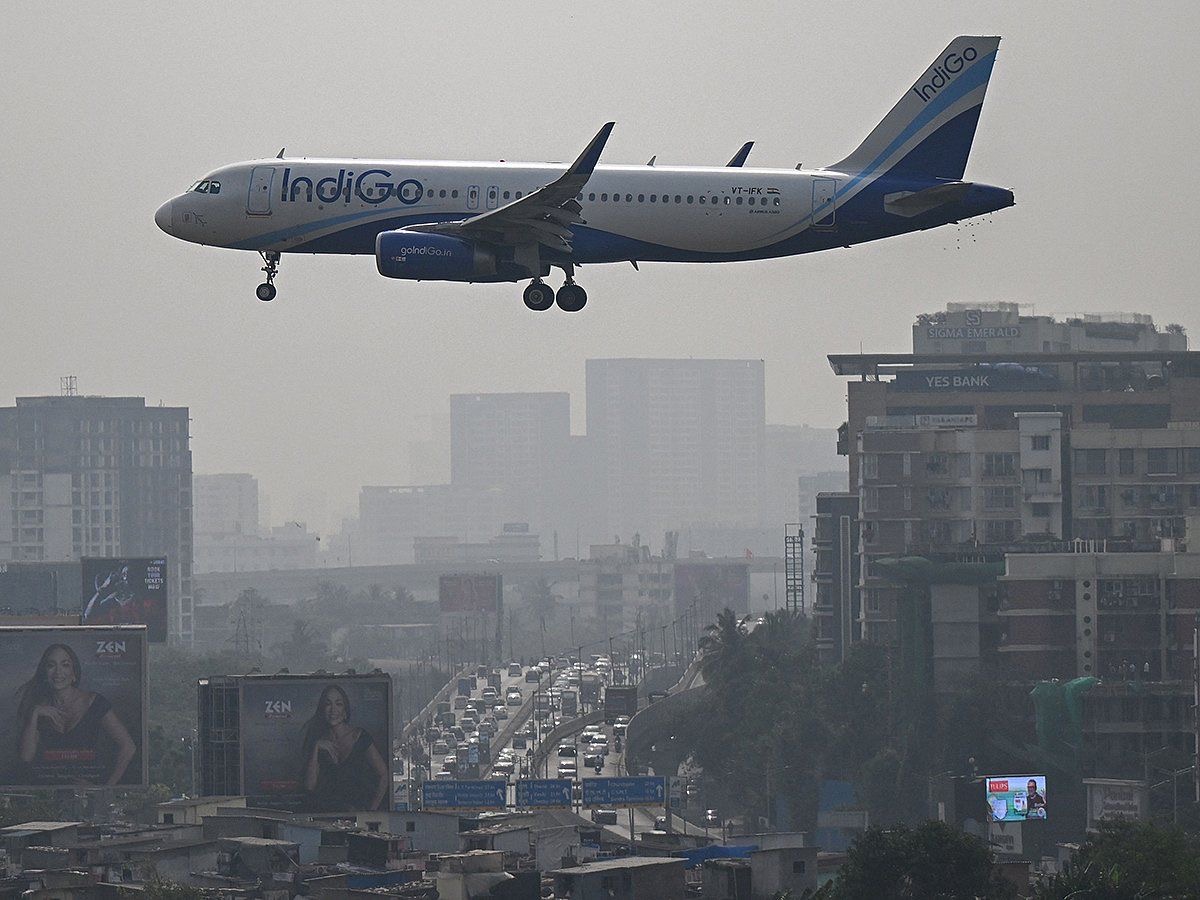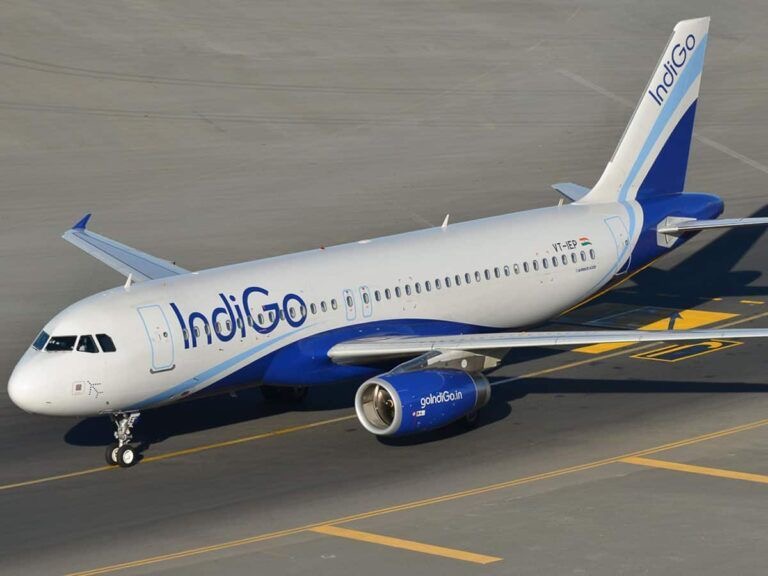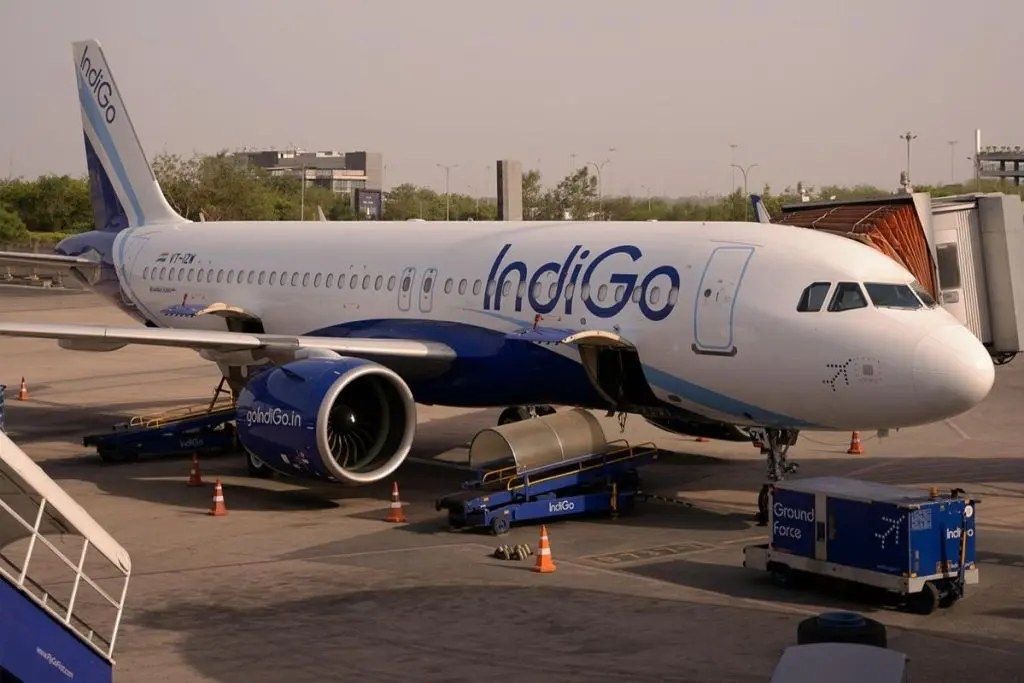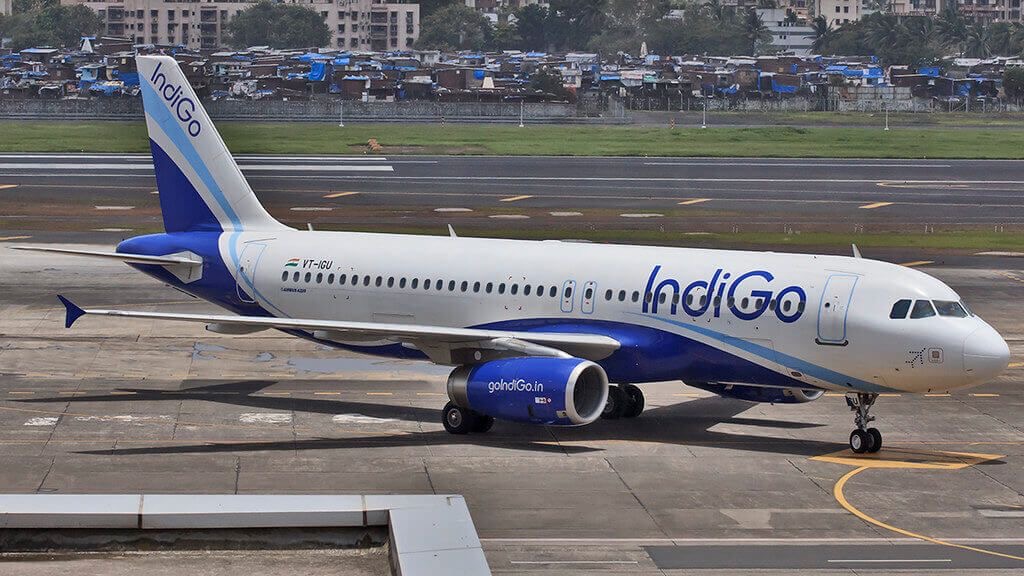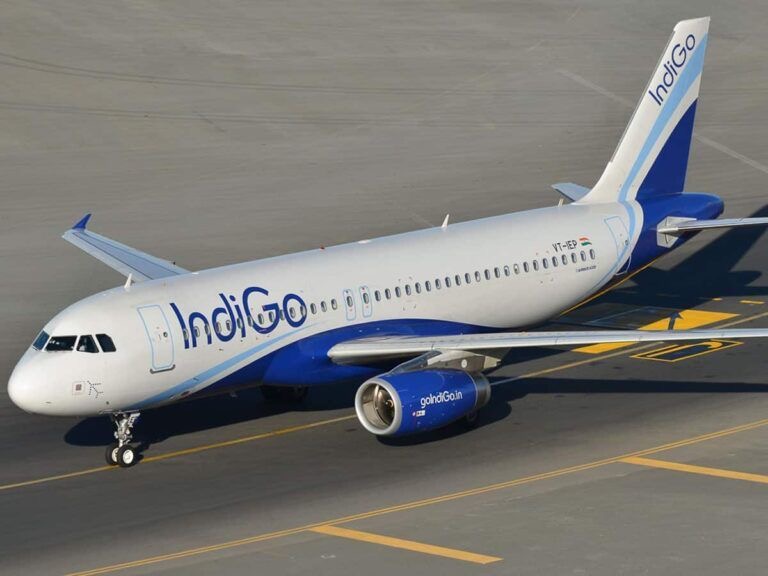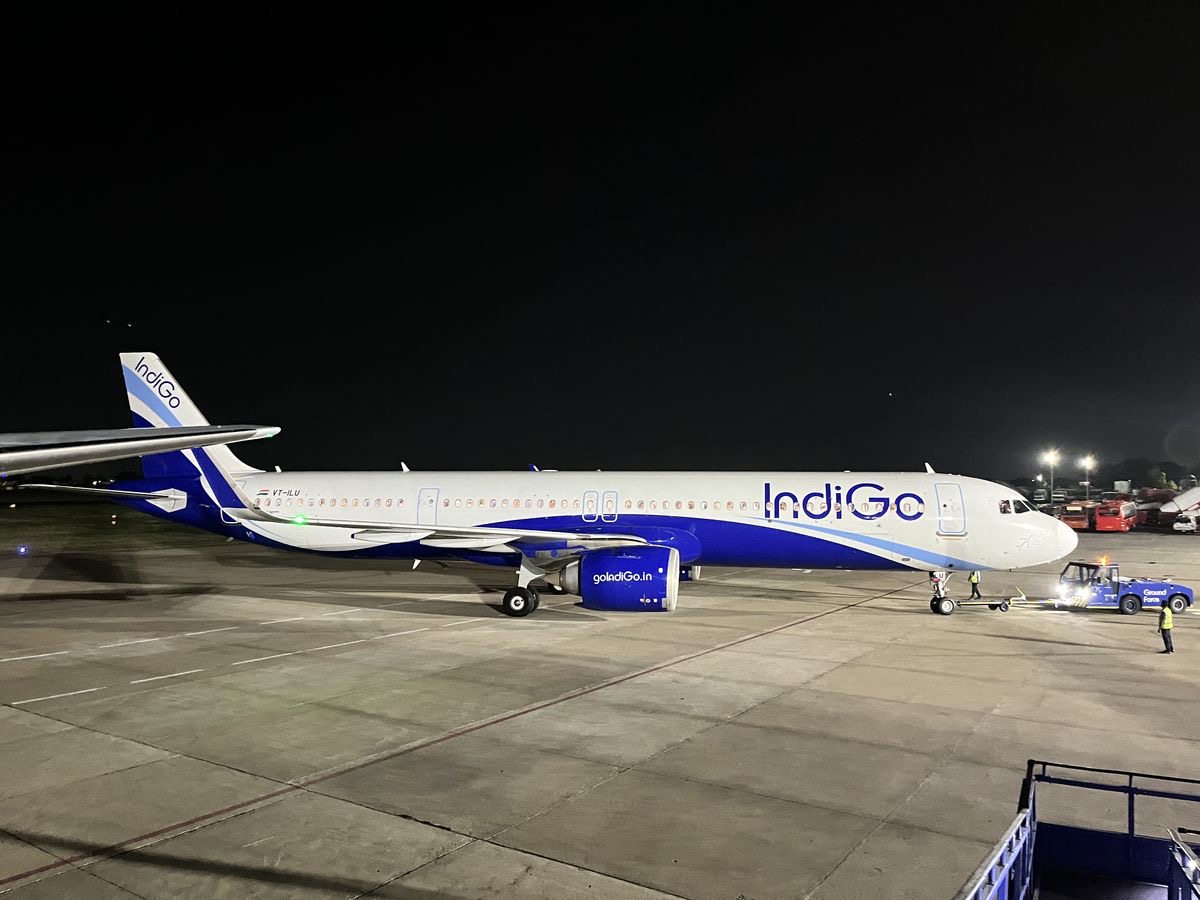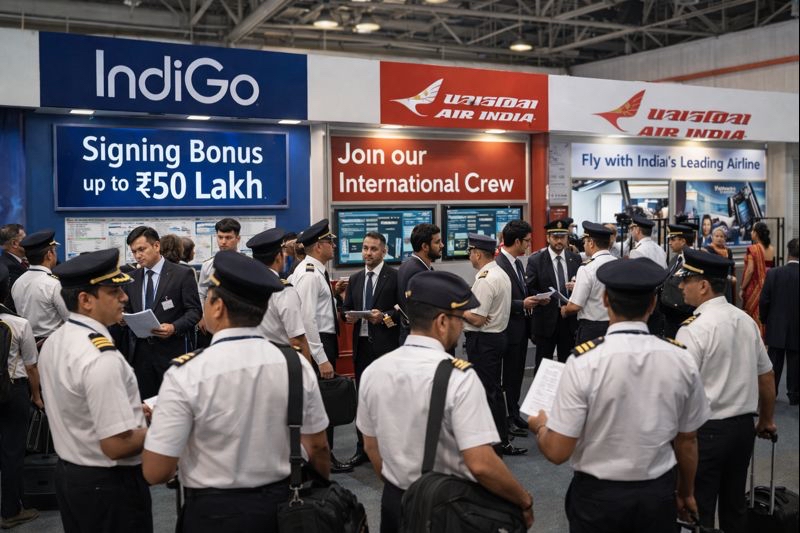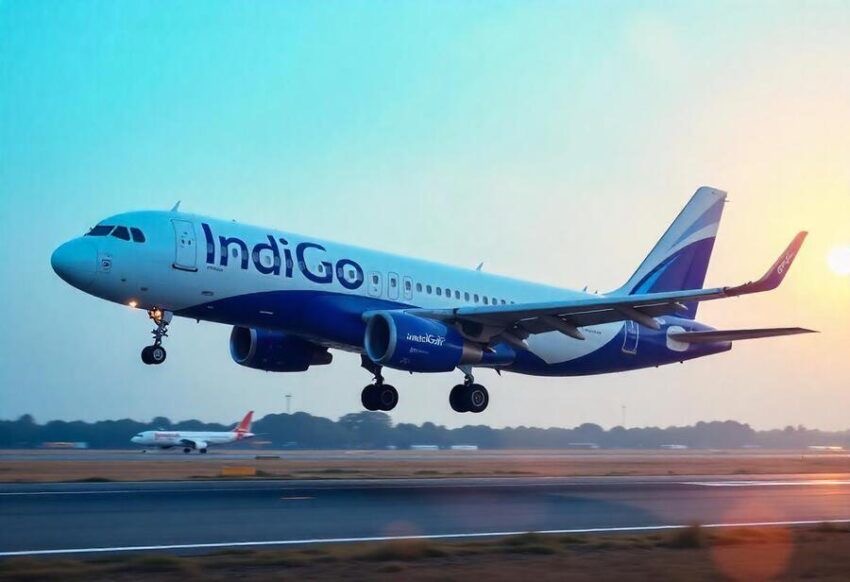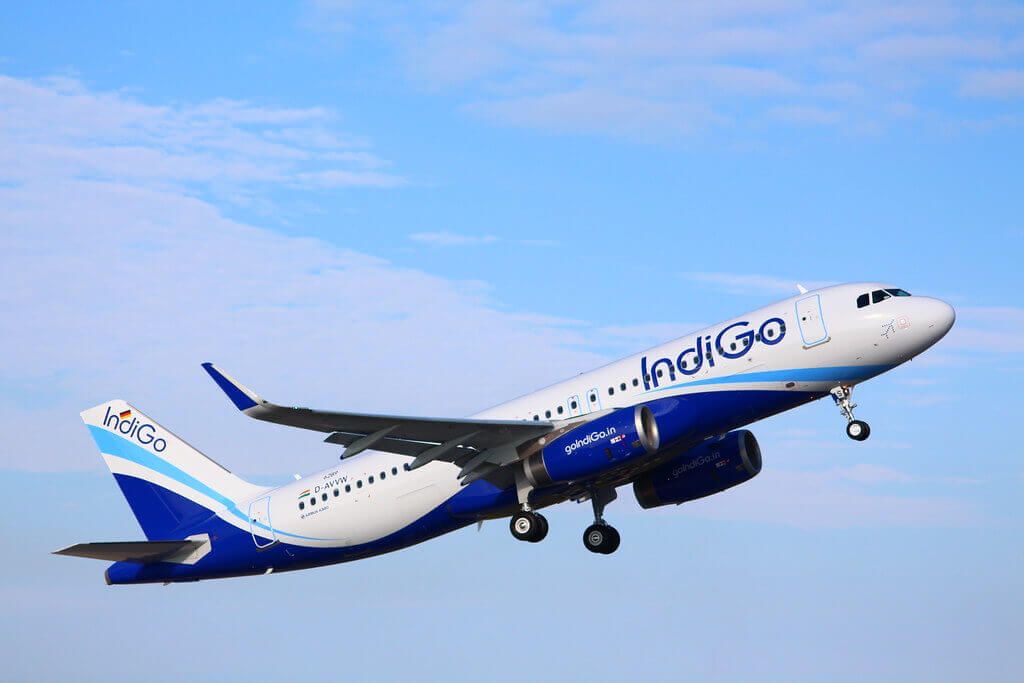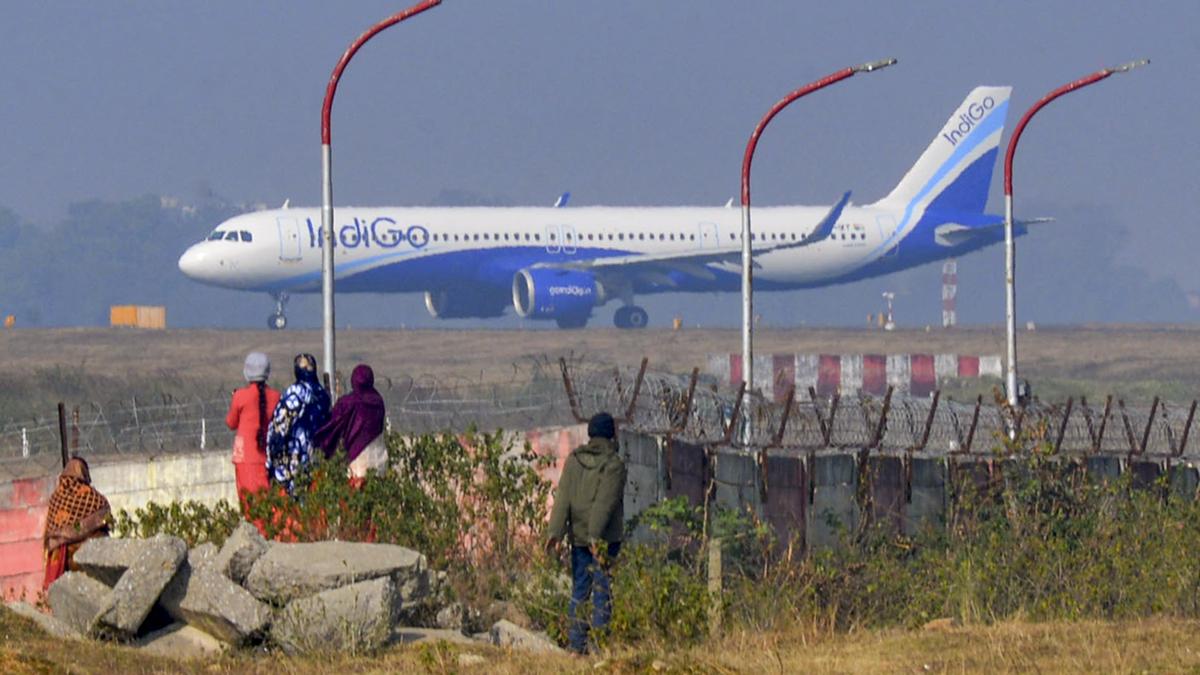
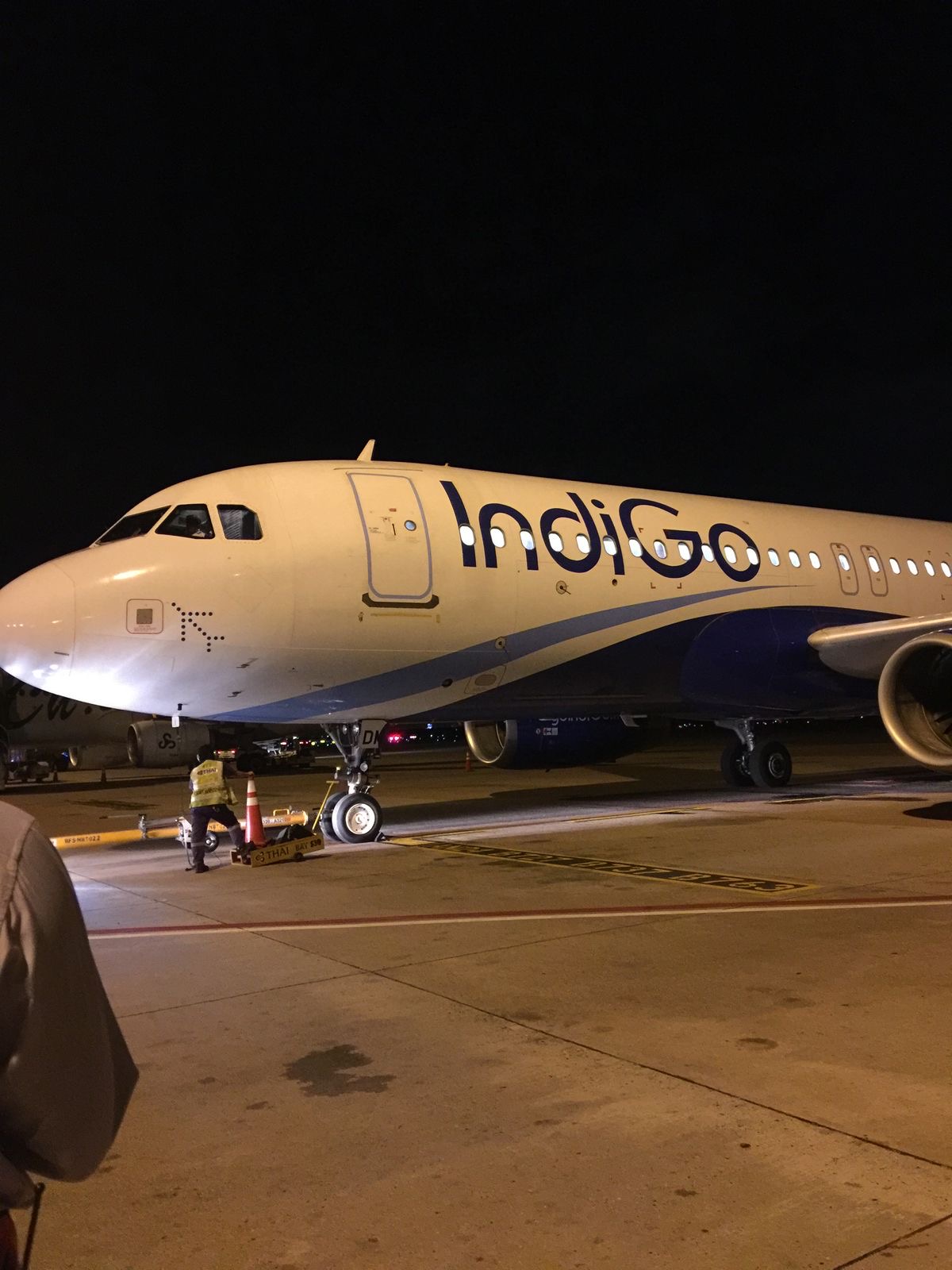
IndiGo has announced adjustments to its pilot compensation structure as part of efforts to strengthen operational resilience following the widespread flight cancellations and delays that affected the airline earlier this winter. The changes reflect a strategic shift to better support pilots amid evolving industry conditions and growing operational demands, including updated duty time regulations that previously contributed to service upheavals.
Under the revised arrangement, pilots will see enhanced allowances that are designed to provide greater financial recognition for their responsibilities, particularly during irregular operations and peak travel periods. Airline executives emphasised that the move is aimed at improving workforce stability, retaining experienced flight crew, and ensuring that pilots feel more valued and supported in their professional roles.
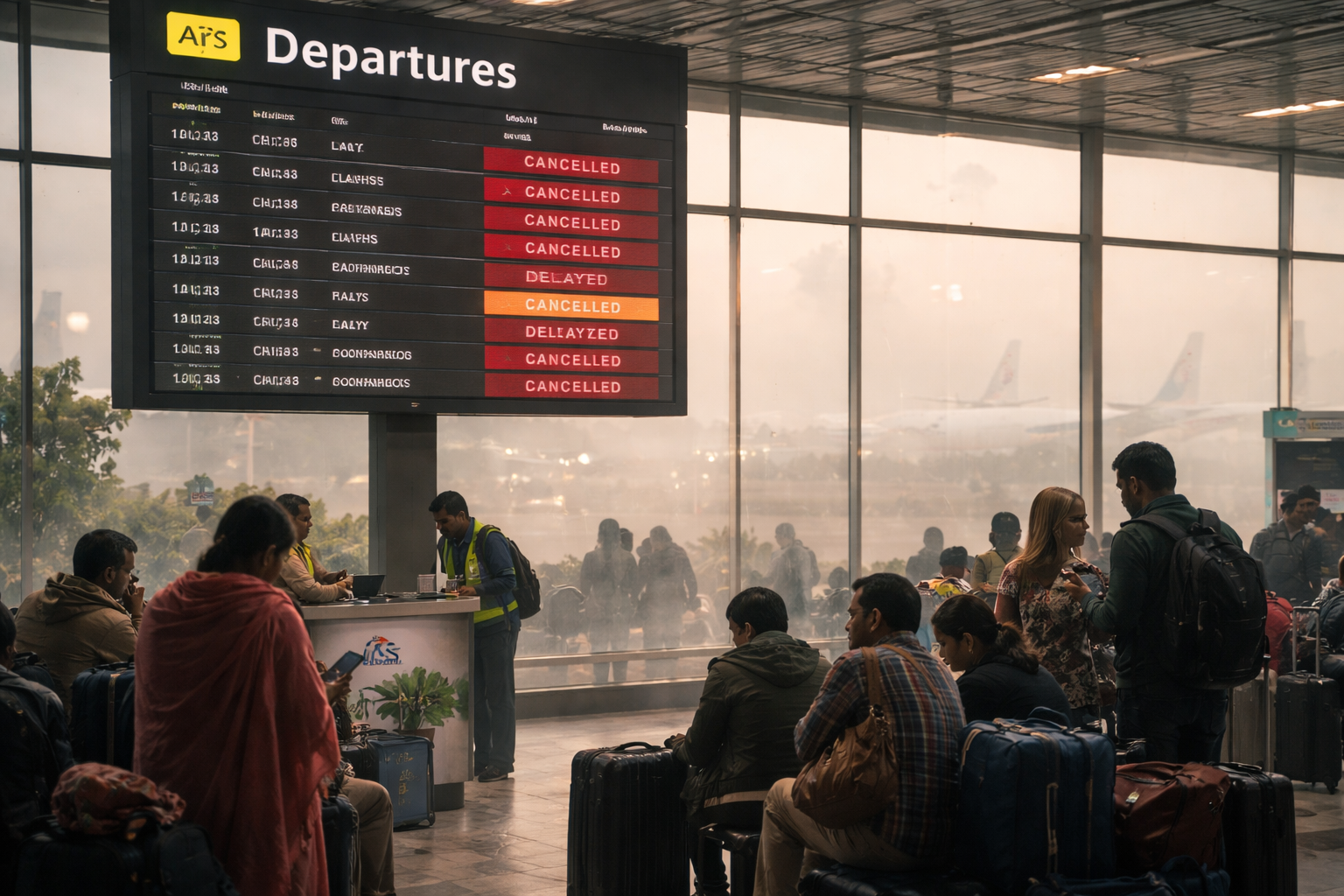
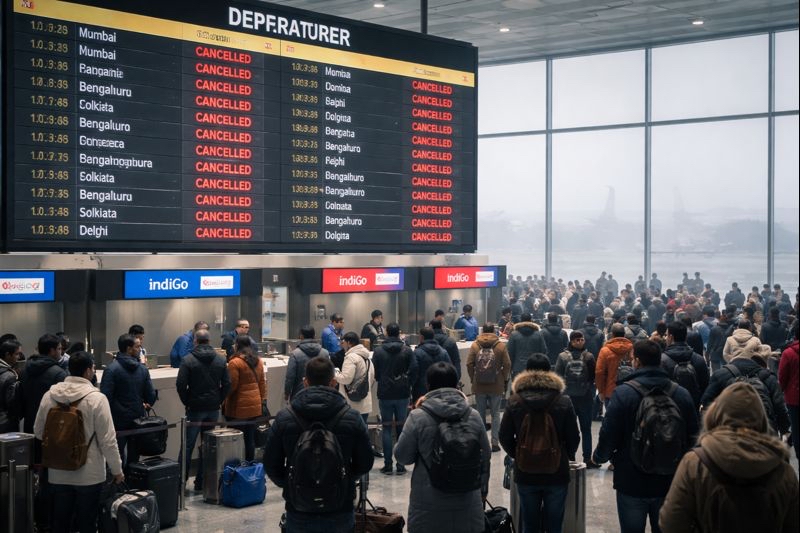
The decision comes several weeks after IndiGo faced intense scrutiny for a series of operational challenges that resulted in thousands of delayed departures and cancellations across domestic routes. Those disruptions, which stemmed in part from crew planning issues and the implementation of new flight duty and rest rules, placed significant pressure on pilots and airline staff. Many industry observers said that the airline’s scheduling systems struggled to align with regulatory requirements, underscoring the complex nature of manpower management in aviation.
In response to the turmoil, airline leadership acknowledged the need for deeper engagement with crew planning systems and greater support for pilots navigating the demands of duty and rest cycles. The revised allowances are intended to help address these concerns by providing additional compensation tied to specific flying hours, duty rosters, and operational contingencies that may arise during periods of schedule volatility.
Pilots themselves have welcomed the news of enhanced allowances, expressing hope that the changes will not only improve financial well-being but also contribute to a stronger sense of morale within the cockpit. Many pilots noted that an improved compensation framework could make a meaningful difference in their daily lives, particularly when navigating demanding schedules and the long hours required in a busy aviation market.
However, some analysts point out that while financial incentives are an important step, they must be paired with comprehensive improvements to crew planning, rostering, and support systems. The airline has indicated that it is simultaneously examining operational processes to reduce variability in pilot availability and ensure that staffing is aligned more closely with demand forecasts and duty regulations.
In announcing the revision, company representatives stressed that IndiGo remains focused on delivering reliable service to travellers while also investing in its workforce. The airline reiterated its commitment to working collaboratively with pilot associations and stakeholders to refine policies that improve both employee satisfaction and operational performance.
Passengers affected by the earlier disruptions have continued to watch airline responses closely, with many noting that stability and predictability in schedules are just as important as competitive fares. Improved crew compensation is seen by some as a positive move toward mitigating future operational risks, but many travellers say they would like to see additional measures that ensure smoother travel experiences overall.
As the airline moves into a new year, its efforts to bolster pilot support and enhance operational readiness will likely shape how it navigates competition and regulatory changes in the Indian aviation landscape. With travel demand expected to remain robust, the ability to keep flights on schedule and crews well prepared will be central to maintaining customer confidence and airline performance.