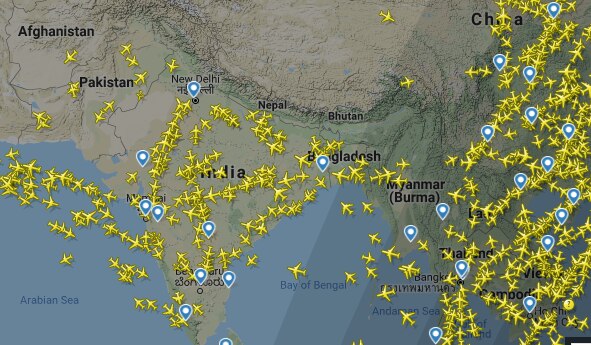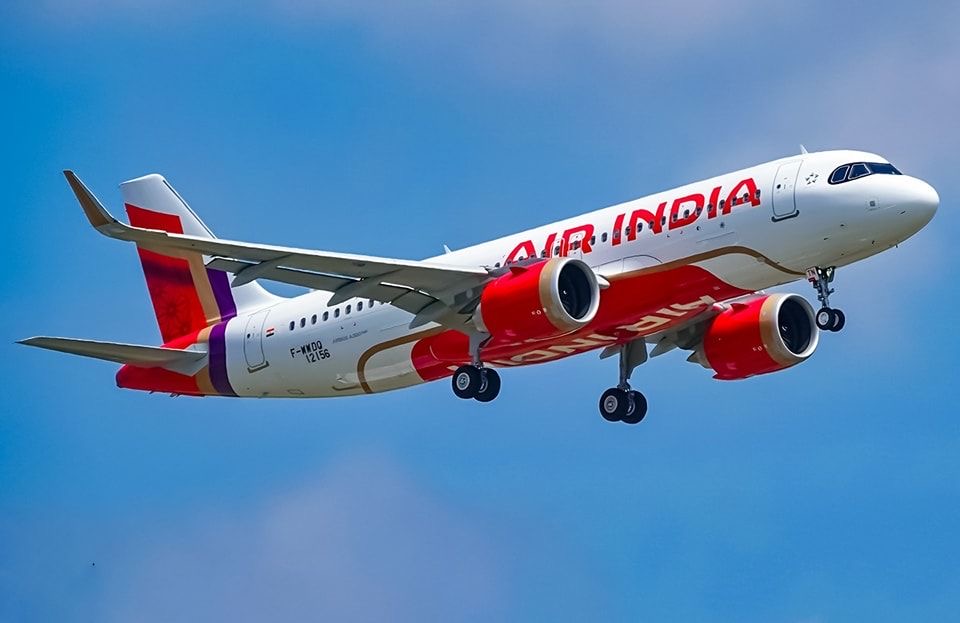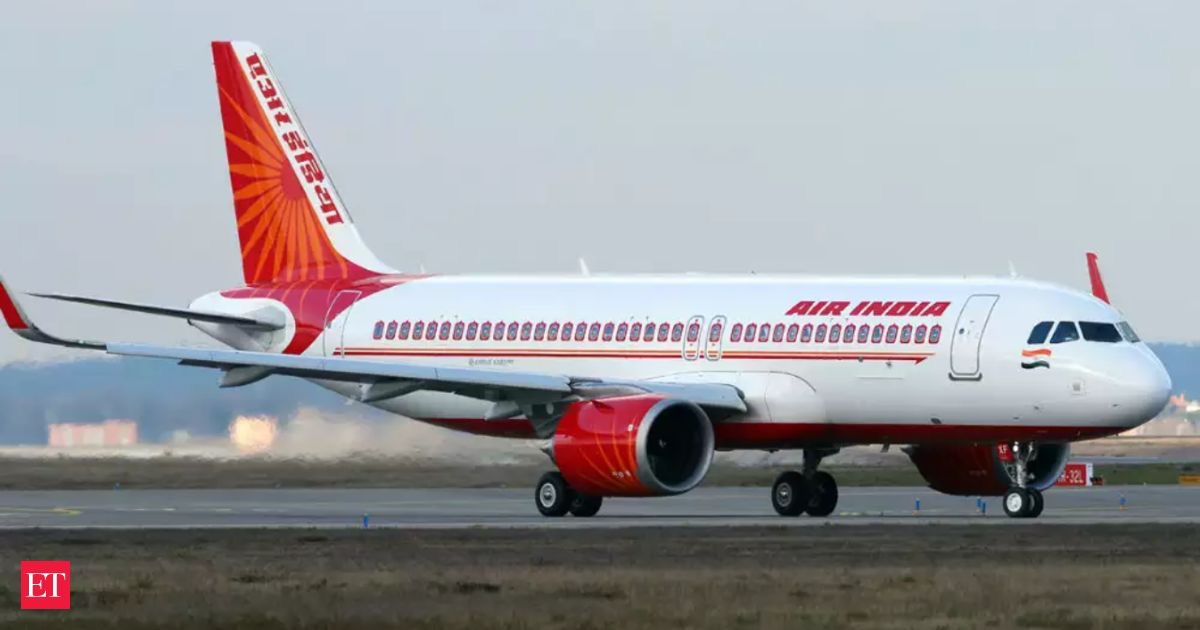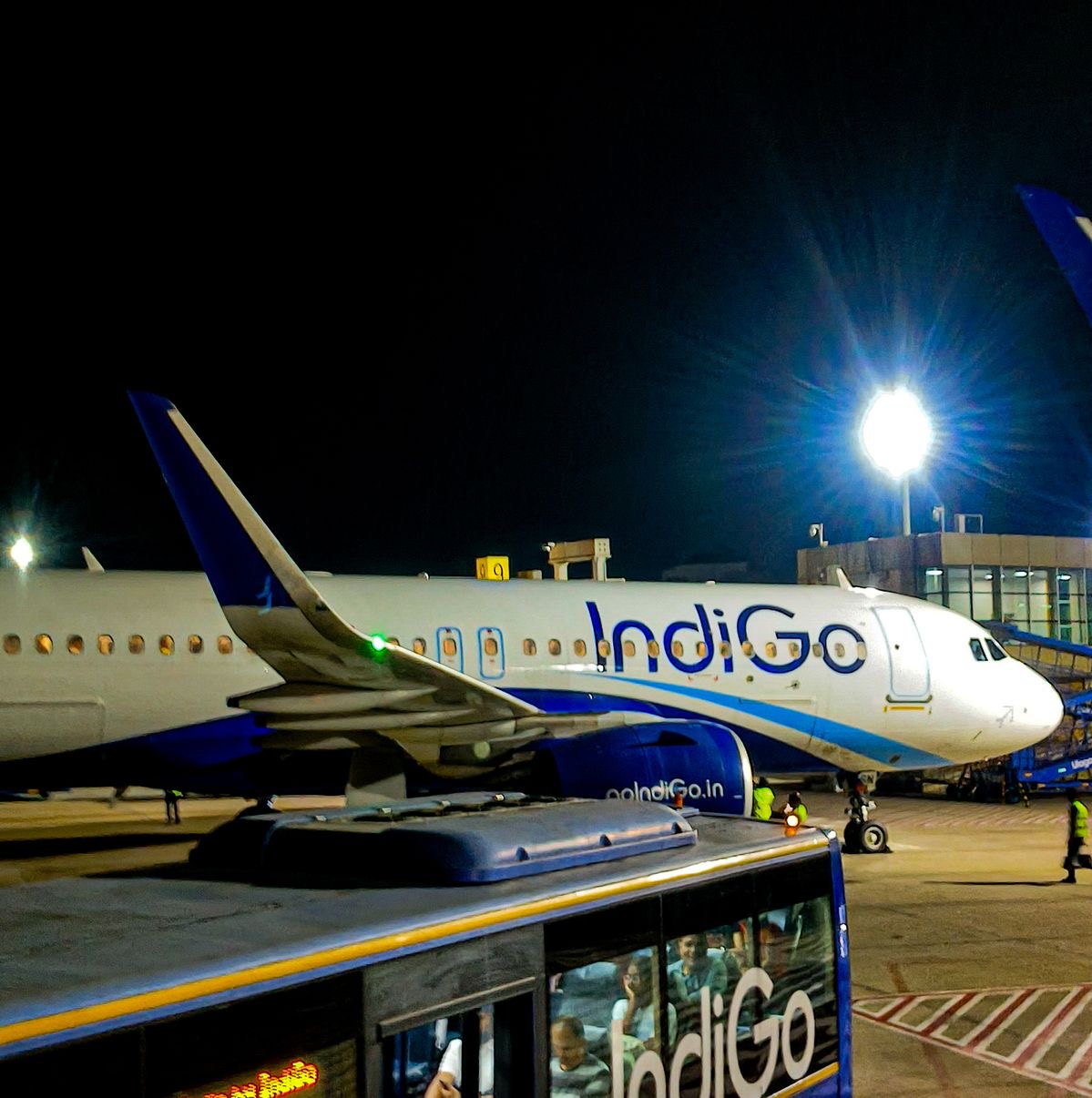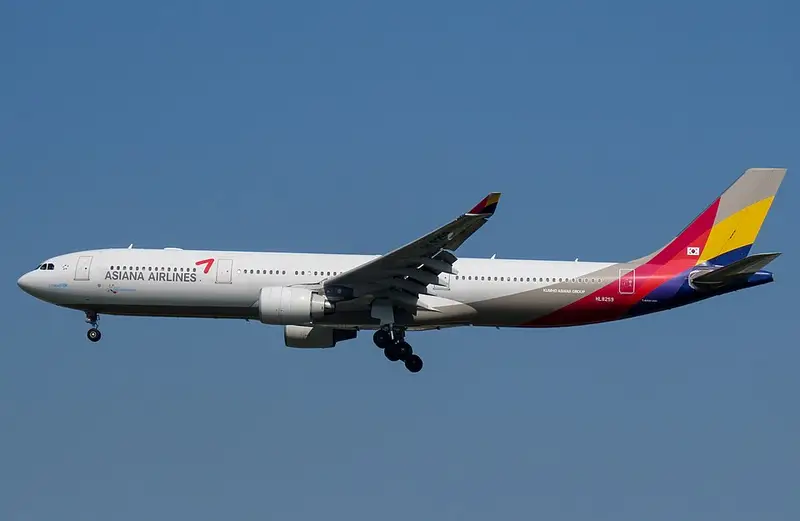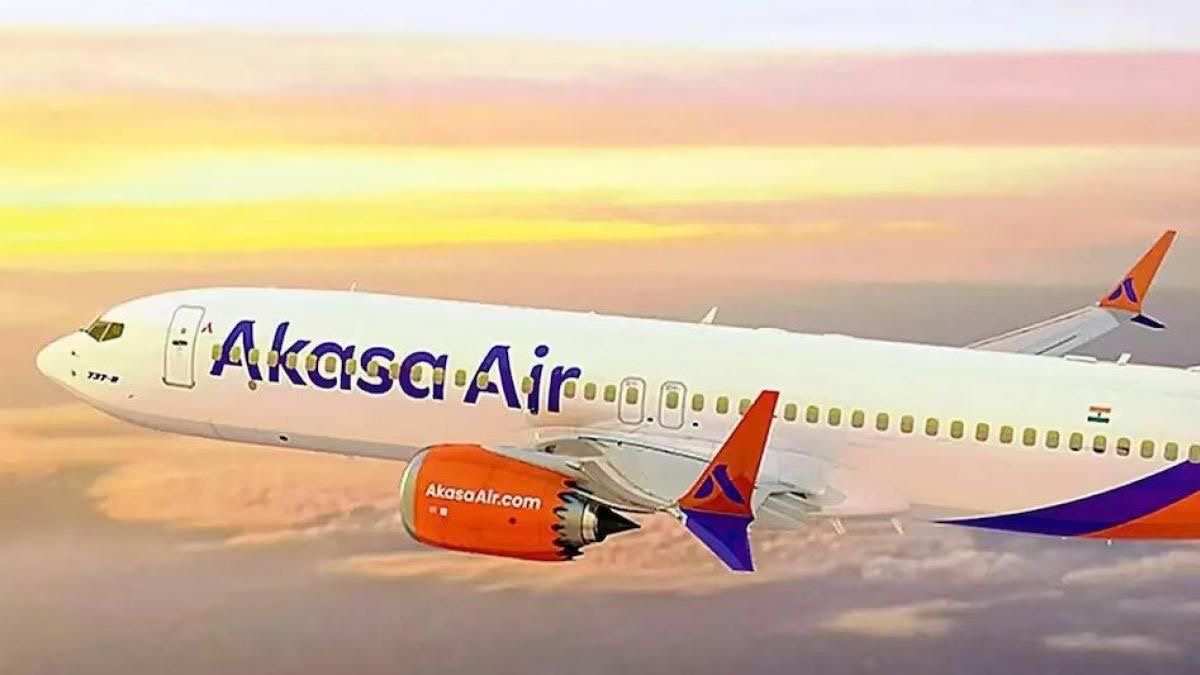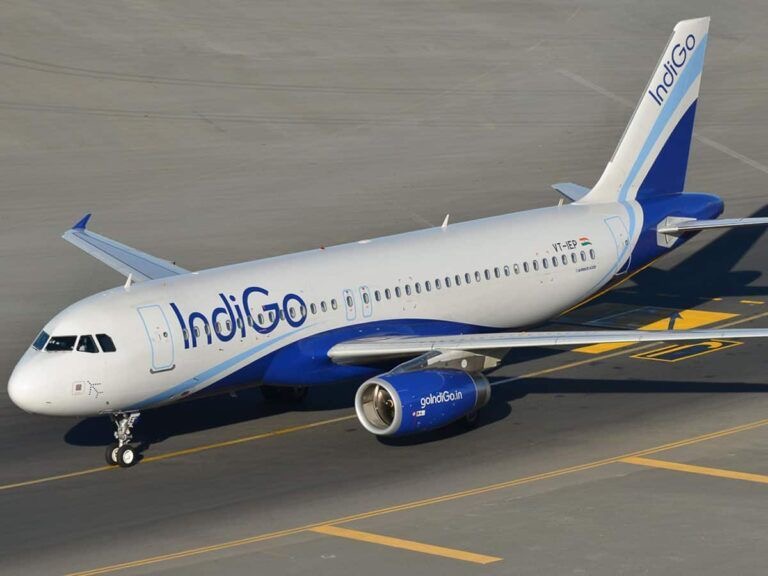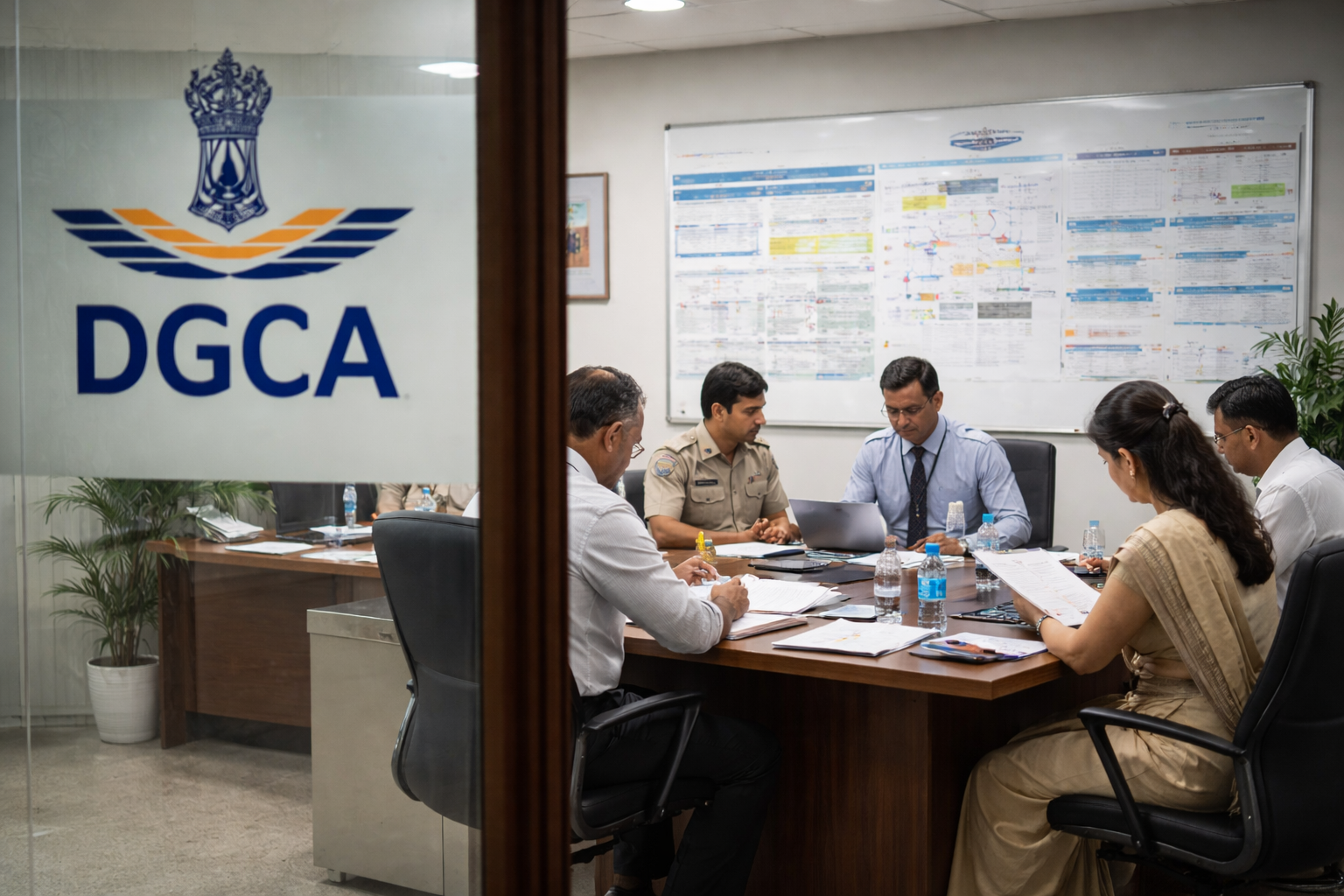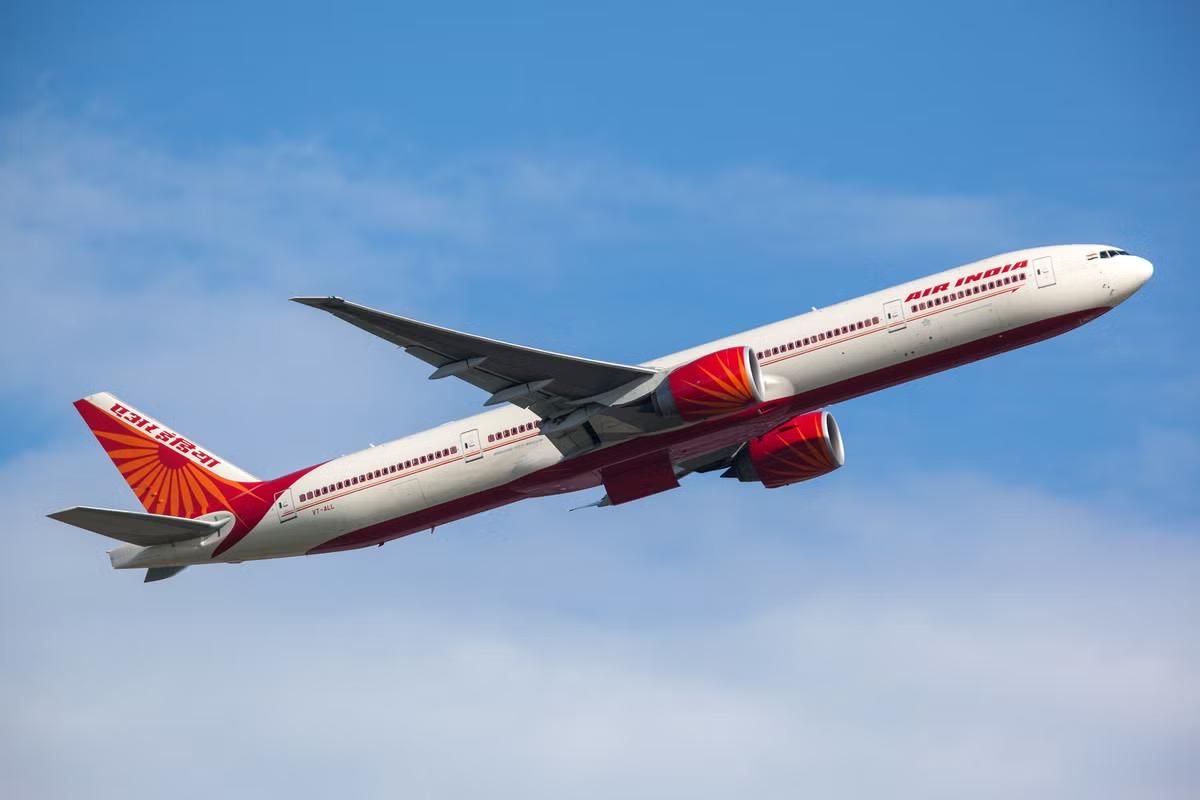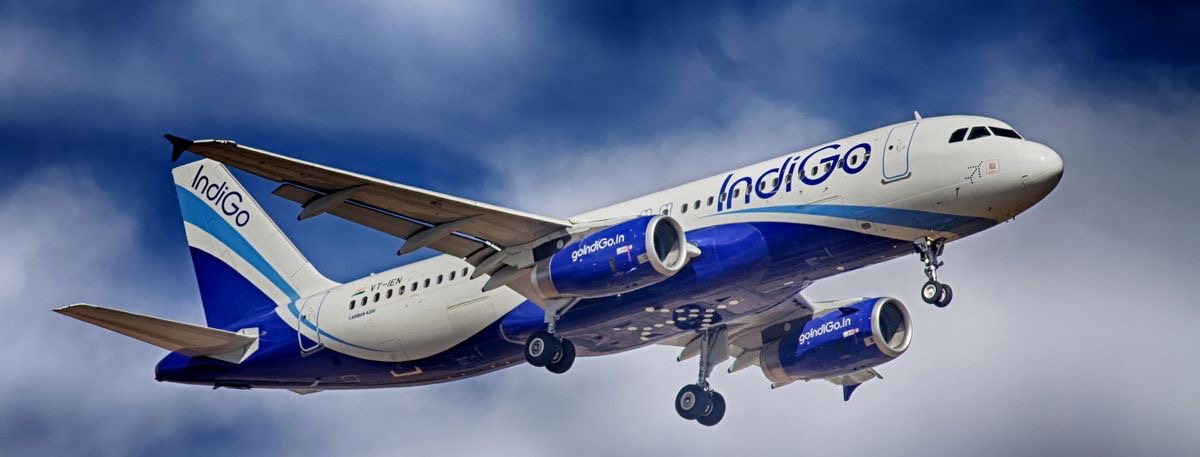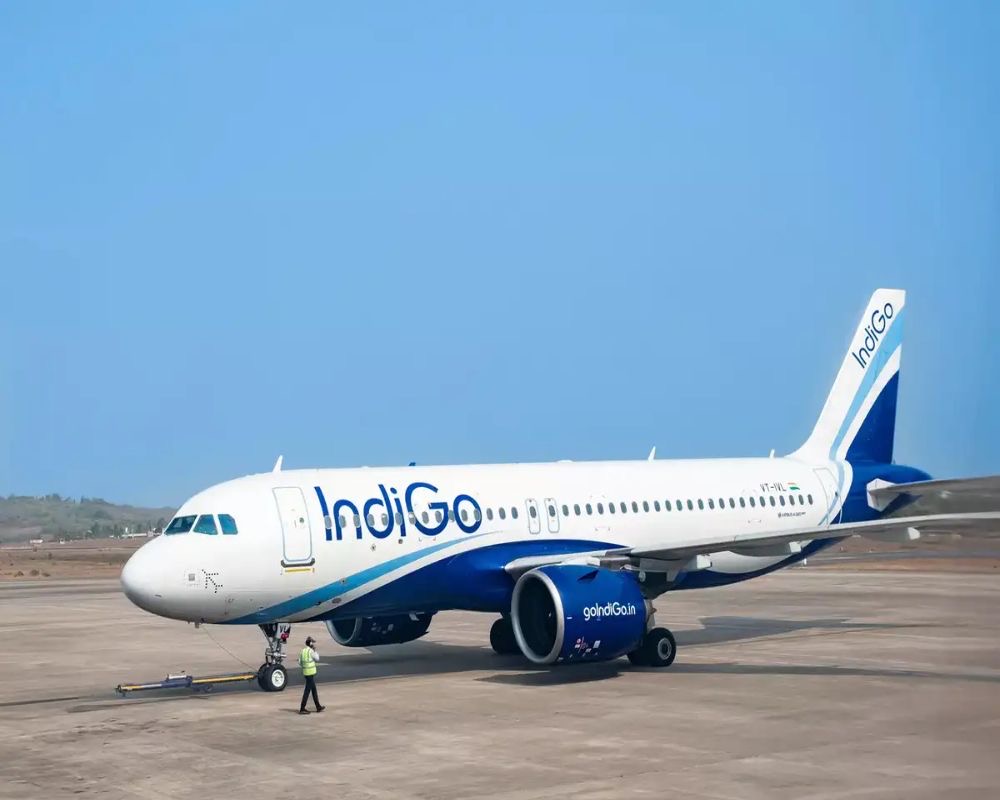
India’s civil aviation regulator, the Directorate General of Civil Aviation (DGCA), has issued advisory guidance to airlines operating from Indian airports to avoid 11 designated airspace sectors amid escalating conflict and heightened geopolitical tensions in the Middle East region. The move reflects a precautionary approach to ensure the safety of passengers, flight crews and aircraft while managing the operational challenges posed by complex security dynamics that affect route planning above contested or sensitive territories.
The advisory comes against the backdrop of ongoing unrest and conflict involving multiple state and non-state actors in parts of the Middle East, where changing alignments, air defence postures and military activity have raised concerns about civilian air traffic exposure. While official sovereign airspace closures are set by individual states, the DGCA’s broader guidance seeks to minimise exposure through avoidance of specific high-risk airspace corridors that could present elevated threat vectors for civil aircraft traversing the region.
Under the advisory framework, airlines are encouraged to align their flight paths with alternative routes that bypass the designated airspace segments, even if this results in longer flight durations. The specific regions flagged for avoidance include airspace areas where conflict activity or tensions have been most pronounced and where overflight risk assessments conducted in consultation with international aviation safety agencies indicate a potential for hazard to civil aviation operations.
DGCA-issued advisories are typically based on a combination of threat assessments, intelligence inputs, consultations with peer regulatory bodies and established aviation safety criteria. They are intended to provide carriers with an early warning of conditions that could influence operational planning, rather than being direct sovereign airspace restrictions, which are governed by bilateral agreements and national aeronautical authorities.
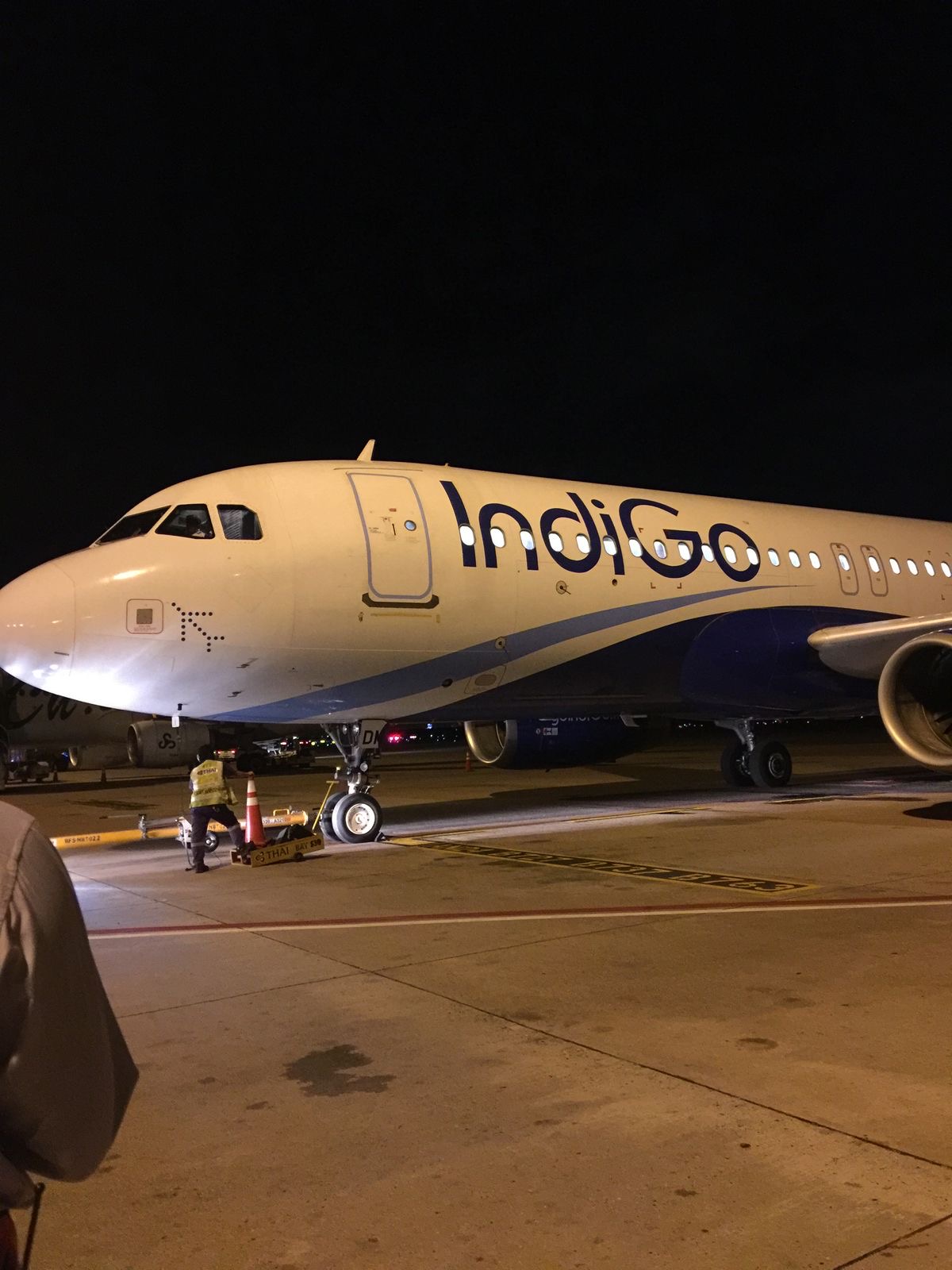
Airlines that operate international services through airspace over the Middle East particularly those linking South Asia with Europe, North America or Africa may need to recalibrate schedules, adjust flight levels and coordinate with air traffic control authorities in adjacent regions to implement avoidance strategies. Such route adjustments can affect airline economics through increased fuel burn and longer block times, but aviation risk management principles place the safety of aircraft and passengers at the forefront of such decisions.
The DGCA has underscored that its advisory does not equate to a mandatory ban on all flights to or over affected regions; rather, it is a risk mitigation recommendation intended to supplement airlines’ internal safety and operational risk assessments. Carriers are expected to evaluate their own risk exposure, consider alternate routings and incorporate the DGCA’s advice into broader operational decisions that balance service continuity with safety imperatives.
International civil aviation organisations and major airline associations have also been monitoring the evolving situation in the Middle East, offering their own guidance to members on navigating heightened tensions. Airlines typically consult multiple sources of information including Notices to Airmen (NOTAMs), Aeronautical Information Publications (AIPs) and multinational safety advisories to plan routes that avoid restricted or potentially hazardous areas.
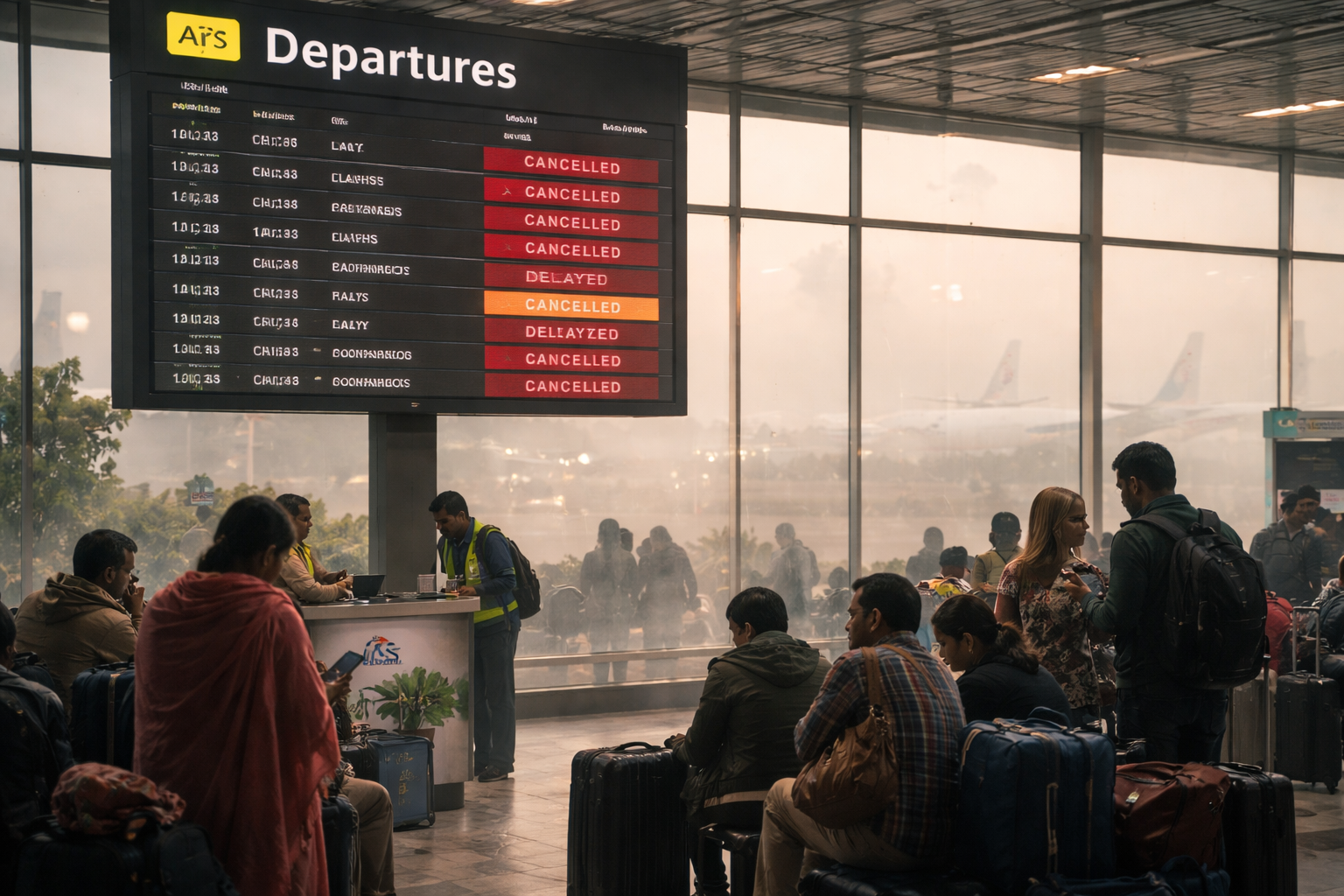
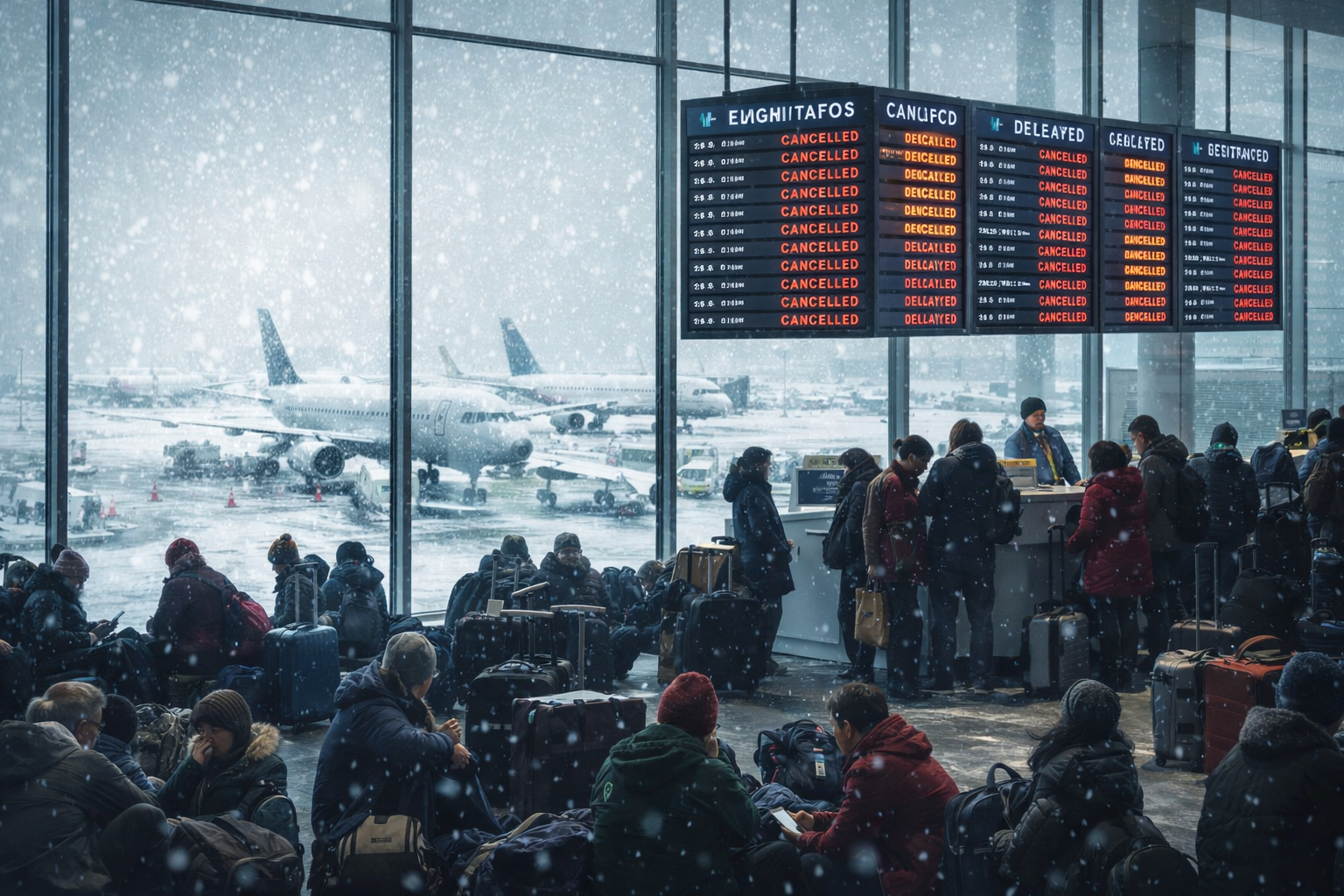
For passengers, such advisories can translate into longer flight times, revised schedules and occasionally altered routing maps displayed during flights. Airlines generally communicate with ticketed passengers to explain rerouting decisions and, where necessary, address questions about timing changes or connecting services that may be affected by extended air travel durations.
The DGCA’s guidance follows a series of regional advisories issued by other aviation regulators in recent weeks, as conflict dynamics unfold and nations update their safety evaluations. Civil aviation regulators tend to prioritise conservative measures when there is even a remote potential of risk to unarmed civilian aircraft, particularly in regions where air defence identification zones, surface-to-air systems or military engagement zones are active.
Airlines operating in and out of India have reacted by reviewing flight plans, adjusting flight levels and in some cases pre-identifying alternate waypoints that keep aircraft clear of the highest-risk airspace areas. These operational adjustments require coordination with air traffic control providers across multiple jurisdictions and can involve negotiations with overflight permit authorities in countries neighbouring the regions to be avoided.
While longer routings can increase operational costs, airlines generally build such contingencies into their planning processes so that passenger safety remains uncompromised. Fleet utilisation strategies, crew duty compliance and fuel uplift planning all have to be recalibrated to account for the avoidance strategy advised by the DGCA.
Safety analysts note that the aviation industry has become increasingly adept at responding to dynamic risk environments, leveraging real-time intelligence, satellite monitoring and predictive threat modelling to keep aircraft clear of areas of concern while maintaining service reliability wherever possible.
The DGCA’s advisory is a reflection of this evolving risk management culture, emphasising proactive decision making, enhanced situational awareness and strategic route planning that protects lives and assets in an aviation sector where global conflict can have immediate implications for civilian flight operations.