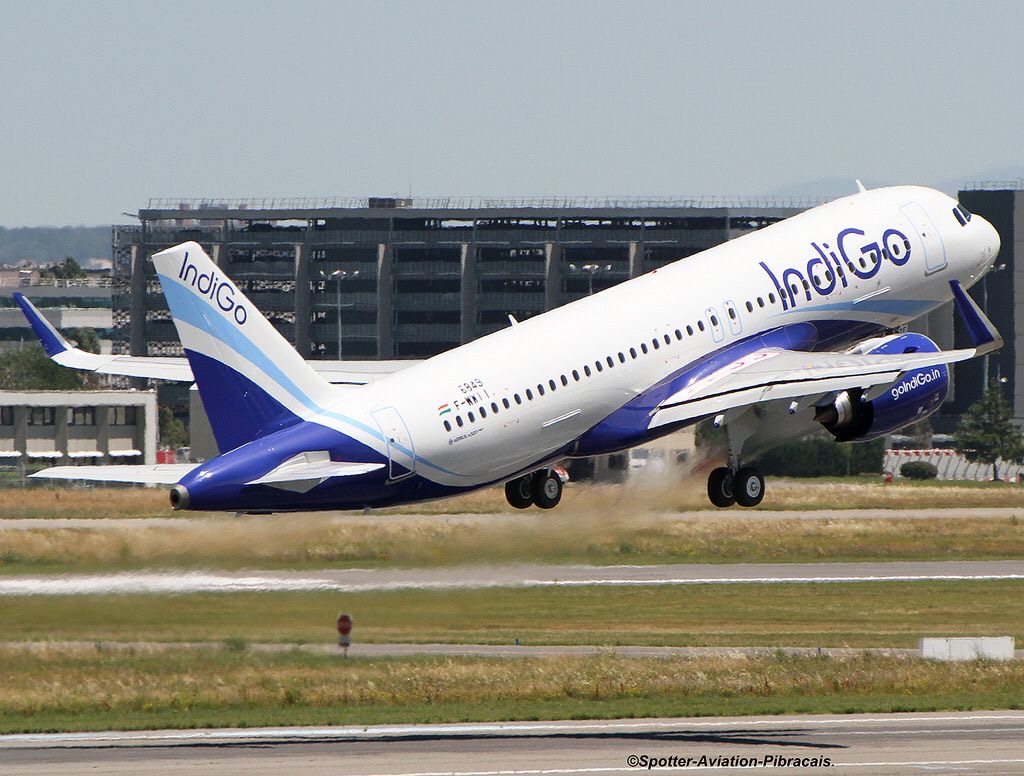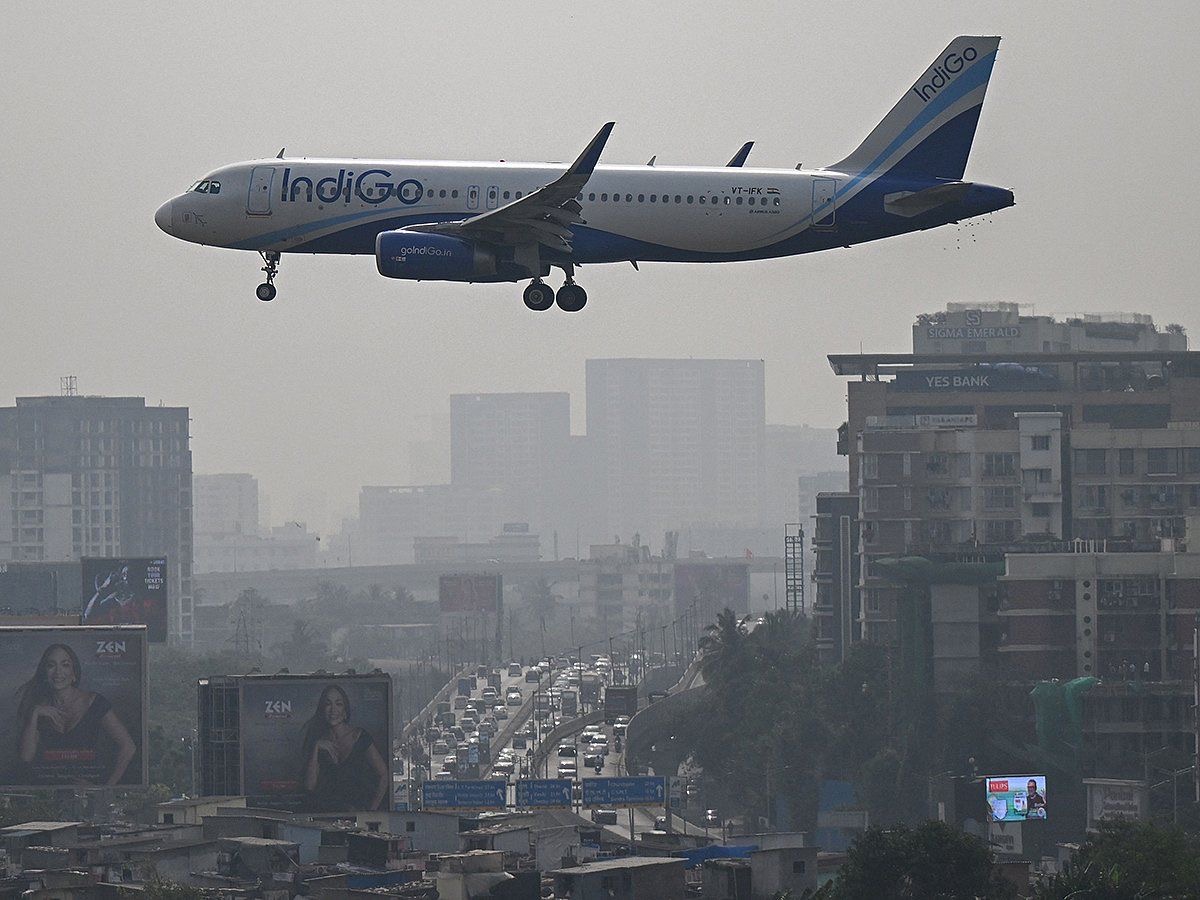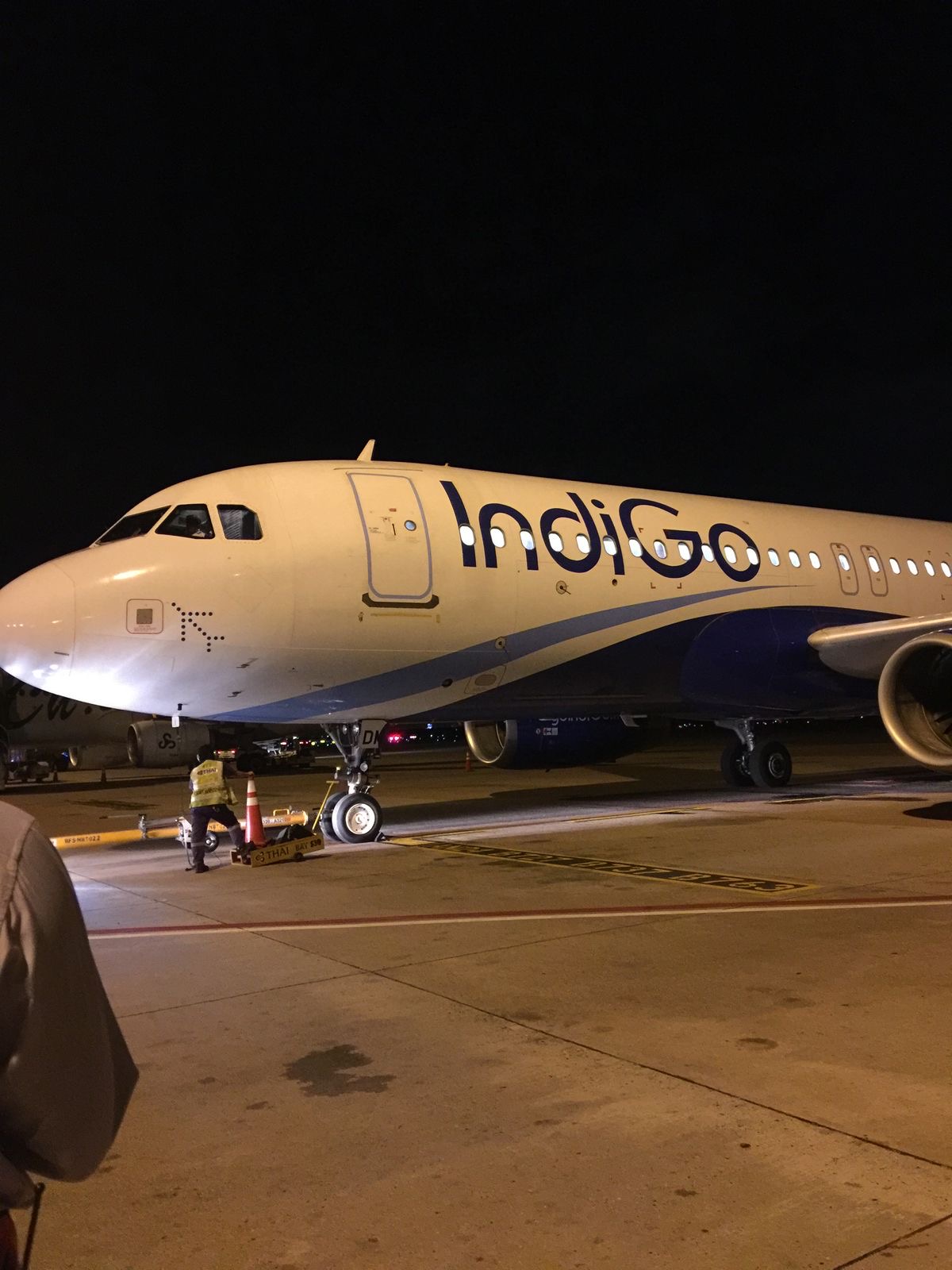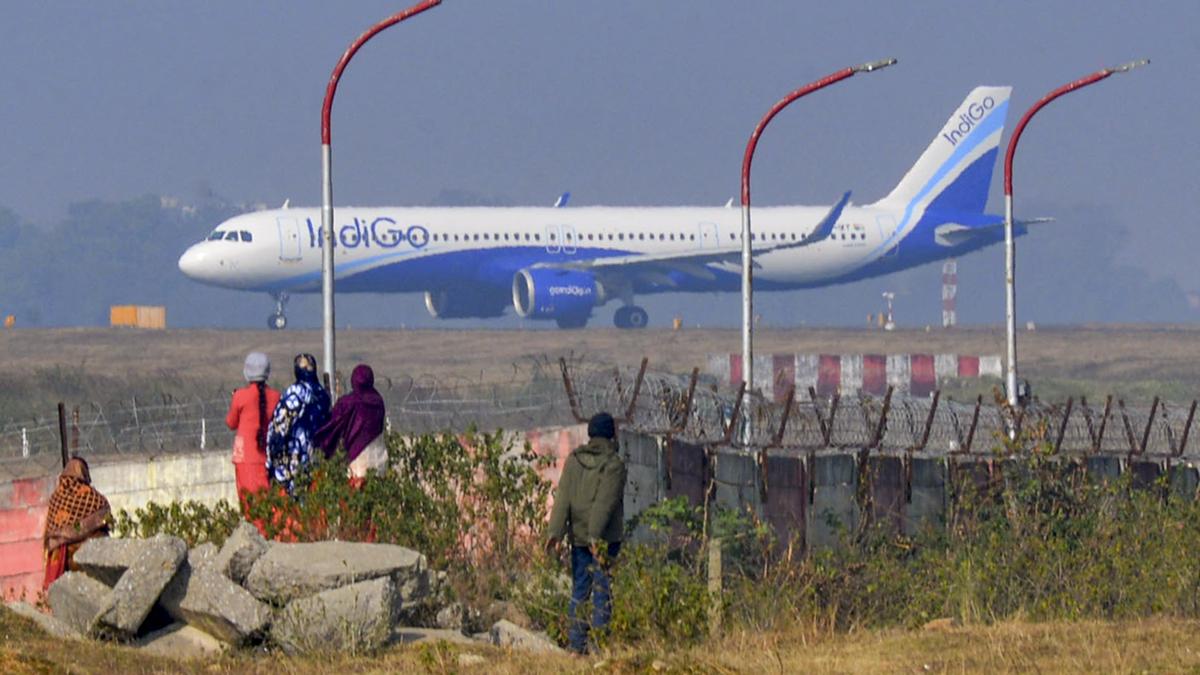

IndiGo has lost its appeal against a regulatory order that imposed a financial penalty on the airline for alleged shortcomings in its pilot training processes. The decision comes from a review authority that upheld the original directive issued by the Directorate General of Civil Aviation (DGCA), signalling a firm regulatory stance on training standards within the aviation sector.
The case began when the DGCA identified what it considered lapses in IndiGo’s pilot training programme. These concerned aspects of how the airline conducted required training, documentation, and oversight for cockpit crew, areas that are closely monitored to ensure safety and consistency in flight operations. The regulator took the view that certain prescribed norms had not been fully met, resulting in a penalty that IndiGo later challenged.
In its appeal, IndiGo argued that its training systems were robust, compliant with international norms, and continually evolving to meet the highest safety benchmarks. The airline also stated that it had already taken steps to address any areas of concern raised by regulators and that the penalty was disproportionate given its overall safety record.
Despite these arguments, the appellate body reviewing the matter rejected IndiGo’s appeal, affirming the DGCA’s position that the training norms in question must be adhered to precisely. In upholding the penalty, the authority made clear that pilot training and certification play a critical role in aviation safety and that even perceived deviations from the regulatory framework must be addressed decisively.
IndiGo has accepted the decision while reiterating its commitment to safety and regulatory compliance. The airline said it remains focused on strengthening its training framework, augmenting its internal checks, and working closely with regulators to avoid similar disputes in the future. Airline leadership emphasised that safety is at the heart of all operations and that continuous improvement in training is integral to its mission.
Pilot training encompasses a wide range of competencies, from initial type ratings to recurrent simulator sessions, crew resource management, emergency procedures, and regulatory knowledge updates. Regulators expect that every airline not only delivers this training but also maintains rigorous oversight and records that demonstrate compliance. Persnickety documentation and audit trails are often as important as the training itself from a regulatory perspective.
Industry observers noted that the ruling highlights how critical it is for airlines to align their training practices with both the letter and spirit of regulatory requirements. While many carriers invest in state-of-the-art training facilities and programmes, the regulatory interpretation of standards can vary, and detailed compliance remains a point of emphasis for authorities seeking to maintain high safety thresholds.
Some aviation professionals pointed out that discrepancies between regulatory expectations and operational practice can arise when training frameworks evolve faster than regulatory language or when global best practices outpace domestic rulebooks. In such cases, open dialogue and early engagement with regulators are often recommended to pre-empt disputes.
As one of India’s dominant carriers, IndiGo’s training systems are closely watched by the industry. The outcome of this appeal may prompt other airlines to re-evaluate their own training documentation and compliance assurances. Ensuring that regulators, operators, and training establishments are in sync is vital for both safety and operational harmony.
Looking ahead, IndiGo has stated that it will continue refining its pilot training systems and working with aviation authorities to ensure clarity in expectations. The airline’s broader emphasis remains on maintaining a culture of safety, excellence, and continual learning, even as it expands its network and modernises its fleet.