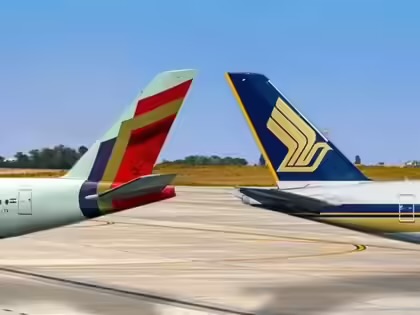
Passengers booked on a Singapore Airlines flight from Istanbul to Singapore found themselves caught in an exhausting and emotionally draining travel ordeal after the aircraft failed to depart three times, resulting in a delay that stretched to nearly two full days. What was meant to be a routine long haul journey instead became a prolonged wait marked by uncertainty, fatigue, and growing frustration, as technical issues repeatedly forced the aircraft back to the gate.
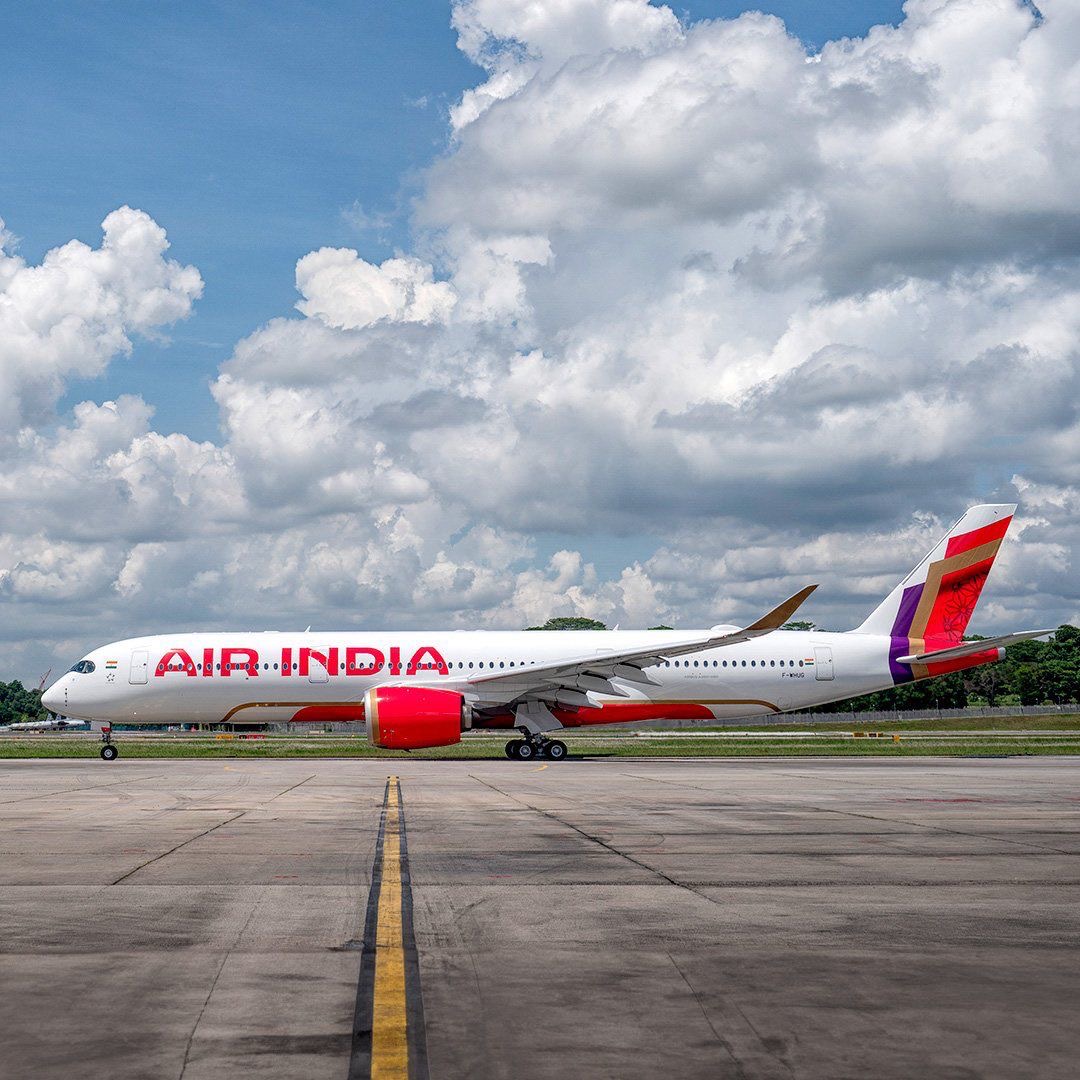
The flight, operated by a modern Airbus A350, was originally scheduled to depart Istanbul with passengers boarding on time and settling in for the lengthy journey ahead. Spirits were high as travelers prepared for the overnight flight to Singapore, many expecting to arrive on schedule for work commitments, family reunions, or onward connections. However, shortly after departure preparations began, a technical issue was detected, prompting the flight crew to halt the takeoff process and return the aircraft to the gate.
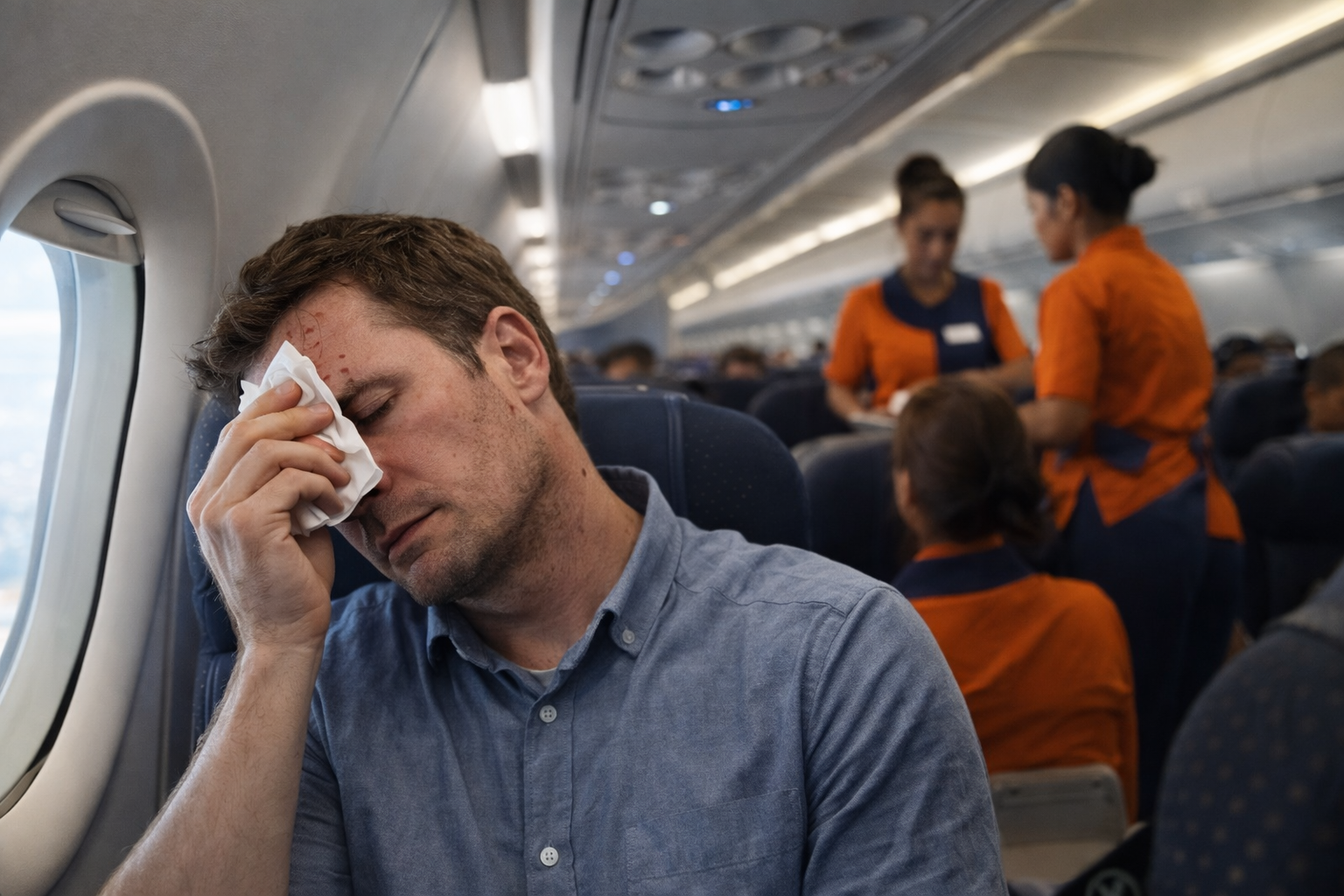
Engineers were quickly dispatched to assess the problem, and passengers were asked to remain seated onboard while inspections were carried out. Hours passed as maintenance teams worked to identify and resolve the fault. During this time, food and beverages were provided, and passengers were periodically reassured that efforts were being made to get the aircraft ready for departure. Despite these assurances, the delay continued to stretch on, testing the patience of those onboard.
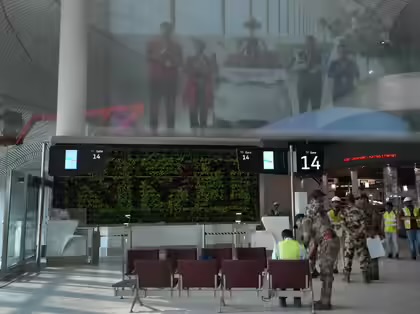
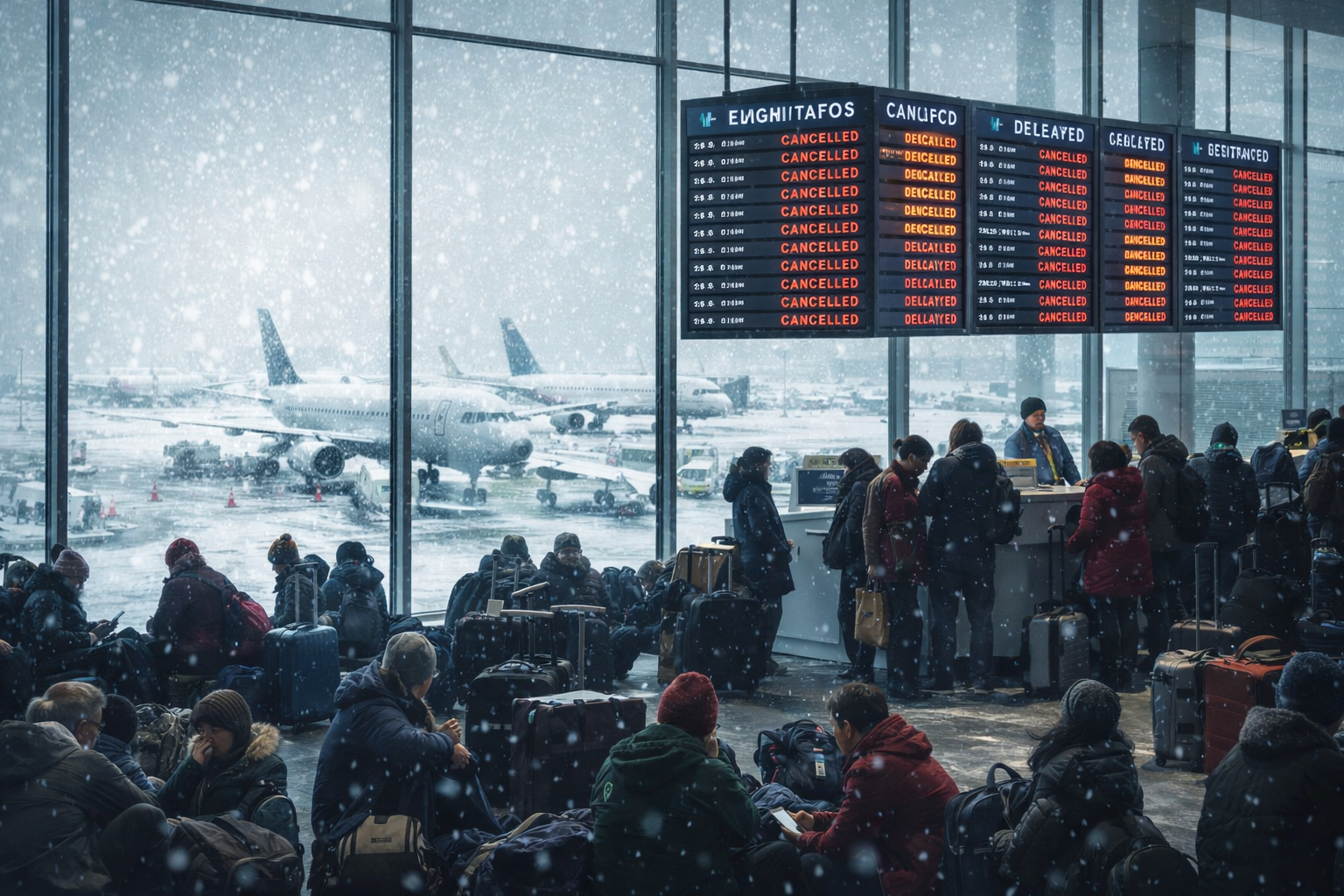
Eventually, passengers were informed that the issue had been addressed and that a second departure attempt would be made. Hope briefly returned as the aircraft prepared to taxi once again. Unfortunately, that optimism was short lived. The same technical concern reappeared, forcing the flight to abort its second attempt and return once more to the gate. By now, many passengers were visibly exhausted, having spent long hours waiting inside the aircraft and the terminal without a clear timeline for departure.
Later, a third attempt to operate the flight was made. However, this effort also ended unsuccessfully, confirming that the problem could not be resolved quickly. At this point, Singapore Airlines made the decision to stand down the aircraft entirely until thorough repairs and safety checks could be completed. Passengers were finally asked to disembark as the airline began arranging hotel accommodations and meals for the unexpected overnight stay in Istanbul.
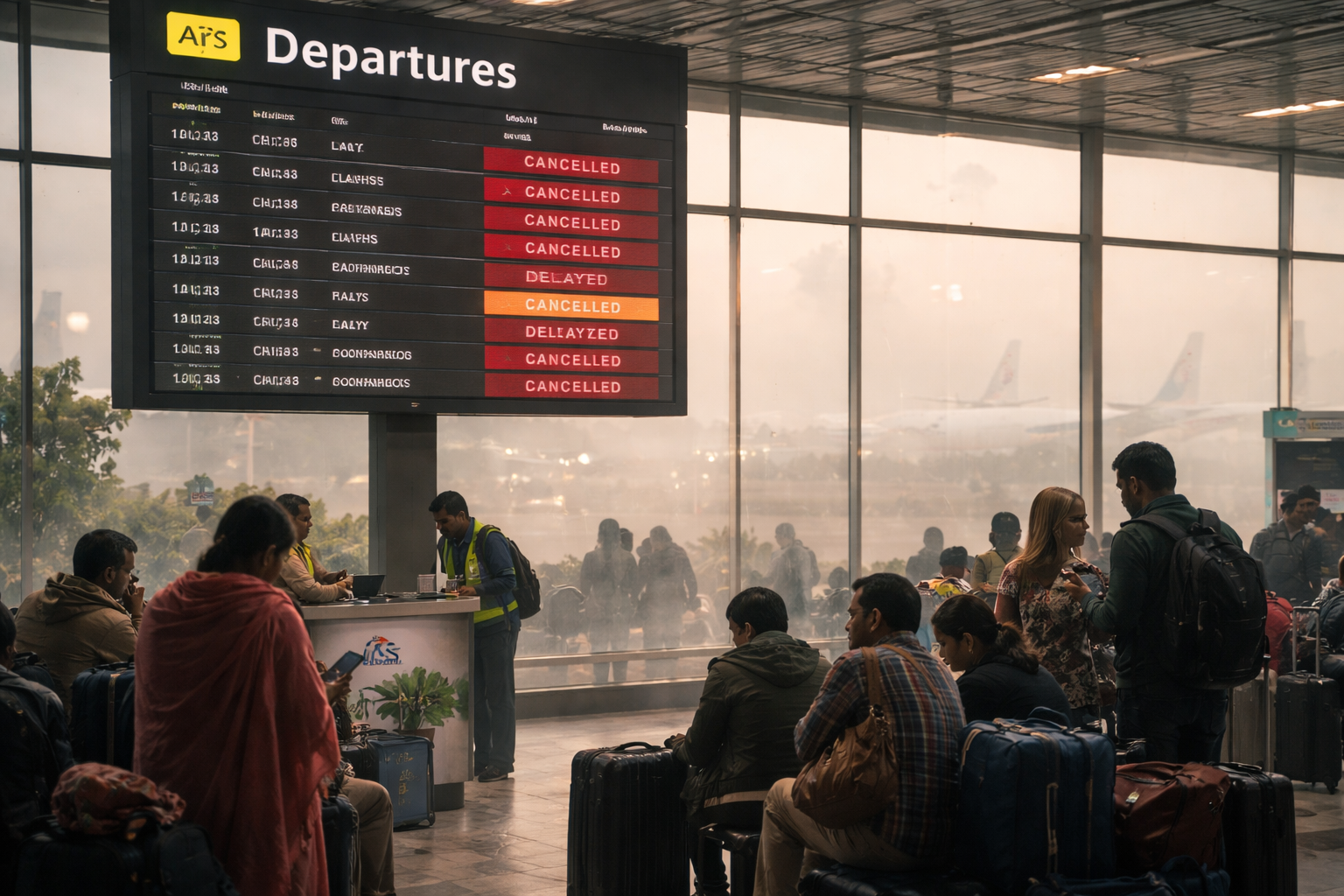
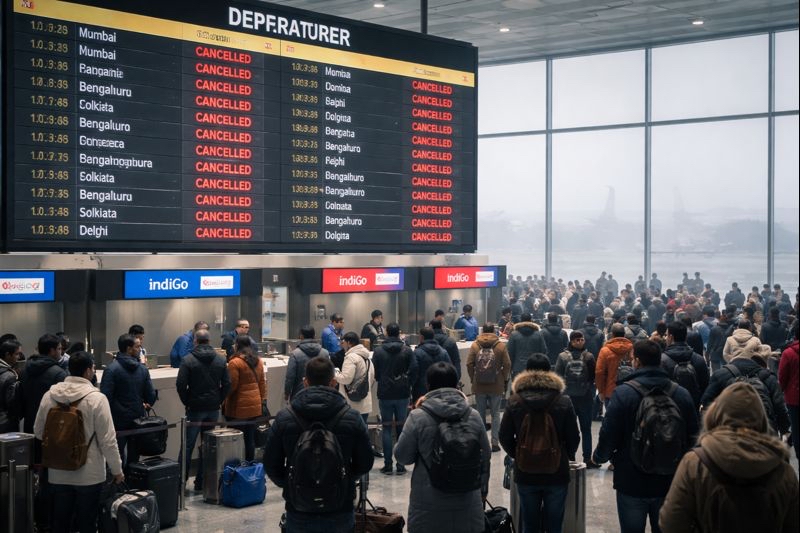
As the delay extended into a second day, frustration among passengers intensified. Several travelers expressed disappointment over inconsistent communication and frequent changes to the departure schedule, saying the lack of clear information made it difficult to plan or rest. Many had missed connecting flights, important meetings, or personal commitments, while others worried about additional expenses and the disruption to carefully arranged travel plans.
Singapore Airlines reiterated throughout the incident that passenger safety was its highest priority and emphasized that no flight would operate unless all technical concerns were fully resolved. The airline apologized for the inconvenience caused and worked to assist passengers with rebooking, accommodation, and other support services. Still, for those affected, the experience remained physically and emotionally taxing.
After nearly forty eight hours of delays, inspections, and maintenance work, the aircraft was finally cleared to depart. When the flight eventually took off from Istanbul and continued its journey to Singapore, it brought a sense of relief and closure to passengers who had endured a long and trying experience far from home.
While the incident caused significant disruption, it also underscored the strict safety standards that govern modern aviation, where even persistent technical issues can keep an aircraft grounded until every concern is addressed. For the passengers involved, the delay served as a powerful reminder of how unpredictable air travel can be and how quickly a planned journey can turn into an unexpected test of patience and resilience.