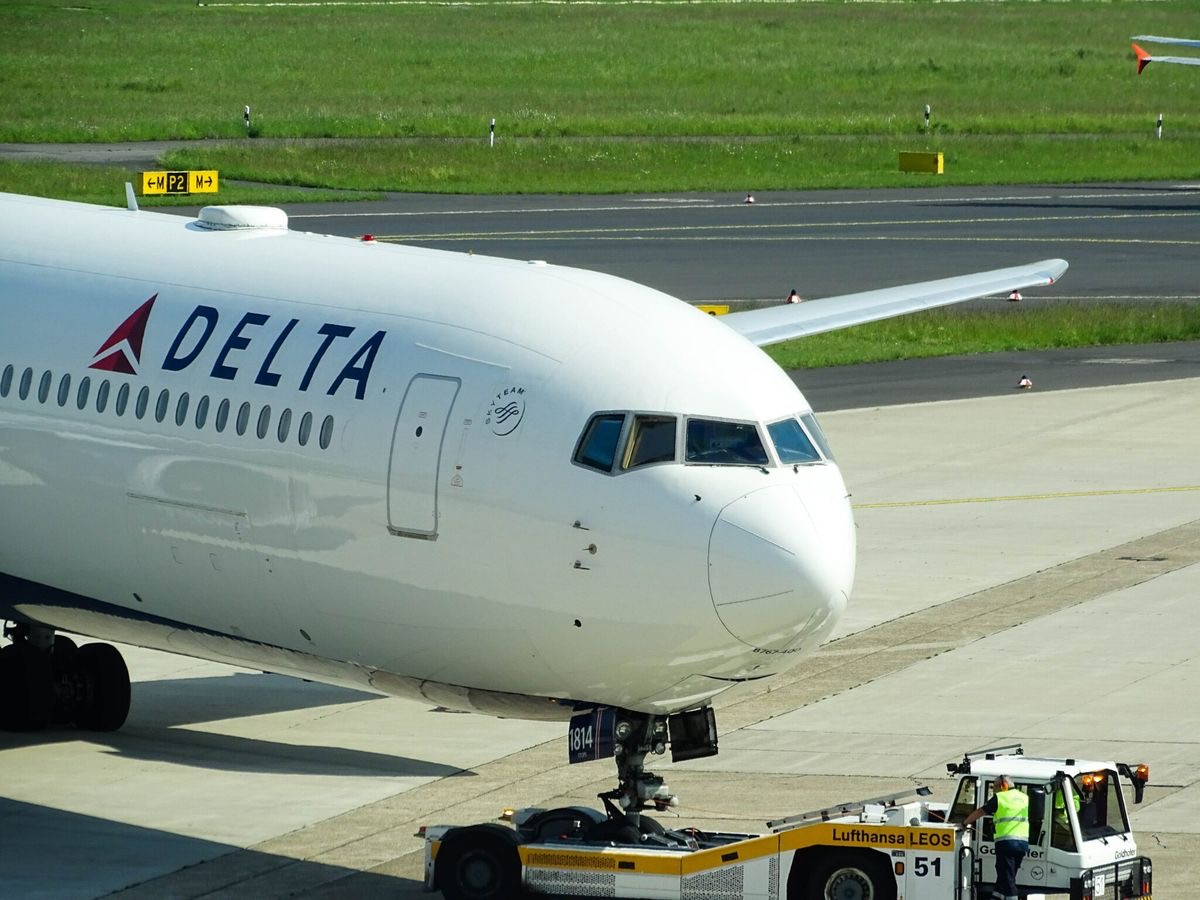
A Delta Air Lines flight was forced to divert to Kansas City International Airport after experiencing an engine failure mid-flight, but all passengers and crew walked away unharmed. The airplane, a regularly scheduled domestic service, had been en route when pilots reported a mechanical issue with one of the engines, prompting them to seek the nearest suitable airport for a precautionary landing.
The flight departed on schedule and was climbing toward its cruising altitude when the crew noticed abnormal indications from the right-hand engine. Following standard safety protocols, the captain communicated with air traffic control and decided to turn back toward Kansas City, where the airline has established maintenance and support facilities available. Passengers were informed of the situation by the flight crew as the aircraft began its descent.
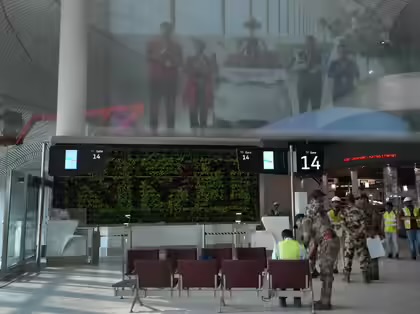
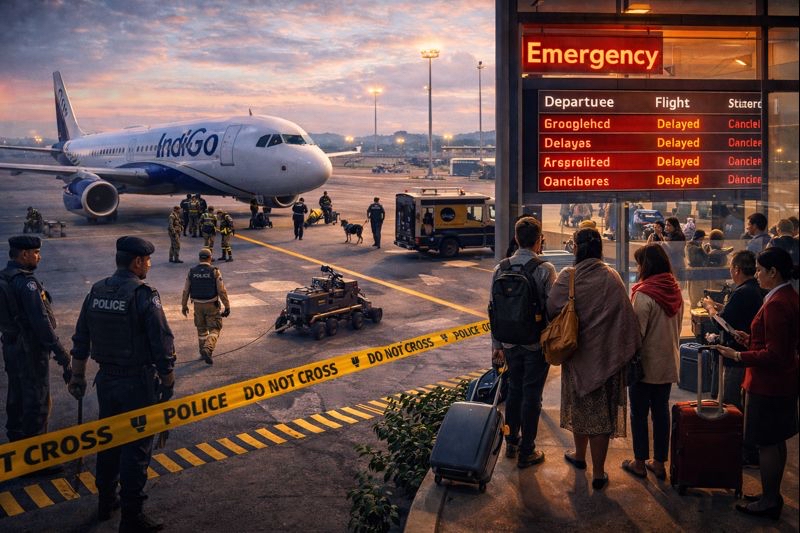
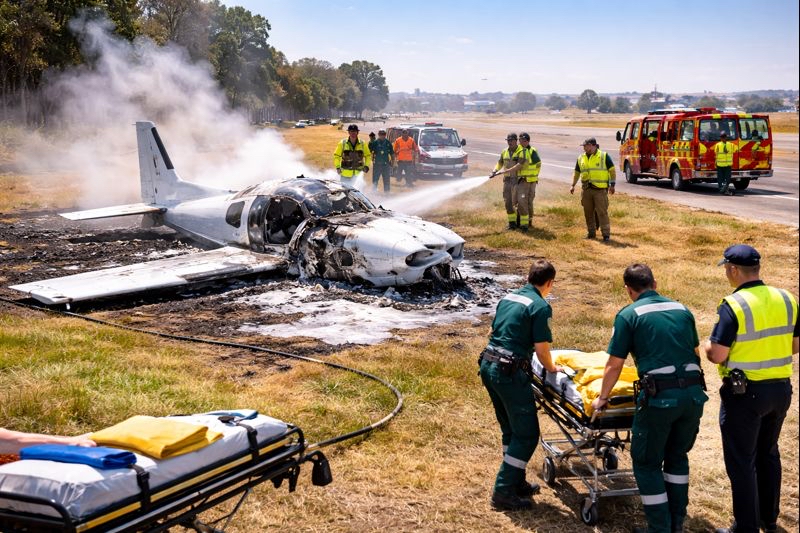
Once on the ground in Kansas City, the aircraft taxied to a remote stand and was met by emergency response teams as a precaution, though no injuries or medical issues were reported. Passengers were deplaned normally and escorted into the terminal, where airline representatives offered assistance and updates on onward travel arrangements. Several travellers described the crew’s calm communication during the event as reassuring under stressful circumstances.
Delta issued a brief statement confirming that an engine issue had occurred and that the flight landed safely with no injuries. The airline also noted that inspections would be carried out by maintenance teams to determine the cause of the failure and to assess any corrective actions. Delta emphasised that safety remains its top priority and that decisions during the flight were made in accordance with established operational procedures.
Emergency responders and airport officials at Kansas City praised the seamless handling of the situation. Fire crews and medical personnel stood by during the landing and deplaning process, ready to assist if needed, but ultimately stood down once it was clear that everyone was safe. Airport operations continued with only minor delays to other flights during the incident.
Passengers contributed their own accounts of the unexpected diversion on social media, with many thanking the flight crew for their professionalism and swift action. Some described moments of concern when the announcement was made but noted that clear communication and the absence of turbulence helped maintain calm among the cabin.
The Federal Aviation Administration, as part of standard post-incident procedure, will review the circumstances surrounding the engine failure and collect relevant flight data and maintenance history. That review will help determine whether any broader systems or part issues are involved or if the event was isolated to this aircraft.
In the meantime, passengers originally booked on the diverted flight have been accommodated on alternate services, and Delta continues to assess the aircraft for structural and mechanical soundness before it is returned to service. Events like these, although rare, underscore the importance of rigorous aircraft maintenance and the effectiveness of established safety procedures that prioritise passenger and crew well-being.