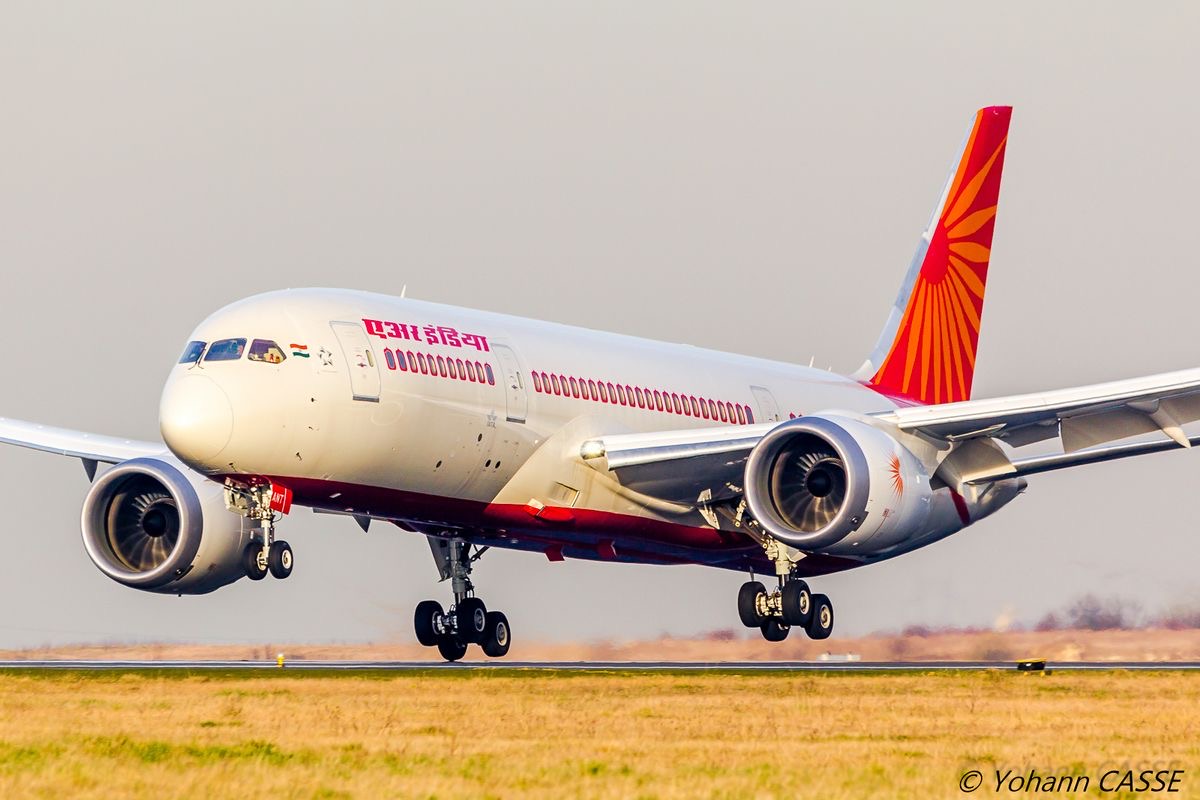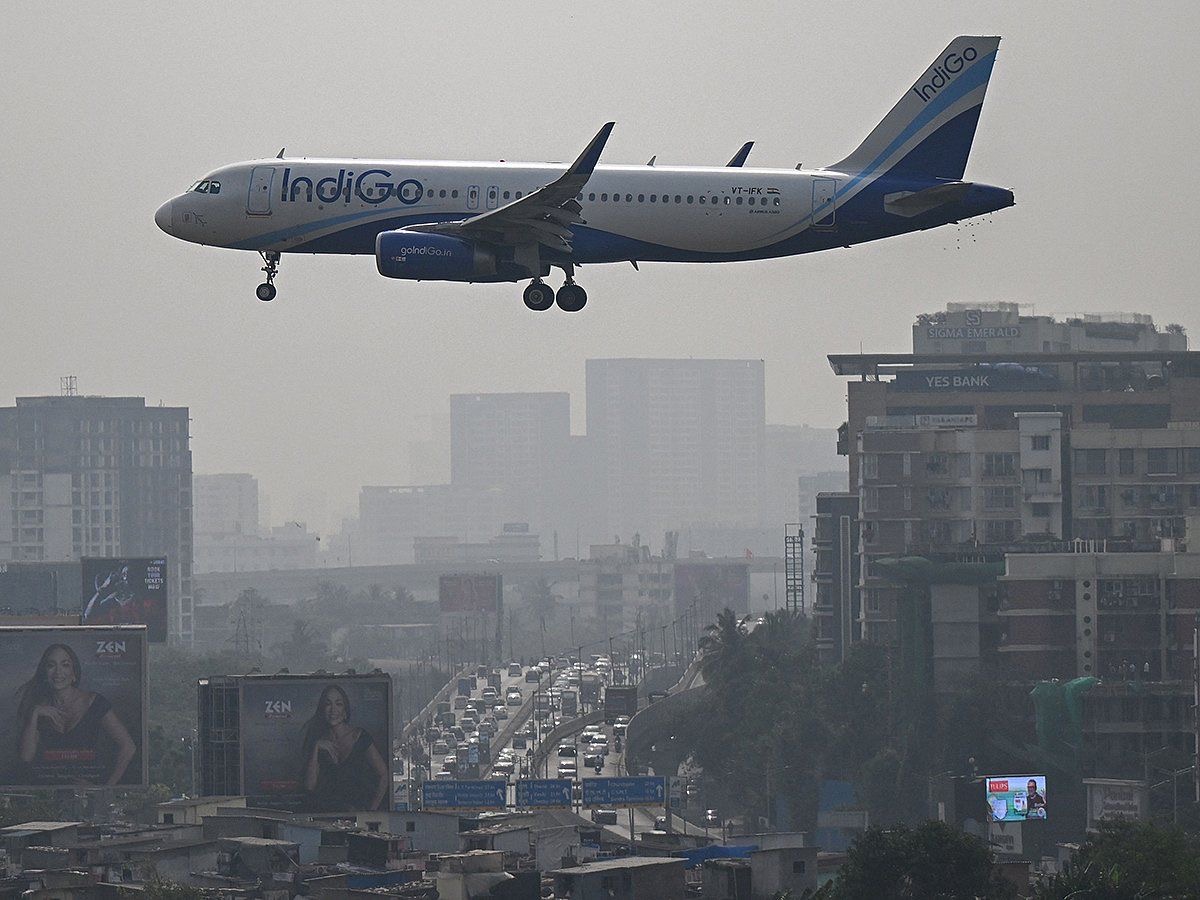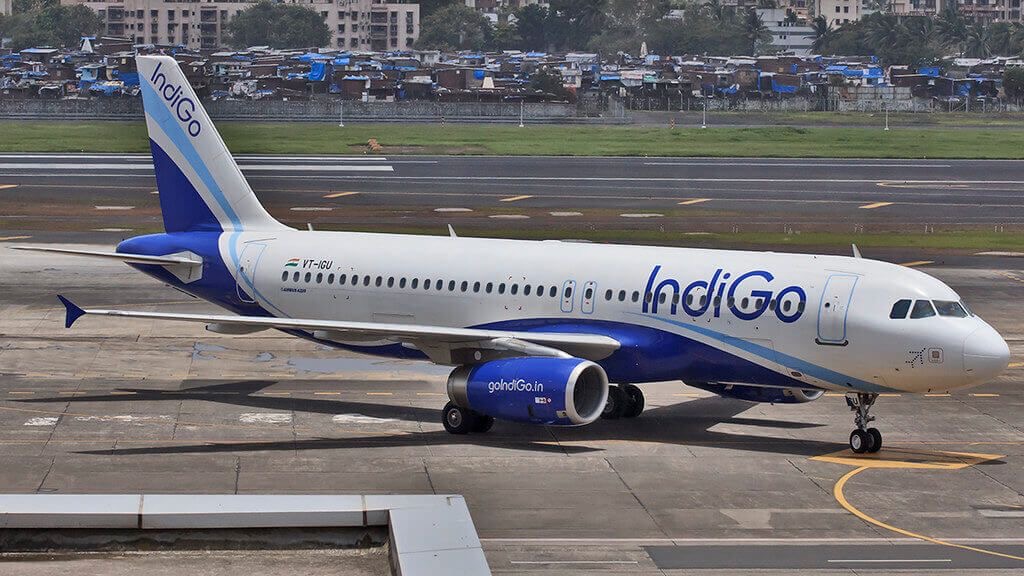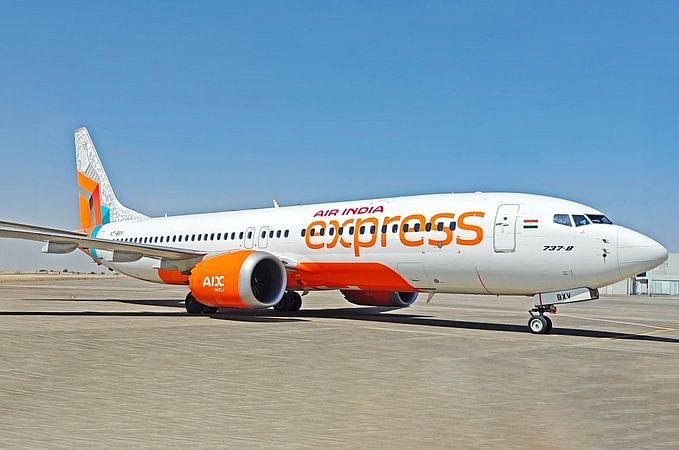

India is charting an ambitious course to transform its aircraft maintenance, repair and overhaul sector, with the government aiming to grow the domestic MRO market to nearly four billion dollars by 2031. The push is part of a broader strategy to significantly reduce the country’s dependence on overseas facilities for aircraft maintenance, a practice that has long added to costs and operational complexity for Indian airlines.
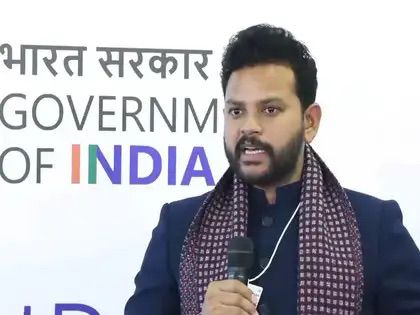
Speaking at a recent aviation industry gathering, Civil Aviation Minister K. Rammohan Naidu highlighted the enormous opportunity that lies ahead for India’s MRO ecosystem. Despite having one of the world’s fastest growing aviation markets, India currently sends a majority of its commercial aircraft abroad for routine checks, heavy maintenance and engine overhauls. This reliance on foreign facilities has resulted in substantial foreign exchange outflows each year, with airlines spending billions of dollars on maintenance services outside the country.
The government now wants to reverse this trend by building strong domestic capabilities that can support India’s expanding airline fleets. Officials believe that with the right policy support, infrastructure investment and industry participation, India can emerge as a competitive global hub for aircraft maintenance. A key step in this direction has been regulatory and tax reforms designed to make MRO operations within India financially viable and attractive to investors.
One of the most significant changes has been the sharp reduction in the Goods and Services Tax on MRO services, which was cut from 18 percent to just 5 percent. This move has helped narrow the cost gap between Indian facilities and established MRO hubs in regions such as Southeast Asia and the Middle East. Industry players have welcomed the change, noting that high taxes had previously discouraged airlines from carrying out maintenance work domestically.
Alongside tax reforms, the government is also encouraging global aerospace companies to set up operations in India. The establishment and expansion of facilities such as Safran Aircraft Engine Services India is being seen as an important milestone. These investments are expected to bring advanced technology, specialised skills and global best practices into the Indian aviation ecosystem, while also creating a new generation of high-skilled jobs.
The timing of this push is critical. India’s commercial aviation sector is expanding at an unprecedented pace, with airlines placing massive aircraft orders to meet rising passenger demand. As fleets grow larger and more complex, the need for reliable, efficient and timely maintenance services will increase sharply. Developing a strong domestic MRO network is expected to help airlines reduce aircraft downtime, lower operating costs and improve overall fleet availability.
Beyond operational benefits, a thriving MRO sector is also expected to generate wider economic gains. It could boost ancillary industries such as component manufacturing, logistics and training, while strengthening India’s position across the global aviation value chain. The initiative aligns closely with national programmes like Make in India and Atmanirbhar Bharat, which aim to build self-reliance and reduce dependence on foreign service providers.
With sustained policy support and growing industry interest, officials believe India has the potential not only to meet its own maintenance needs but also to attract international airlines seeking cost-effective and high-quality MRO services. If successful, the push could mark a major shift in how and where aircraft serving the Indian market are maintained, helping the country retain both economic value and technical expertise within its borders.