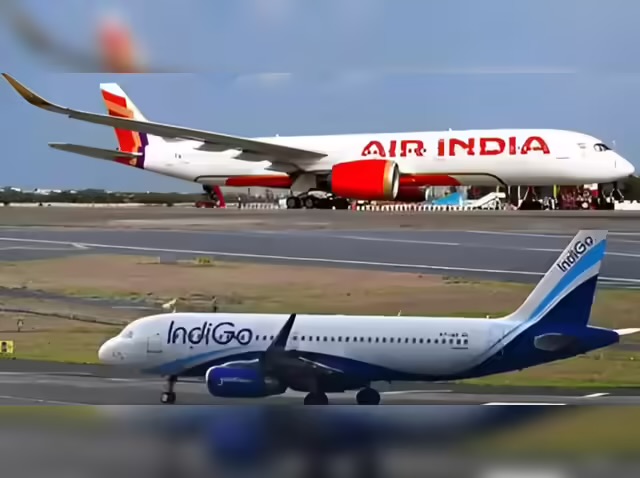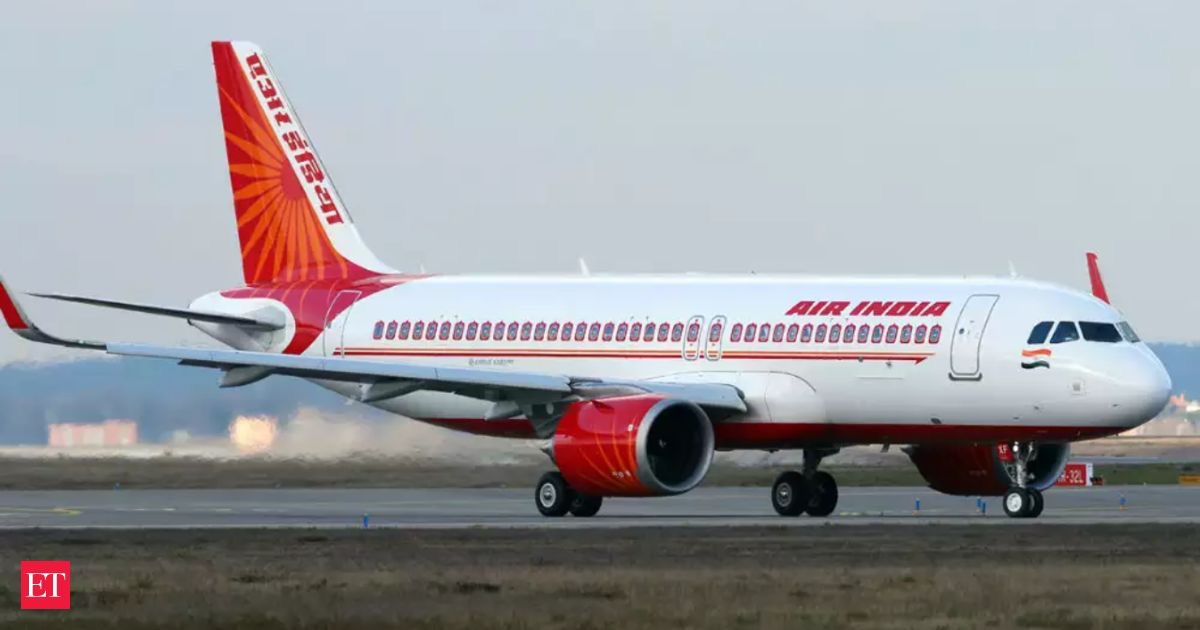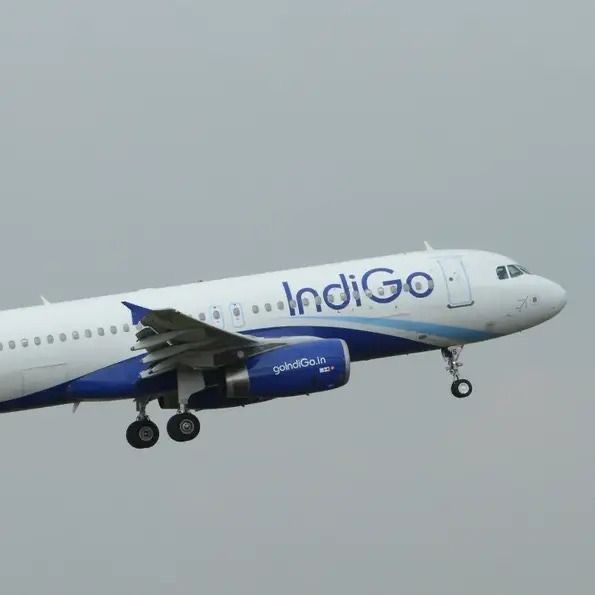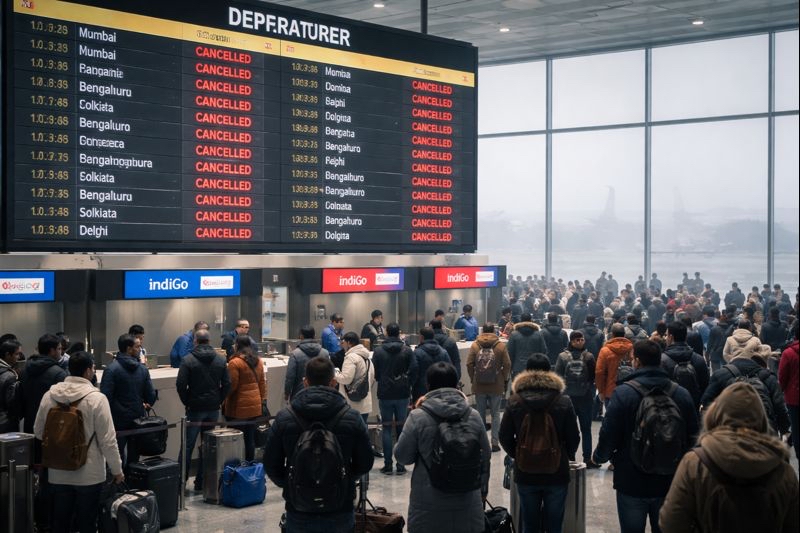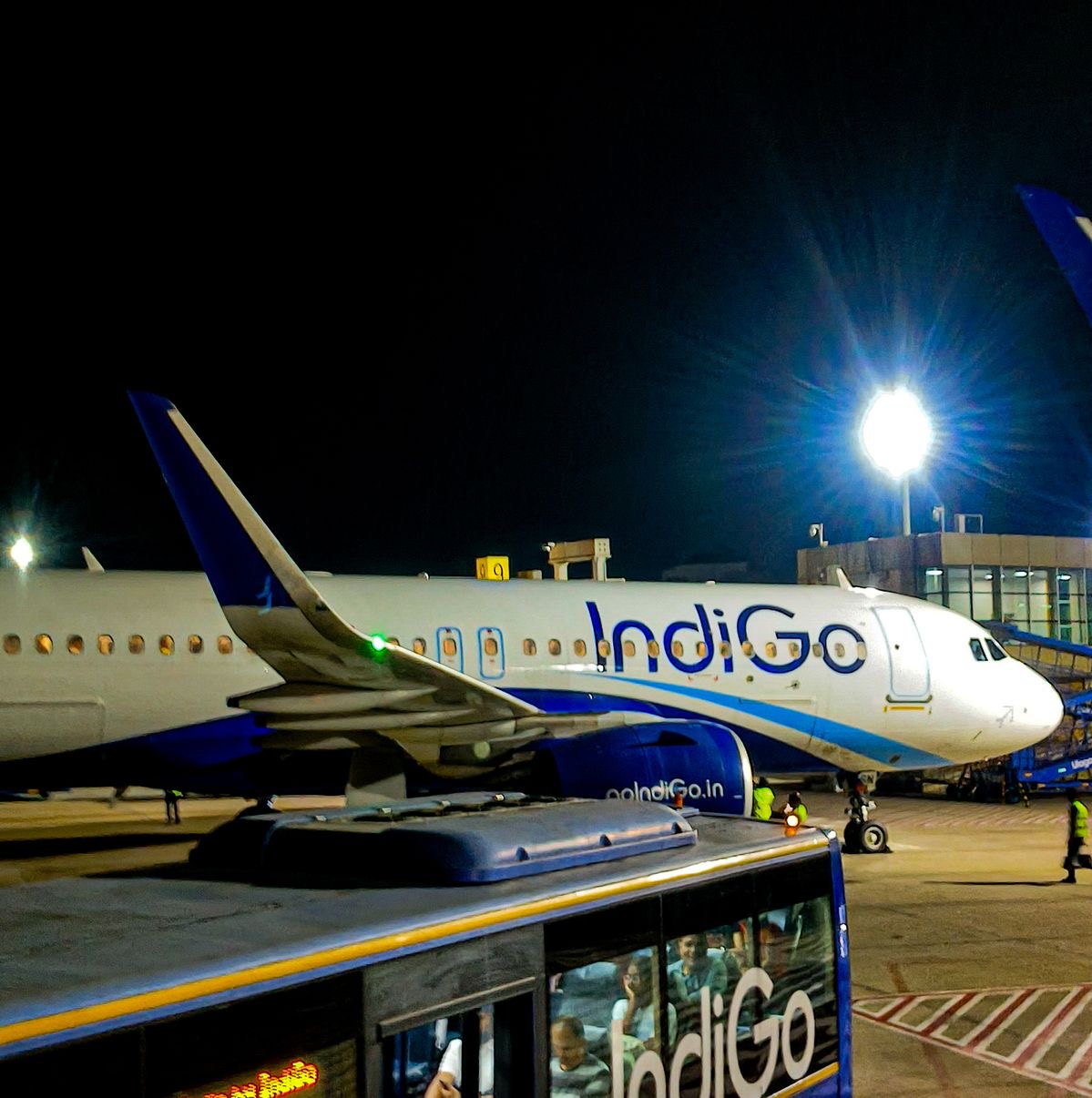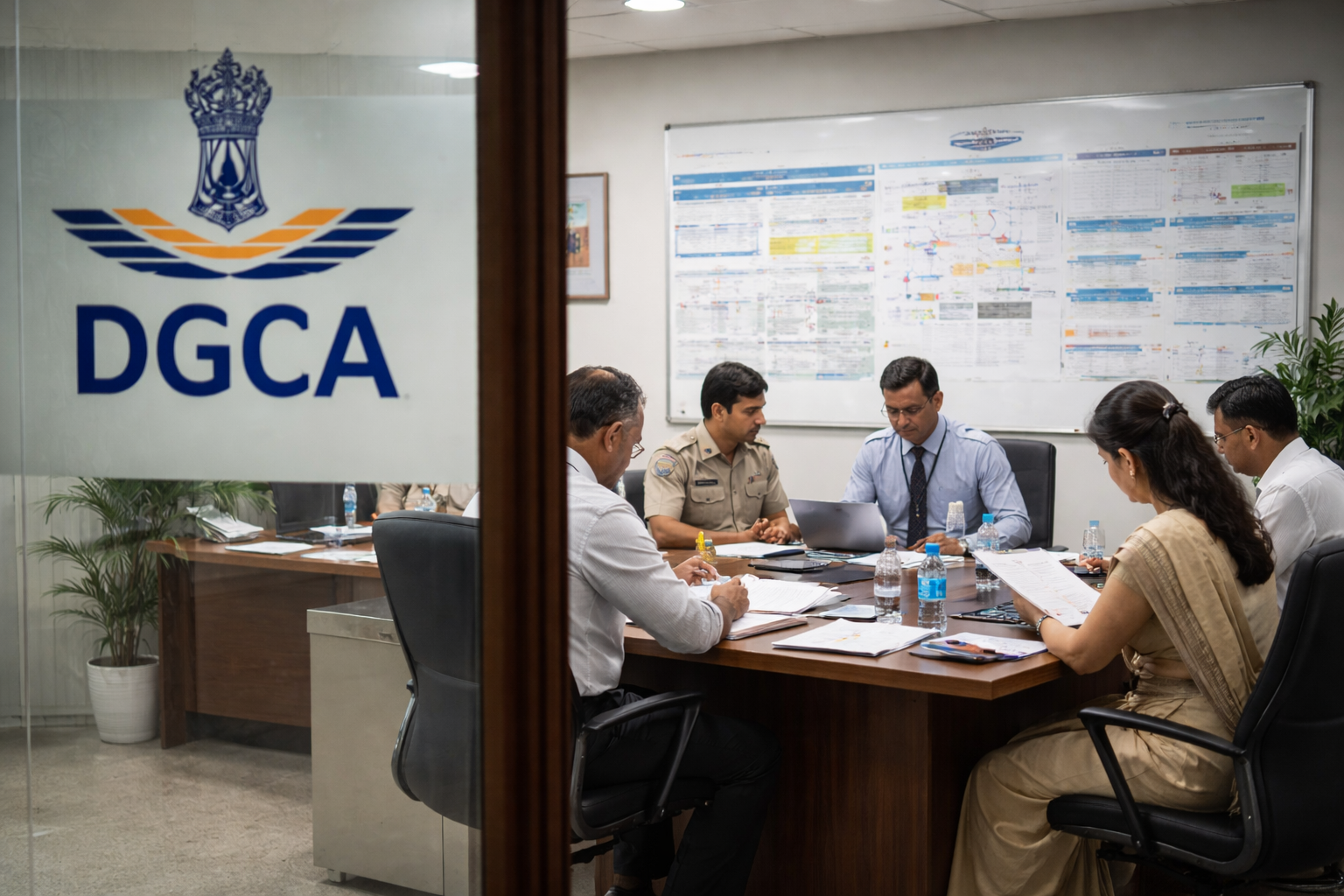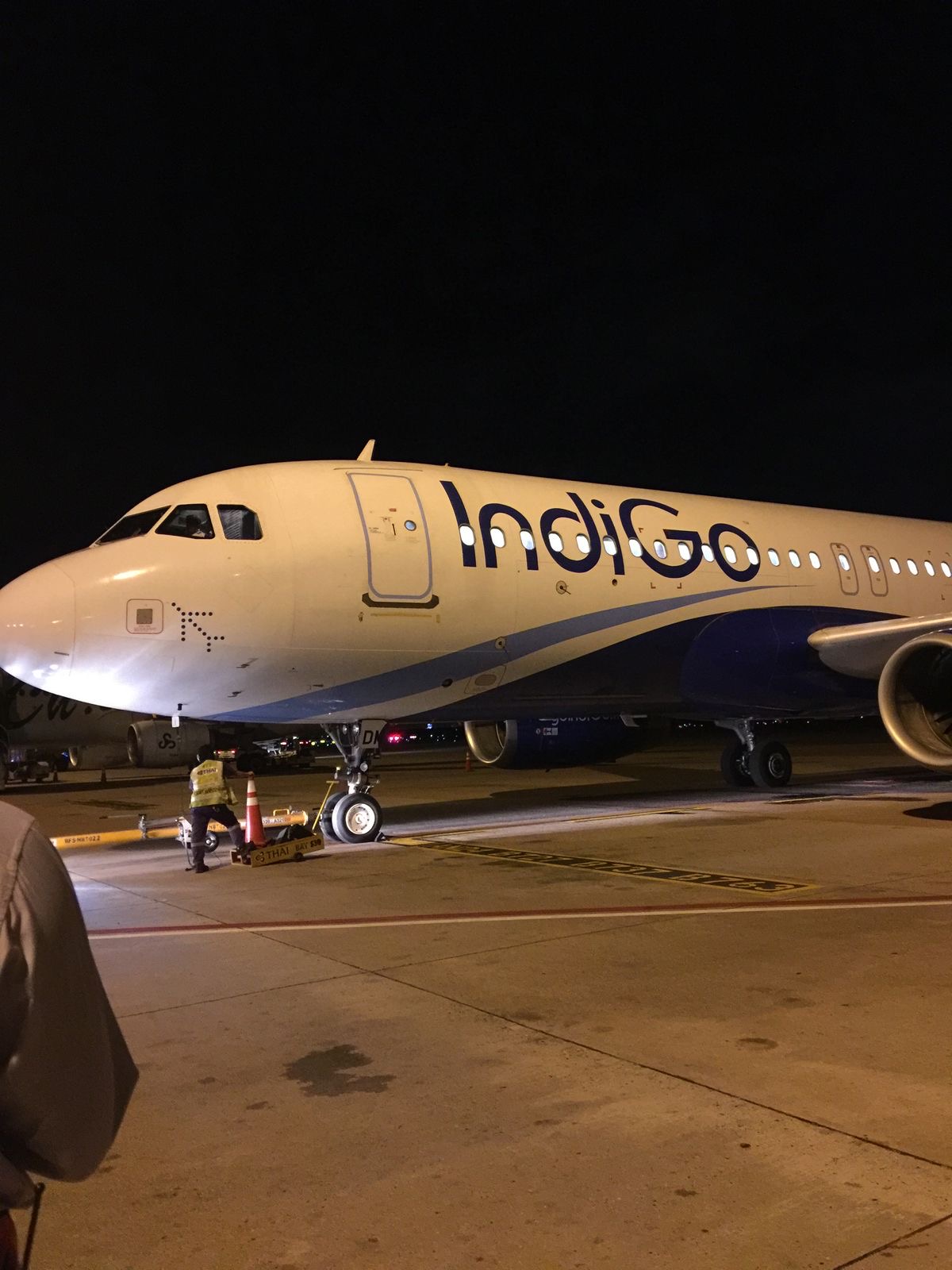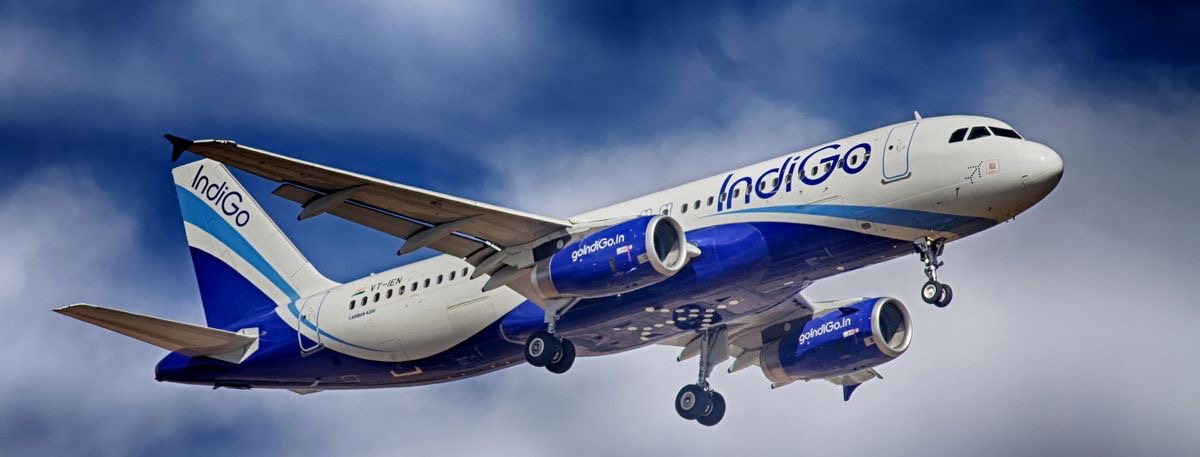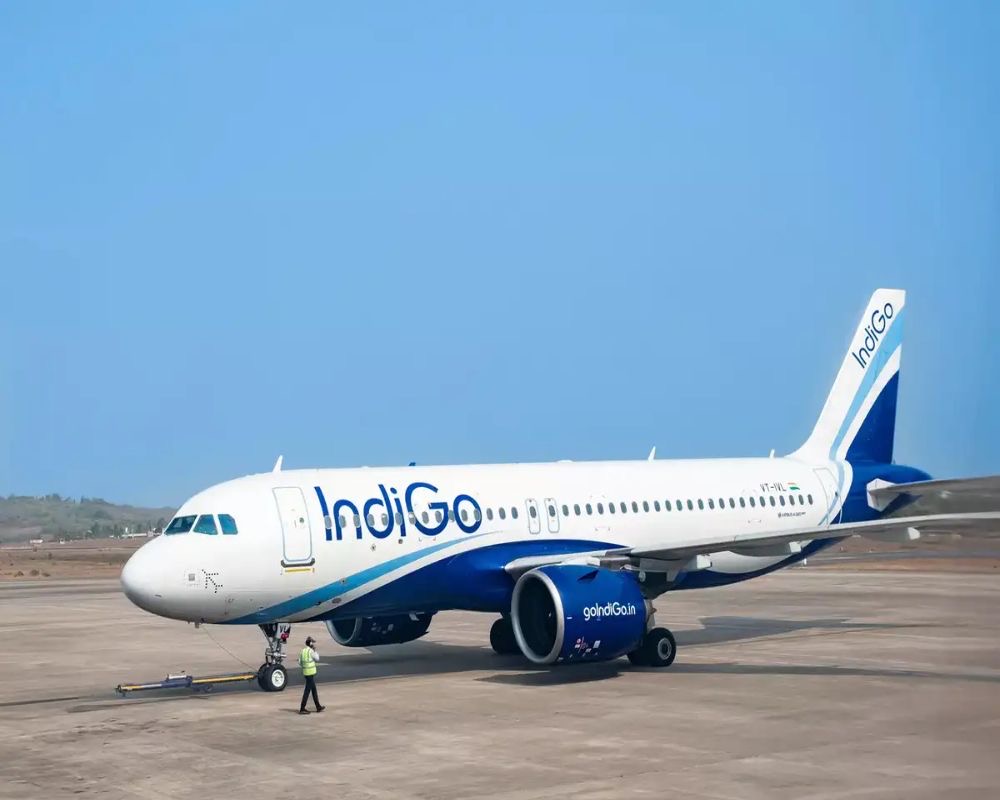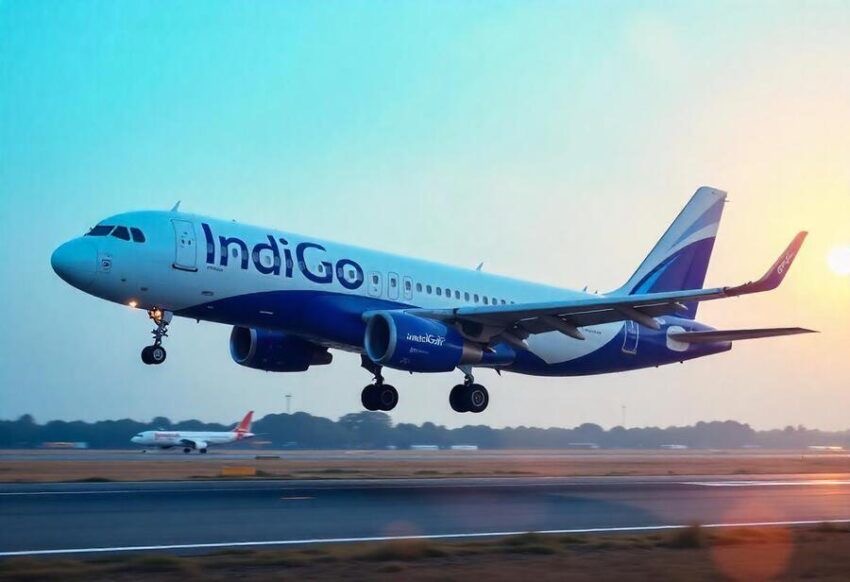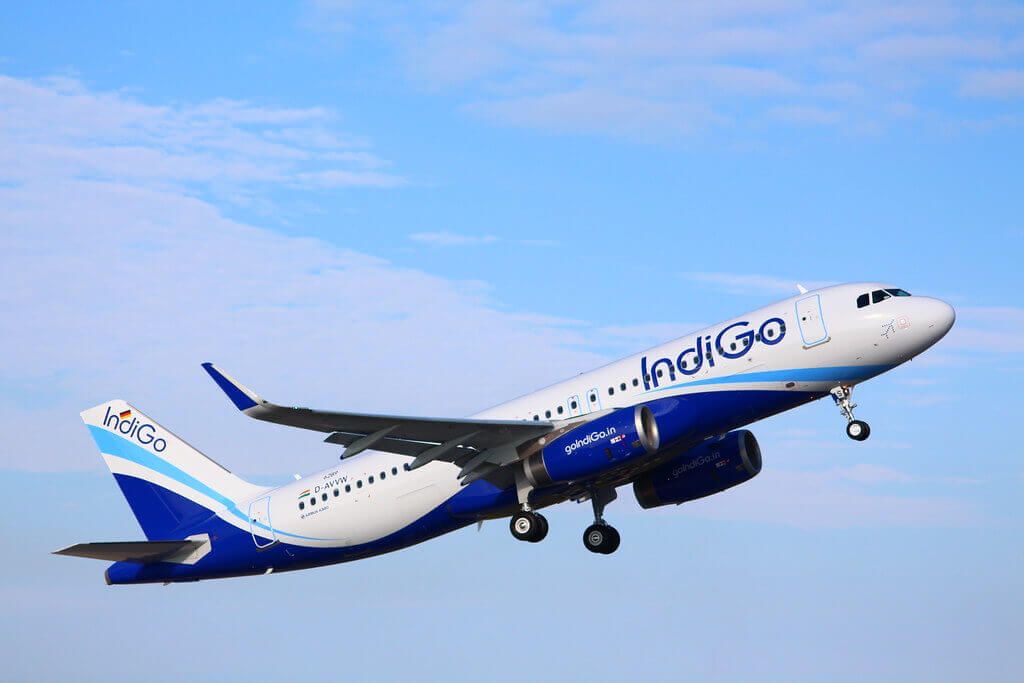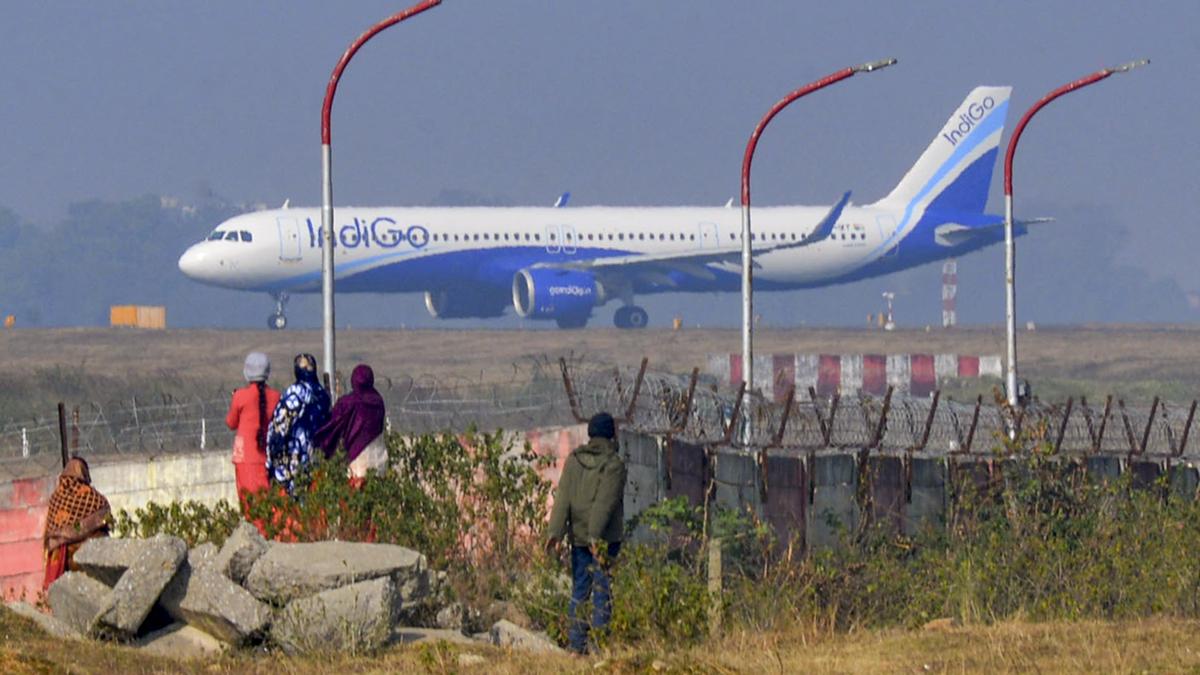
India’s competition watchdog has asked IndiGo to furnish detailed information about the airline’s recent operational troubles that led to widespread flight cancellations and delays. The Competition Commission of India has opened a preliminary inquiry to assess whether the severe disruptions in IndiGo’s flight schedule earlier in the season had any anti-competitive implications or adversely affected consumer interests. The move reflects broader concern about how airline service reliability affects market dynamics and consumer choice.
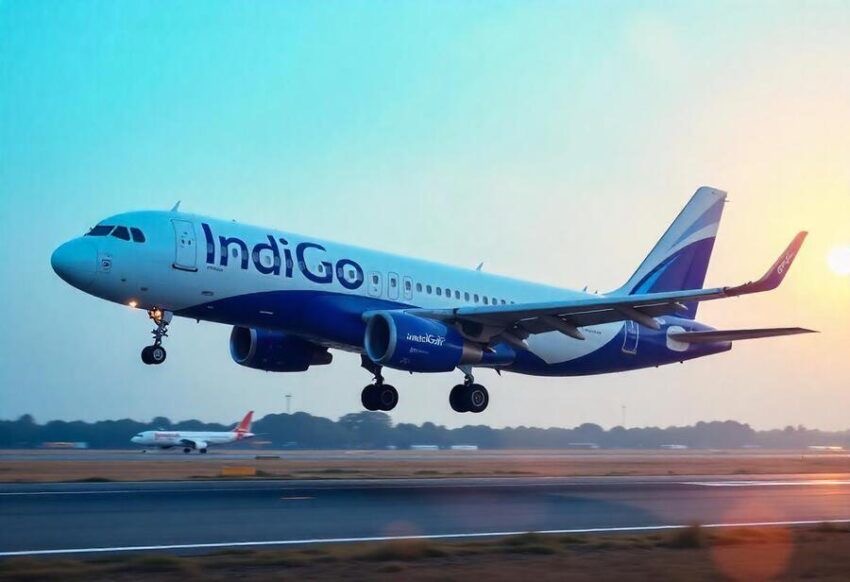
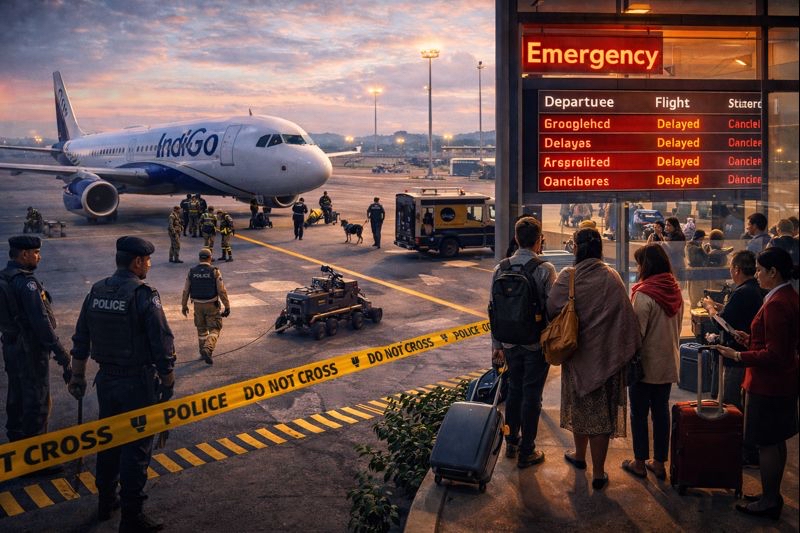
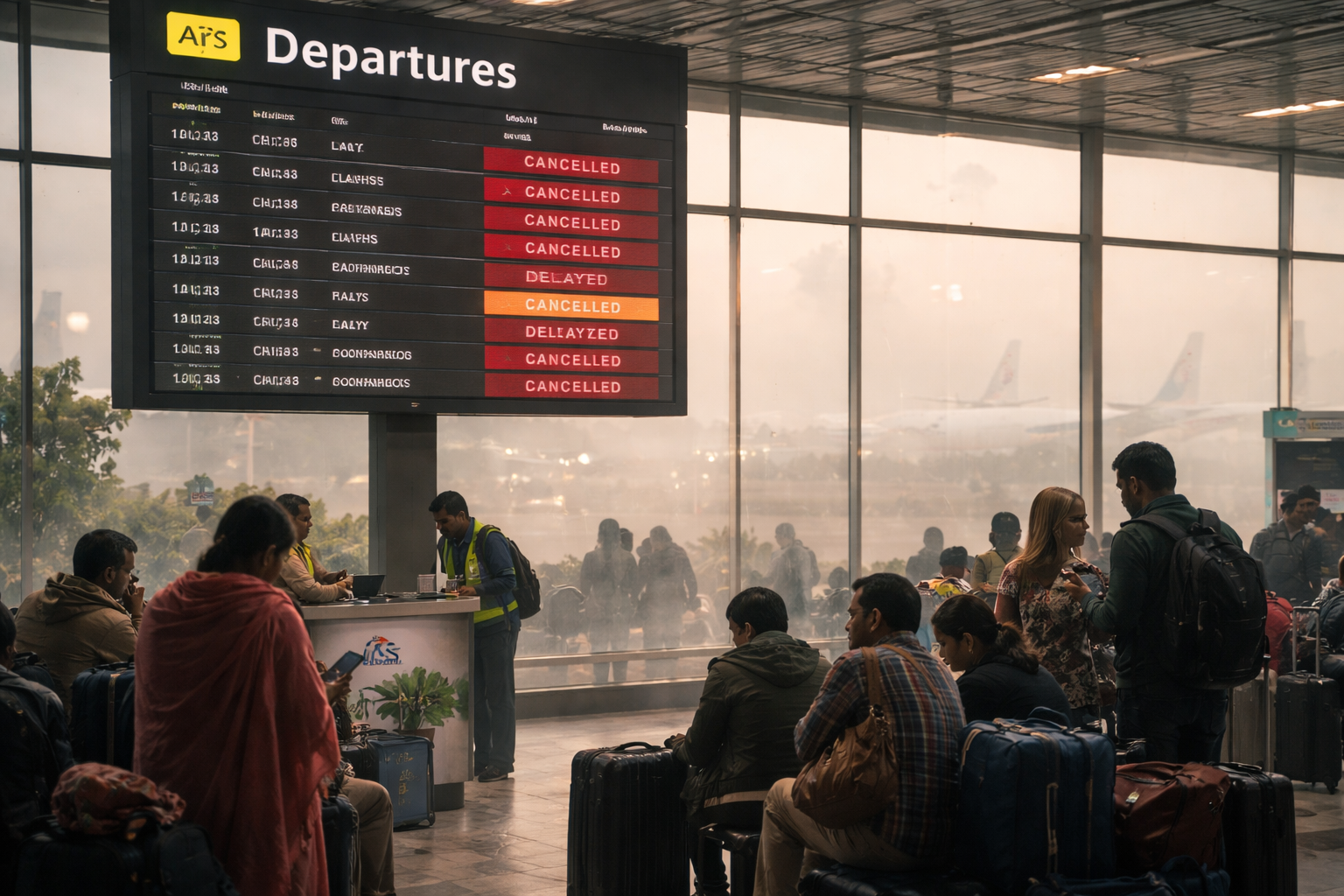
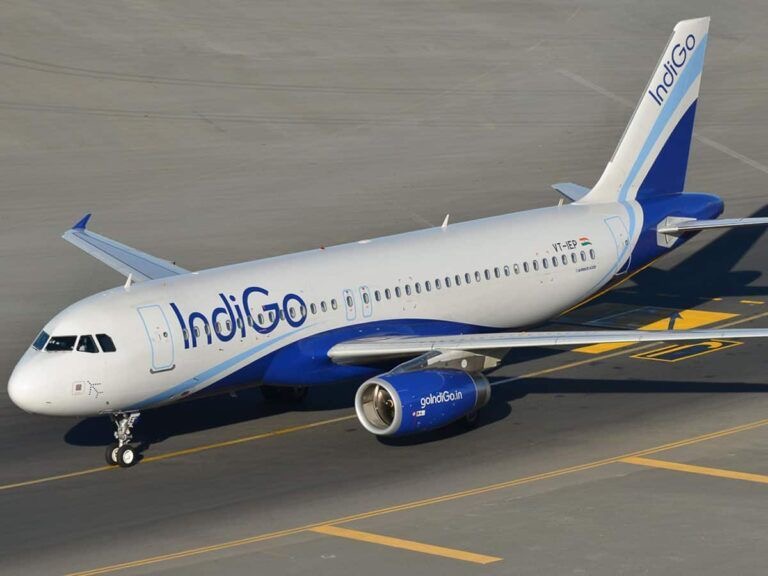
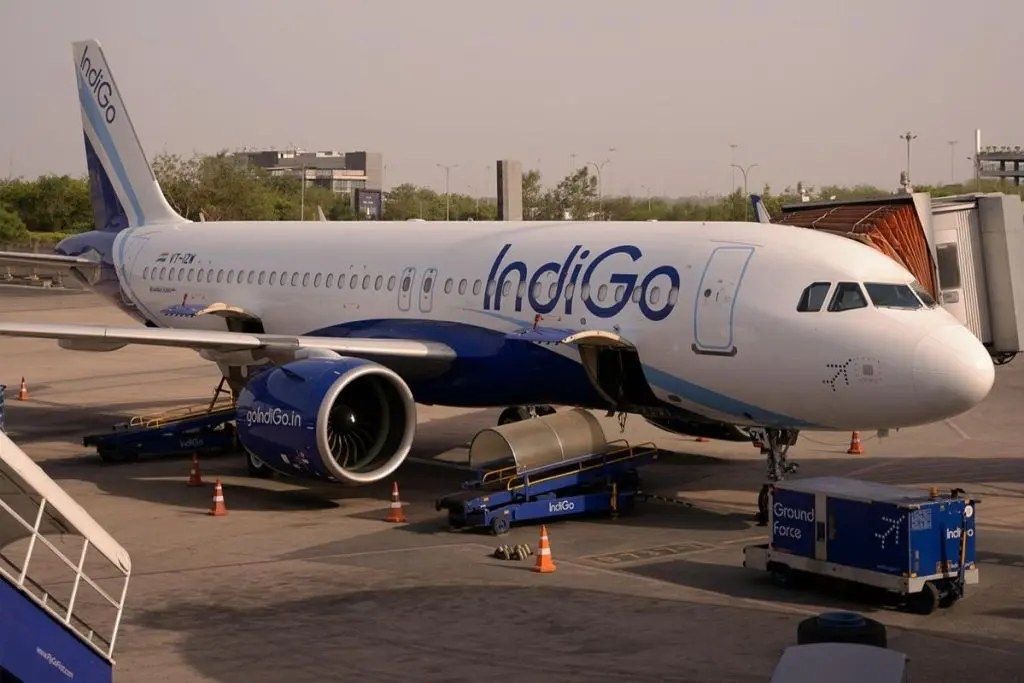
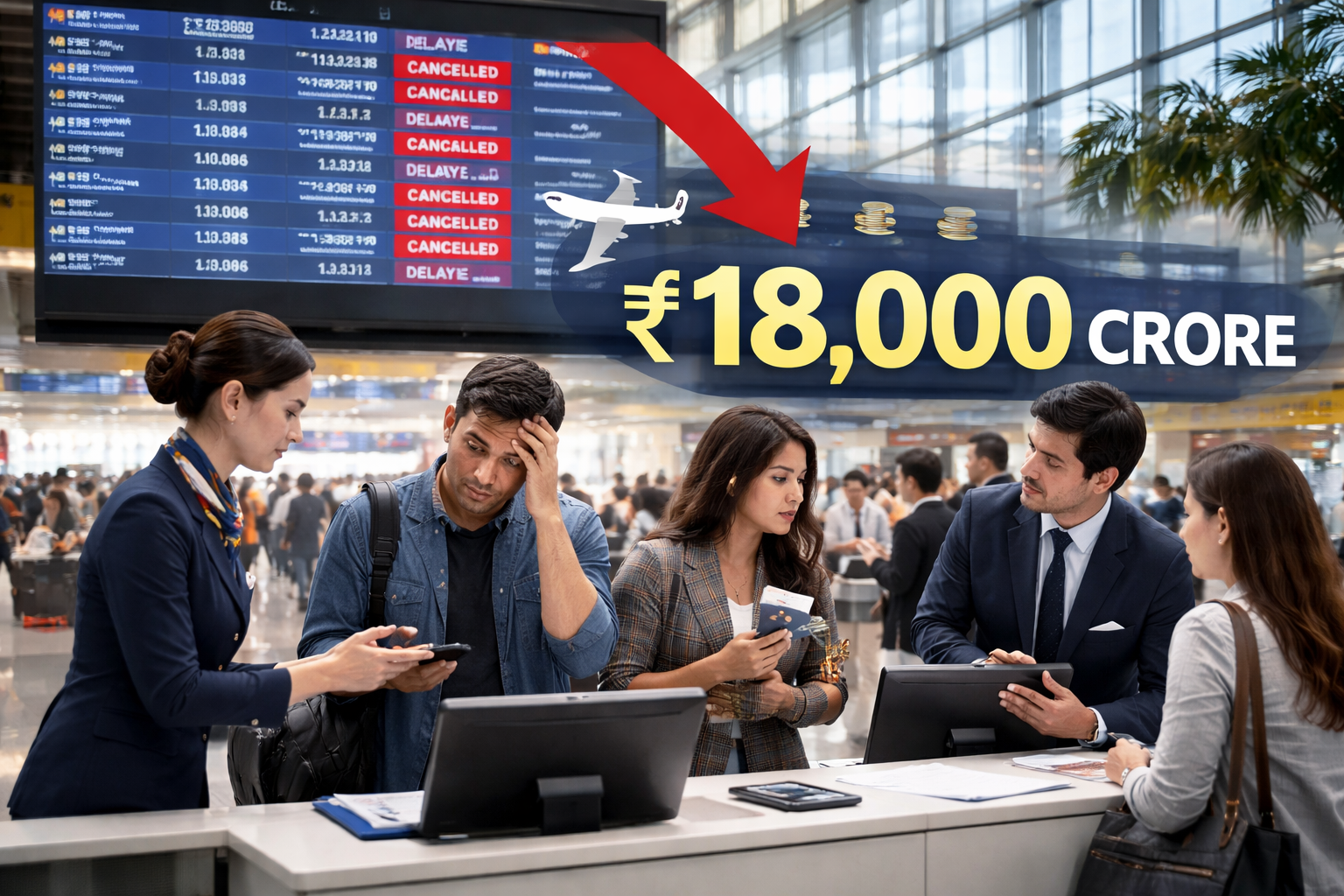
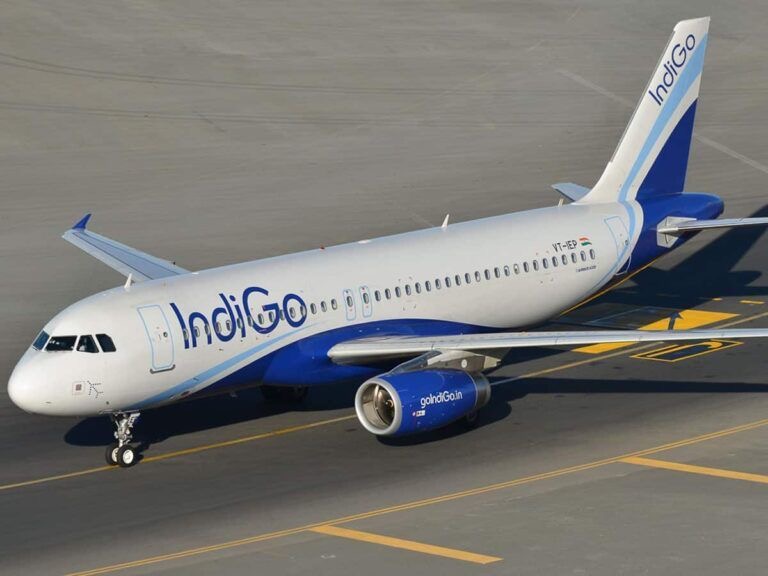
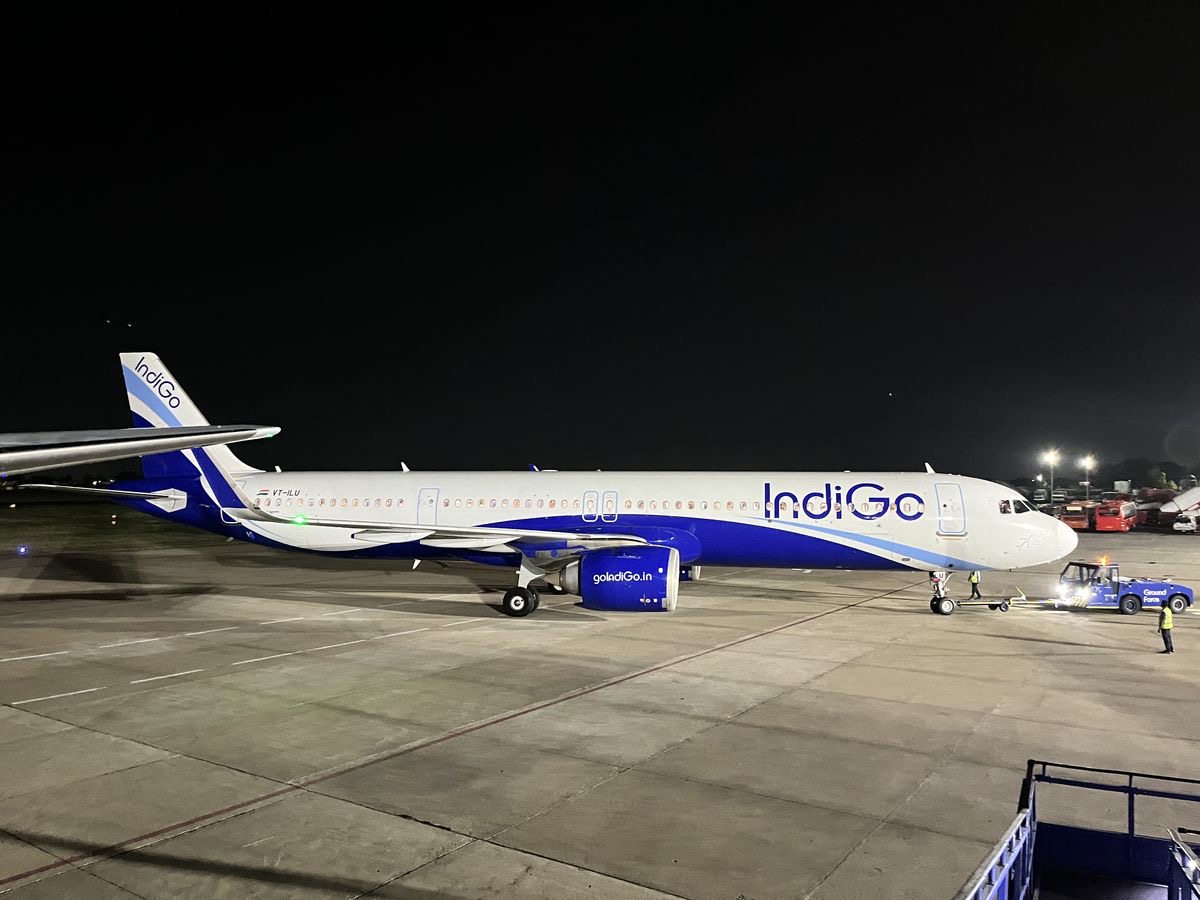
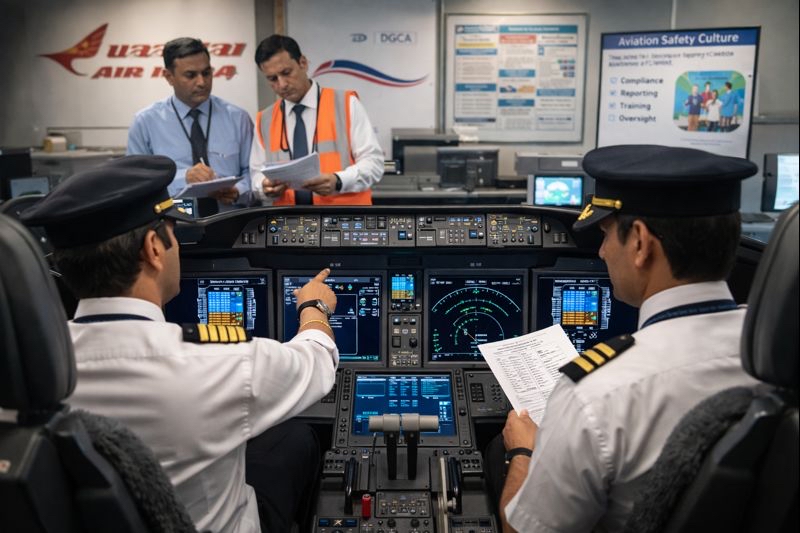
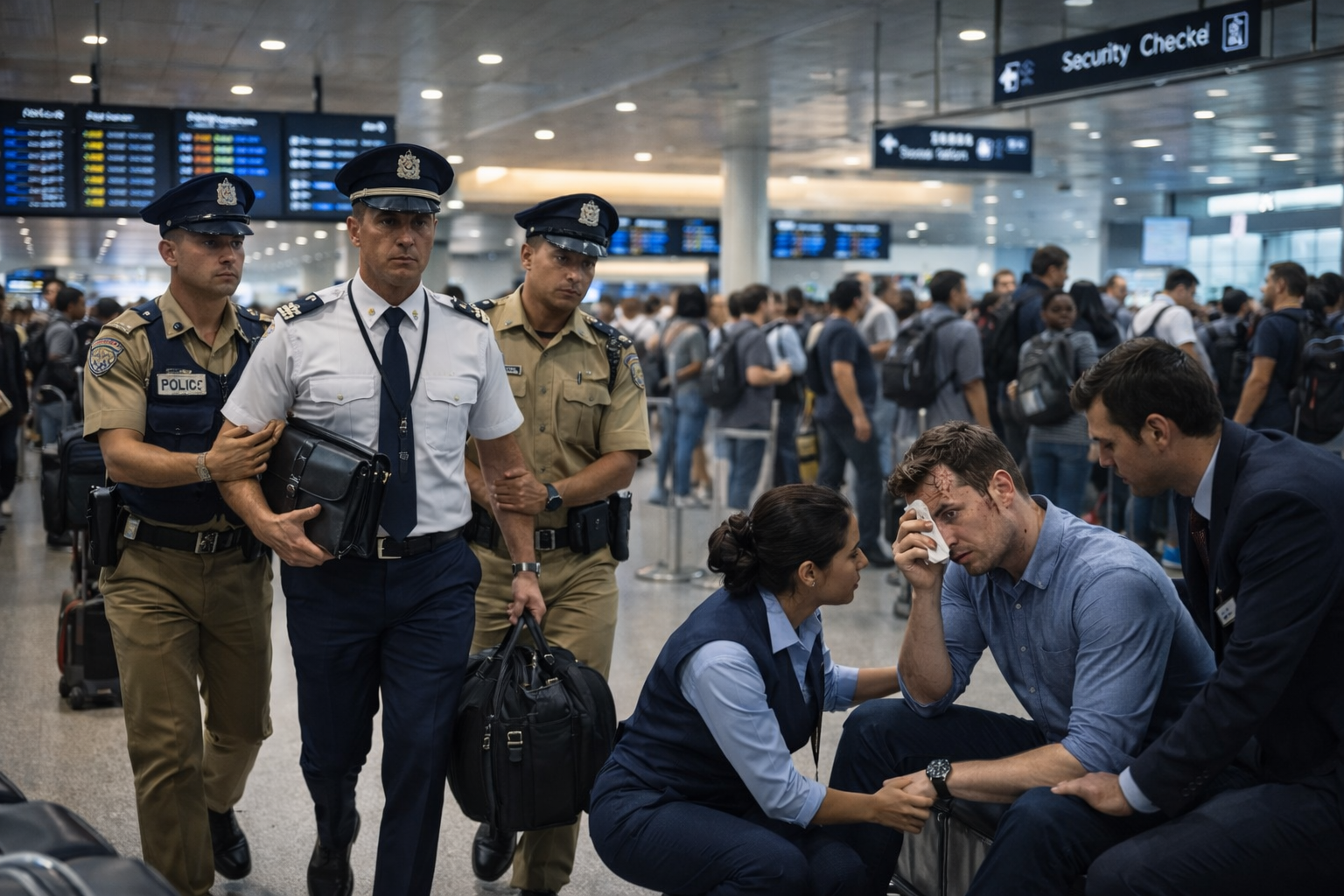
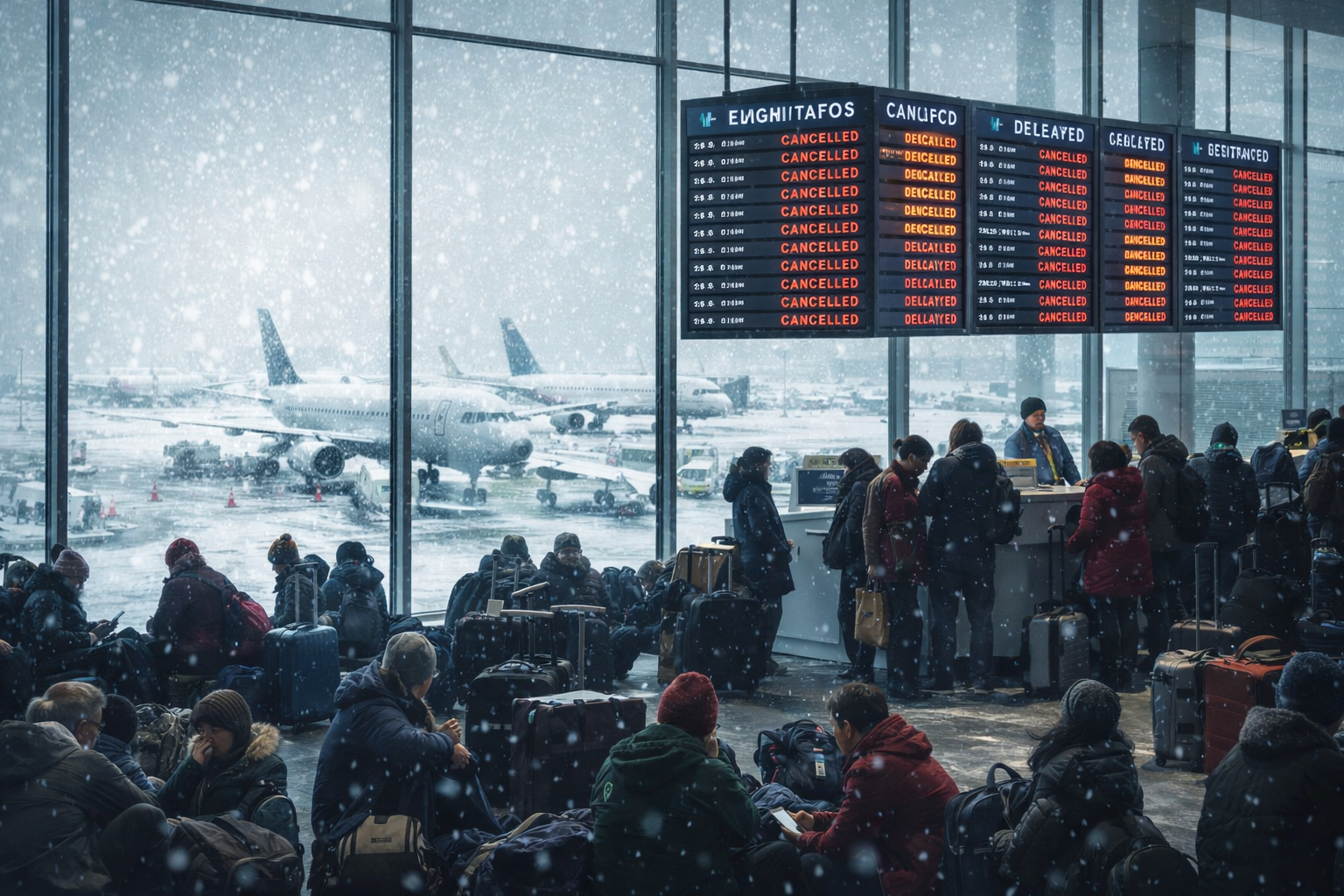
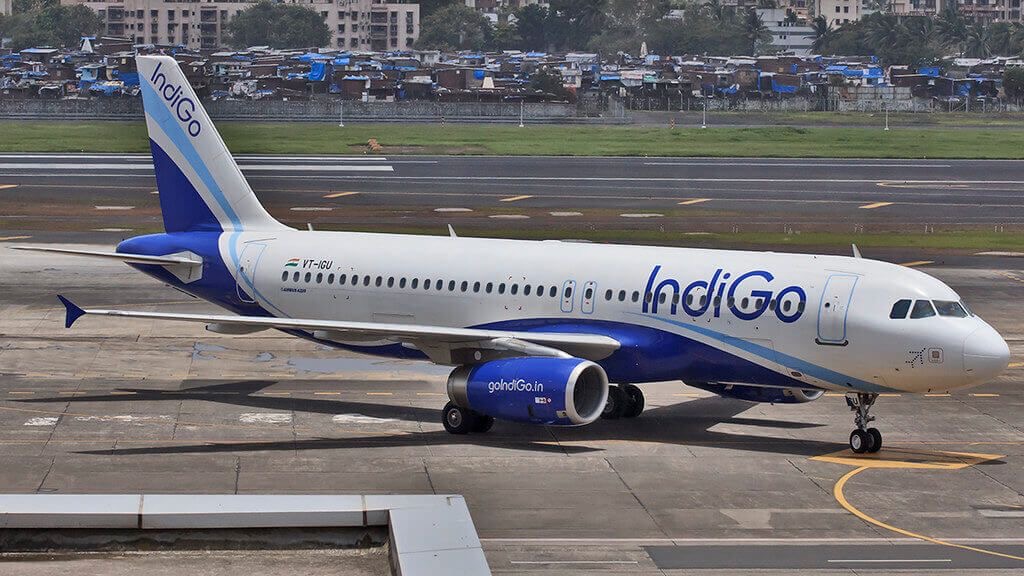
IndiGo, the country’s largest airline by market share, experienced operational challenges that drew public and regulatory scrutiny. A combination of crew planning issues, compliance with updated duty-time rules, and weather-related complications contributed to a period of instability in its flight network. Thousands of passengers were impacted, with many flights cancelled or rescheduled at short notice. These disruptions have reverberated across the industry and have become a focal point of regulatory interest.
The Competition Commission’s request for information is aimed at understanding the root causes of the disruptions and whether any practices by IndiGo may have limited competition or harmed consumer welfare. Airline operations are not isolated commercial acts; they interact with competitive market forces, and when a dominant player experiences instability, ripple effects can extend to pricing, slot availability, and alternate carrier options. The watchdog’s scrutiny underscores how airline performance intersects with fair competition principles.
Officials from the commission have asked the airline to explain its operational decision-making, crew planning frameworks, scheduling logic, and how it communicated with passengers during the period of disruption. These questions are part of a broader effort to gauge whether service gaps displaced demand to other carriers and whether IndiGo’s conduct influenced market conditions beyond what would be expected from ordinary business challenges.
IndiGo has said that it will cooperate fully with the regulator and share the requested data in a timely manner while reiterating its commitment to service reliability. In a statement, airline leadership acknowledged that the disruptions were regrettable and vowed to draw lessons that improve operational resilience. The company emphasised that safety and regulatory compliance remain its top priorities and that many of the challenges were linked to external factors and regulatory changes in flying duty norms.
Analysts observing the development noted that while airlines have considerable flexibility in setting schedules and managing resources, they also bear a responsibility to deliver services that passengers can rely on. Disruptions, especially when prolonged, can erode consumer trust and create opportunities for competitors to capture displaced travellers. The competition regulator’s involvement highlights how these operational issues can have ramifications beyond immediate customer inconvenience.
Other carriers saw an uptick in market share during IndiGo’s troubled period, as travellers opted for alternative airlines with more stable schedules. This shift underscores the interconnectedness of airline markets: when one major player falters, competitors can benefit, but the end result for consumers can still be mixed if overall capacity tightens or prices shift. The commission’s inquiry may explore such market movements to better understand competitive outcomes.
Consumer advocacy groups welcomed the regulator’s decision to seek information. They argue that passengers deserve transparent answers about what went wrong, how disruptions were handled, and whether dominant airlines need to bolster safeguards to protect customer interests. Many travellers share anecdotal accounts of long delays, hotel costs, and emotional distress, illustrating the human dimensions behind regulatory reviews.
As the inquiry unfolds, both industry stakeholders and passengers will be watching closely. The questions posed by the Competition Commission could lead to broader discussions about airline accountability, service quality standards, and the role of competition policy in aviation markets. Whether this inquiry leads to formal enforcement action remains to be seen, but it already signals that regulators are taking passenger impact seriously alongside commercial conduct.