
For the Adani Group, the future of airports is no longer defined by aircraft movements alone. Instead of focusing purely on runways, terminals, and flight traffic, the conglomerate is quietly reshaping its airport business into a broader urban and commercial ecosystem where the real money lies well beyond aviation operations. This shift marks a significant evolution in how airports are being viewed and monetised in India.
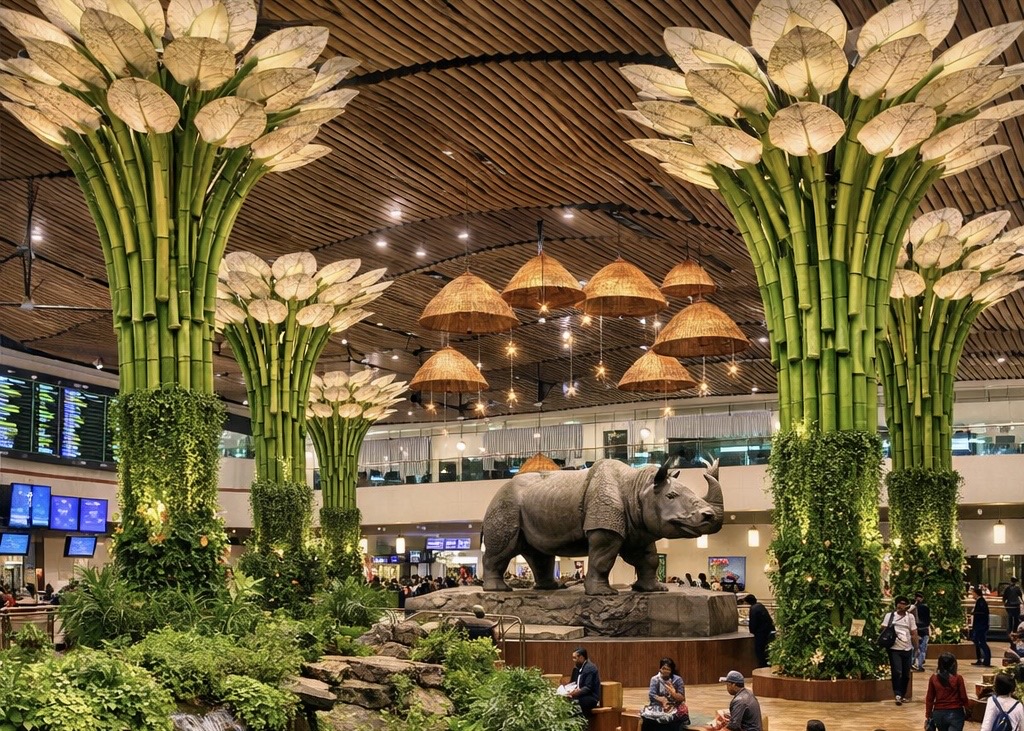
Adani Airport Holdings has moved away from earlier ambitions of overseas expansion and is now concentrating its efforts firmly on extracting deeper value from its domestic airport portfolio. The group’s thinking is straightforward but transformative. Airports are no longer just transport infrastructure. They are high footfall destinations that can be turned into hubs for retail, hospitality, entertainment, logistics, real estate, and digital services, all of which offer higher and more stable margins than traditional aeronautical revenue.
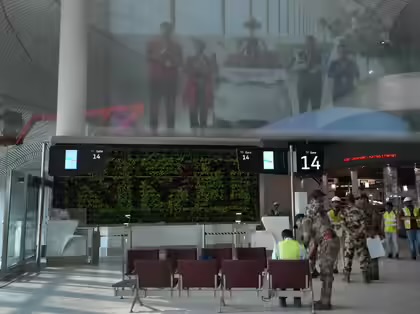
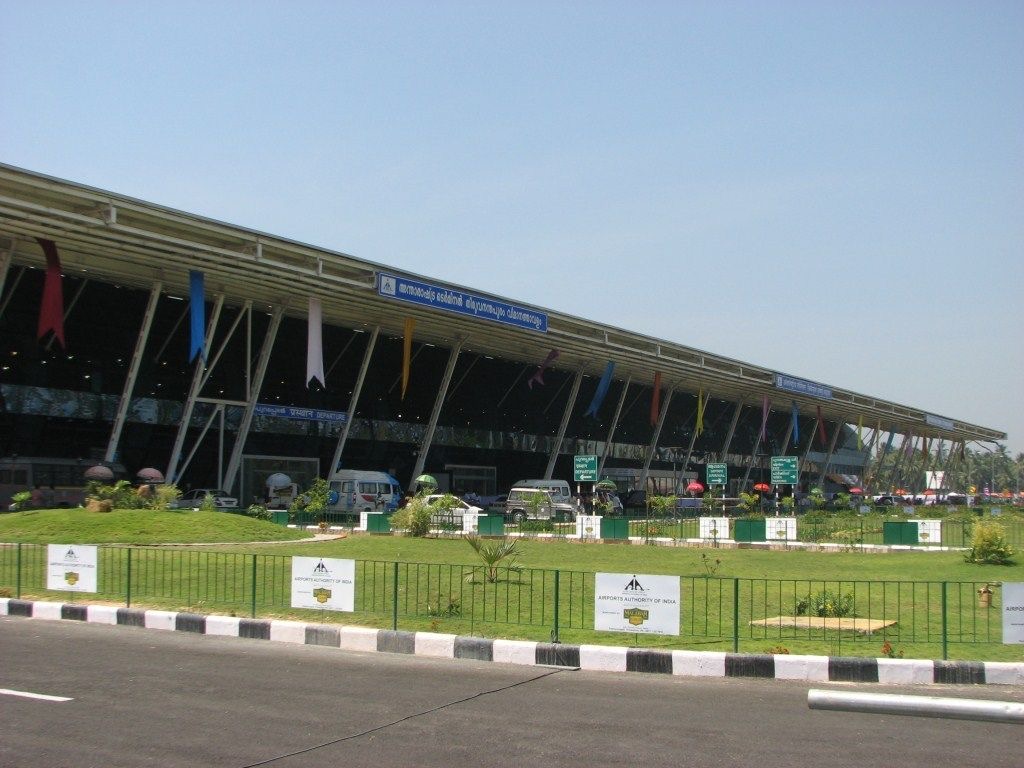
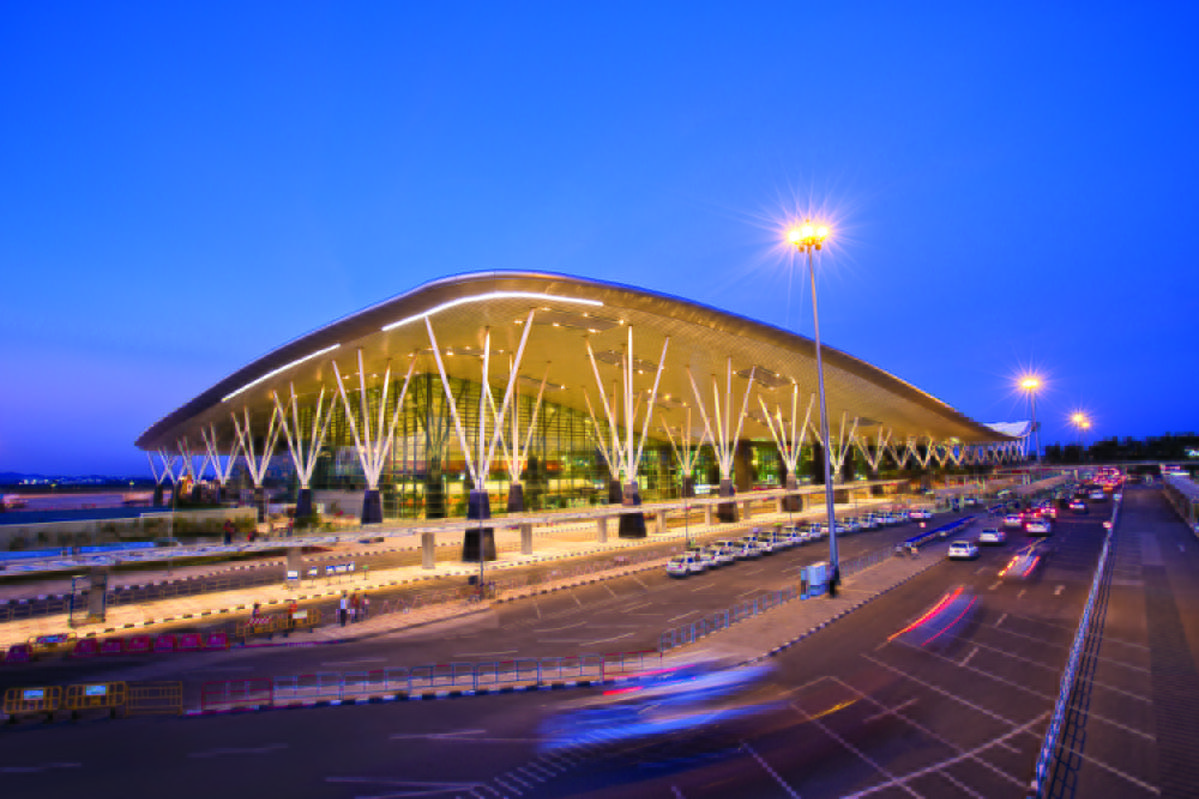
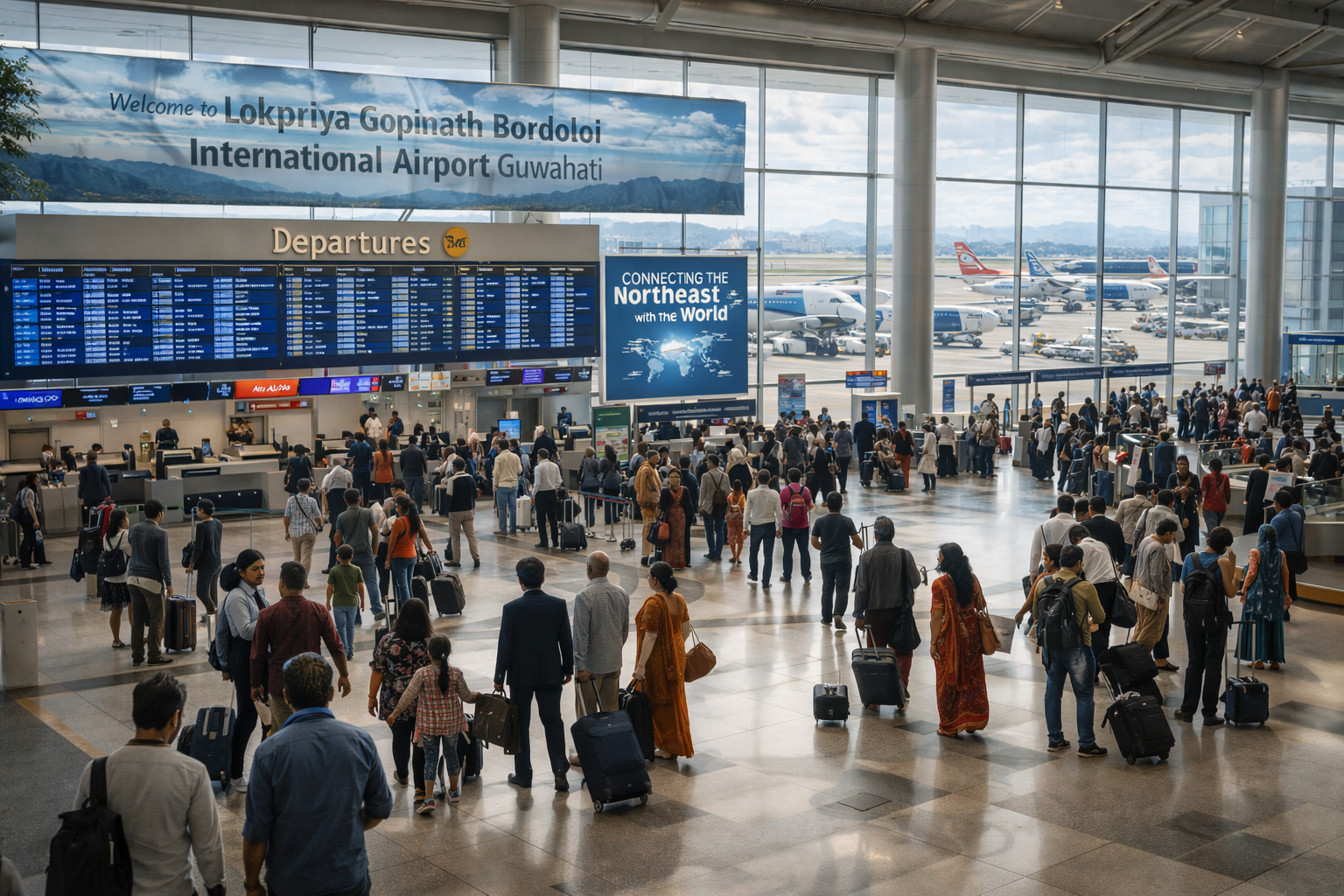
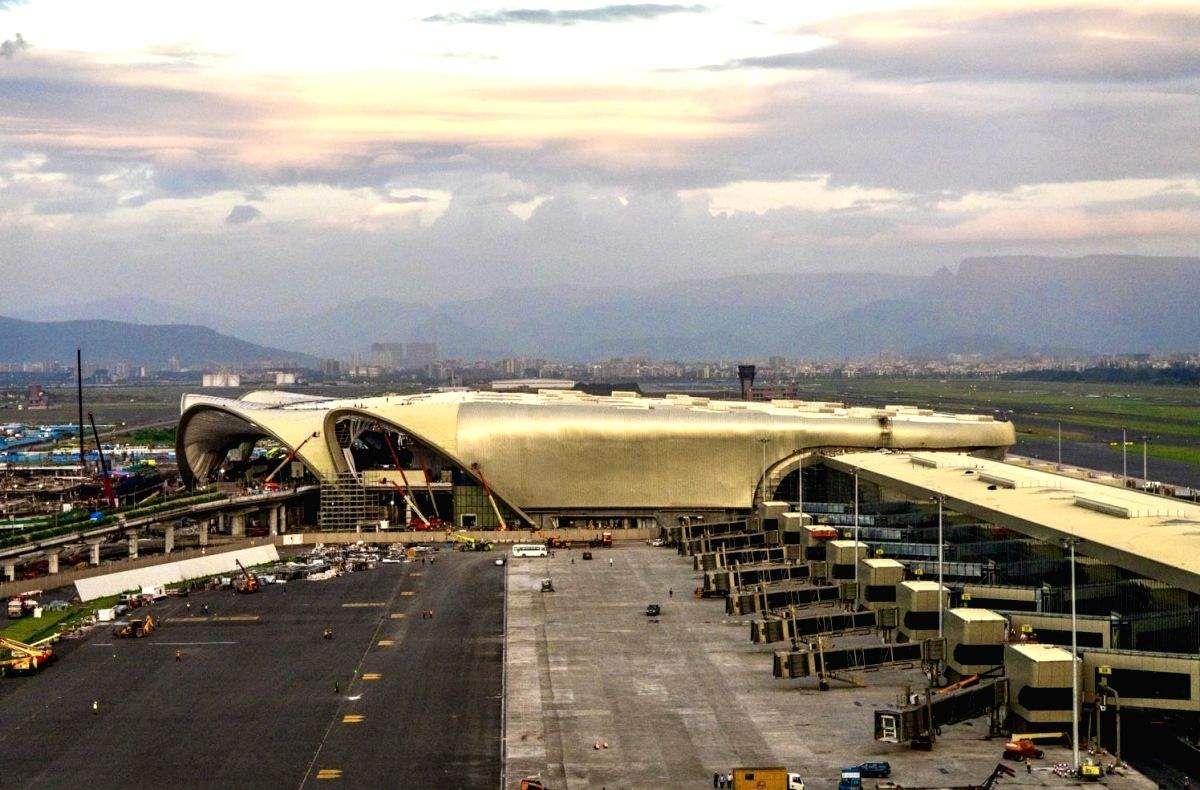
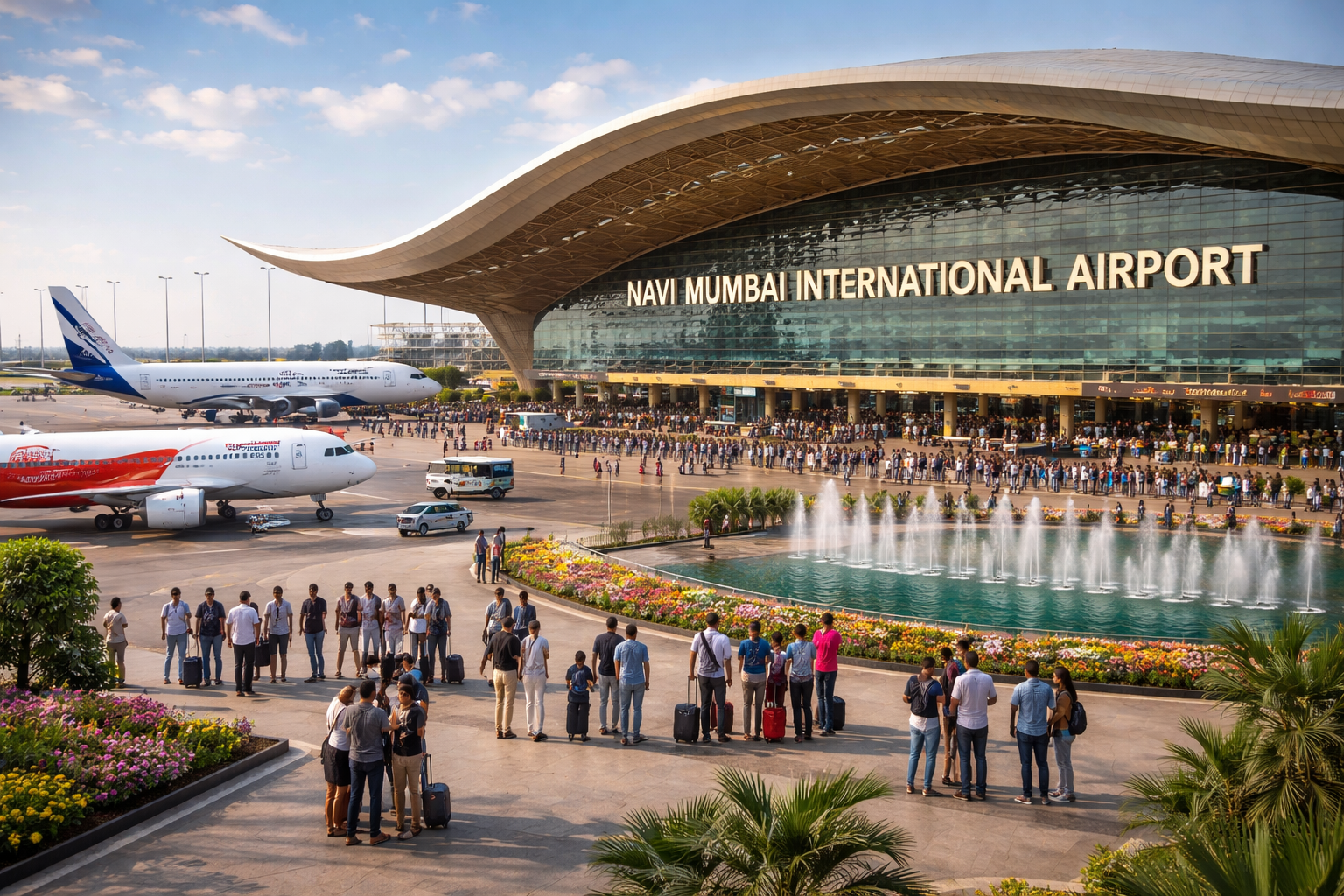
At the heart of this strategy is a strong push toward city-side development. Around several Adani-operated airports, including Ahmedabad, Mumbai, Navi Mumbai, Lucknow, and soon Guwahati, large tracts of land are being planned as mixed-use zones. These developments are expected to house hotels, office spaces, shopping districts, warehouses, and other commercial facilities that can thrive independently of passenger traffic inside the terminal. The aim is to transform airport precincts into self-sustaining economic clusters rather than isolated aviation assets.
One of the key drivers behind this shift is the limited profitability of aeronautical revenue. Charges such as landing fees and passenger service fees are heavily regulated, leaving little room for pricing flexibility. In contrast, non-aeronautical income from retail outlets, food and beverage services, lounges, duty-free stores, and hospitality offerings can deliver significantly higher returns. At present, aeronautical and non-aeronautical revenues at Adani-run airports are roughly equal, but the group’s long-term vision is to tilt this balance decisively in favour of commercial income.
To support this transition, the Adani Group has built a vertically integrated model across its airport operations. By holding majority stakes in joint ventures that manage retail, hospitality, ground handling, and other airport services, the company retains greater control over pricing, customer experience, and operational efficiency. This structure also allows Adani to increase the number of transactions per passenger, turning each traveller’s journey into multiple revenue opportunities rather than a single ticket-linked interaction.
Digital strategy plays a growing role in this playbook as well. While earlier plans to build a single super app across the group’s consumer businesses have been scaled back, the focus has now shifted to developing digital tools tailored specifically for airports. By using passenger data responsibly, Adani aims to personalise services, improve operational efficiency, and create new monetisation channels, from targeted retail offers to smoother passenger movement through terminals.
Industry observers see this approach as a reflection of global trends, where airports are increasingly positioned as commercial destinations rather than mere transit points. For Adani, the bet is that this diversified model will deliver long-term, high-margin income while reducing dependence on volatile airline traffic and regulatory constraints.
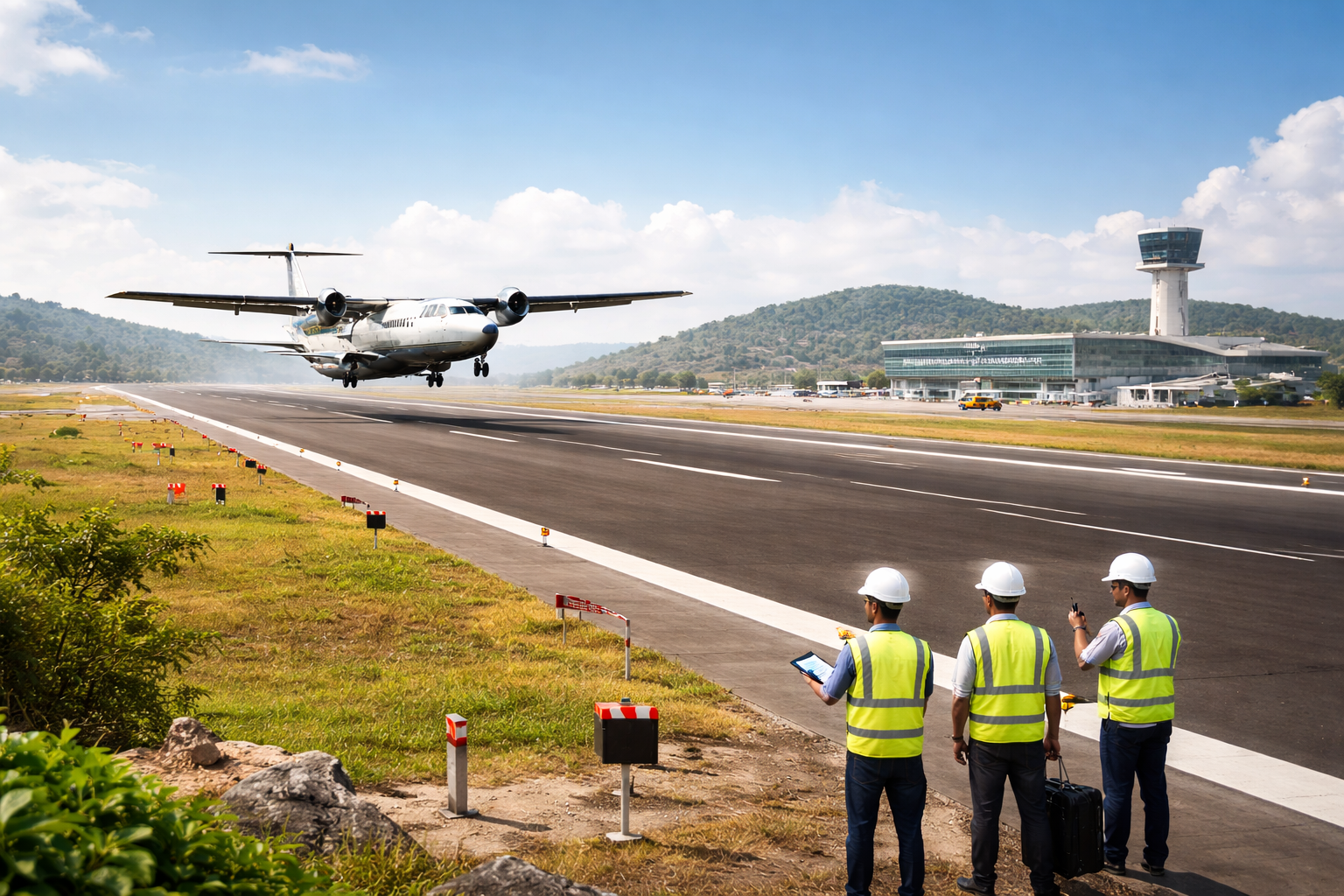
In essence, Adani’s airport strategy signals a fundamental change in how aviation infrastructure is valued. The runway may still be central to operations, but the real business is unfolding beyond it, in shopping zones, hotels, data platforms, and urban developments that turn airports into engines of economic growth rather than just gateways for flights.