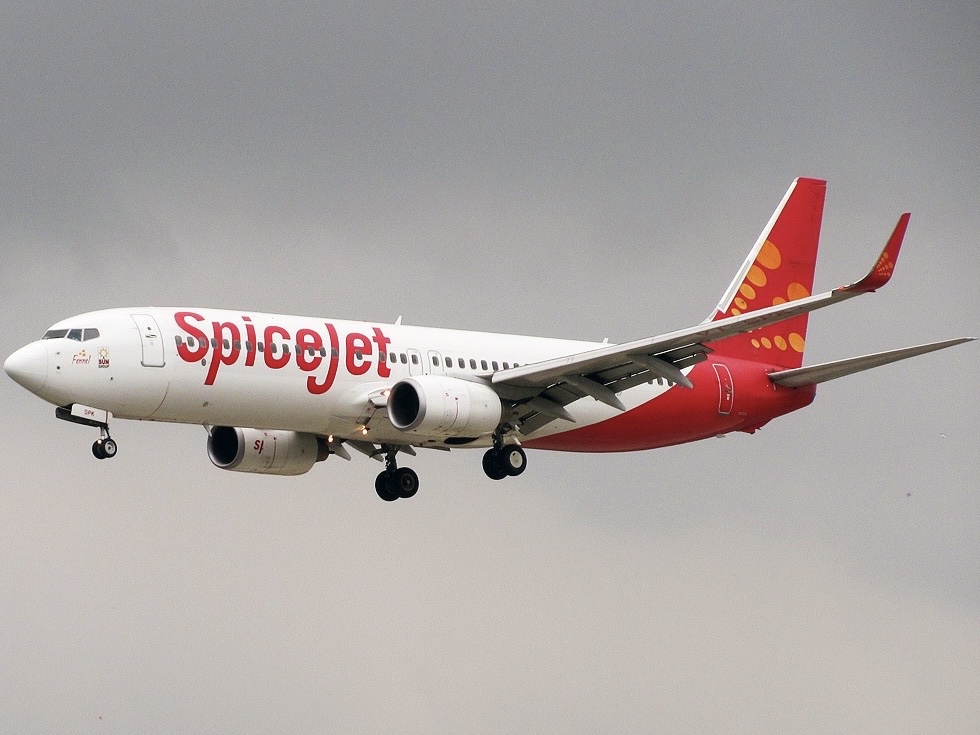

SpiceJet has recorded a significant uptick in its market share, effectively doubling its share in the airline industry as its capacity expansion begins to yield results, airline executives and industry observers say. The increase reflects broader strategic moves by the carrier to add flights, introduce new destinations and deploy more aircraft across both domestic and select international routes as travel demand strengthens.
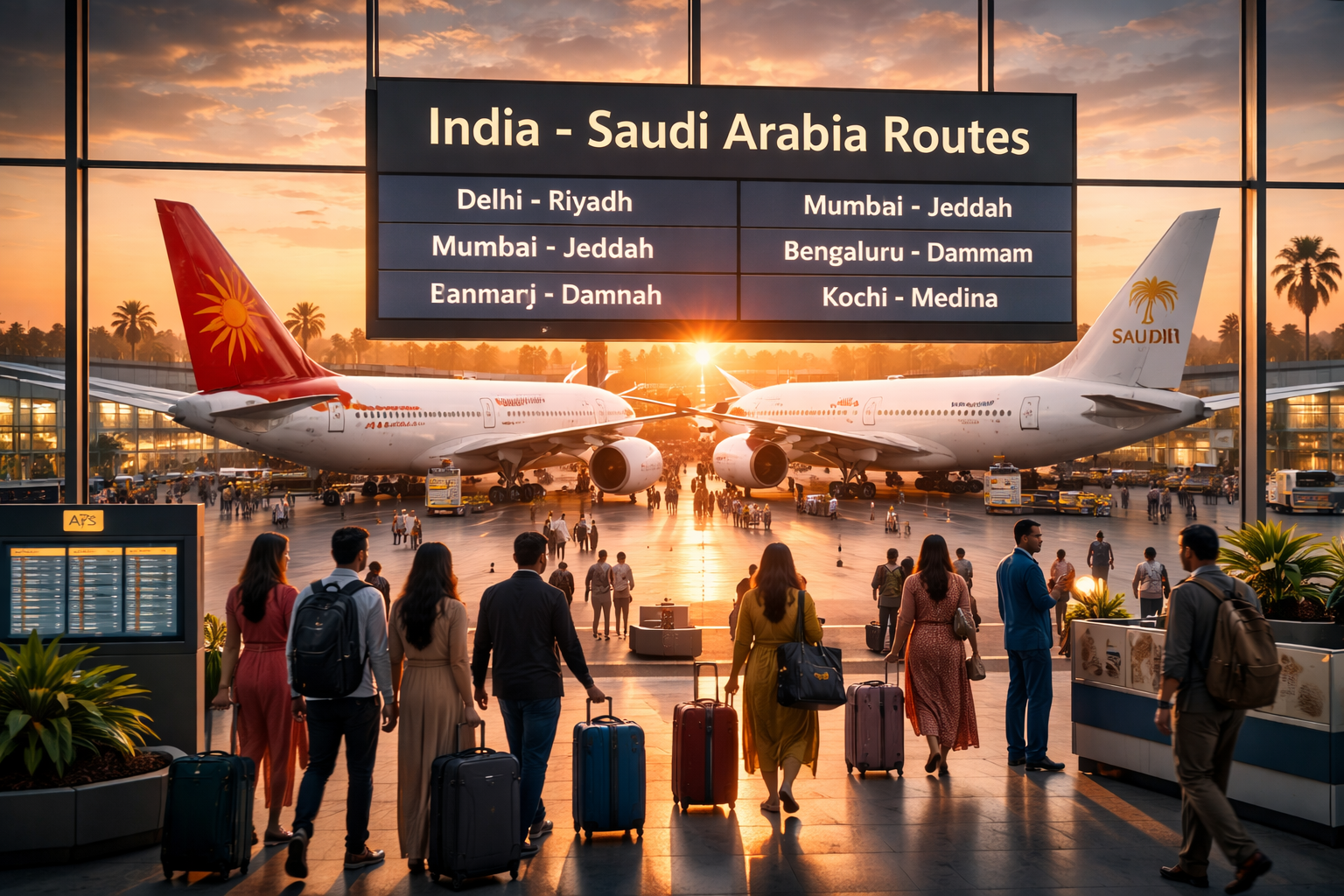
Over recent months, SpiceJet has pursued a deliberate strategy to expand capacity, bringing additional aircraft into service and increasing frequencies on a range of high-demand sectors. The airline’s network planning has focused on busy domestic corridors as well as key international links that connect Indian cities with major hubs in the Middle East, Southeast Asia and other regions. By offering more seats and flight options, the airline has been able to attract a broader base of travellers and capture market share from competitors.
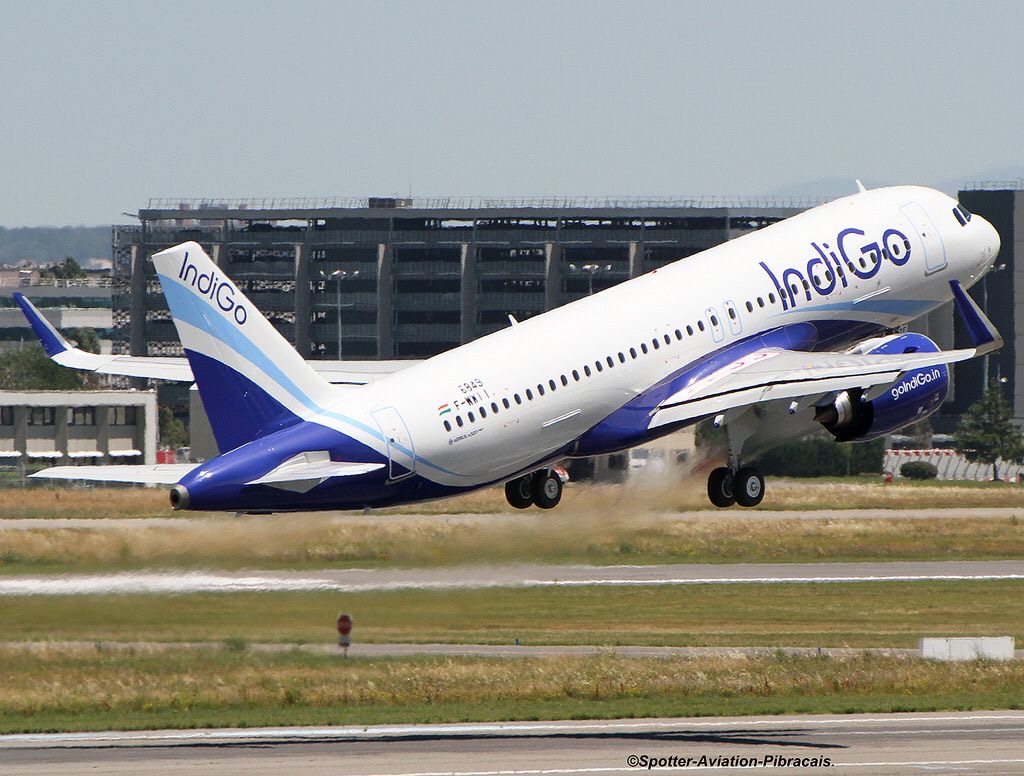
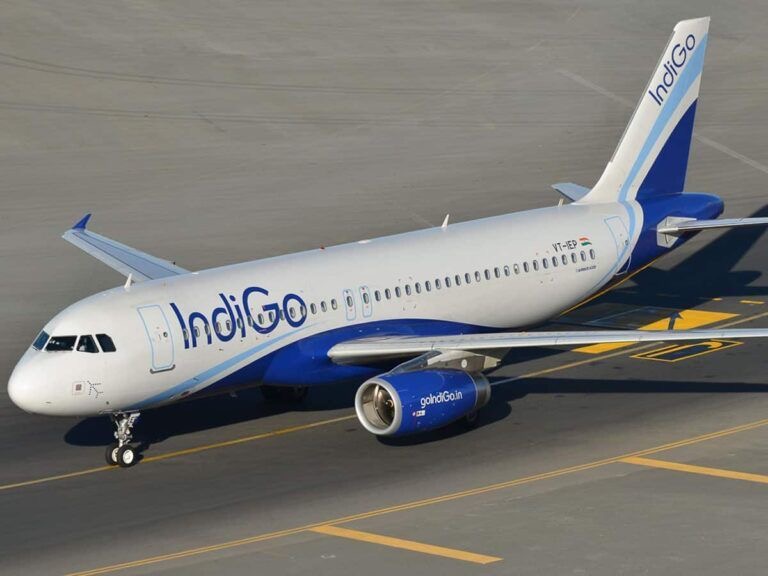
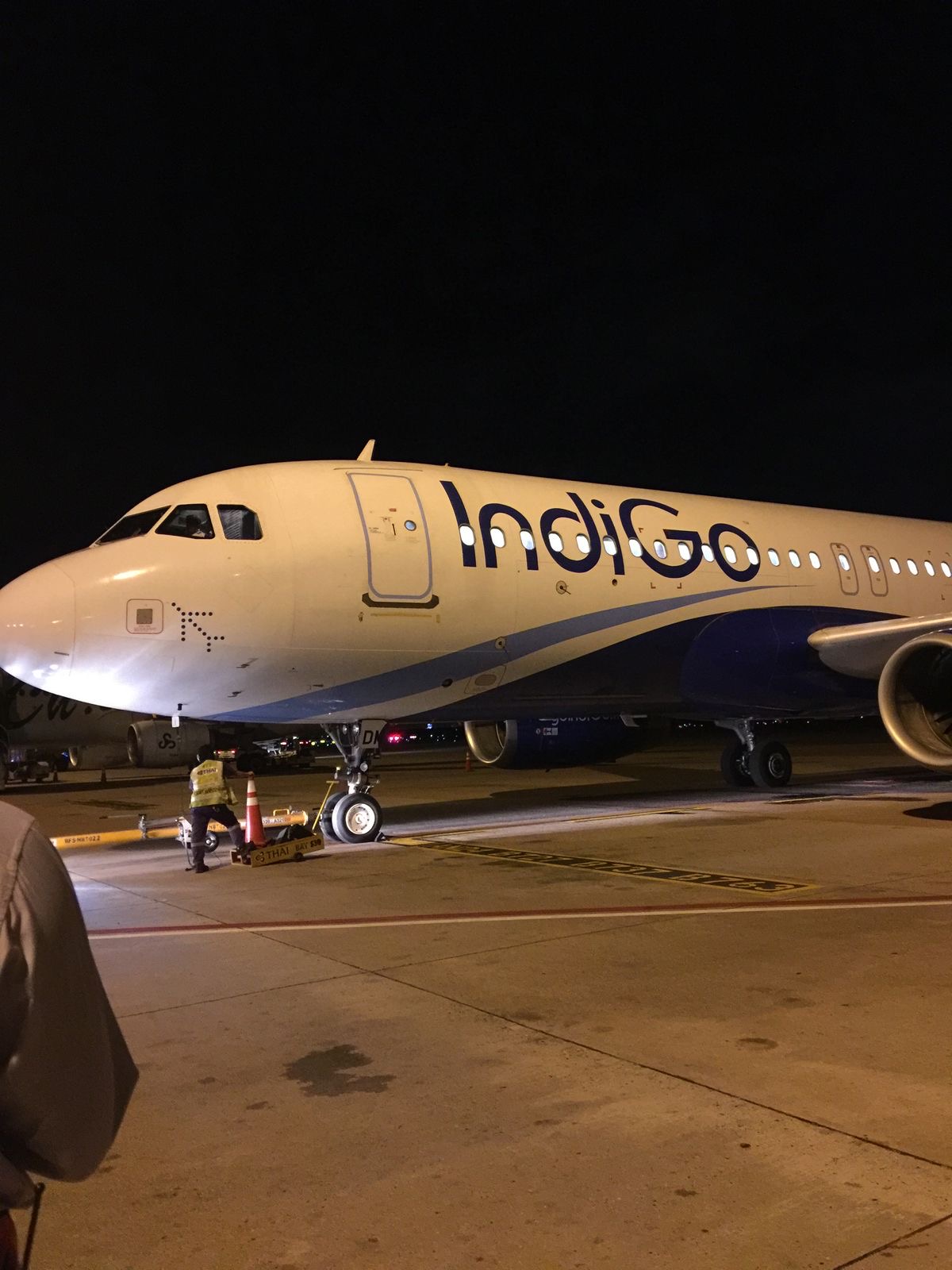
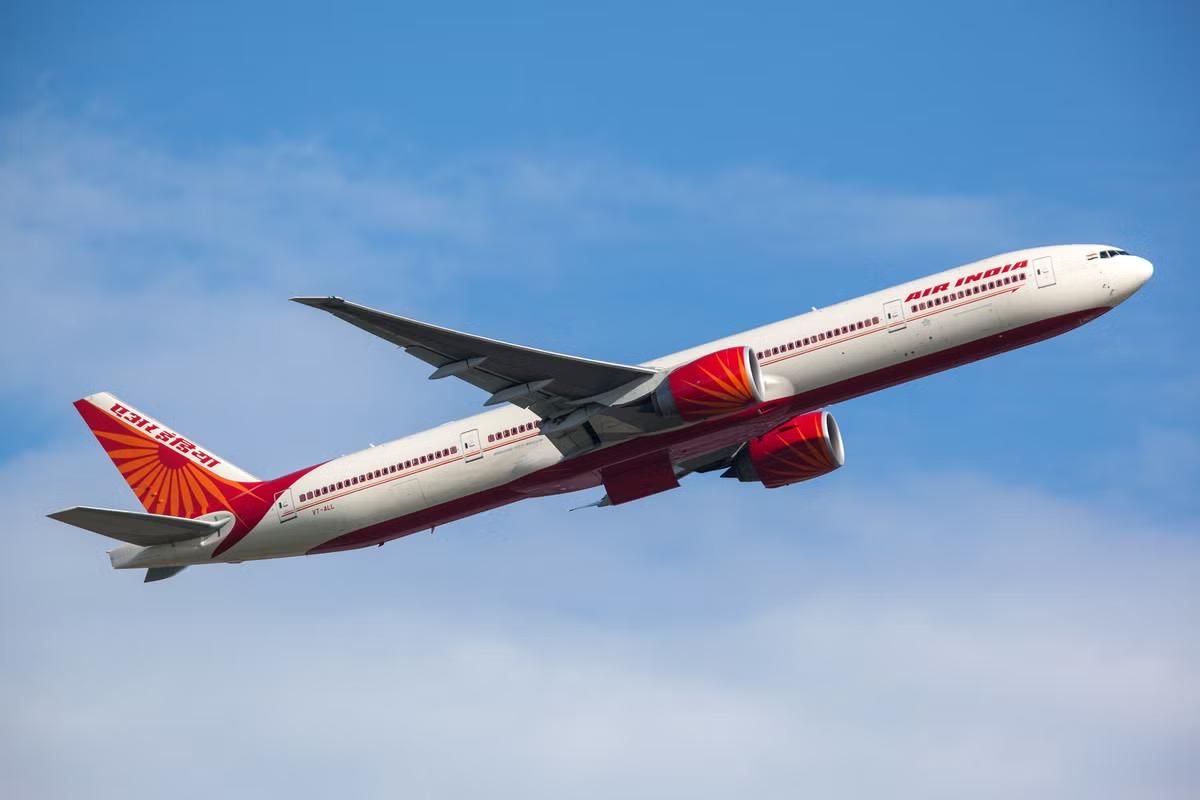
A key part of this growth has been fleet expansion. SpiceJet has taken delivery of leased and owned aircraft that support increased operations while enabling flexibility in scheduling. The carrier’s fleet configuration, which includes narrowbody aircraft suited for short and medium haul flying, aligns well with both domestic point-to-point demand and regional international sectors. The ability to deploy aircraft efficiently and schedule multiple daily frequencies has contributed to higher seat capacity and greater visibility in the market.
Industry analysts say that doubling market share in a competitive environment underscores SpiceJet’s operational momentum as well as its ability to respond nimbly to travel demand trends. With India’s civil aviation market among the fastest growing in the world, airlines that can expand judiciously while maintaining cost discipline and schedule reliability are well positioned to benefit.
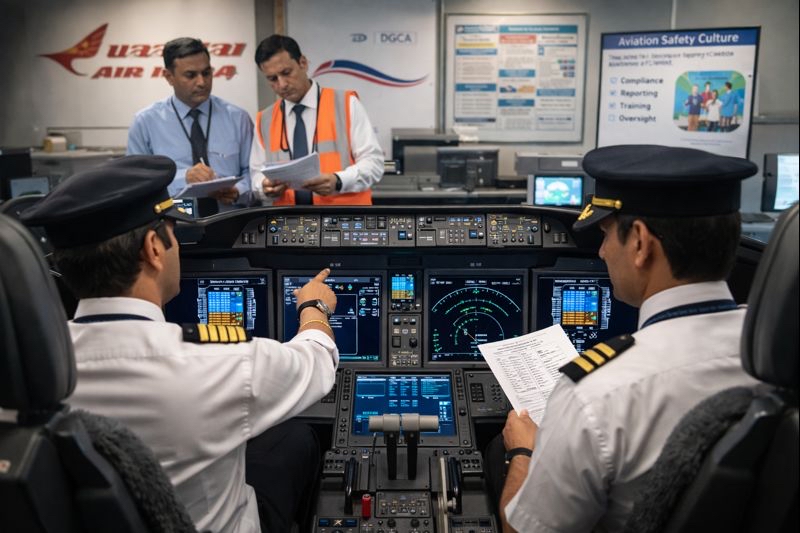
SpiceJet’s leadership highlighted that the airline’s strengthened market presence has been supported by coordination between commercial planning, crew management and ground operations teams. Managing rapid capacity growth requires careful alignment of resources, including flight crew availability, maintenance planning and airport slots, all of which are critical levers in ensuring that additional capacity translates into reliable operations rather than schedules plagued by irregularities.
Part of the airline’s strategy has also included seasonal and strategic promotions that encourage travellers to choose SpiceJet on competitive routes. Marketing initiatives combined with dynamic pricing models have helped attract both leisure and business flyers, contributing to load factors that underpin revenue strength.
While capacity expansion can increase costs in the short term, analysts note that if it leads to stronger market share, higher yields and improved load factors, the longer term financial outlook improves. A larger share of market traffic gives airlines more bargaining power with service providers, slot authorities and lessors, and can open up additional revenue streams through ancillary services such as baggage fees, seat selection and in-flight sales.
SpiceJet’s market share gains also mirror broader industry trends in India, where passenger volumes have surged following a rebound in tourism and business travel. Domestic travel has remained resilient, and international sectors are regaining momentum as global boundaries re-open and passenger confidence returns. In this environment, airlines that are expanding strategically can capture incremental demand while refining route economics and operational practices.
Despite the strong performance, industry watchers caution that maintaining market share gains will require continued focus on cost efficiency, punctuality and service quality. Passenger expectations have evolved, and consistent reliability in flight operations is critical to retaining customer loyalty in markets where travellers have multiple airline choices.
SpiceJet has indicated that it intends to maintain its capacity growth trajectory while also prioritising operational stability. Improved reliability, enhanced customer communication and ongoing network optimisation were cited by airline executives as priorities alongside capacity gains.
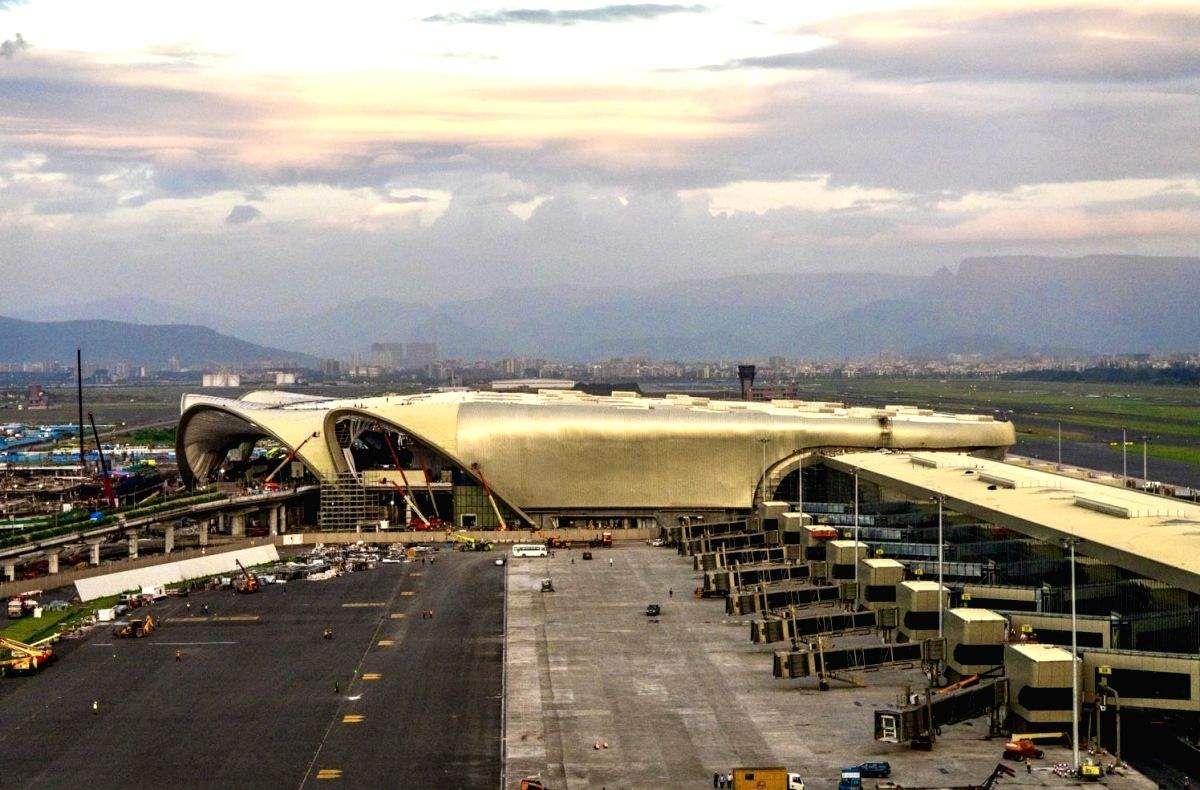
For passengers, the increased presence of SpiceJet in key markets may translate into more flight options, varied departure times and potentially more competitive fare choices. As Indian aviation continues to evolve with new aircraft orders, airport infrastructure development and rising travel demand, carriers like SpiceJet see opportunity in capturing a larger share of passenger traffic.
The airline’s performance in doubling its market share highlights the dynamic nature of India’s aviation sector and the potential for agile carriers to expand their footprint while adapting to demand patterns and competitive conditions. Continued monitoring of load factors, route performance and customer satisfaction will shape how SpiceJet sustains and builds on its recent gains in the months ahead.