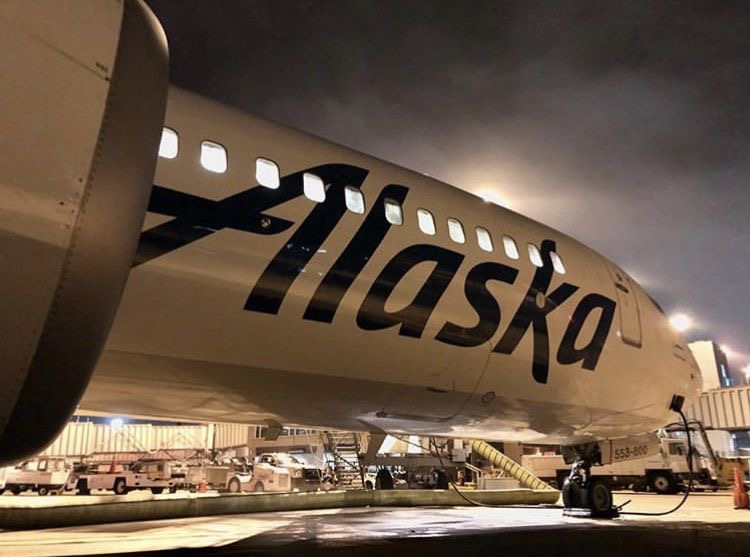
Alaska Airlines is navigating a challenging period as a sudden surge in flight attendant illnesses sweeps through its workforce, creating widespread disruptions to its flight schedule. The airline experienced one of the highest numbers of sick calls in its history over a recent weekend, triggering a ripple effect across its network of domestic routes and placing pressure on its ability to operate flights on time and without interruption.
Flight attendants are essential to the safe and compliant operation of any commercial flight, and when a large percentage of the cabin crew is unavailable due to illness, carriers must scramble to adjust rosters and flight plans. Alaska Airlines found itself in exactly this predicament when more than five hundred flight attendants called in sick during a critical staffing period. The numbers overwhelmed the airline’s reserve pool and immediately impacted its daily flying schedule.
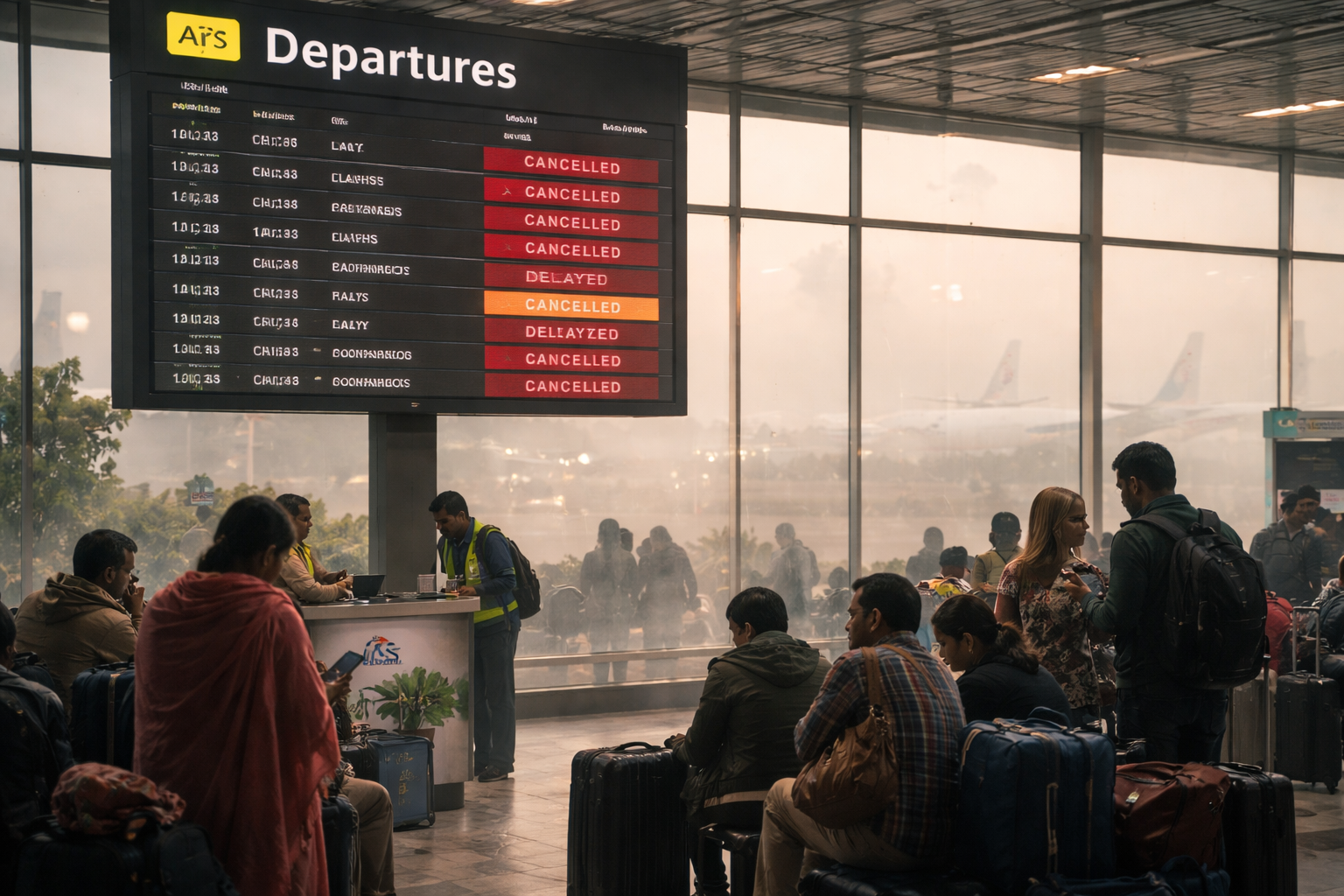
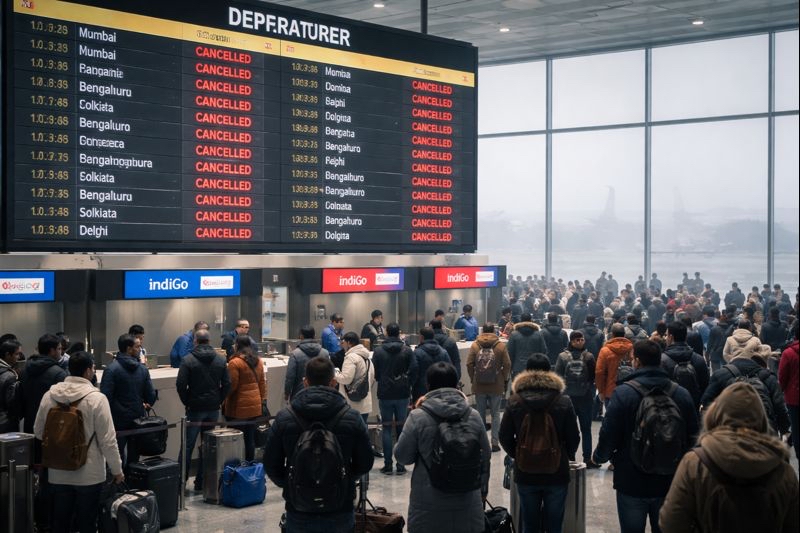
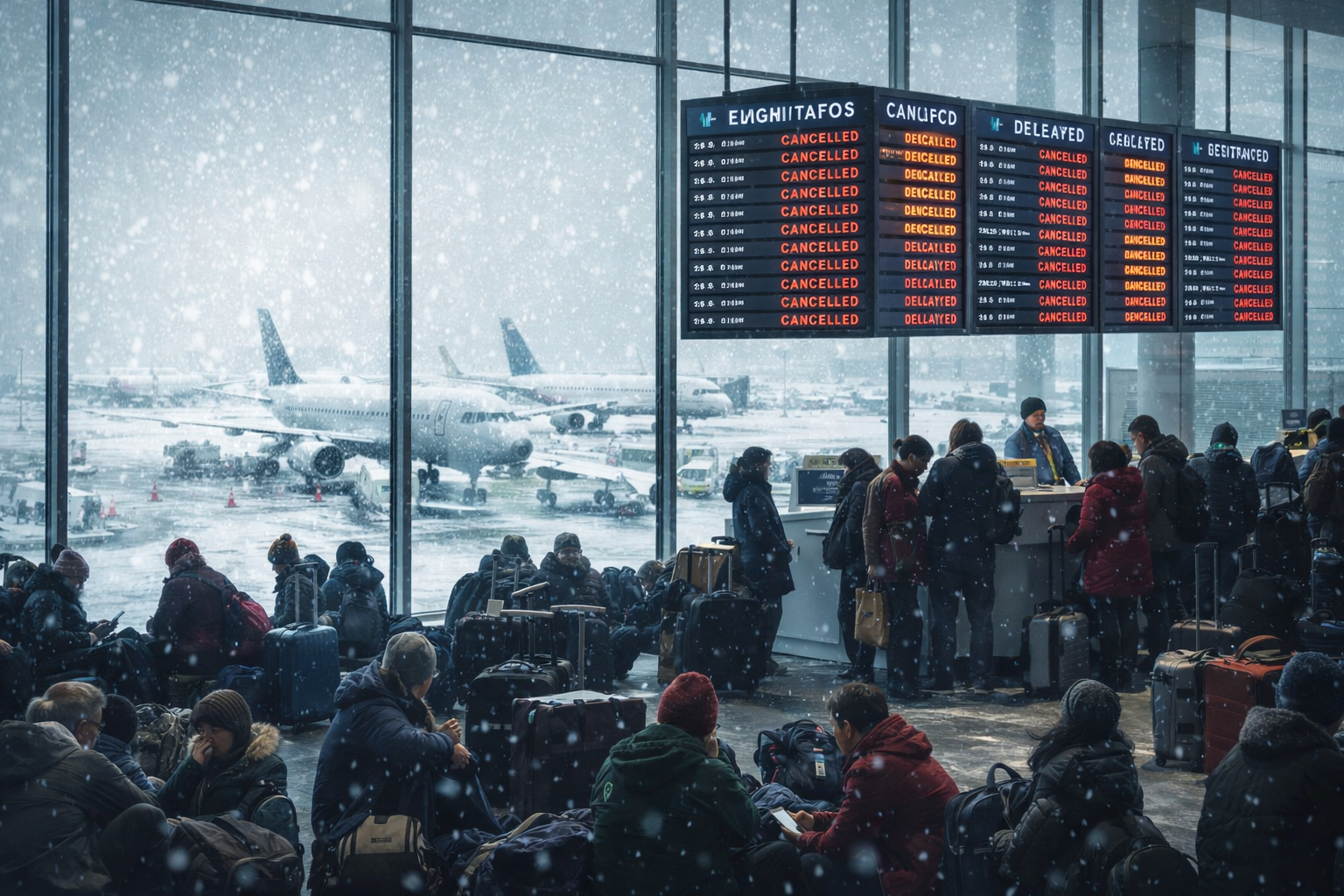
With regulatory requirements stipulating that each flight must have a minimum number of qualified attendants, the airline was forced to cancel and delay dozens of flights as scheduling teams attempted to reassign staff. While the airline worked around the clock to keep as many flights as possible on schedule, the wave of absences made it difficult to maintain normal operations without significant disruption.
Passengers across multiple airports reported receiving sudden notifications of flight changes, and many experienced lengthy waits for updates. Although Alaska sought to communicate proactively and offer rebooking options, travellers voiced frustration at the uncertainty and delays that accompanied their journeys. Frequent flyers, in particular, noted that the timing of the staffing shortage compounded already busy travel periods.
Alaska Airlines responded by activating contingency staffing plans that included offering incentives for flight attendants on days off to volunteer for duty. The airline also reassigned some reserve crew members and adjusted schedules in an effort to fill critical gaps. Nevertheless, balancing these incentives with strict duty-time and rest requirements presented a delicate challenge for the carrier’s operations team.
Seasonal illness trends are not uncommon in commercial aviation, especially during the winter months when respiratory infections can spike across the general population. In this case, however, the sheer volume of sick calls among flight attendants was unusual and significant enough to test the limits of Alaska’s staffing resiliency plans. Aviation labour experts pointed out that while airlines often prepare for sporadic absences, a coordinated uptick of this magnitude can expose weaknesses in contingency planning.
Industry analysts noted that Alaska’s experience highlights a broader challenge facing airlines worldwide: the need to maintain operational continuity even when concentrated, unexpected workforce shortages occur. In addition to flu and similar illnesses, airlines must now factor in the implications of heightened awareness around health and safety, with crew members more inclined to stay home when experiencing symptoms.
Despite the substantial operational pressure, Alaska’s remaining flight crew demonstrated a high level of professionalism under strain. Many flight attendants and pilots filled in extra duties or adjusted their workflows to keep flights running where possible. Alaska’s leadership also reiterated its commitment to both passenger safety and employee wellness, reassuring the public that health considerations take precedence in all operational decisions.
As the airline continues to monitor the situation and support its affected employees, it also plans to review and strengthen its sickness-coverage strategies for the future. Experts suggest that bolstering reserve rosters, expanding flexible scheduling tools, and enhancing health monitoring programs could help carriers better weather similar challenges down the line. For now, Alaska’s experience stands as a stark reminder of how quickly staffing disruptions can cascade through complex airline operations.