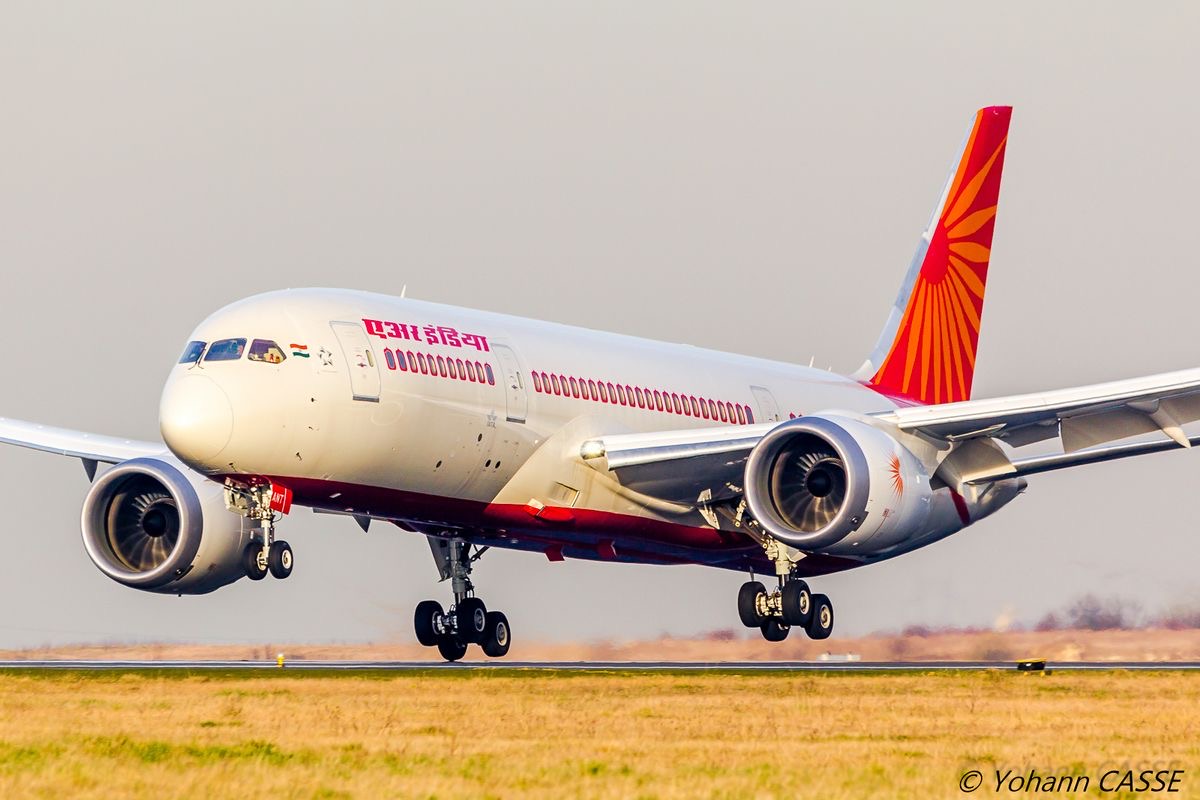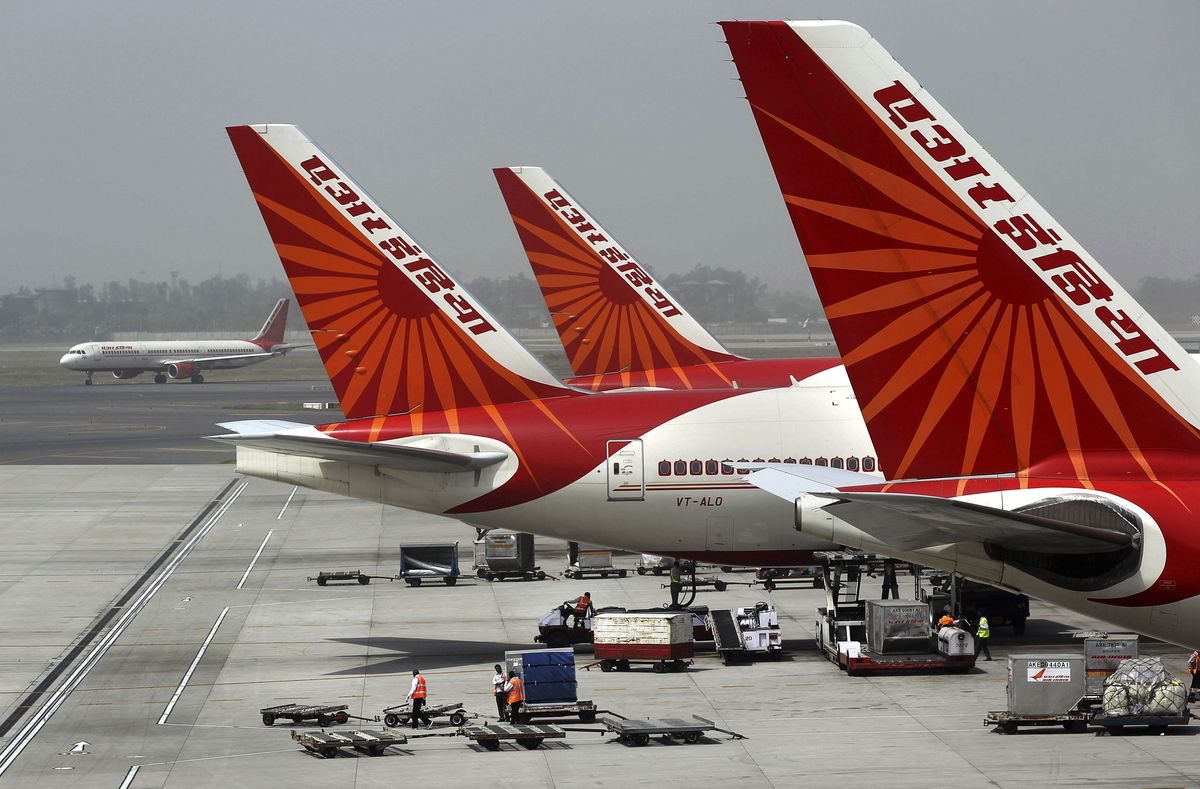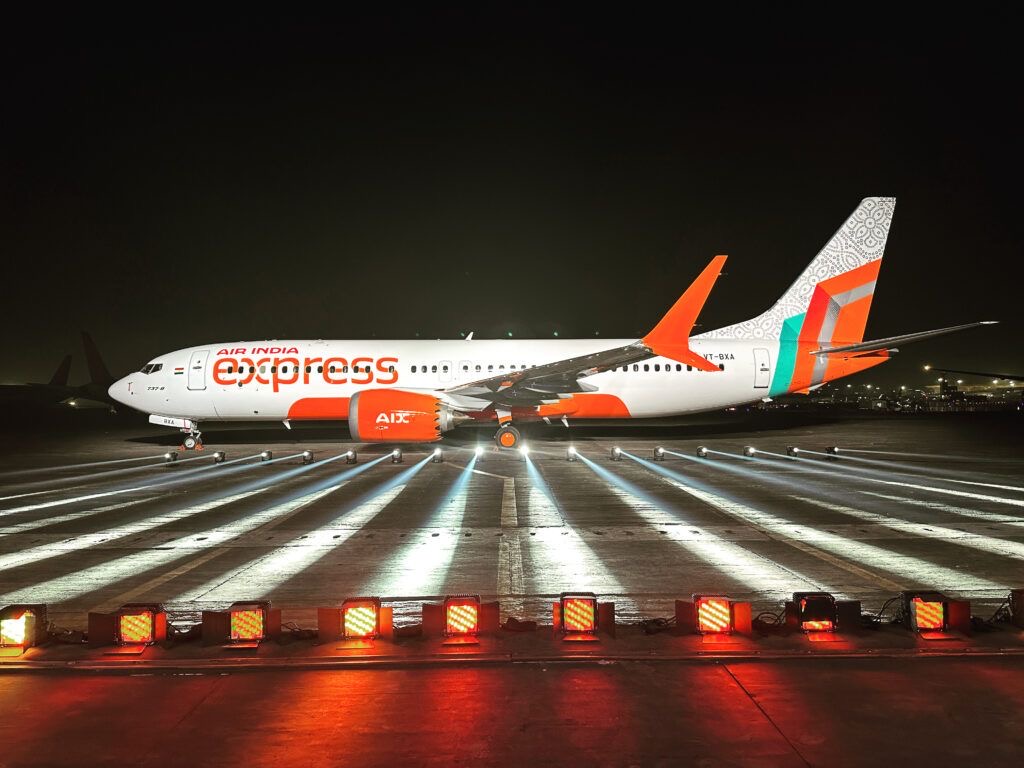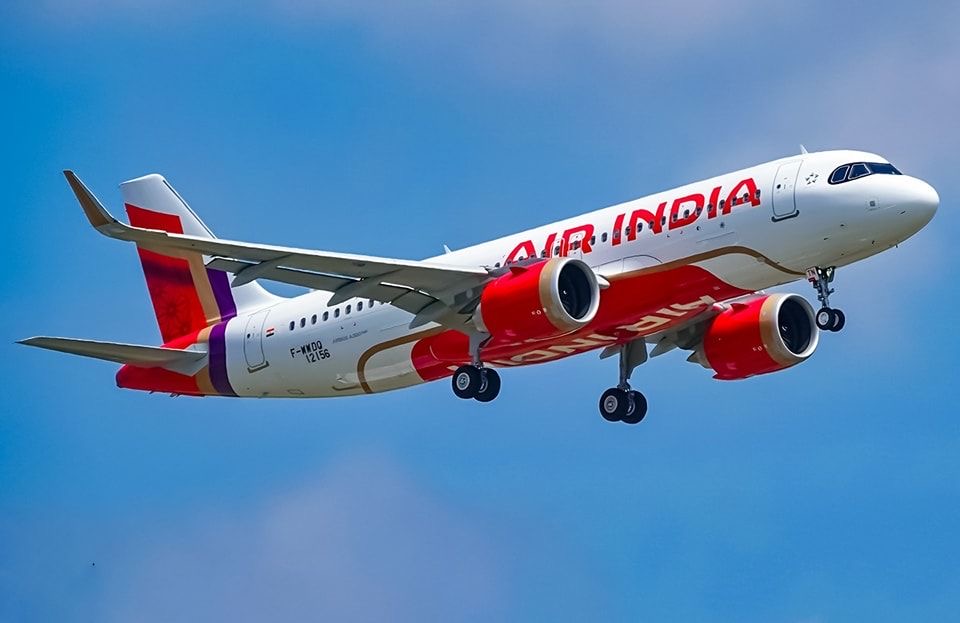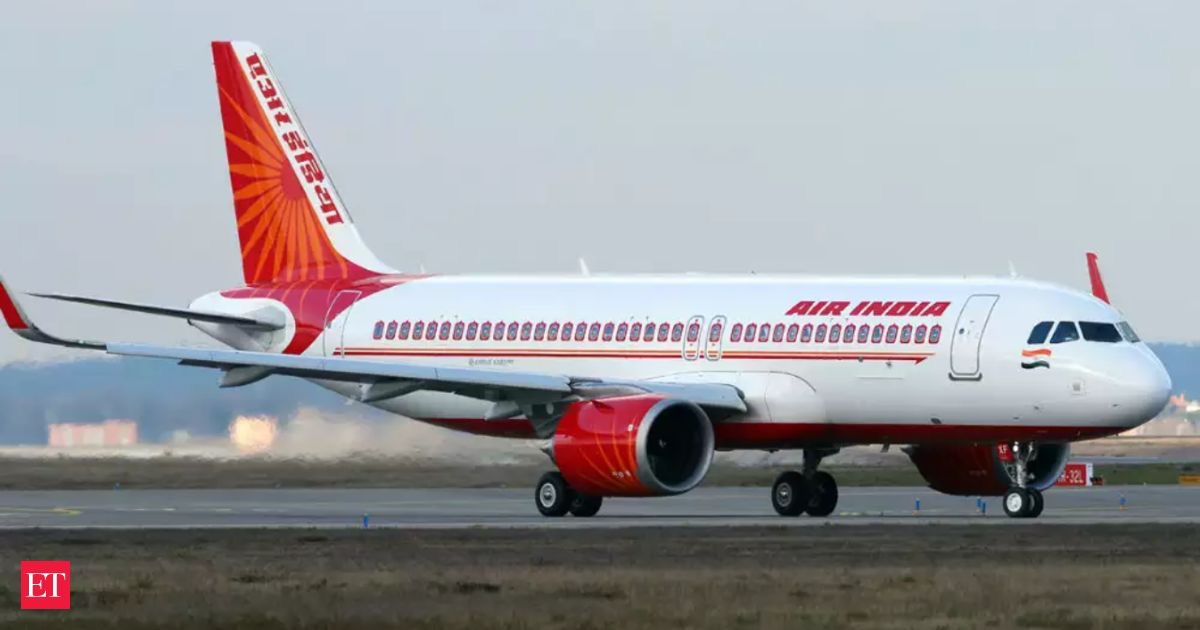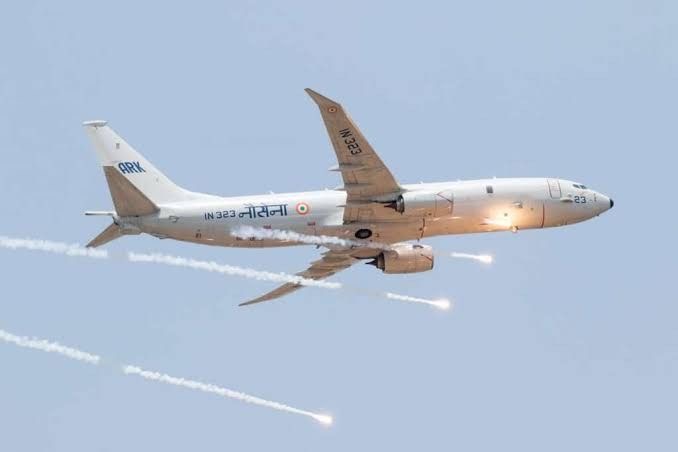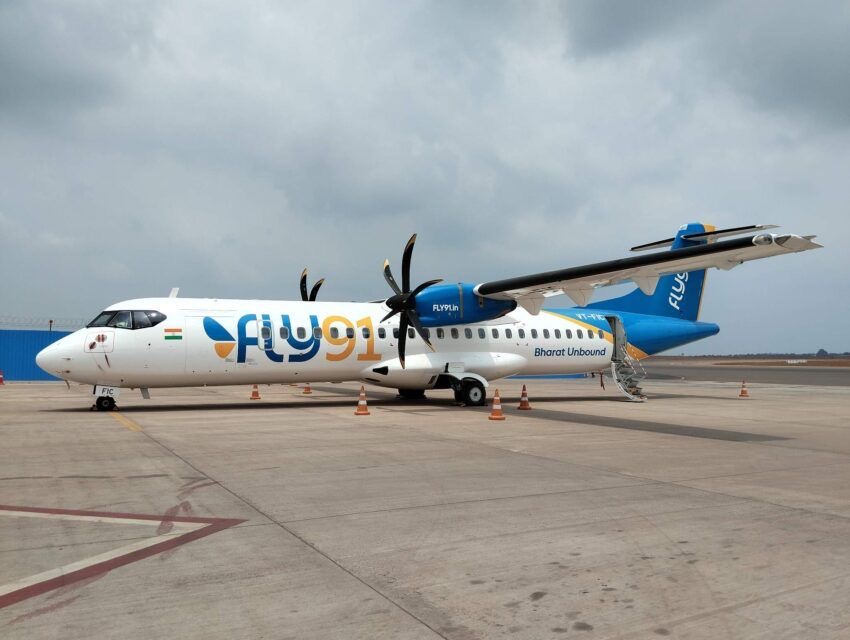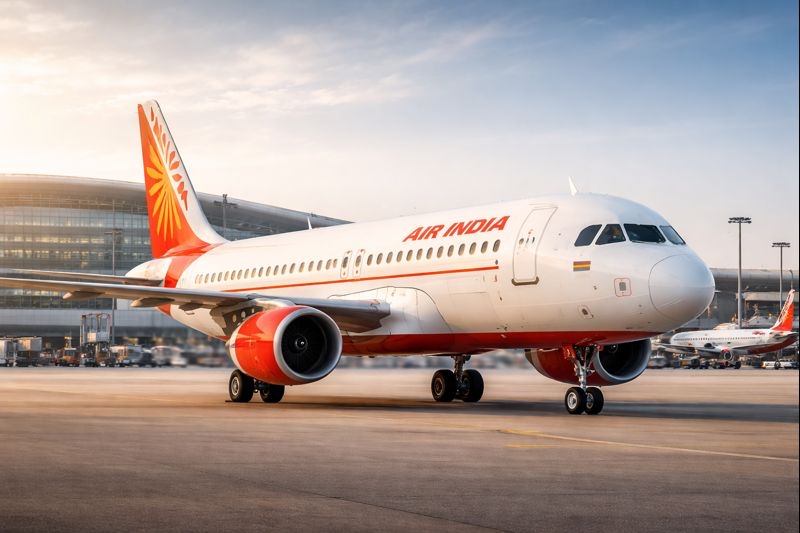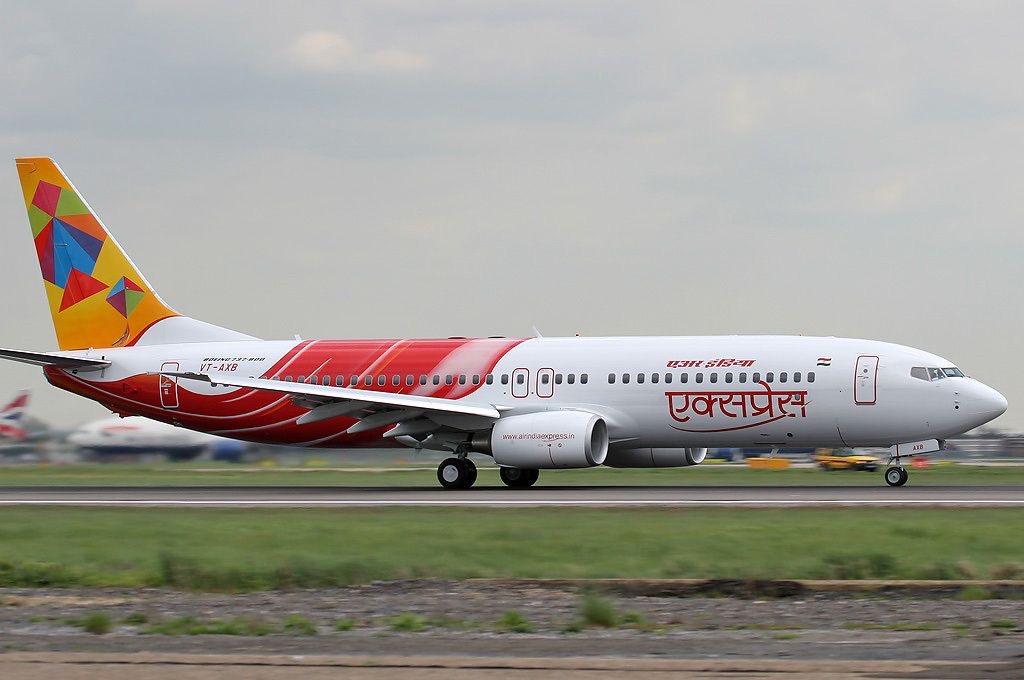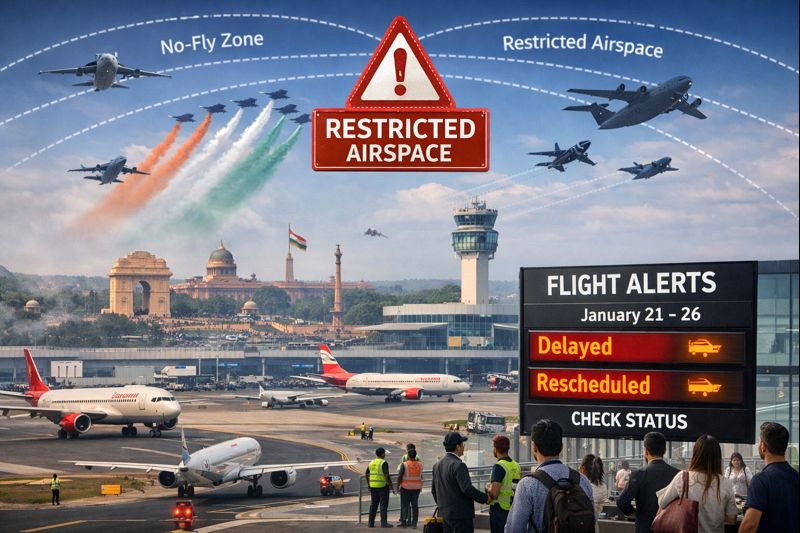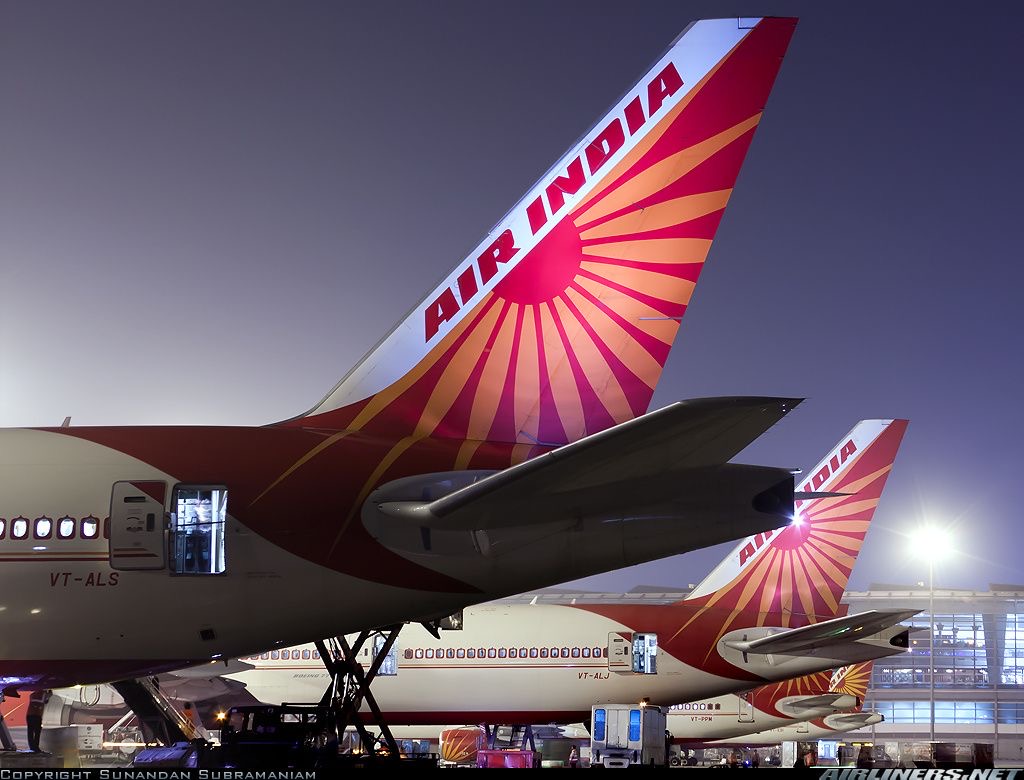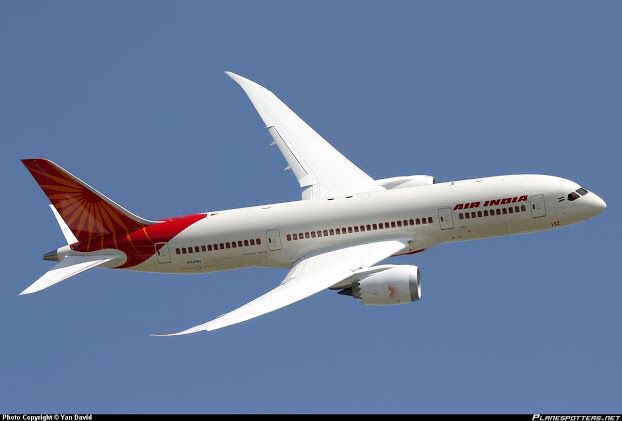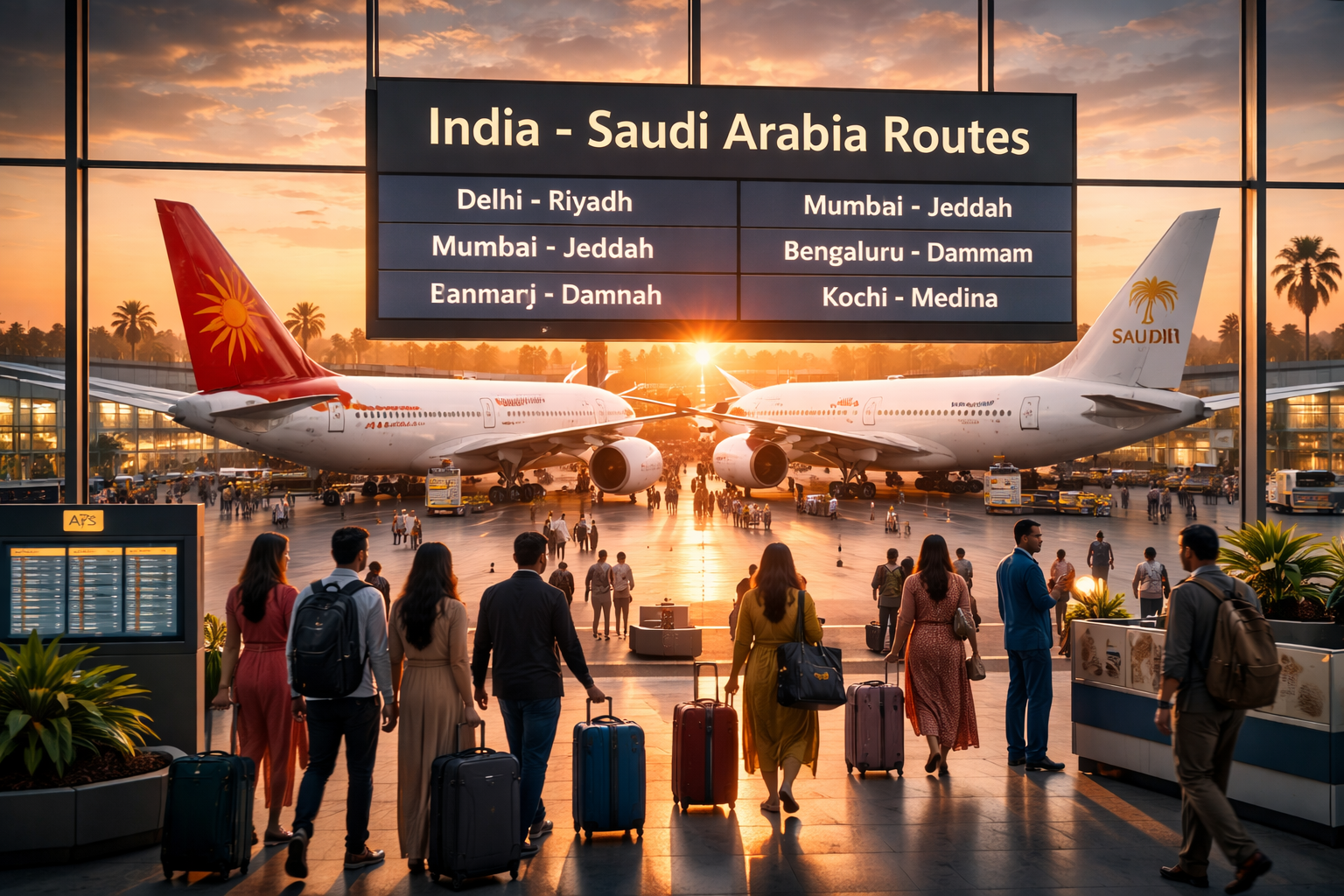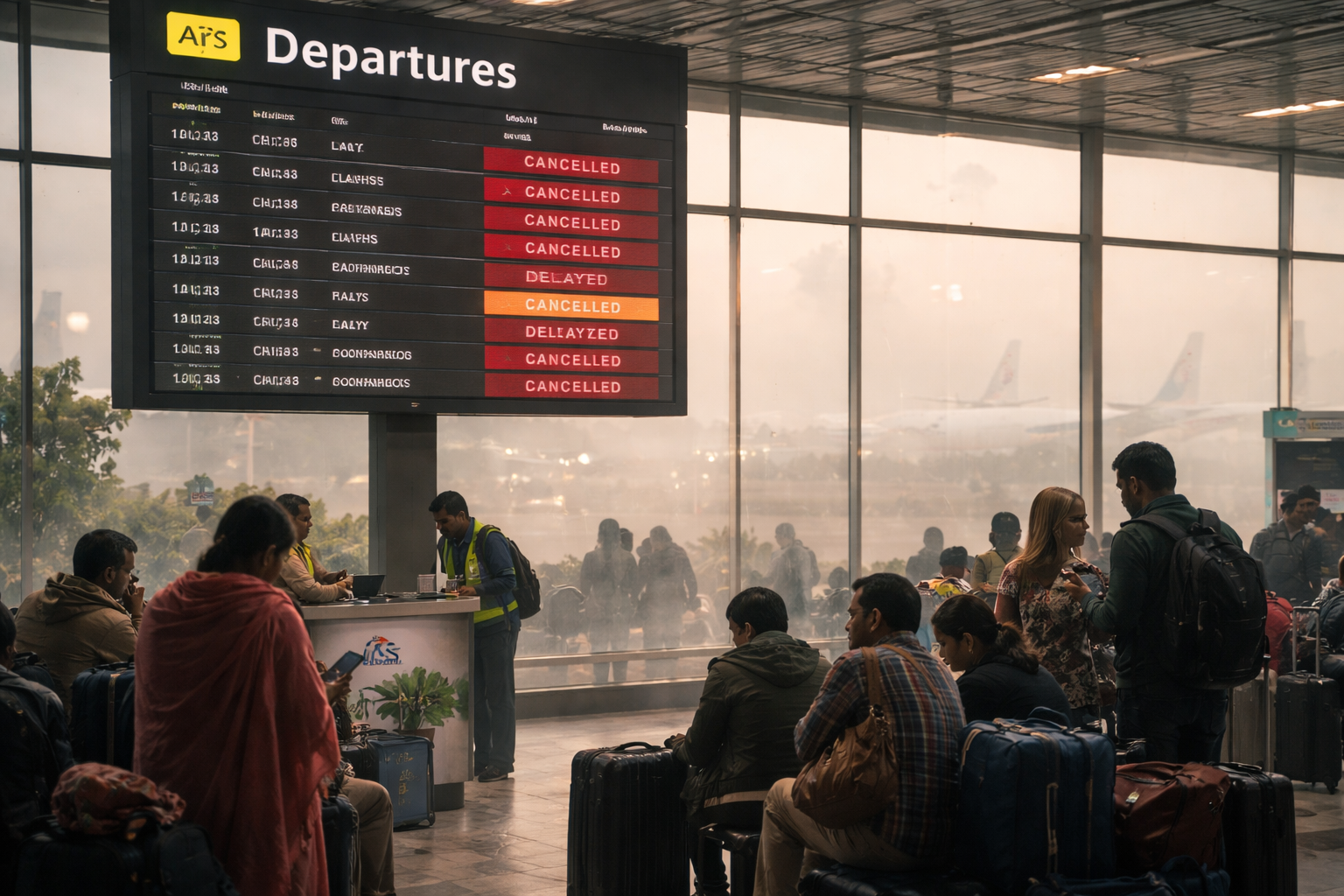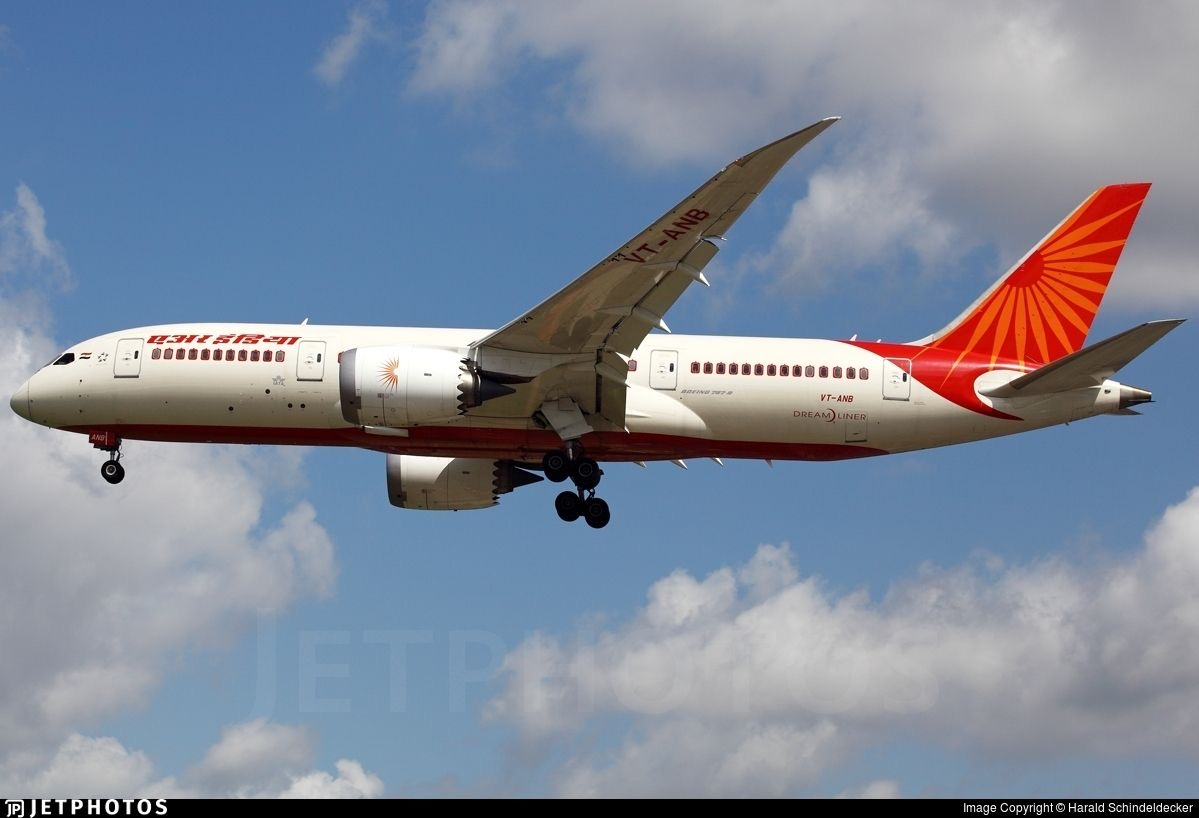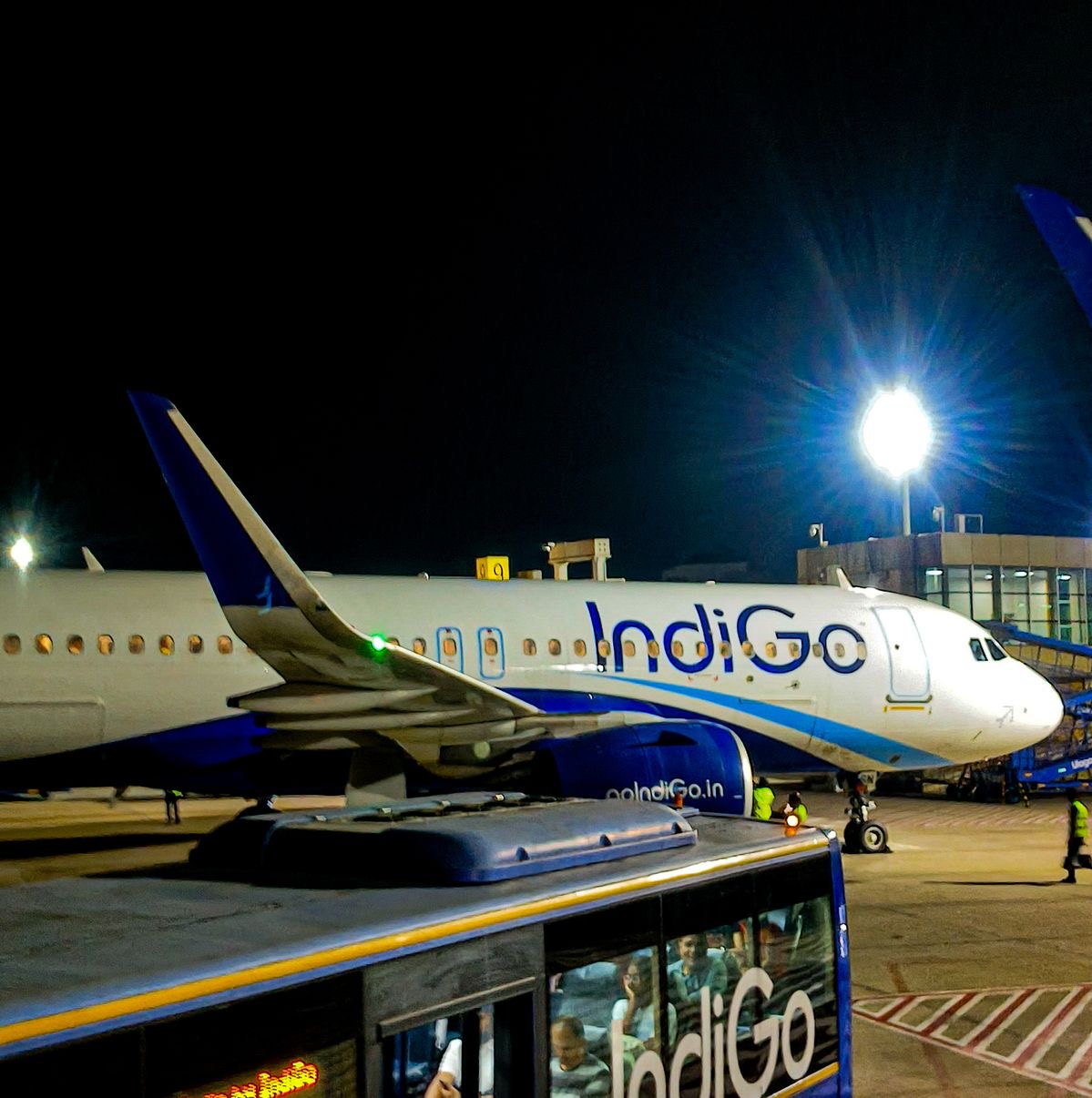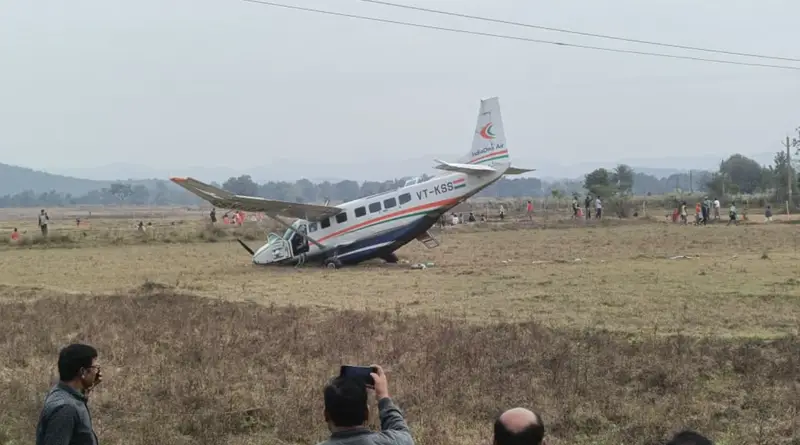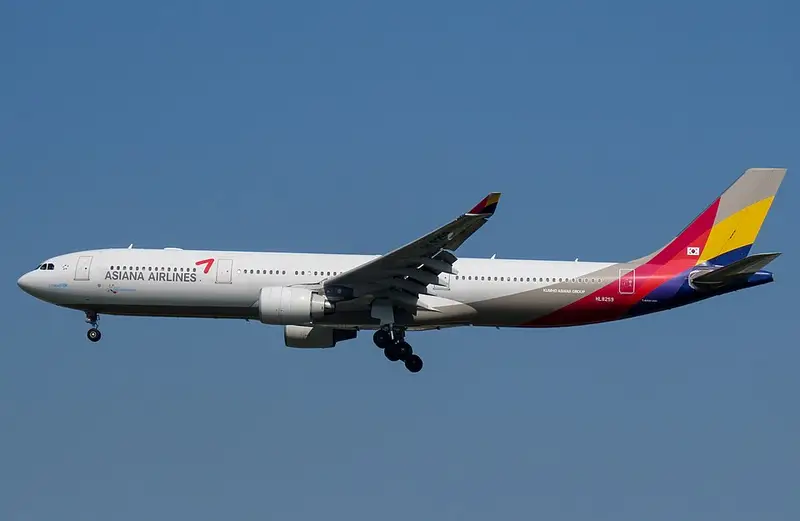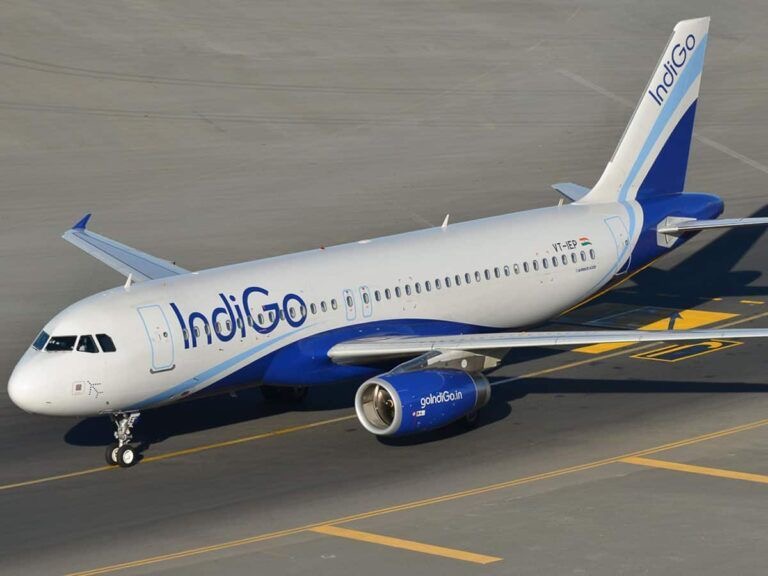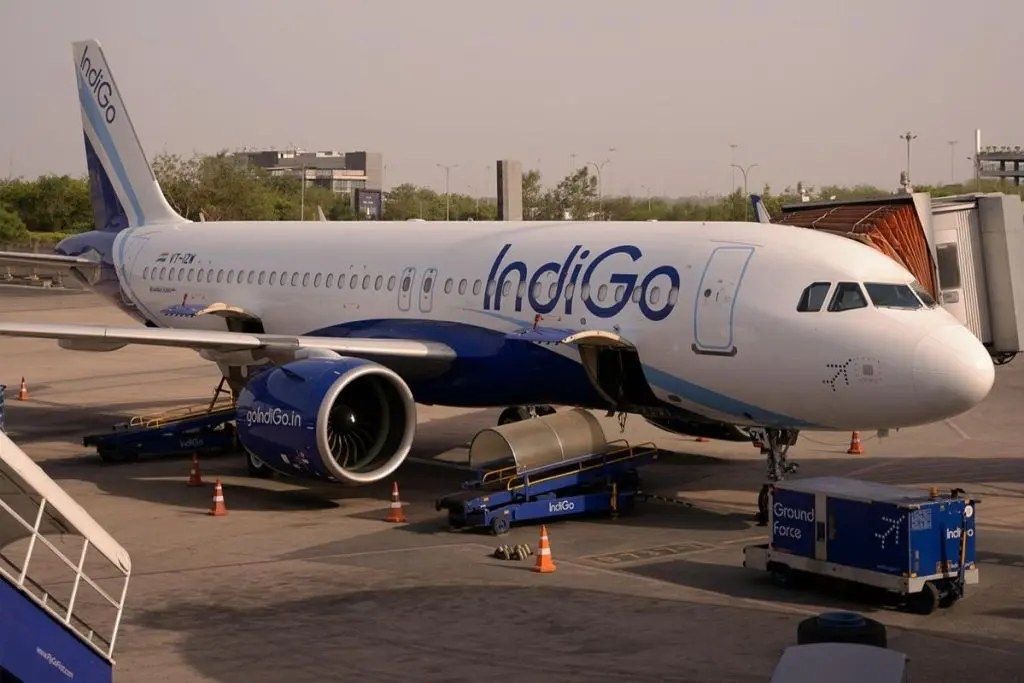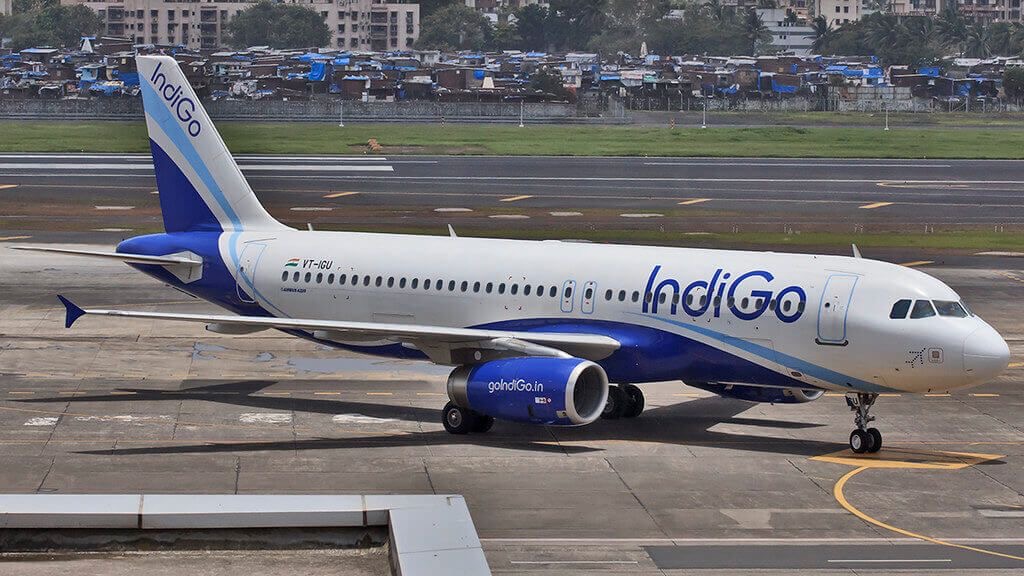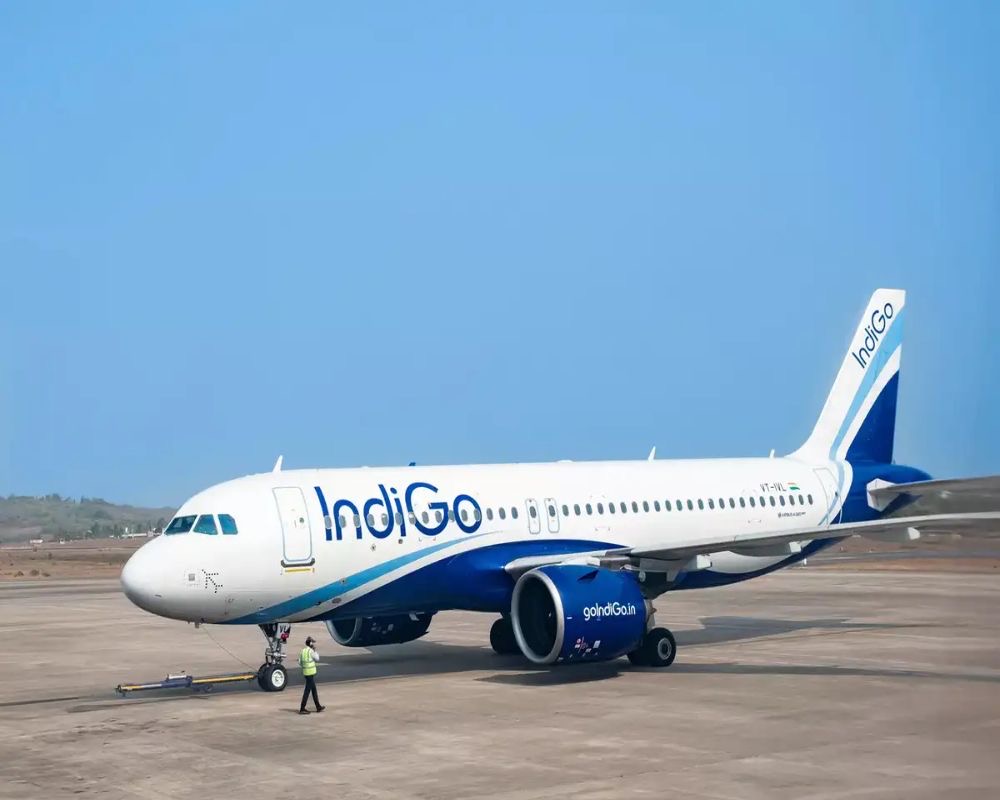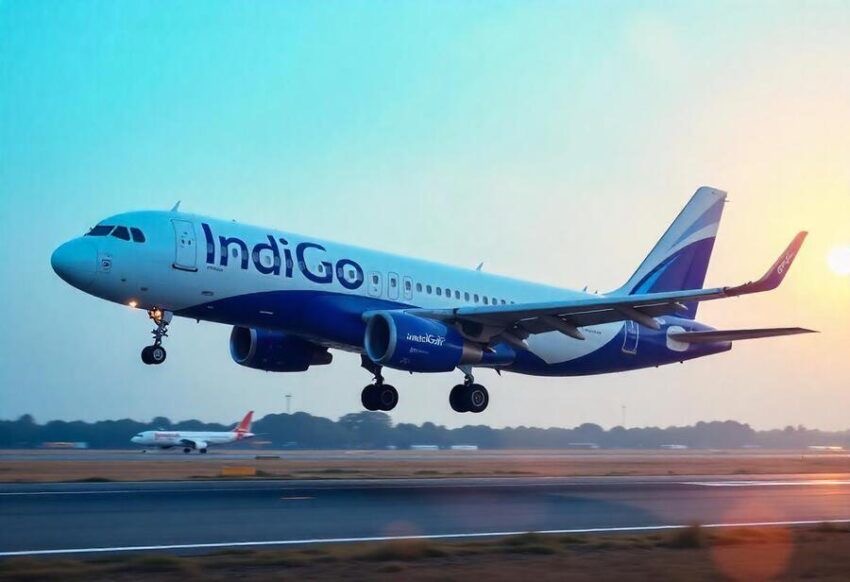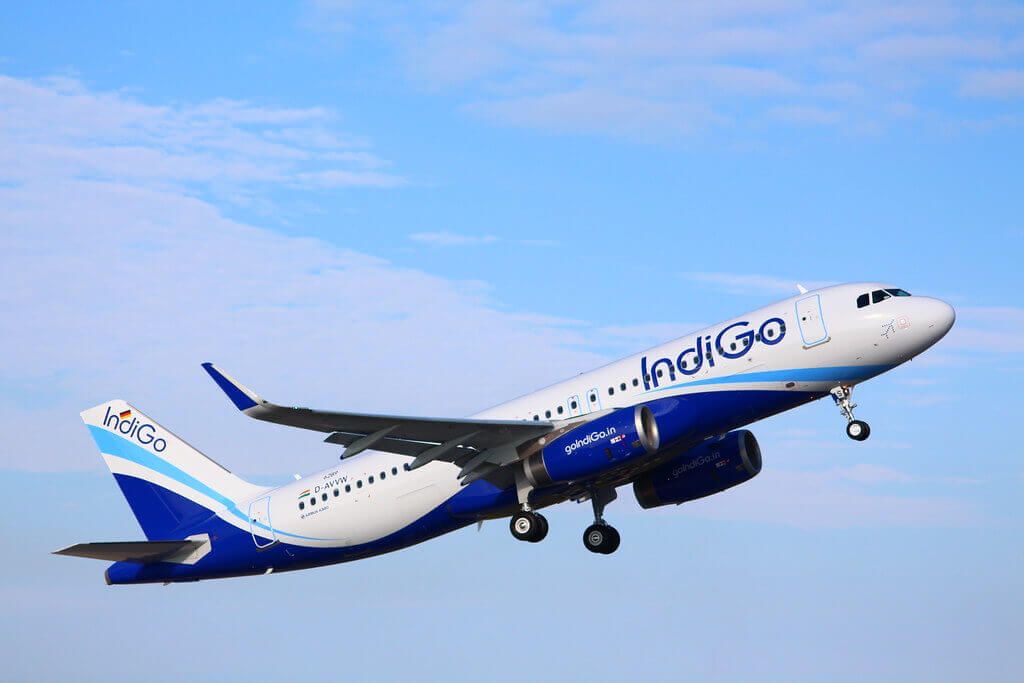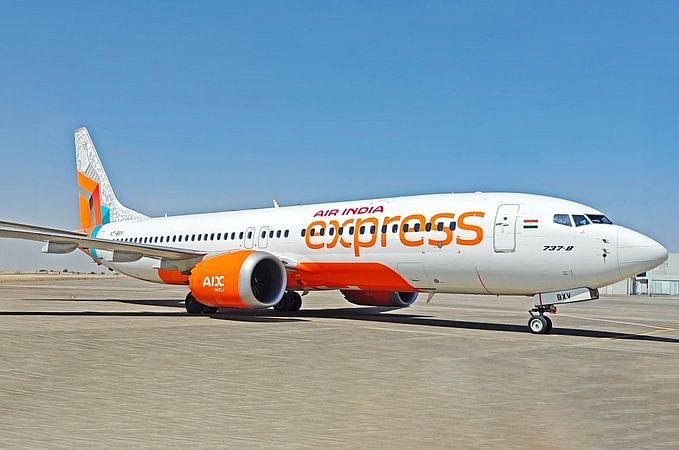
Pakistan has formally extended its airspace closure for all Indian registered and operated aircraft until March 23, continuing a restriction that has significantly affected regional flight operations and commercial aviation planning. The extension was confirmed through an updated notice issued by Pakistan’s aviation authorities, covering both major flight information regions managed from Karachi and Lahore.
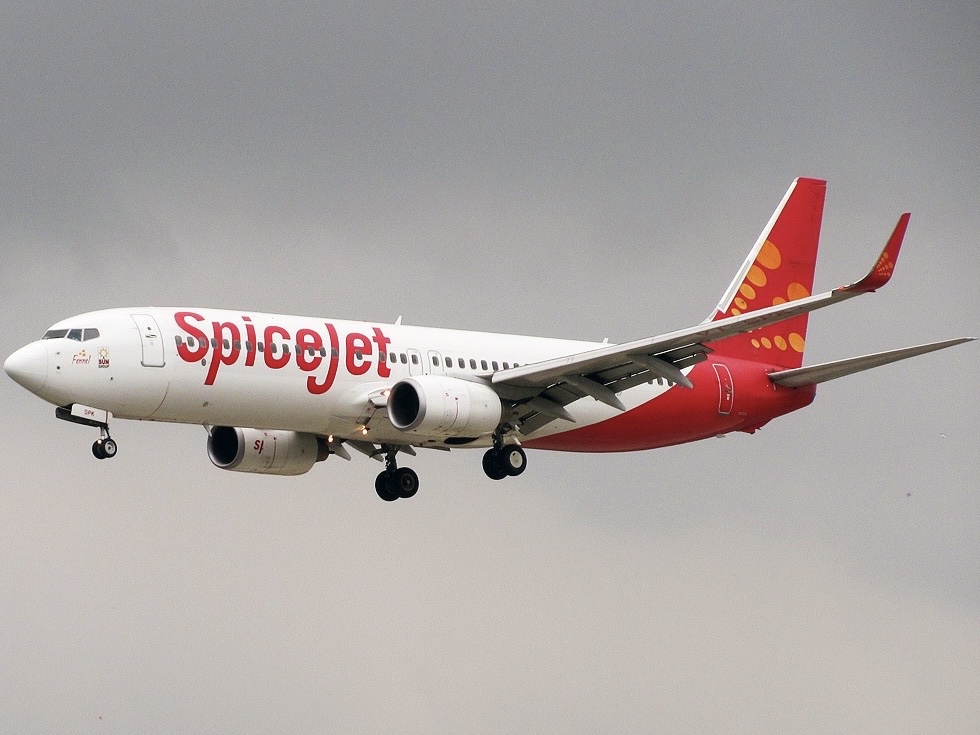
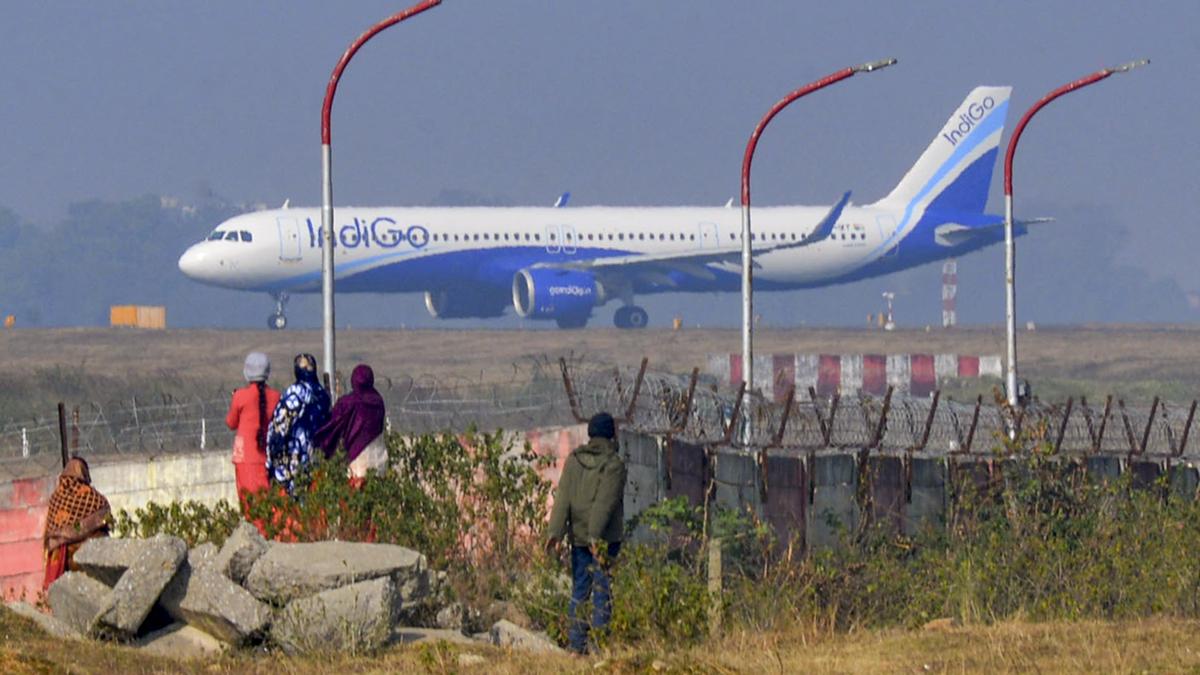
The decision means that Indian commercial airlines, charter operators and military aircraft will remain barred from entering or transiting Pakistani airspace for the duration of the extension. The restriction originally followed heightened diplomatic and military tensions between the two countries and has since been periodically reviewed and renewed in line with broader political developments.
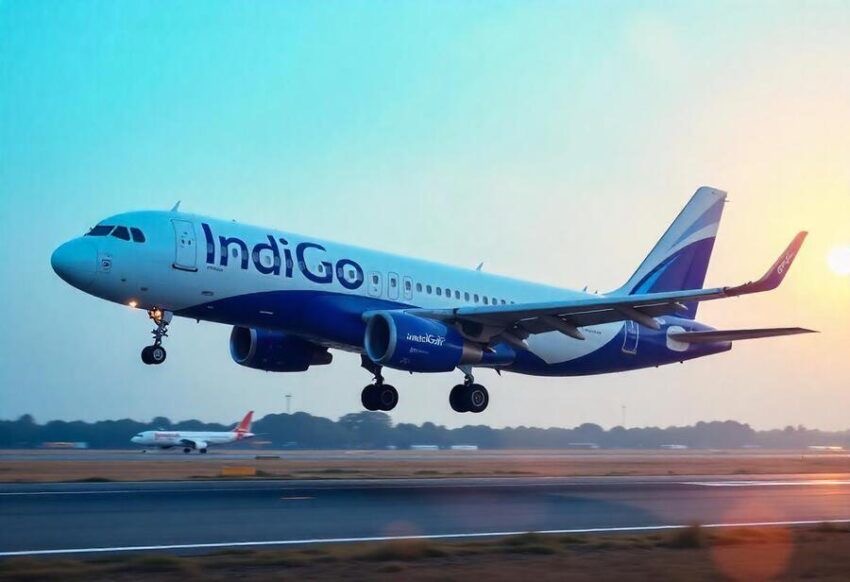
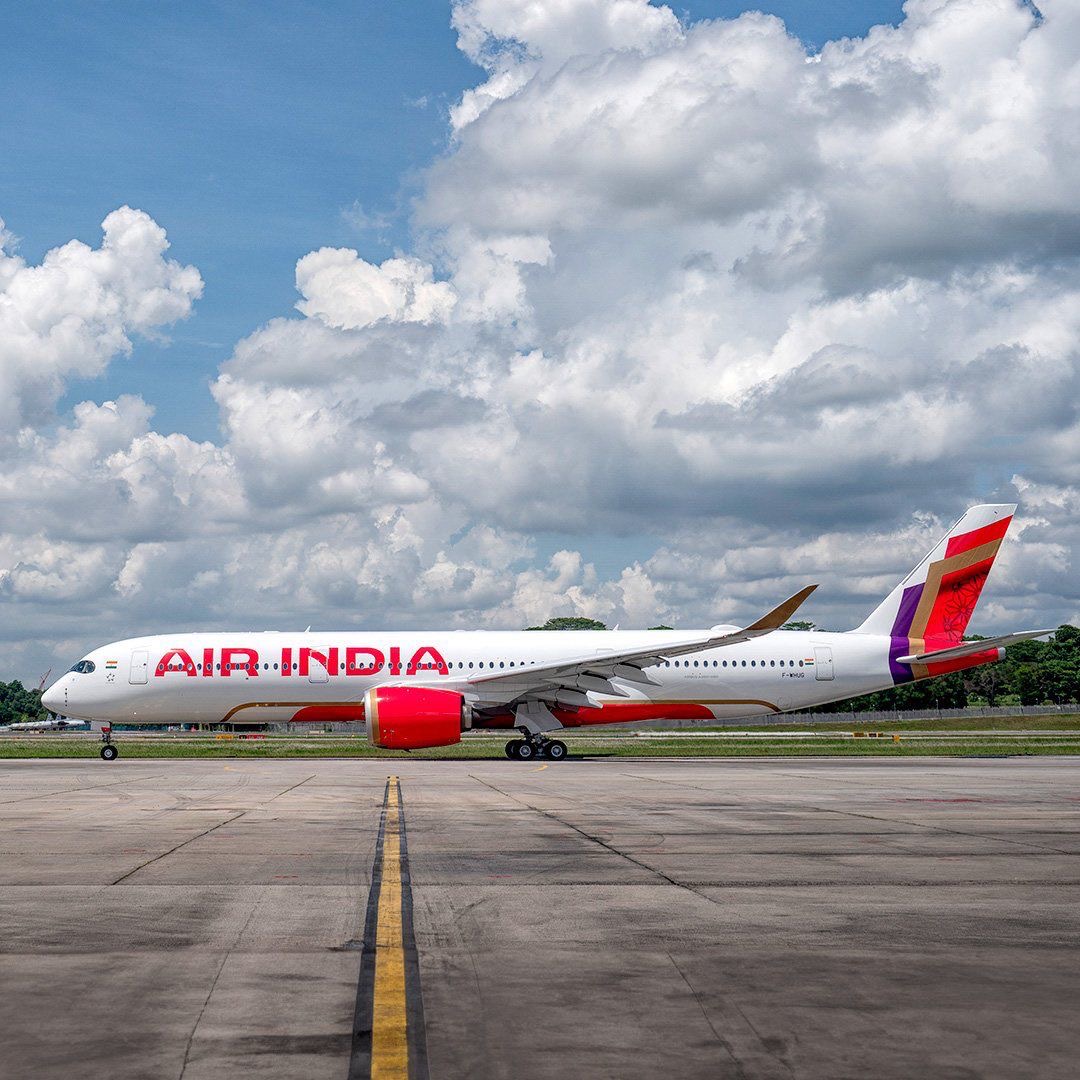
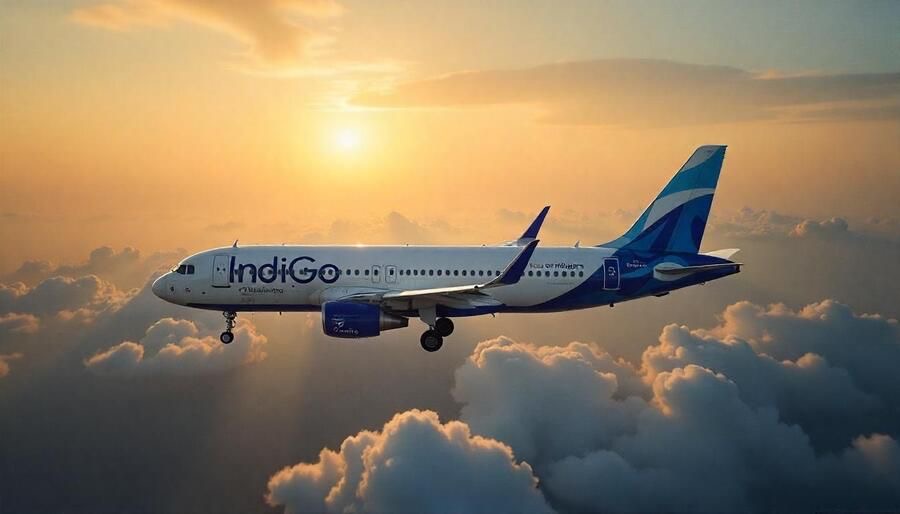
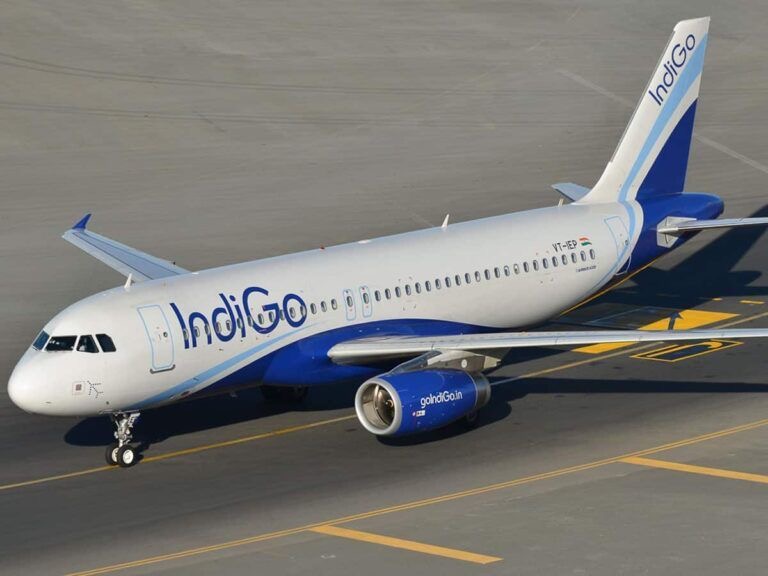
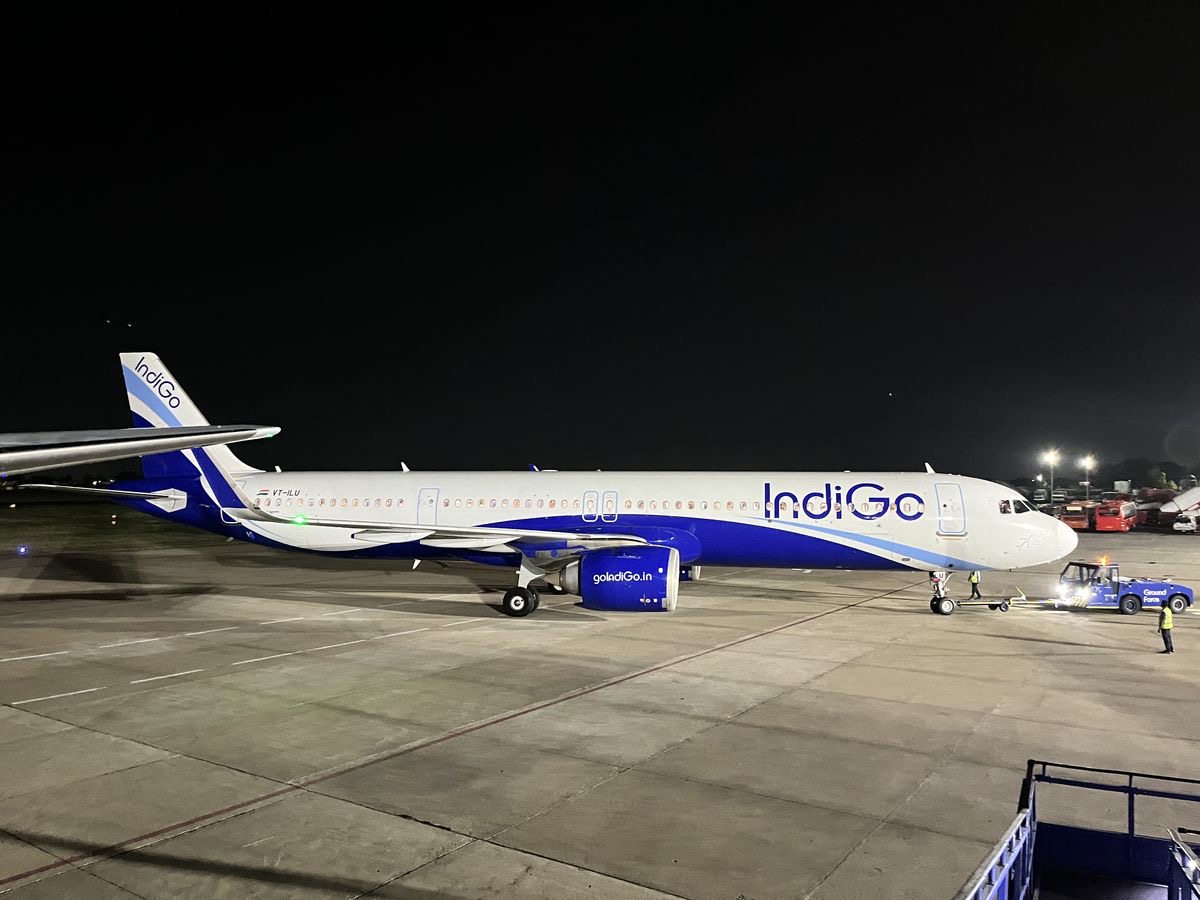
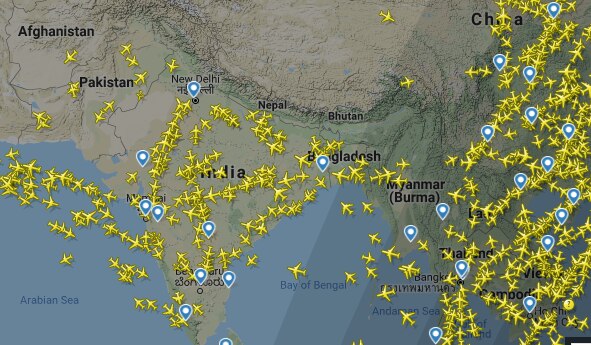
Airspace closures of this scale are not merely symbolic measures. They have tangible operational and economic consequences for airlines that previously relied on overflight rights through Pakistani territory for efficient routing between northern India and destinations in the Middle East, Central Asia and Europe. Without access to these corridors, Indian carriers must chart longer alternative routes, often flying over the Arabian Sea or through other neighbouring airspaces. These diversions increase flight time, fuel consumption and operating costs, and can also affect aircraft rotation schedules and crew duty limits.
Industry observers note that the longer routing patterns can add anywhere from several minutes to over an hour to certain long haul sectors, depending on the destination and departure city. Increased fuel burn directly impacts airline profitability, especially at a time when global fuel prices remain volatile. In addition to cost implications, extended flight durations may influence fare structures and scheduling decisions as airlines seek to maintain margins while preserving service frequency.
Cargo operations are also affected. Air freight services that depend on precise transit timings and tight turnaround windows must adapt to revised routing strategies. For time sensitive shipments such as pharmaceuticals, perishables and express parcels, even marginal changes in schedule can require logistical recalibration across the supply chain.
The closure has broader implications for regional aviation connectivity as well. Airspace management in South Asia is closely interlinked, and the denial of overflight permissions forces a redistribution of traffic into alternative corridors. This can place additional workload on adjacent air traffic control sectors and may lead to congestion in certain air routes during peak periods.
Diplomatic experts suggest that airspace restrictions often function as leverage in periods of strained bilateral relations. While aviation agreements are typically governed by international frameworks and reciprocal rights, sovereign states retain the authority to restrict or suspend overflight access in response to security concerns or political disputes. In this case, the continuing ban reflects unresolved tensions and the absence of a formal rapprochement between the two governments.
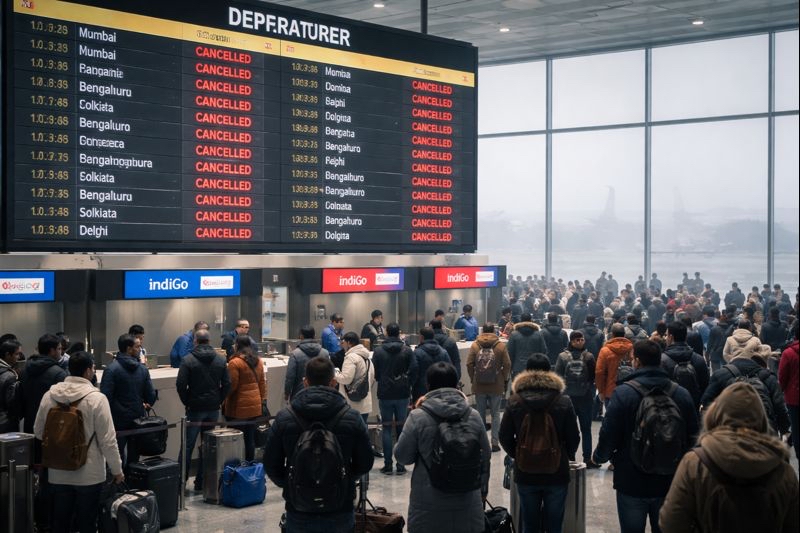
For passengers, the impact is mostly indirect but still noticeable. Extended travel times, potential schedule changes and, in some cases, higher fares may result from the operational adjustments required by airlines. However, carriers have largely absorbed the logistical burden by revising flight paths and maintaining service continuity where possible.
Aviation analysts say that until diplomatic engagement produces a shift in policy, airlines will continue to factor the airspace restriction into network planning and cost forecasting. Strategic fleet deployment decisions, route viability assessments and seasonal scheduling will likely account for the assumption that the closure may remain in effect for the foreseeable future.
The extension until March 23 signals that immediate restoration of overflight rights is unlikely in the short term. Whether the restriction is lifted, renewed again, or expanded will depend on evolving geopolitical developments and bilateral discussions at the governmental level.
In the meantime, airlines, regulators and passengers across the region will continue to adapt to the operational realities created by the prolonged airspace closure, underscoring how closely aviation remains intertwined with diplomatic and security considerations in South Asia.