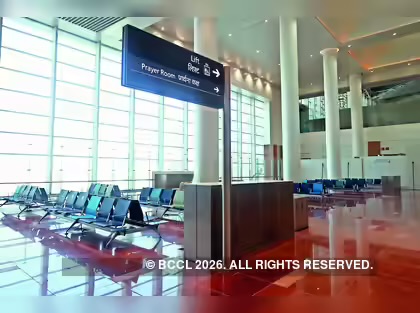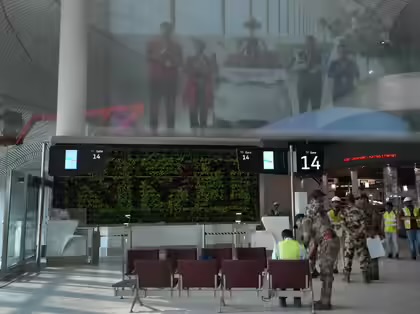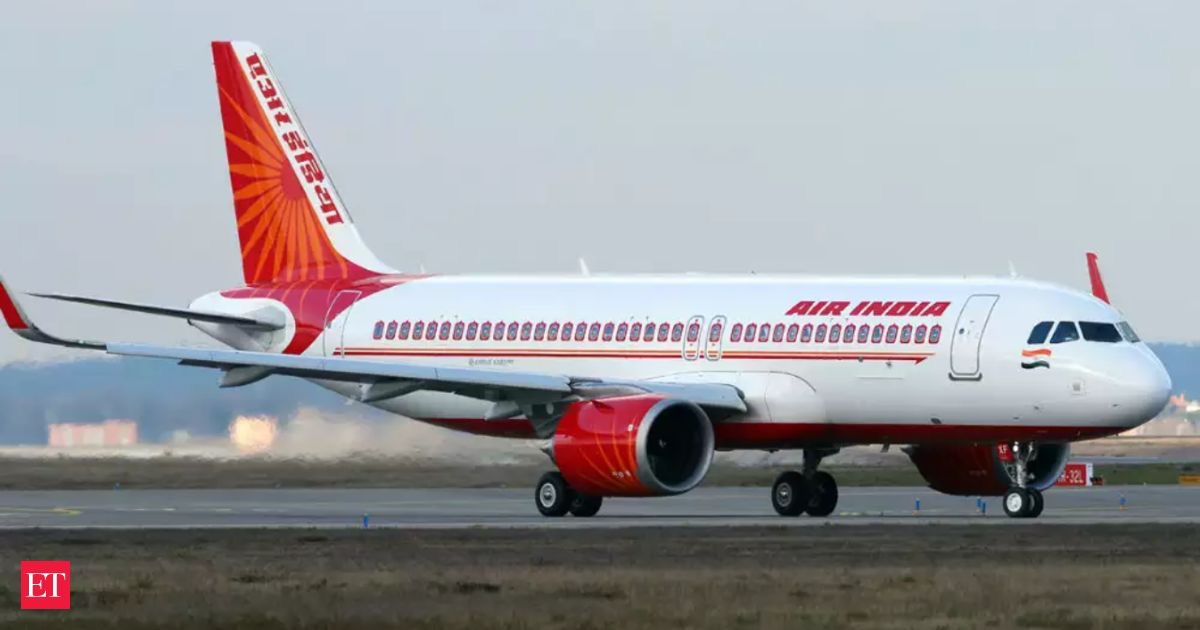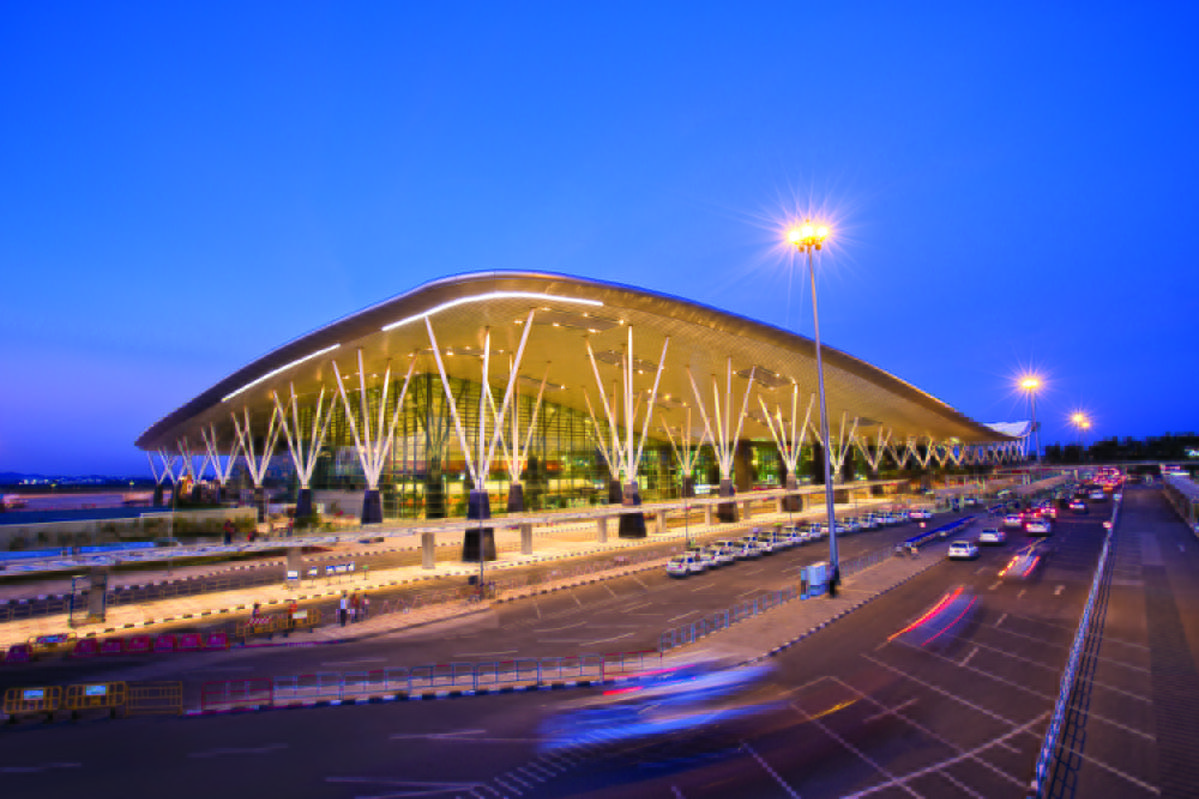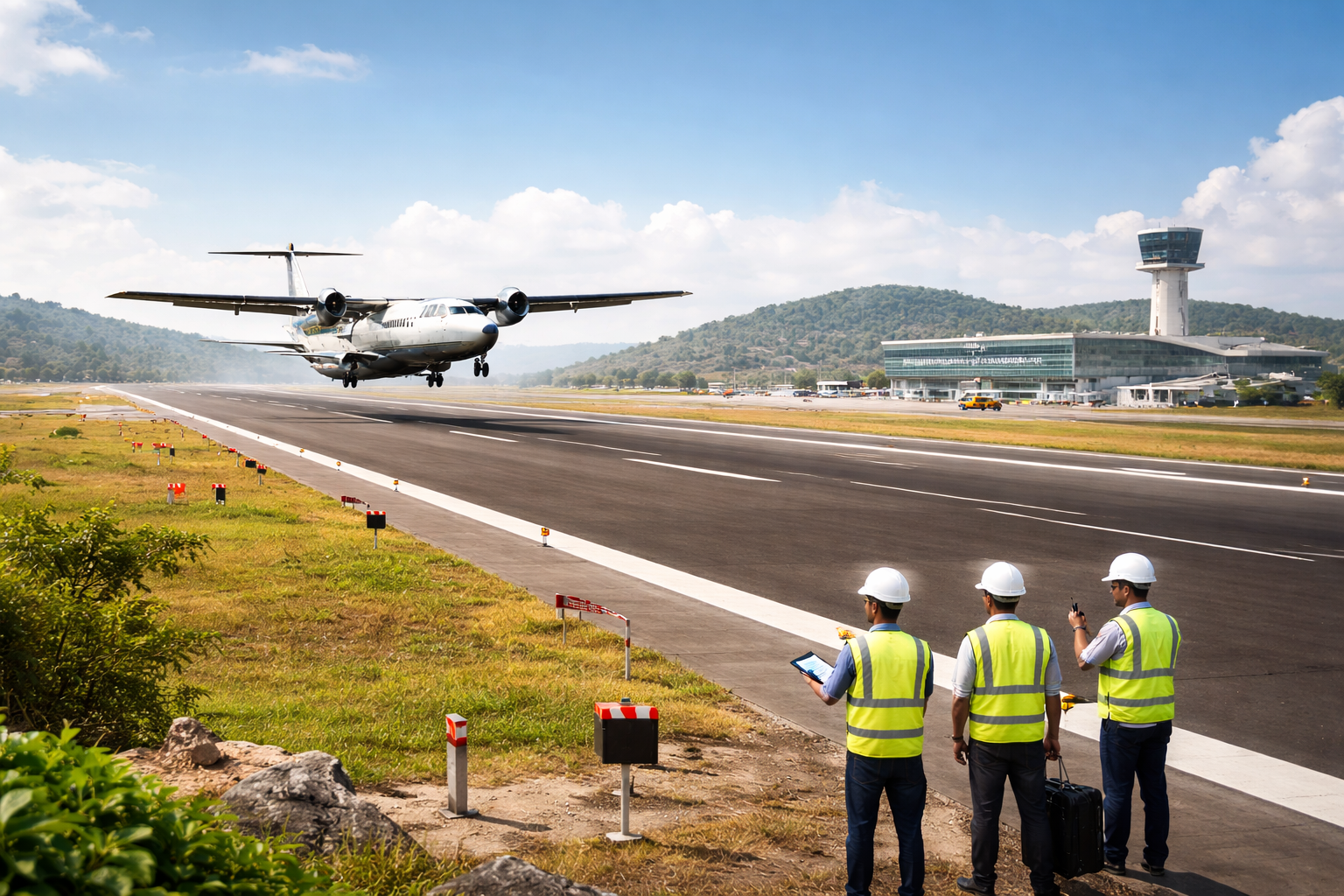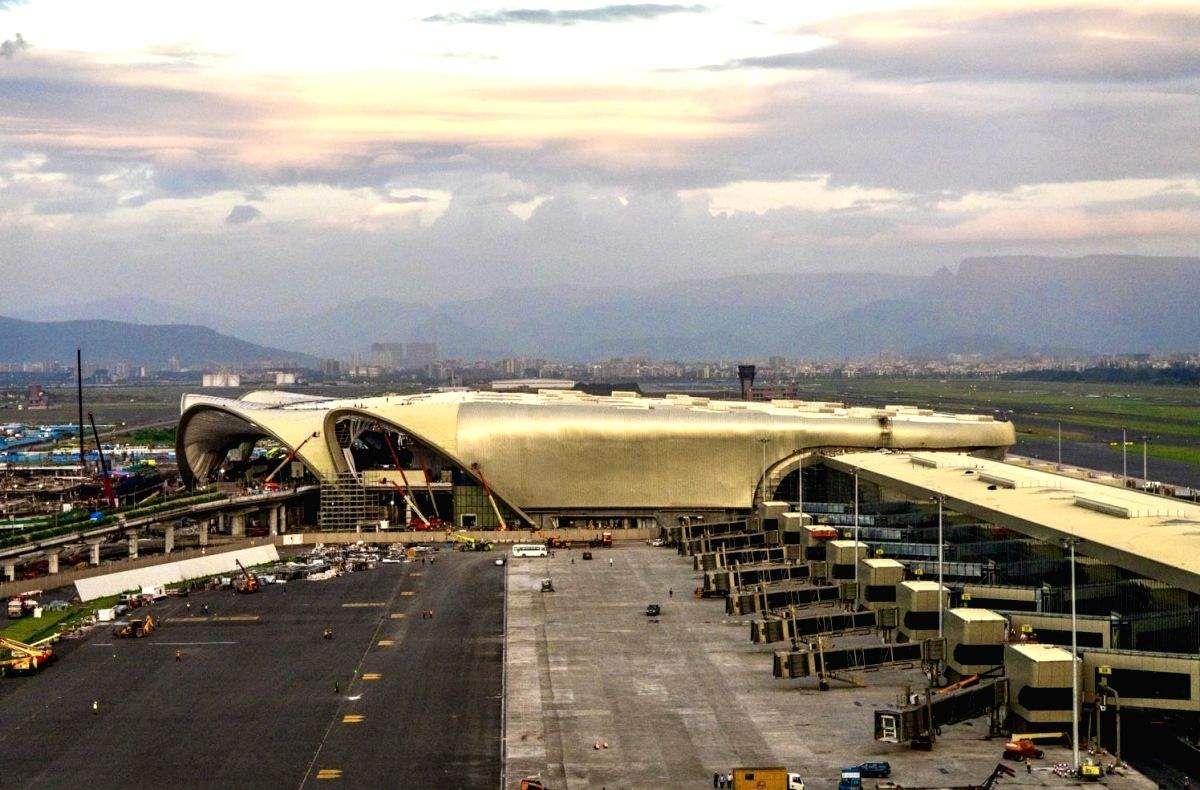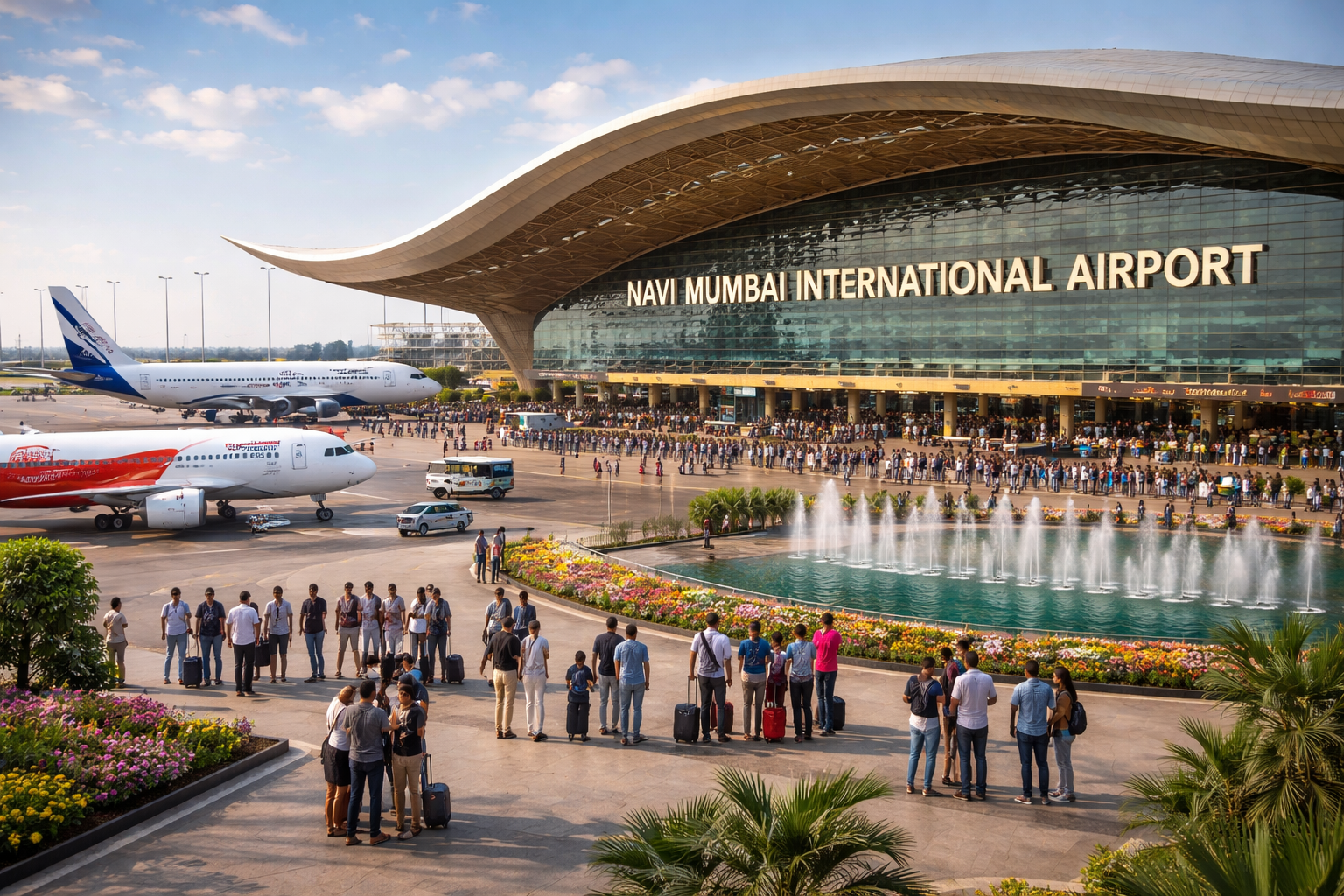

Even as Navi Mumbai International Airport prepares to emerge as one of India’s most important new aviation gateways, authorities are already thinking several steps ahead. Anticipating rapid growth in air travel and cargo movement over the coming decades, the City and Industrial Development Corporation (CIDCO) has initiated the process to explore the possibility of a third runway at the airport by inviting bids for a techno-commercial feasibility study consultant.
CIDCO has floated an official e-tender, calling on experienced consultancy firms—either independently or as part of joint ventures—to undertake a comprehensive assessment of the proposed expansion. The selected consultant will be responsible for closely examining whether an additional runway is technically feasible, operationally efficient, and commercially viable. This detailed evaluation will span aspects such as runway design, airside operations, infrastructure requirements, cost implications, and long-term revenue potential.
The study has been given a timeline of six months, during which the consultant will analyse current capacity planning and future traffic projections. Importantly, CIDCO has clarified that the consultant will be chosen through the Least Cost Selection (LCS) method, ensuring that the process remains transparent while delivering value for public expenditure. While the invitation of bids does not guarantee immediate construction, it marks a critical first step in understanding how and when the airport may need to expand further.
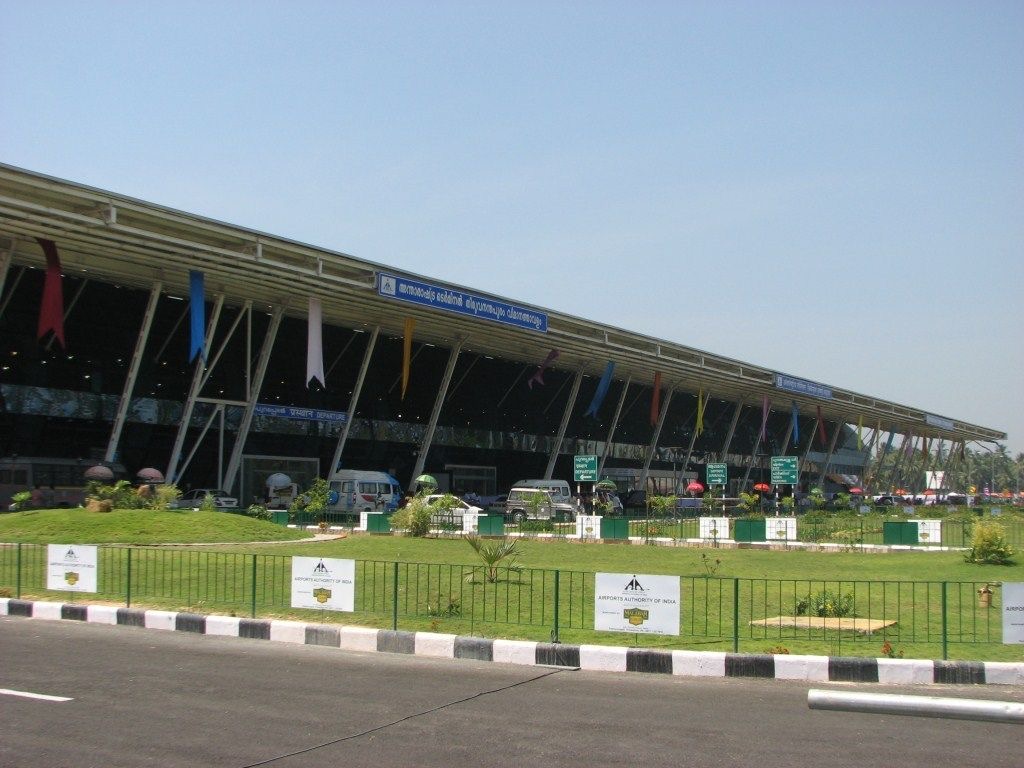
Navi Mumbai International Airport is being developed to ease the ever-growing congestion at Mumbai’s existing Chhatrapati Shivaji Maharaj International Airport, which faces severe space constraints and limited expansion options. As the Mumbai Metropolitan Region continues to grow as a financial, commercial, and logistics hub, passenger traffic and cargo volumes are expected to rise sharply. In this context, Navi Mumbai Airport is envisioned as a long-term solution capable of absorbing future demand while improving operational efficiency across the region.
By exploring the feasibility of a third runway at such an early stage, authorities are signalling a forward-looking approach—one that aims to prevent capacity bottlenecks before they emerge. The findings of the study will help policymakers decide whether the third runway aligns with projected traffic growth and whether it can be seamlessly integrated into the airport’s broader master plan.
Ultimately, the outcome of this feasibility study will play a decisive role in shaping the airport’s long-term expansion strategy. It will determine how Navi Mumbai International Airport evolves from a newly built facility into a future-ready aviation hub, designed to meet the needs of India’s busiest metropolitan region for decades to come.