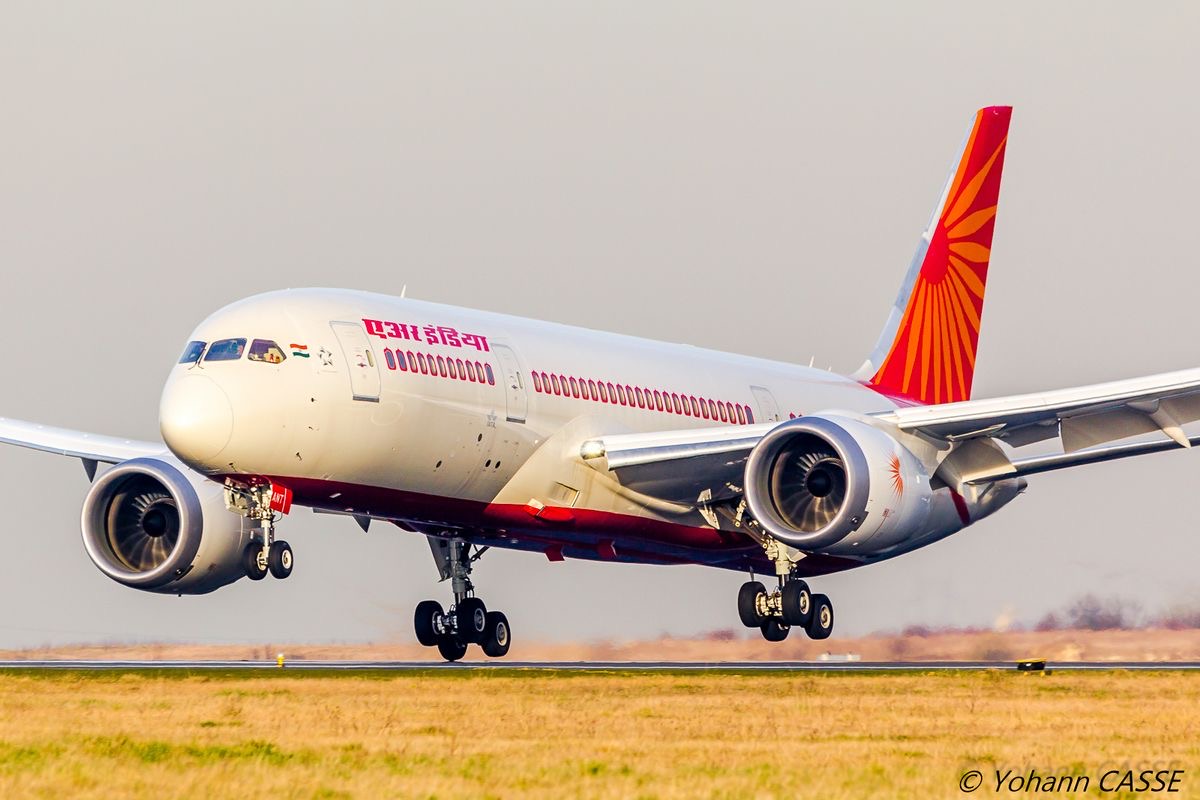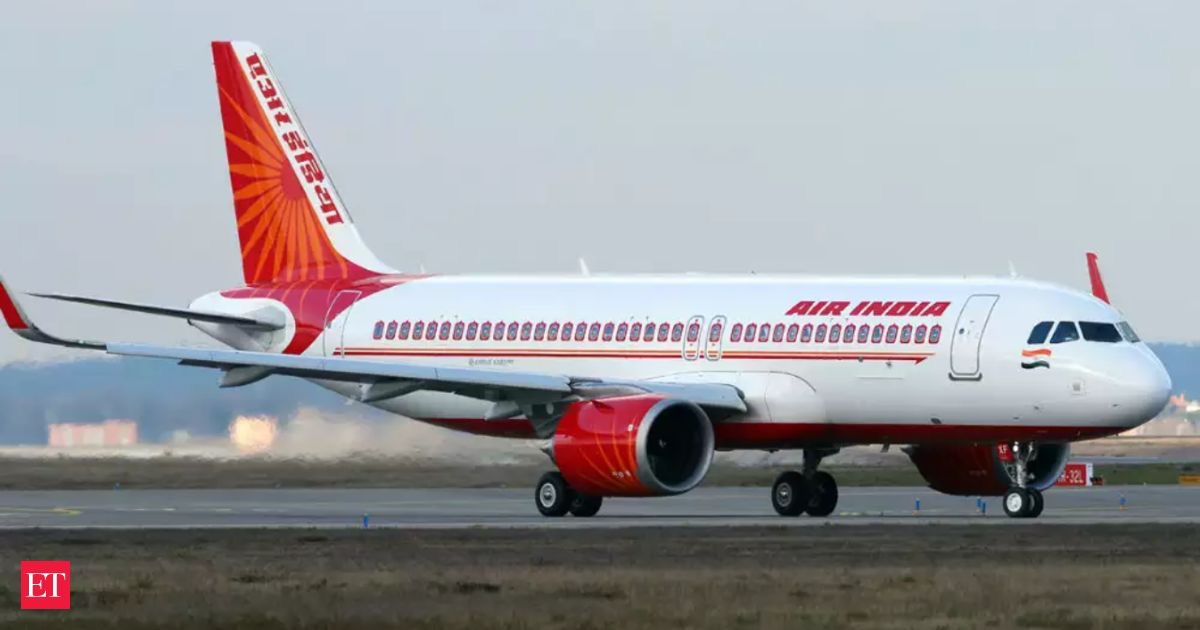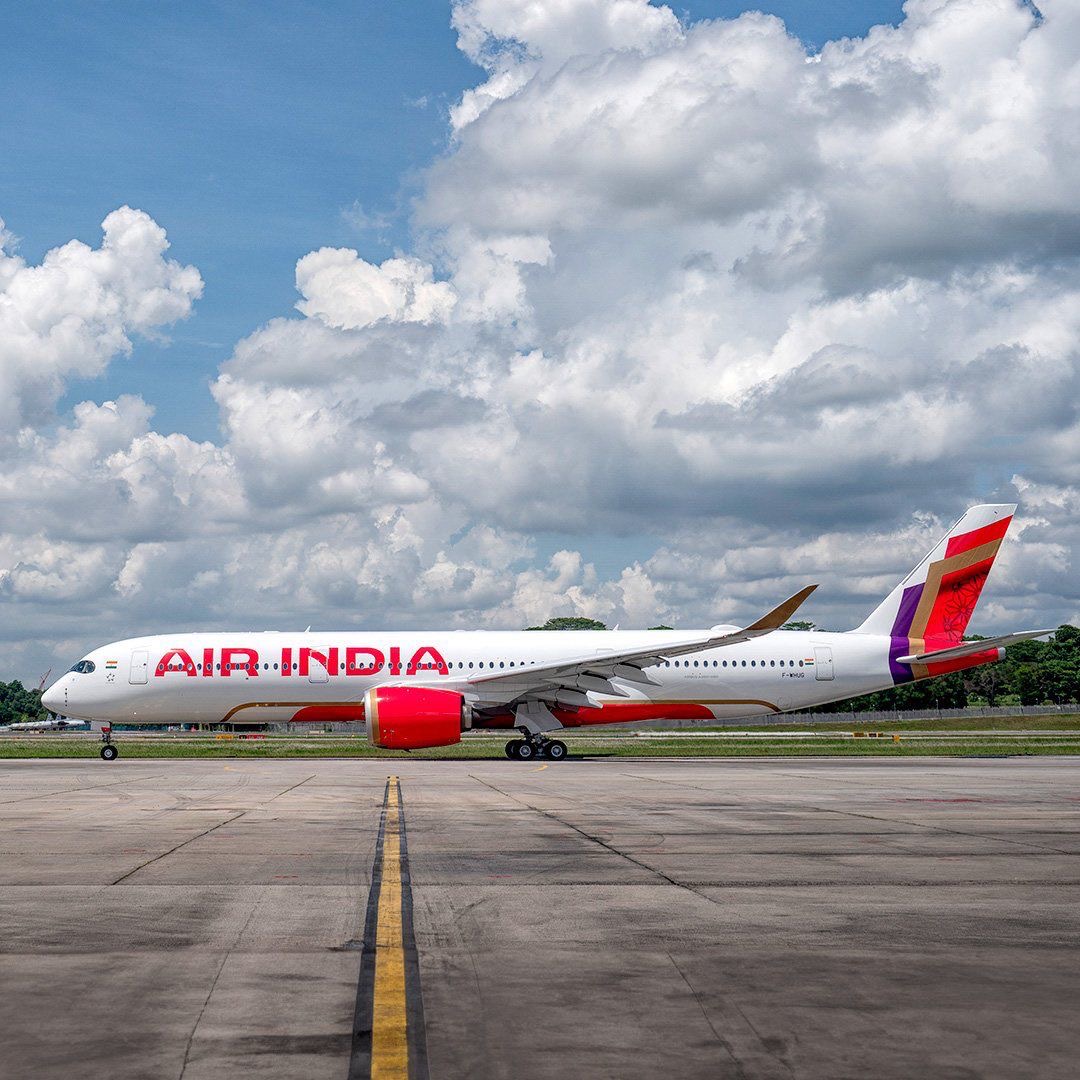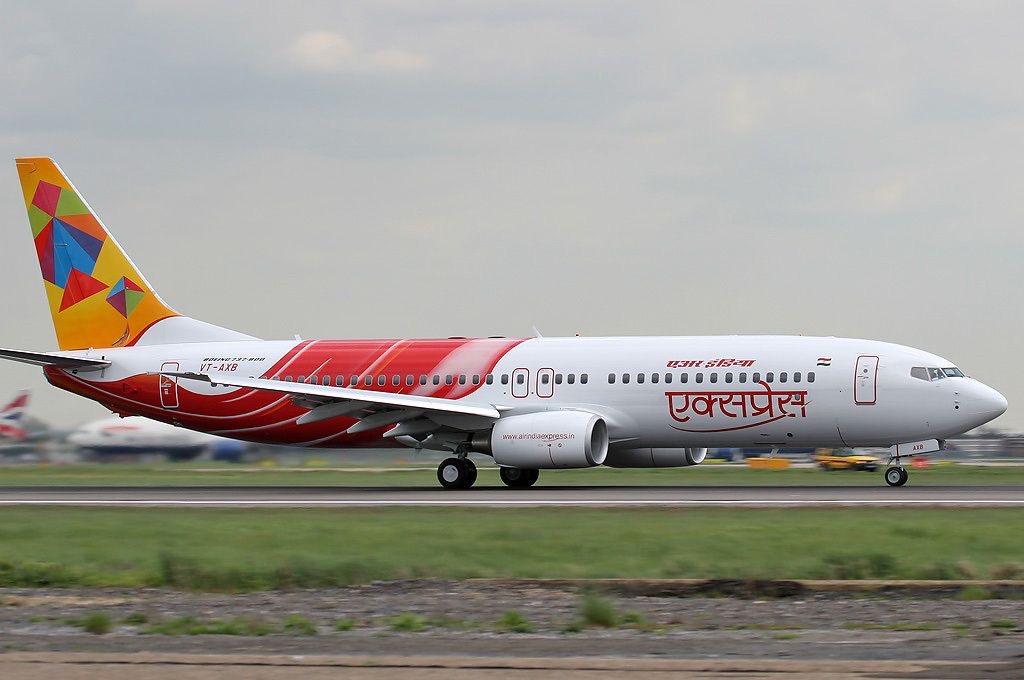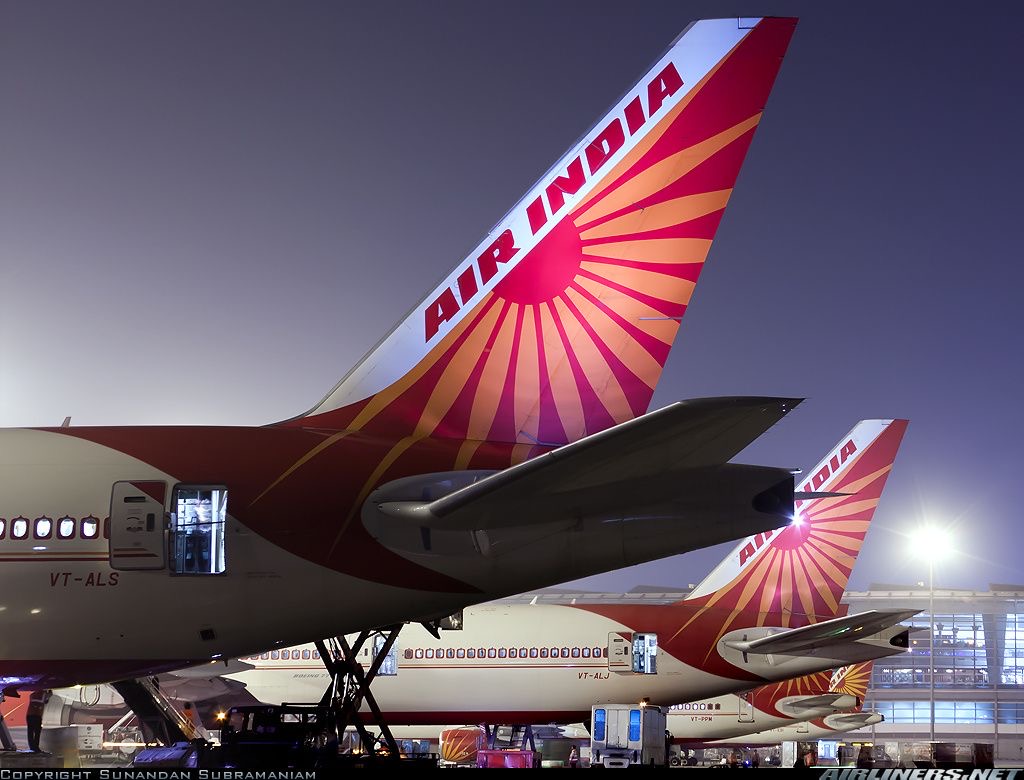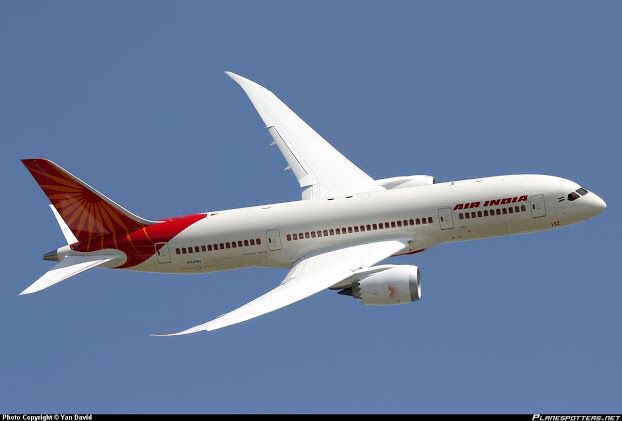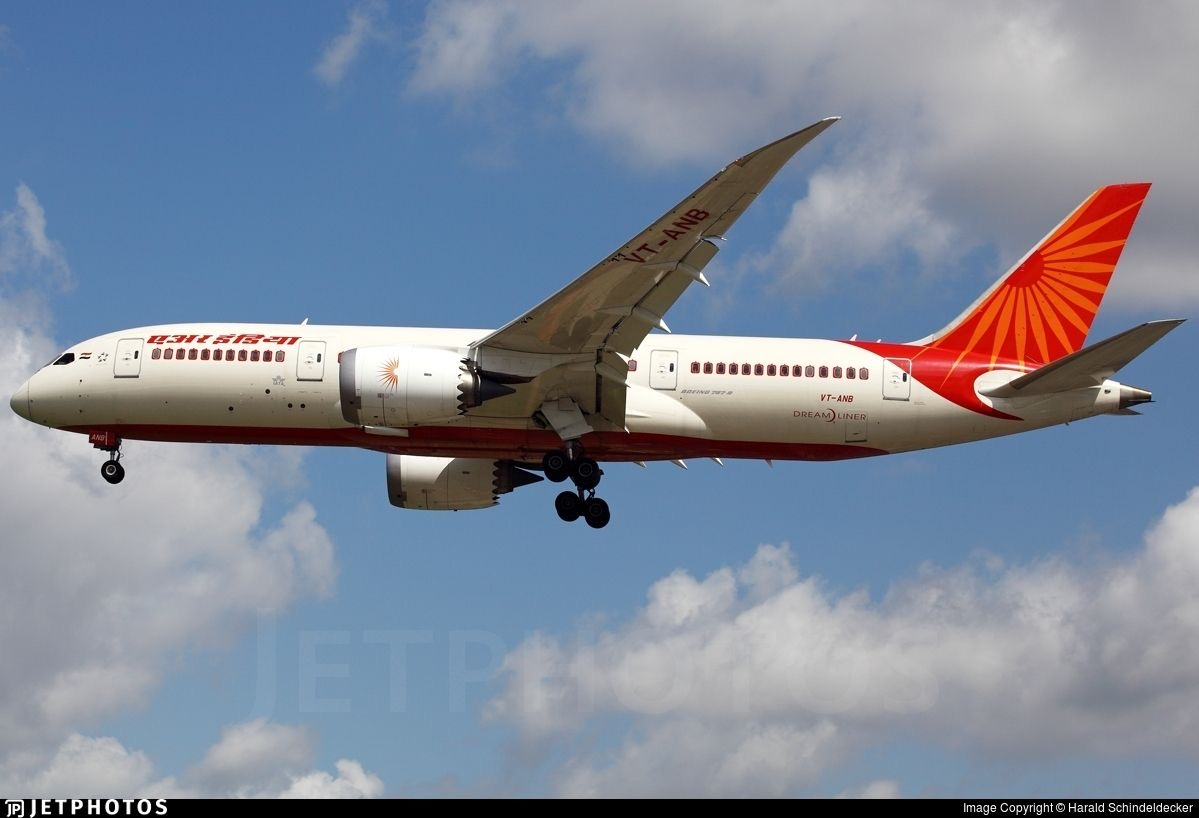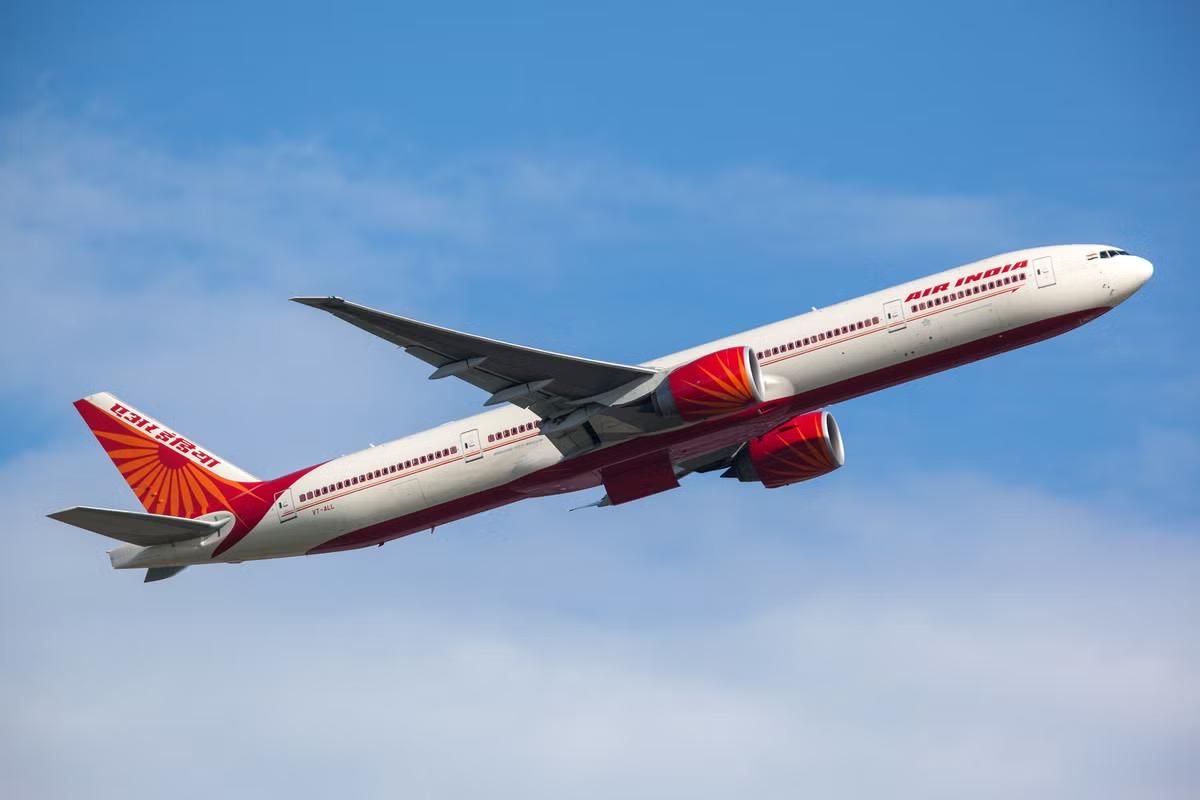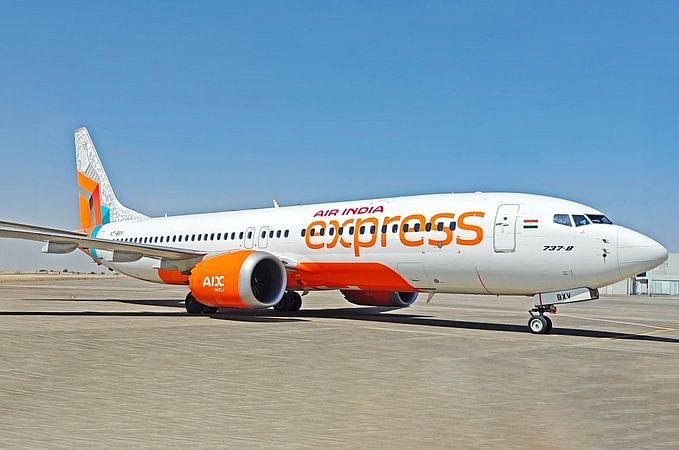

Air India and its low-cost subsidiary Air India Express have announced an expanded flight schedule to the Middle East, confirming that the two airlines will operate a total of 56 flights on March 9. The move comes as part of efforts to support passengers affected by travel disruptions in West Asia and to provide additional connectivity between India and the United Arab Emirates.
The airlines said the combined operations will include both regular scheduled services and special additional flights. Out of the total, 24 flights will be regular scheduled services connecting Indian cities with destinations such as Jeddah in Saudi Arabia and Muscat in Oman. These routes remain operational as airspace in those regions continues to be accessible for commercial aviation.
In addition to the scheduled flights, the two carriers will also operate 32 additional ad-hoc services between India and several cities in the United Arab Emirates. These extra flights have been introduced primarily to assist passengers who were stranded due to earlier disruptions and airspace restrictions across parts of West Asia.
The additional services will operate from multiple Indian cities to major UAE destinations, including Dubai, Abu Dhabi, Ras Al Khaimah and Sharjah. These flights are being deployed depending on operational approvals, slot availability, and regulatory clearances from aviation authorities.
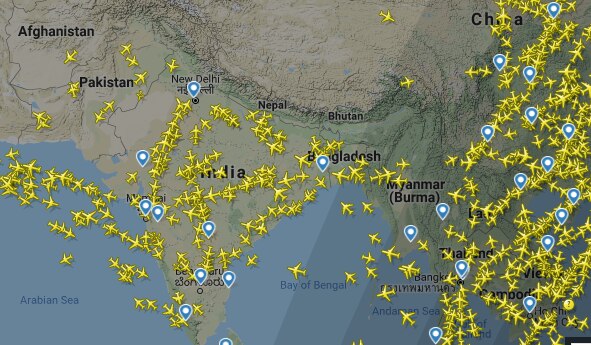
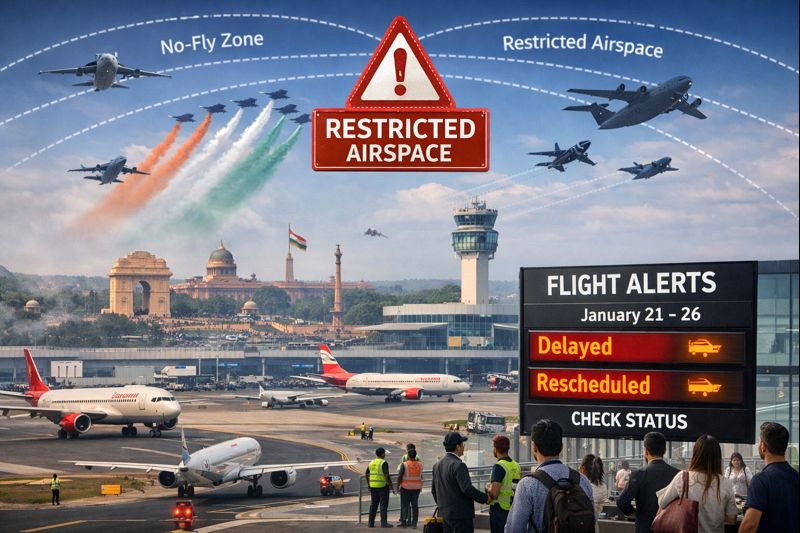
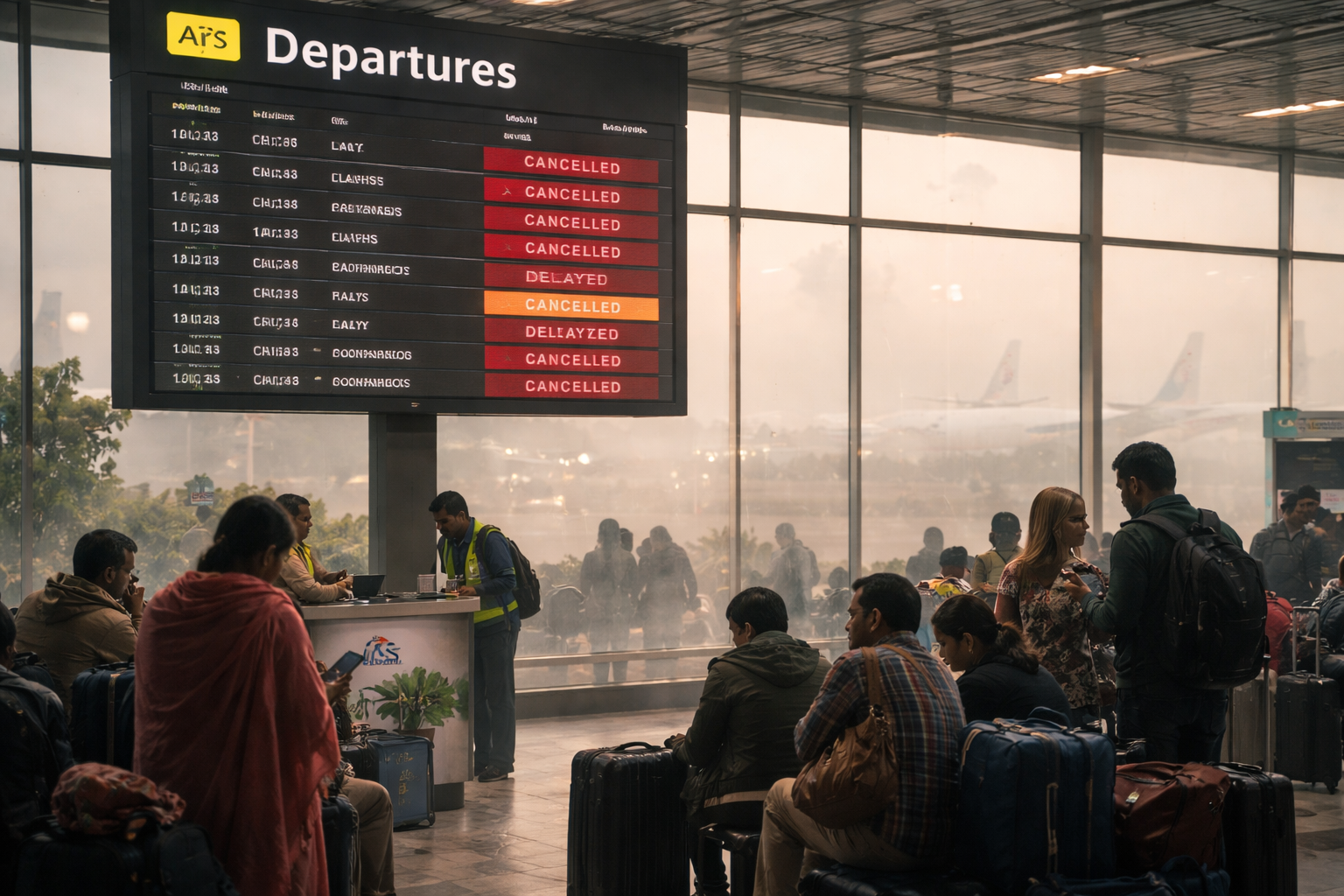
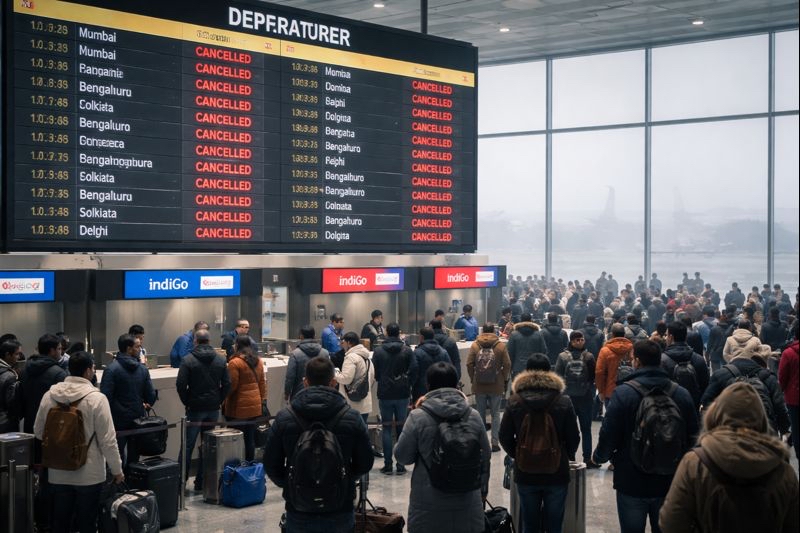
The decision to add extra capacity reflects the ongoing impact of geopolitical tensions in the Middle East, which have forced several airlines to modify schedules and temporarily suspend flights on certain routes. Airspace restrictions and security considerations have created logistical challenges for airlines operating in the region, leading to cancellations, rerouted flights and disrupted travel plans for thousands of passengers.
By increasing the number of flights, Air India and Air India Express aim to ease the pressure on travel demand while ensuring that affected passengers can return to their destinations safely. Priority on these additional flights is expected to be given to travellers who already hold confirmed bookings but were unable to travel due to earlier disruptions.
The UAE remains one of the most important international markets for Indian airlines due to the large Indian expatriate population living and working in the Gulf region. Cities such as Dubai, Abu Dhabi and Sharjah witness heavy passenger traffic throughout the year, especially from major Indian hubs like Delhi, Mumbai, Kochi, Bengaluru and Kozhikode.
Airlines worldwide have been closely monitoring the evolving situation in West Asia, adjusting their schedules and operations to ensure passenger safety while maintaining essential connectivity. As conditions continue to develop, carriers including Air India and Air India Express have indicated that further adjustments to flight schedules may be made if required.
For now, the operation of 56 flights on March 9 is expected to significantly improve connectivity between India and the UAE and help clear the backlog of travellers affected by recent disruptions in the region.