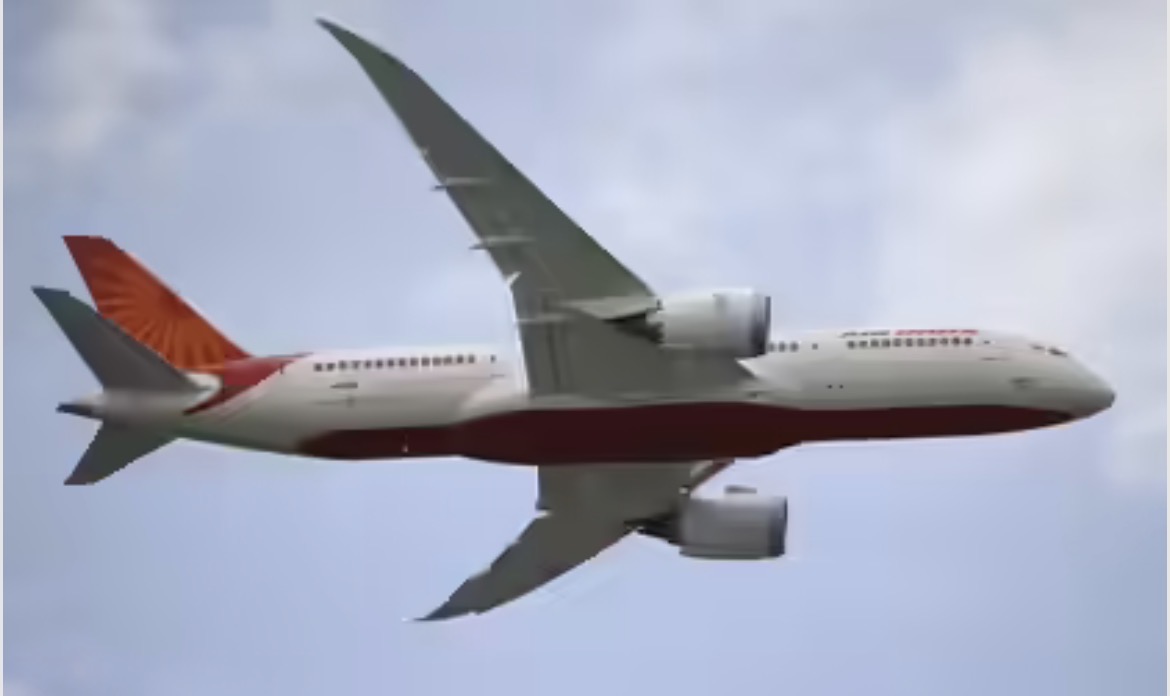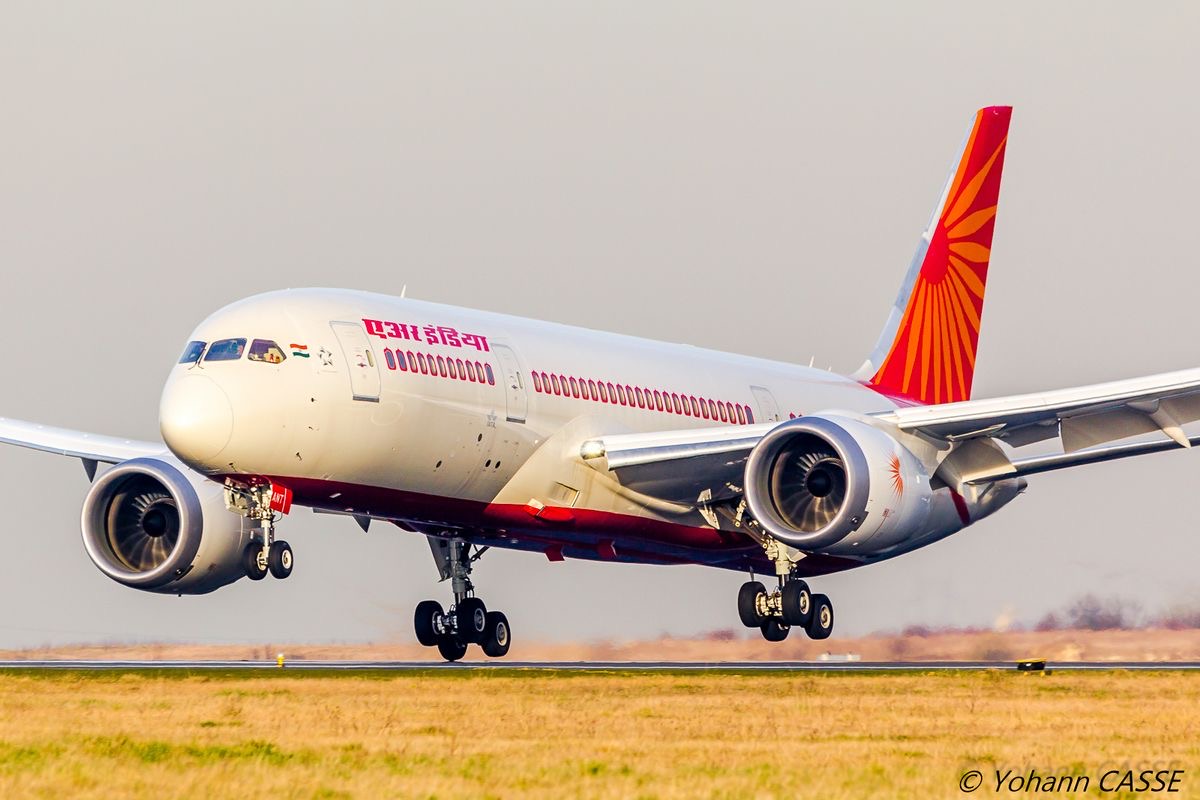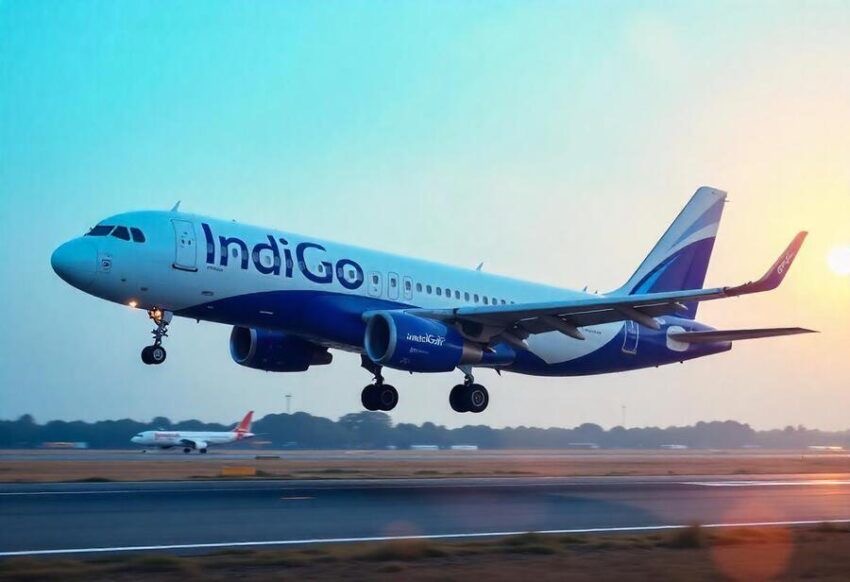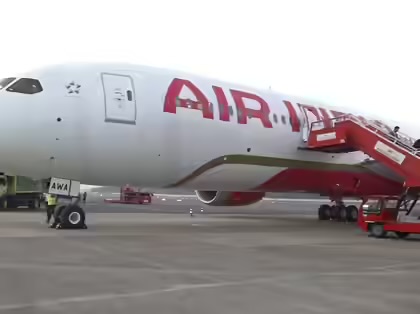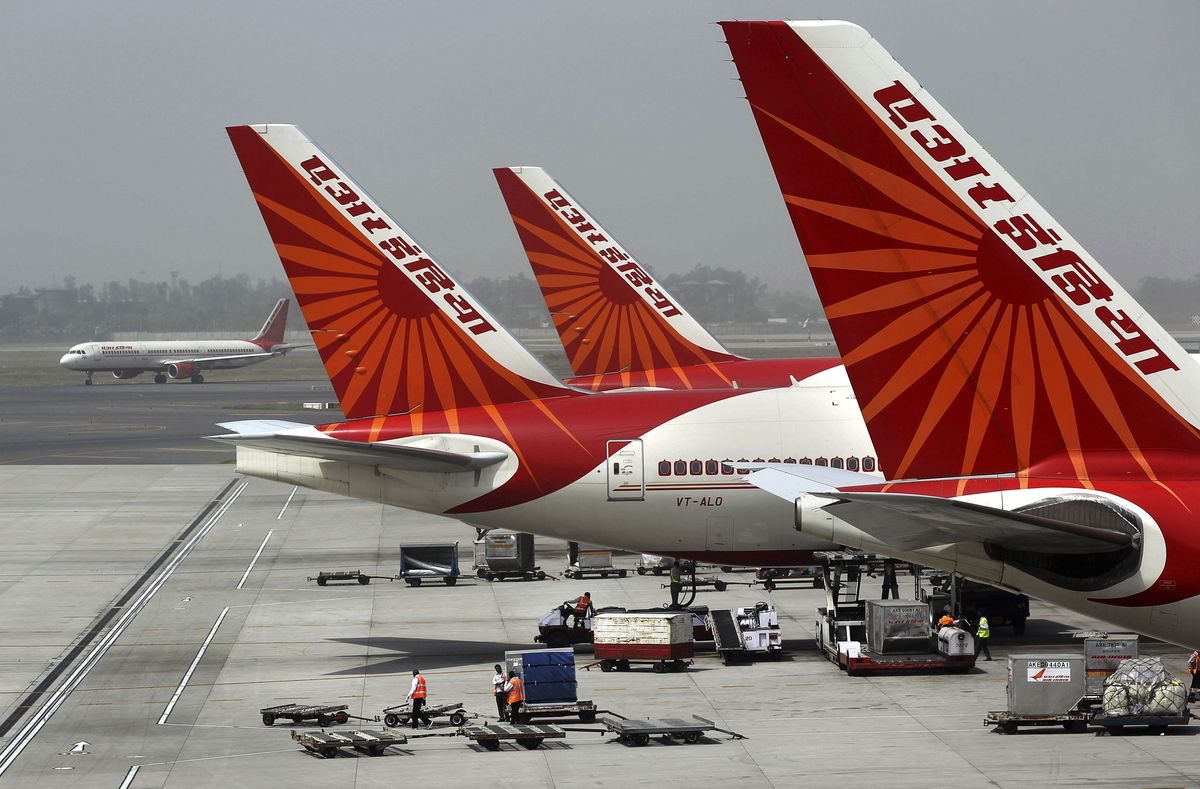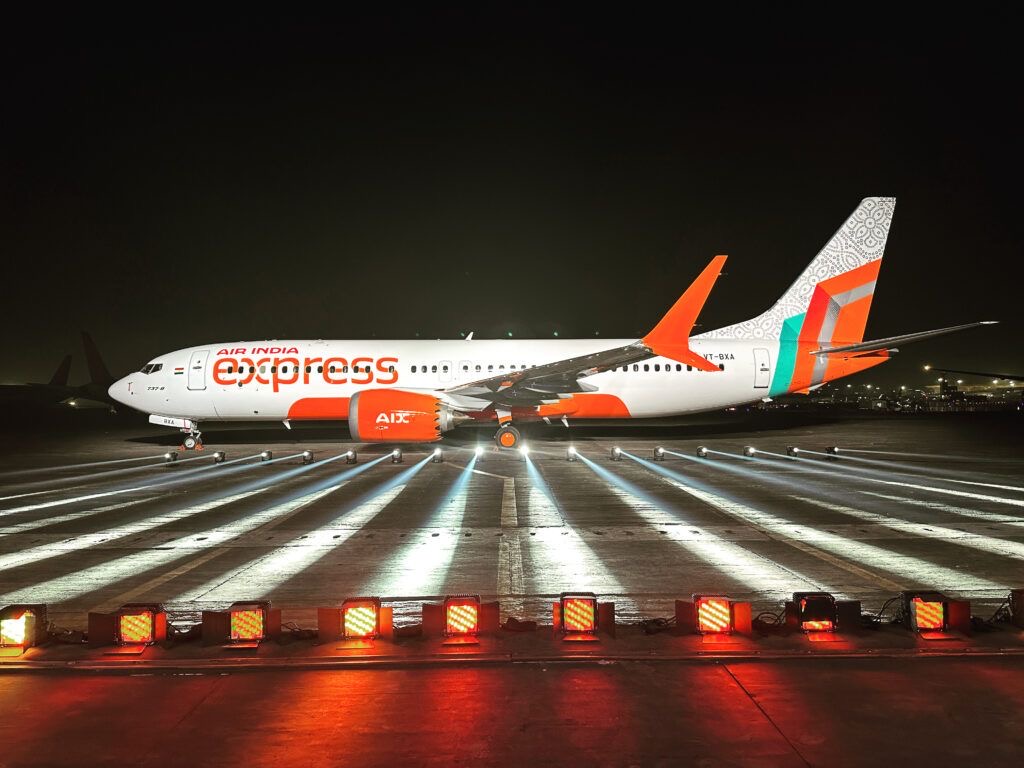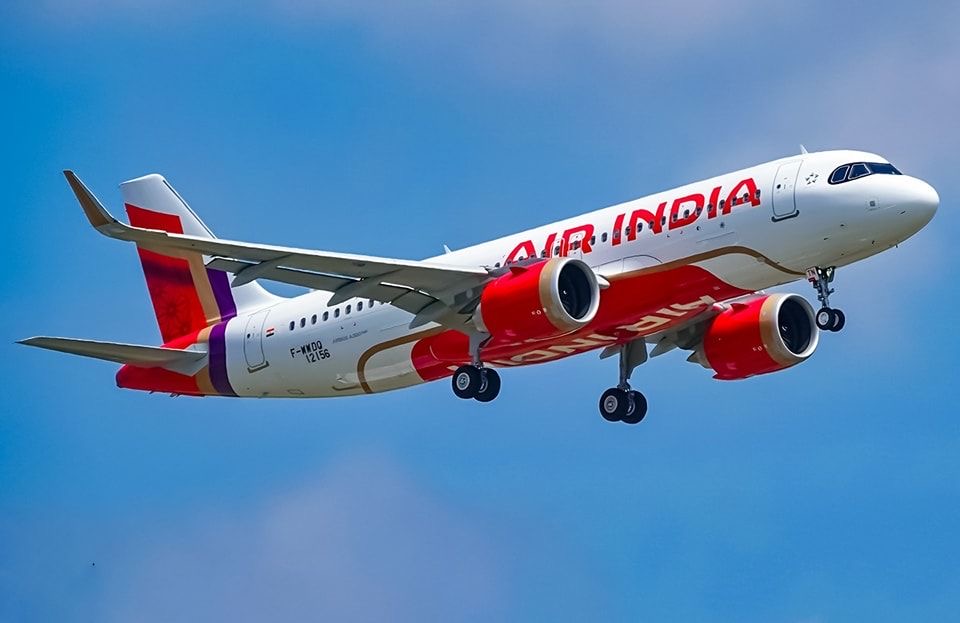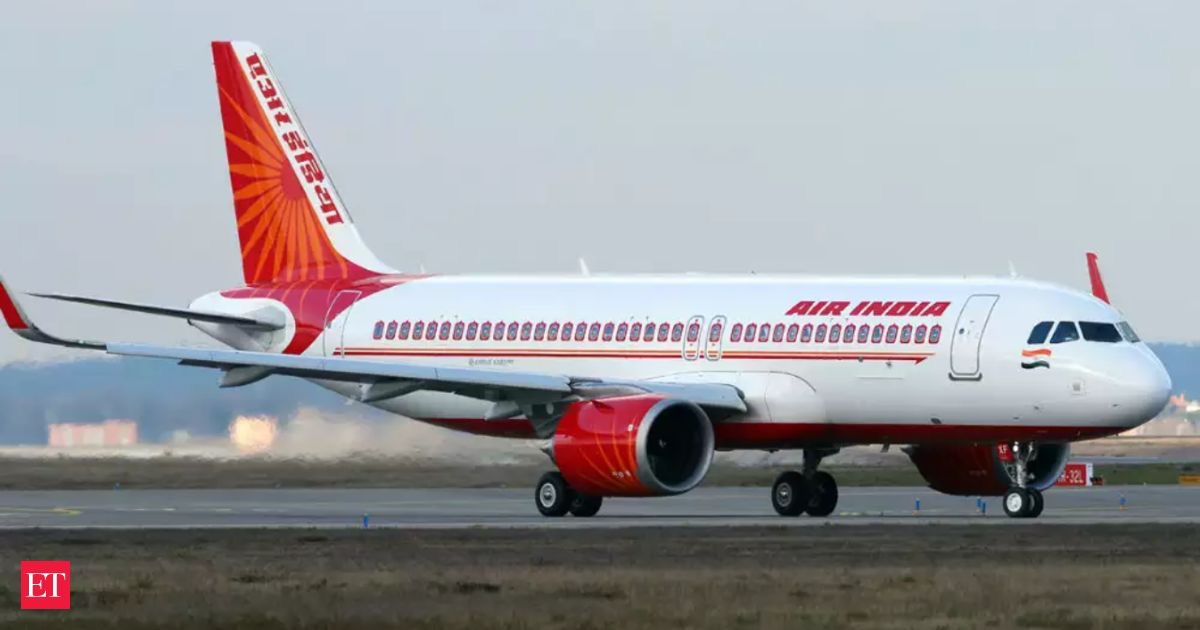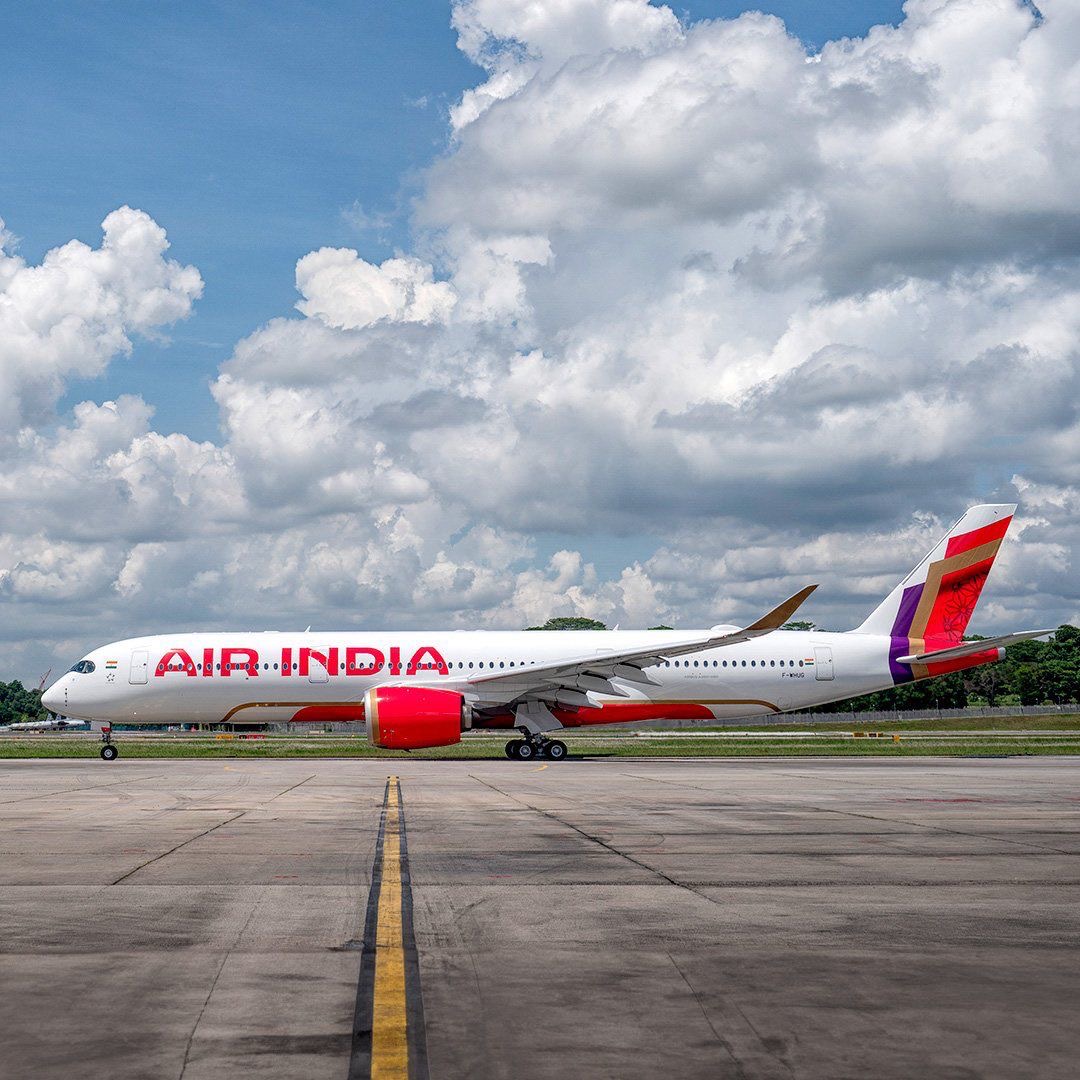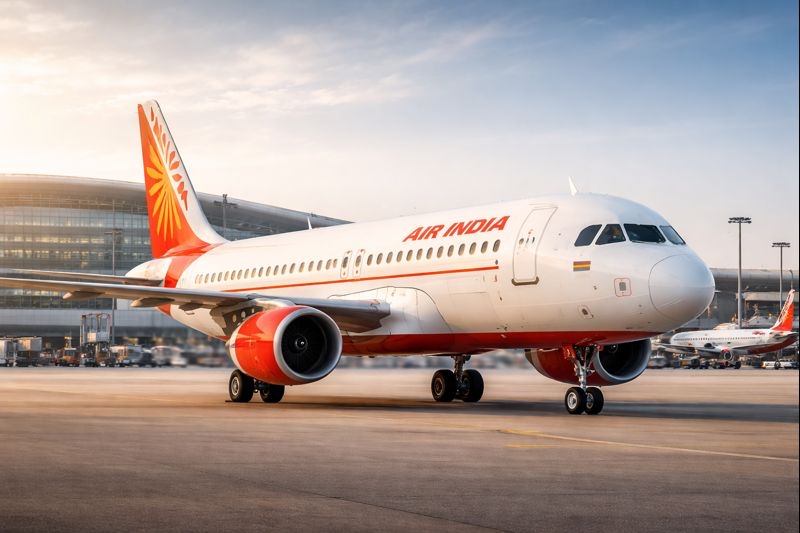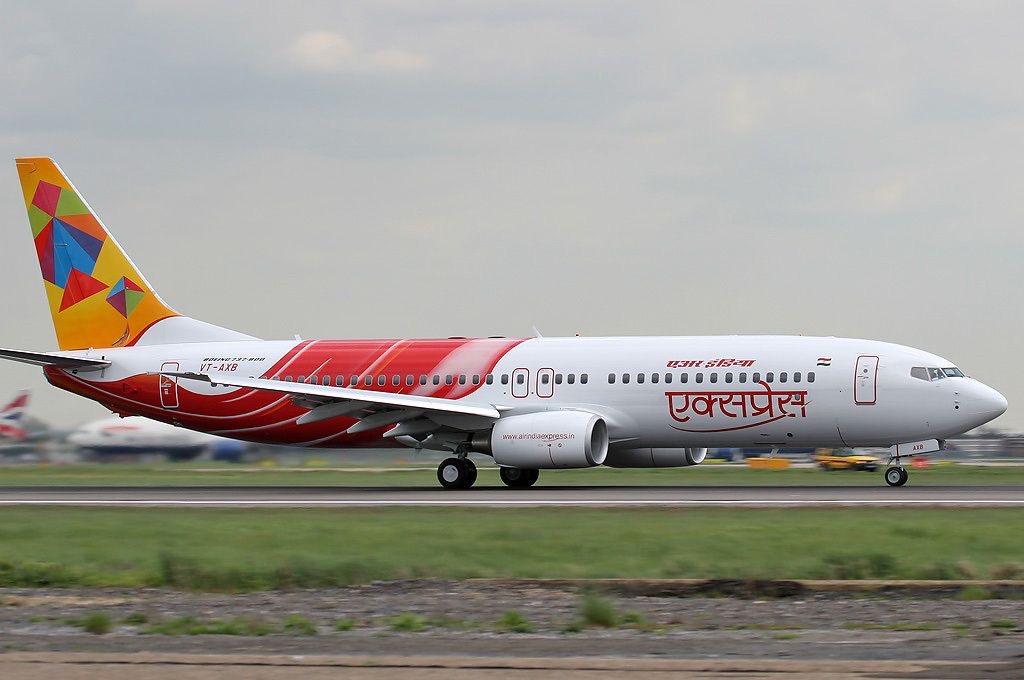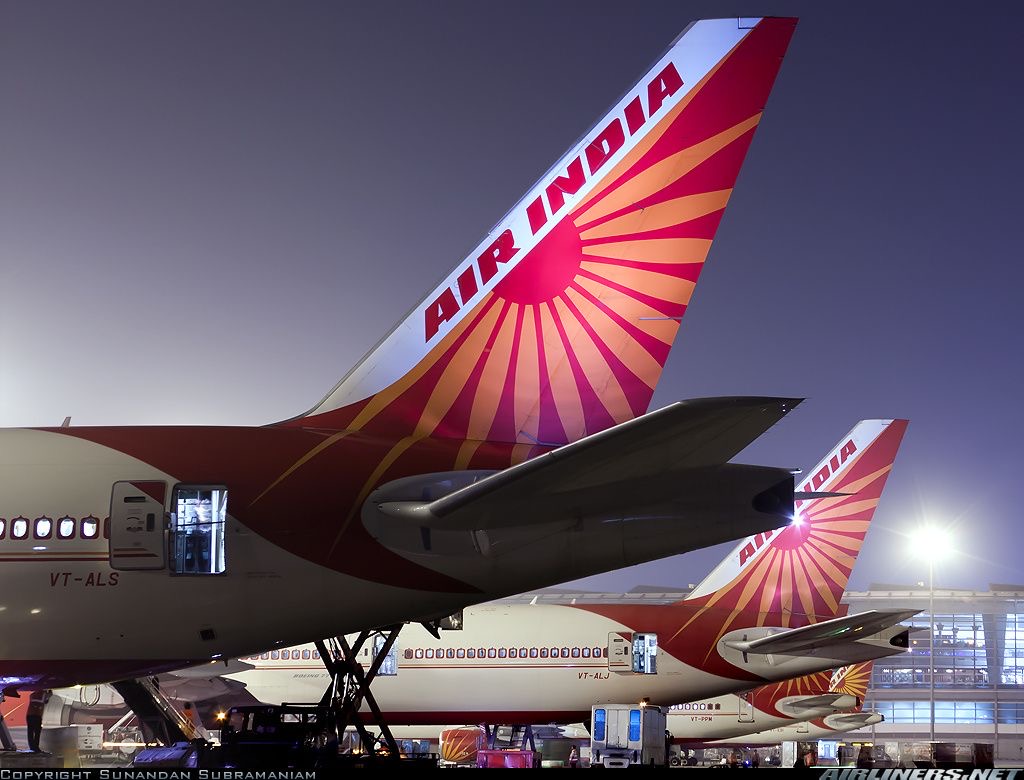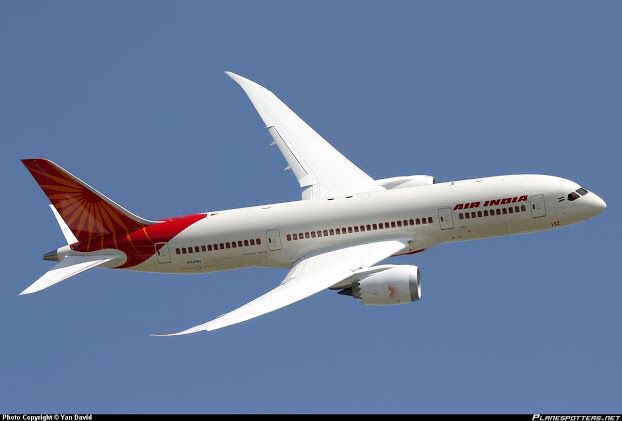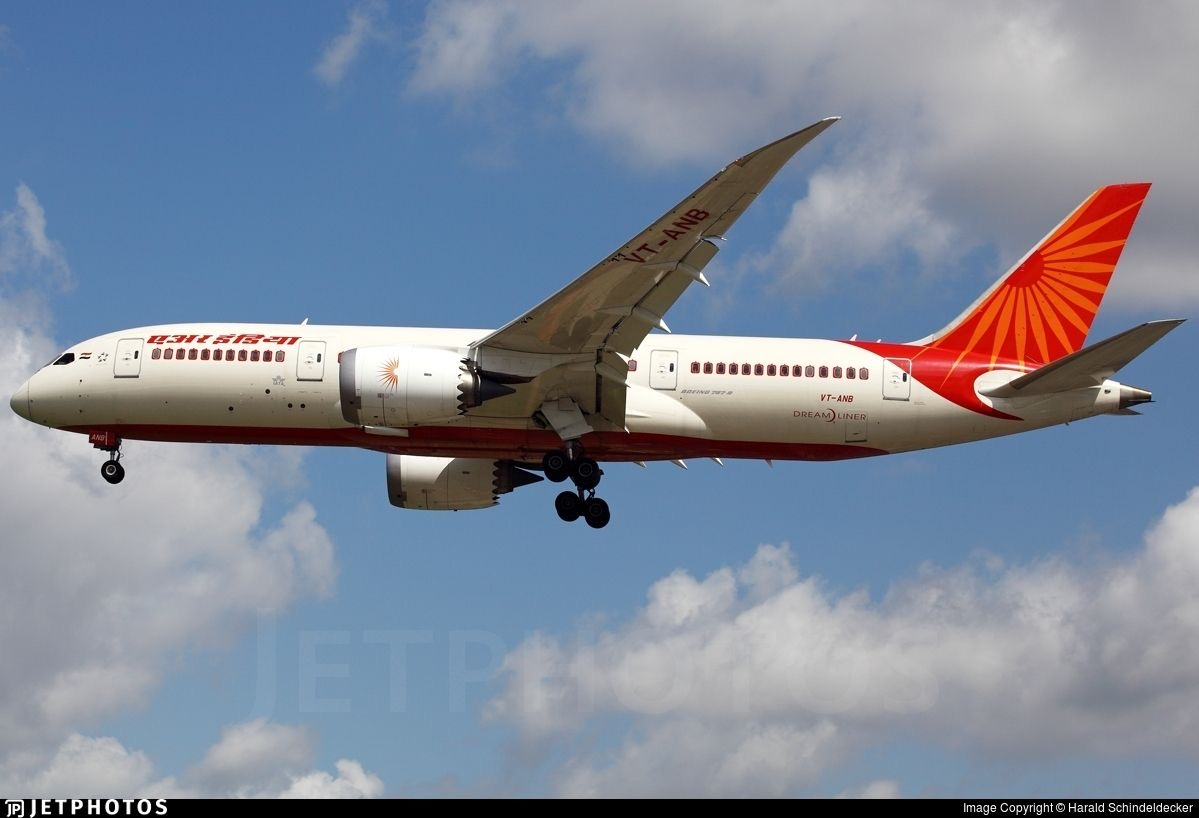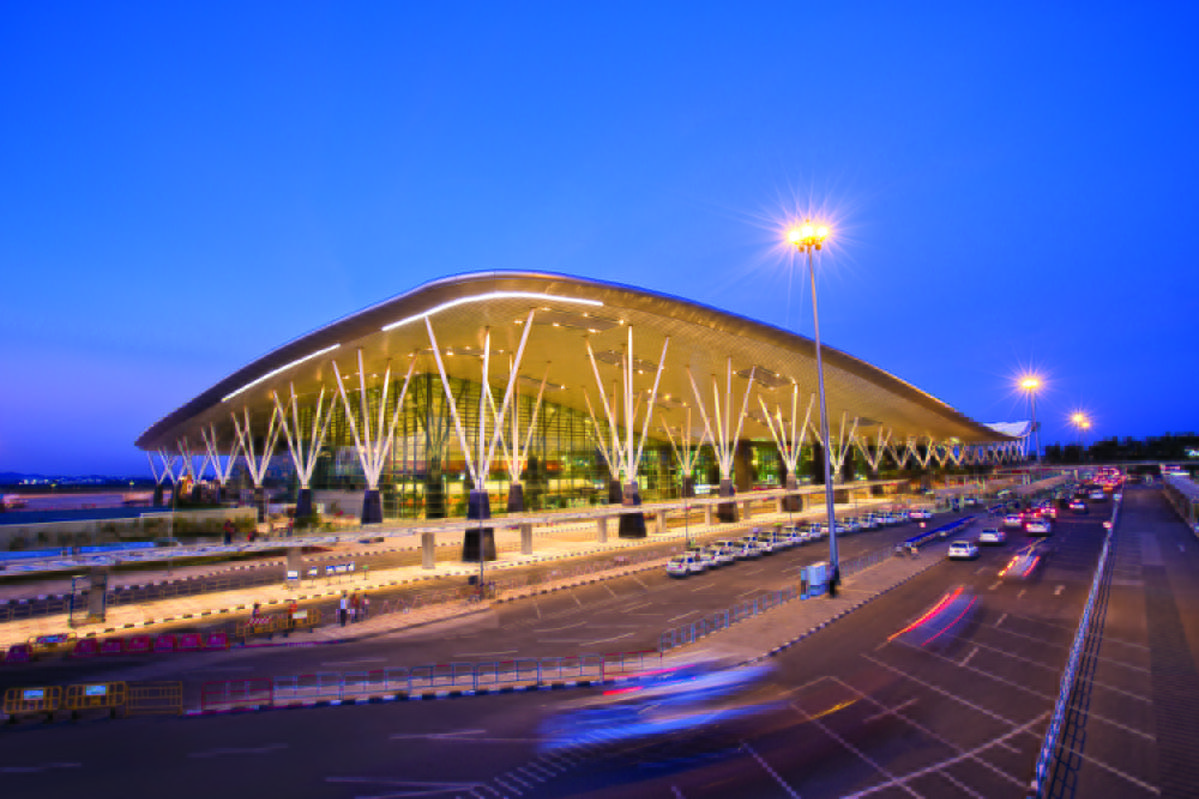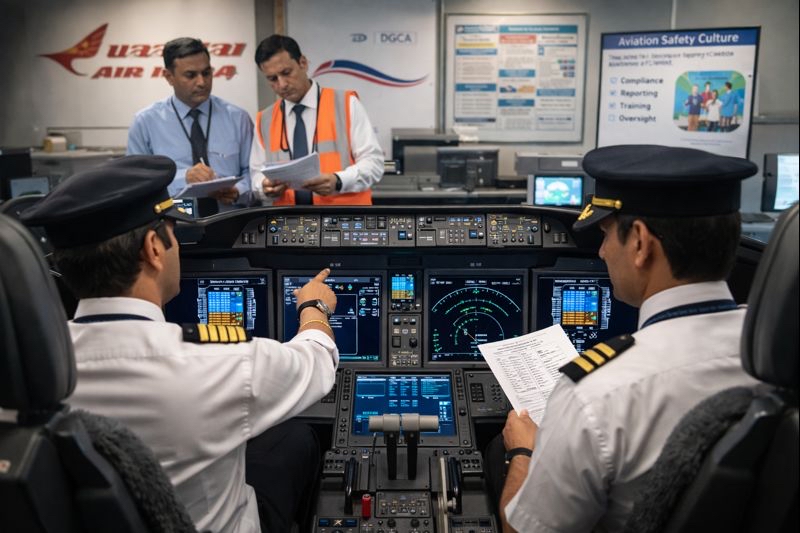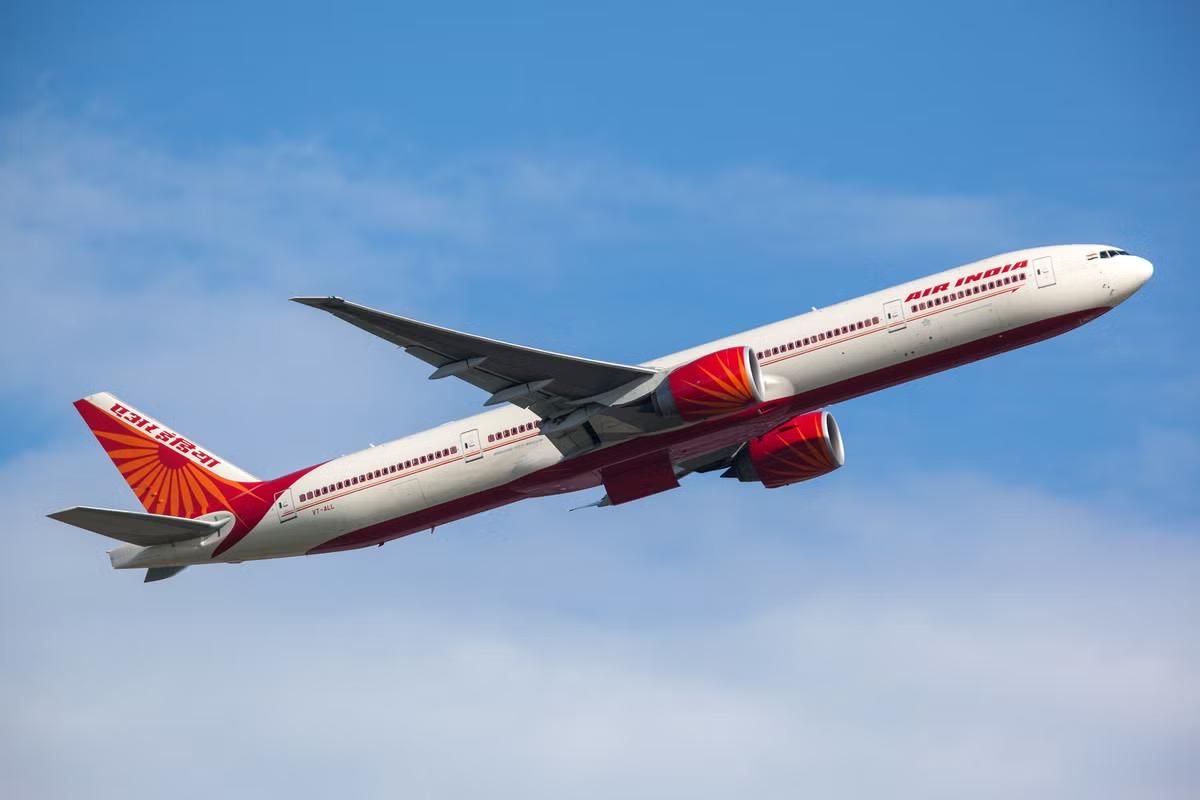

Air India has grounded one of its Boeing 787-8 Dreamliner aircraft after a pilot on a recent flight reported what may be a defect in the fuel control switch system, prompting precautionary action to ensure the continued safety of operations. The aircraft, which had operated a long-haul service from London to Bengaluru, was taken out of service after the flight crew noticed irregular behaviour during post-flight checks and submitted a report to airline engineers.
The pilot’s concern centred on the fuel control switch, a critical cockpit control that regulates the flow of fuel to the aircraft’s engines. After the flight landed safely in Bengaluru, maintenance teams and airline leadership reviewed the report and decided to ground the aircraft while further inspections are carried out. Air India said it has notified the Directorate General of Civil Aviation (DGCA), India’s civil aviation regulator, and is working with the original equipment manufacturer on a priority basis to investigate the matter.
In a statement, the airline emphasised that the decision to ground the Dreamliner was taken as a precautionary measure and that passenger and crew safety remains its foremost priority. Air India noted that it has previously conducted checks on fuel control switches across its Boeing 787 fleet following regulatory guidance and found no anomalies at that time, but will nonetheless pursue thorough evaluation of this specific report.
Fuel control switches are essential for engine operation, particularly during ground starts and shutdowns, and are designed with safeguards to prevent inadvertent movement. The reported issue has attracted attention given the heightened focus on fuel control systems in recent aviation safety discussions. Last year’s devastating crash of an Air India Boeing 787 flight in Ahmedabad highlighted the importance of fuel control systems, and regulators and industry stakeholders have since emphasised vigilance in monitoring key cockpit and engine components.
Although the airline did not elaborate on the precise nature of the potential defect beyond the pilot’s report, grounding the aircraft allows technicians and the manufacturer to carry out detailed diagnostics, component checks and any necessary corrective action before the jet returns to service. Air India also assured the public that other aircraft in its 787 fleet are operating normally, with routine maintenance and inspections continuing as part of standard operational protocols.
The DGCA will monitor the investigation and may issue further directives or safety recommendations depending on what is uncovered during the technical review. Aviation experts note that responses to potential technical issues including temporary groundings are part of maintaining high safety standards in airline operations, particularly when there is even a remote possibility of a defect in a system as critical as fuel control.
As the inquiry progresses, Air India is expected to provide updates on findings and any expanded inspections that may be undertaken to reassure passengers, regulators and industry partners. The airline’s handling of the matter reinforces its commitment to compliant operations and to a conservative approach toward technical concerns that could influence flight safety.