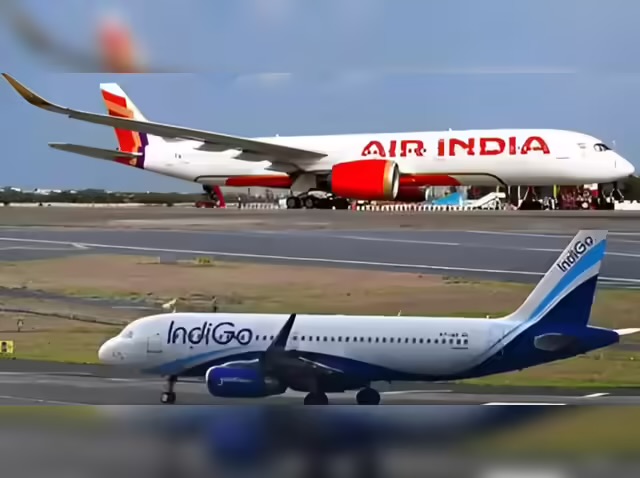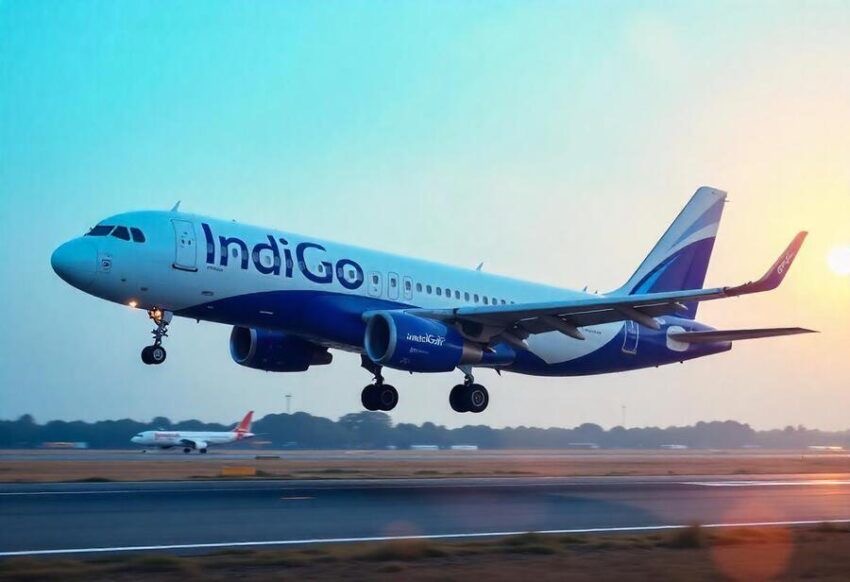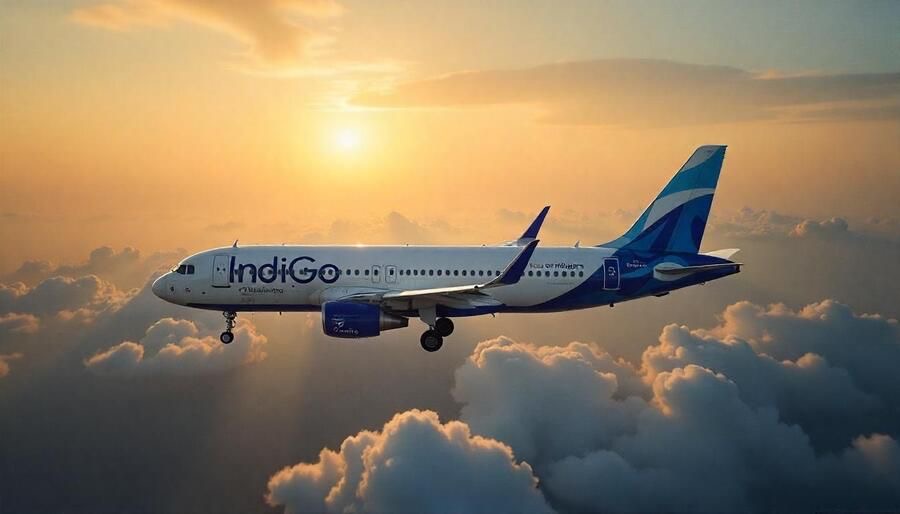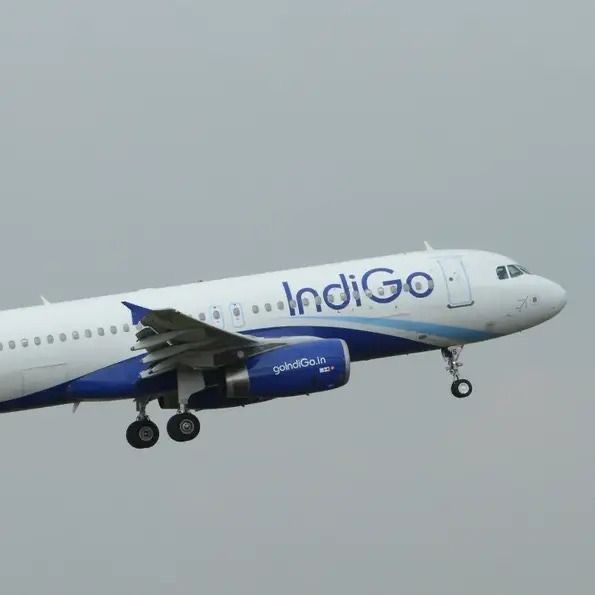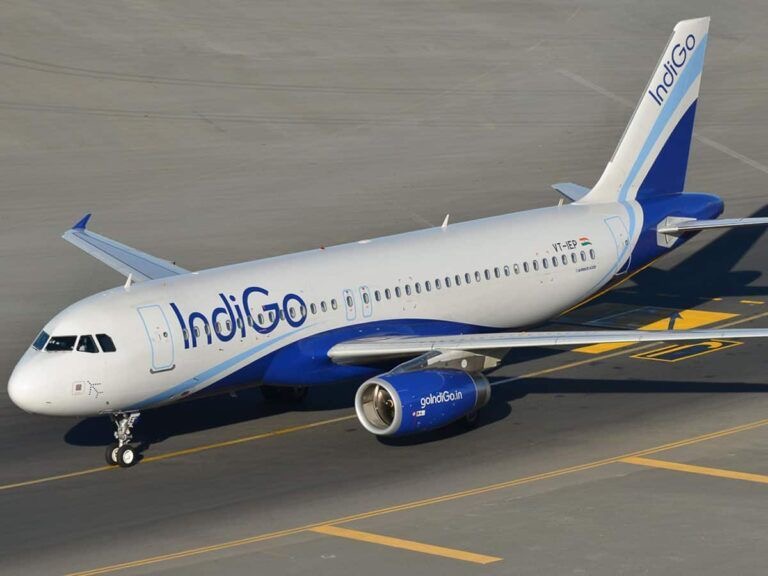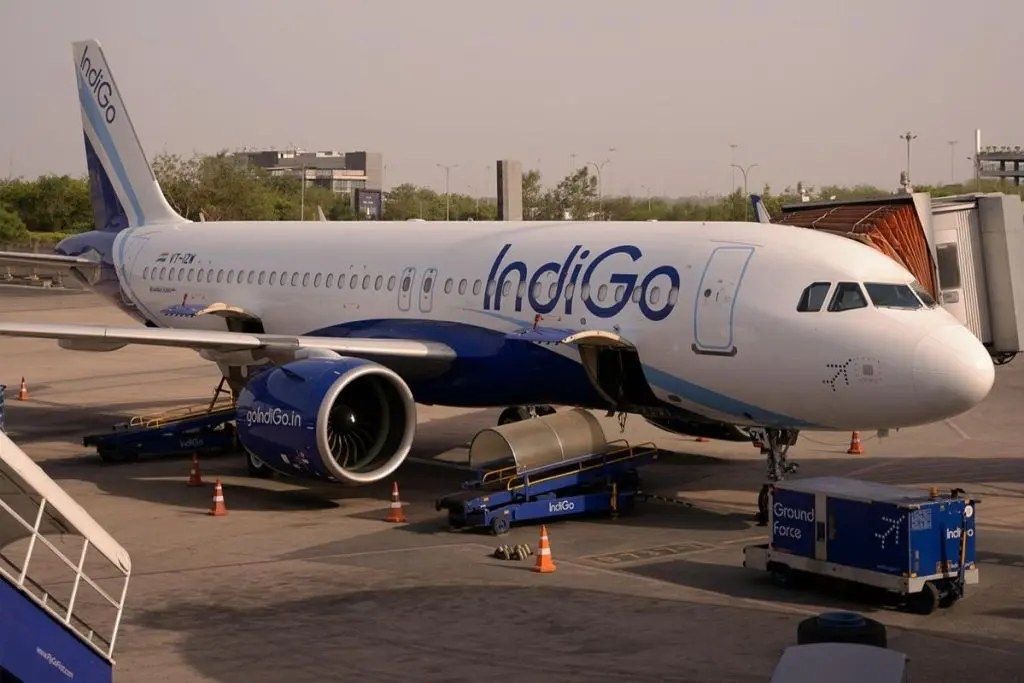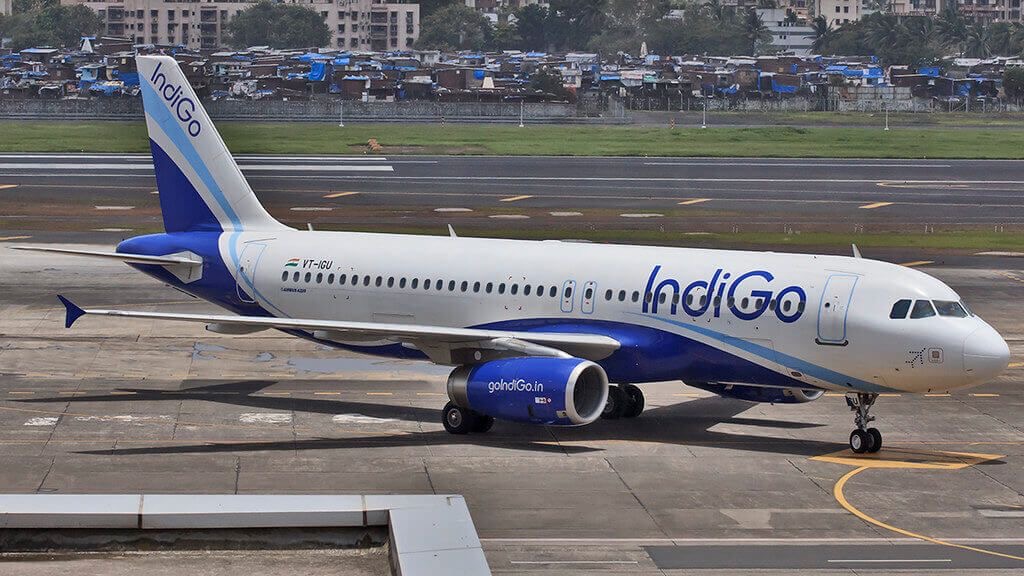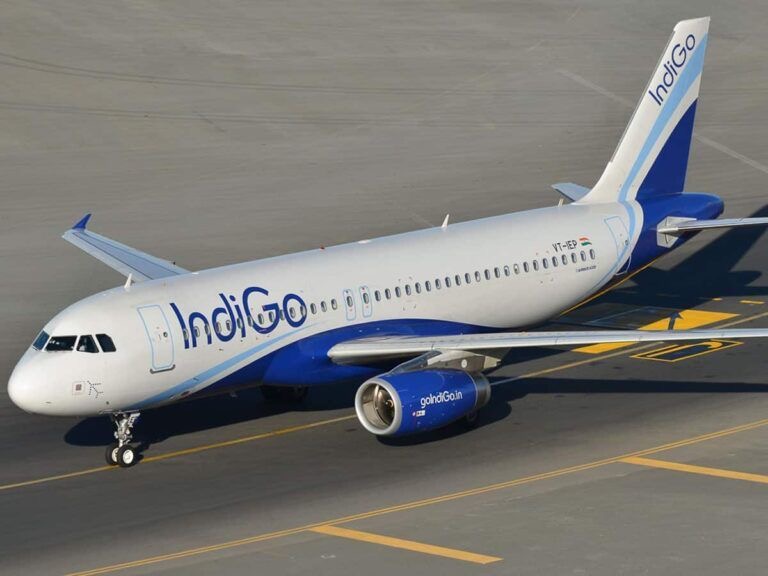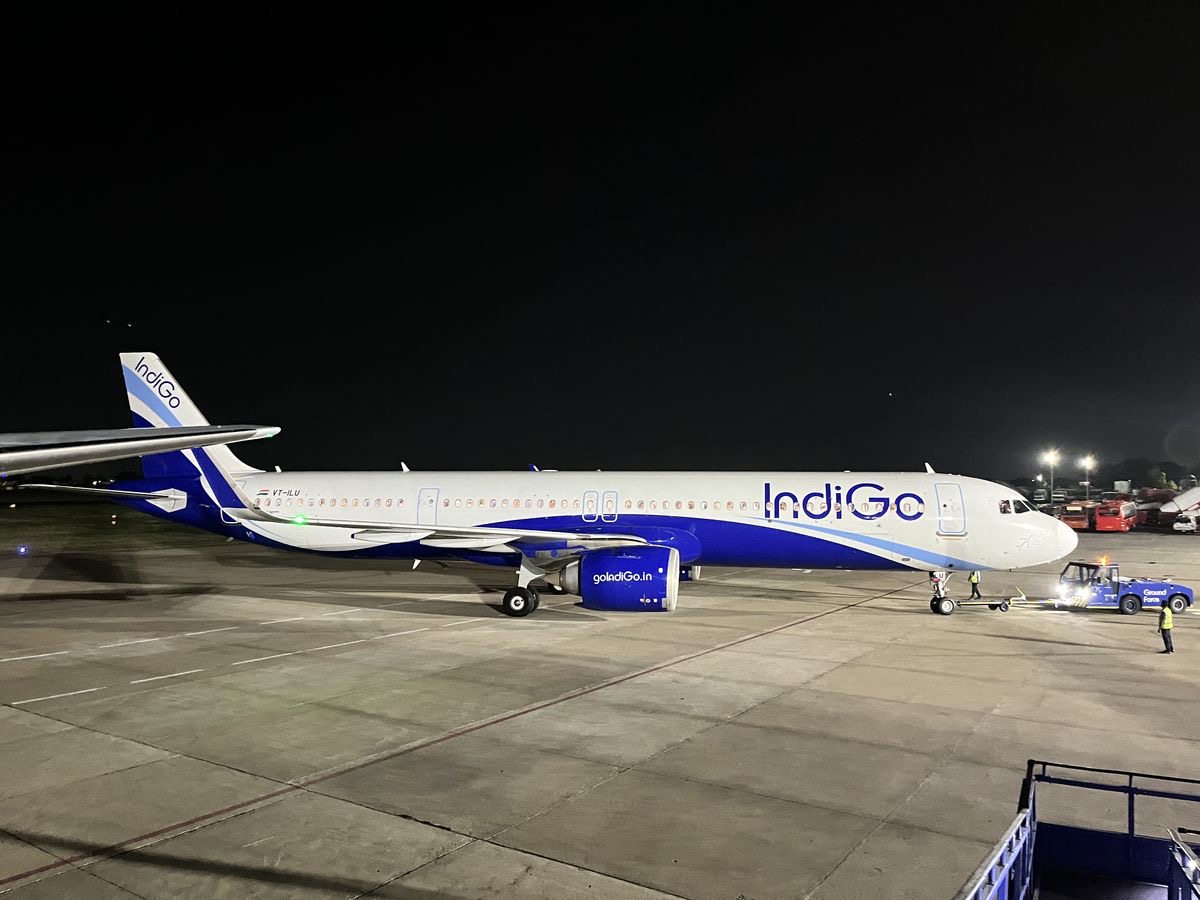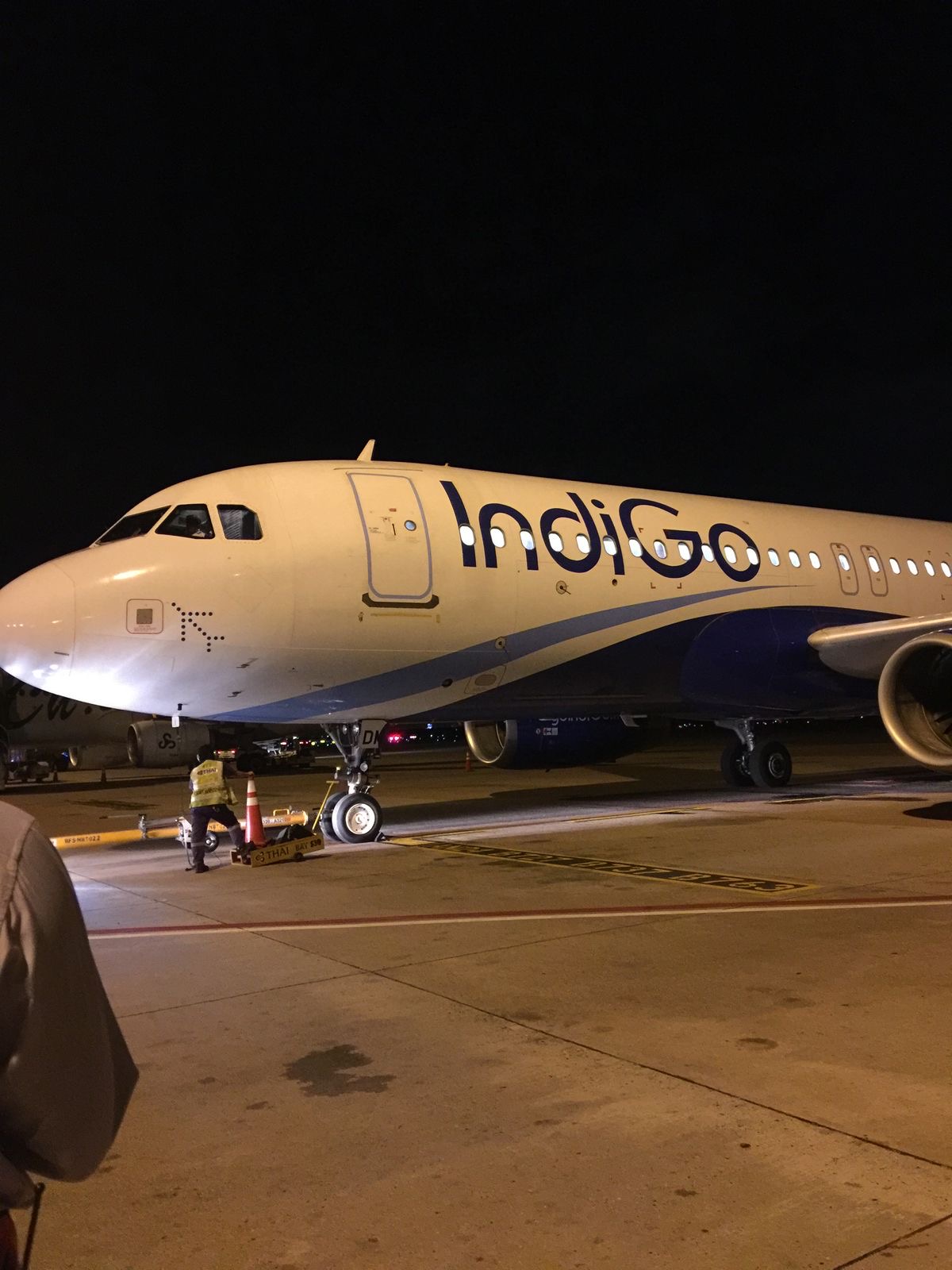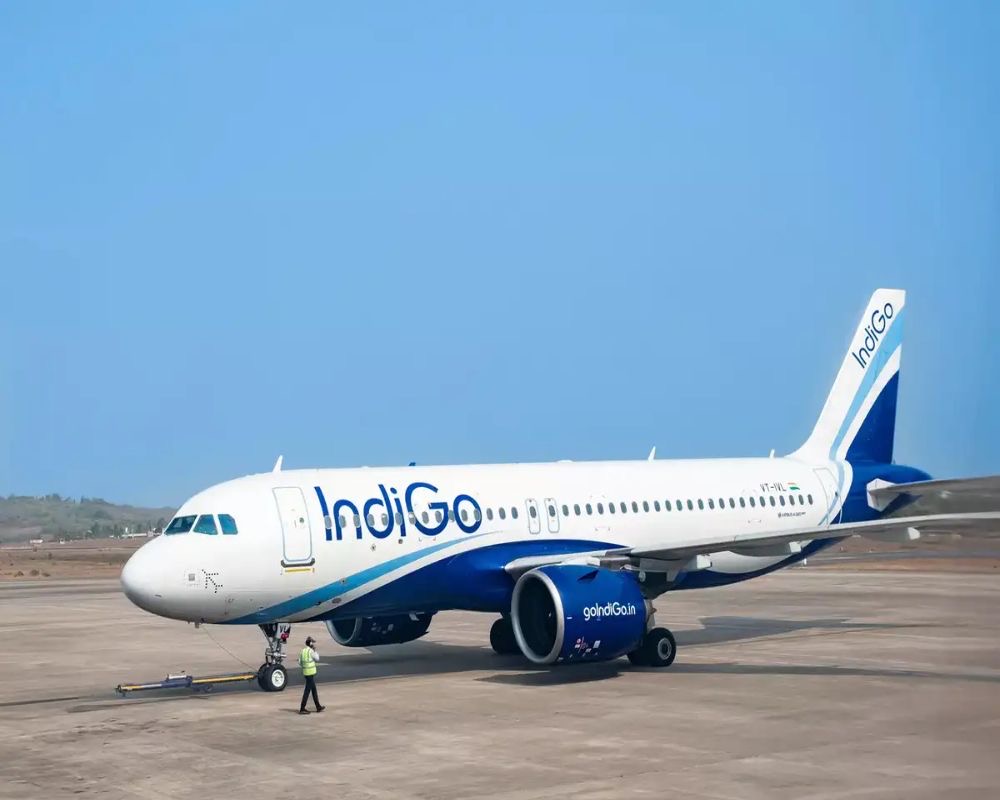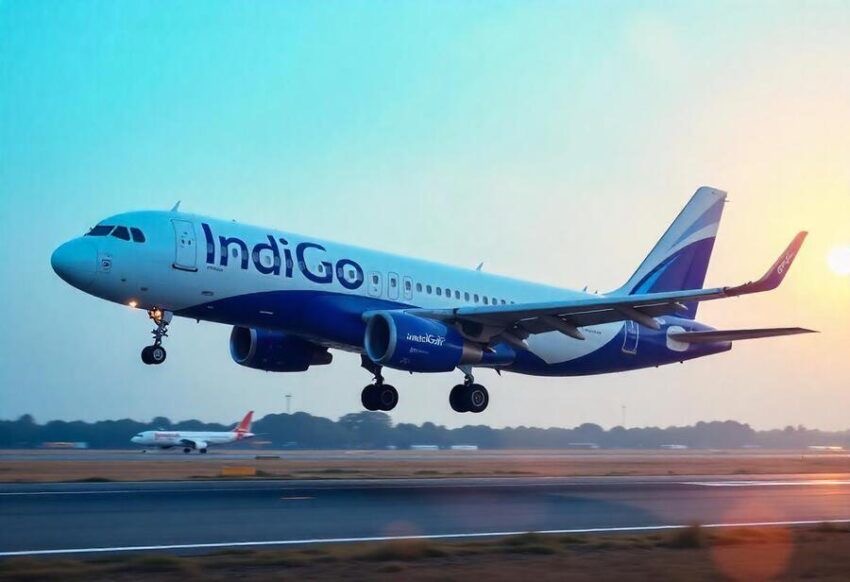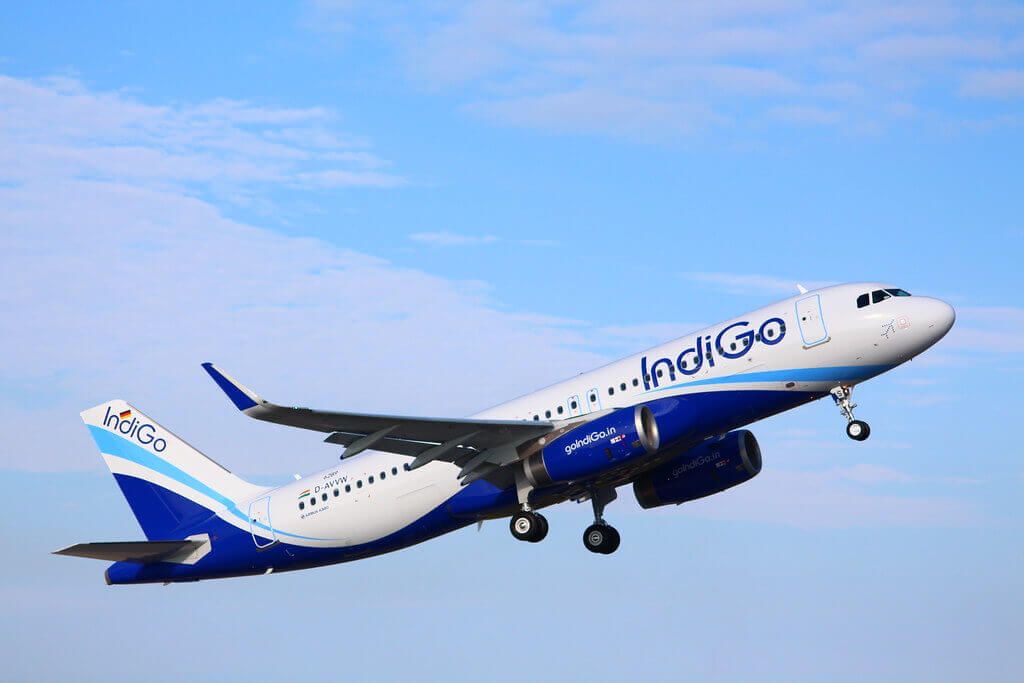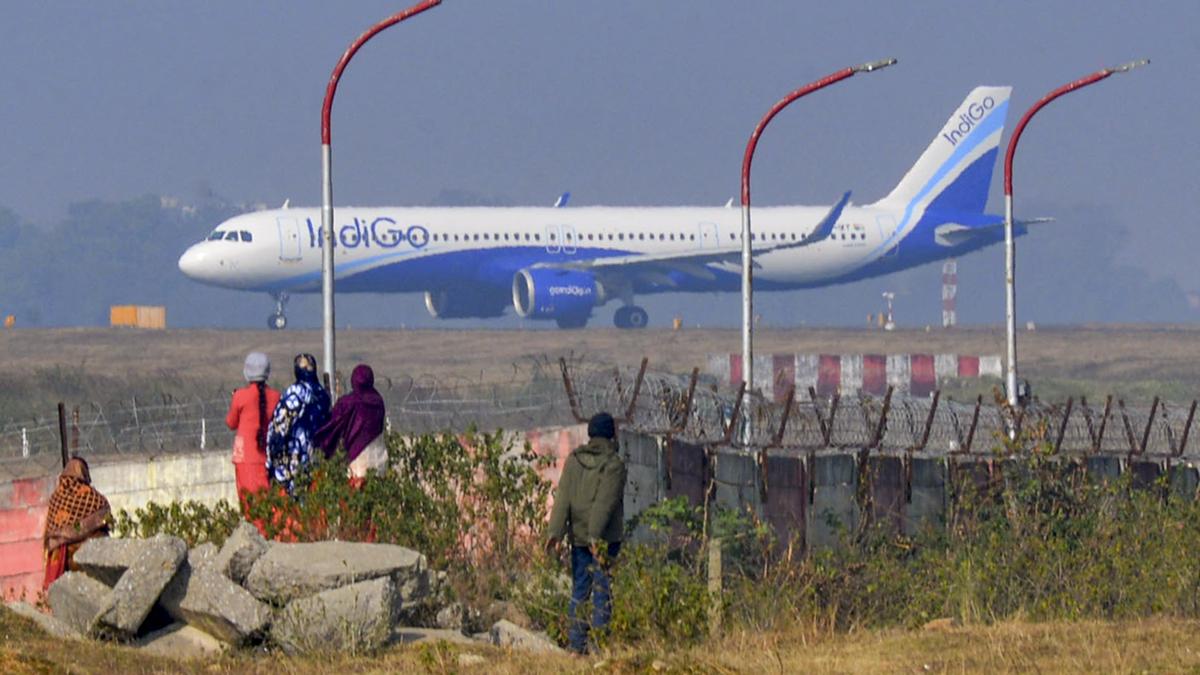
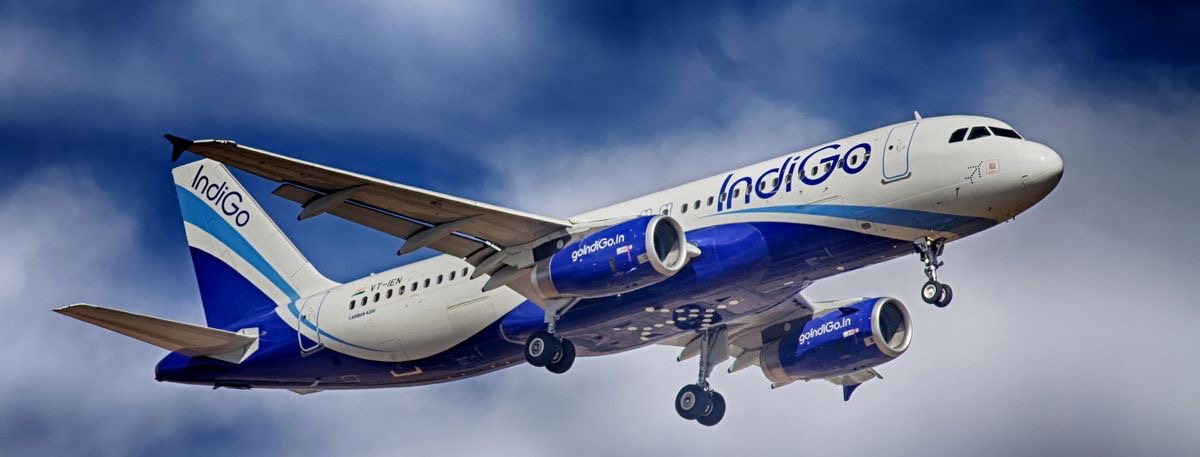
India’s largest airline, IndiGo, has seen a noticeable dip in its domestic market share for the month of November, reflecting the impact of recent operational challenges that disrupted services across the country. According to the latest aviation statistics, the airline’s share of the domestic market fell to 63.6 percent in November, down from 65.6 percent recorded the previous month. While IndiGo remains the largest carrier in India, the drop underscores how fragile market dominance can be when service reliability is shaken.
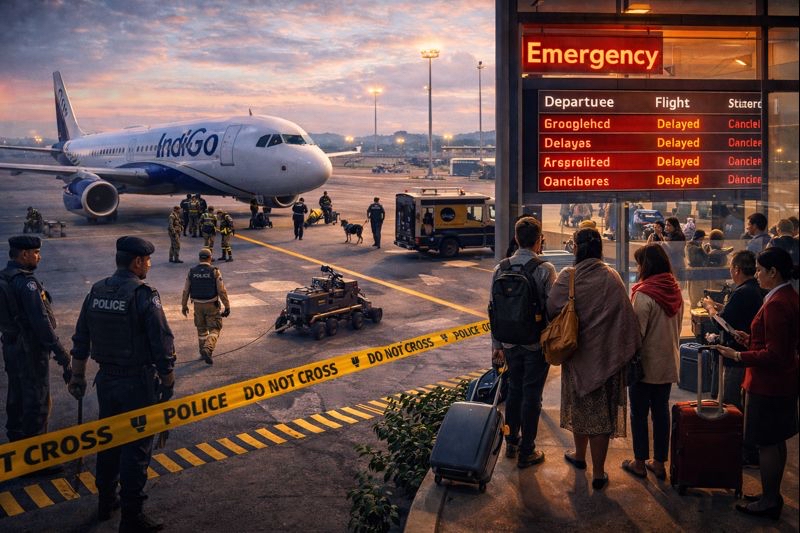
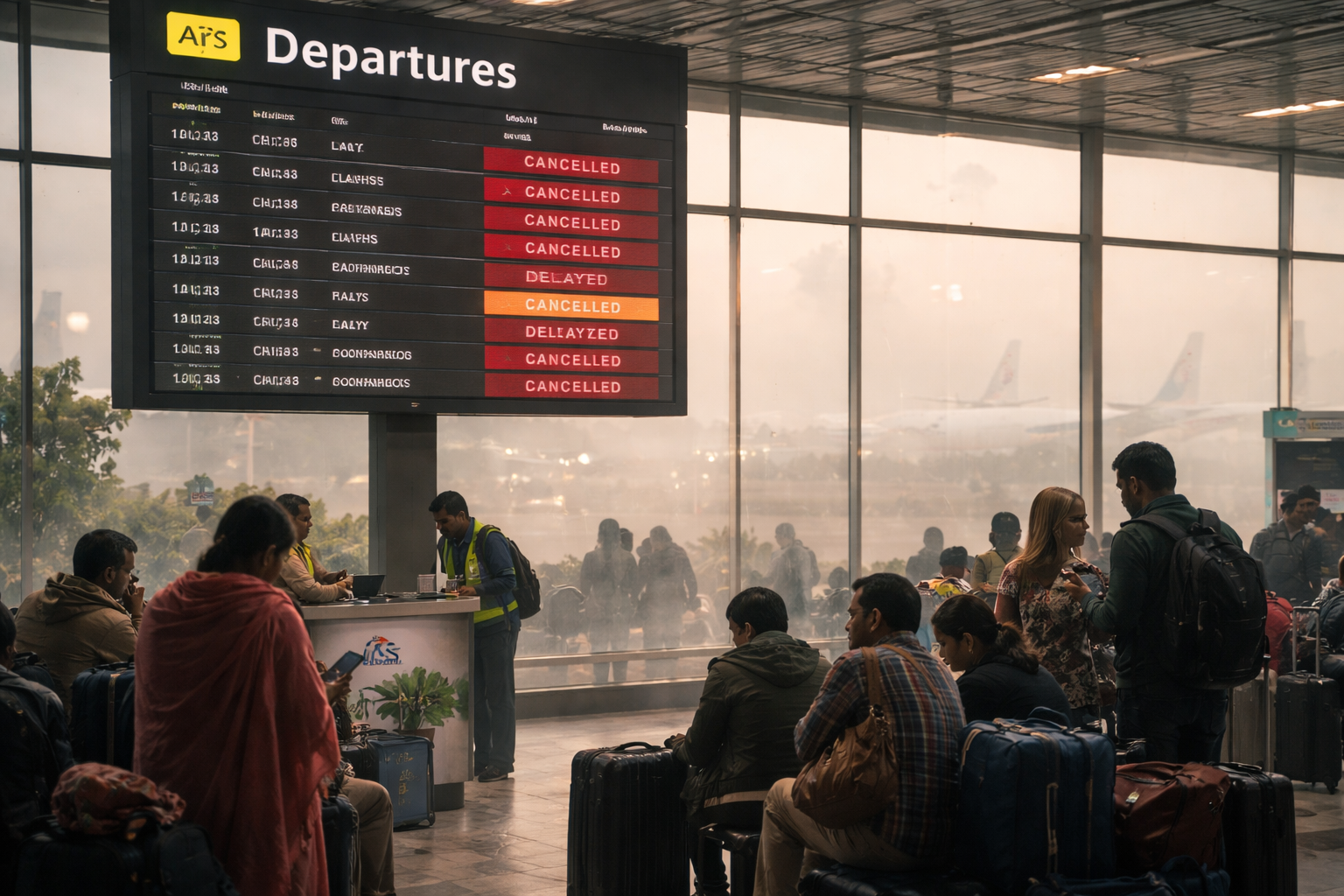
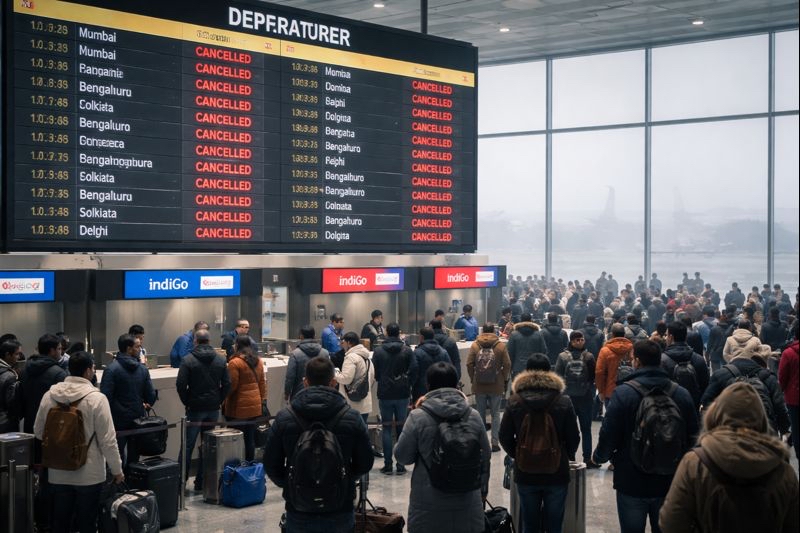
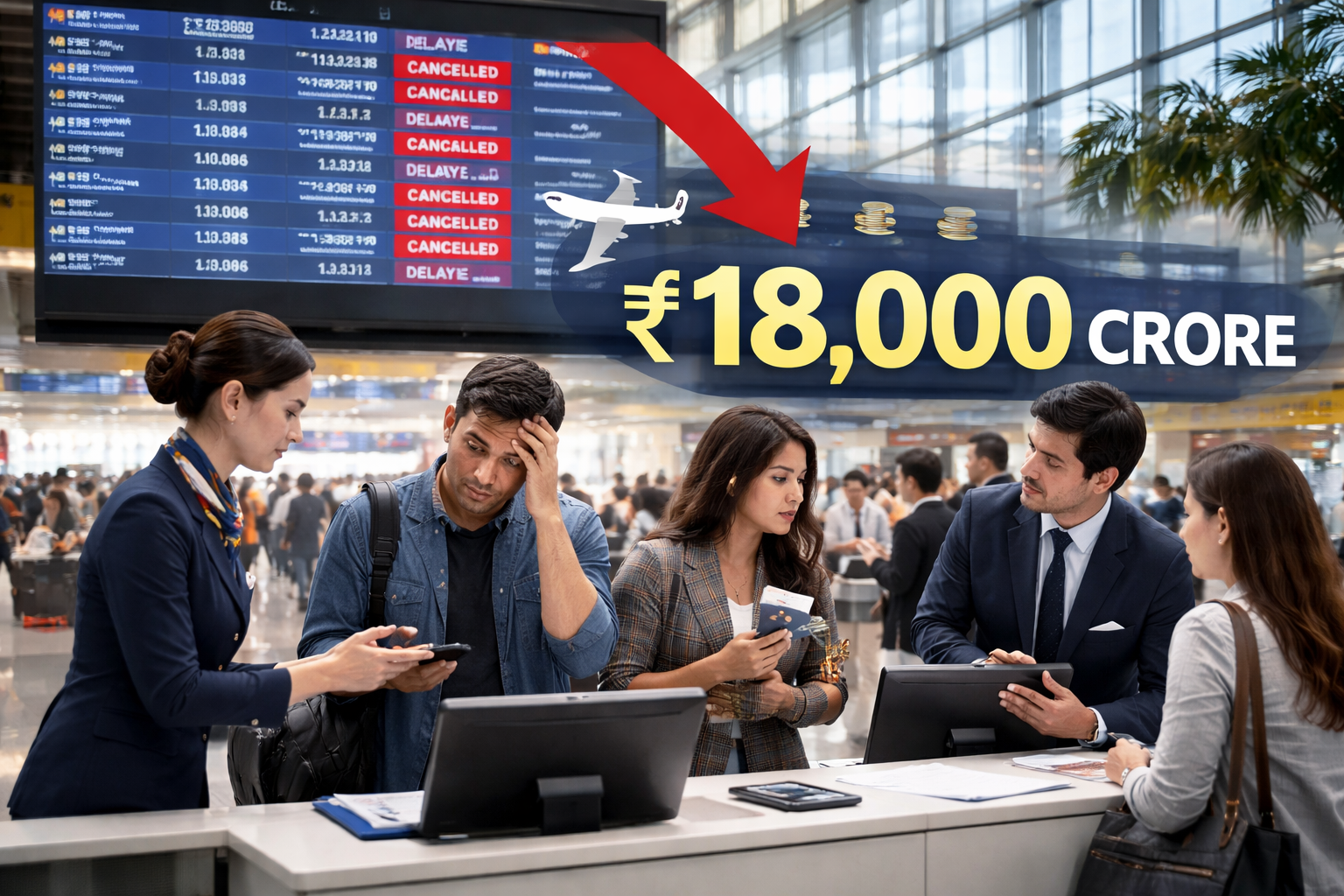
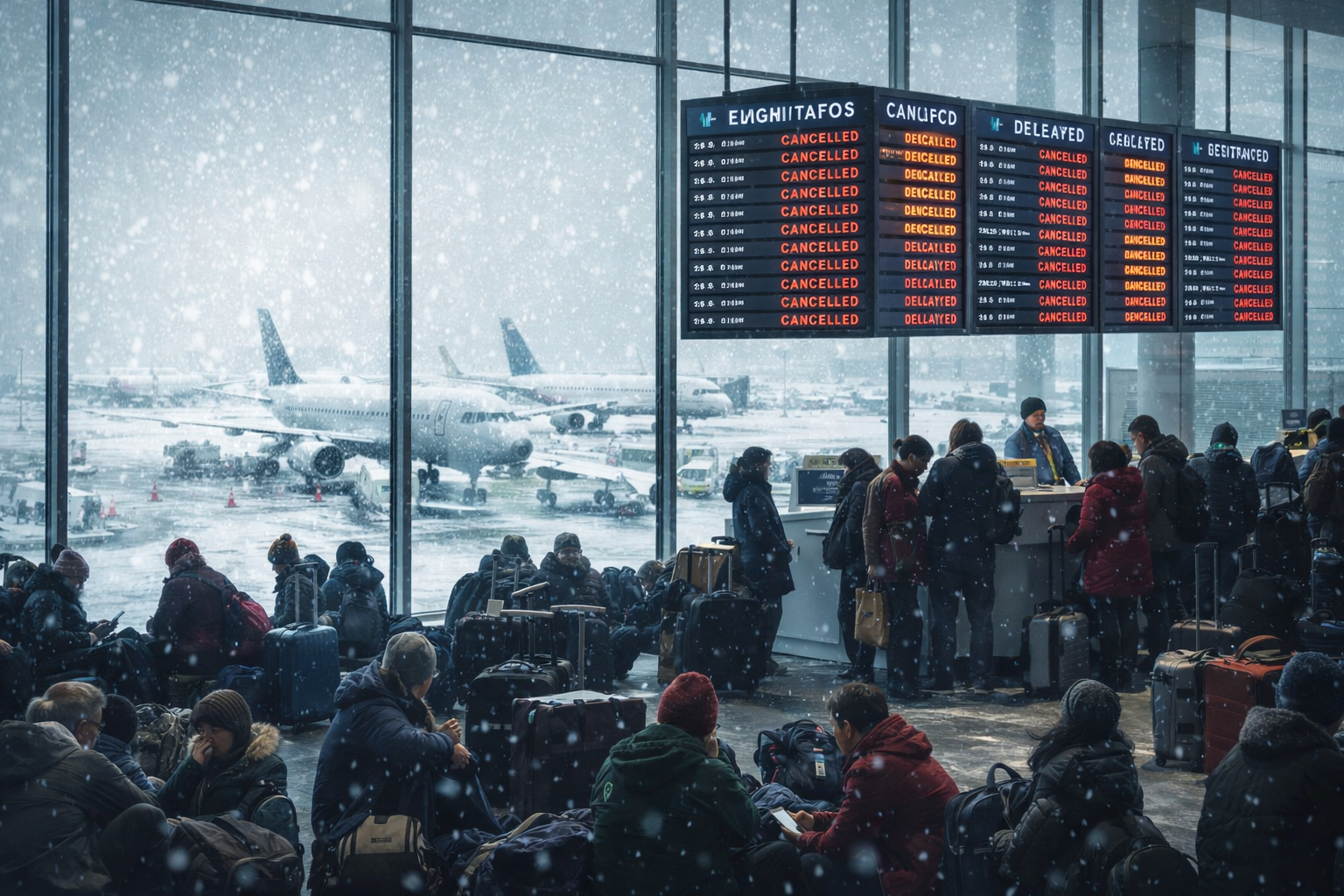
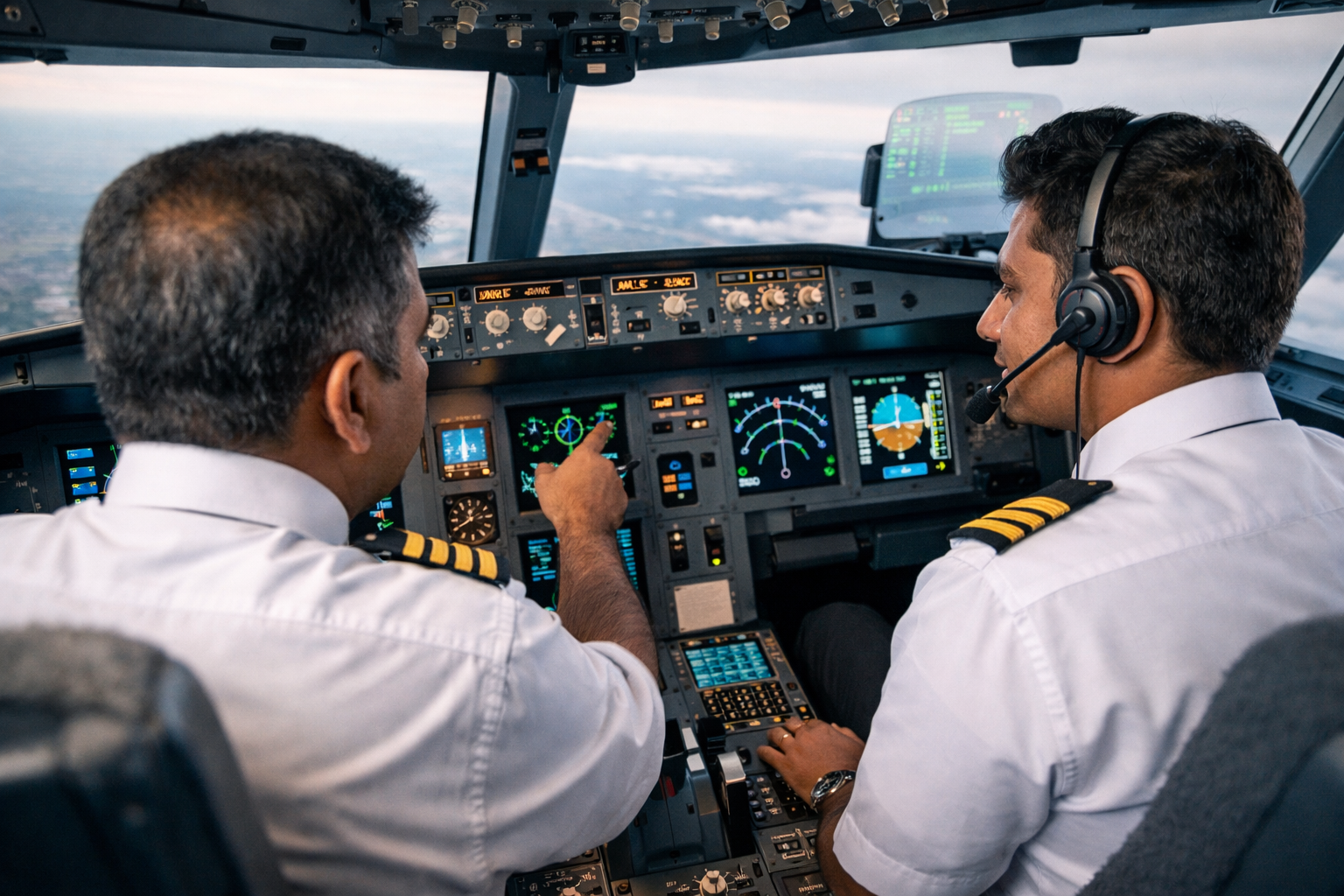
The decline in market share comes in the wake of widespread flight cancellations and schedule changes that affected thousands of passengers earlier in the month. IndiGo had faced significant disruptions after struggling to align its crew planning and operations with newly introduced duty time regulations, leading to shortages of available pilots and cabin crew on certain days. The resulting cancellations and delays drew attention from regulators, passengers, and industry observers alike.
Compounding the airline’s challenges was a directive from the aviation regulator for IndiGo to cut back its winter schedule by about ten percent. The move was aimed at reducing operational strain and giving the airline time to stabilise its rosters and flights. Although this decision helped ease immediate pressures, it also contributed to fewer available seats and reduced frequency on some routes — a factor that likely influenced the decline in market share for November.
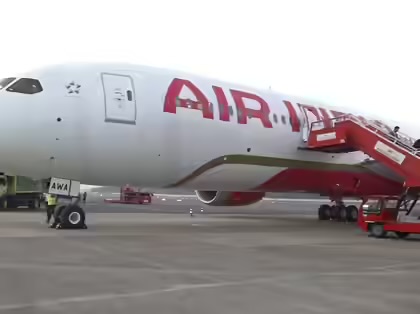
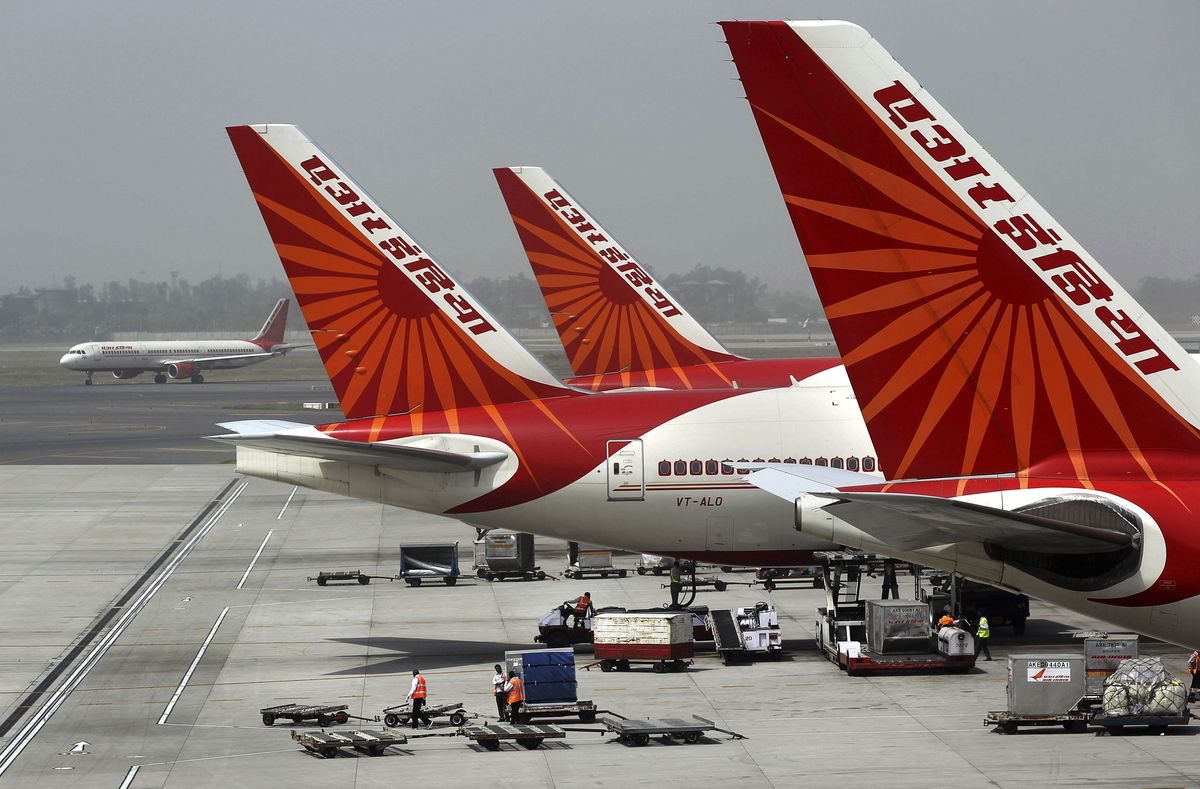
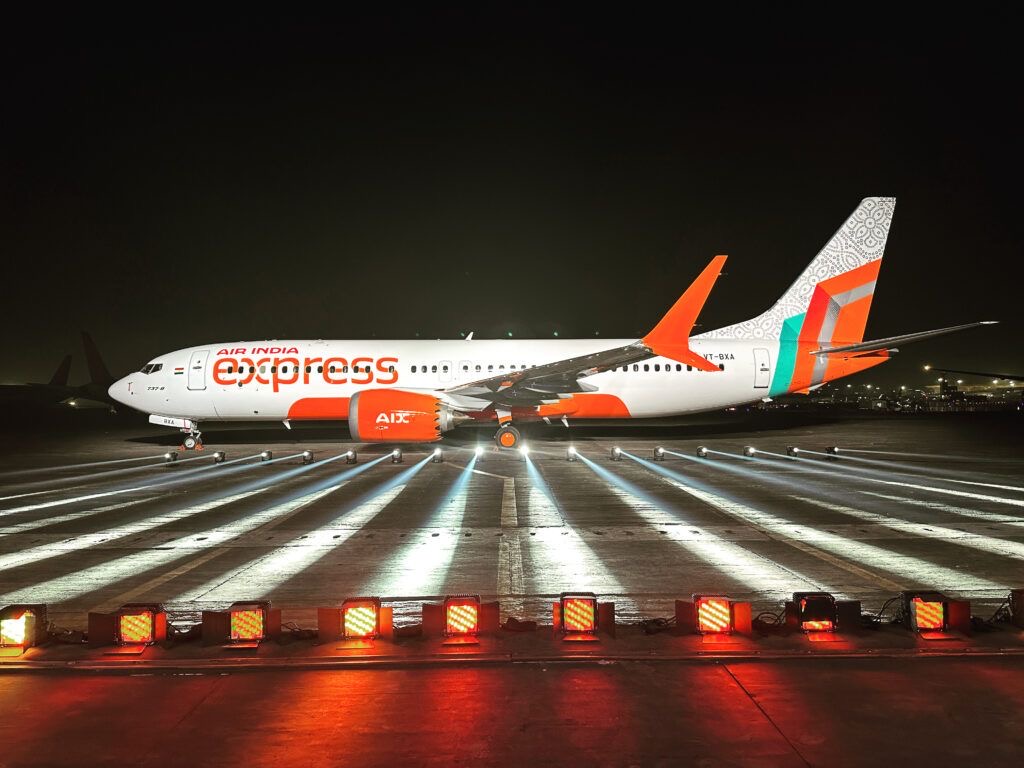
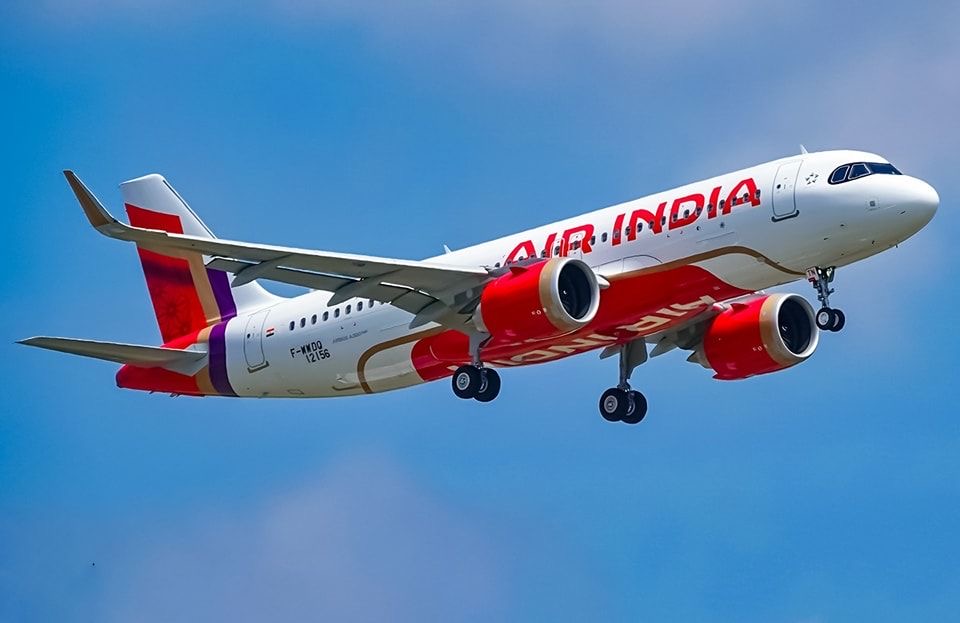
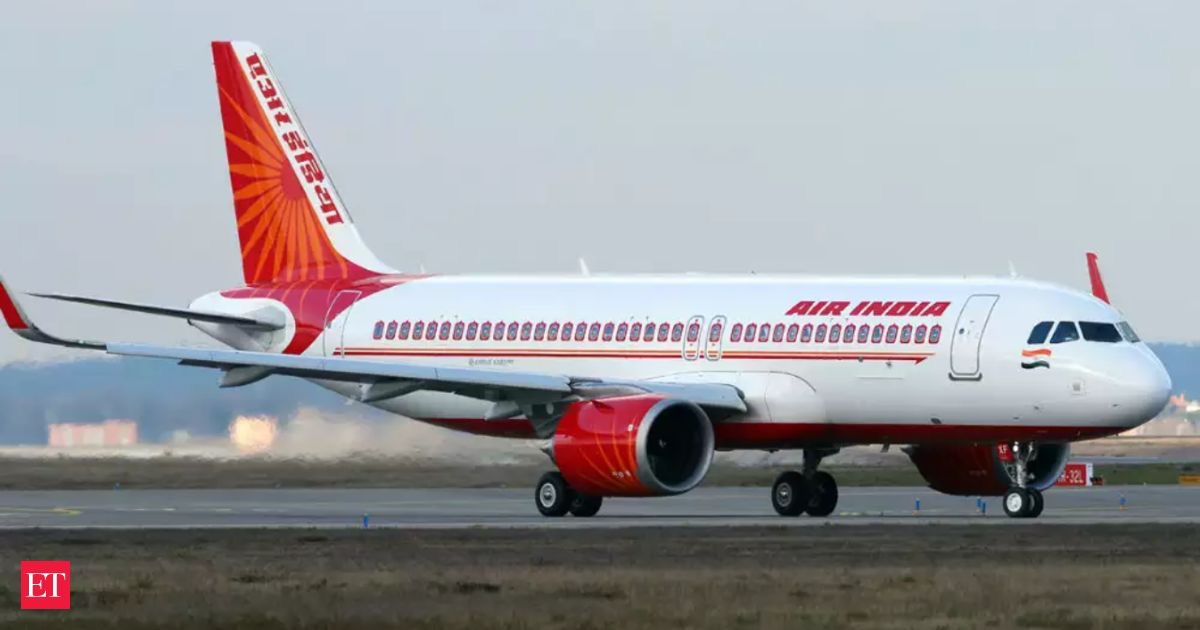
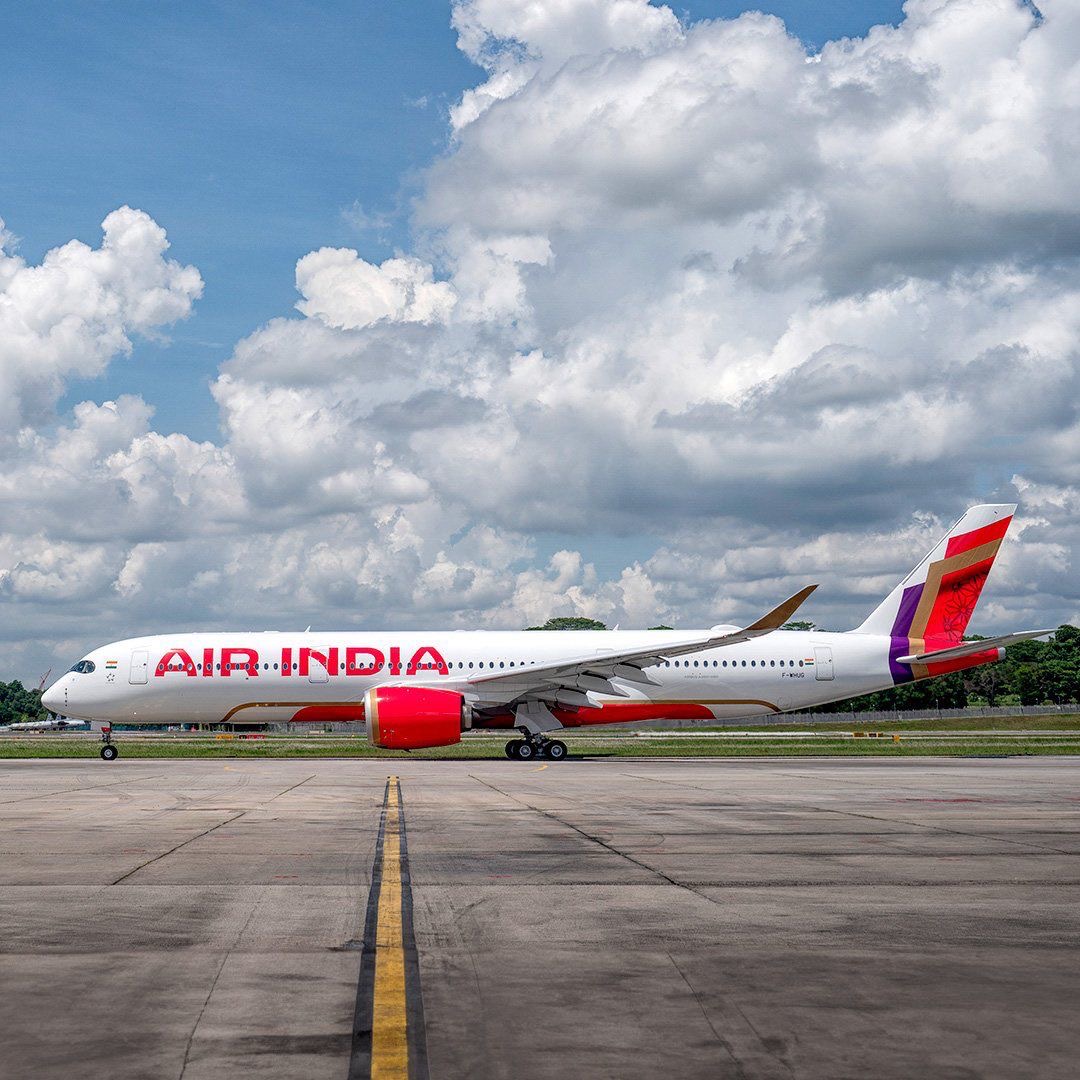
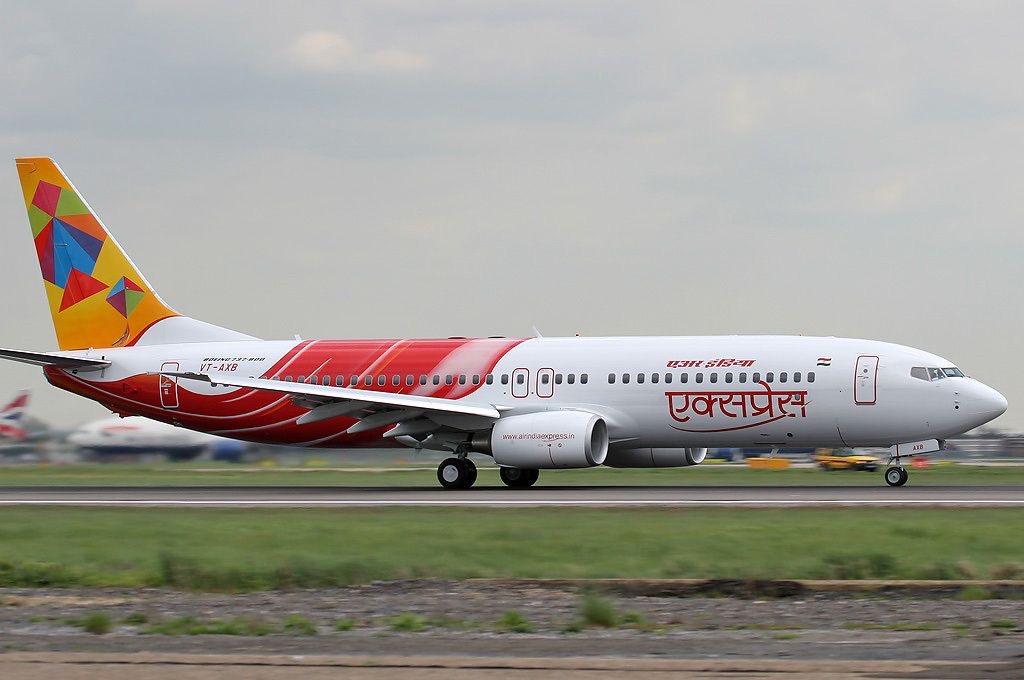
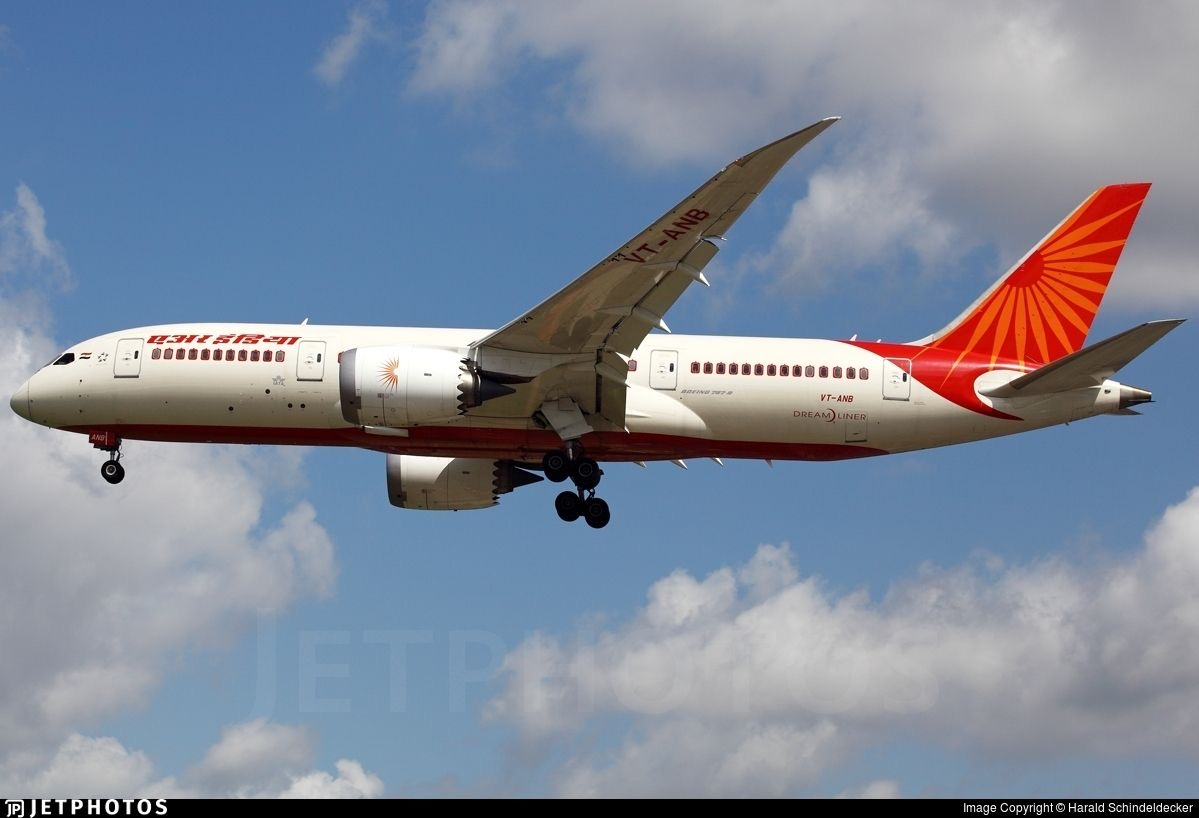
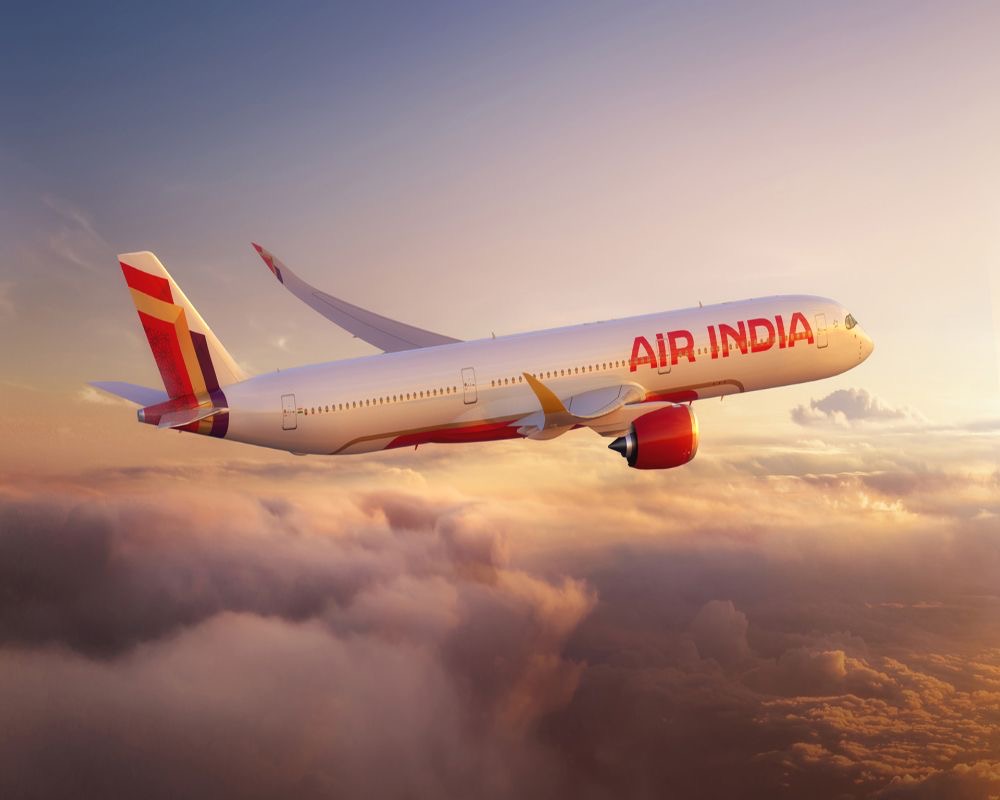
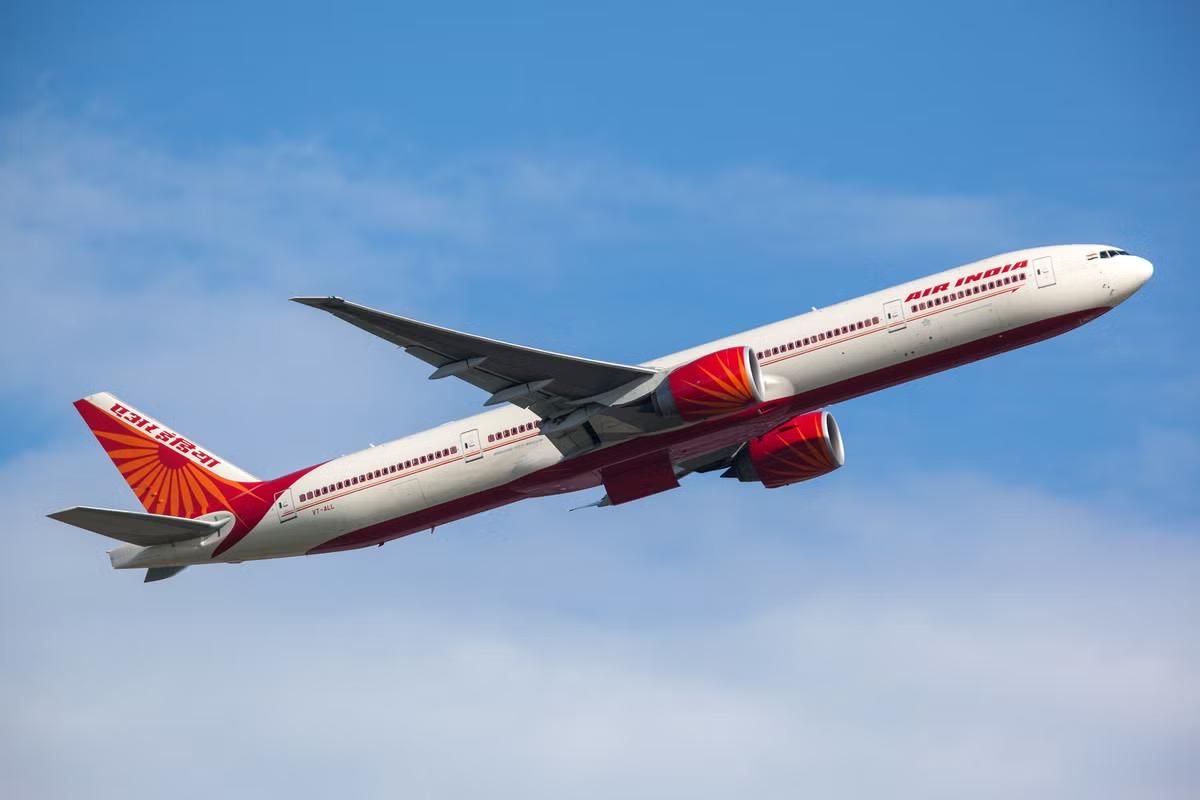
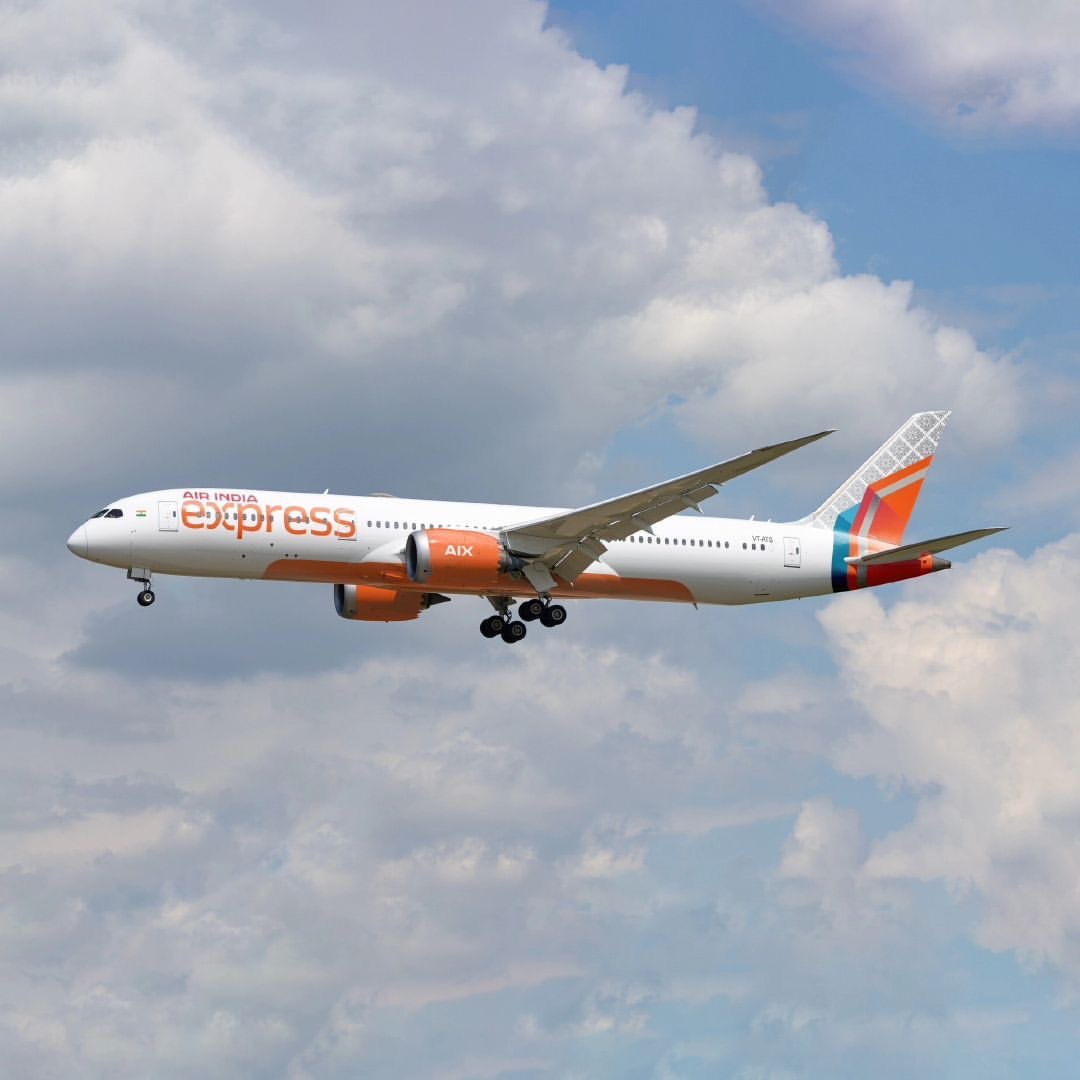
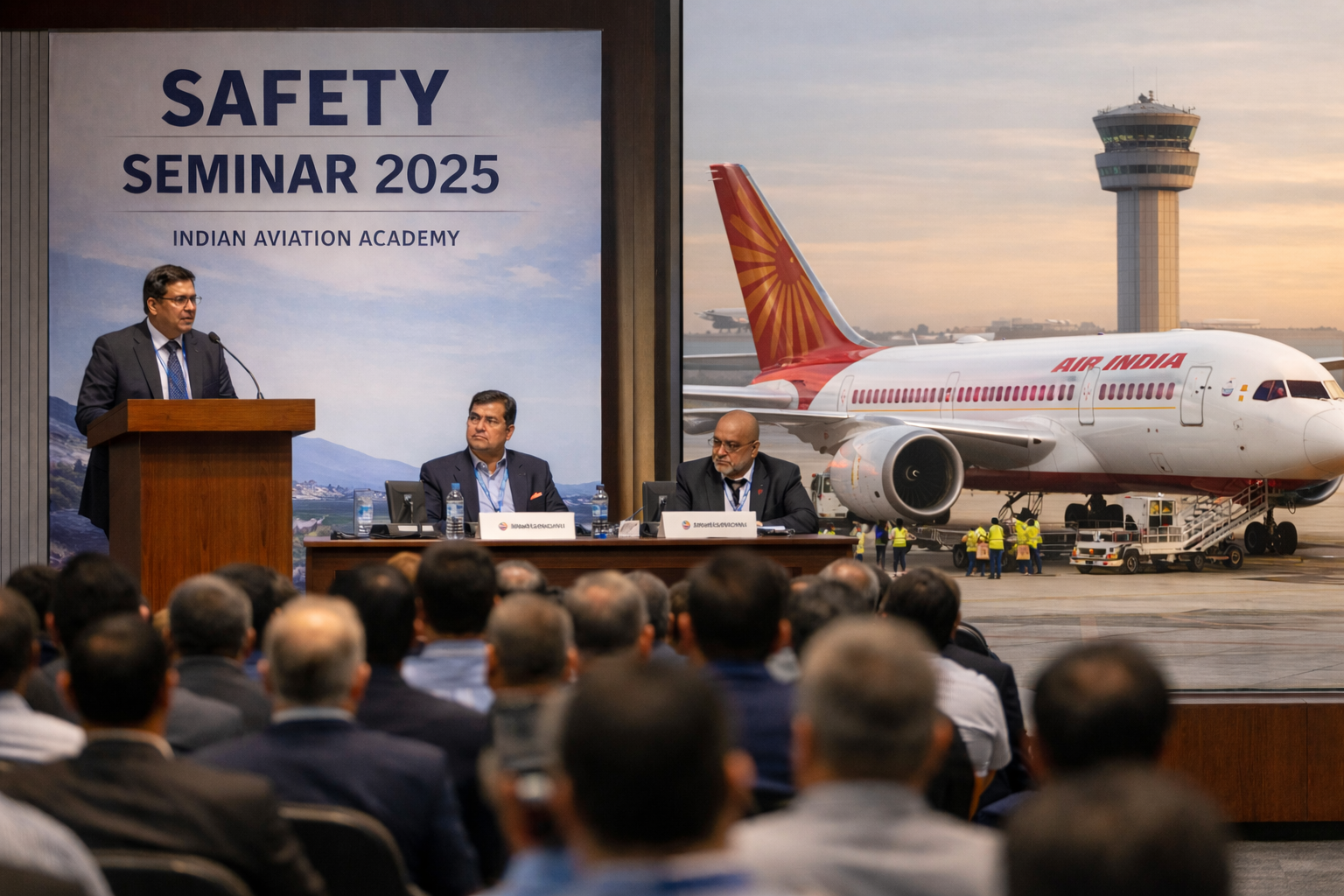
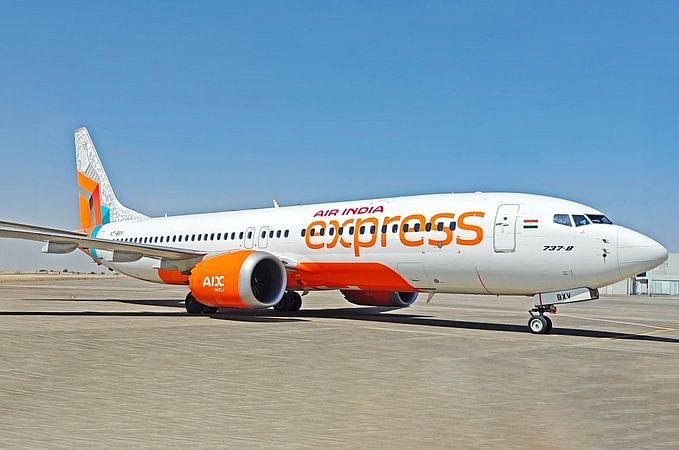
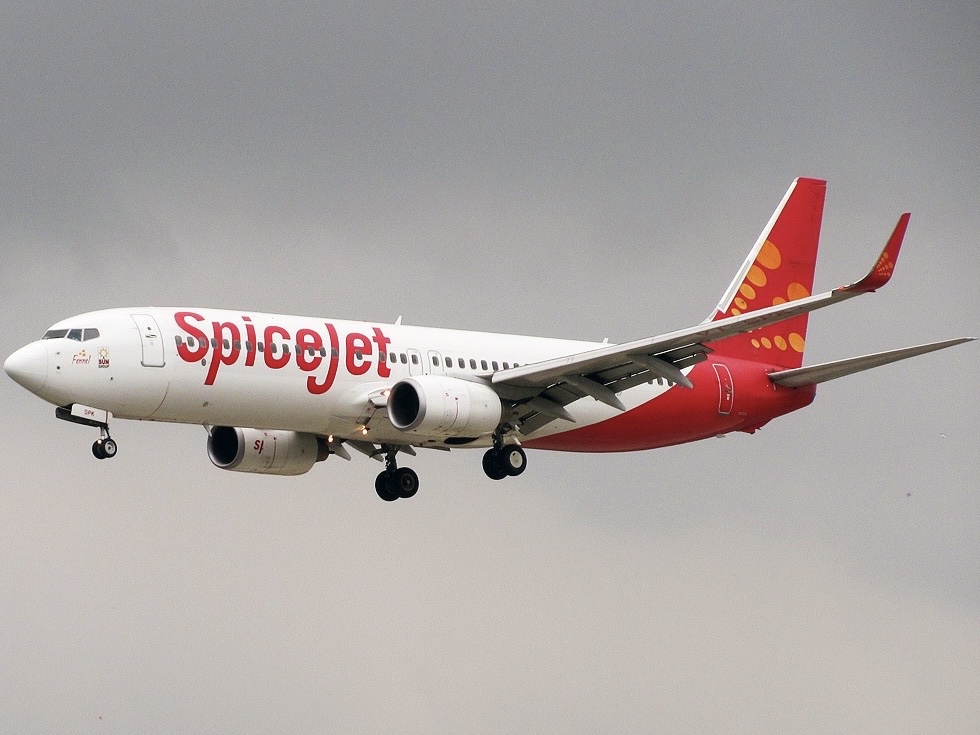
At the same time IndiGo’s share contracted, competitors in the Indian aviation sector made modest gains. The Air India Group, which includes Air India and its low-cost subsidiary Air India Express, saw its combined market share increase over the same period. Other carriers like SpiceJet also saw small upticks in their share of the market. These shifts suggest that a broader array of domestic travellers may be turning to alternative airlines in response to service disruptions.
Despite the relative decline, IndiGo still holds a commanding position in India’s domestic aviation landscape, with more passengers flying under its network than any other carrier. The airline’s extensive route map, large fleet, and brand recognition provide advantages that newer or smaller competitors have yet to match. Nevertheless, the recent turbulence in its operations has highlighted the importance of robustness and adaptability in airline management.
Industry analysts believe that market share fluctuations are a reminder of how competitive the Indian aviation market has become in recent years. With passenger numbers continuing to rise and more airlines entering the fray, carriers must maintain high standards of punctuality, customer service, and operational reliability to hold on to their loyal flyers. For IndiGo, restoring confidence among its customers will be critical as it works to regain momentum in the months ahead.
Passengers affected by the November disruptions shared a mixture of frustration and understanding. While some criticised the airline for last-minute cancellations and inadequate communication, others acknowledged that extreme weather, regulatory changes, and staffing challenges have made airline operations more complex. Many travellers said they hoped improved planning and forecasting would prevent similar disruptions in the future.
Looking forward to December and beyond, airline executives say they are focused on strengthening operational systems and enhancing crew availability. IndiGo’s ability to bounce back from recent setbacks will be closely watched by industry watchers and travellers alike. With the aviation sector poised for continued growth, the airline’s response to these challenges will play a key role in shaping its competitive position in the rapidly evolving Indian market.