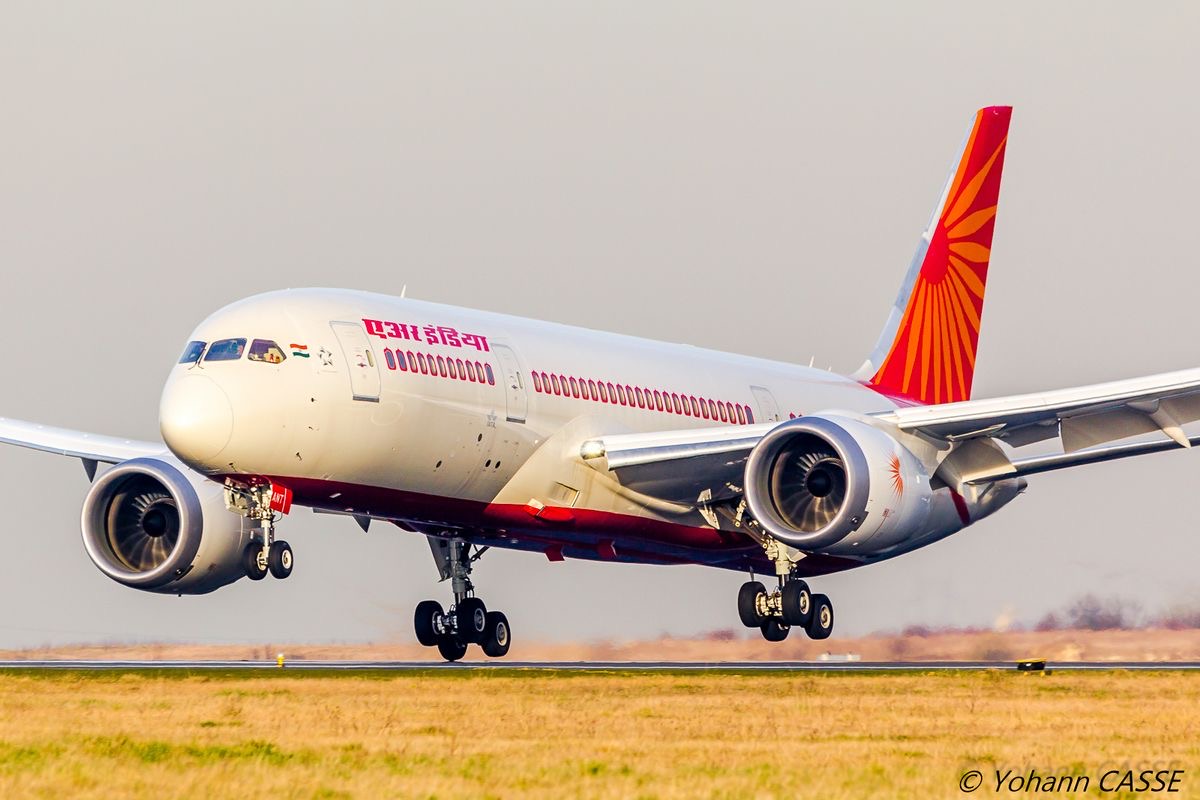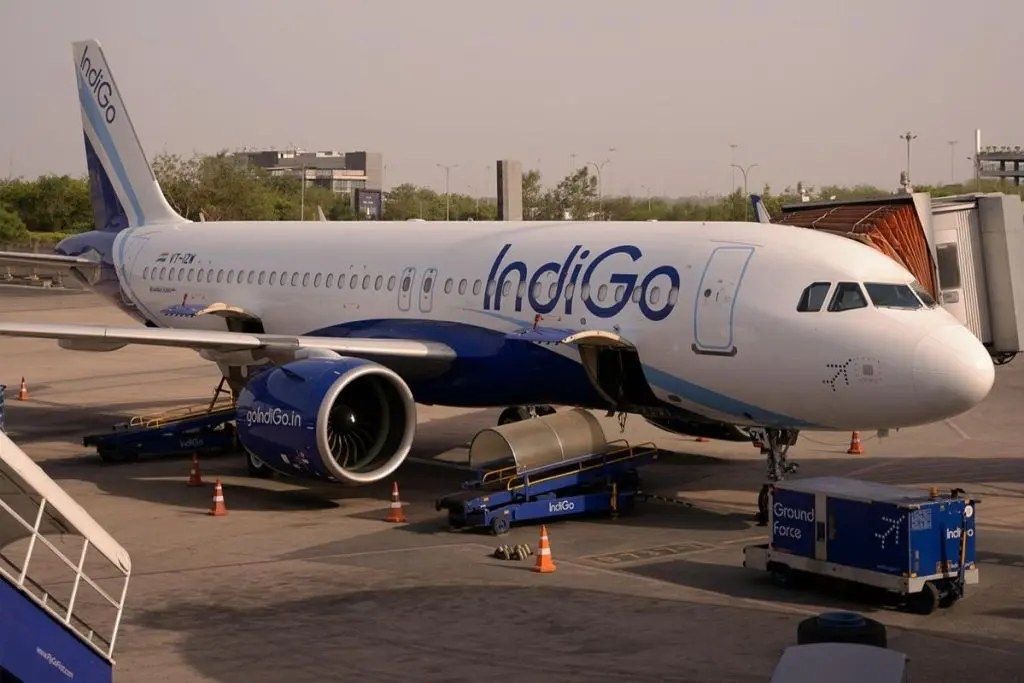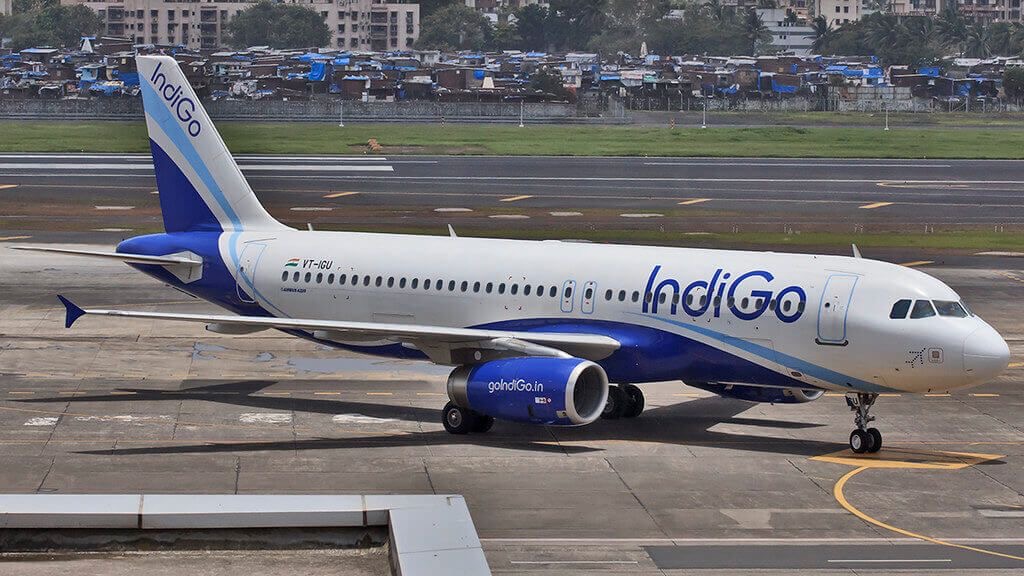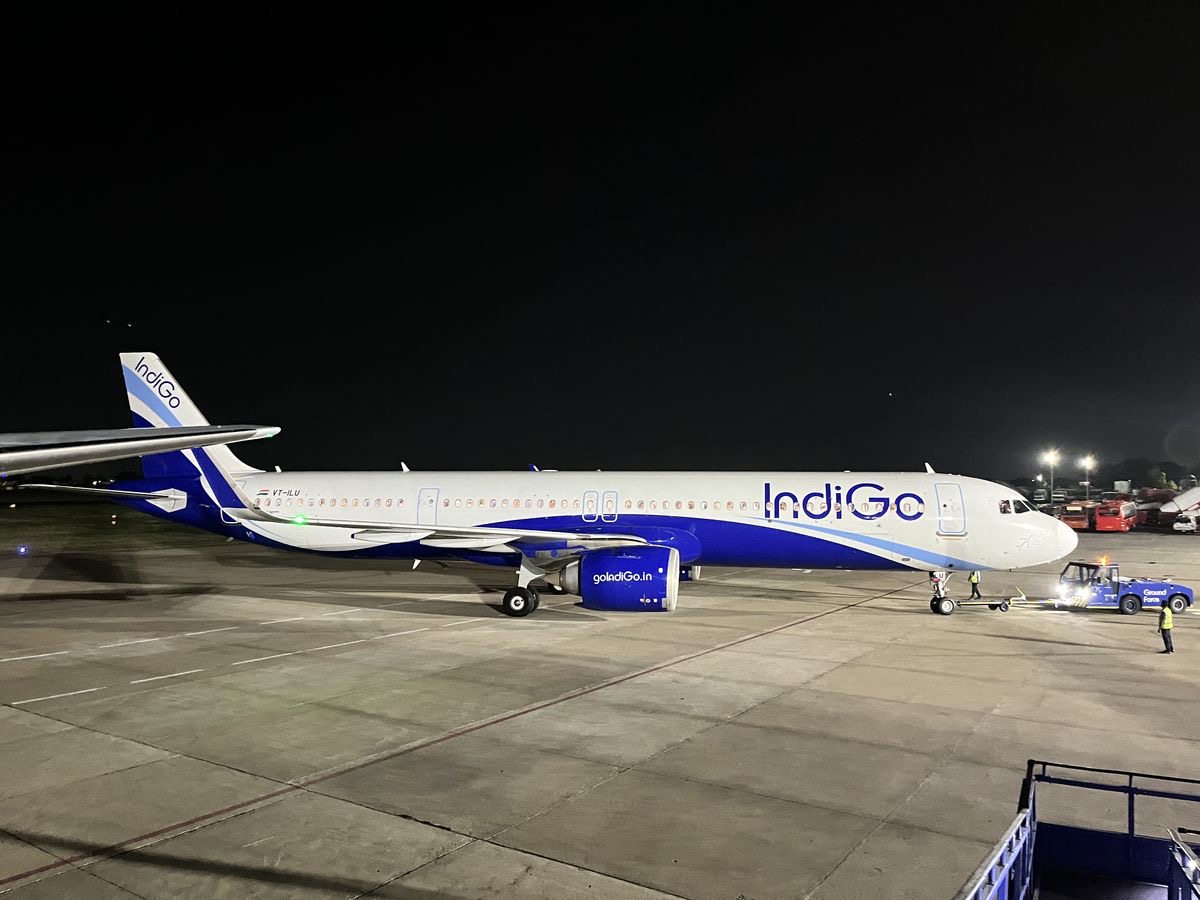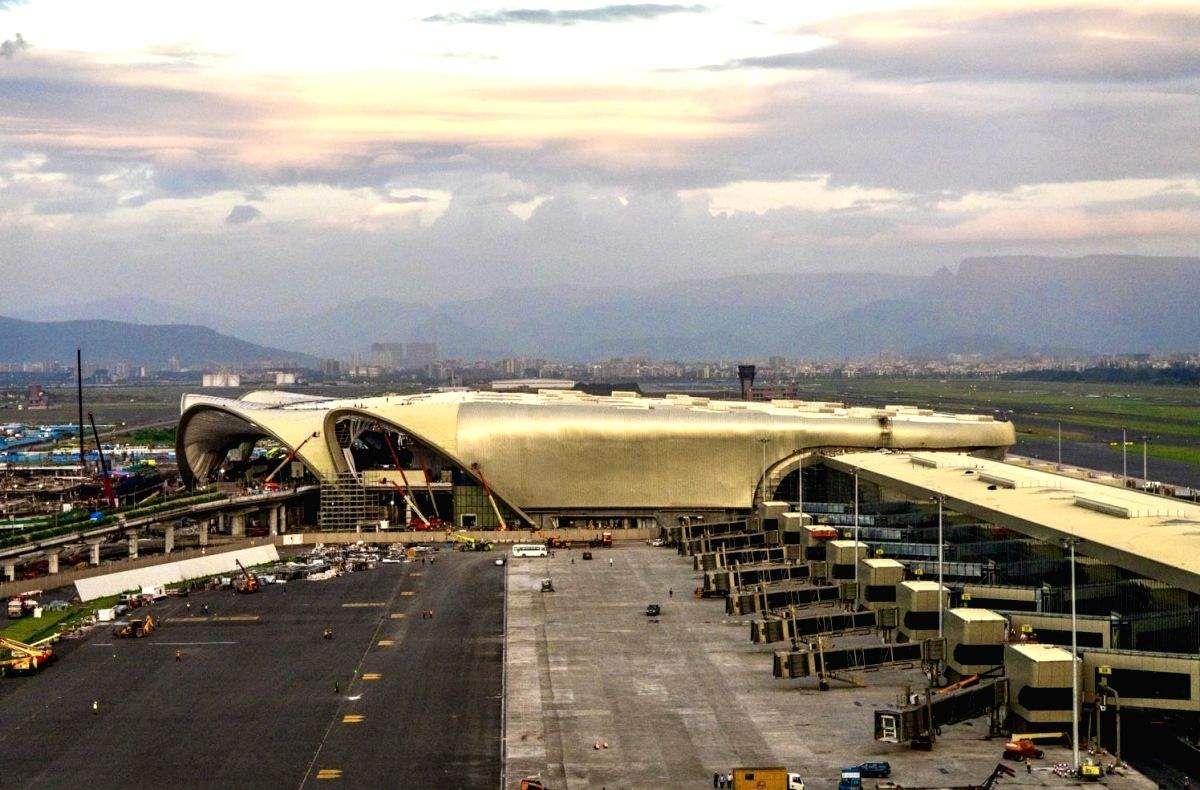
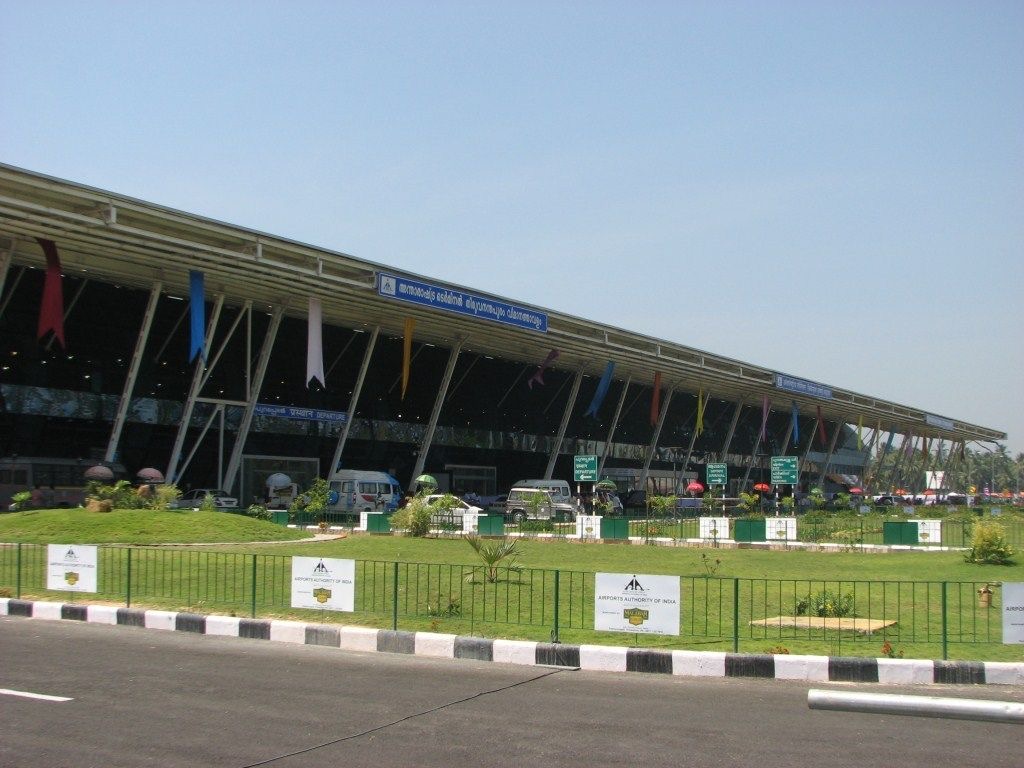
Thiruvananthapuram International Airport has achieved a noteworthy milestone in January 2026, handling 4.5 lakh passengers a figure that reflects robust growth in both domestic and international travel through the Kerala gateway. Airport officials said the passenger count underscores the airport’s expanding role as a key aviation hub in southern India, driven by strong demand across business, leisure and expatriate travel segments.
The January figures represent a substantial increase compared with traffic in the same period last year, highlighting a trend of sustained travel resurgence and capacity expansion. The airport’s strategic location, improved airline connectivity and growing flight frequencies have collectively contributed to stronger passenger throughput, officials said. Both domestic services across major Indian cities and international operations to the Middle East, Southeast Asia and other destinations have supported this heightened traffic flow.
Airport leadership noted that the milestone aligns with broader growth trends in Kerala’s travel market, where outbound tourism, business travel and expatriate return movement remain significant drivers. Many overseas travellers from the Middle East and beyond transit through Thiruvananthapuram for family visits, pilgrimage travel and seasonal tourism, making it a critical node for airlines seeking to optimise schedules on high-demand routes.
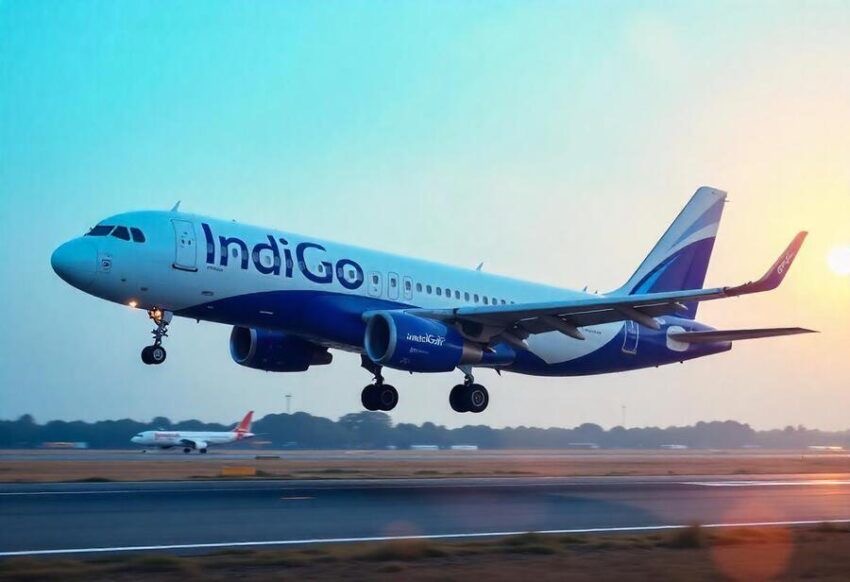
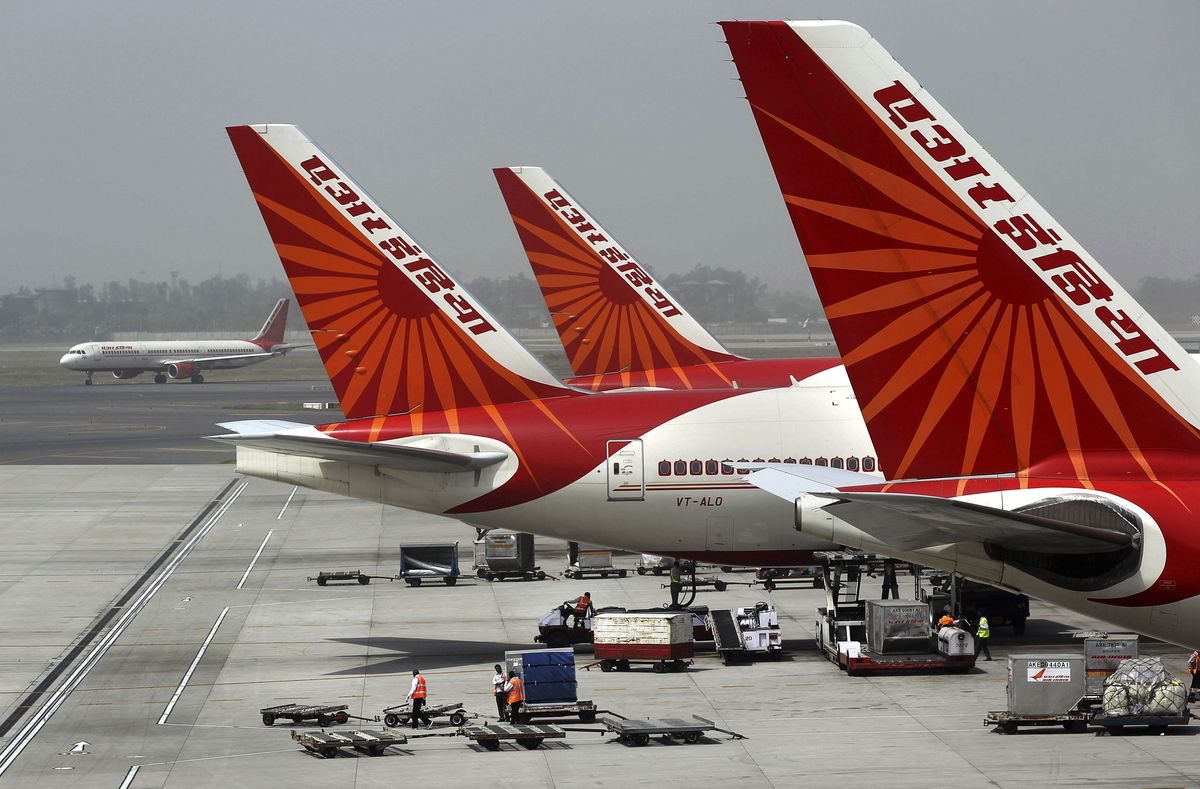
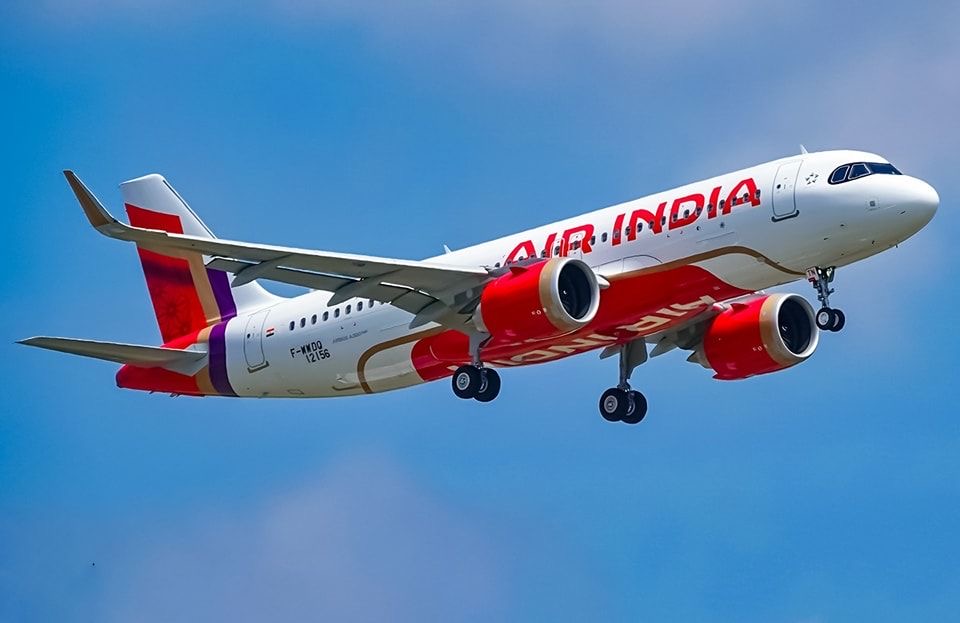
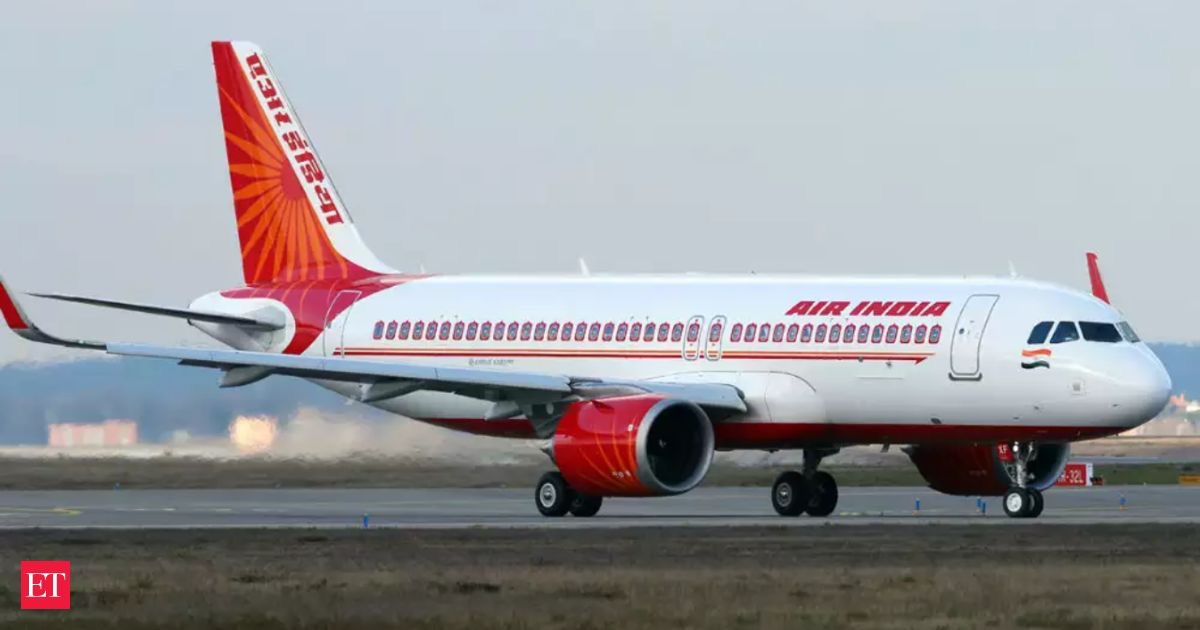
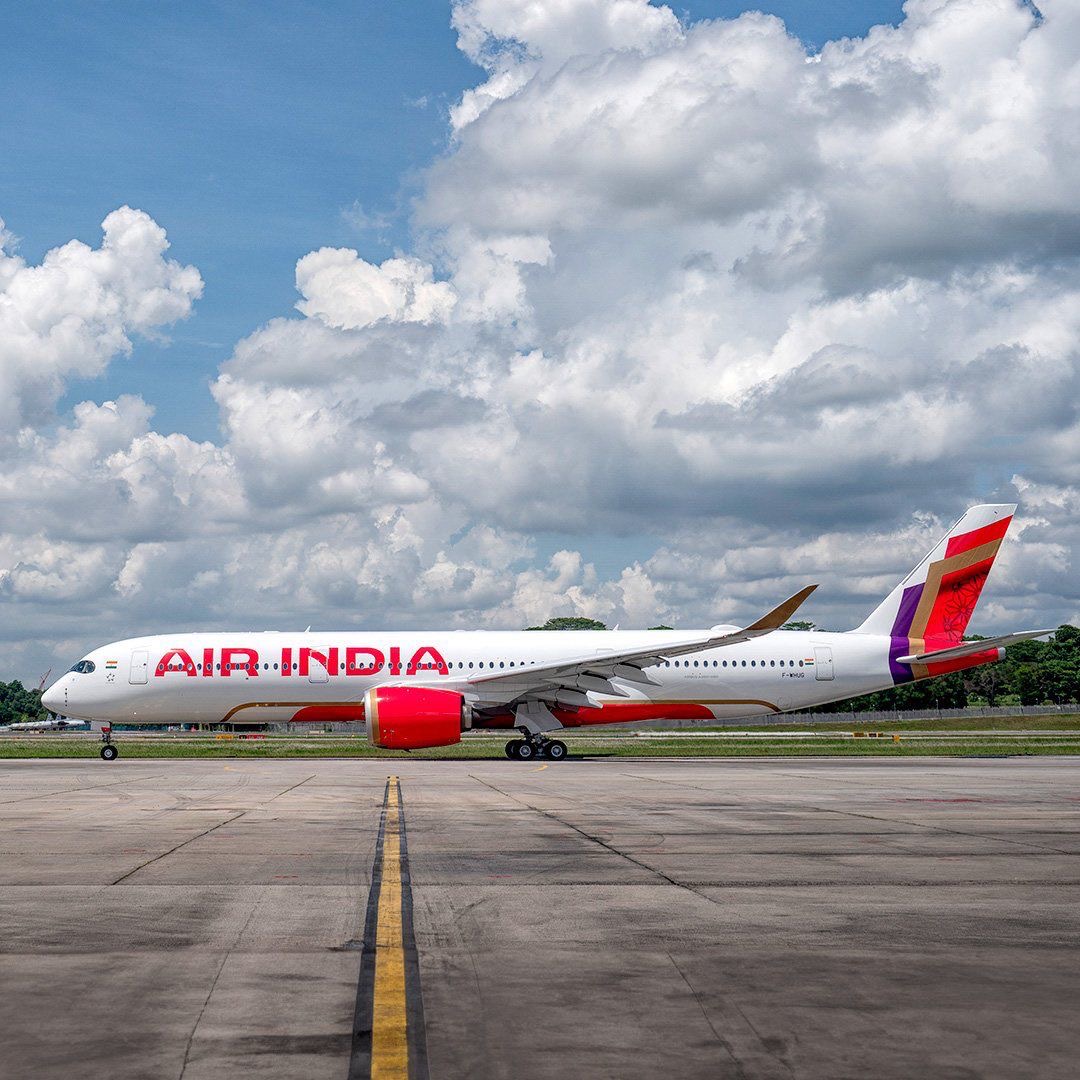
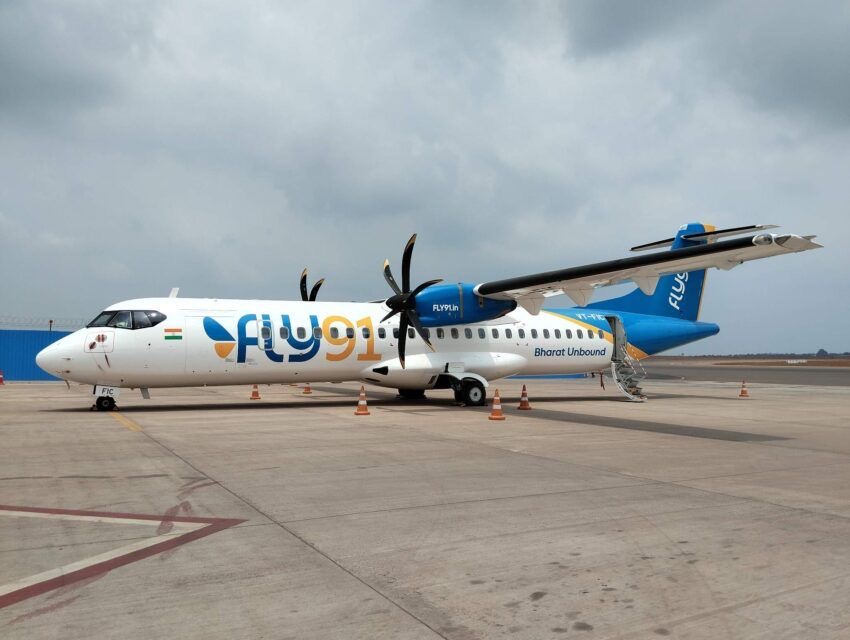
The airport has also witnessed improvements in airline services, with carriers increasing the number of flights and deploying larger aircraft to meet rising seat demand. Enhanced terminal facilities, efficient passenger processing and upgraded customer services have helped accommodate increased footfall while maintaining operational fluidity. Retail and concession offerings, airport lounges and passenger amenities also saw heightened usage, reflecting broader engagement across the travel journey.
Officials emphasised that collaborative efforts among airlines, airport operators and ground handling agencies have been key to managing the surge in passengers. Operational planning, efficient baggage handling and streamlined immigration procedures all contributed to positive traveller experiences even amid heavier traffic volumes.
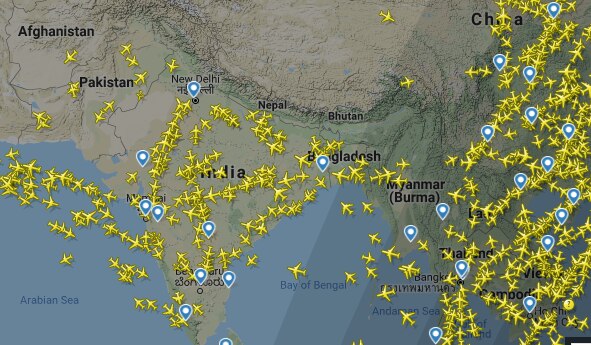
The milestone figure for January 2026 comes at a time when India’s civil aviation industry is experiencing widespread growth. Airports across the country are reporting increased passenger numbers, fleet growth, expanded international links and rising airline capacity as demand rebounds strongly after the pandemic era. In this larger context, Thiruvananthapuram’s performance stands out as a marker of both regional market vitality and successful hub development.
Local authorities and tourism stakeholders welcomed the achievement, noting that increased passenger traffic can have ripple effects on regional tourism, hospitality, business travel and economic activity. With Kerala continuing to attract domestic and international visitors for its cultural attractions, backwaters, beaches and business destinations, travel demand is expected to remain strong in the coming months.
Looking ahead, airport officials said they will continue to work with airlines to improve connectivity, add new destinations and optimise flight schedules during peak and off-peak seasons. The airport’s growth strategy also includes enhancing infrastructure, passenger amenities and operational efficiency to support long-term demand.
For travellers, the milestone reflects more choices, better connectivity and a vibrant travel environment that accommodates expanding flight options to and from the region. The passenger volume is also indicative of broader confidence in air travel as a preferred mode of transportation for personal and professional journeys.
Overall, Thiruvananthapuram International Airport’s achievement of handling 4.5 lakh passengers in January 2026 is a testament to its evolving status as a major aviation hub in southern India, capable of supporting increased traffic and fostering connectivity that benefits passengers and the regional economy alike.