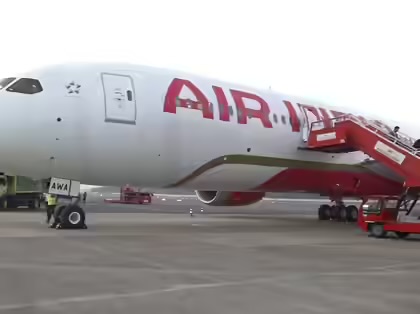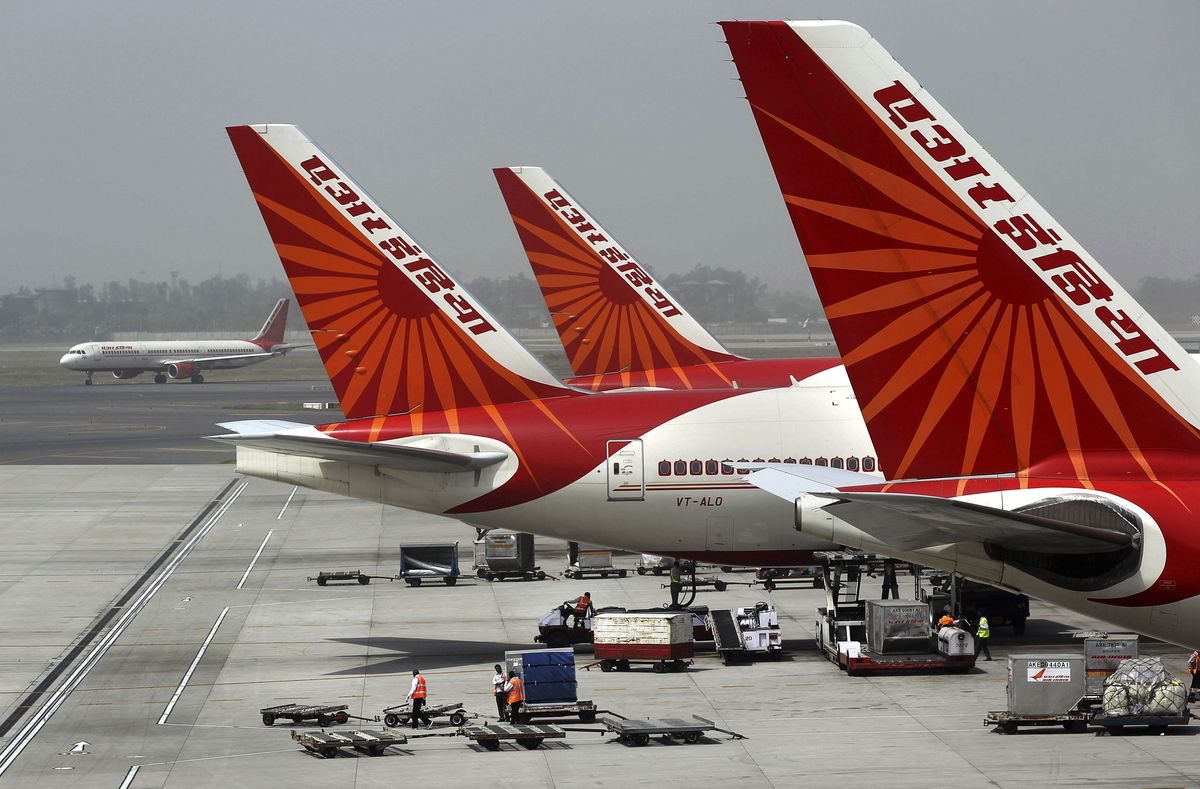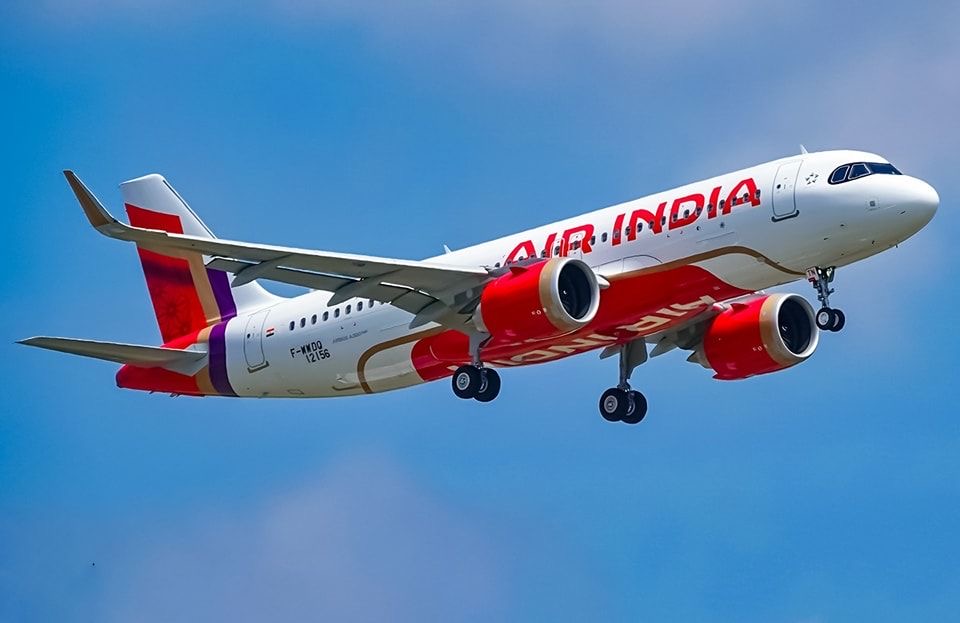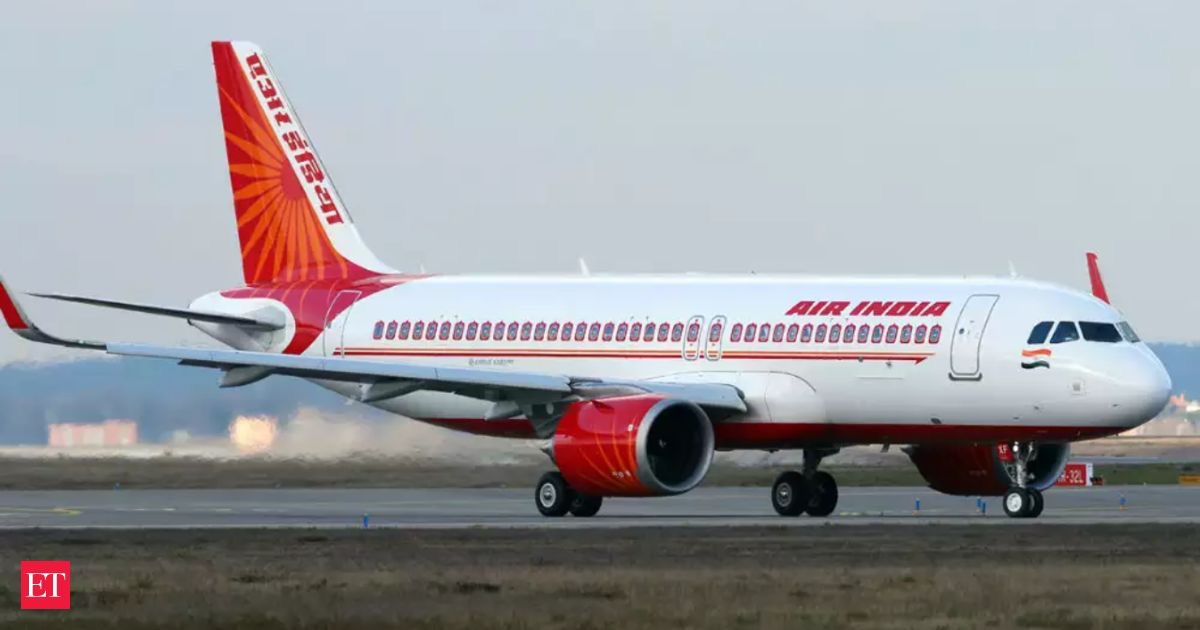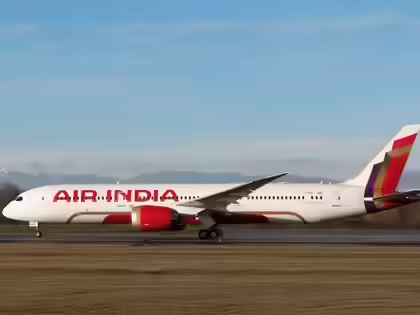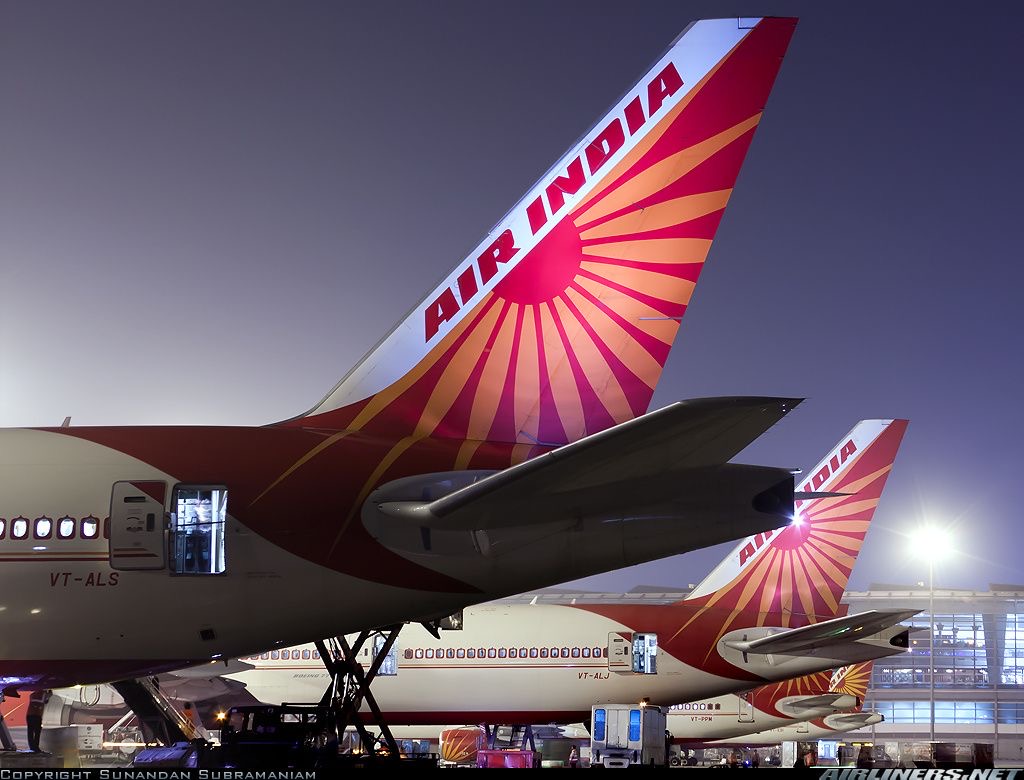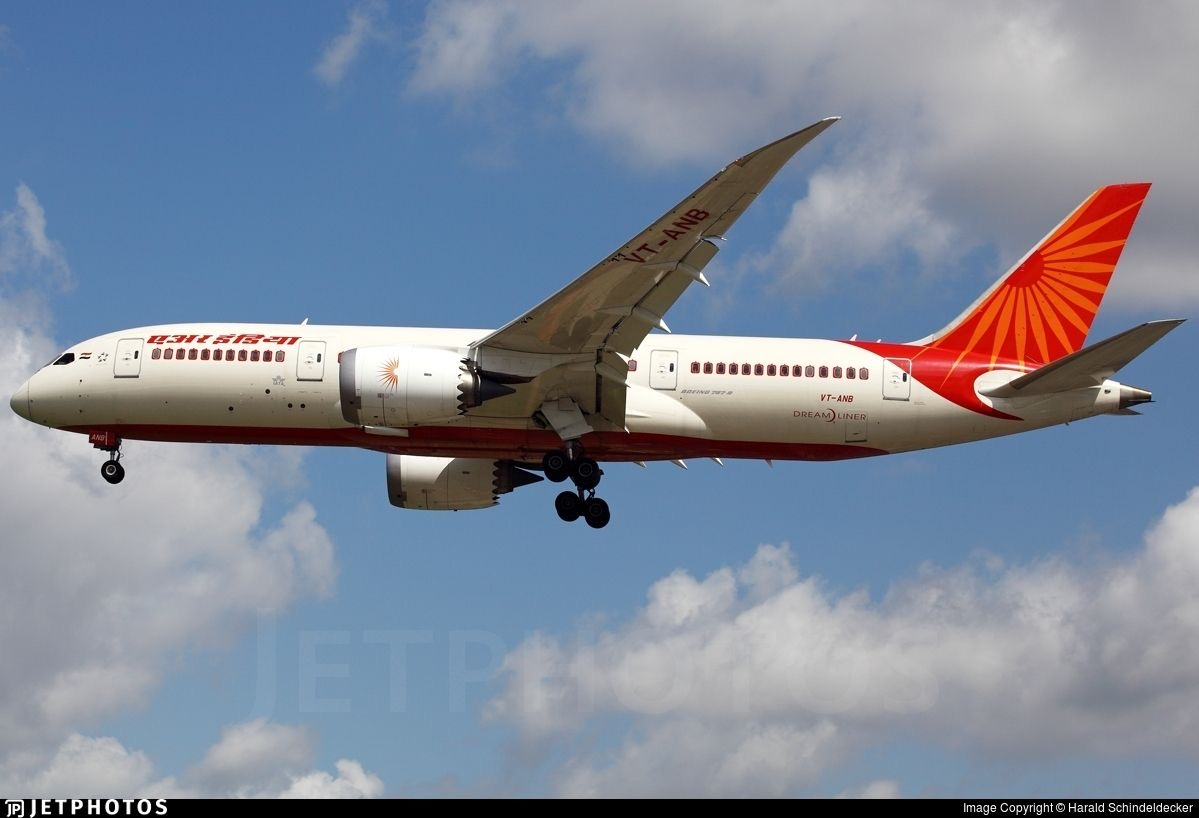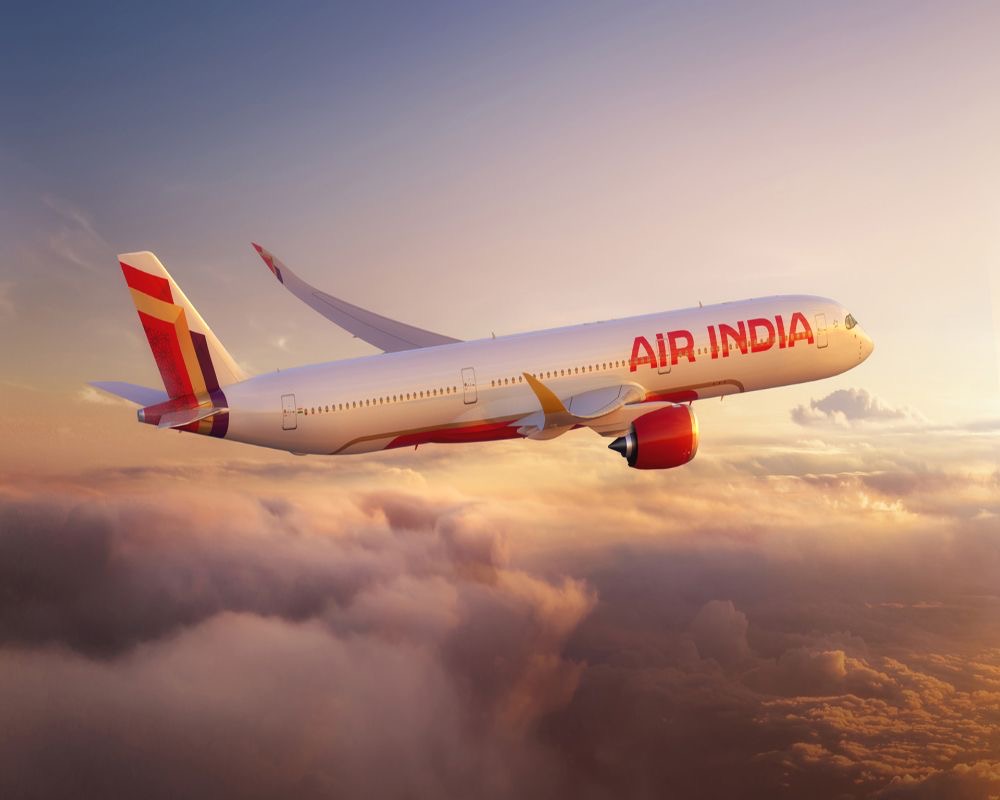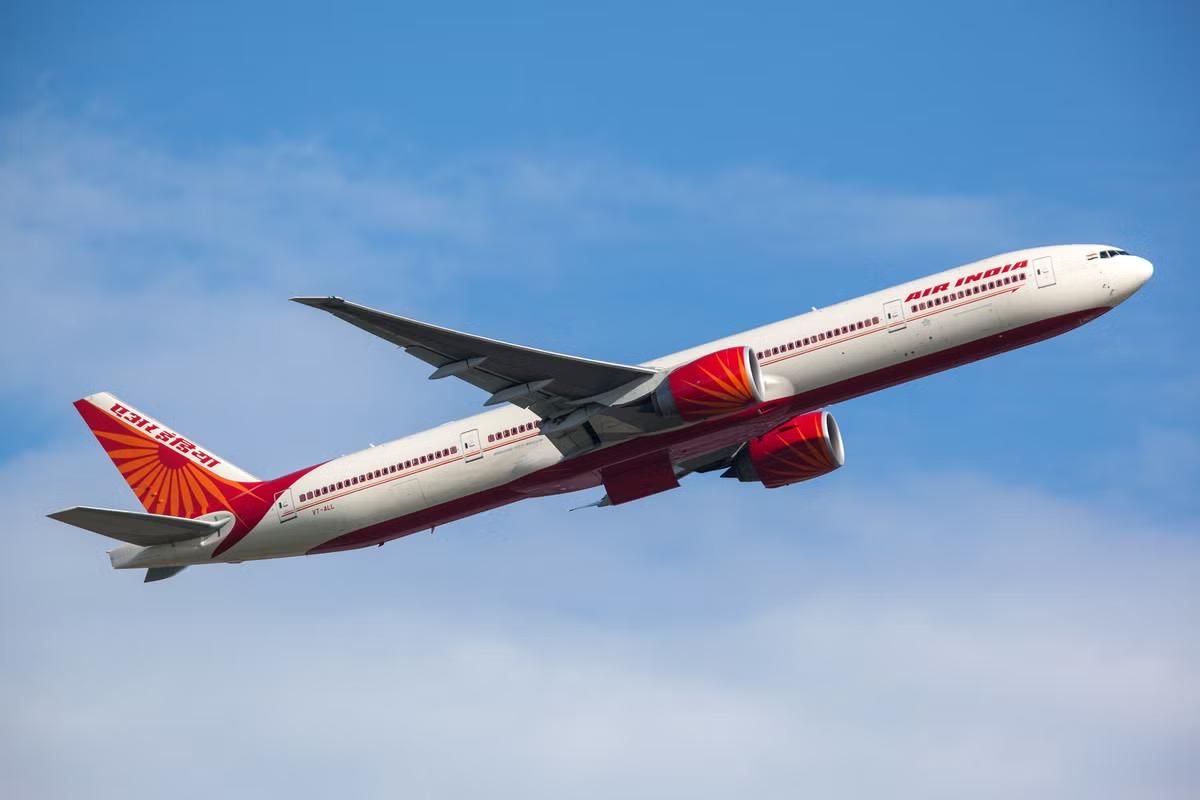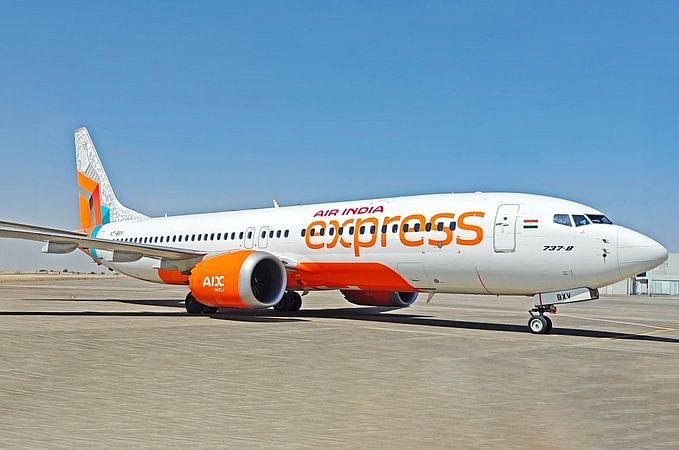
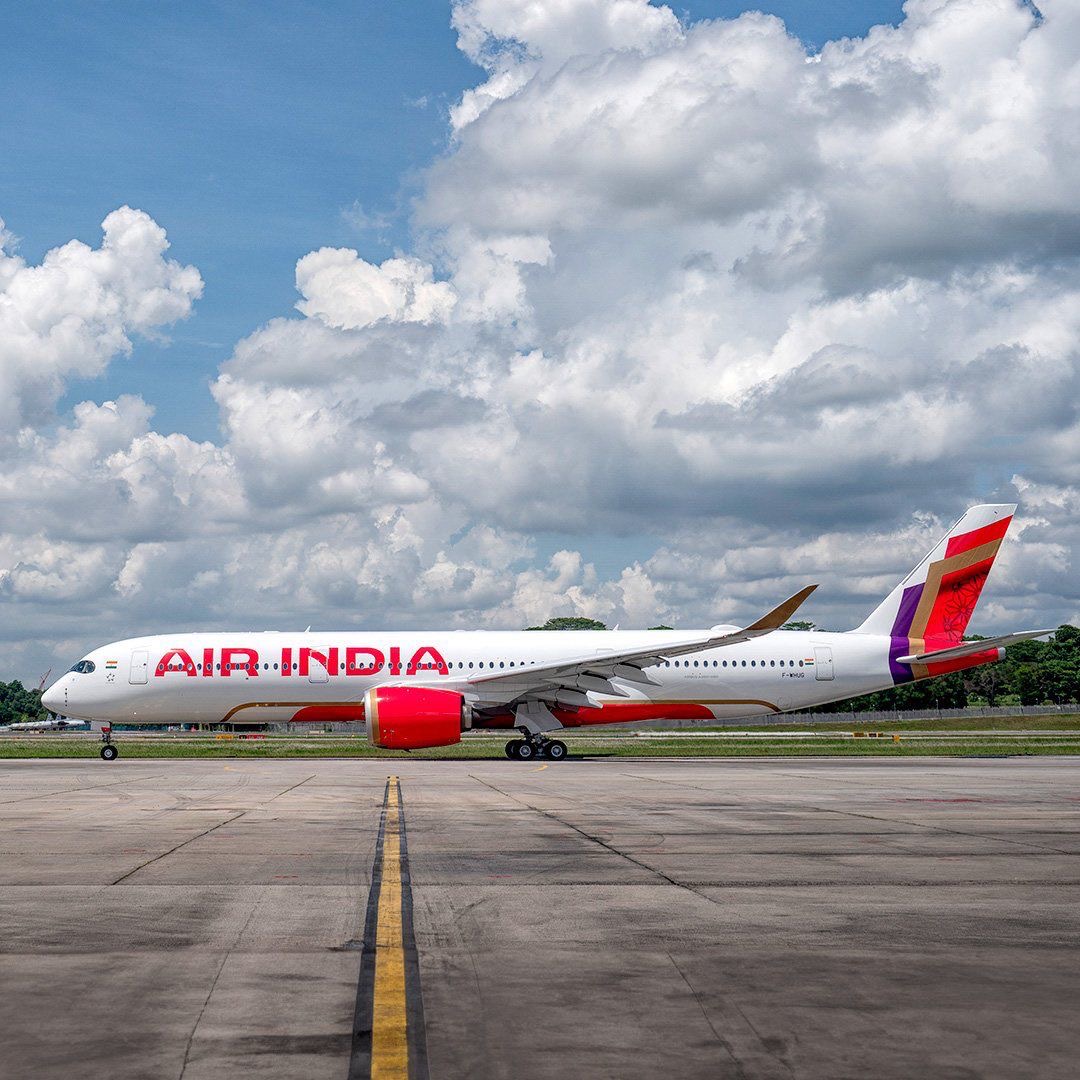
The District Consumer Disputes Redressal Commission in Delhi has directed Air India to pay compensation of ₹1.5 lakh to a passenger after finding that the airline failed to provide satisfactory service following a disrupted journey, highlighting an early 2026 consumer grievance win against a major carrier.
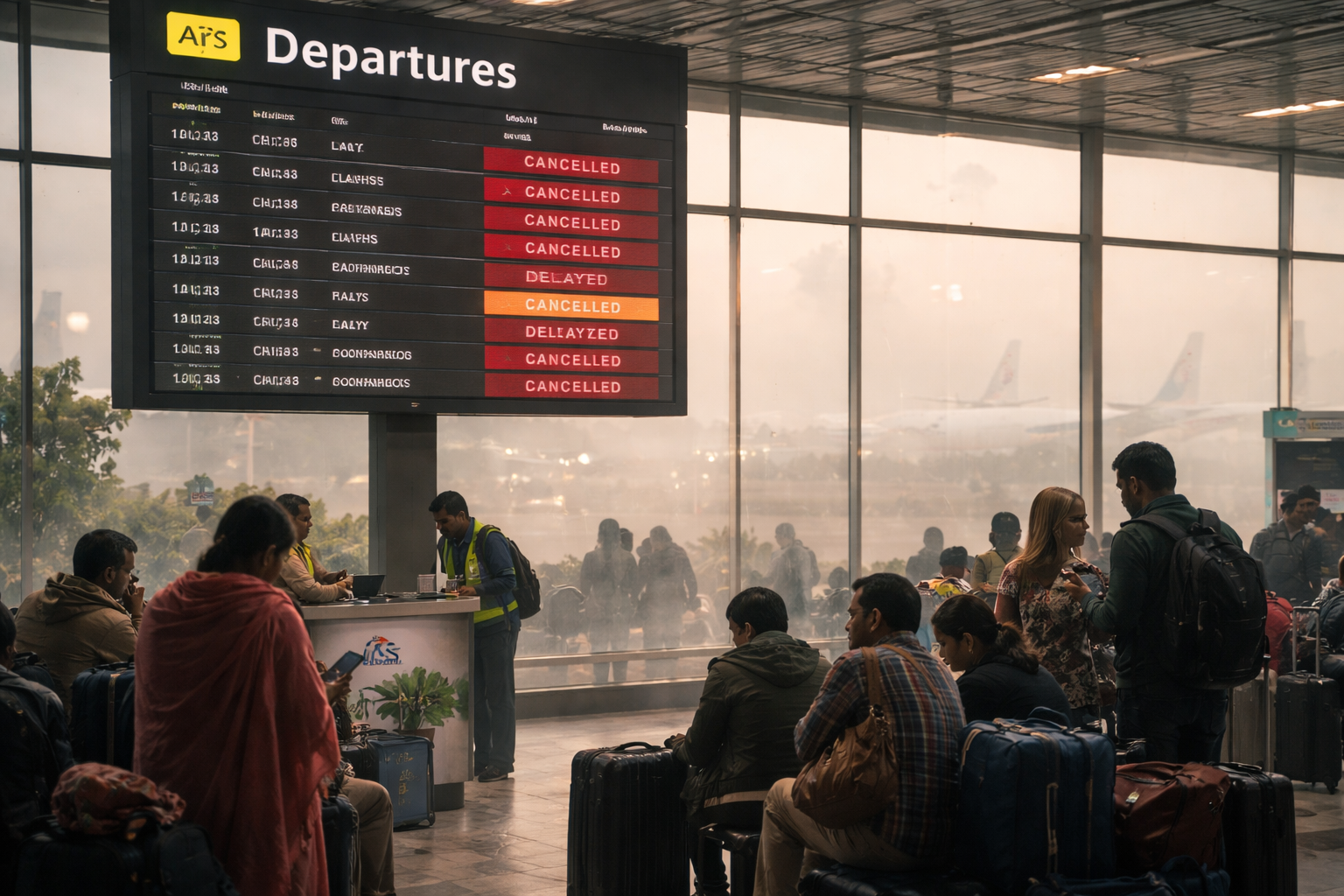
The passenger had approached the forum after experiencing what was described as unsatisfactory handling of a flight disruption, including inadequate communication, service delays, and a lack of appropriate remedies from airline staff. In its order, the consumer forum said that passengers are entitled to quality service and timely redressal when situations disrupt travel plans, and that the carrier’s response was not commensurate with the inconvenience suffered.
In addressing the complaint, the forum took into account not only the inconvenience to the passenger but also the principle that airlines owe a duty of reasonable care and service quality to customers. While operational challenges and disruptions can occur in commercial aviation, the ruling emphasised that carriers must act professionally and offer tangible remedies and communication when passengers are adversely affected.
Air India was directed to pay ₹1.5 lakh as compensation, a figure that reflects the forum’s stance that the impact on the passenger warranted meaningful redress. In addition to future obligations airlines may face under regulatory consumer protection norms, this order serves as a reminder to carriers operating in India that service lapses can carry financial consequences and regulatory scrutiny.
Representatives for the passenger expressed relief at the outcome, noting that they hoped the ruling would underscore the importance of customer rights in air travel and encourage better communication and responsiveness from carriers. Legal experts said the case may influence other grievances where passengers feel service standards have fallen short of expectations.
Air India has the option to appeal the decision before higher consumer courts, and it is not yet clear whether the airline will choose to challenge the order. In past cases, airlines have sometimes taken such routes when disagreeing with forum findings or when interpreting service obligations differently in the context of industry norms.
Consumer rights advocates welcomed the forum’s directive, saying that clear enforcement of accountability promotes higher operational standards and reassures passengers that they have avenues for redress. For frequent flyers and occasional travellers alike, the ruling underscores the idea that service quality and passenger care remain core elements of airline operations, even amid broader competitive and logistical pressures facing carriers today.
Overall, the Delhi consumer forum’s order marks a notable moment in aviation consumer protection, reinforcing the message that passengers’ grievances — when reasonably substantiated — can lead to enforceable compensation and scrutiny of airline practices. As 2026 unfolds, consumer forums, regulators, and airlines may find themselves increasingly engaged in balancing customer rights with operational realities in India’s fast-growing aviation sector.