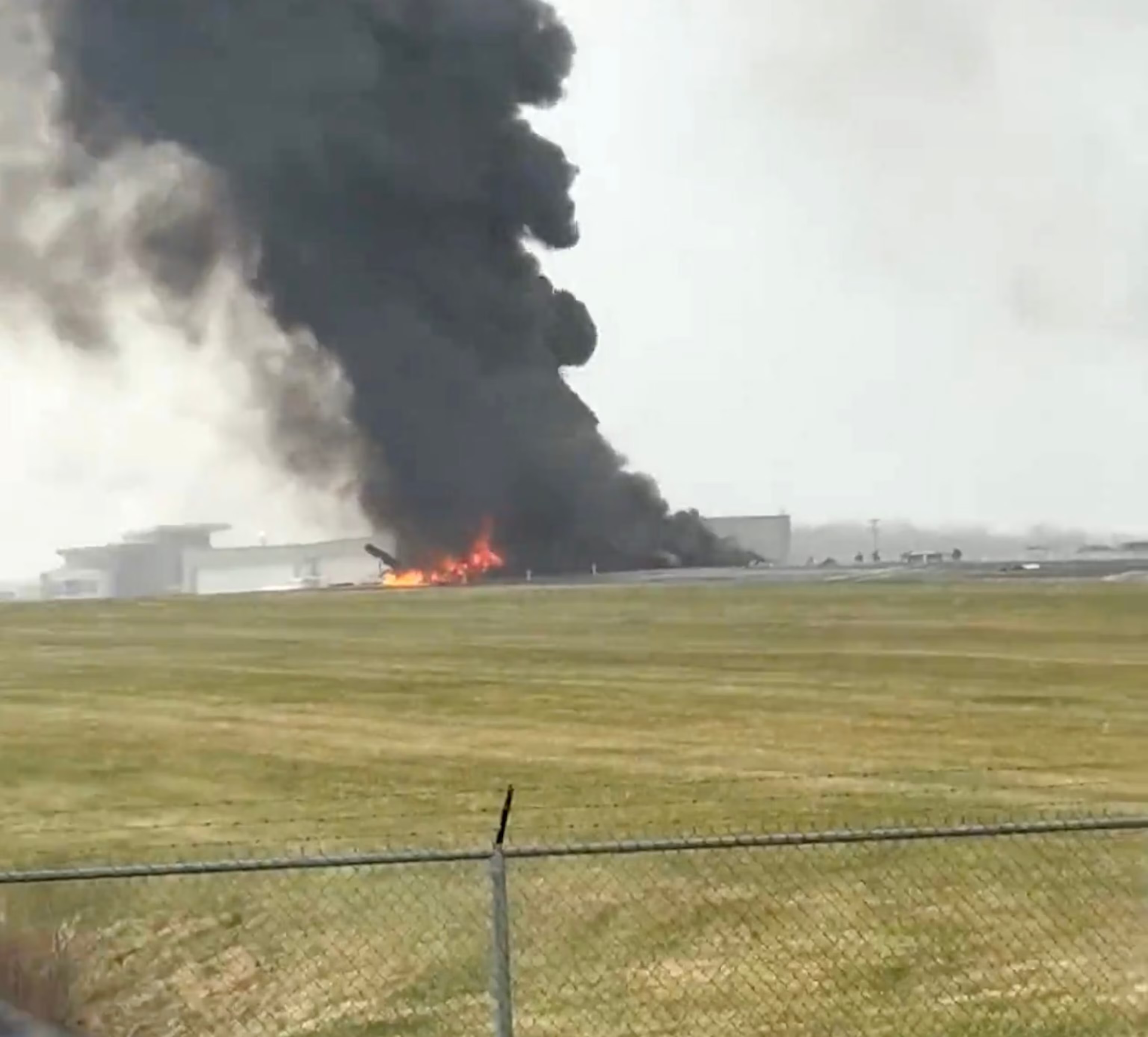
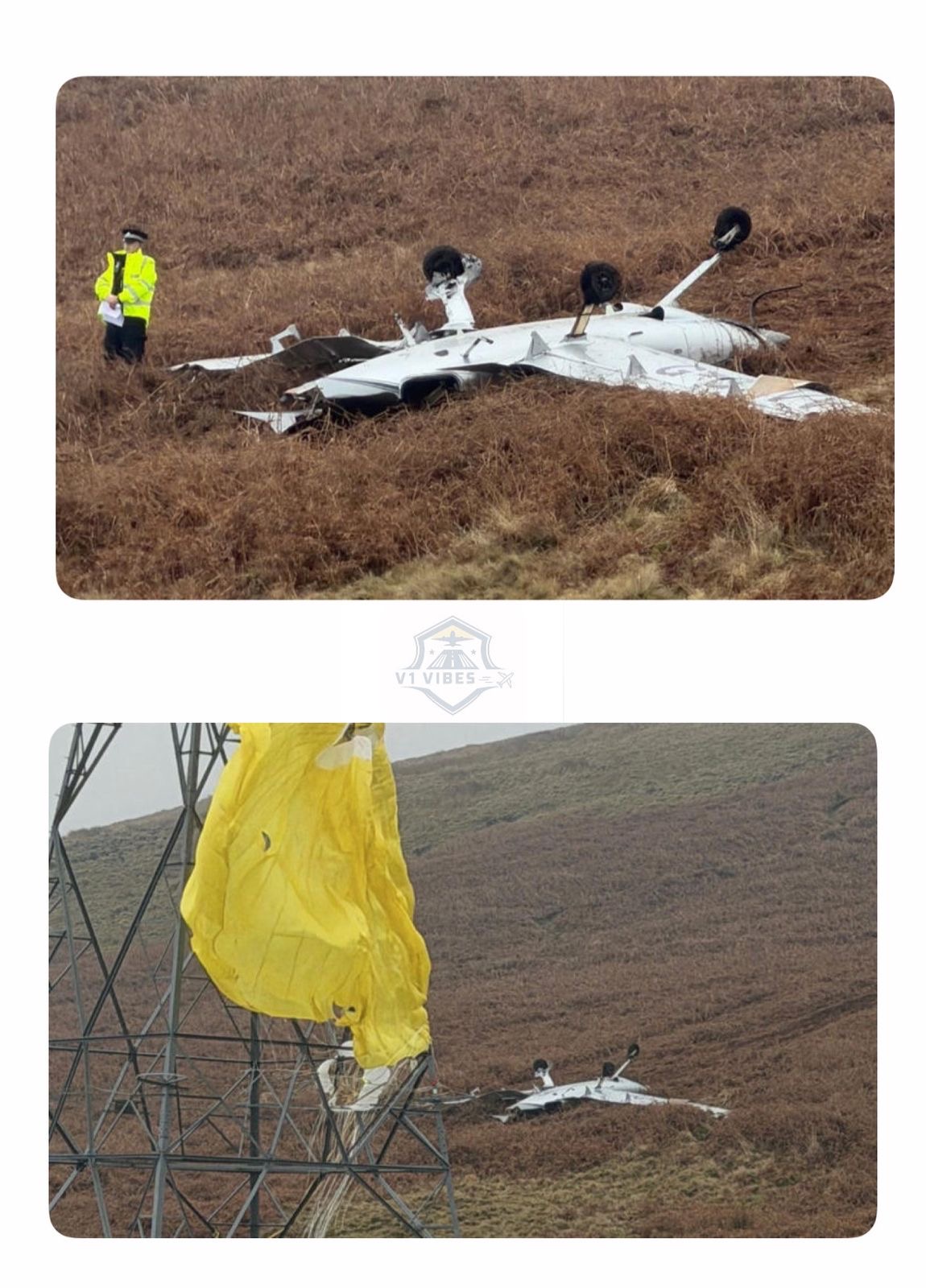
A Cirrus SR20 G6 light aircraft was involved in a serious emergency event near Rochdale in Greater Manchester after its built in parachute recovery system was deployed and became caught on an electricity pylon during descent. The incident triggered a rapid multi agency response and has now prompted a formal investigation by UK air accident authorities.
The aircraft activated its Cirrus Airframe Parachute System, widely known as CAPS, which is designed to lower the entire aircraft safely to the ground in extreme situations. During the descent, the deployed parachute canopy became entangled with a power pylon near Littleborough, creating a complex rescue and safety scenario for responding teams.
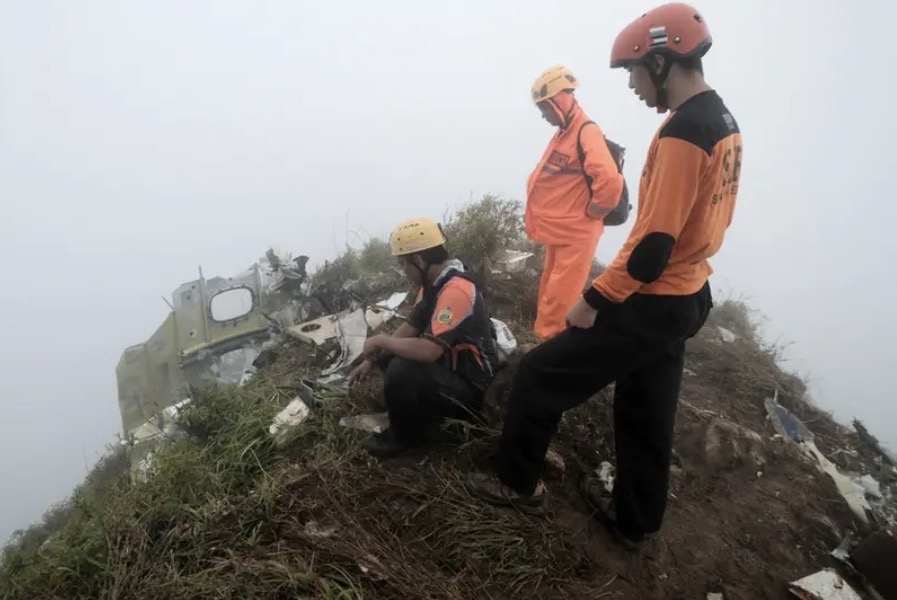
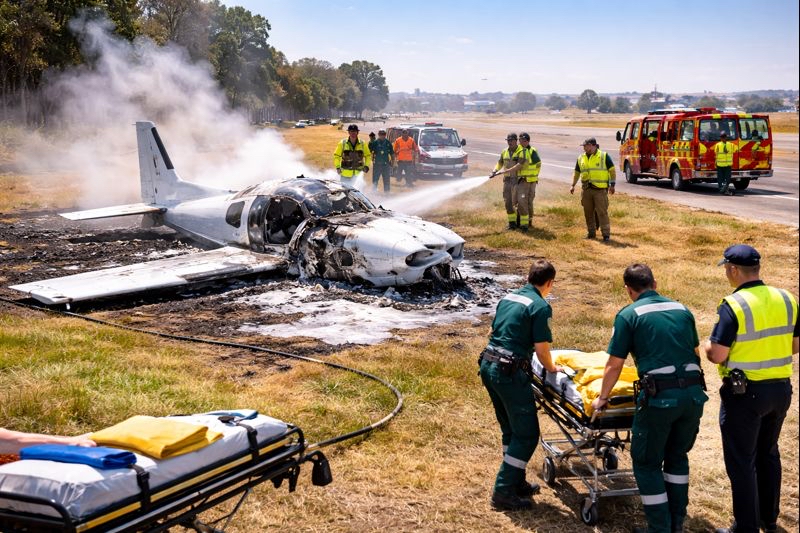
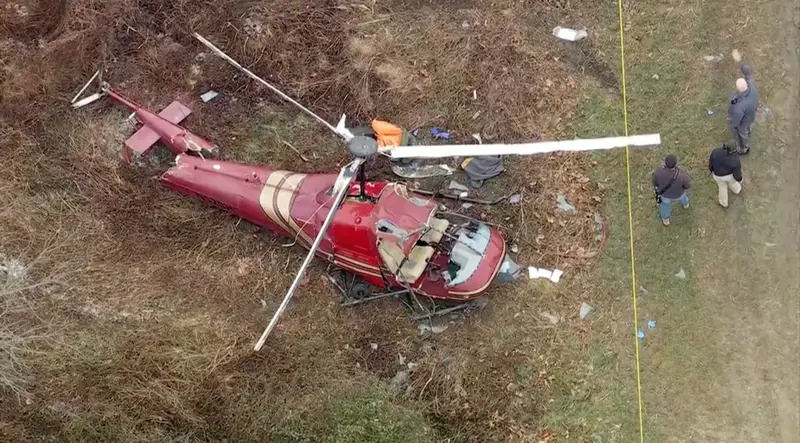
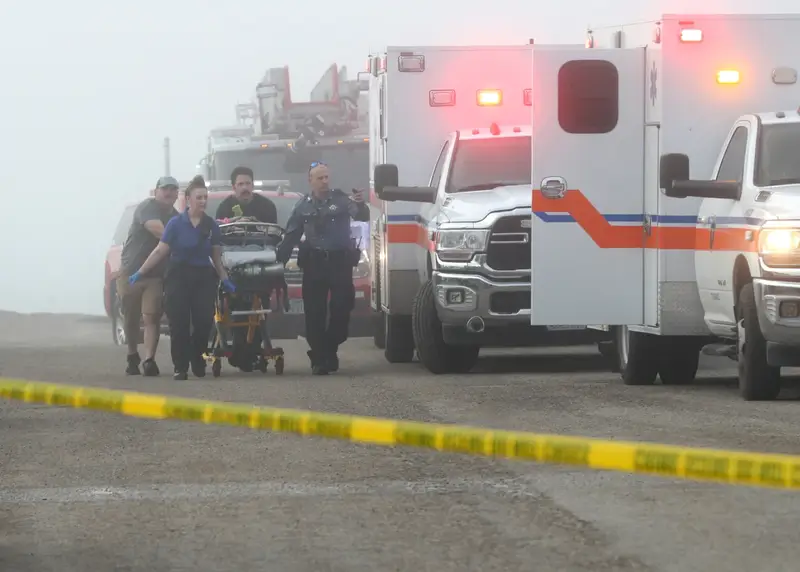
Emergency services including police units, fire crews and an air ambulance were dispatched shortly after 11:00 GMT following reports of an aircraft in distress. The aircraft ultimately came down on farmland near Tunshill Lane, close to Tunshill Golf Club, where responders secured the area and began coordinated recovery and safety operations.
Authorities stated that scene assessment began immediately, with Greater Manchester Police working alongside other emergency responders to verify conditions on the ground and confirm whether there were any casualties. Medical evacuation capability was positioned quickly, and the air ambulance later landed at Salford Royal Hospital as part of the emergency response chain.
The Air Accidents Investigation Branch has confirmed that it has opened an official investigation into the occurrence and has sent inspectors to examine the site, aircraft condition, parachute system deployment and surrounding infrastructure. Investigators will review flight circumstances, pilot actions, system performance and environmental factors as part of the probe.
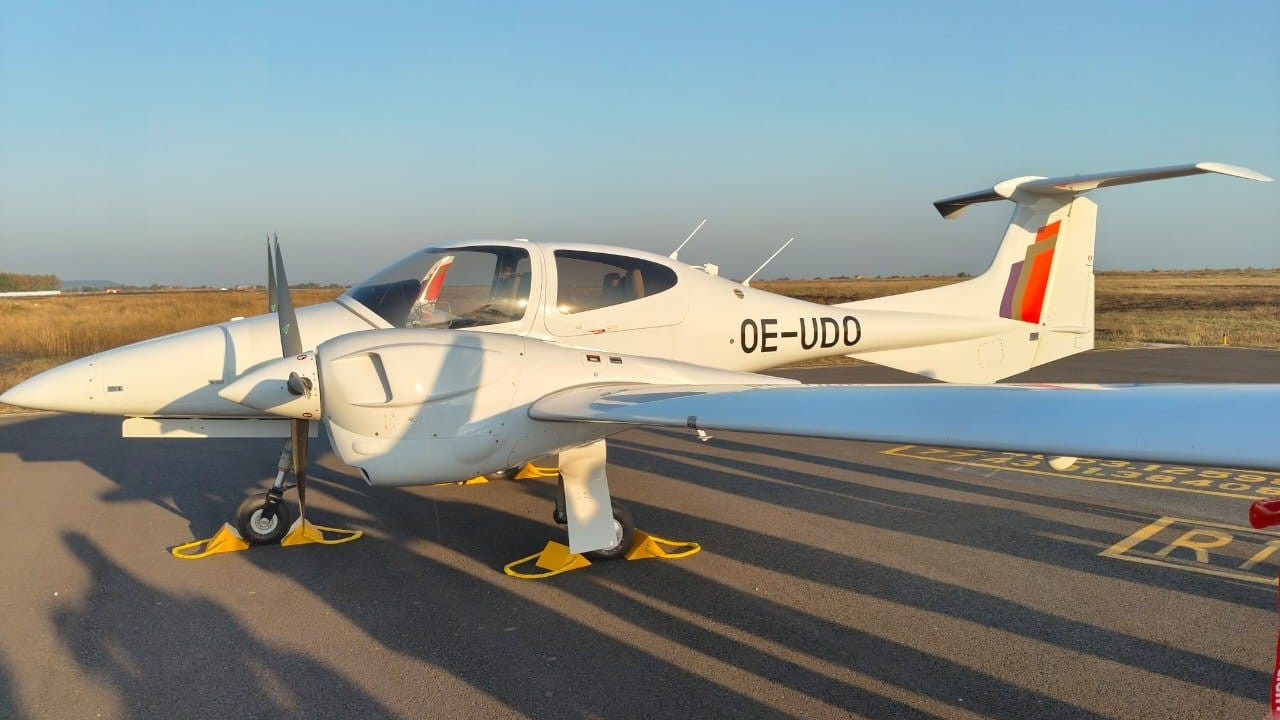
The Cirrus SR20 is equipped with a whole aircraft parachute recovery system intended for last resort use in situations such as loss of control, engine failure over difficult terrain, or pilot incapacitation. While CAPS deployments have saved many lives globally, descent into built up or infrastructure dense areas can introduce secondary hazards such as entanglement risks with towers, lines or structures.
Safety specialists note that parachute equipped aircraft add an additional layer of survivability but still depend heavily on altitude, terrain, wind conditions and surrounding obstacles at the moment of deployment. Each CAPS activation is closely studied by investigators and manufacturers to refine guidance and pilot training.
Further official updates are expected after site examination and data review are completed. Authorities have asked the public to avoid speculation until verified findings are released through formal investigation channels.