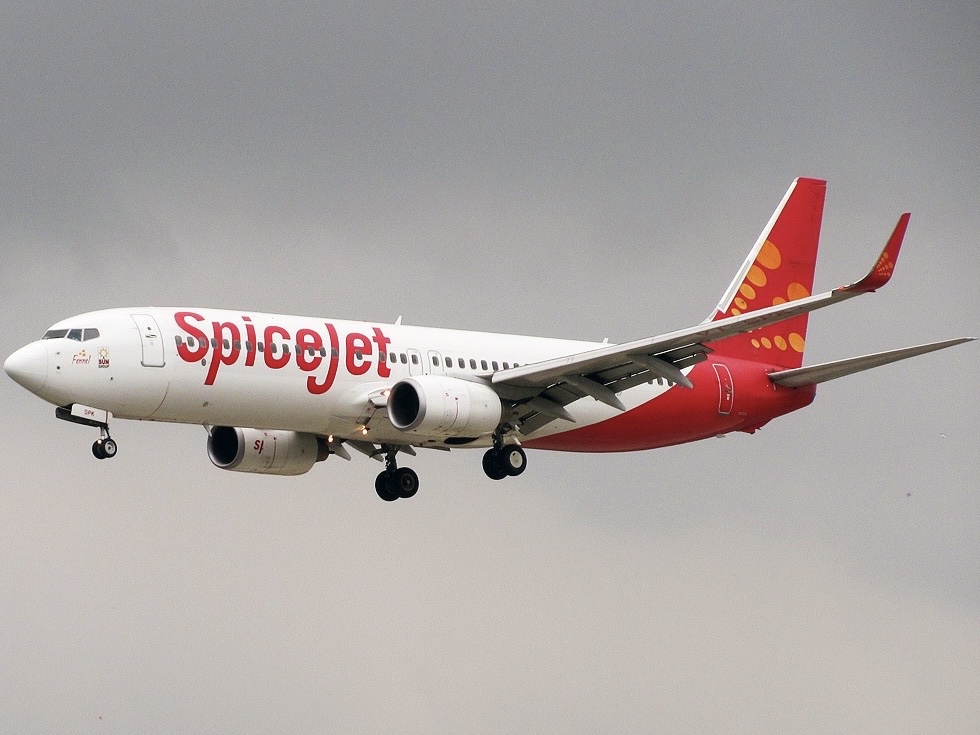
US based aviation startup Natilus has officially announced its entry into the Indian aviation market, marking an important milestone in the company’s global expansion journey. By setting up a dedicated Indian subsidiary, Natilus is signalling its intent to build a long term presence in a country that is rapidly emerging as a central force in global aviation. Strengthening this strategic move, low cost carrier SpiceJet has placed a firm order for 100 aircraft from Natilus, becoming one of the earliest airlines to place its confidence in the startup’s blended wing body aircraft.
India’s aviation sector is in the midst of a strong growth phase, supported by rising disposable incomes, increasing demand for air travel and sustained investments in airport infrastructure. Airlines are actively expanding their fleets to keep pace with this demand, while also looking for aircraft that can offer better efficiency and lower operating costs. Natilus sees these trends as a strong foundation for introducing its next generation aircraft and believes the Indian market offers significant long term potential for its technology.
Beyond commercial operations, Natilus is also exploring deeper integration with India’s aerospace ecosystem. The company is evaluating the feasibility of establishing a manufacturing facility in the country, which could eventually produce close to 300 of its HORIZON aircraft. Such a move would not only support Natilus’s global production requirements but could also contribute to the growth of India’s domestic aerospace manufacturing capabilities, creating opportunities for local suppliers and skilled labour.
SpiceJet has said it will work closely with Natilus to ensure that all regulatory and certification processes are completed before the aircraft are introduced into service in India. Given the unconventional design of the blended wing body aircraft, regulatory approvals will be a critical step. The airline has clarified that deliveries will be finalised only after the aircraft receives the necessary clearances from aviation authorities, underscoring a cautious and compliance focused approach.
As part of its India focused strategy, Natilus is also looking at sourcing certain components locally. This approach aligns with India’s broader push to encourage domestic manufacturing and reduce dependence on imports. The newly formed subsidiary, Natilus India, will be headquartered in Mumbai and will serve as the central hub for the company’s operations, partnerships and regulatory engagement in the country.
The HORIZON aircraft itself represents a significant shift from traditional aircraft design. Its blended wing body configuration is aimed at improving fuel efficiency, reducing operating costs and offering a more spacious cabin layout compared to conventional narrow body jets. Natilus believes the aircraft can help airlines better manage fuel price volatility while also addressing growing environmental concerns across the aviation industry.
The aircraft is currently undergoing certification with aviation regulators in the United States, a process that will play a key role in determining its global entry into service. Natilus expects the HORIZON aircraft to begin commercial operations in the early 2030s, coinciding with a period when airlines are expected to make major fleet renewal decisions.
For SpiceJet, the order reflects a forward looking approach as it prepares for future growth in a competitive domestic market. By aligning with a next generation aircraft programme at an early stage, the airline is positioning itself to potentially benefit from improved efficiency and operating economics over the long term.
Taken together, Natilus’s India entry and SpiceJet’s large scale aircraft order highlight a shared vision of embracing innovation to meet the evolving needs of the aviation sector. As India’s air travel market continues to expand, partnerships such as this underscore the growing role the country is likely to play in shaping the future of global aviation.