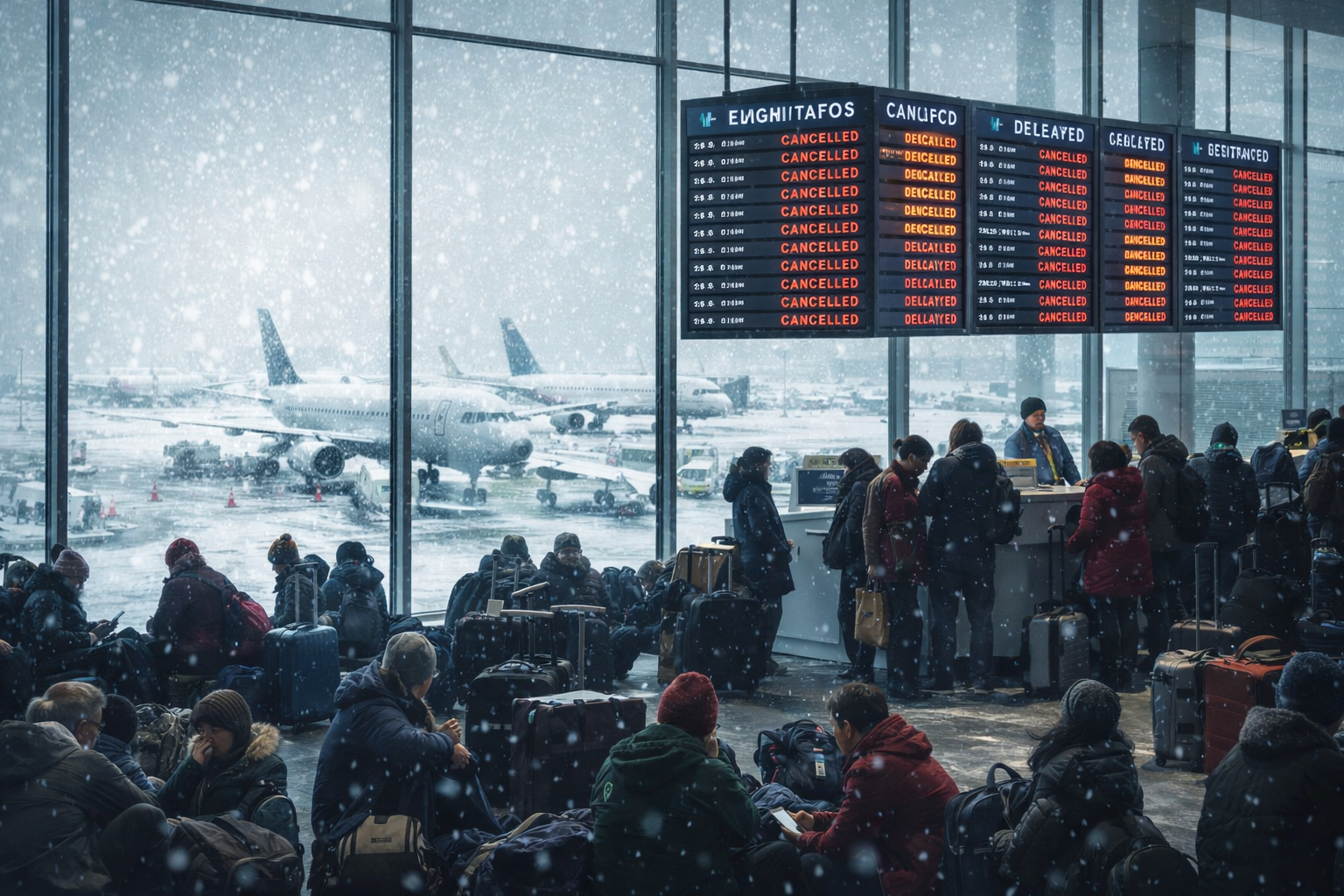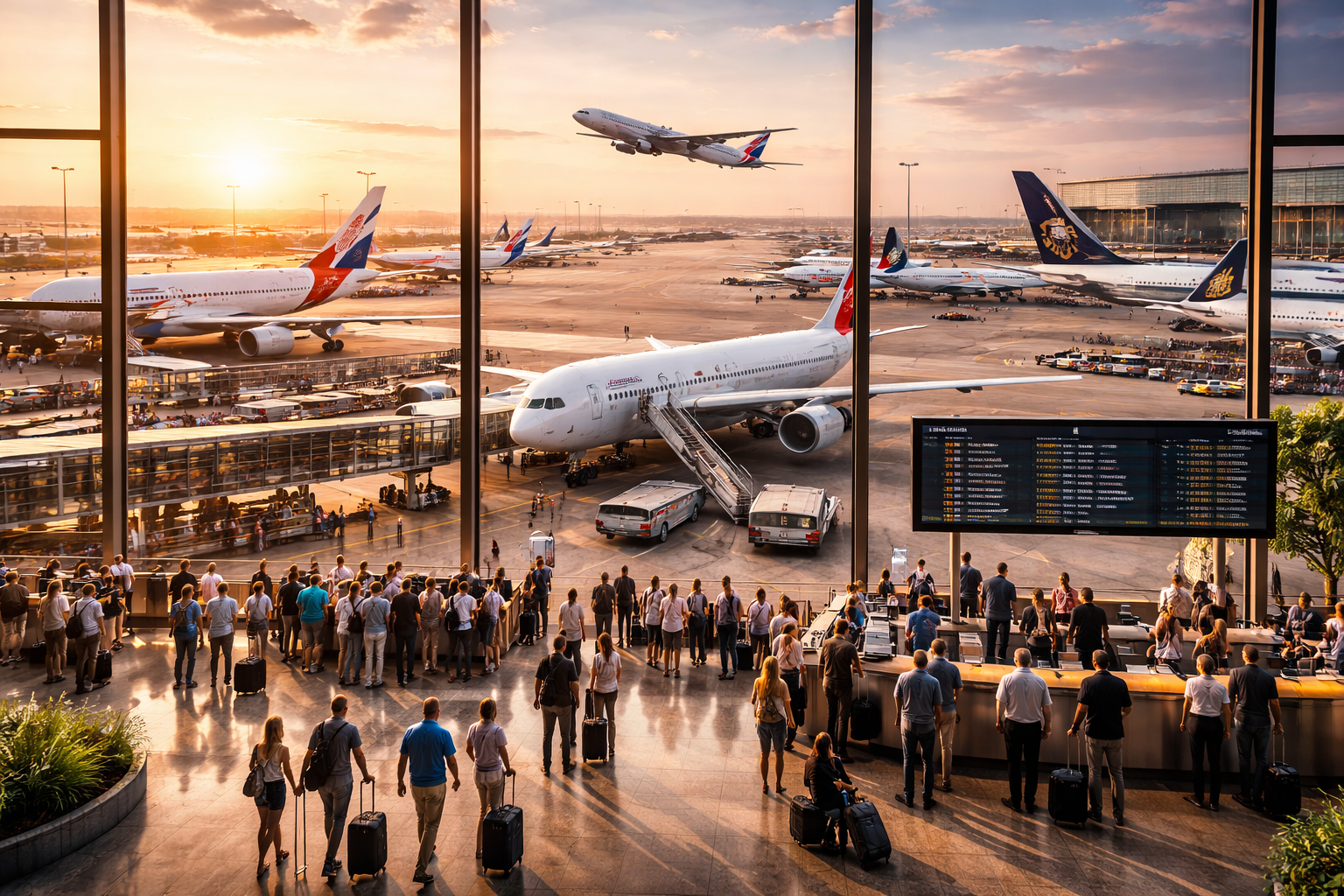

Emirates has announced that it will operate more than 100 flights to and from Dubai on March 5 and 6 as aviation activity slowly resumes across parts of the Middle East following major disruptions linked to the ongoing Iran Israel conflict. The airline said the flights will be operated under a reduced schedule as airspace availability gradually improves and safety conditions are reassessed.
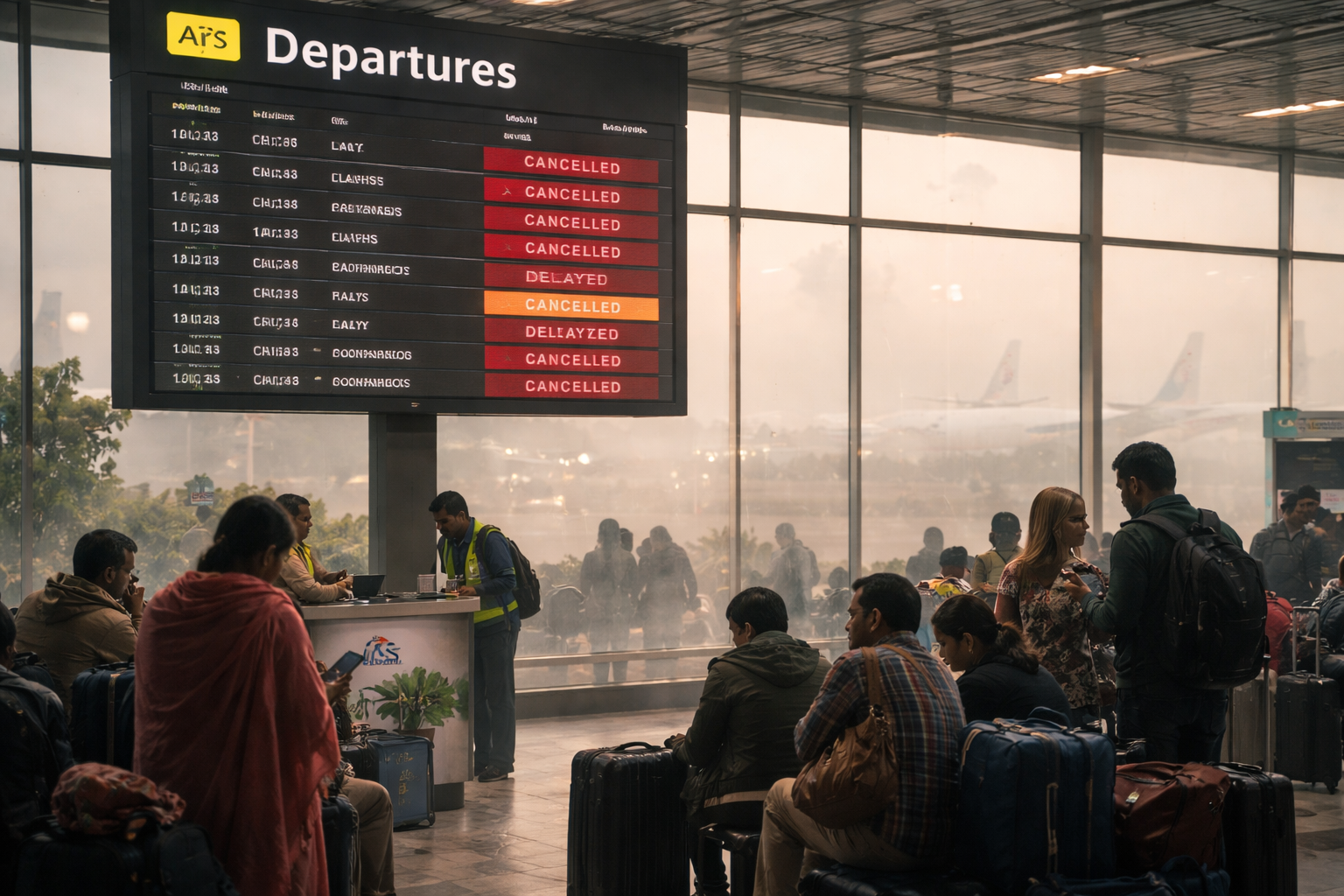
The Dubai based carrier explained that these flights will connect Dubai with multiple international destinations while also facilitating return services back to the emirate. The move is aimed at restoring essential connectivity and helping thousands of passengers who were affected by widespread cancellations and suspensions over the past several days.
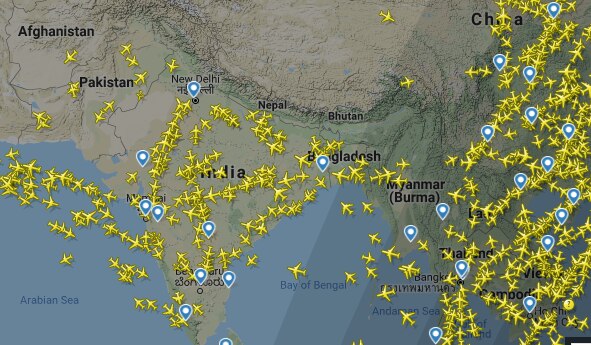
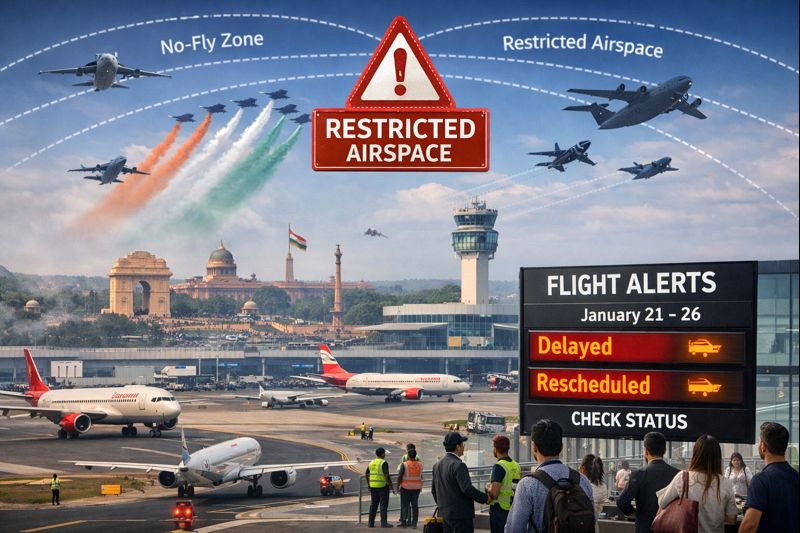
Dubai serves as one of the world’s most important aviation hubs, linking Asia, Europe, Africa and the Americas through its extensive global network. Because of this strategic position, disruptions to flights operating in and out of Dubai can have ripple effects across international aviation routes. The recent escalation of tensions in parts of the Middle East forced several countries to impose temporary airspace restrictions, prompting airlines around the world to reroute flights, suspend operations or significantly reduce schedules.
Emirates stated that the decision to operate more than 100 flights during this period reflects a cautious and carefully coordinated effort to resume services while ensuring operational safety. The airline emphasized that all flights will continue to operate only through approved air corridors that have been deemed safe by aviation authorities. Route planning teams are constantly monitoring airspace conditions and coordinating with air traffic control agencies to avoid any restricted or potentially unsafe zones.
In addition to carrying passengers, many of these flights will also transport cargo, which remains a crucial part of global supply chains. Dubai’s aviation network plays a significant role in the movement of high value goods, pharmaceuticals, medical equipment and perishable products. Maintaining cargo connectivity during disruptions is essential for industries and businesses that depend on timely international shipments.
The airline acknowledged that the ongoing regional tensions have created significant operational challenges for the global aviation industry. Sudden airspace closures and security advisories require airlines to quickly adjust flight routes, which can increase travel time and fuel consumption. In some cases, flights must take longer paths to avoid restricted zones, leading to delays and scheduling complications.
Emirates also noted that the reduced flight schedule is intended to help manage passenger demand while ensuring safe operations. Priority is being given to travelers who were stranded due to earlier cancellations as well as passengers with urgent travel needs. The airline has advised customers to regularly check their flight status and remain updated through official communication channels as schedules may continue to evolve depending on regional developments.
Airlines across the Middle East and beyond have been closely monitoring the geopolitical situation and making adjustments to their networks accordingly. Several international carriers temporarily suspended flights to certain destinations while awaiting clearer guidance from aviation regulators and government authorities. As airspace conditions gradually stabilize, airlines are cautiously resuming operations in phases.
The partial resumption of services by Emirates is seen as an early sign that aviation activity in the region is beginning to stabilize, although the situation remains dynamic. Industry experts point out that restoring normal flight schedules after major disruptions often takes time, as airlines must coordinate with multiple regulatory bodies and ensure that routes remain safe for both passengers and crew.
Emirates reiterated that passenger safety remains its highest priority and that all operational decisions are being taken with extreme caution. The airline’s operations centre continues to monitor global developments around the clock, allowing the carrier to quickly adapt schedules, adjust routes and provide assistance to affected passengers whenever necessary.
As the situation in the region continues to evolve, Emirates said it will keep reviewing its flight schedule and gradually expand services when conditions allow. For now, the operation of more than 100 flights from Dubai represents an important step toward restoring connectivity and supporting global travel during a period of heightened geopolitical uncertainty.