
Emirates, one of the world’s largest international airlines, has expressed optimism about ongoing discussions with Indian aviation authorities aimed at easing seat capacity limits on foreign carriers operating services between India and the United Arab Emirates. The airline’s leadership said improved terms could pave the way for expanded flight frequencies, better connectivity for passengers and strengthened economic ties between the two countries.
For years, India has maintained seat caps in bilateral aviation agreements that limit the number of seats foreign airlines can sell on international routes connecting Indian cities with destinations abroad. These caps were originally designed to protect the growth of Indian carriers by restricting the scale at which foreign competitors could operate. Emirates says that as India’s aviation market matures and demand grows, it is increasingly logical to revisit these limits to reflect contemporary travel patterns and economic realities.
In comments made during an industry event, Emirates executives highlighted that talks with Indian policymakers have been constructive and focused on mutual benefit. They emphasised that relaxing seat restrictions would allow international carriers like Emirates to deploy more capacity on high-demand routes, providing travellers with more options and supporting tourism, business travel and cultural exchange.
The airline suggested that expanded services could particularly benefit routes between India and the Middle East, Europe and beyond, where demand from Indian outbound travellers and expatriate communities has risen steadily. Increasing seat capacity, the executives said, would enable airlines to respond more effectively to peak travel periods and offer flexible connectivity to passengers who currently face limited options during busy seasons.
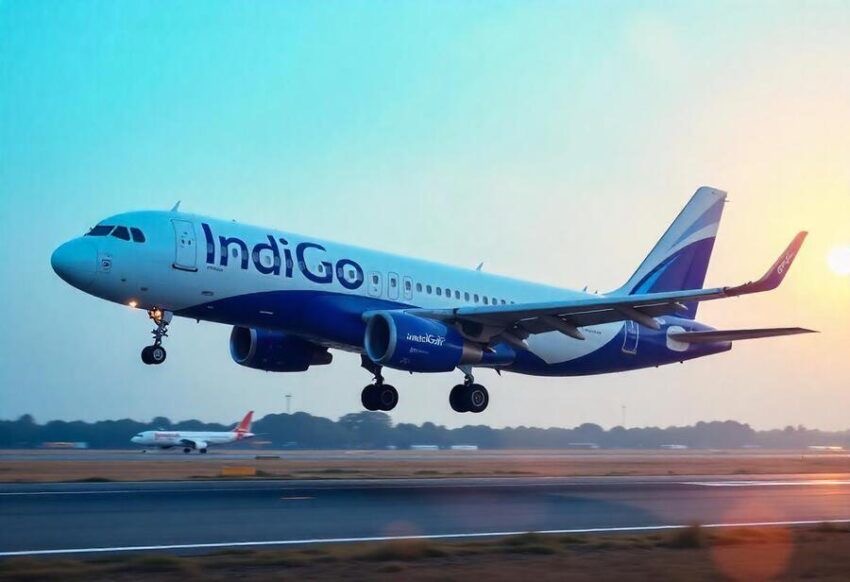
Air services agreements between nations are negotiated on a reciprocal basis, and seat limits are one of several tools used to manage market access. Emirates indicated that broader industry changes, including India’s own fleet expansion and the growing scale of Indian carriers’ international networks, support a reassessment of existing arrangements. With Indian airlines increasingly operating global routes, Emirates leadership argued that a balanced approach to capacity management could benefit all stakeholders.
Expanding seat capacity on India routes could also have positive implications for trade and commerce, according to Emirates. More flights and greater frequency can reduce travel times for business travellers, enhance logistics connections and improve access to markets that are important for economic cooperation. Tourism stakeholders, too, have welcomed the prospect of greater connectivity, noting that relaxed seat limits could help unlock additional inbound and outbound travel flows, especially in under-served city pairs.
Despite the optimism, Emirates acknowledged that any changes would need to be carefully calibrated to safeguard fair competition and protect the interests of domestic carriers. The airline said it supports a phased and consultative approach that allows all airlines operating on the India network to adjust planning, fleet deployment and partnerships accordingly.
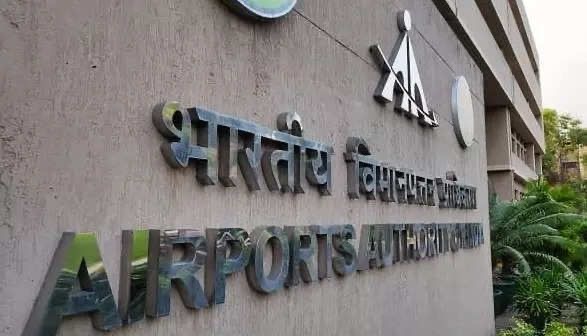
Officials from the Indian aviation ministry and civil aviation regulator have previously signalled interest in reviewing seat cap policies as part of broader efforts to modernise air services agreements and support India’s growing aviation sector. Any formal changes would require diplomatic agreement and amendments to bilateral aviation treaties, a process that typically involves detailed negotiations and reciprocal commitments.
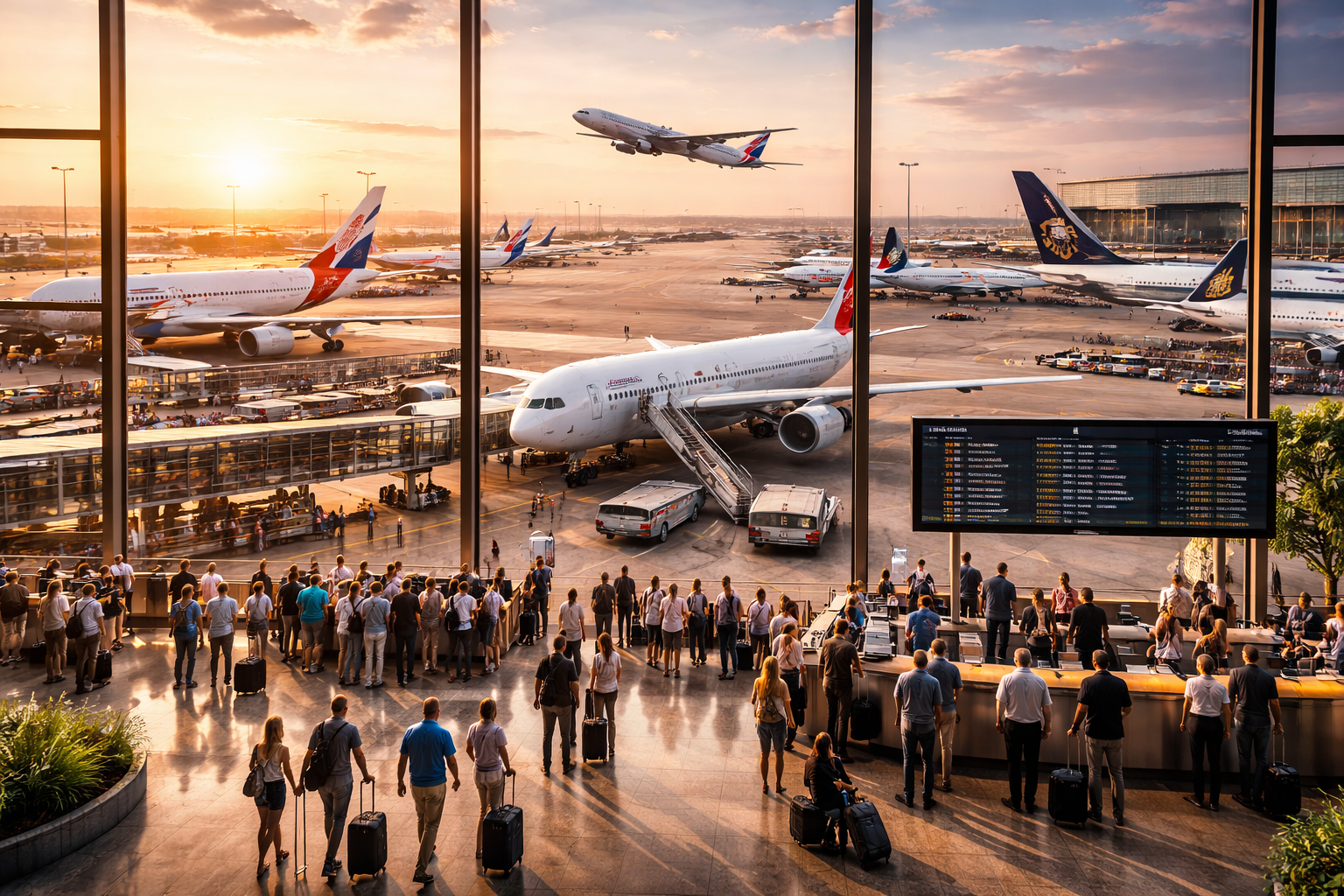
Analysts say that relaxing seat capacity restrictions could represent a significant development in India’s international aviation policy, reflecting confidence in the country’s travel demand trajectory and openness to deeper global aviation integration. As India becomes one of the world’s fastest growing aviation markets, carriers see increasing potential for direct, frequent services linking Indian cities with global hubs.
For passengers, expanded seat availability could translate into more competitive fares, additional flight timings and greater choice of airlines on key international routes. Enhanced capacity could also support smoother connections, reduced layover times and improved travel experiences for both leisure and business travellers.
Emirates’ comments underscore the importance of diplomatic engagement and industry collaboration in shaping the future of international air services. With talks underway, stakeholders will be watching closely to see how negotiations evolve and whether revised seat arrangements become a reality that helps expand global connectivity for Indian travellers and the broader aviation ecosystem.