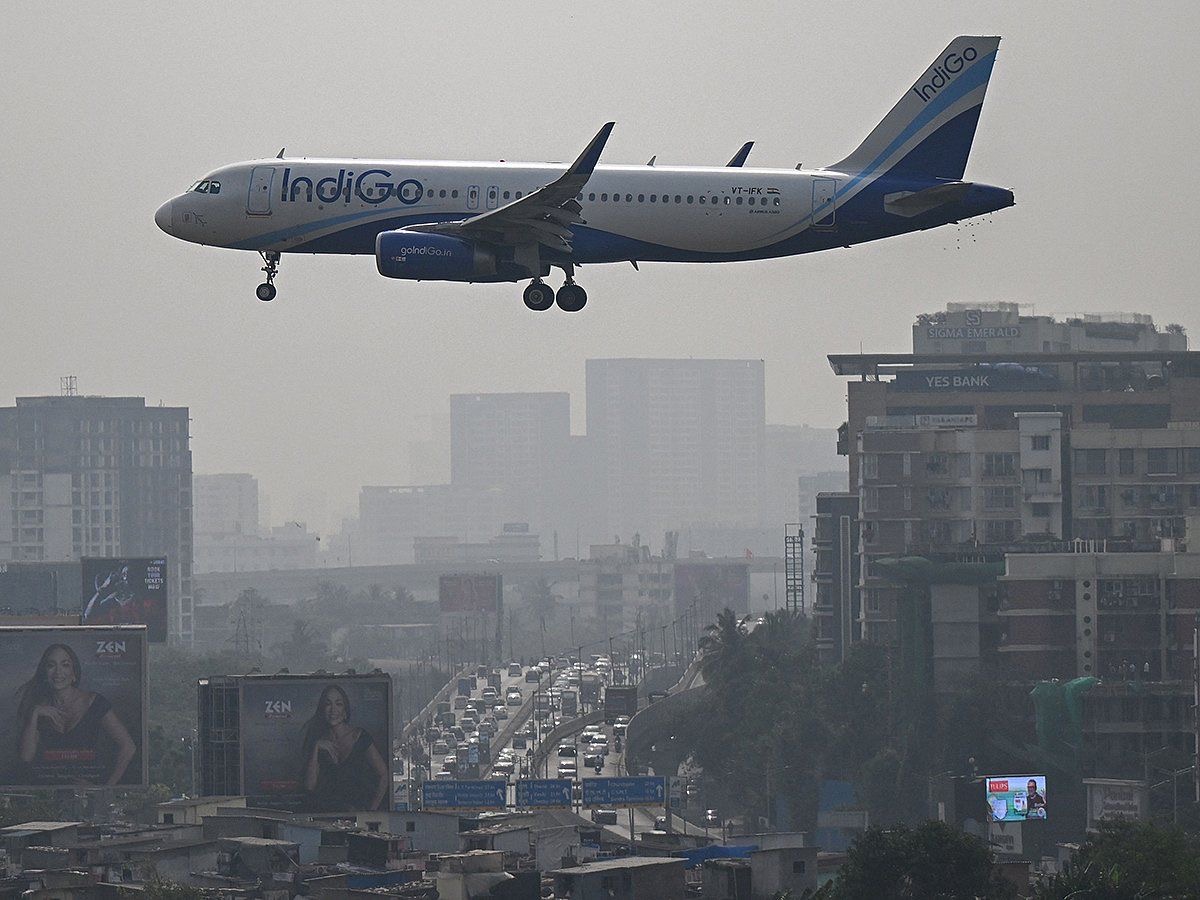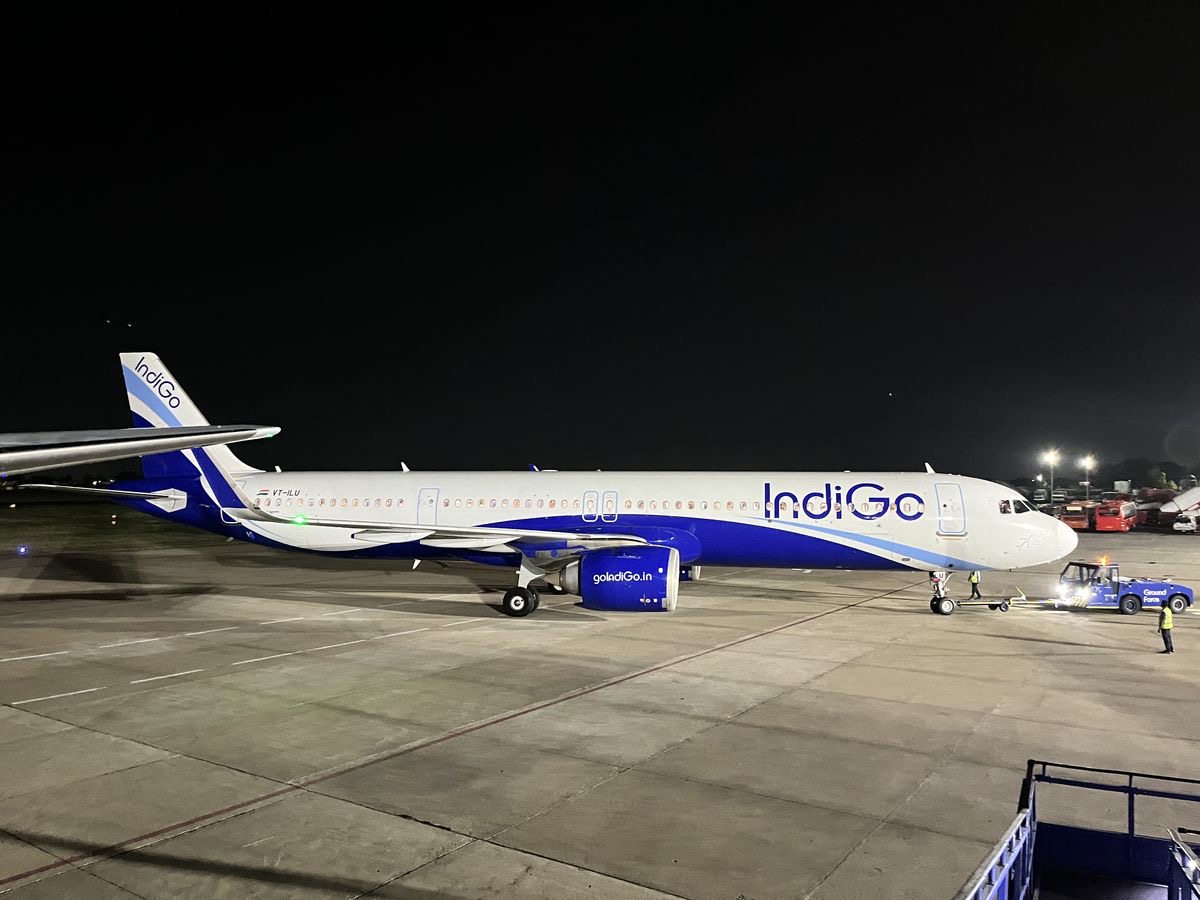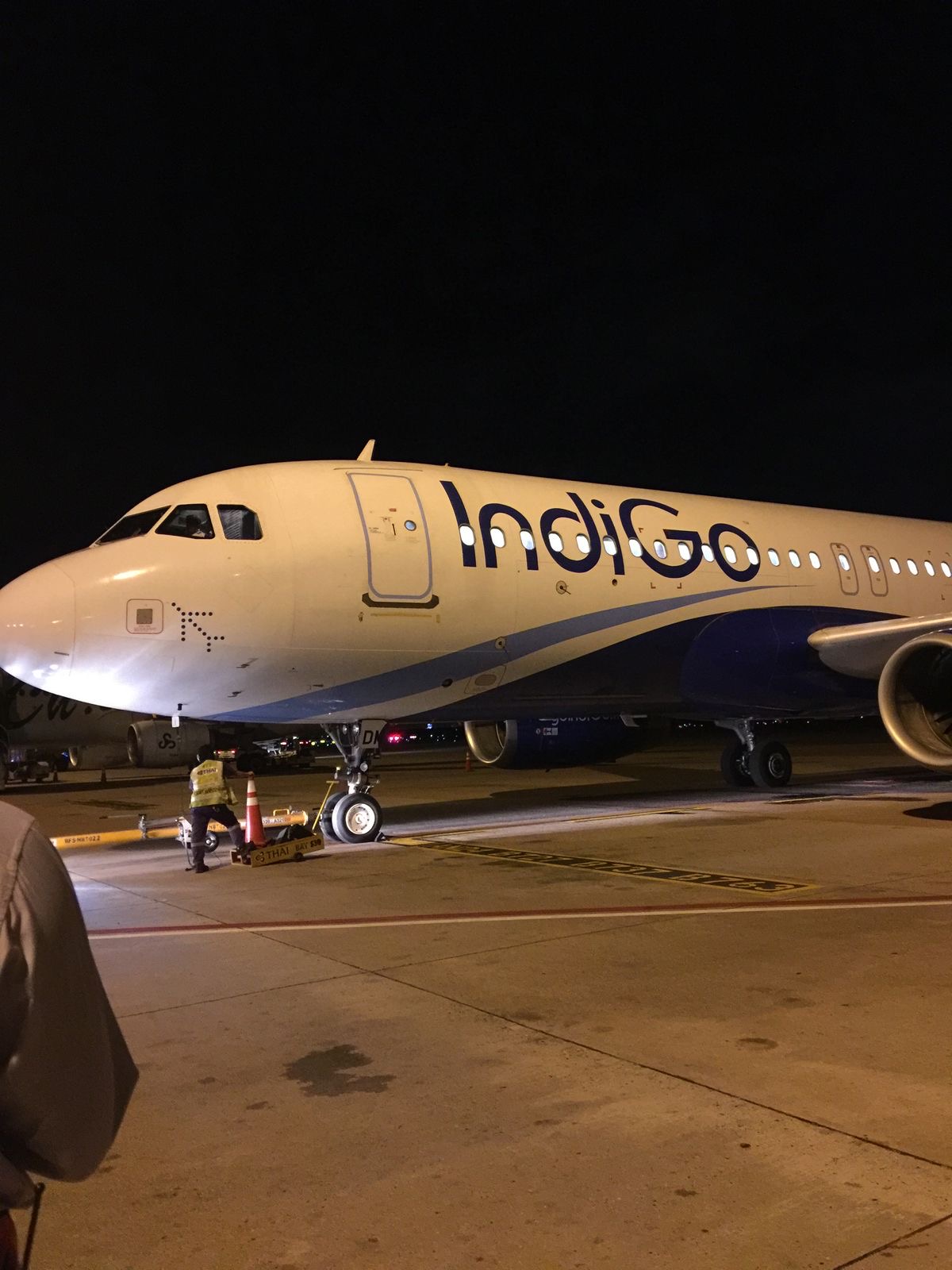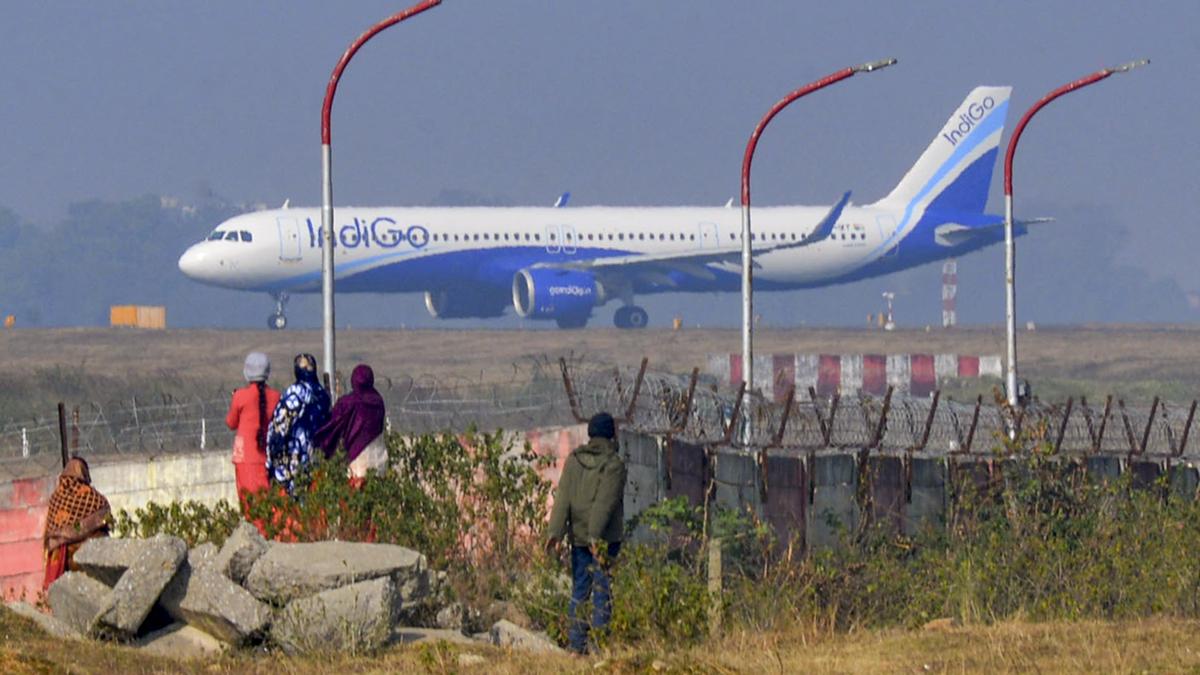

India’s Aircraft Accident Investigation Bureau (AAIB) has raised concerns over gaps in aviation safety reporting and has urged the Directorate General of Civil Aviation (DGCA) to review its Safety Management System (SMS) following a recent near-miss involving an IndiGo aircraft. The development has once again drawn attention to the robustness of safety oversight mechanisms at a time when India’s aviation sector is witnessing rapid growth.
The near-miss incident involved two aircraft coming into close proximity while operating in controlled airspace. Although no collision occurred and all safety margins were ultimately maintained, the event was serious enough to prompt a detailed investigation. According to the AAIB, the incident exposed weaknesses in how safety-related information and warning signs are reported, documented, and escalated within the existing system.
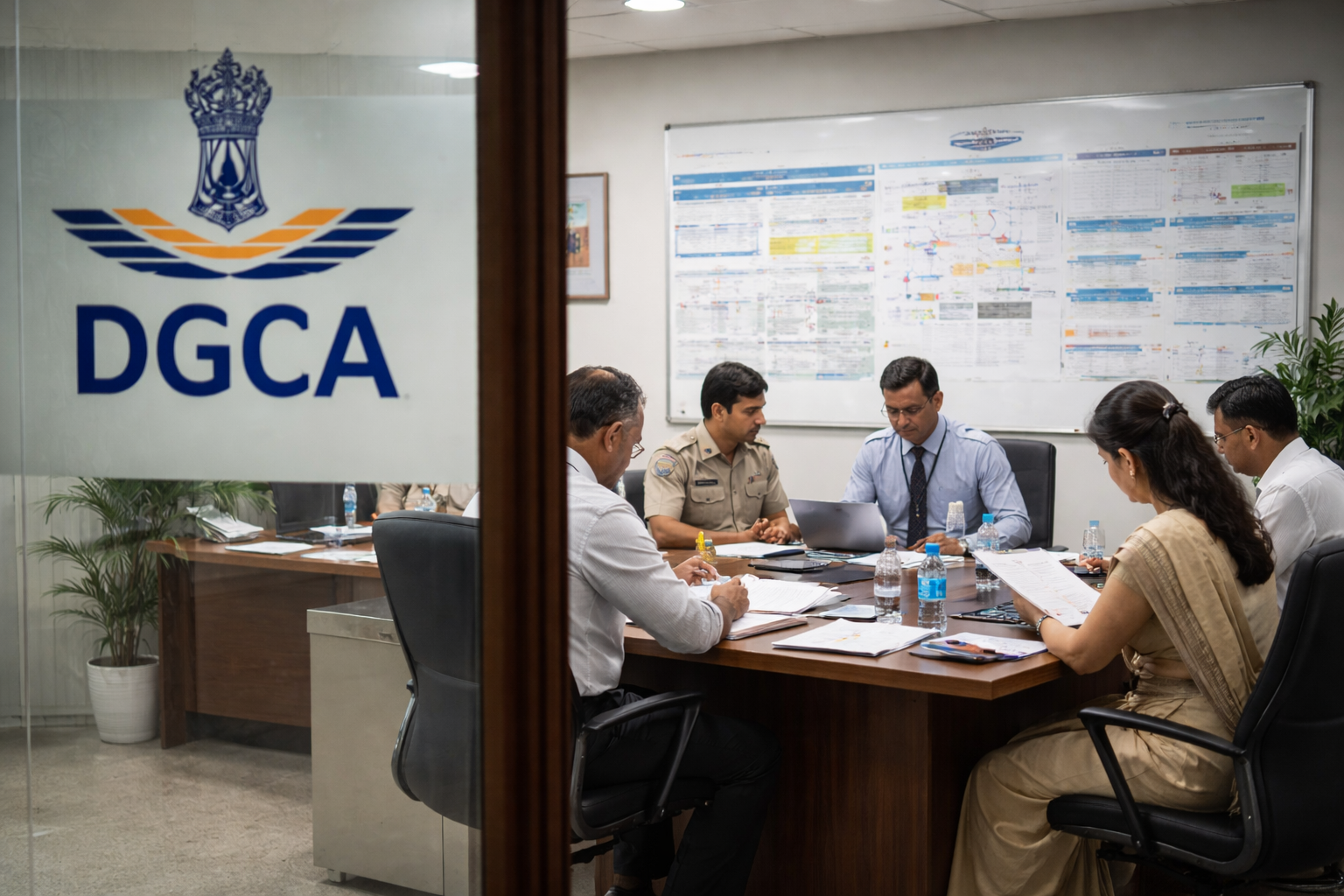
In its assessment, the AAIB has recommended that the DGCA undertake a comprehensive review of its Safety Management System framework. The SMS is designed to ensure that operational risks, hazards, and near-miss events are systematically reported and analysed so that corrective actions can be implemented before incidents escalate into accidents. The bureau noted that gaps in this process could limit the effectiveness of early risk detection.
Importantly, the AAIB clarified that its observations do not point to errors or negligence by pilots or air traffic controllers involved in the incident. Instead, the focus of the findings is on organisational and systemic shortcomings that may hinder timely identification and mitigation of safety risks. Strengthening reporting channels and follow-up mechanisms was highlighted as a key priority.
A strong SMS relies heavily on inputs from frontline aviation personnel, including pilots, cabin crew, maintenance engineers, and air traffic controllers. These reports form the backbone of proactive safety management. The AAIB’s recommendation suggests that existing processes may not be capturing or utilising this information as effectively as required.
Aviation safety experts note that near-misses often serve as critical warning signals and offer valuable lessons if analysed thoroughly. Globally, regulators continually refine SMS frameworks based on such incidents, improving training, data analysis, and reporting culture. The AAIB’s call aligns with international best practices aimed at preventing future accidents.
The DGCA is expected to examine the AAIB’s recommendations and consider measures to strengthen its oversight and monitoring systems. As India’s air traffic volumes continue to rise, ensuring that safety reporting mechanisms remain robust and responsive will be essential to maintaining public confidence and upholding global aviation safety standards.