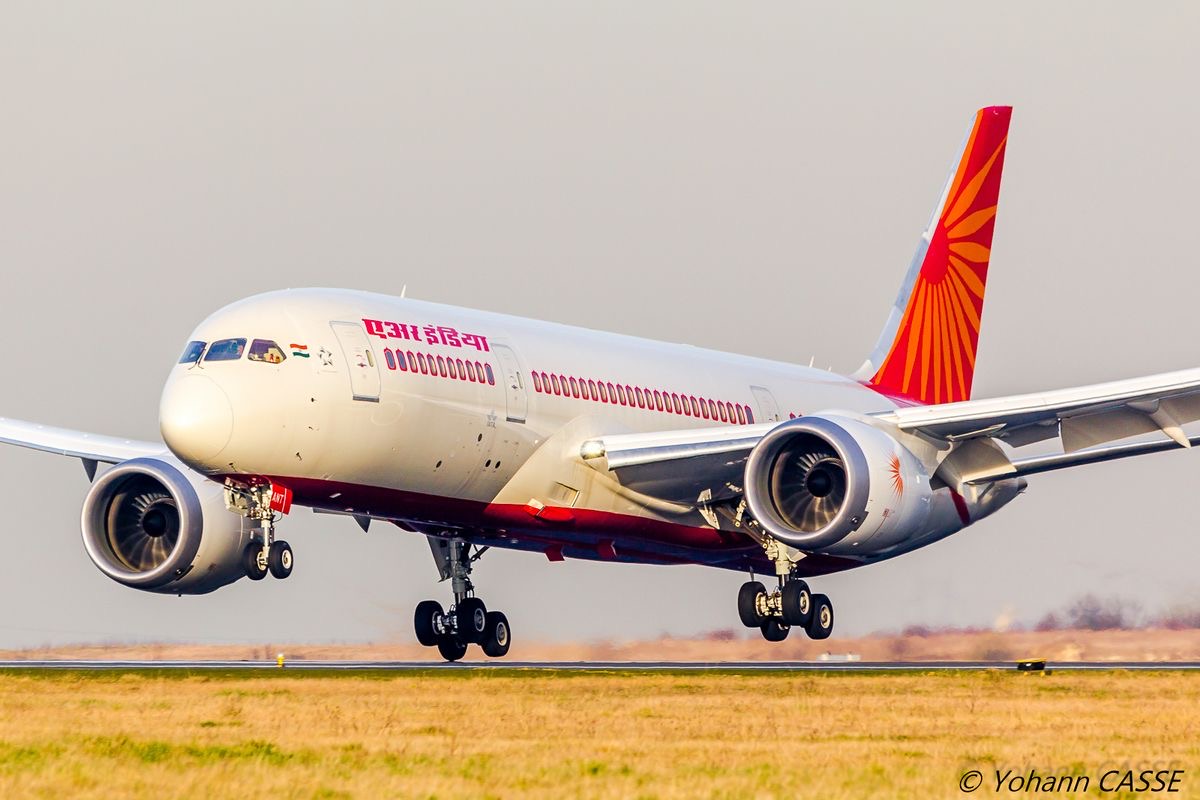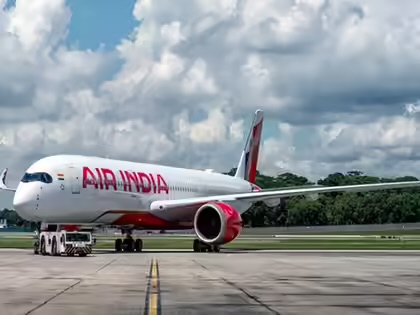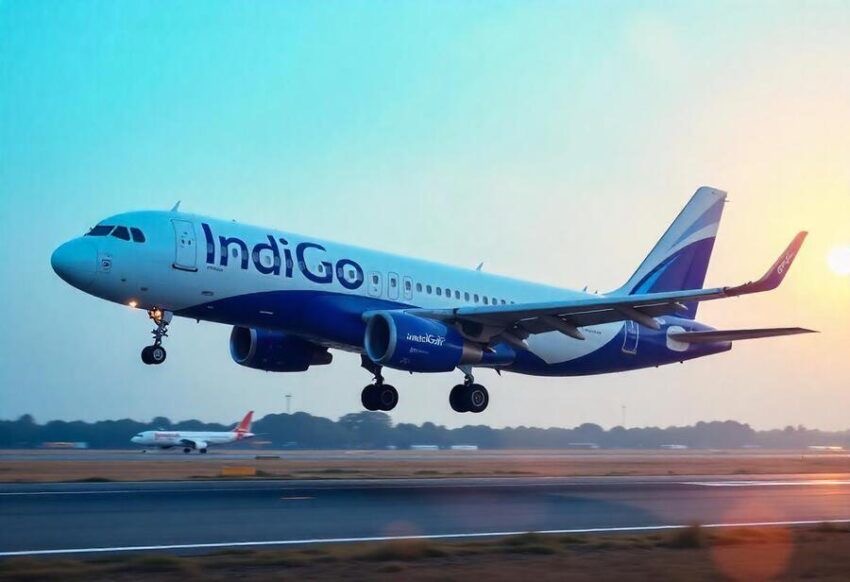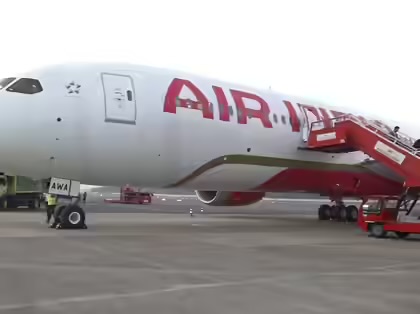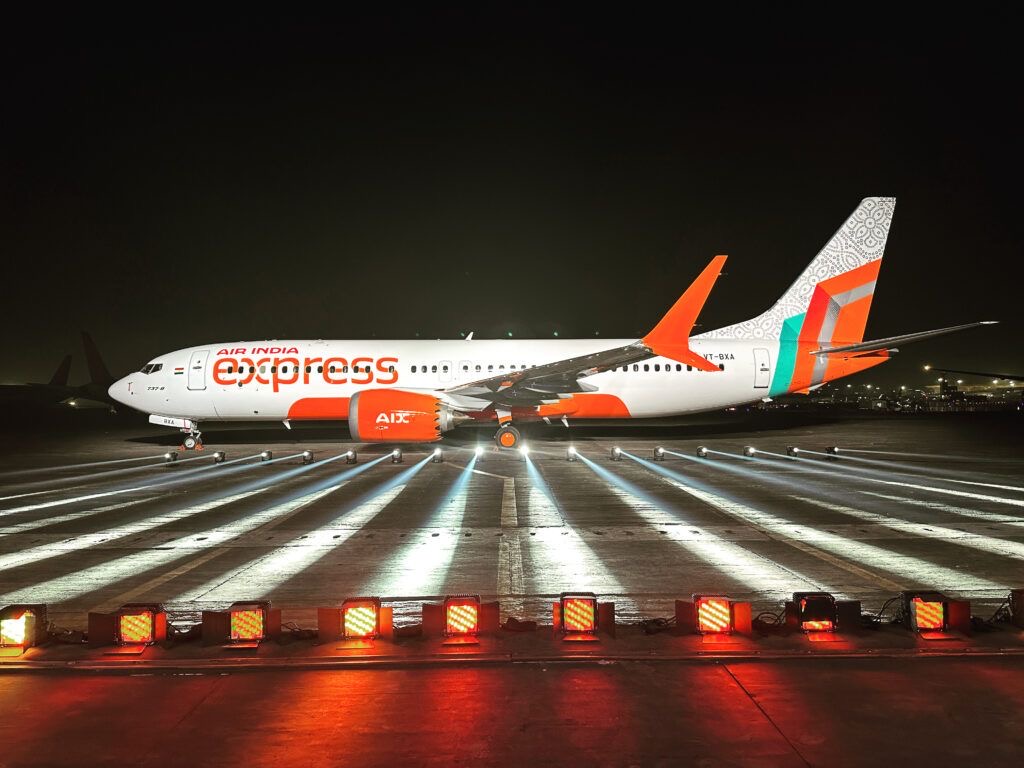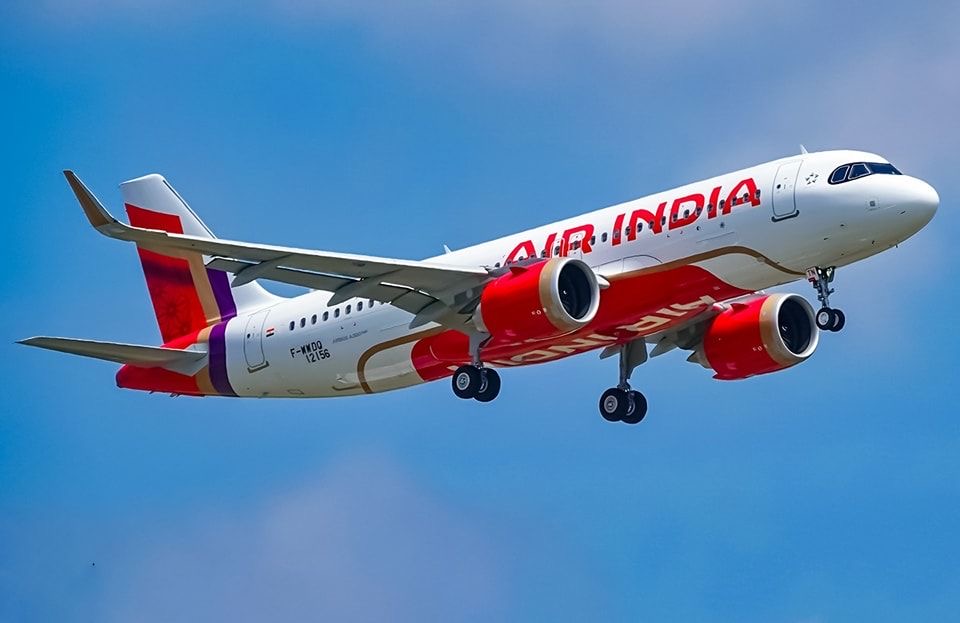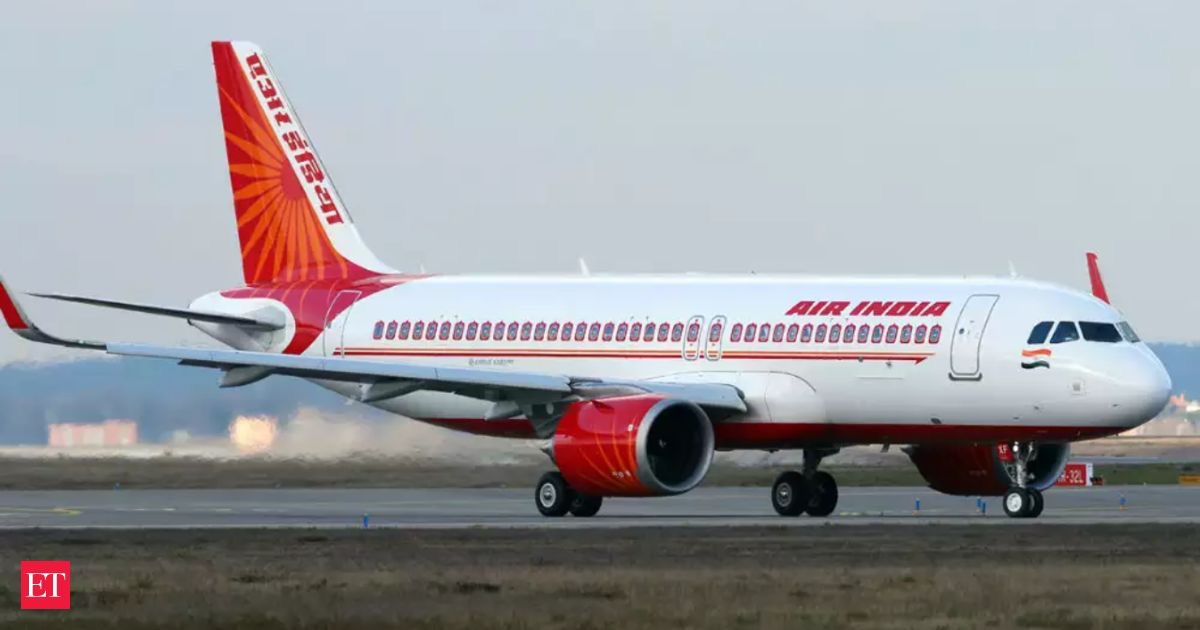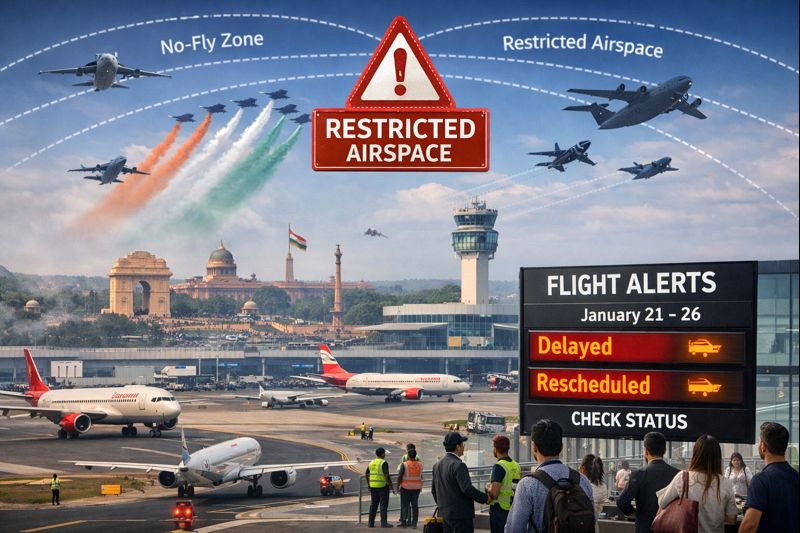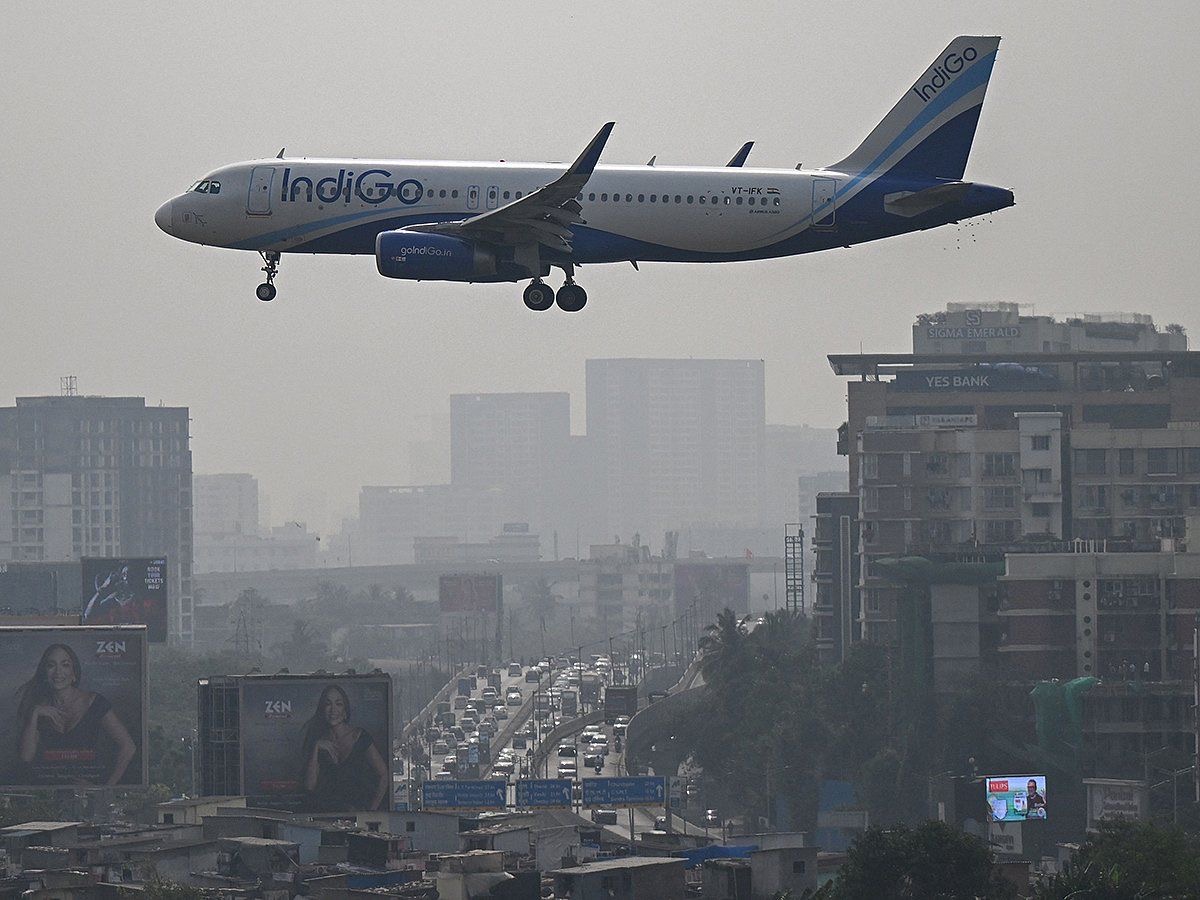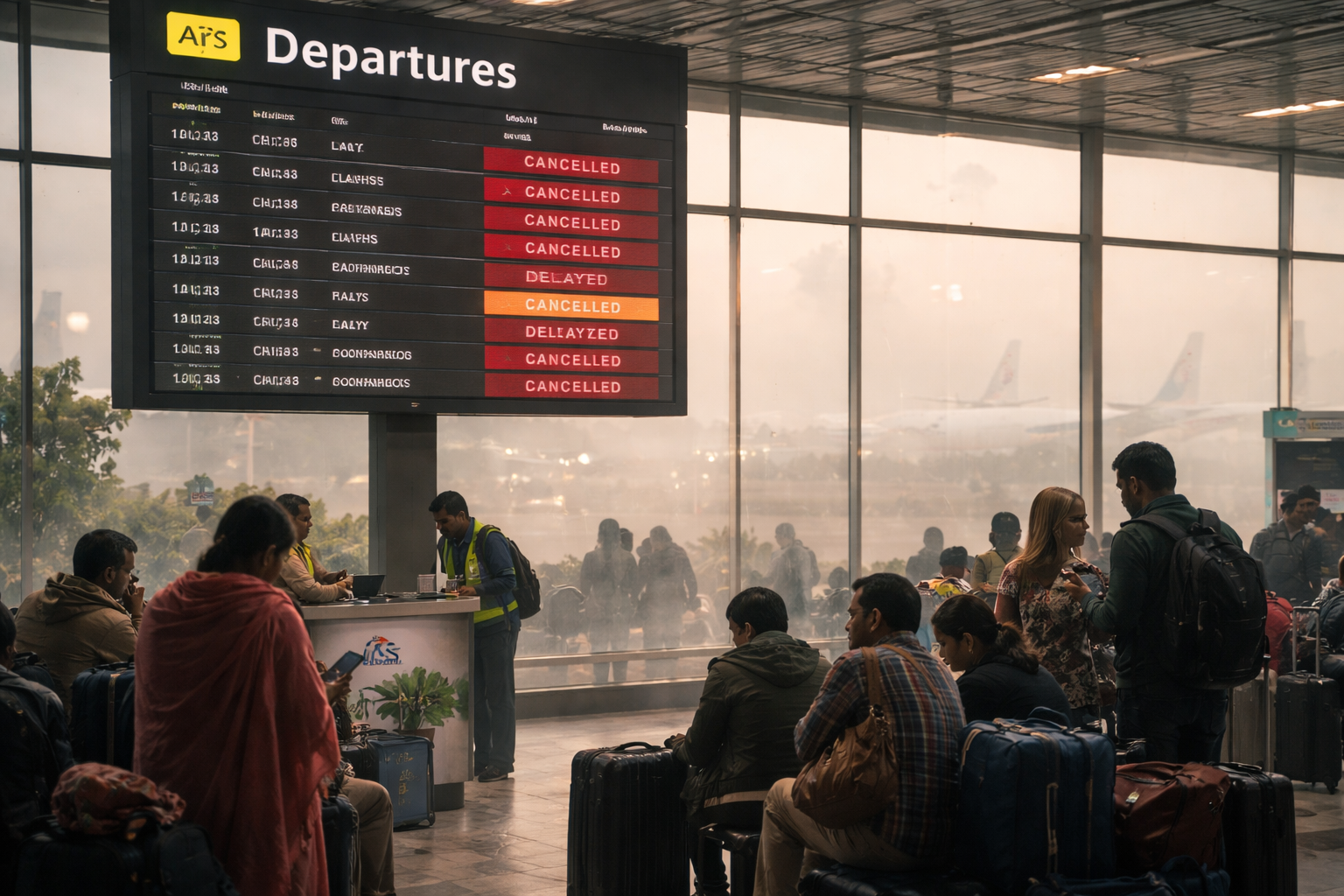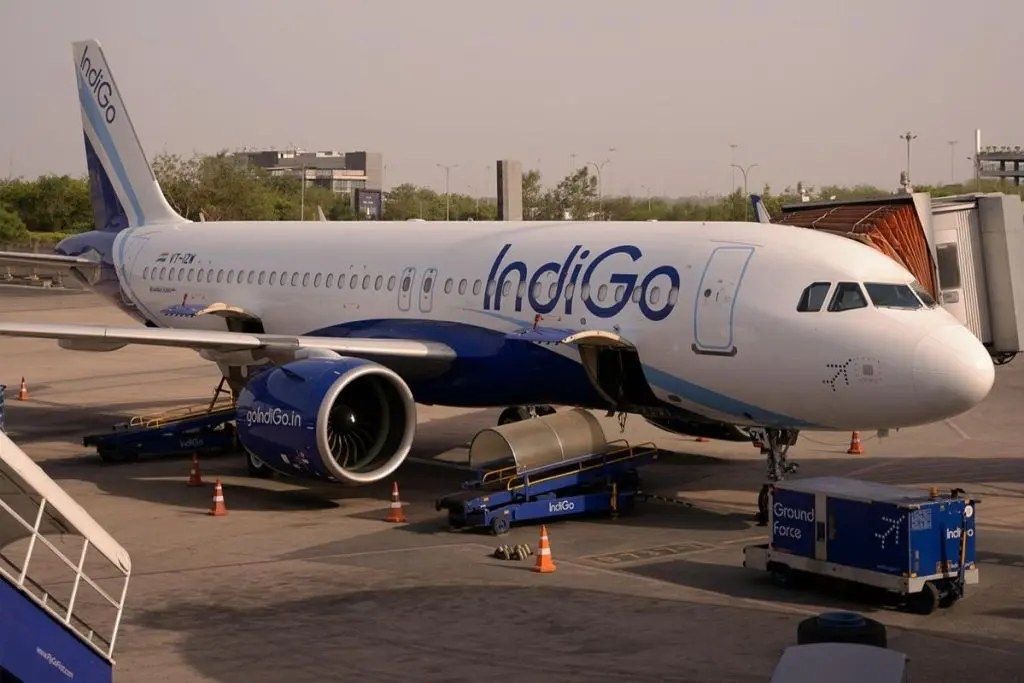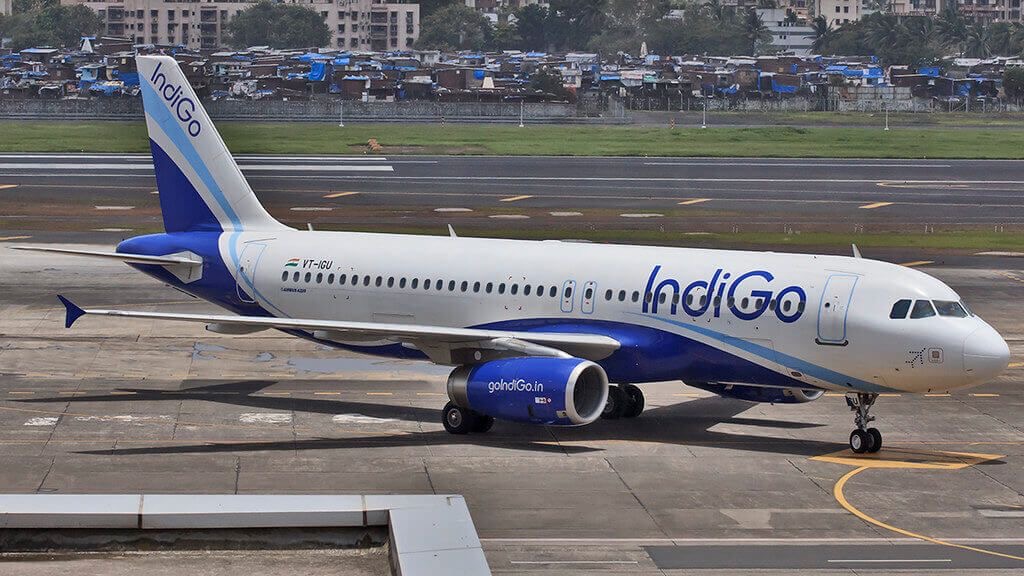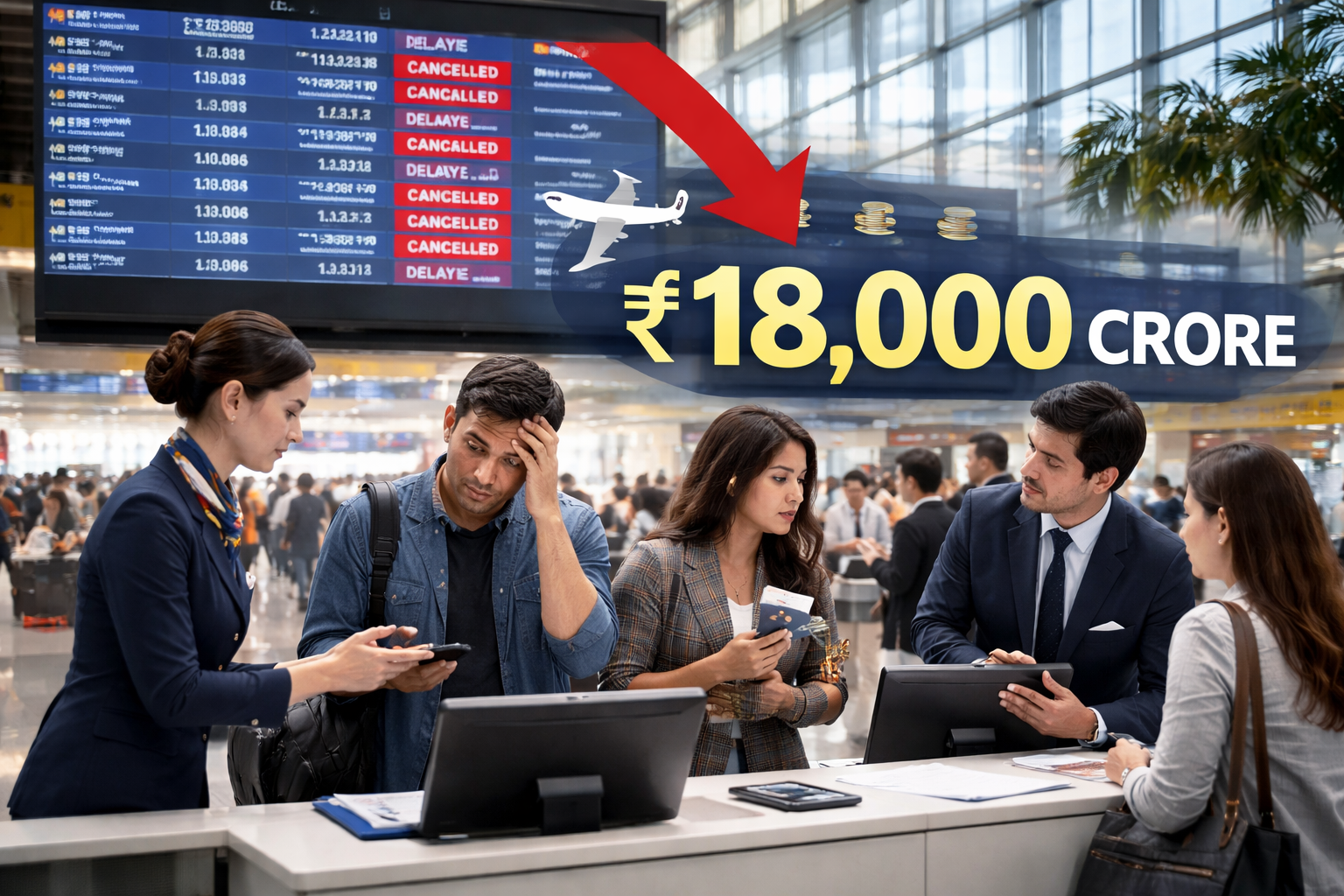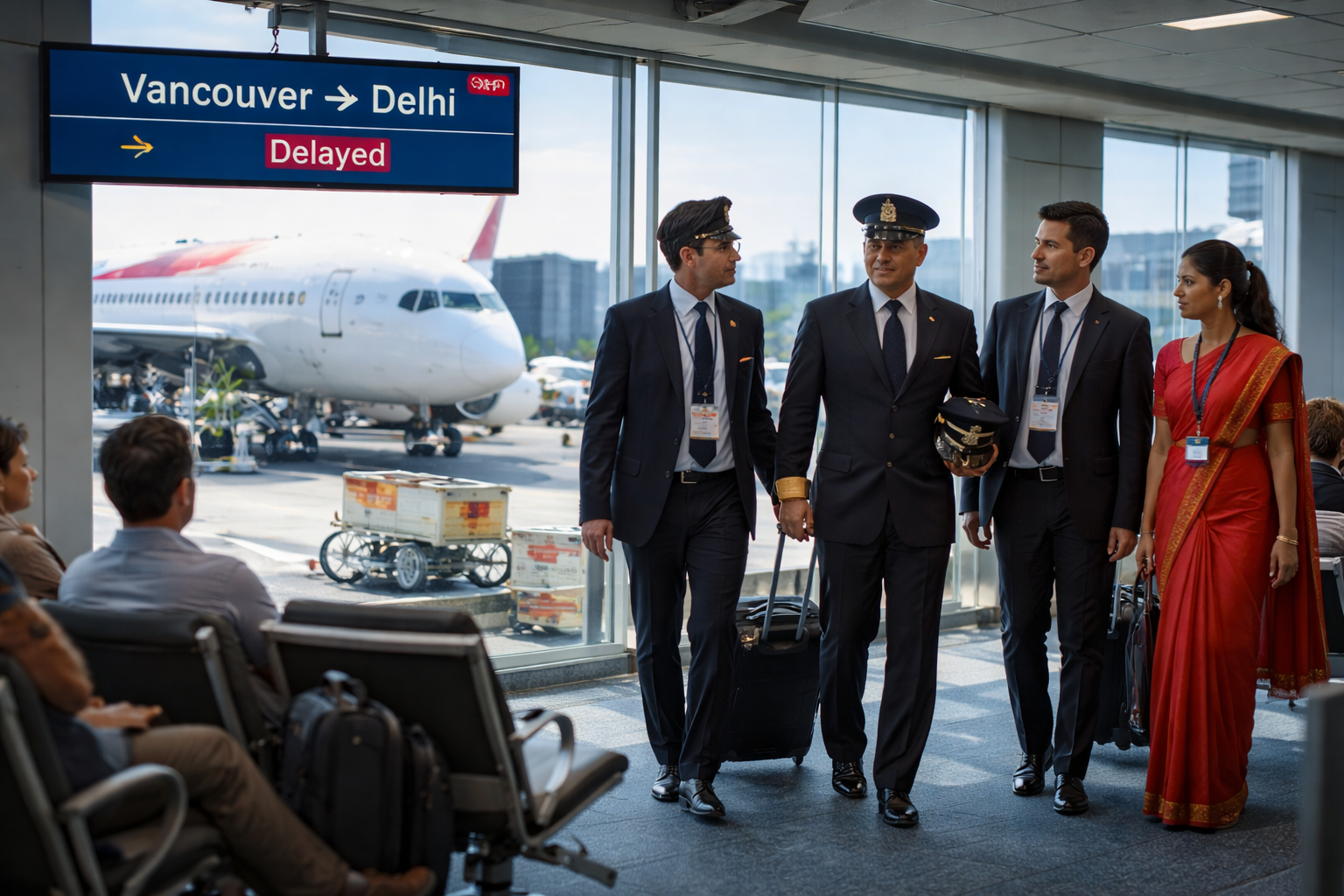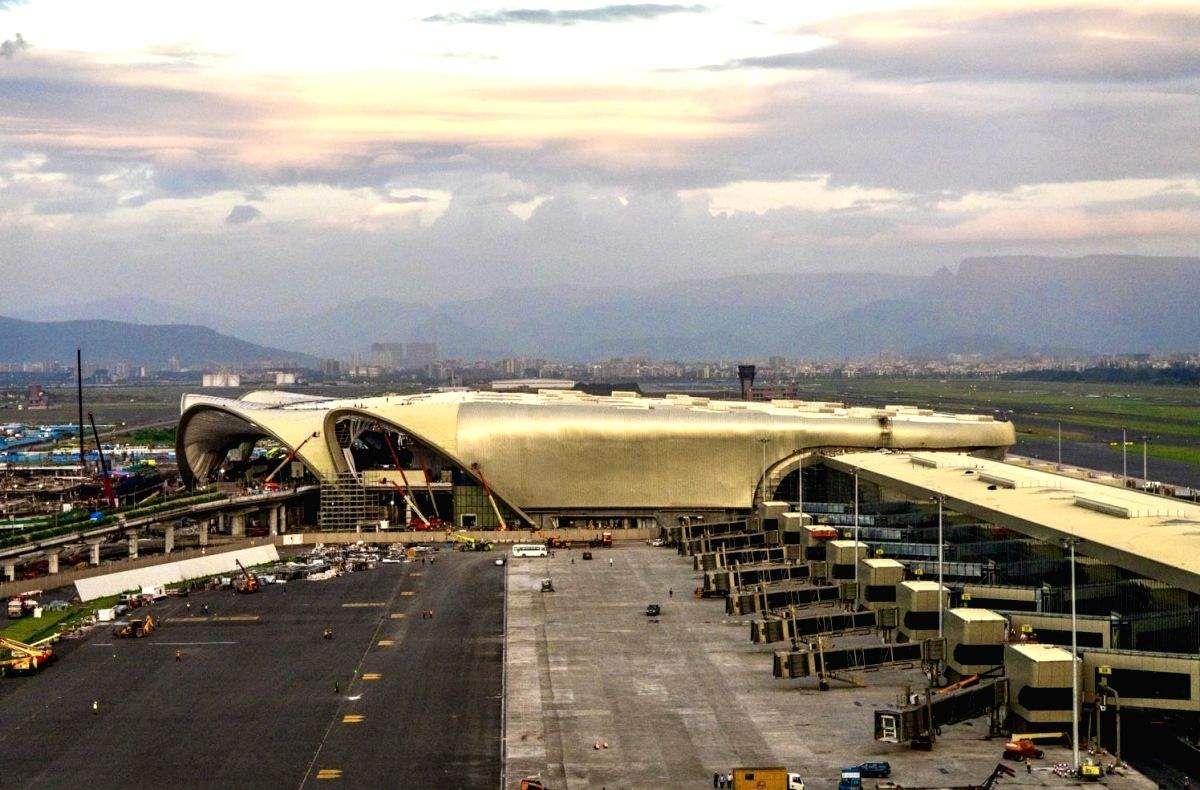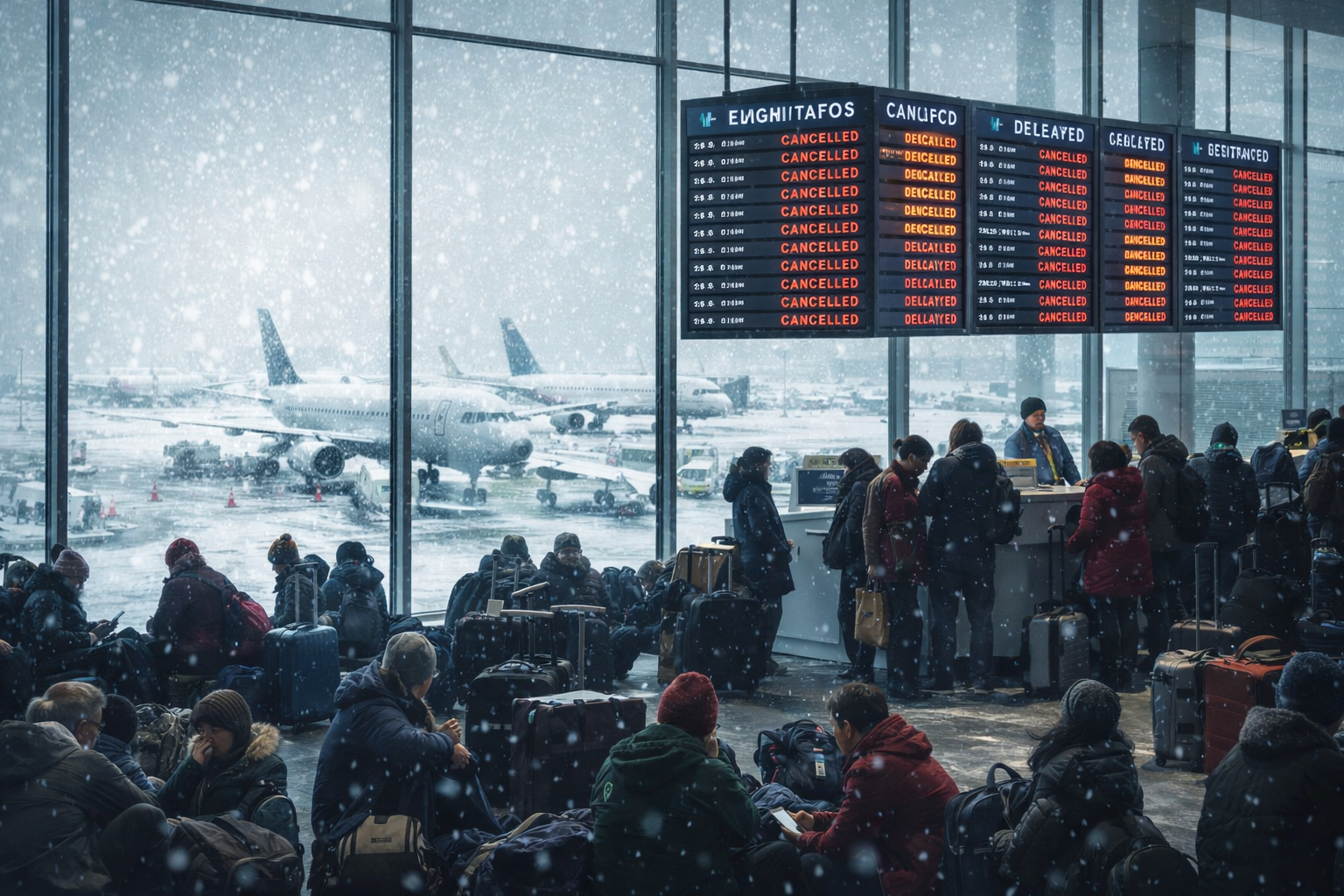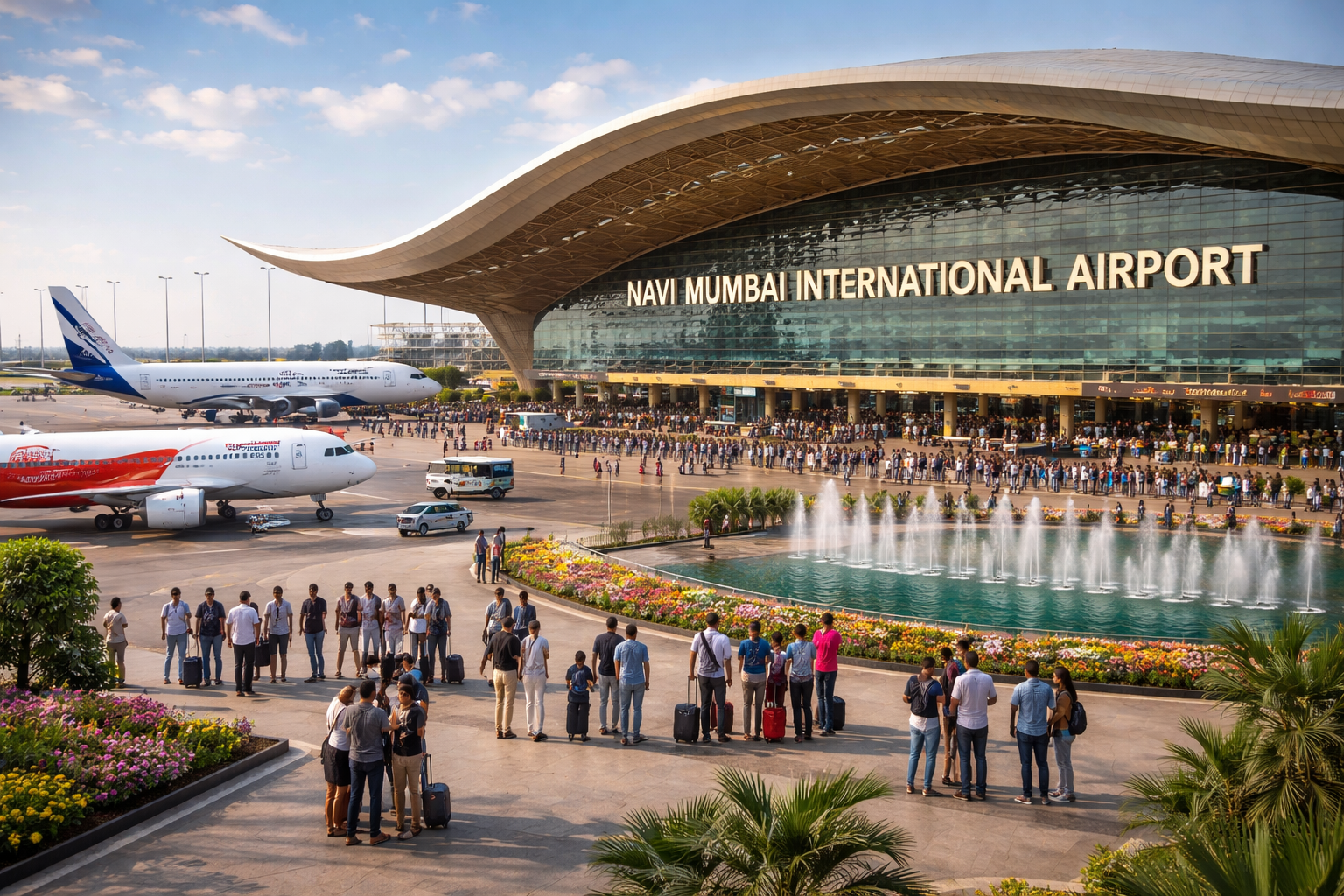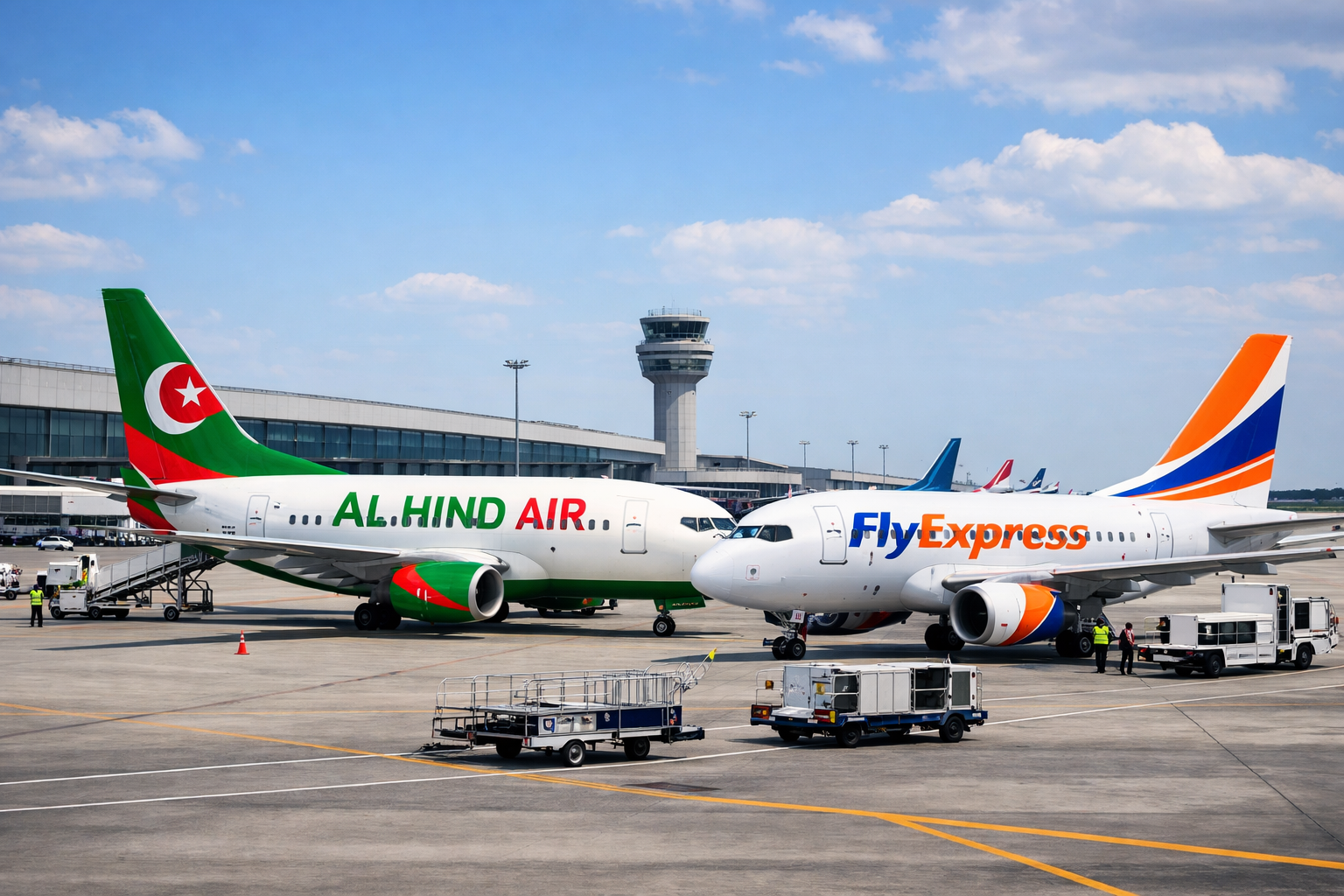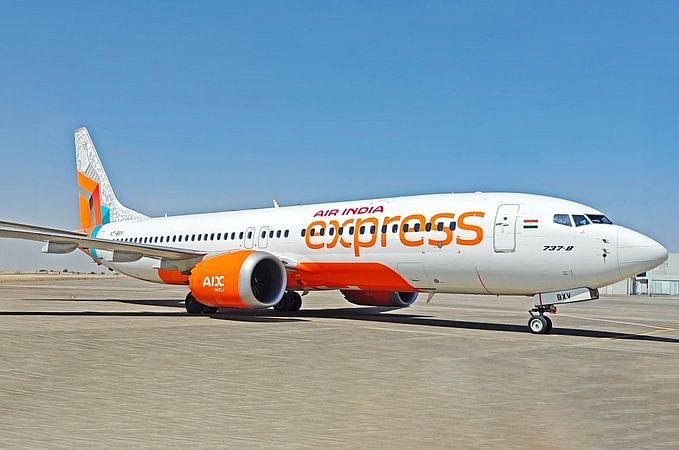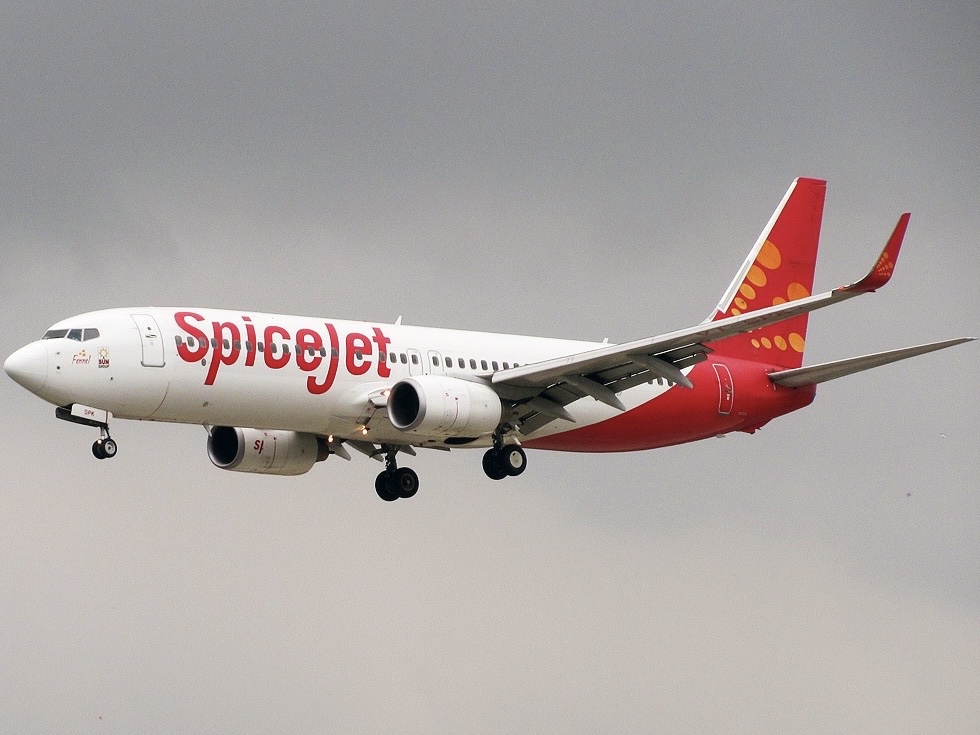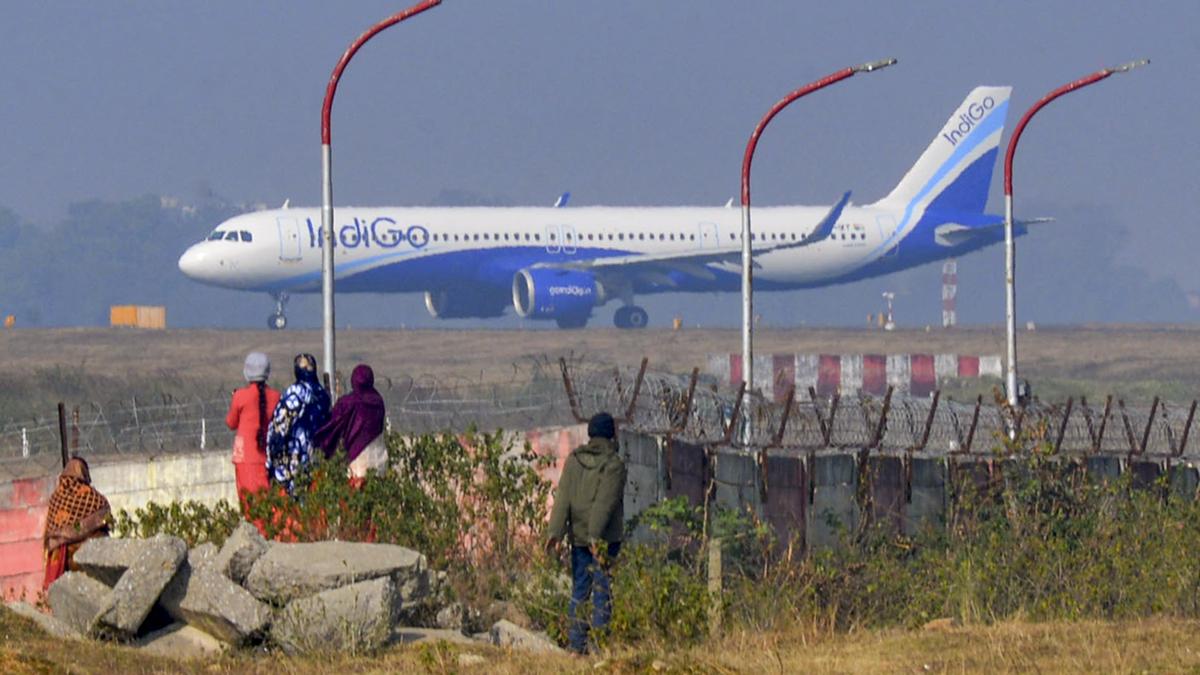

Mumbai’s Chhatrapati Shivaji Maharaj International Airport experienced a significant disruption with 57 flights cancelled as airlines adjusted to ongoing instability in West Asia and reassessed international operations in affected airspace. The cancellations reflect how geopolitical tensions and evolving safety considerations can influence airline scheduling and network decisions, particularly for carriers that operate flights to, from or over the region.
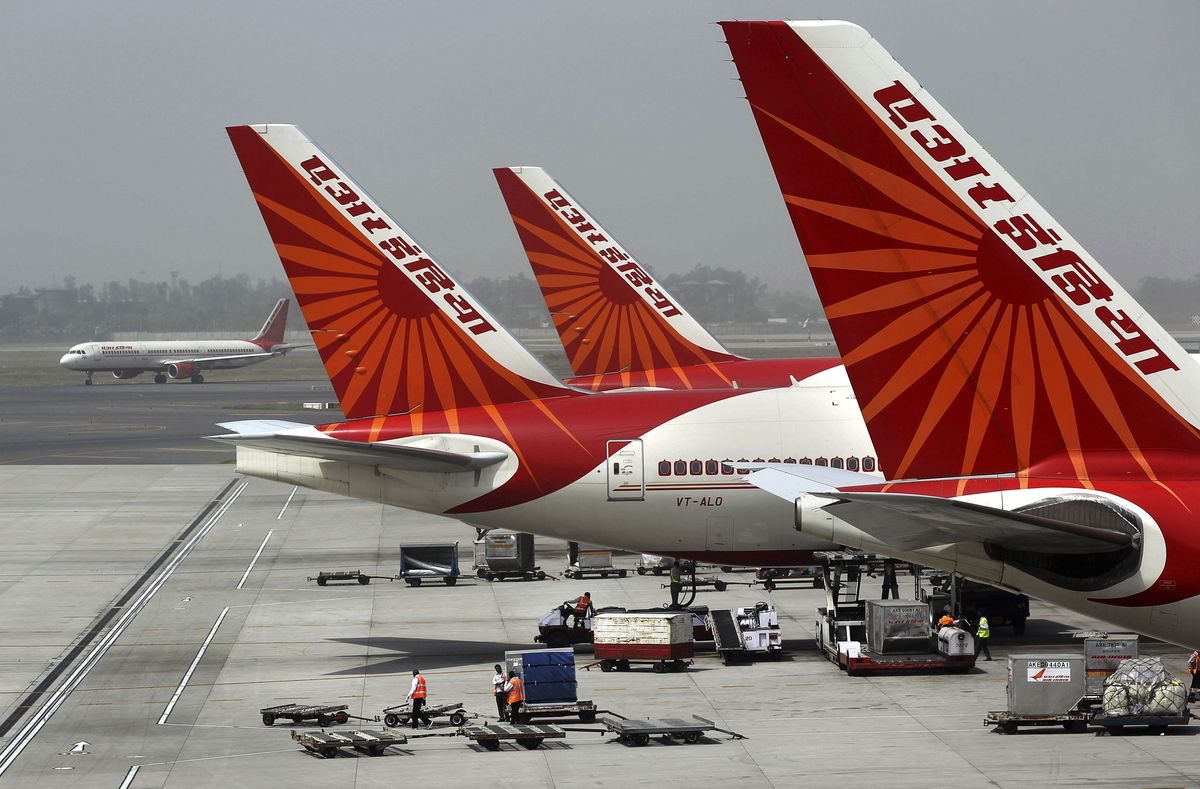
The cancellations impacted both international and some connecting domestic flights, leading to inconvenience for passengers who had planned travel through Mumbai on those services. Carriers attributed the cancellations to route planning changes, operational adjustments and risk mitigation measures that were adopted in response to shifting conditions abroad. Many of the flights involved long-haul sectors that rely on safe airspace access over parts of the Middle East for efficient routings, and some carriers chose to suspend or revise services temporarily to prioritise safety and regulatory compliance.
Passengers booked on the affected flights faced delays, cancellation notifications, and in many cases needed to rebook or modify travel plans. Airlines typically notified travellers through SMS alerts, email updates and announcements on mobile apps with guidance on alternate flights, rerouting options or refund procedures. Customer service teams at airports and call centres were also mobilised to assist passengers with rebooking or compensation arrangements in line with fare rules and regulatory obligations.
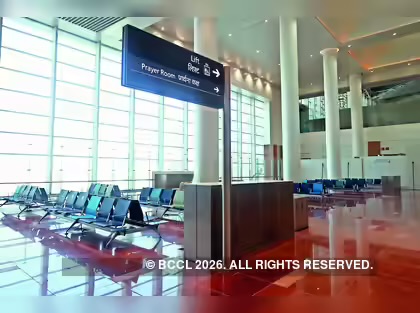
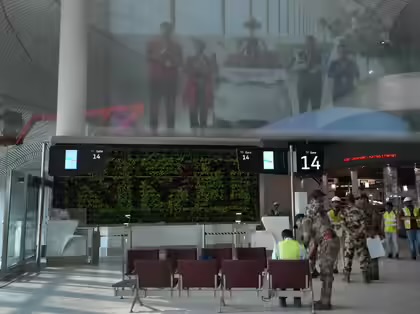
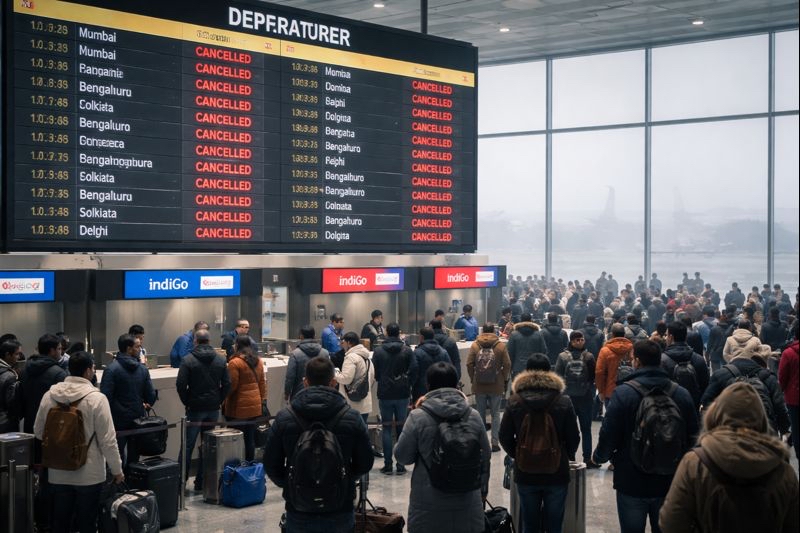
Operationally, the cancellation of nearly 60 flights in a single day placed pressure on airport resources, including gate assignments, crew planning and baggage handling logistics. Ground handling teams worked to manage the flow of passengers impacted by the changes and to direct them to assistance counters, rebooking desks and airline service areas for resolution.
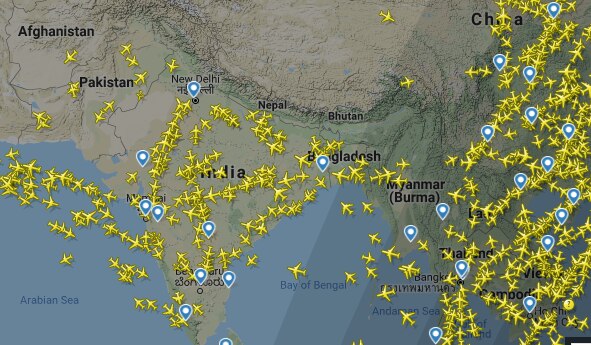
Industry analysts said that cancellations of this scale underscore how external factors especially conflicts or crisis situations in key aviation corridors can ripple through airline schedules and airport operations far from the epicentre of events. Airlines often review not only direct services to affected cities but also routes that may overfly high-risk airspace segments. Adjustments can involve longer routings, altered departure and arrival timings, or suspensions until assessment conditions improve.
For passengers, cancelled flights can lead to a cascade of challenges beyond the immediate delay. Those affected may have missed hotel reservations, onward connections or time-sensitive engagements. Airlines generally help by offering alternate flights, refunds, travel credits or accommodation support as required under their policies and relevant aviation consumer protection norms.
In the context of the West Asia crisis, carriers have been closely monitoring safety advisories from regulators and international aviation bodies. Decisions to cancel or reroute flights are often made in consultation with national aviation authorities, air traffic control organisations and risk assessment units within airlines. These decisions can also be influenced by Notices to Airmen (NOTAMs), updated airspace restrictions, and bilateral aviation agreements that govern overflight rights and operations.
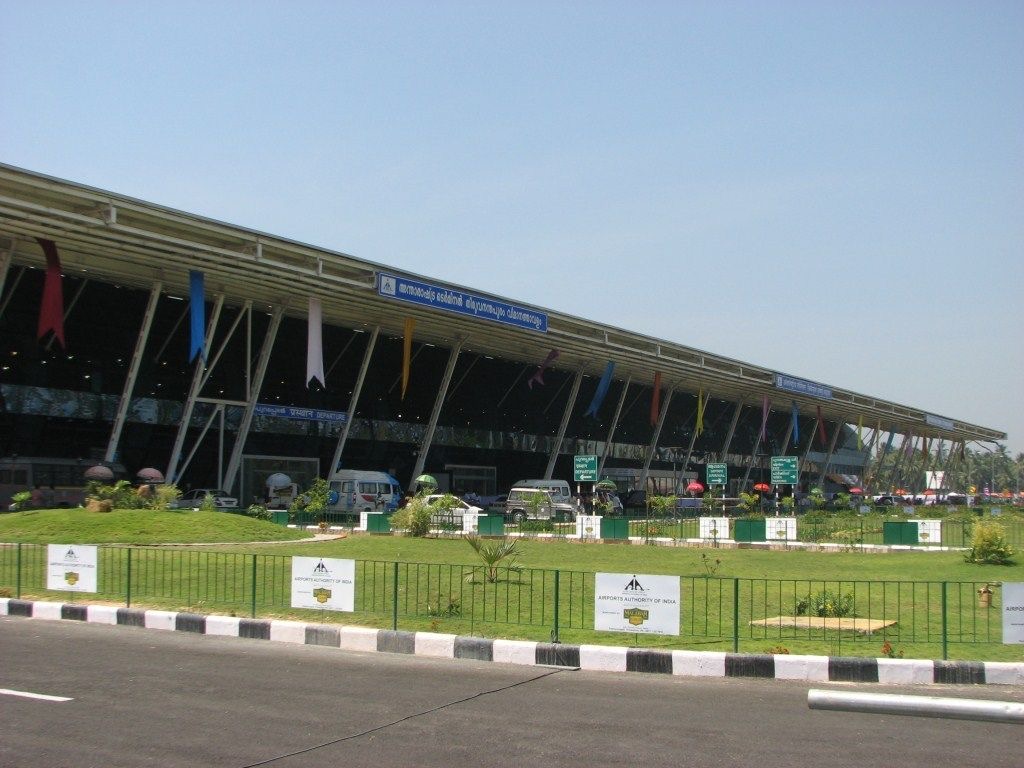
Mumbai Airport, one of India’s busiest international gateways, has seen a flurry of schedule adjustments as multiple airlines rossette their flights in response to dynamic conditions. The airport authority has coordinated with airlines to manage stand allocations, passenger queues and information dissemination to ensure that impacted travellers receive up-to-date guidance.
Passengers affected by the cancellations were advised to keep an eye on official airline communications, check flight status boards, and approach airline counters at the airport for live assistance. Travellers also have options to explore alternative airports or connecting cities if their travel timelines are particularly urgent, though such arrangements typically depend on seat availability and airline policies.
The cluster of cancelled flights at Mumbai also highlights how interconnected global air travel has become, where disruptions in one region can affect schedules and operations thousands of kilometres away. Airlines that operate large international networks often maintain contingency plans that include alternate routings, standby aircraft and flexible crew arrangements to help mitigate the impact of such events.
Airport officials and airline representatives said they were working to restore normal operations as conditions stabilise and as risk assessments allow for service resumption on affected sectors. Cancellations may remain in place for some days until clearer guidance on airspace viability and airline risk tolerance emerges.
For now, passengers and carriers continue to adapt to an evolving situation, emphasising that safety remains the paramount consideration in all flight planning decisions. The cancellations at Mumbai underscore how crisis conditions in foreign regions can translate into operational challenges for major aviation hubs, affecting travellers, airlines and airport logistics alike.