India’s aviation industry is navigating a complex and dynamic phase marked by both ambitious expansion plans and mounting operational and financial pressures. After a turbulent 2025 that saw high passenger numbers but sharp service disruptions, the sector is now bracing for significant developments as it heads into 2026. Passenger growth remains robust in many segments, but airlines and regulators alike are confronting headwinds that could shape the industry’s medium-term trajectory.
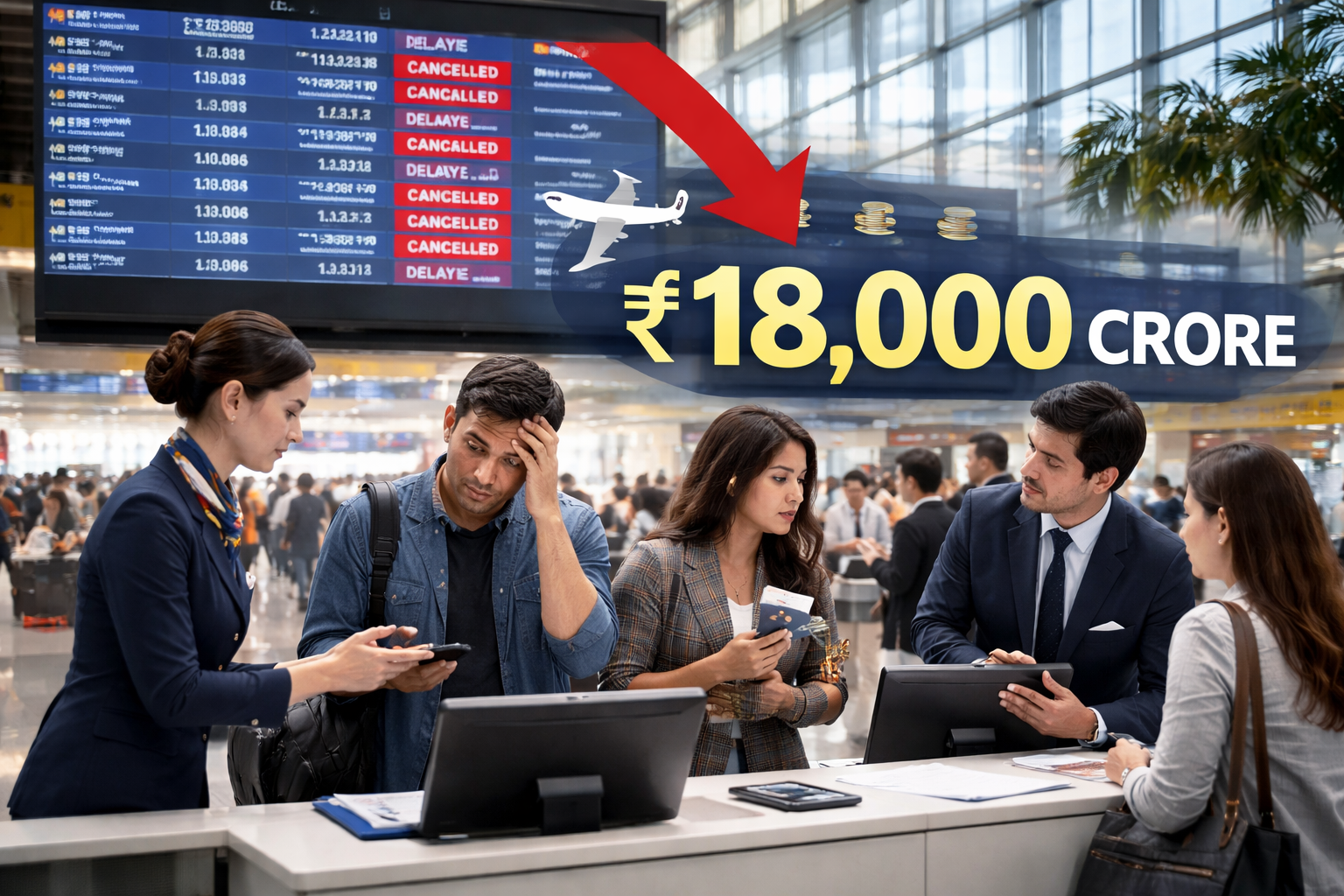
Recent figures indicate that the domestic aviation sector may record substantial financial losses in the current fiscal year, with total industry losses now projected to be in the tens of thousands of crores. These projected losses reflect rising operational costs, weak yields, and the lingering impact of service challenges that eroded consumer confidence even as travel demand stayed elevated. Many carriers are working to cut costs, optimise operations, and restructure their networks to weather the slump in profitability.
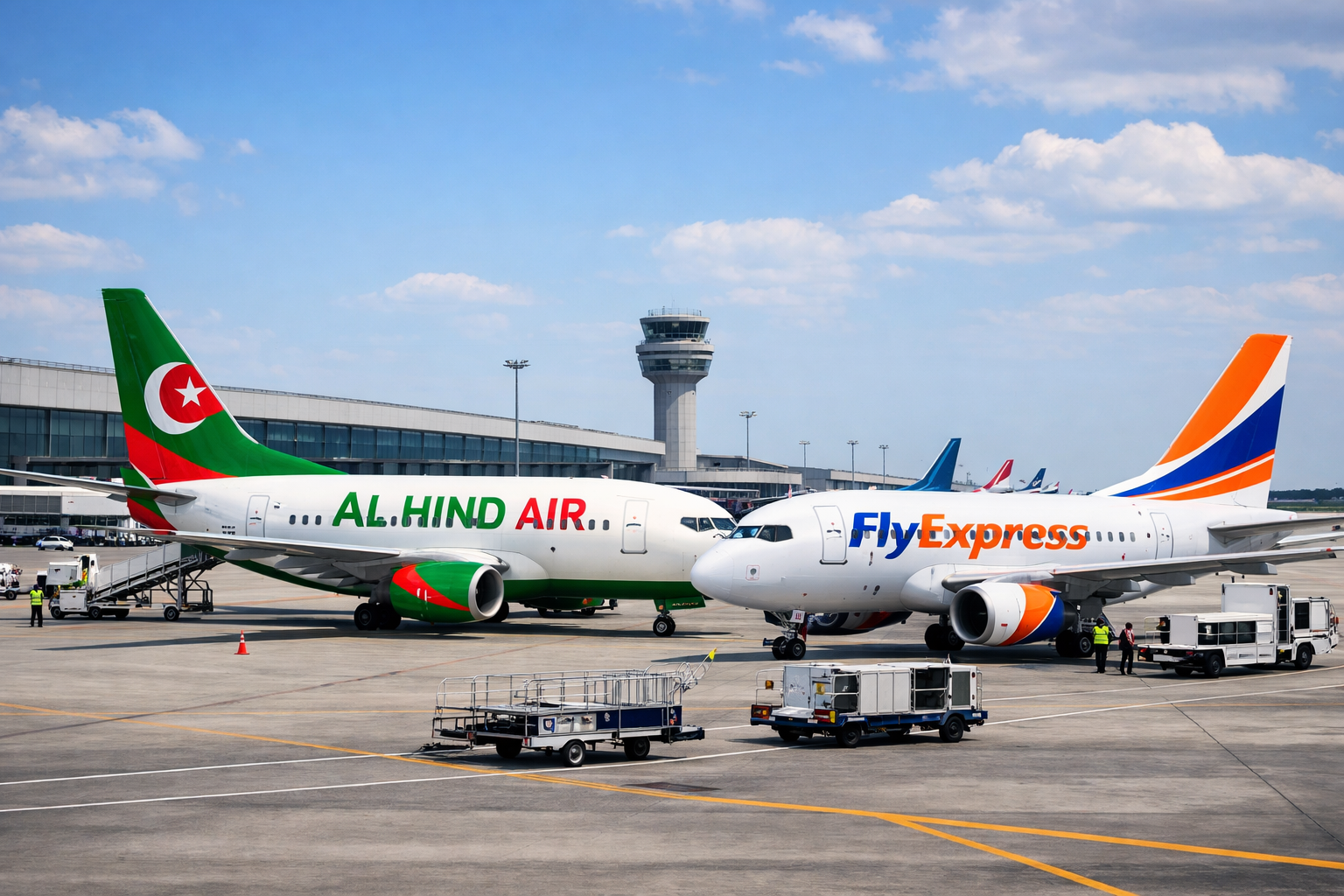
At the same time, the Indian market is poised for new entrants. A new airline called Shankh Airlines is preparing to launch commercial operations in January, with initial service planned on major routes including Delhi, Mumbai, and Lucknow. The arrival of fresh competition is expected to add new options for travellers and inject fresh energy into the domestic market, which for years has been dominated by a handful of large carriers.
Despite these opportunities, industry observers are also warning of broader demand challenges. Rating agencies have revised their growth outlook for domestic passenger traffic, downgrading forecasts to reflect slower than expected expansion. Factors such as the aftermath of significant flight disruptions, ongoing economic uncertainty, and tepid business travel demand have contributed to this more cautious forecast.
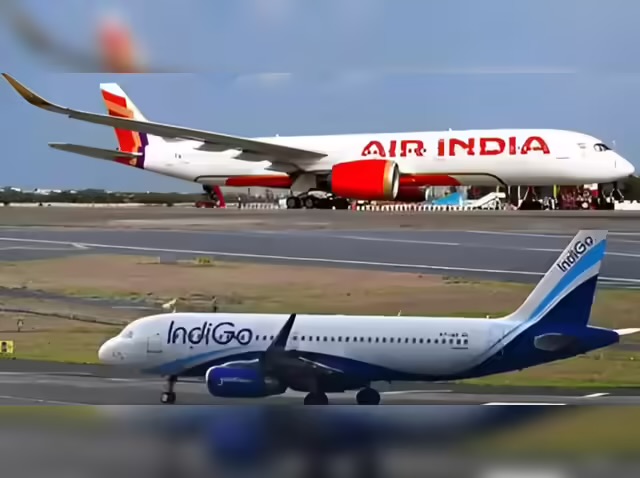
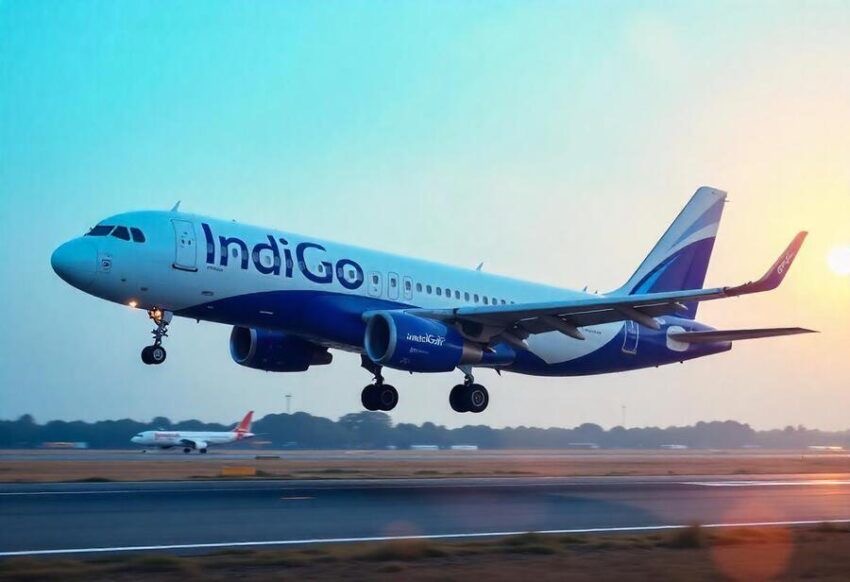
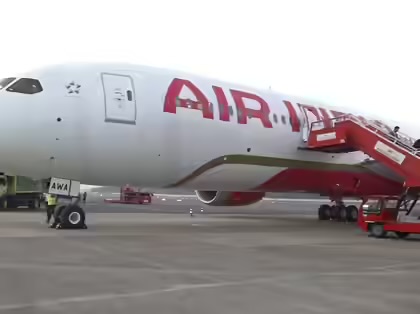
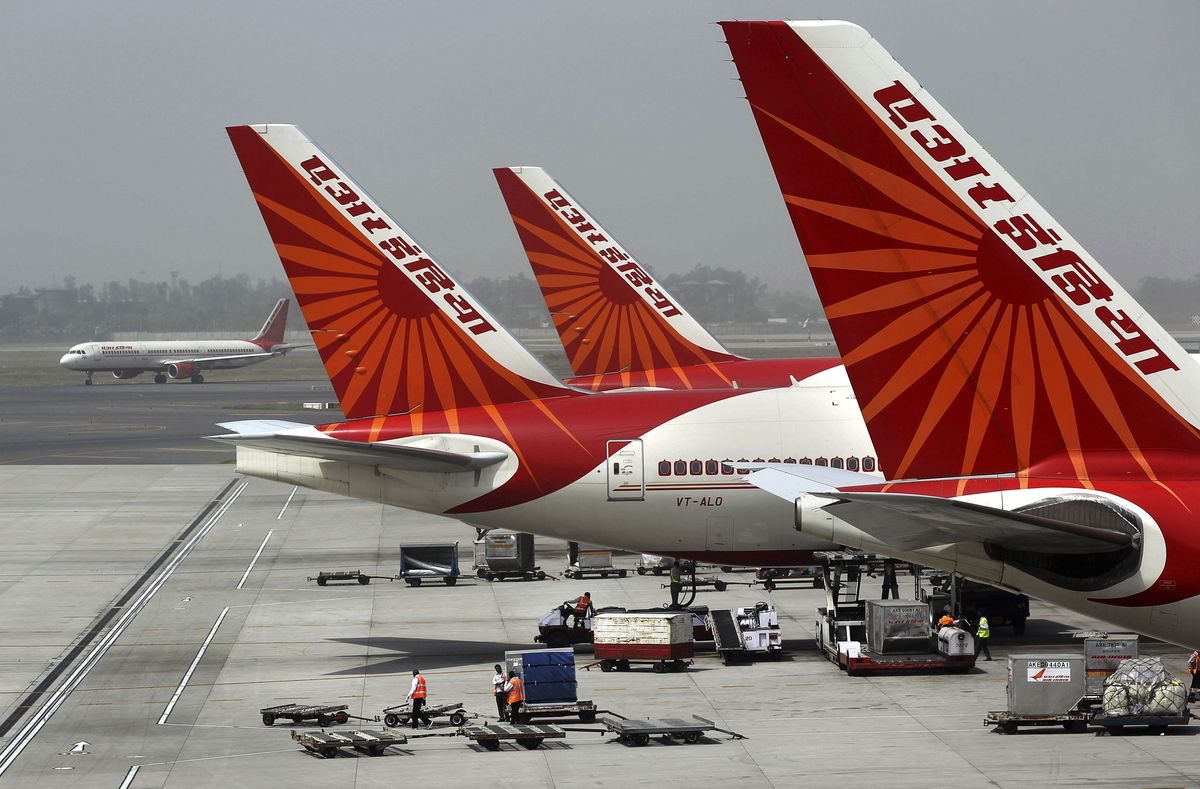
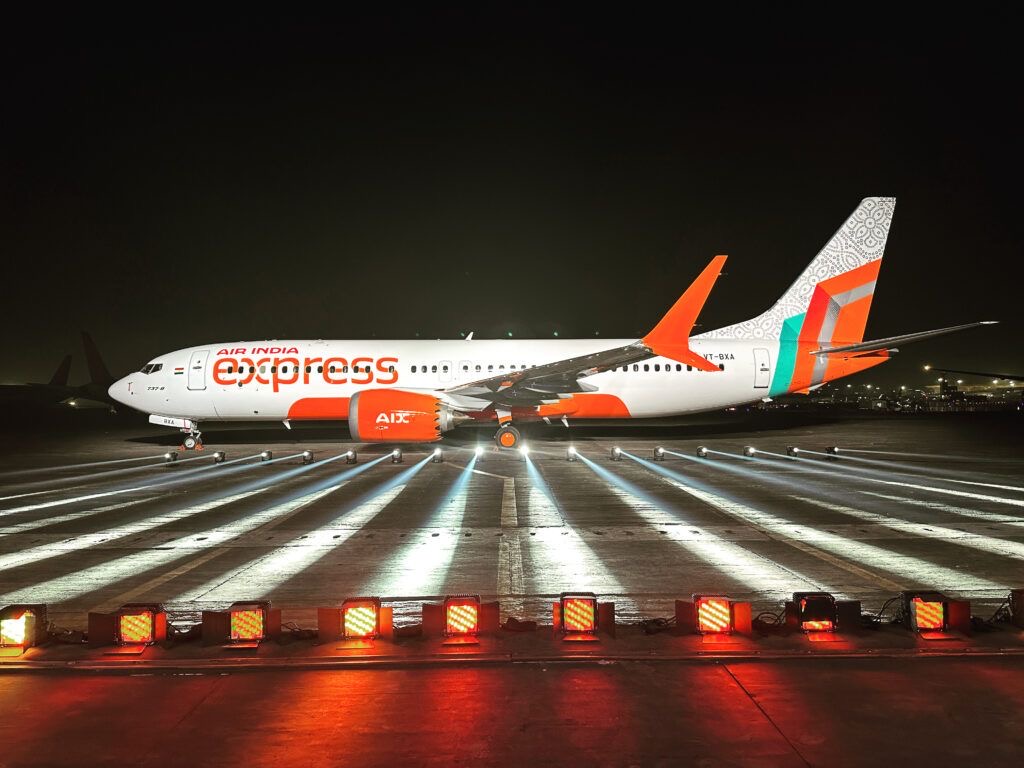
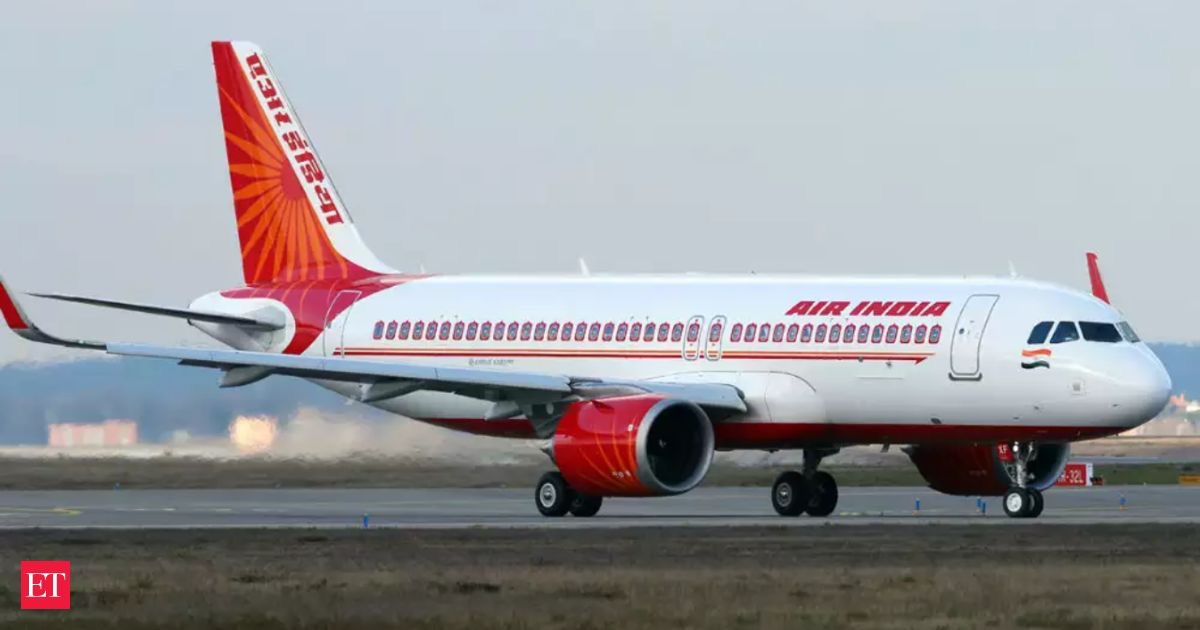
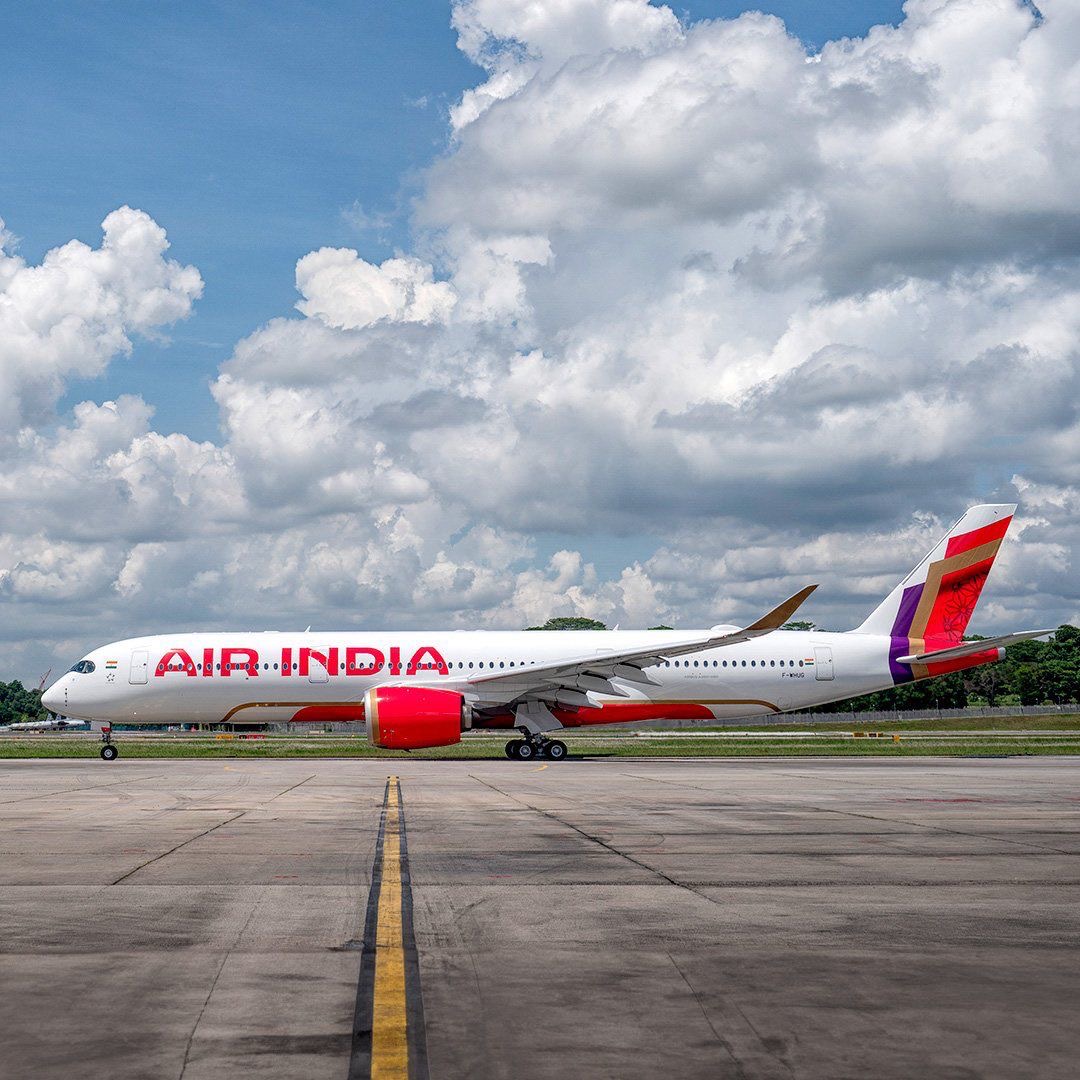
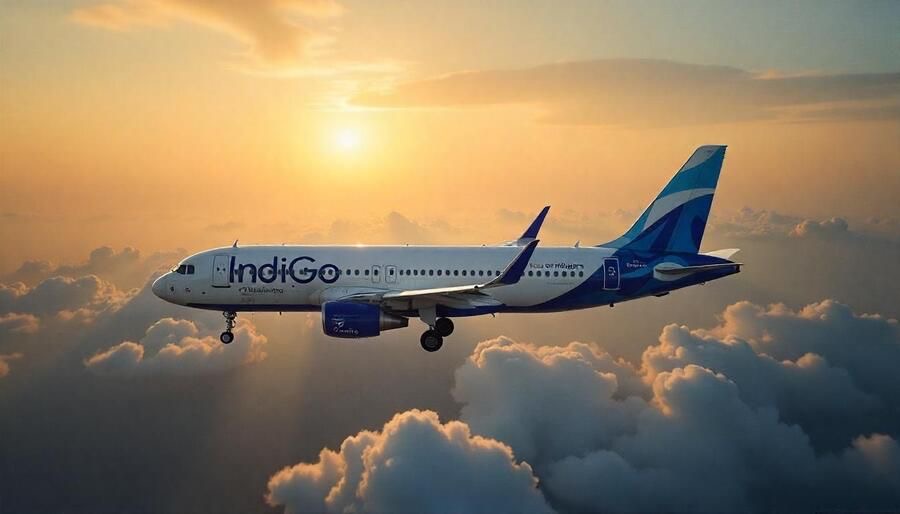
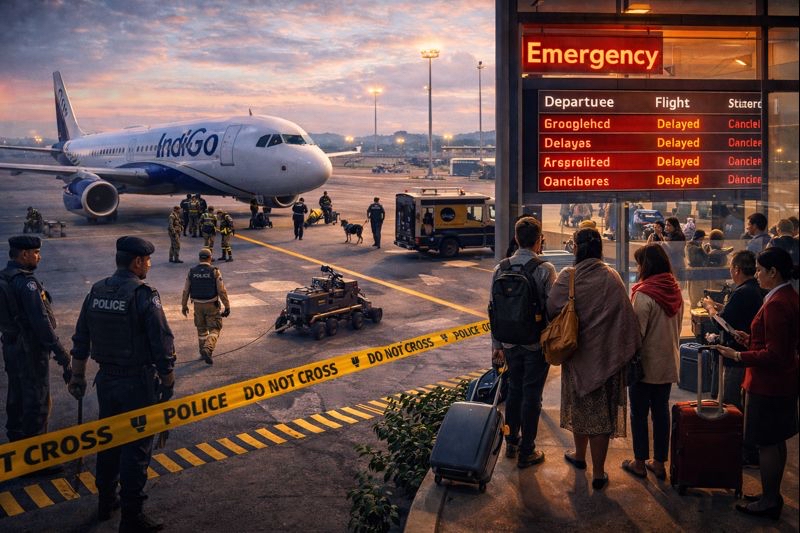
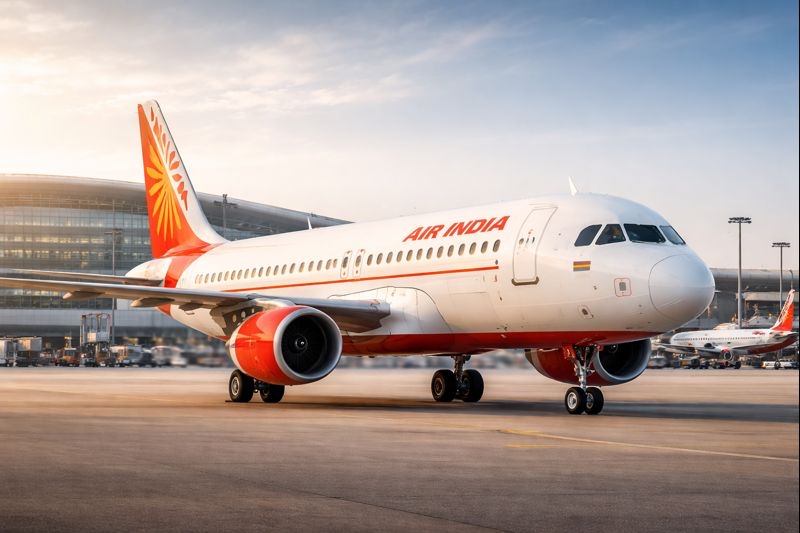
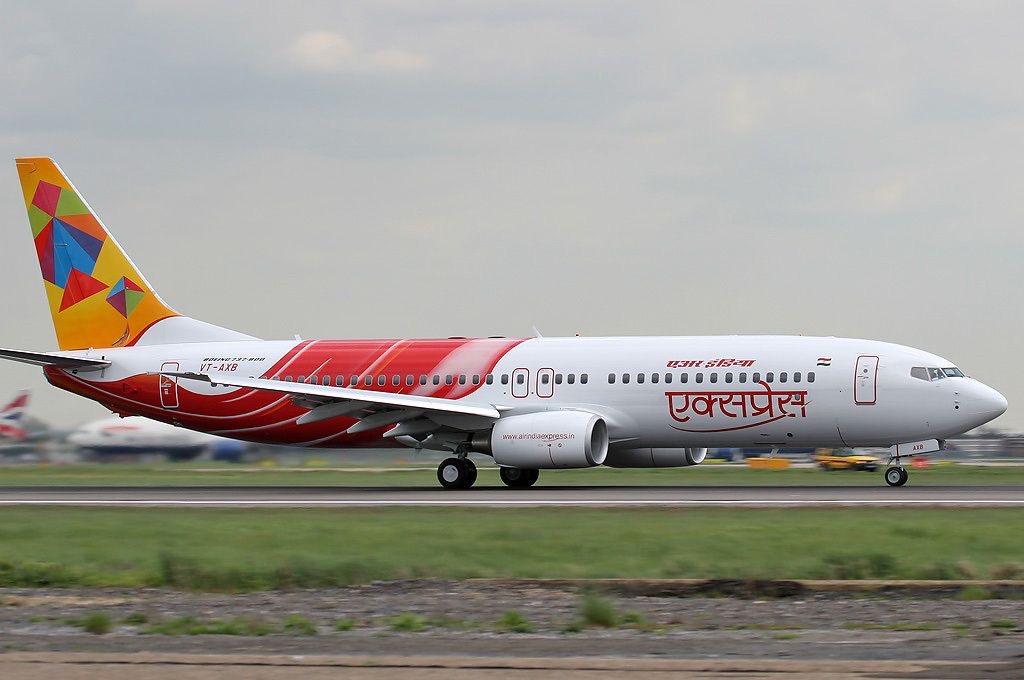
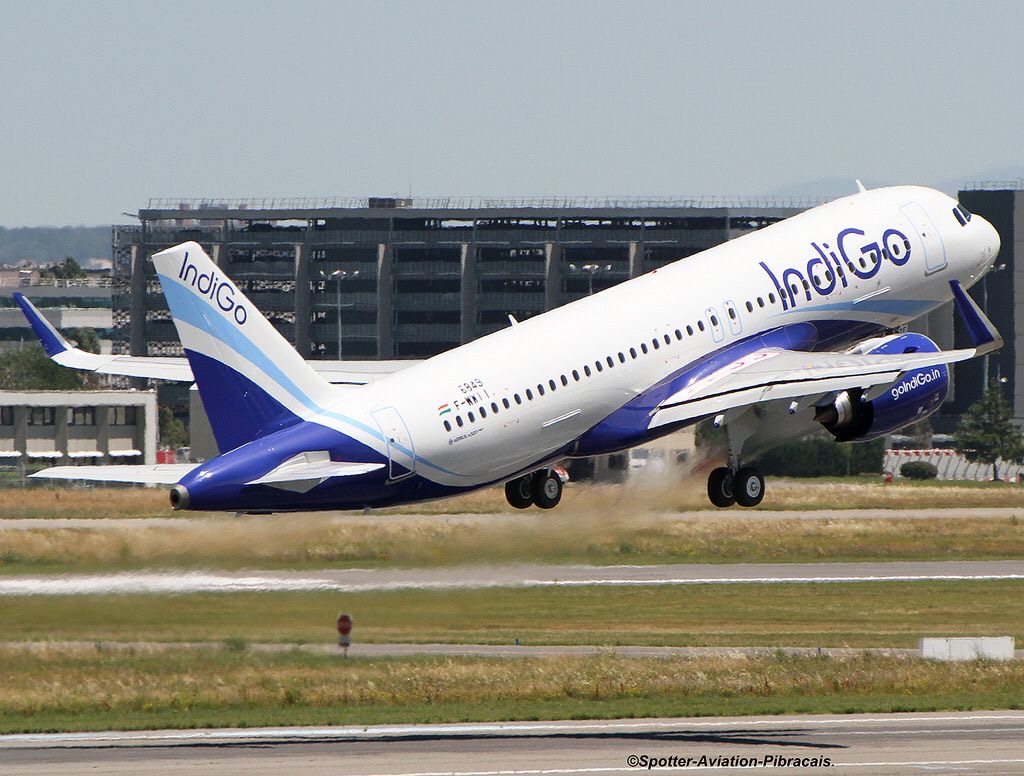
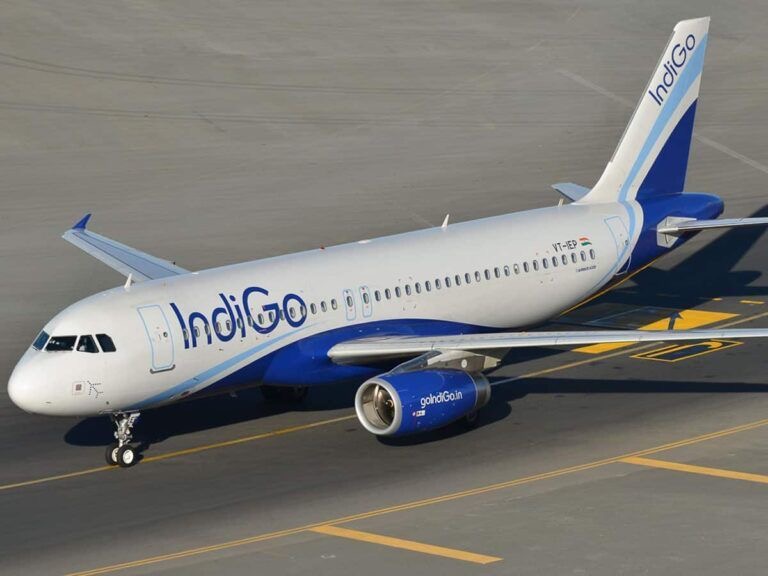
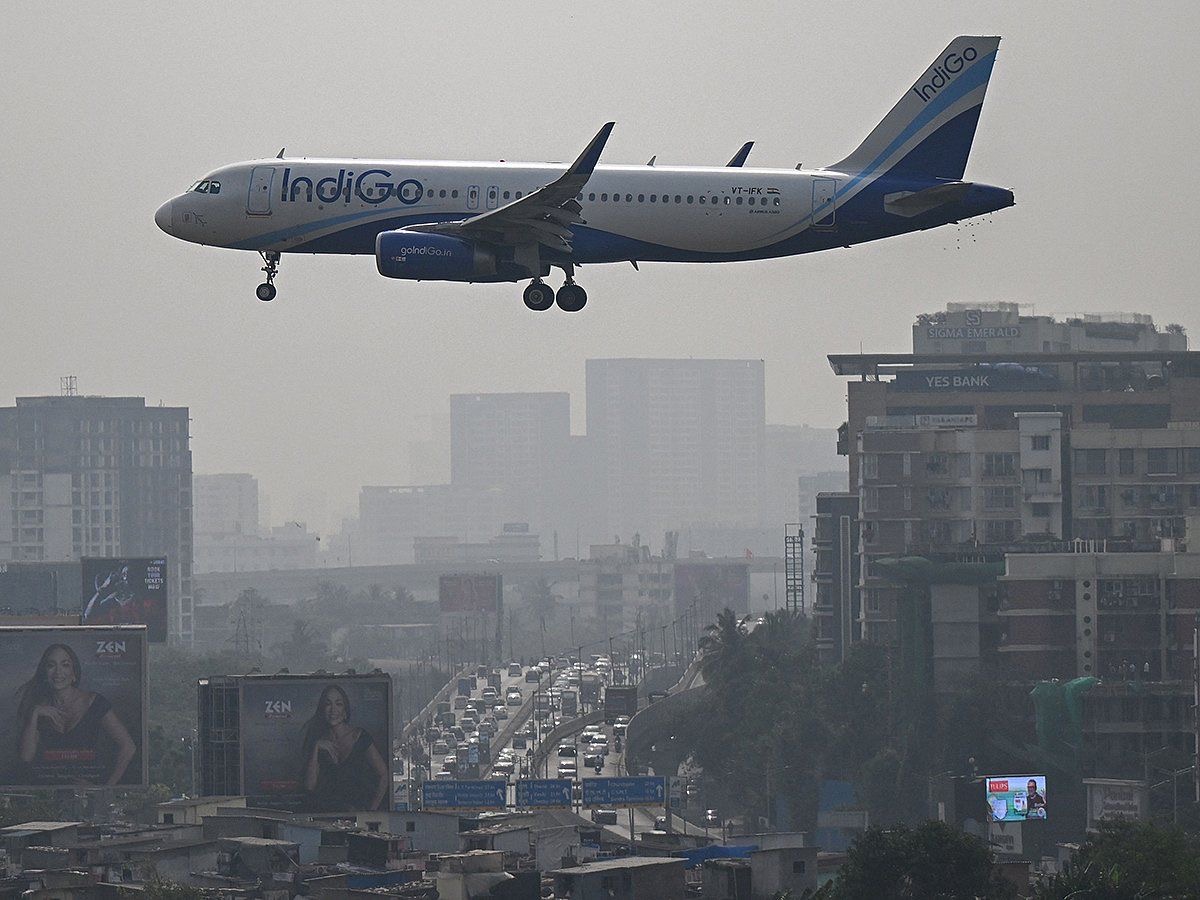
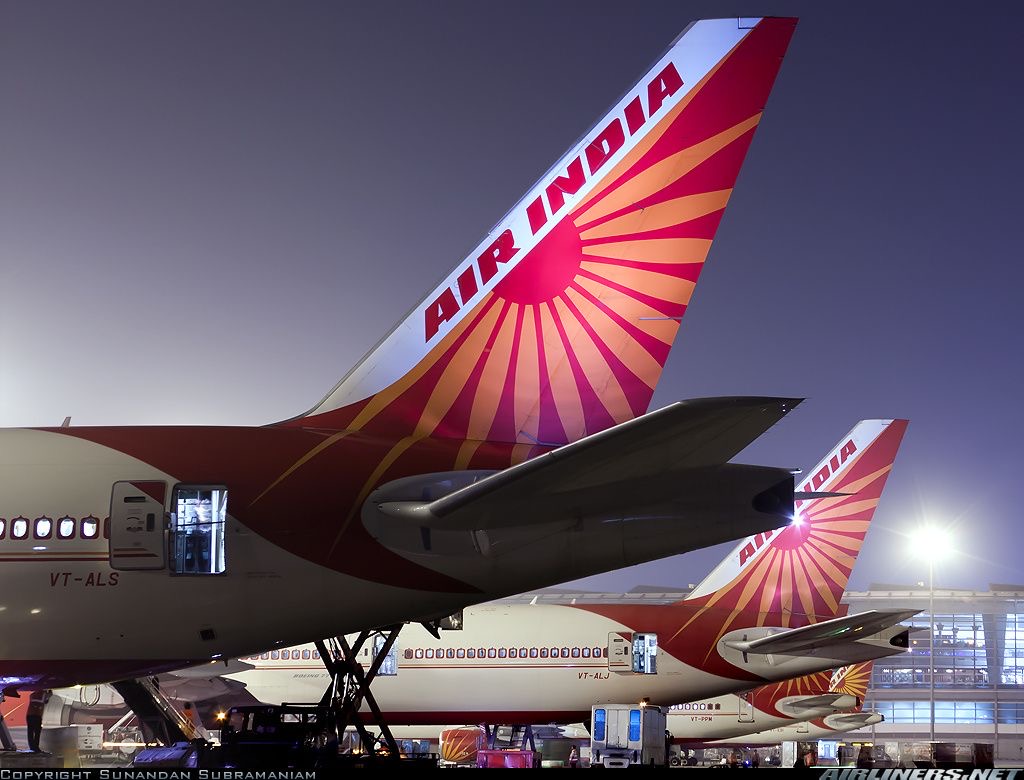
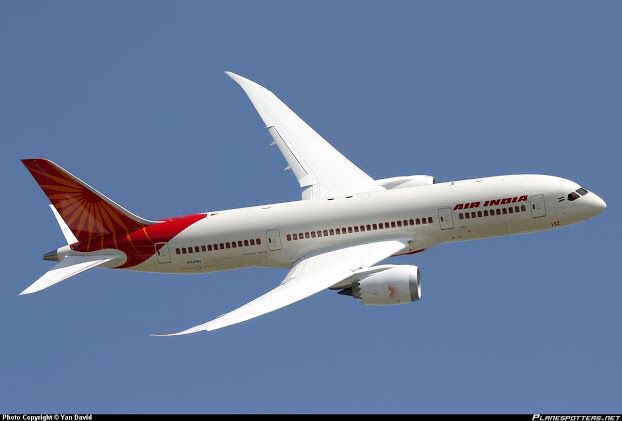
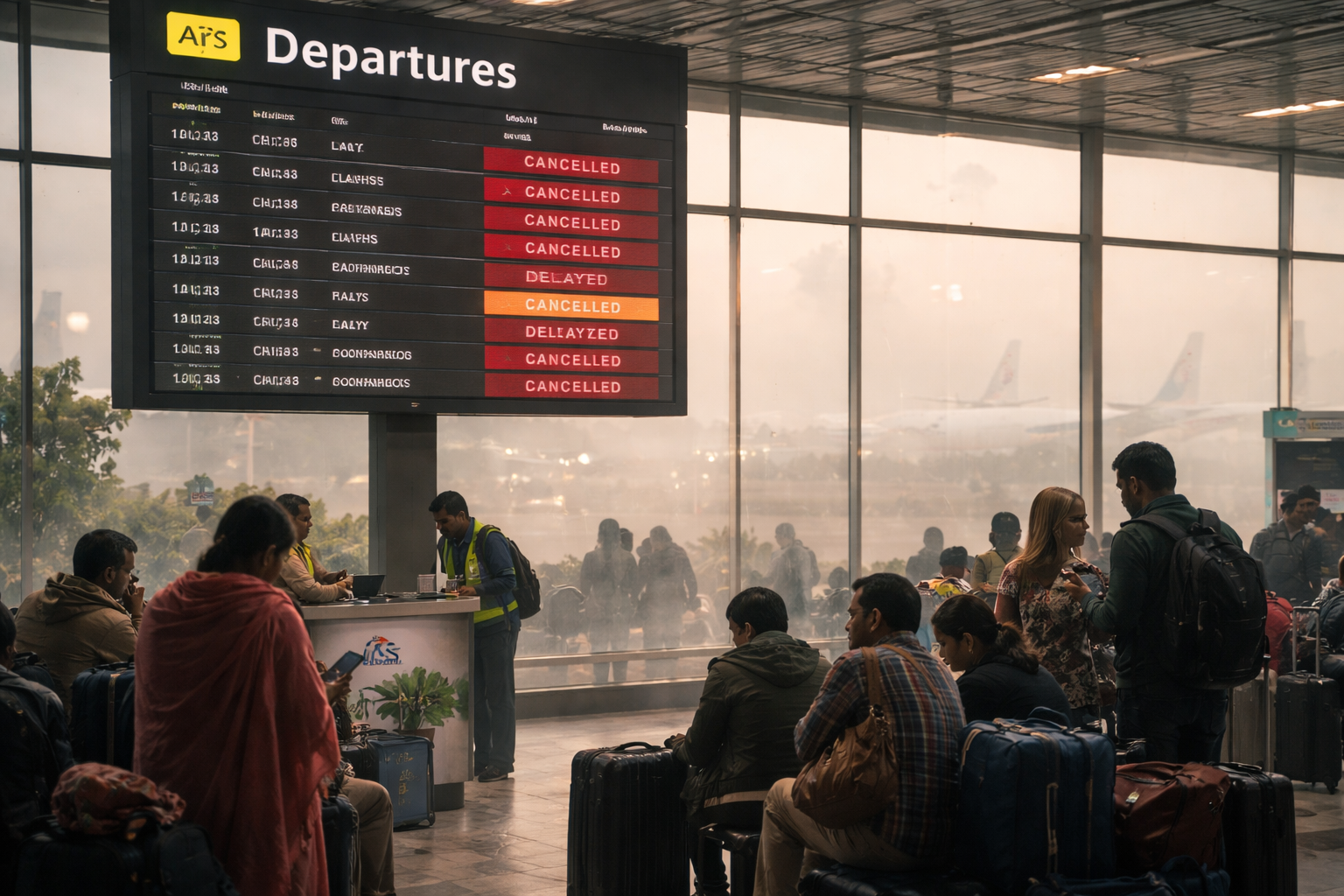
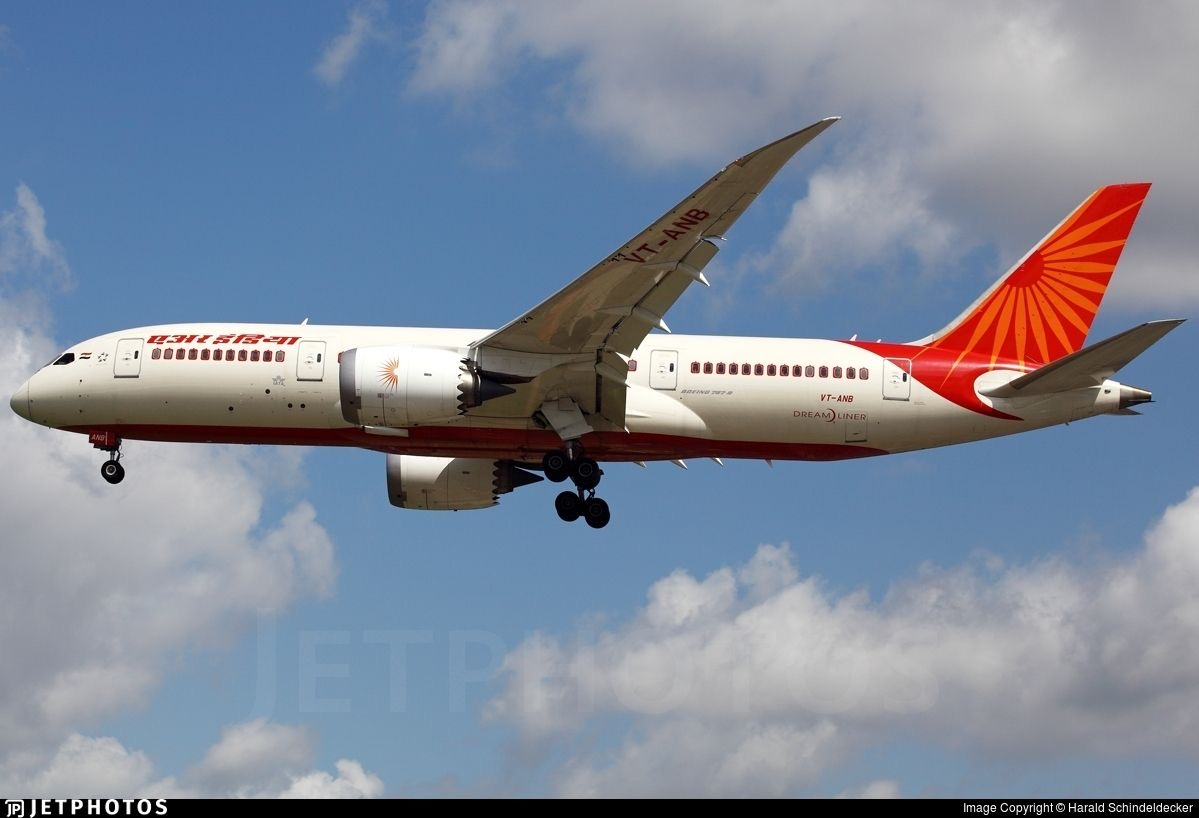
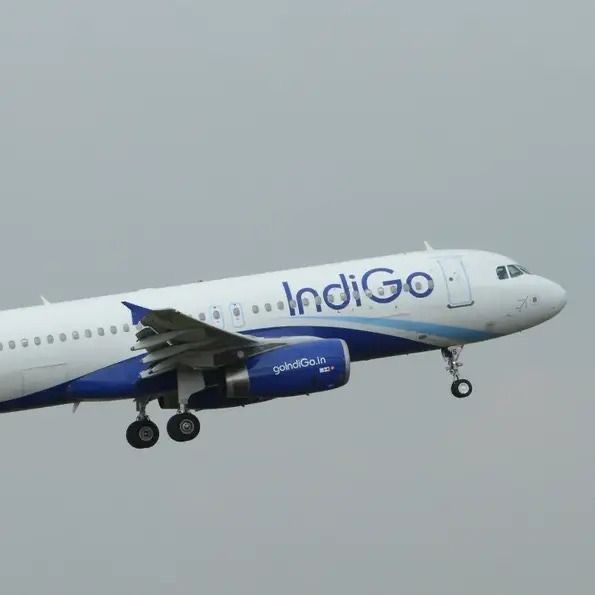
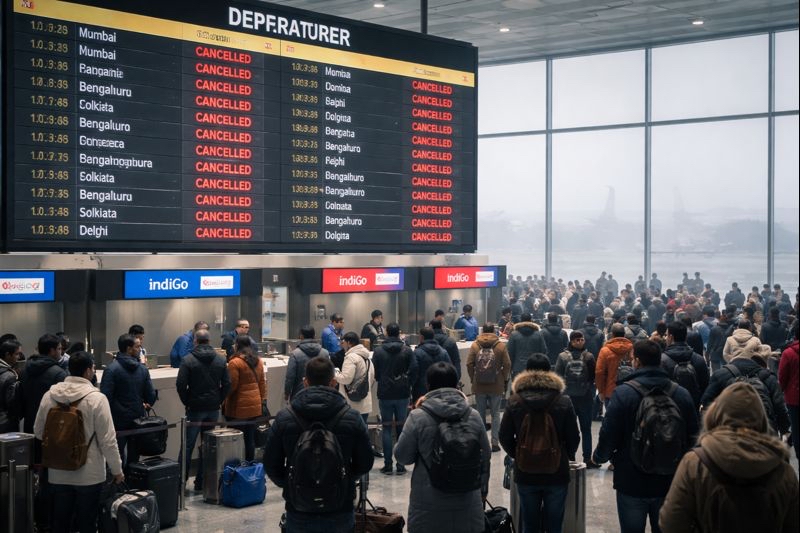
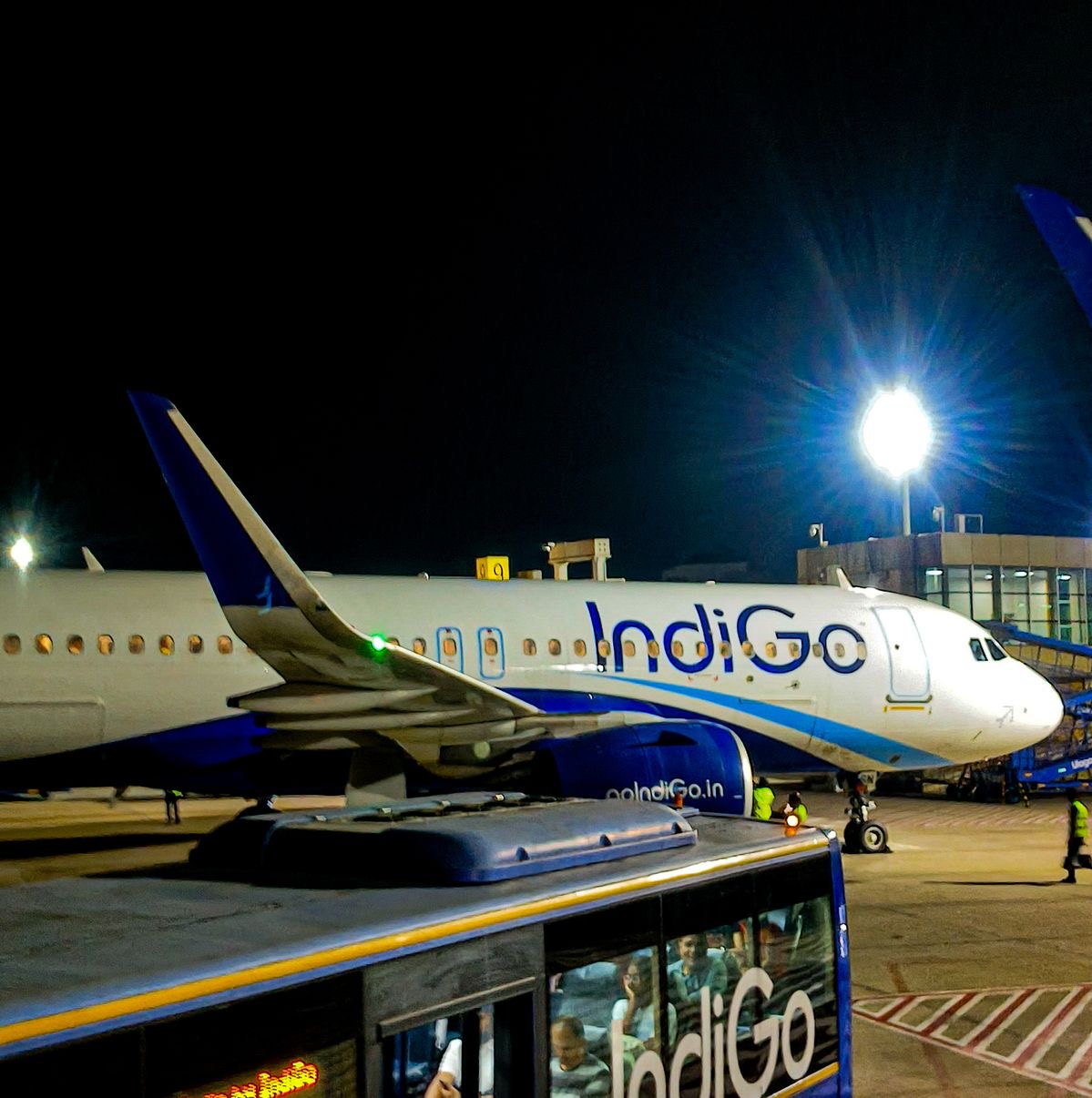
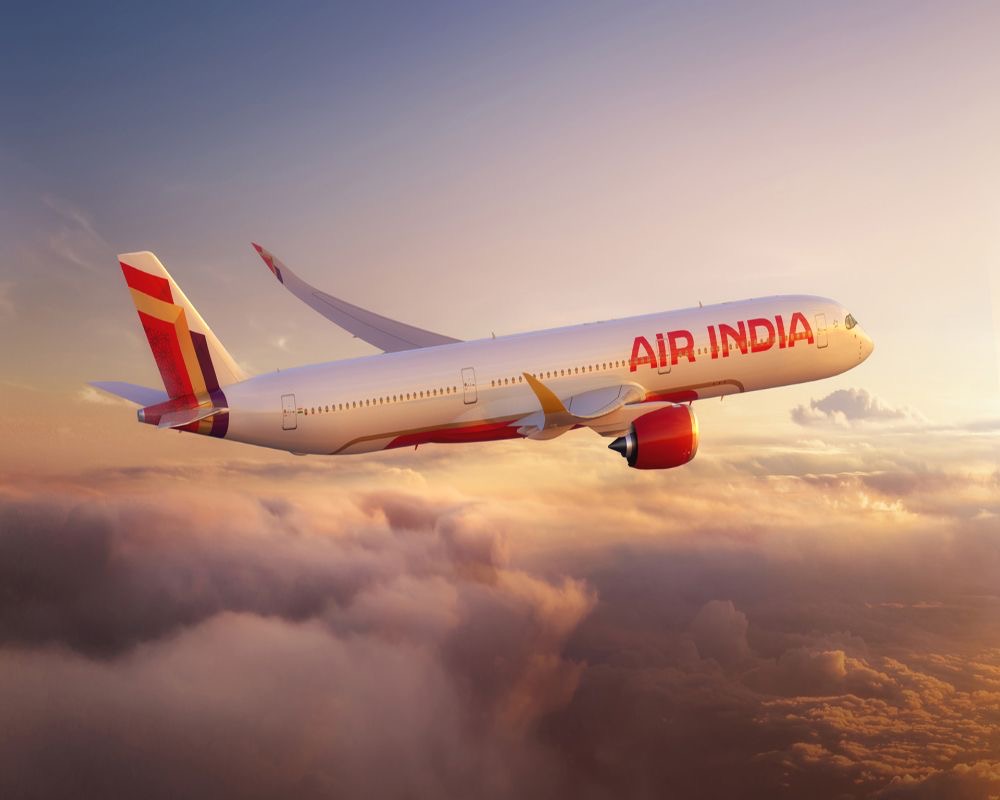
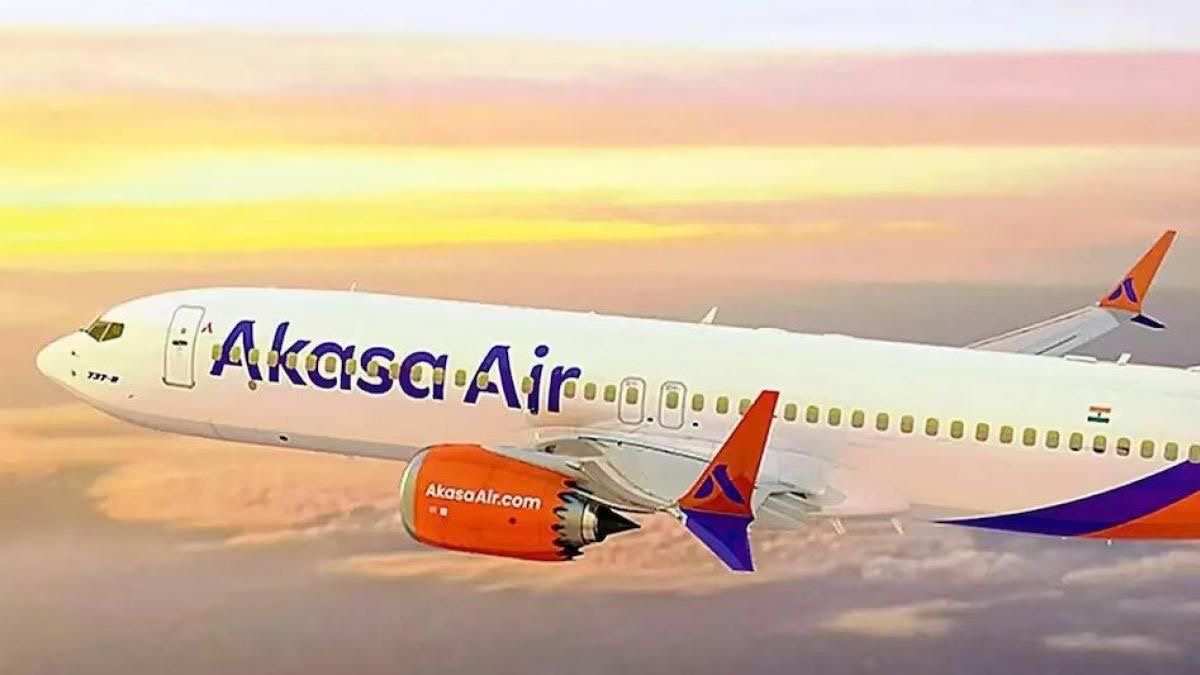
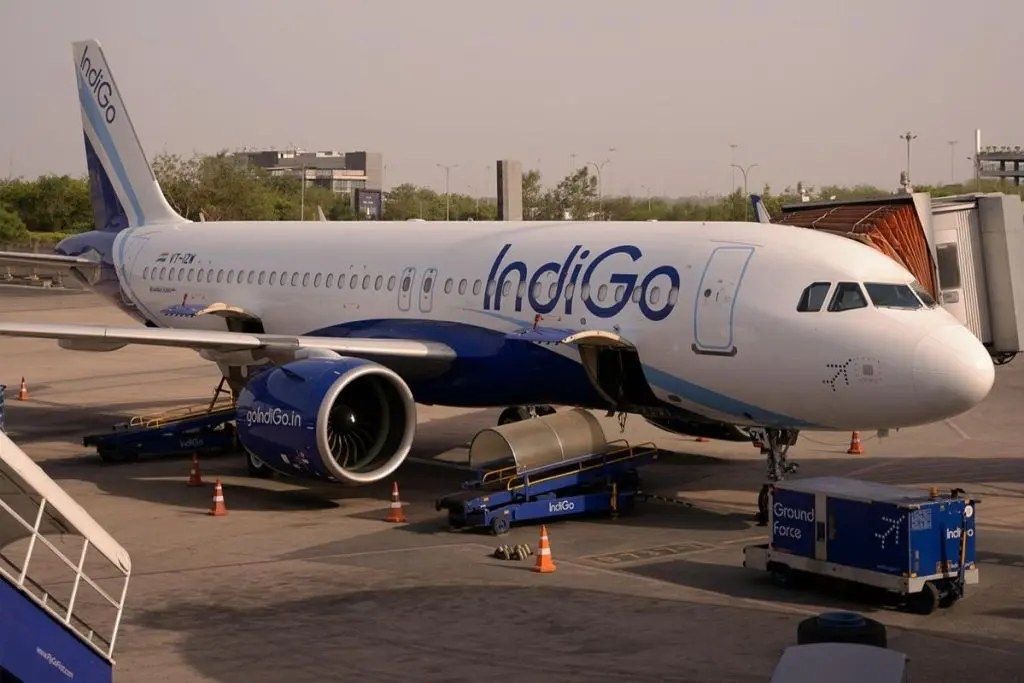
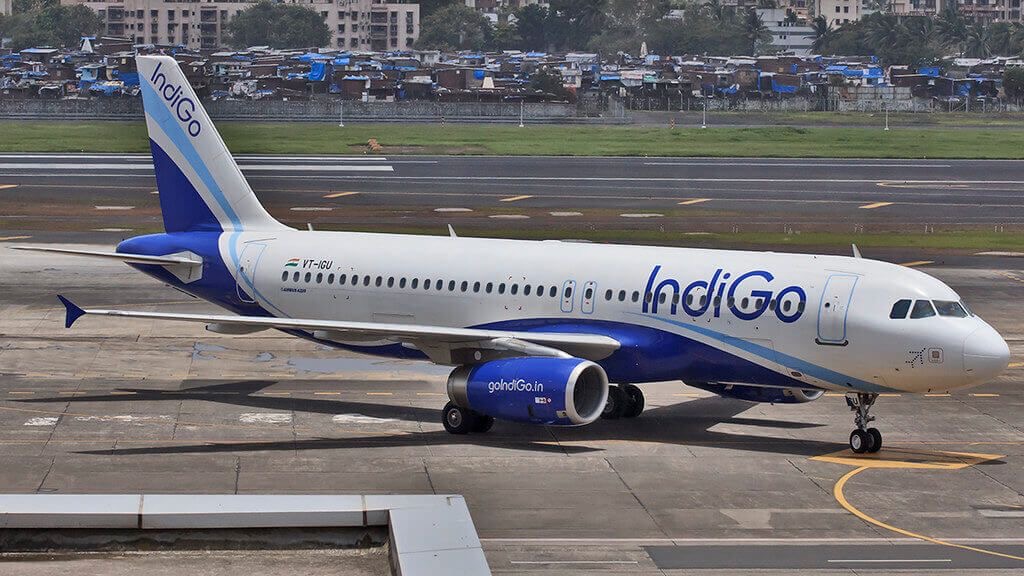
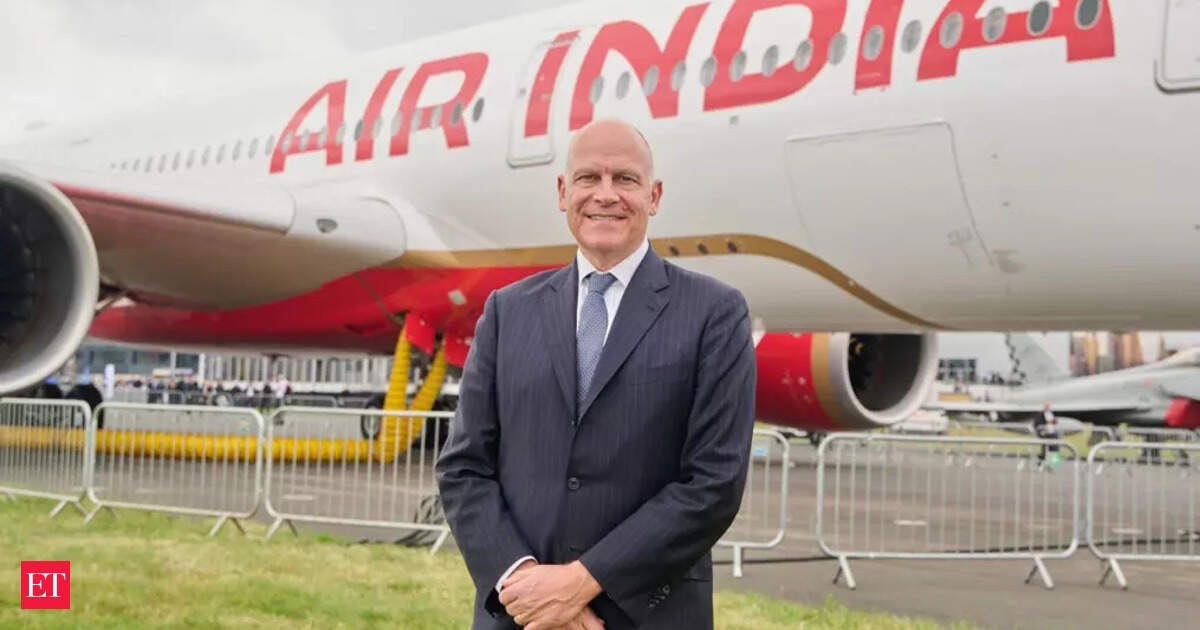
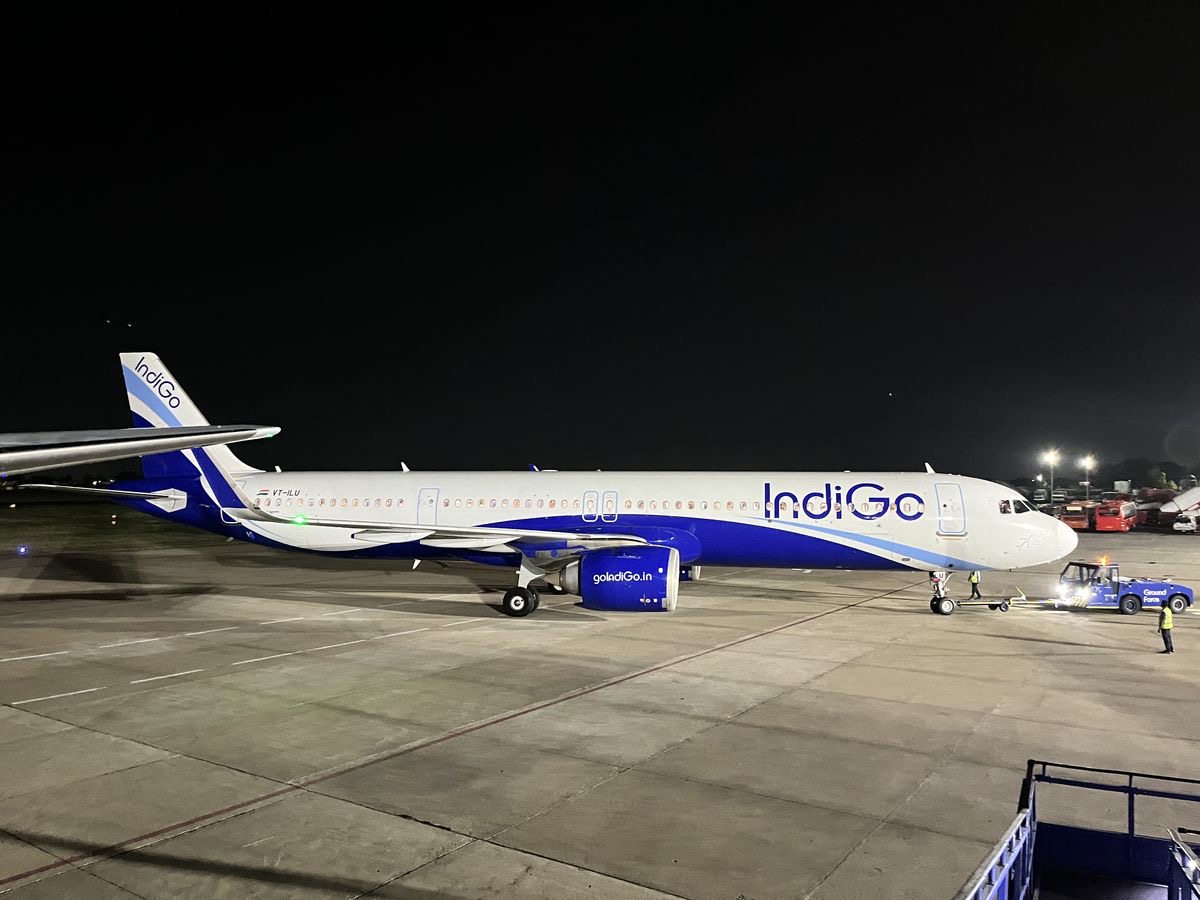
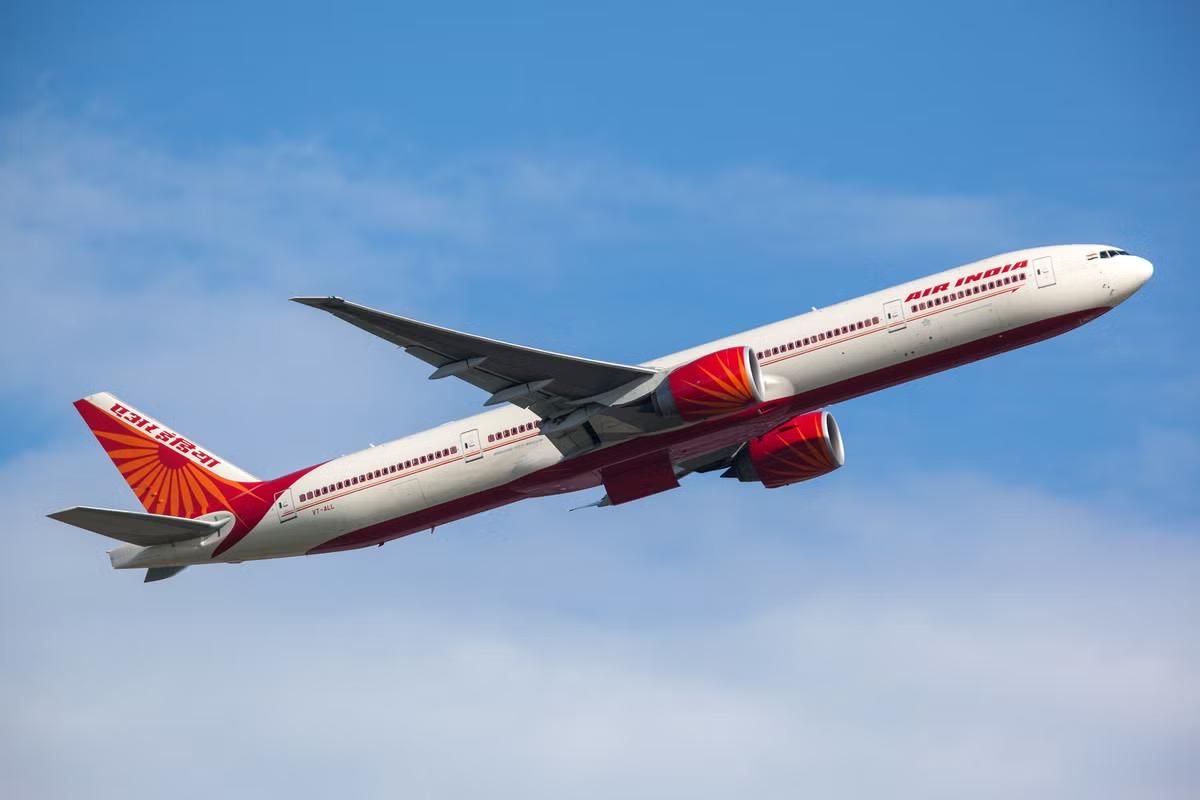
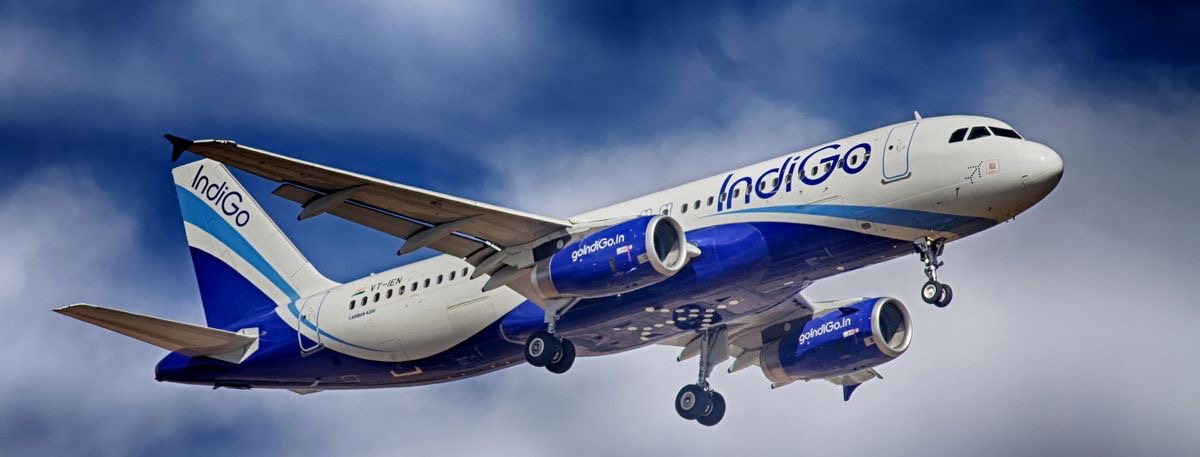
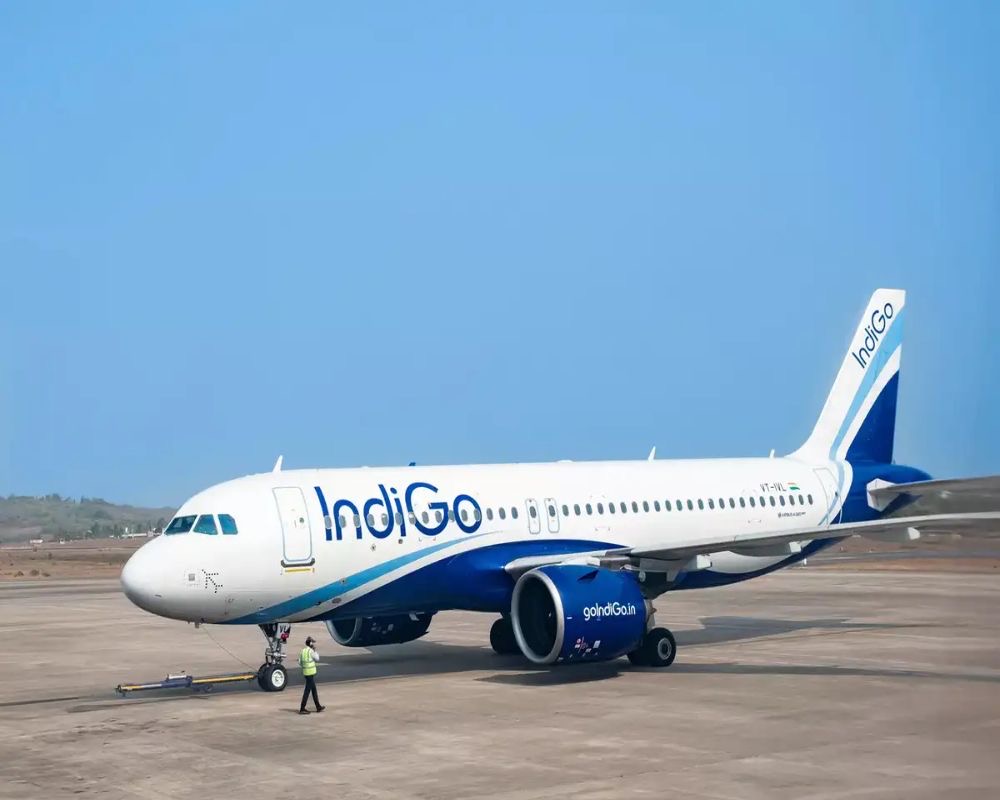
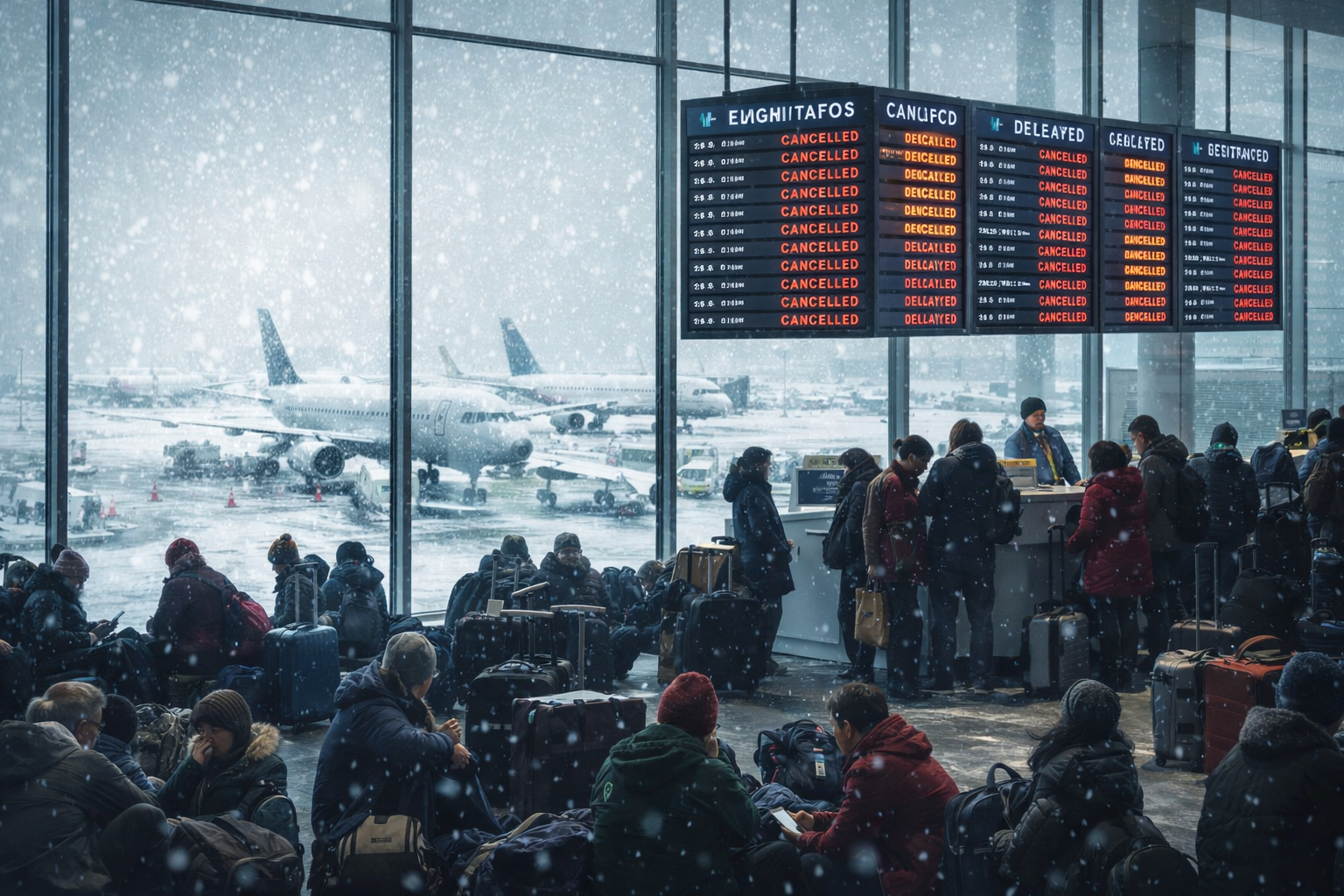
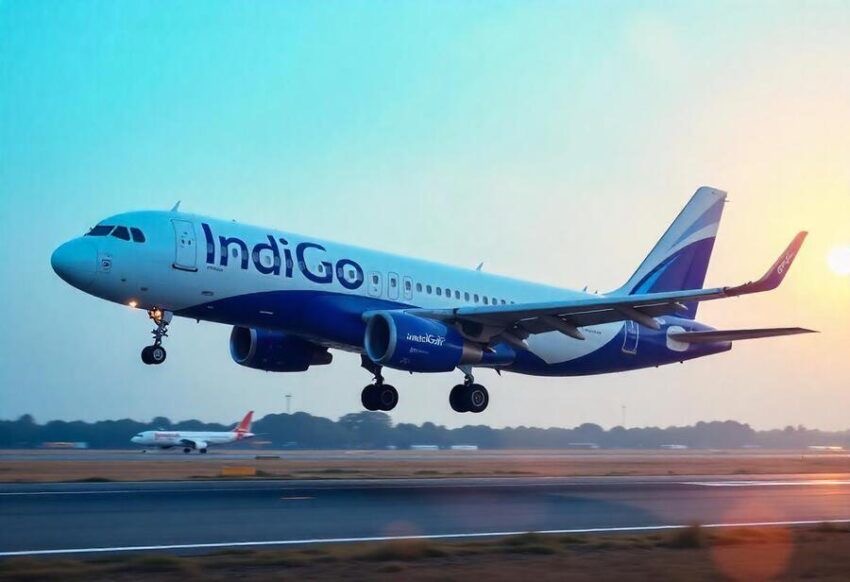
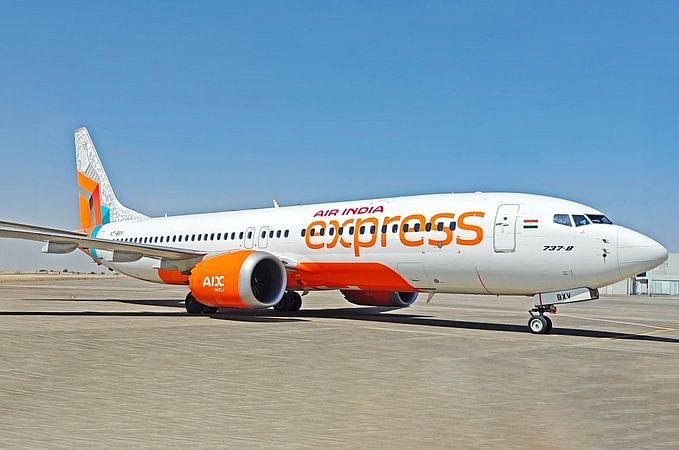
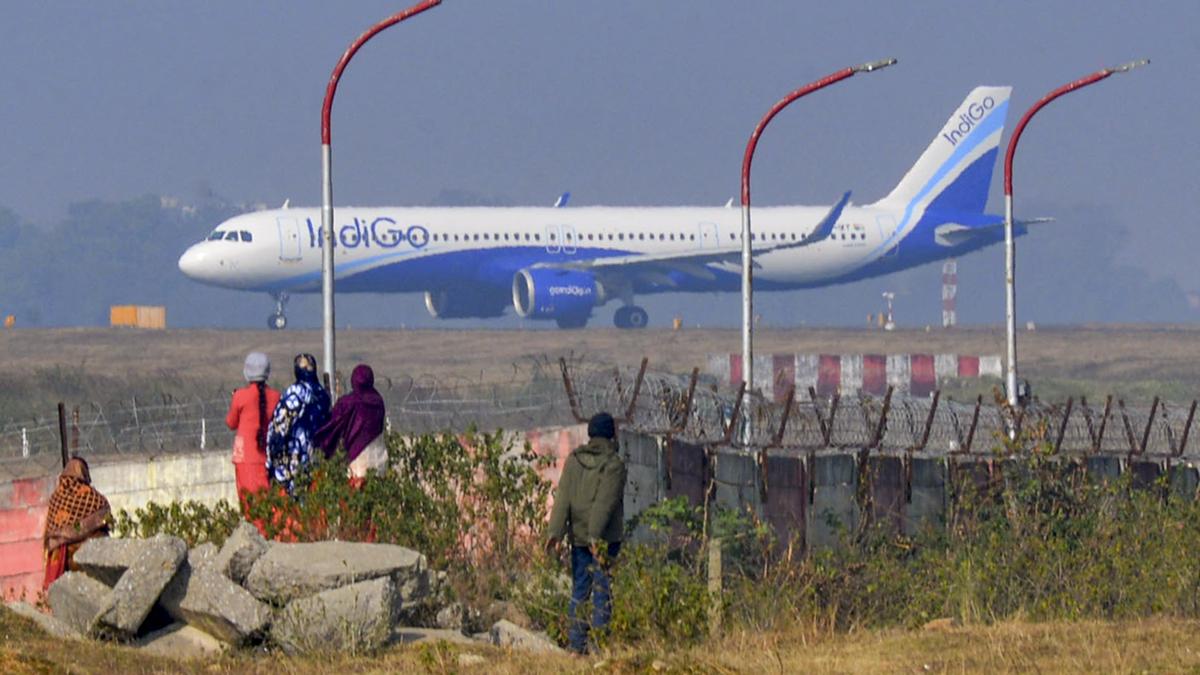
One of the most talked-about events of the past year was the widespread flight cancellations and operational turmoil at India’s largest airline, which sparked intense scrutiny and regulatory attention. That episode exposed weaknesses in crew planning and operational readiness, leading to regulatory inquiries, revised duty time rules for pilots, and temporarily tightened schedules. The shockwaves from that crisis have influenced airline strategies and traveler choices, with competitors such as the Air India Group and smaller carriers making modest gains in market share as passengers explore alternative options.
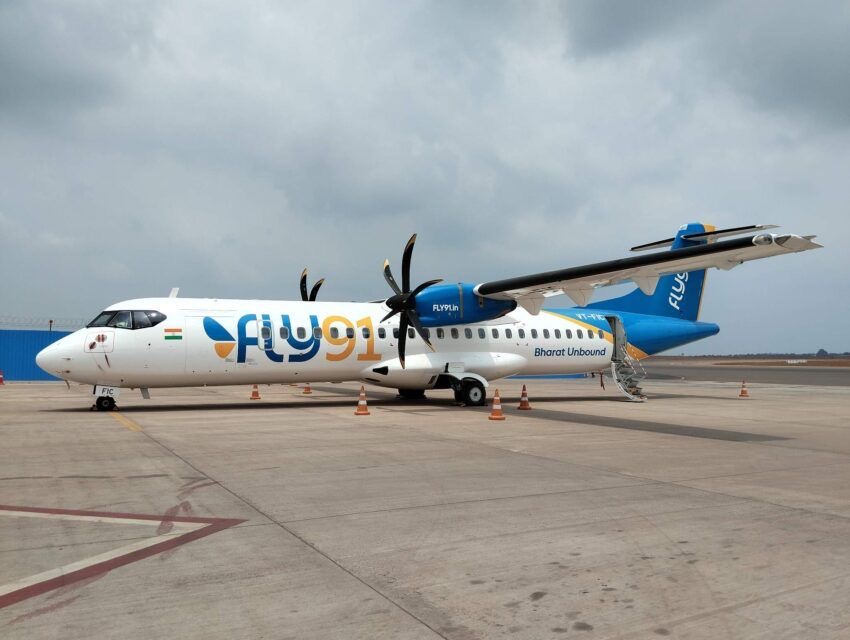
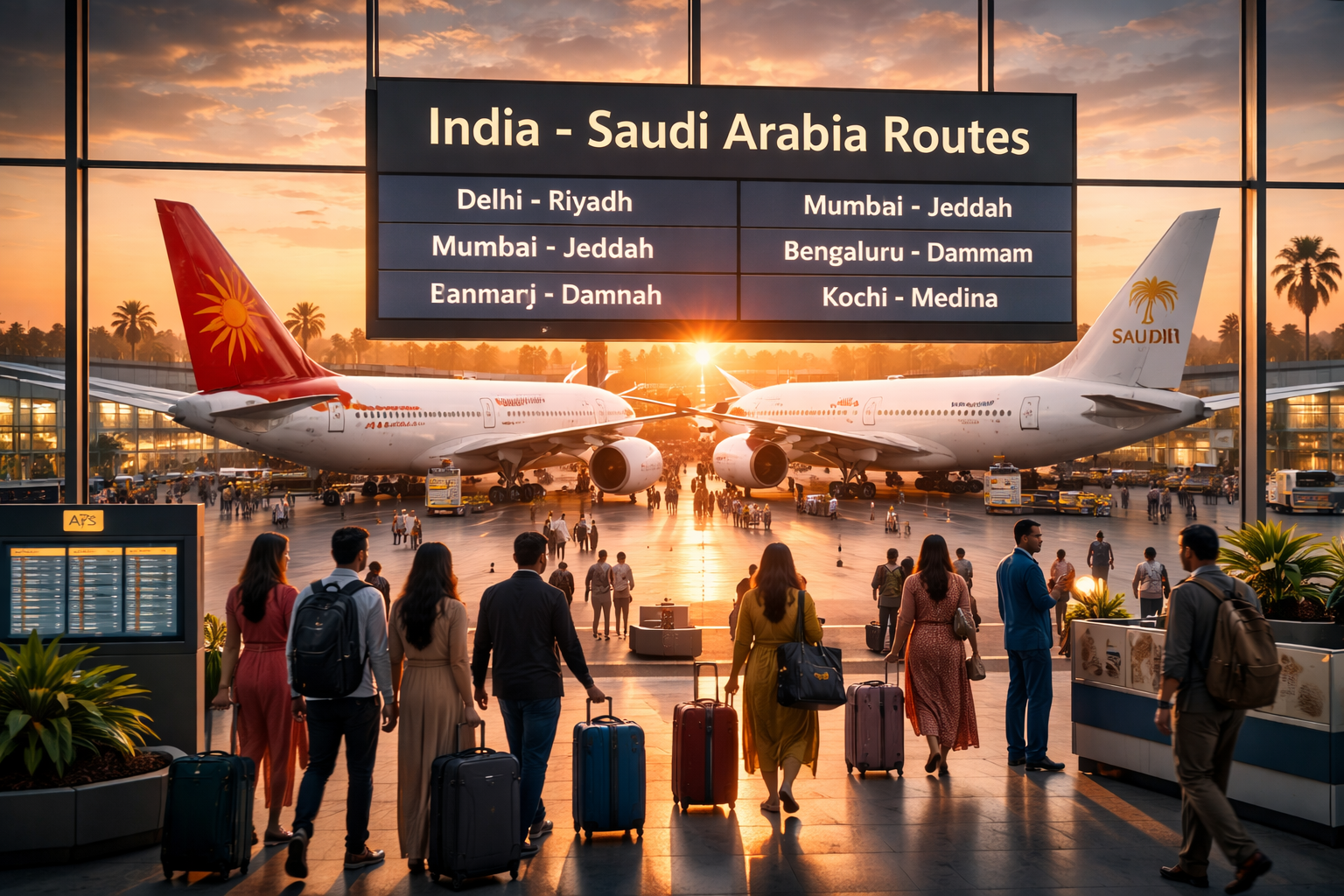
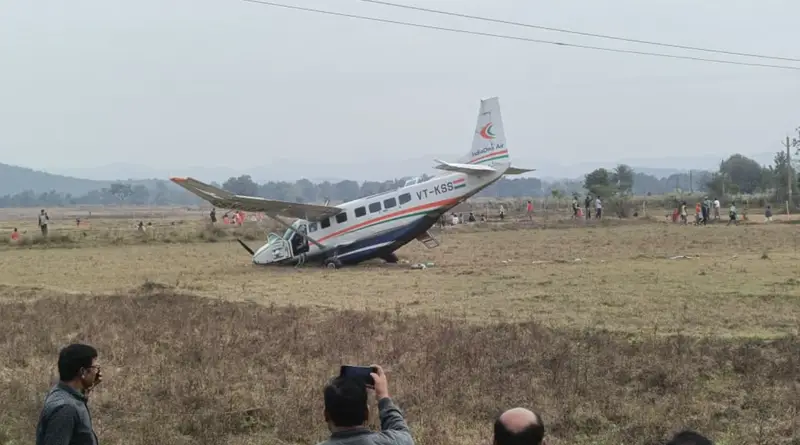
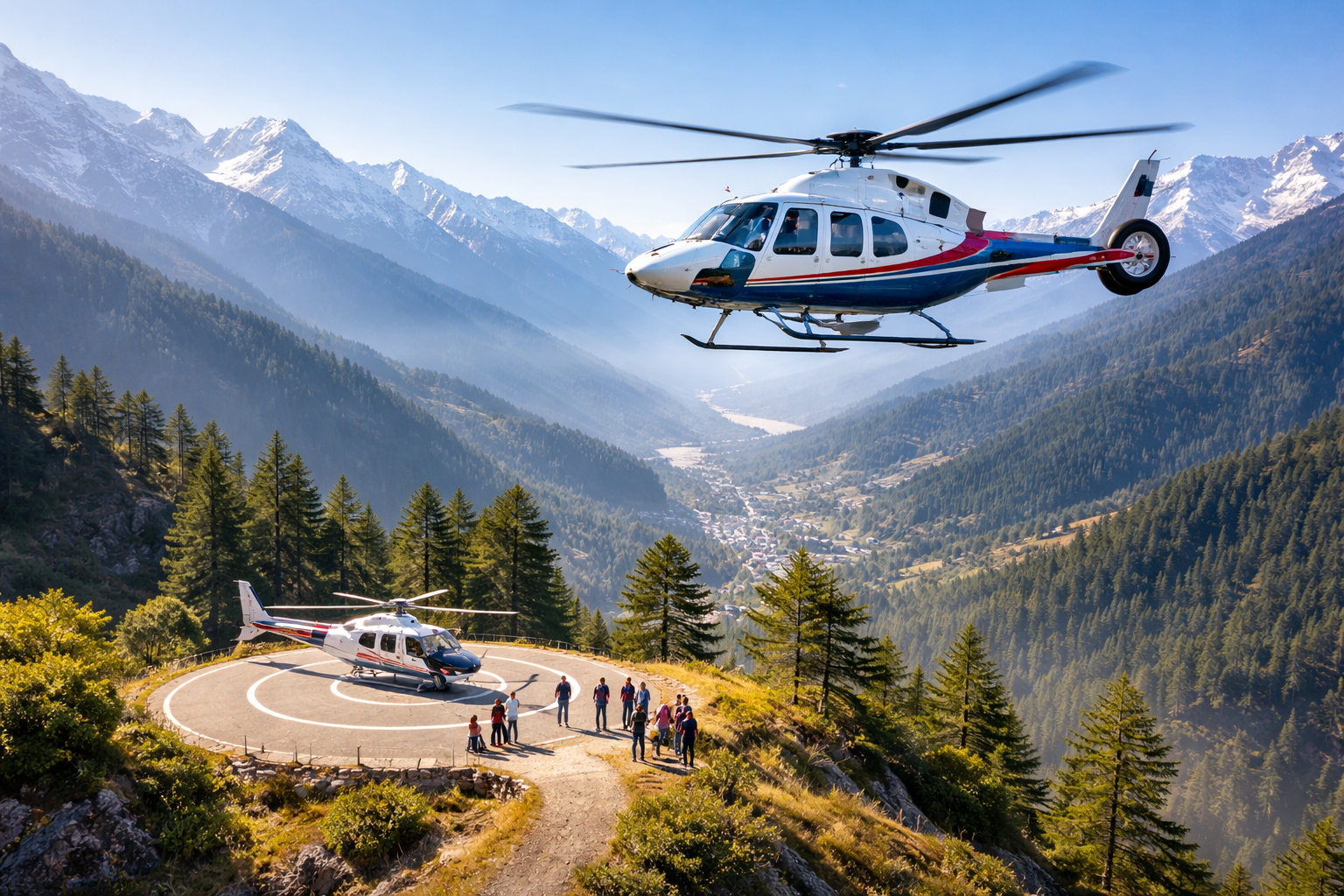
At the same time, the industry has not lost its ambition to improve connectivity and expand networks. India’s aviation landscape continues to see new routes and services added, including from regional carriers connecting underserved cities. This expansion has been supported by government initiatives that aim to democratise air travel and open new gateways across the country, reinforcing the importance of aviation to economic and social development.
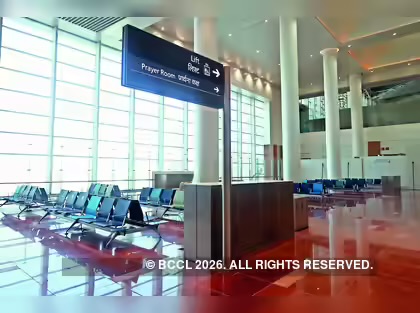
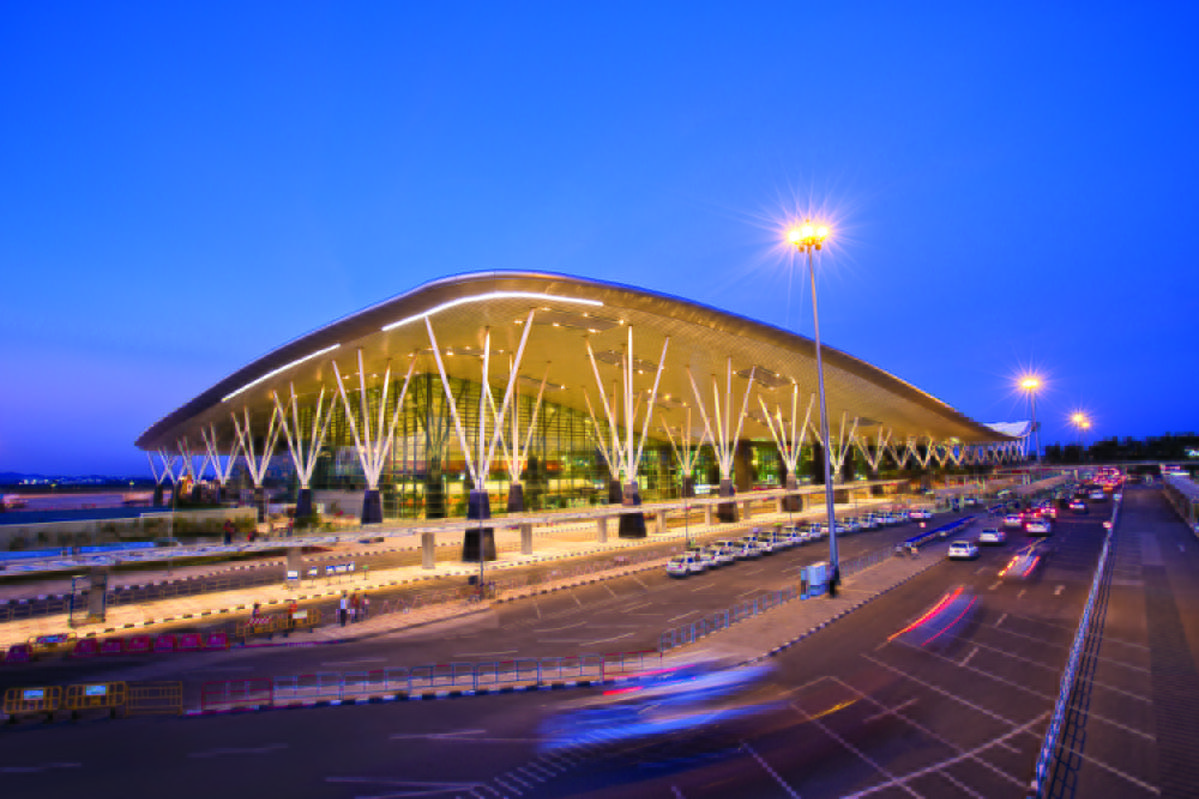
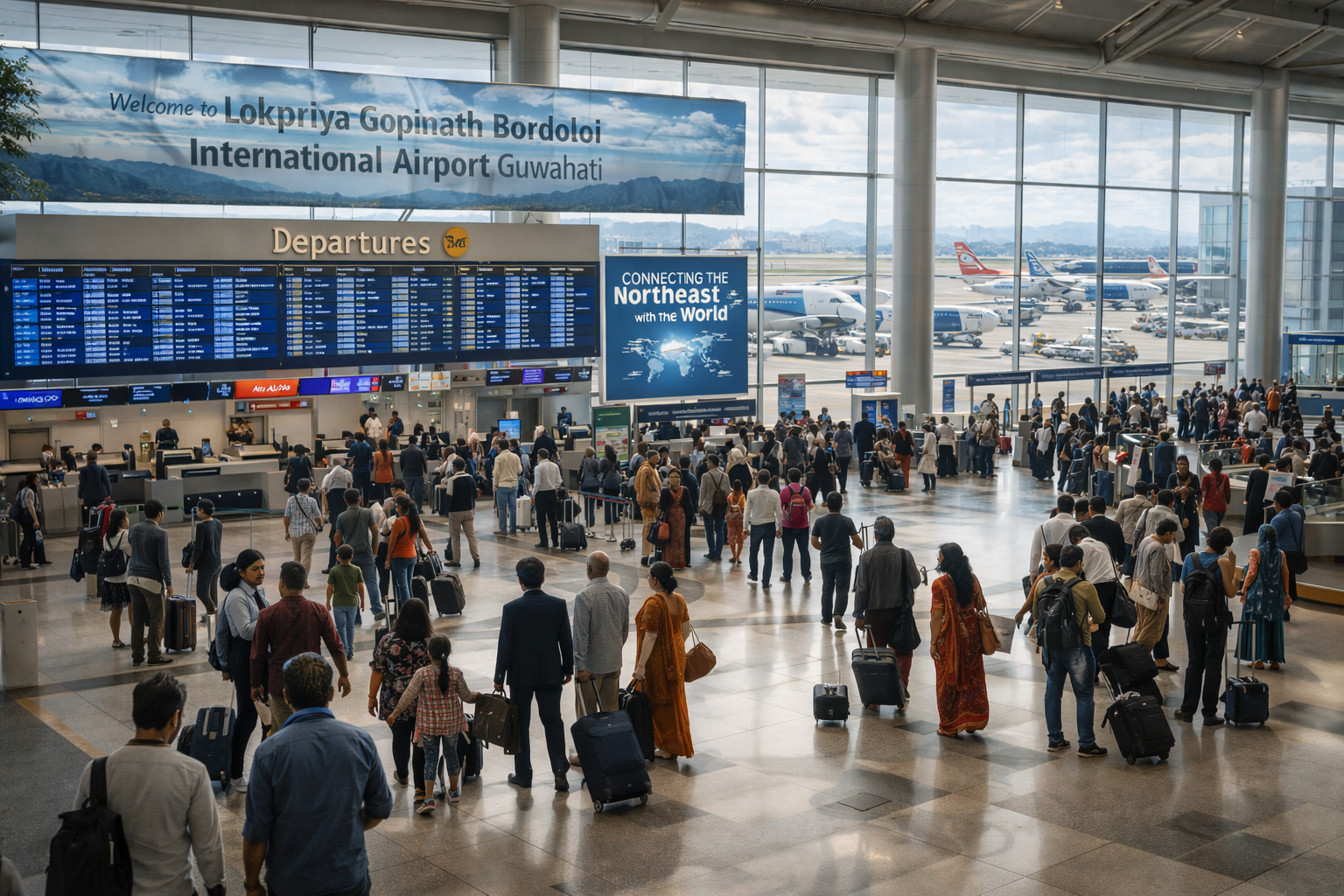
Technology adoption is also a defining theme for the sector’s future. Airlines and airports are investing in digital solutions to enhance efficiency, from biometric boarding systems that speed up passenger processing to artificial intelligence-driven tools that support customer service, flight planning, and crew scheduling. Such innovations are increasingly seen as necessary to stay competitive and improve resilience in the face of operational pressures.
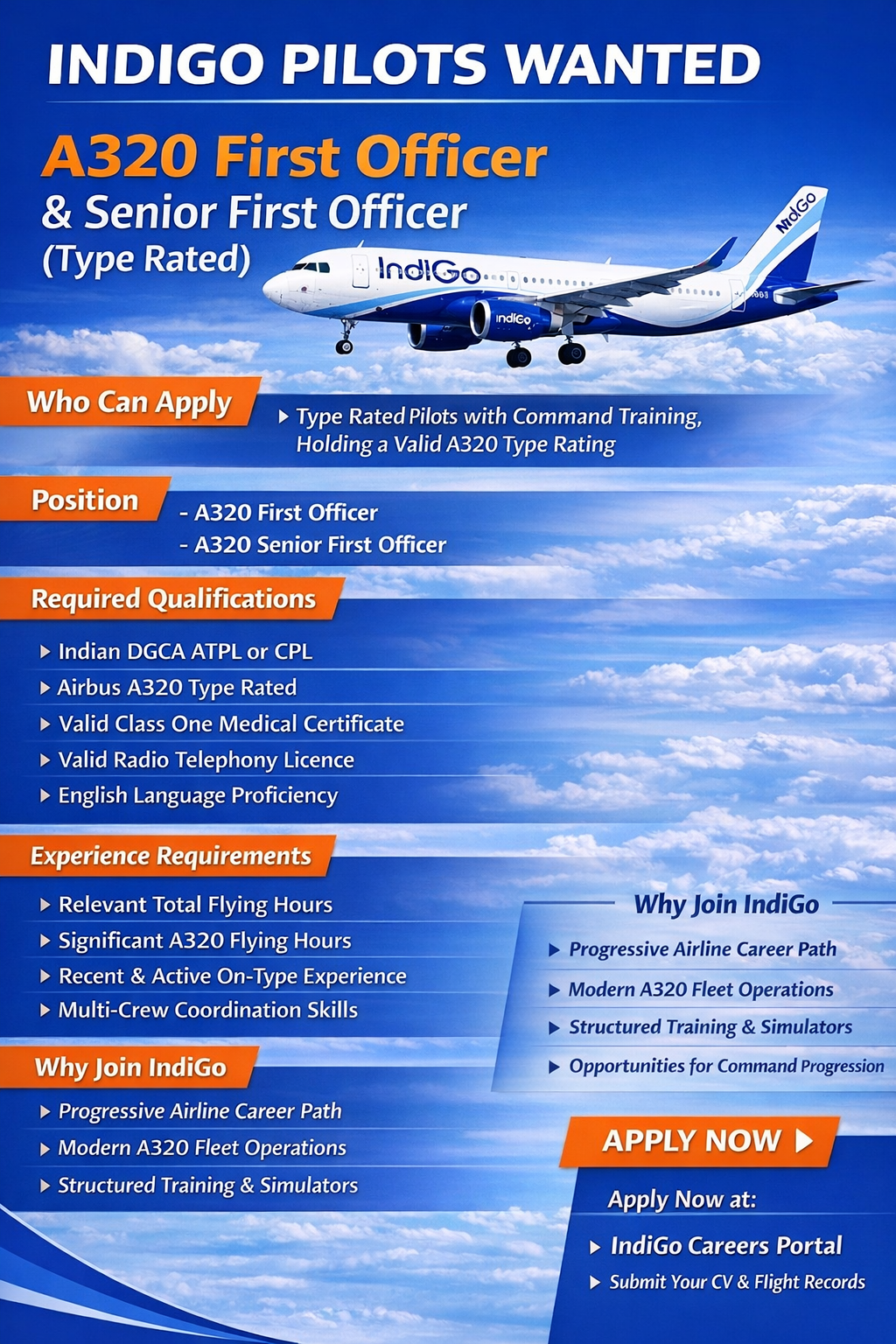
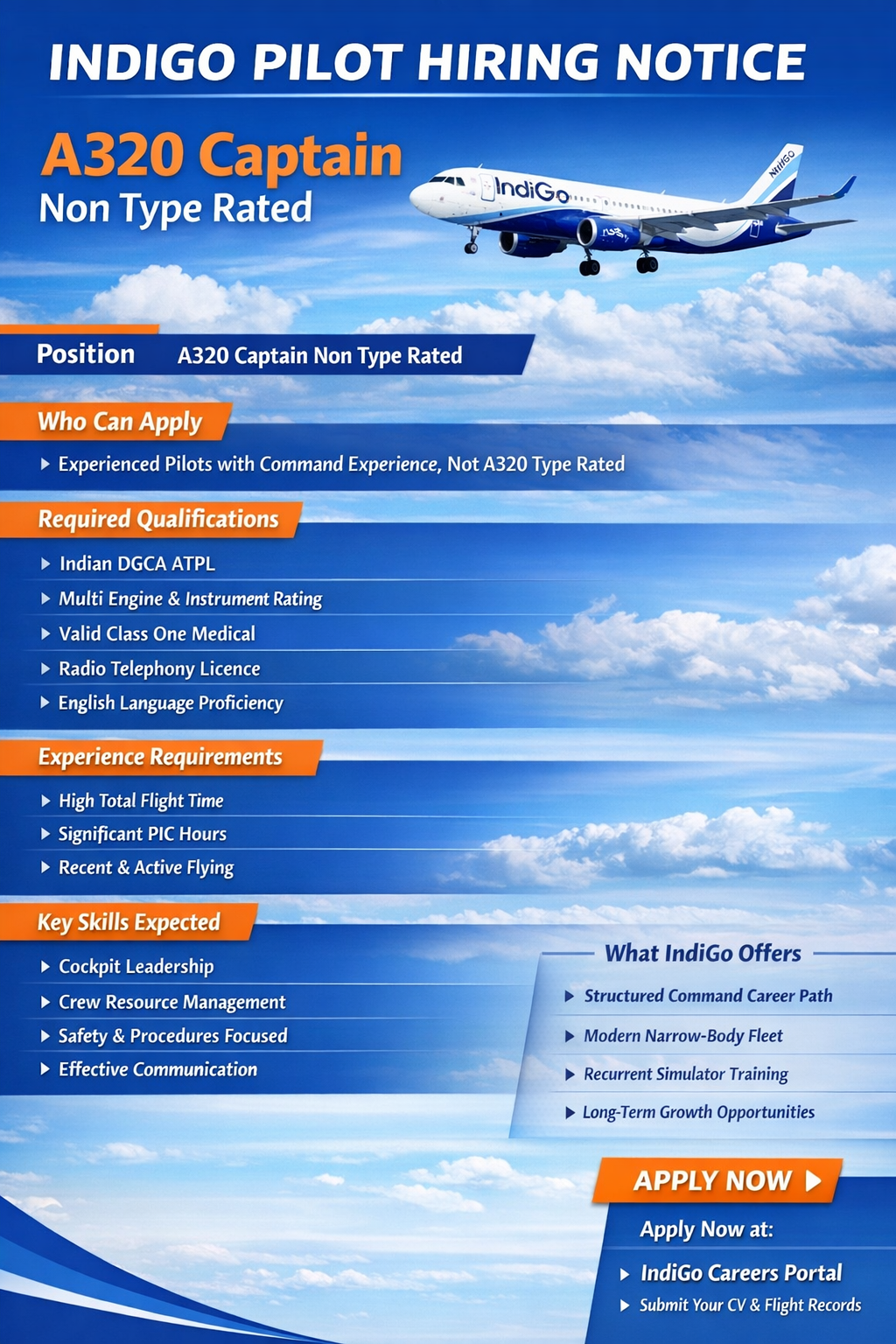
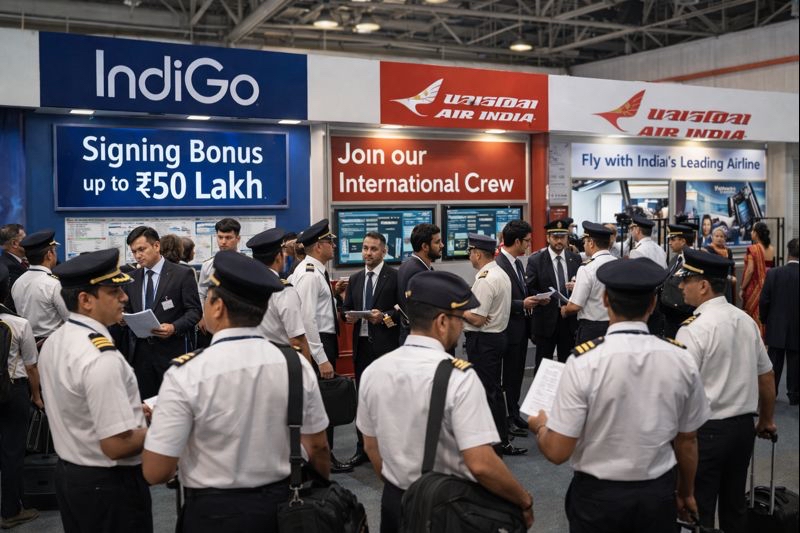
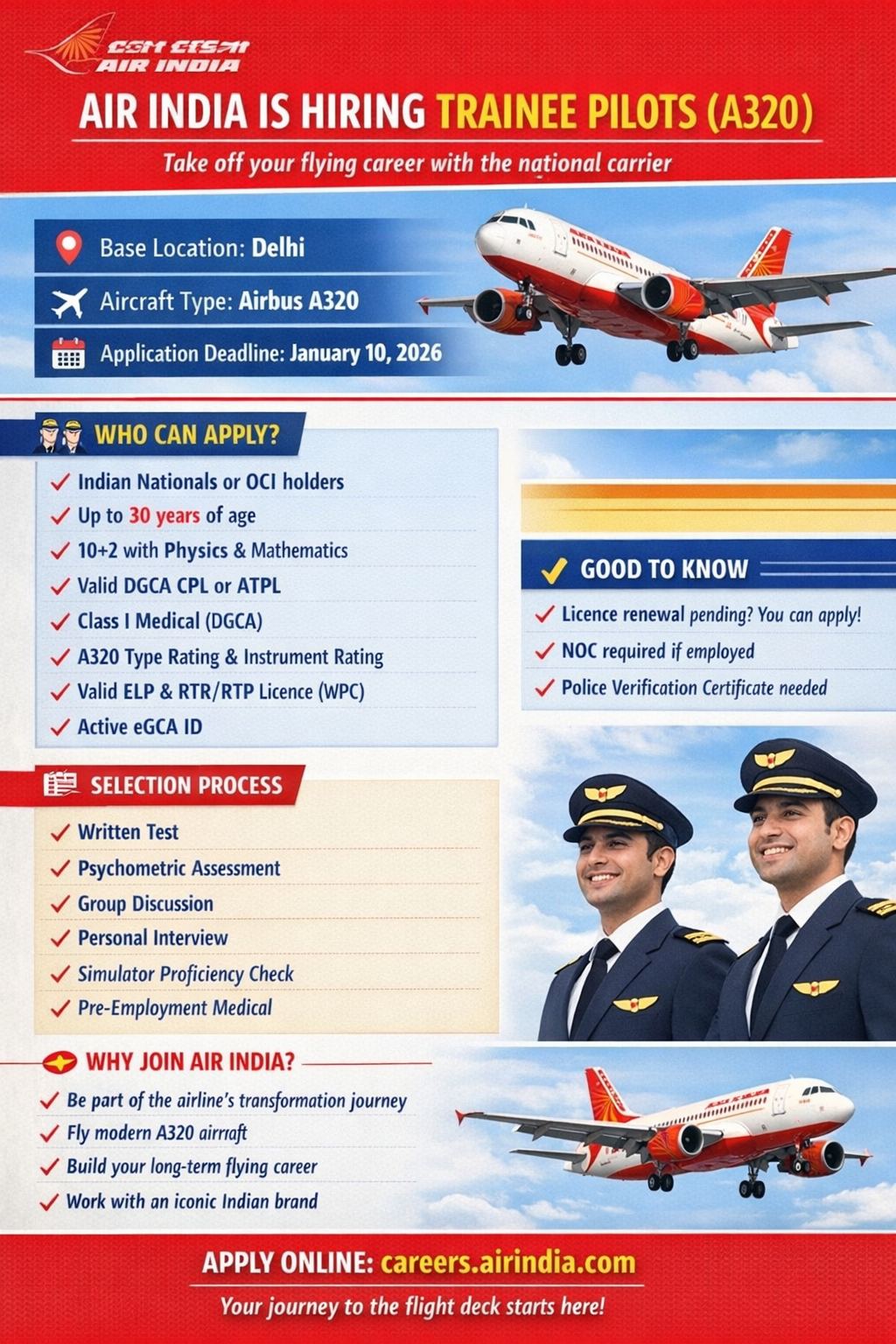
Looking ahead, the Indian aviation sector is poised between growth opportunities and significant challenges. As new carriers prepare to enter service and airlines adjust to evolving regulatory and economic conditions, the industry remains a critical barometer of broader mobility trends. How well stakeholders manage pilot shortages, rising costs, fluctuating demand, and competition will determine the shape of Indian air travel as it advances into 2026 and beyond.
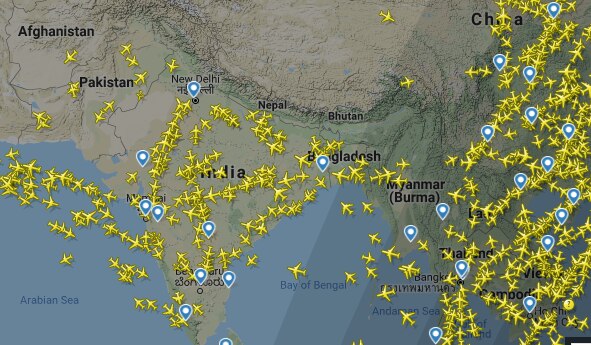
Overall, while the skies over India are busier than ever, the pathway forward will require careful strategic planning, investment in infrastructure and people, and sustained focus on passenger experience to ensure that the industry continues to flourish.