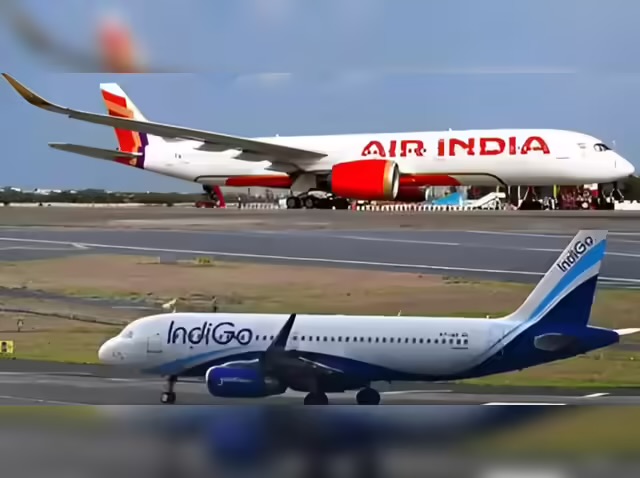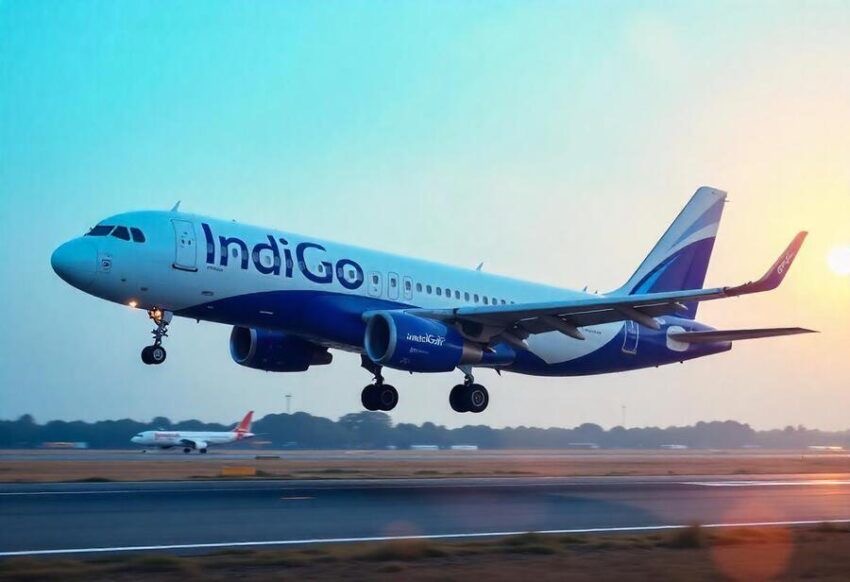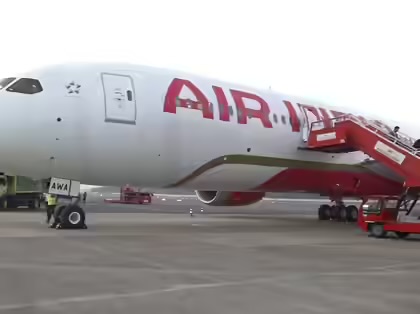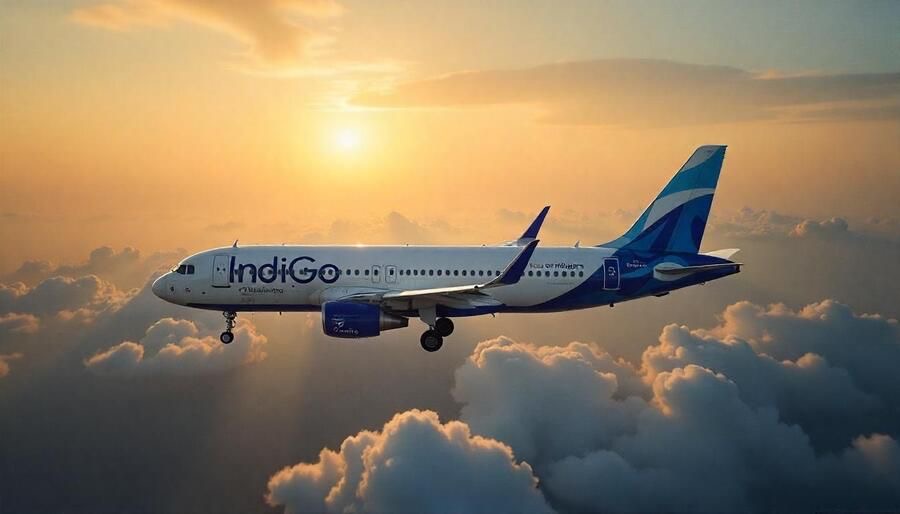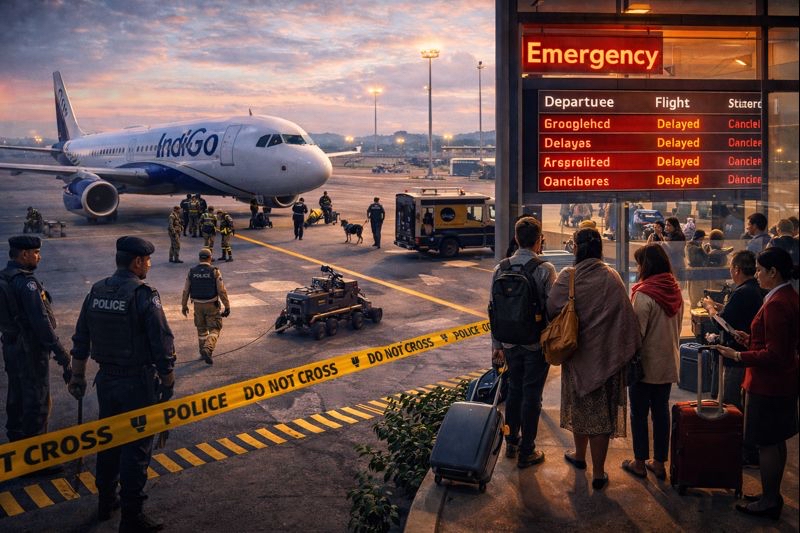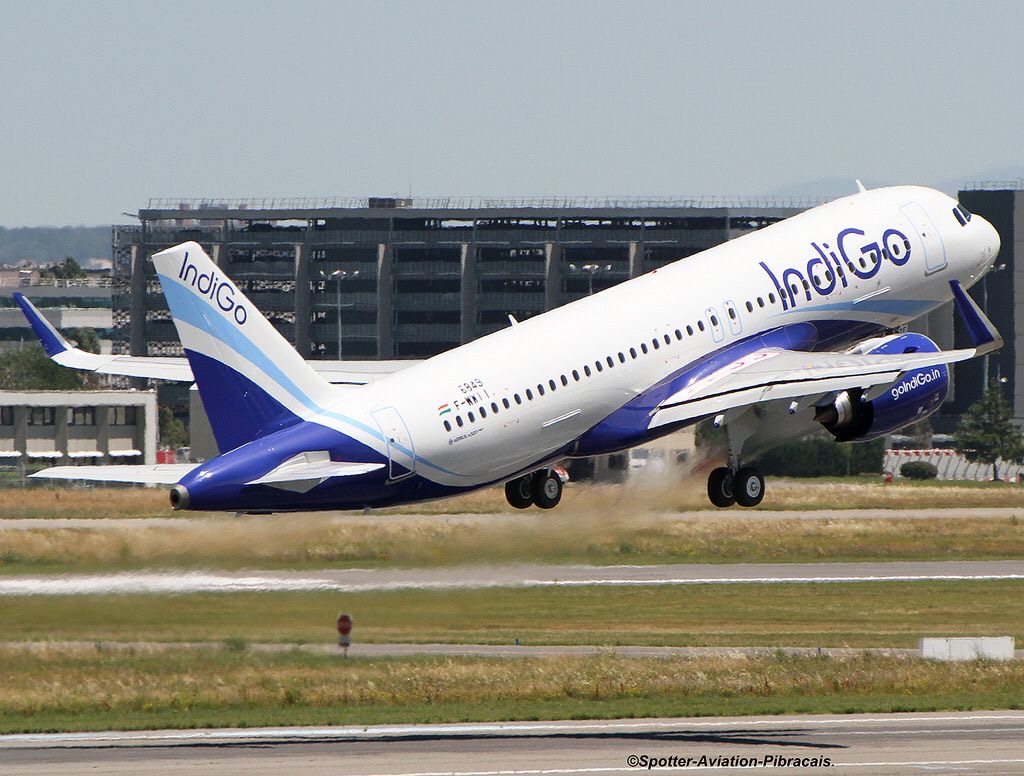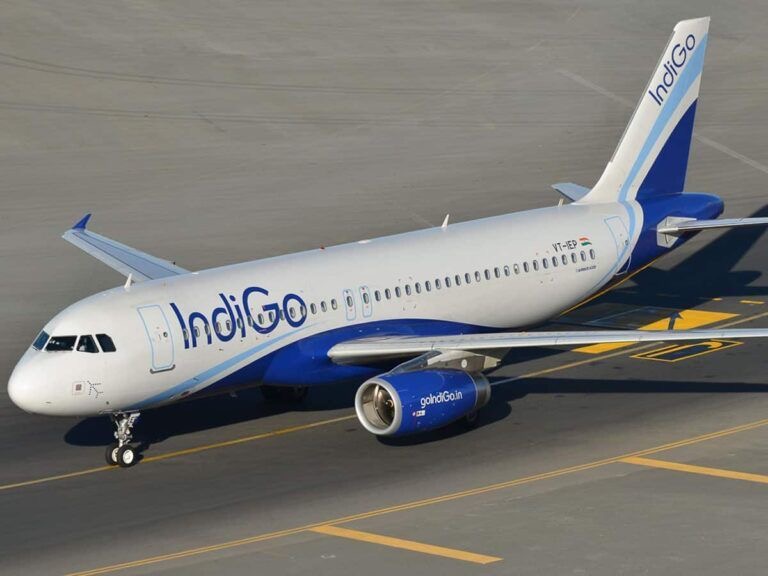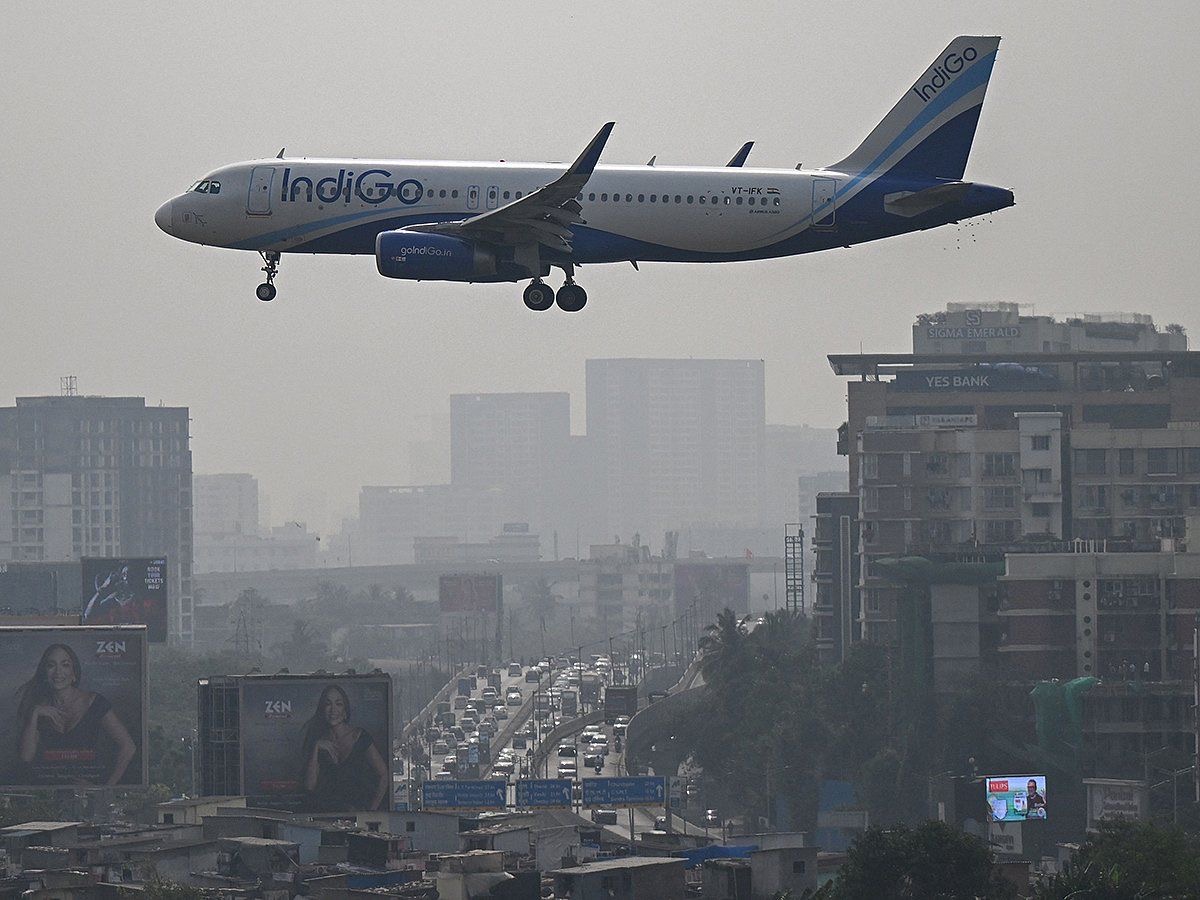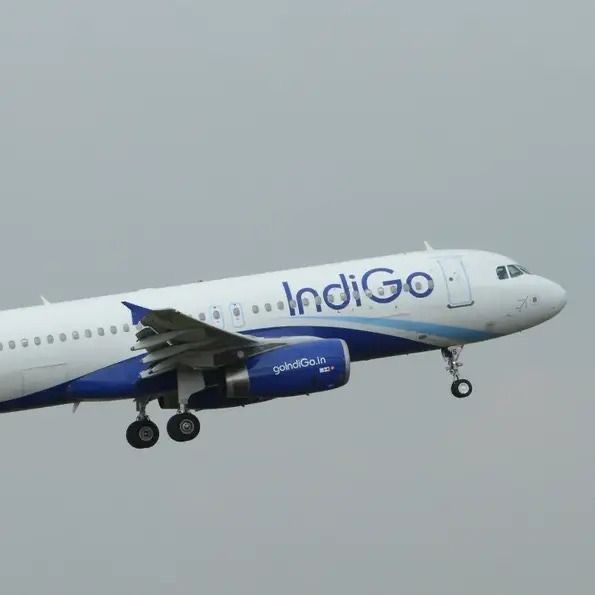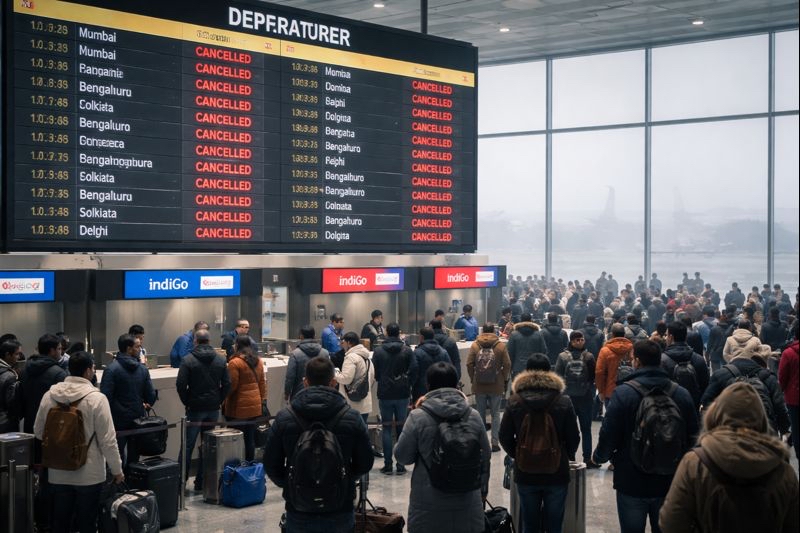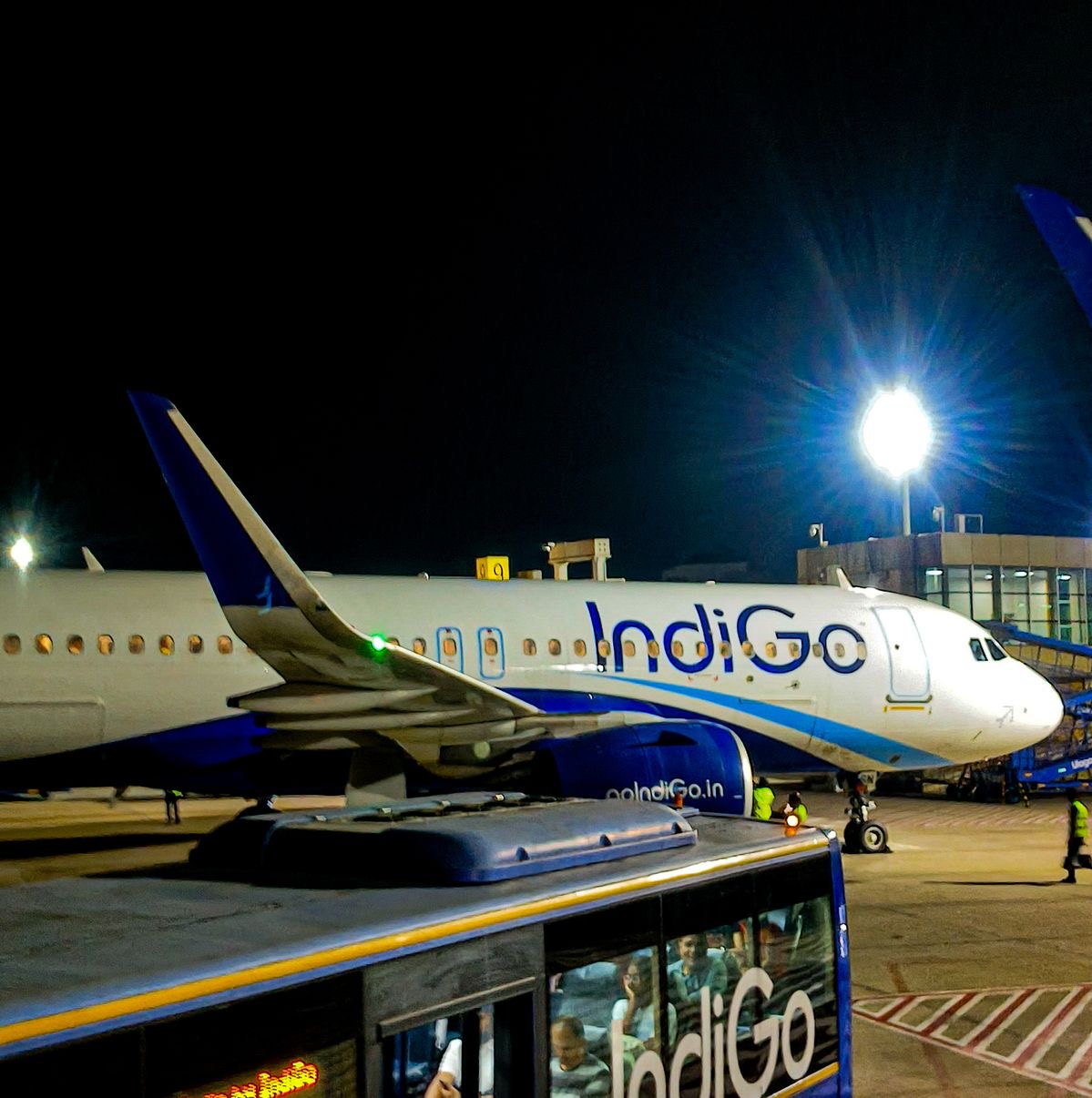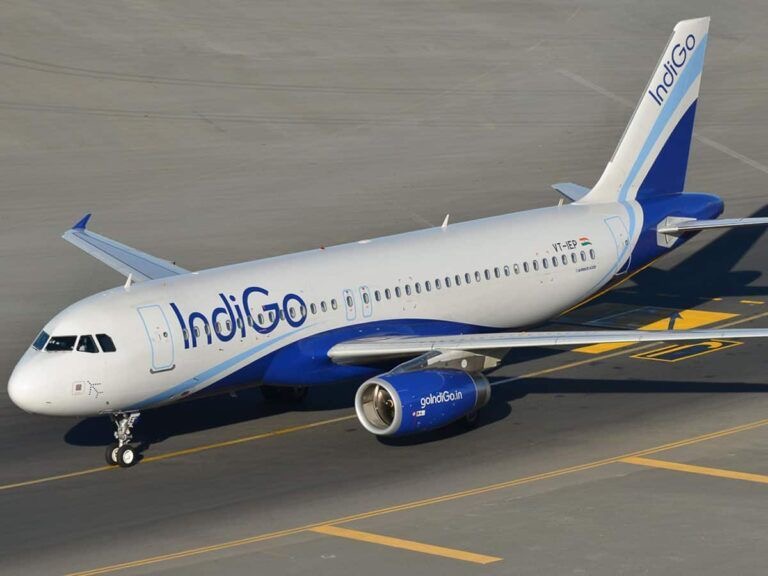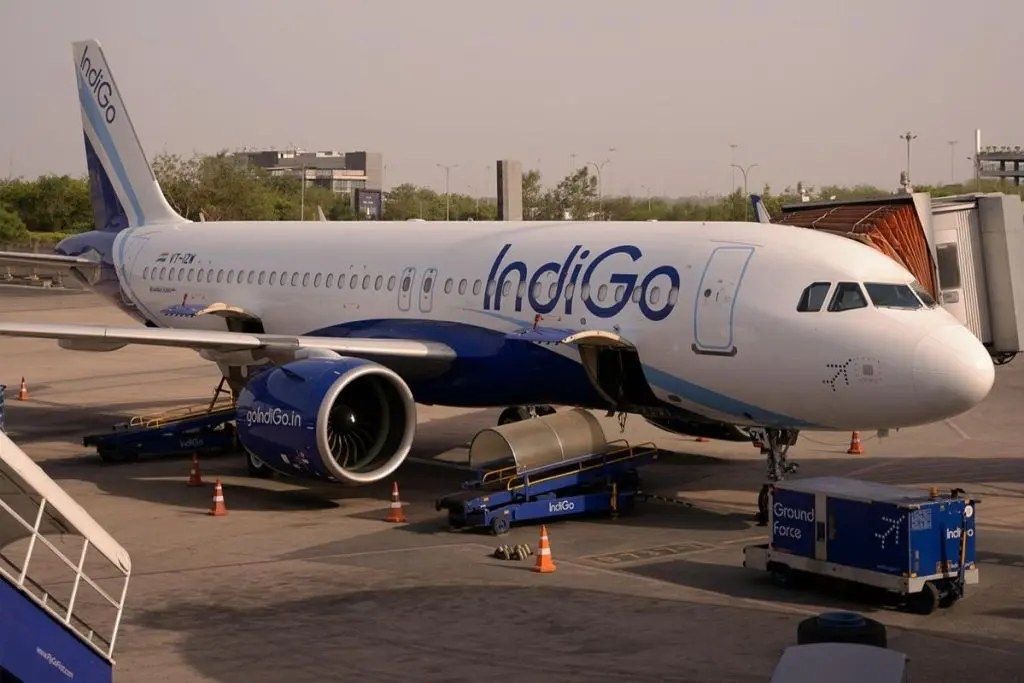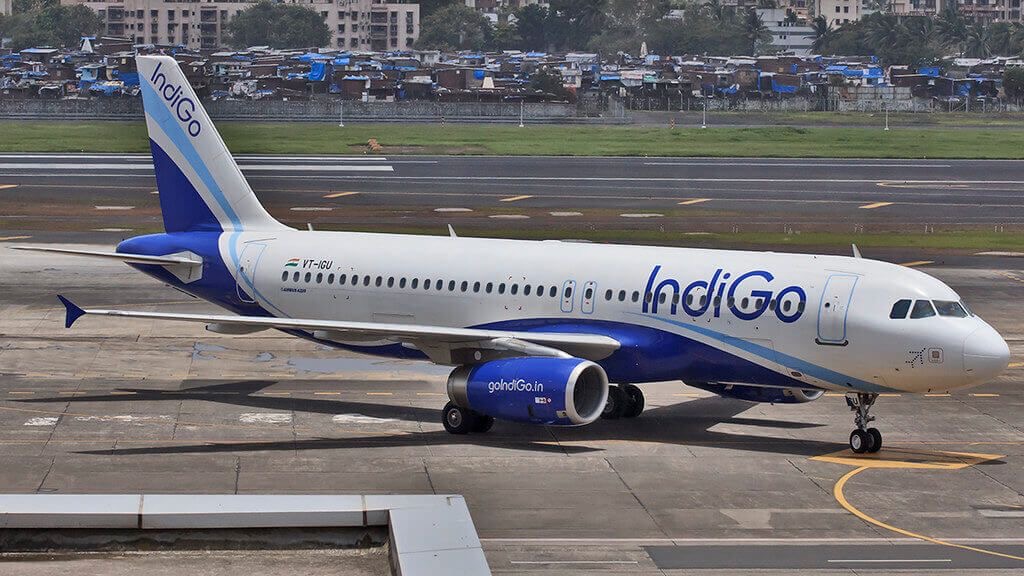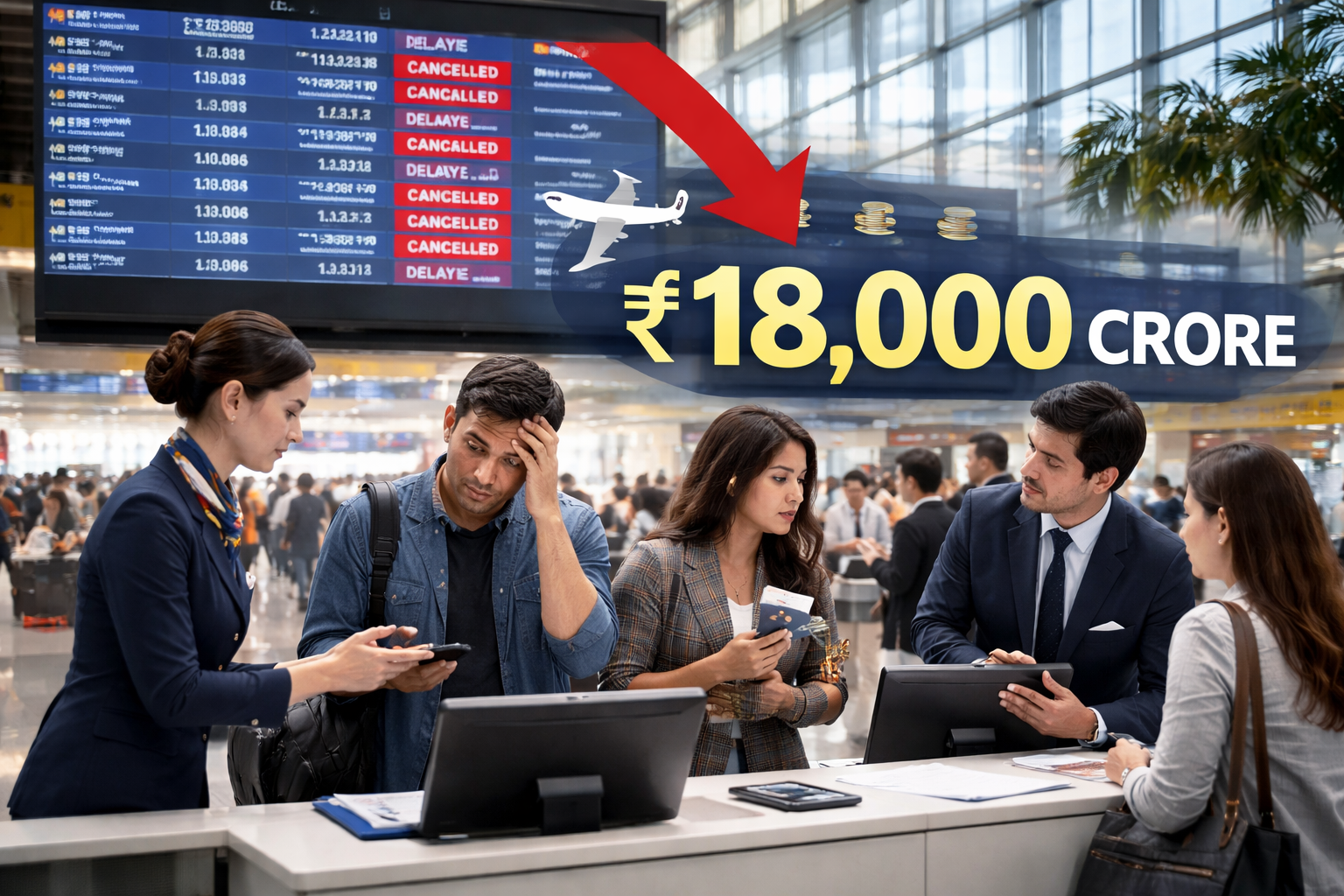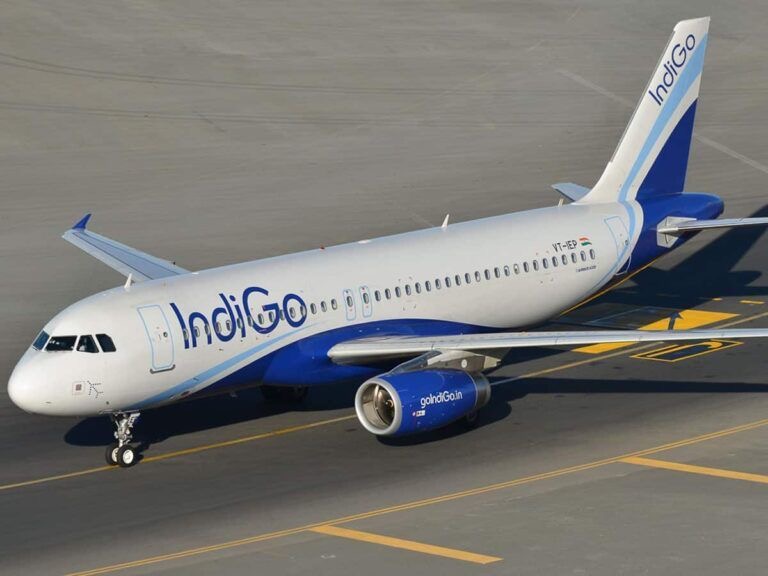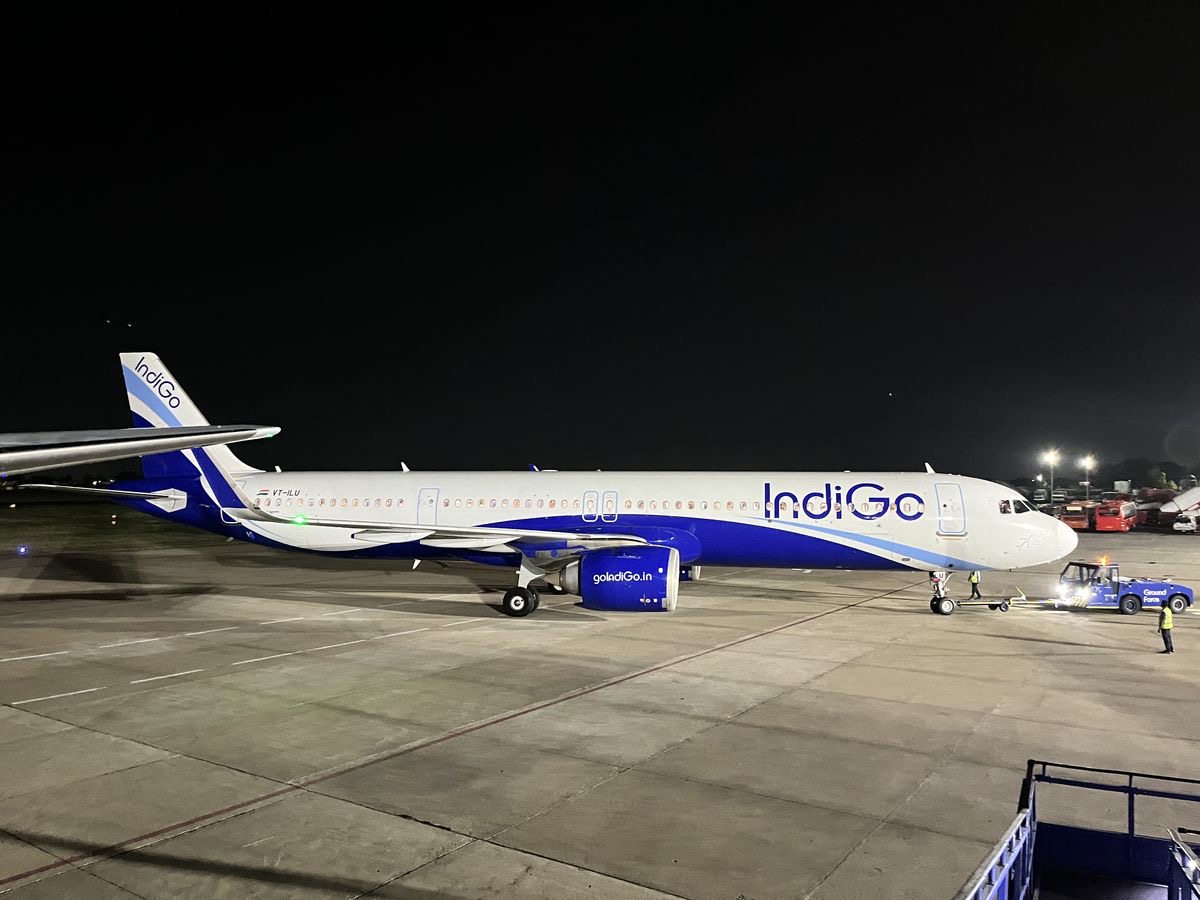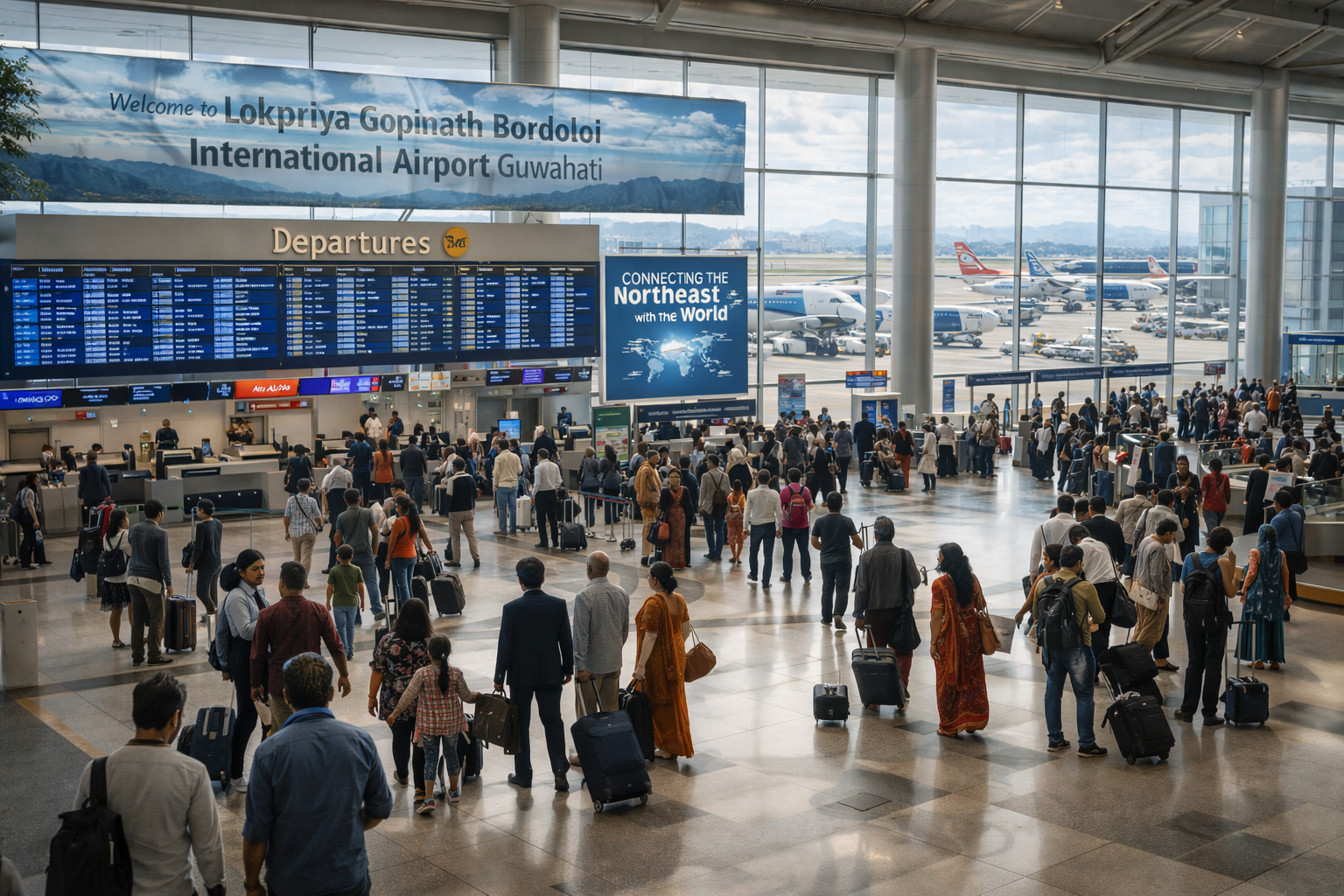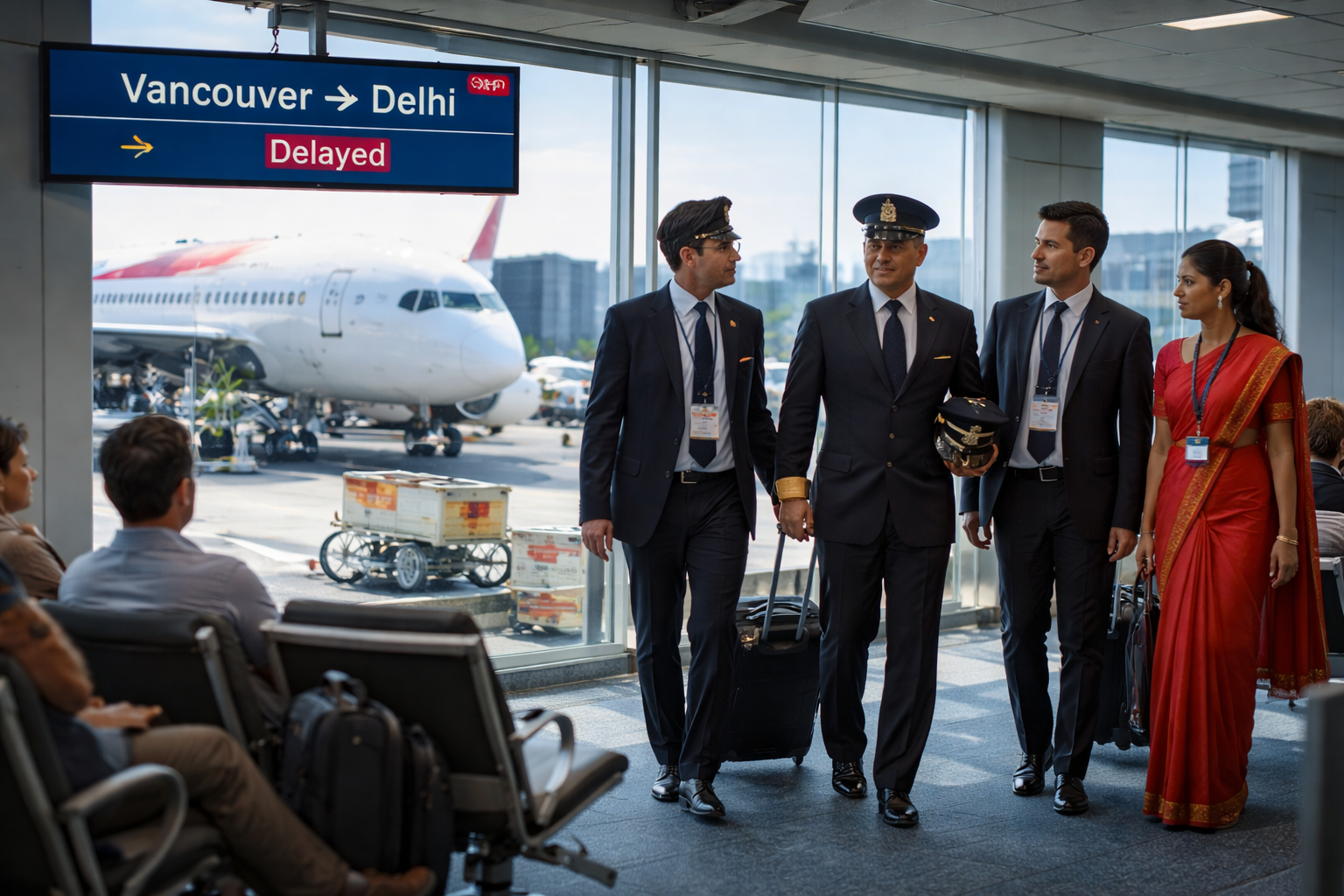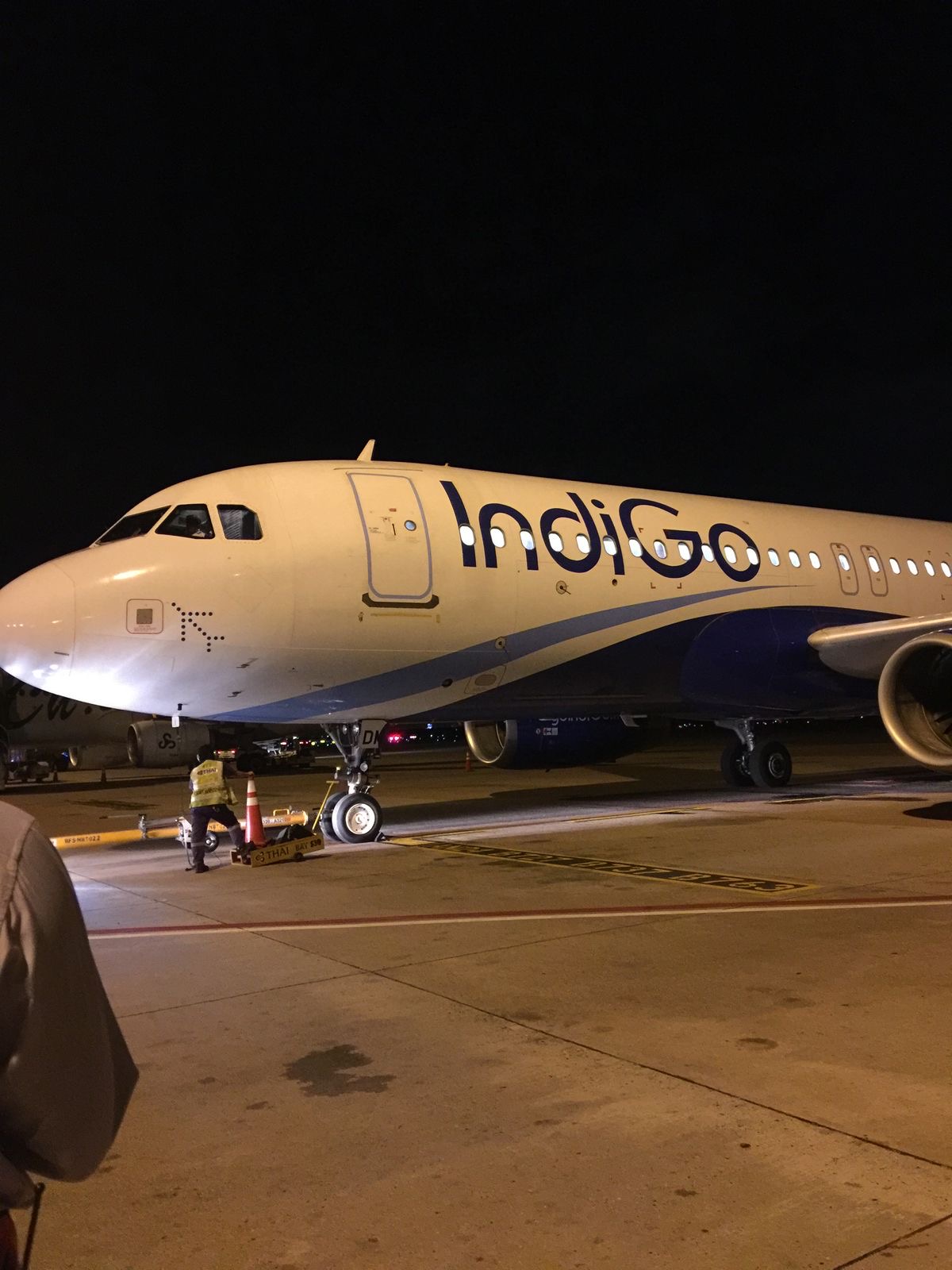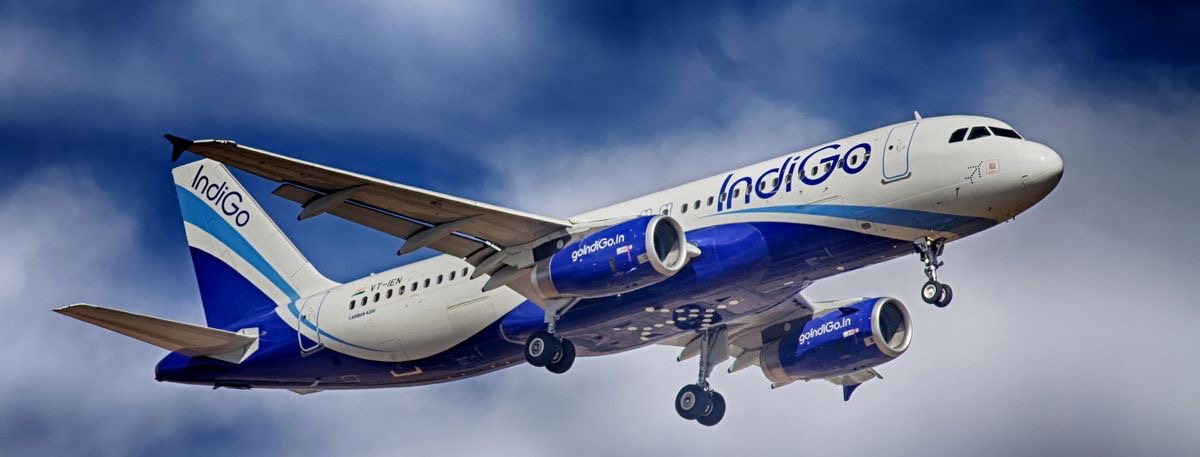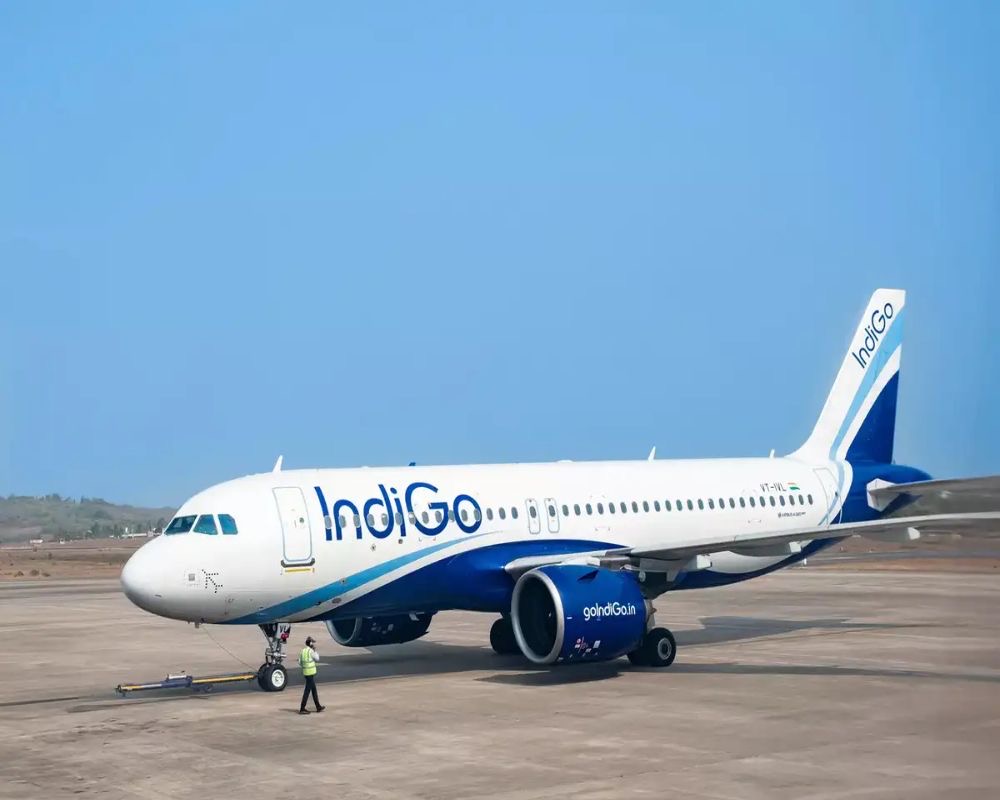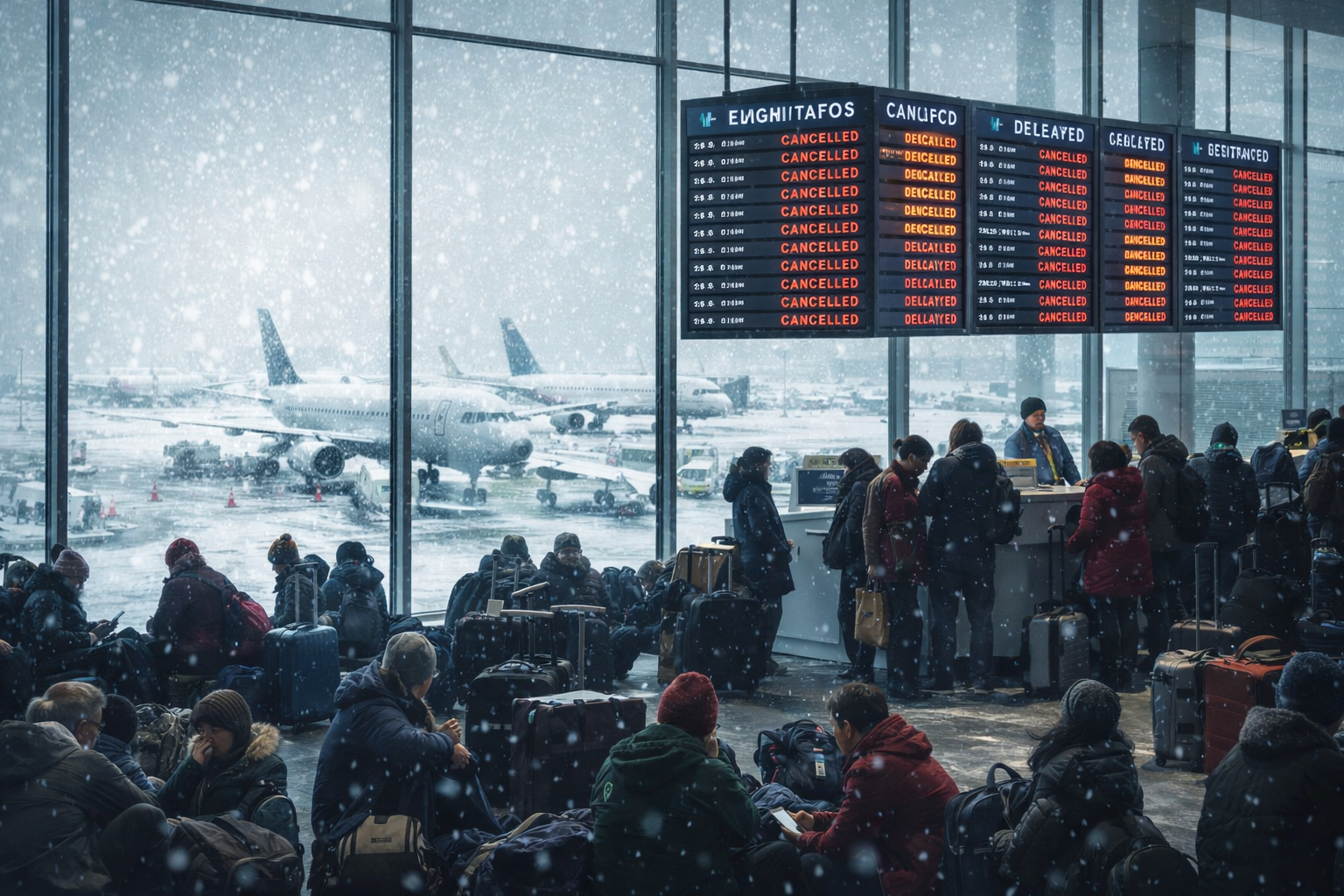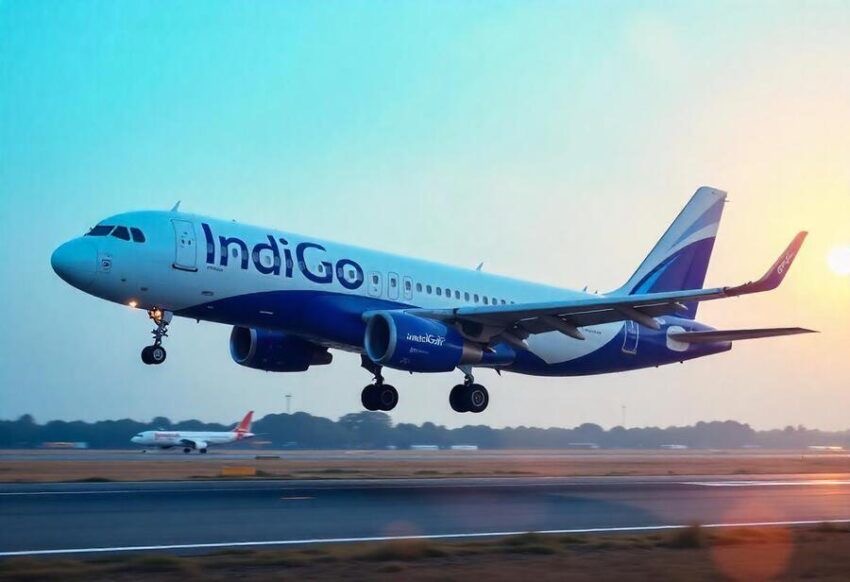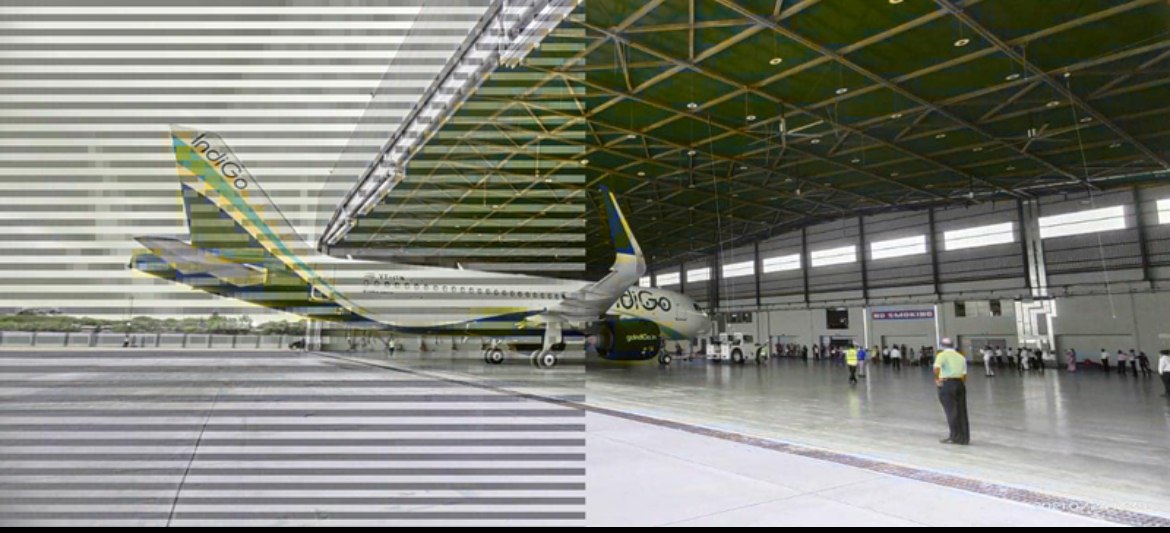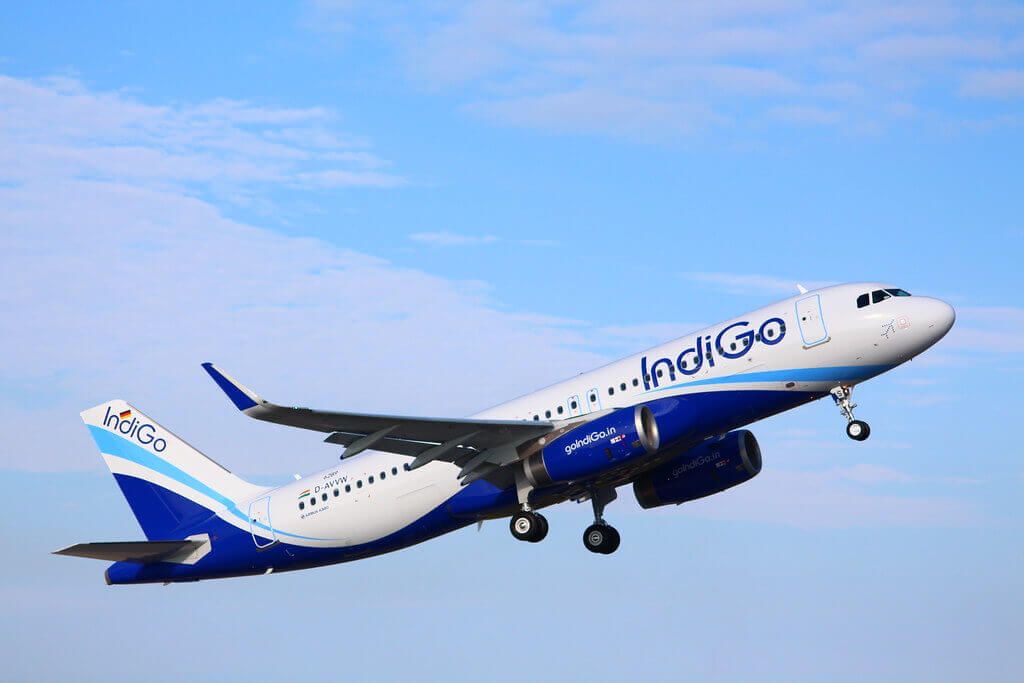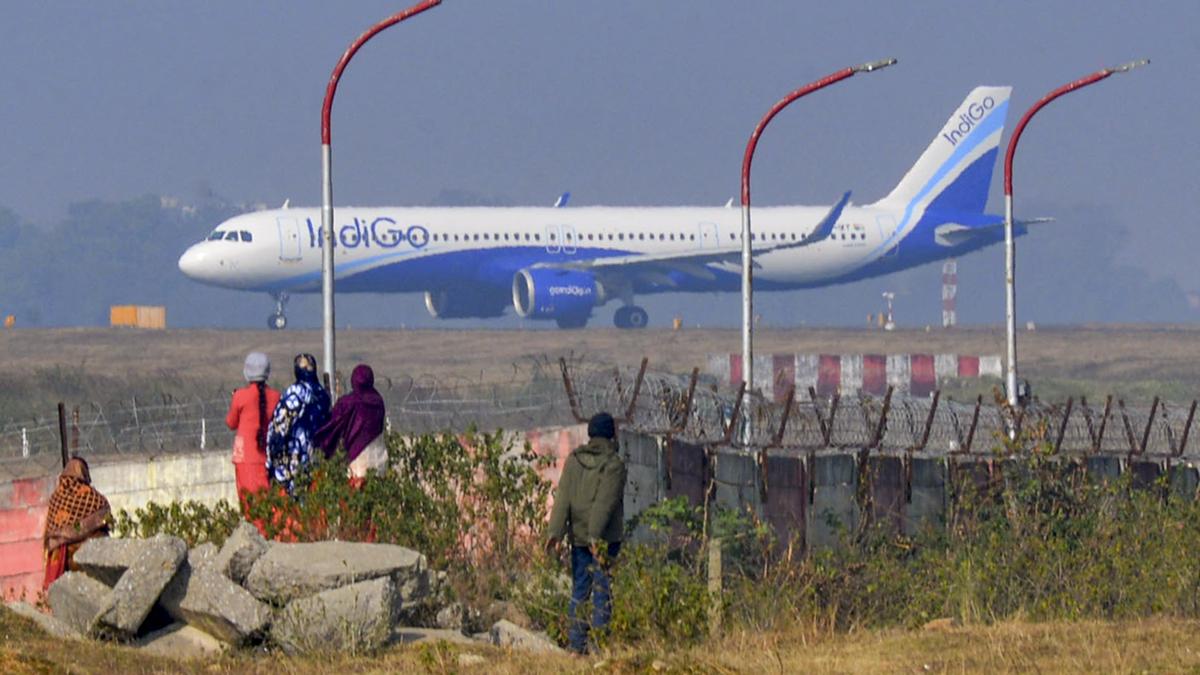

Hundreds of passengers booked on an IndiGo flight bound for Singapore faced significant delays and travel hardship after the airline postponed the aircraft without a clear explanation, leaving travellers waiting at the departure airport. The disruption affected both leisure and business flyers, who had planned onward connections and schedules around the original departure time.
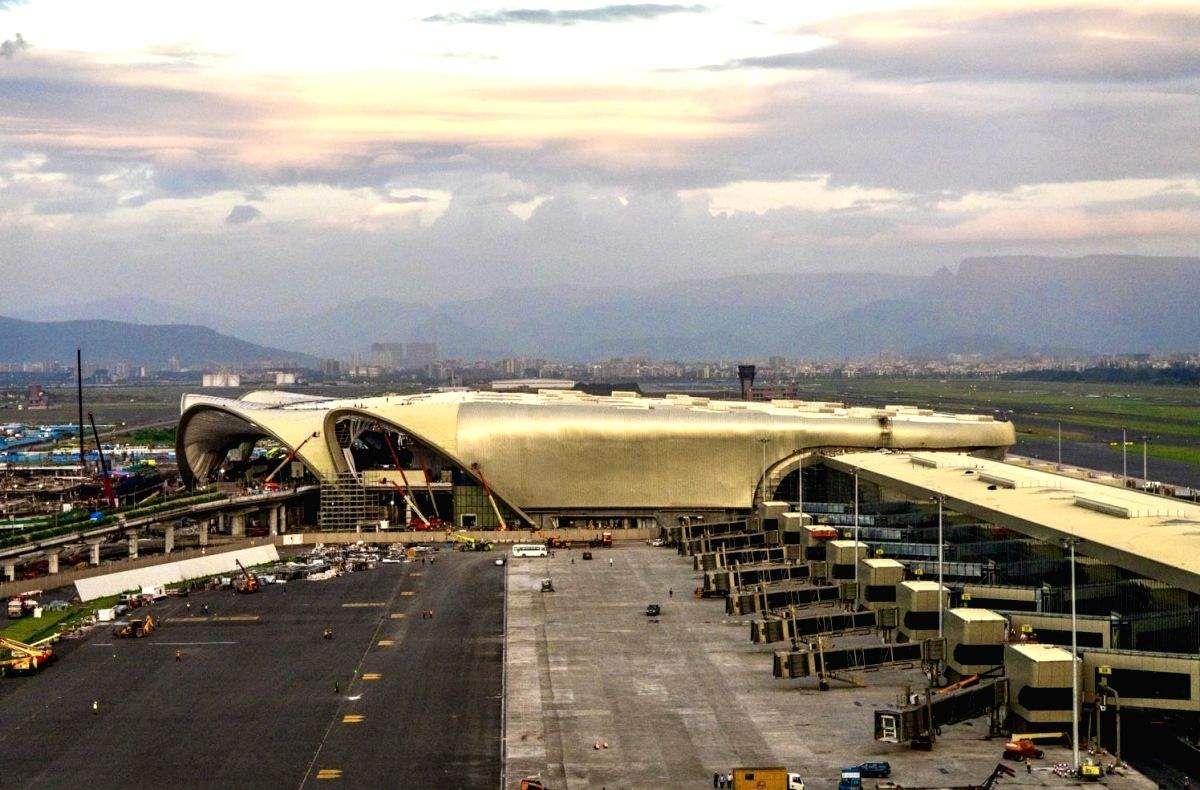
The flight, which was scheduled to operate from a major Indian gateway to Singapore, did not depart as expected due to a last-minute aircraft delay. Passengers reported confusion and inconvenience as ground staff communicated limited information while they waited for updates. Many travellers missed subsequent connections, hotel check-in times or important appointments as hours passed with little clarity on the cause or revised schedule.
IndiGo officials stated that irregular operations such as aircraft delays can arise from a range of operational issues, but at the time of the event the airline had not provided passengers with a detailed cause for the postponement. Crew scheduling challenges, technical checks, aircraft availability or regulatory clearance requirements are among the typical factors that can contribute to such delays, though formal confirmation of the specific reason was pending.
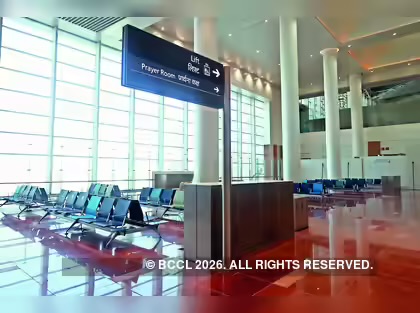
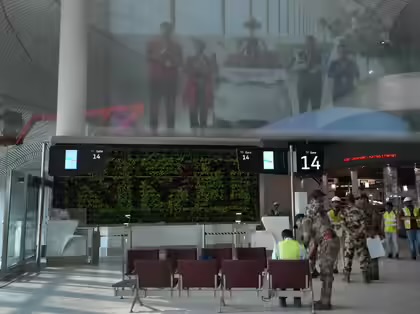
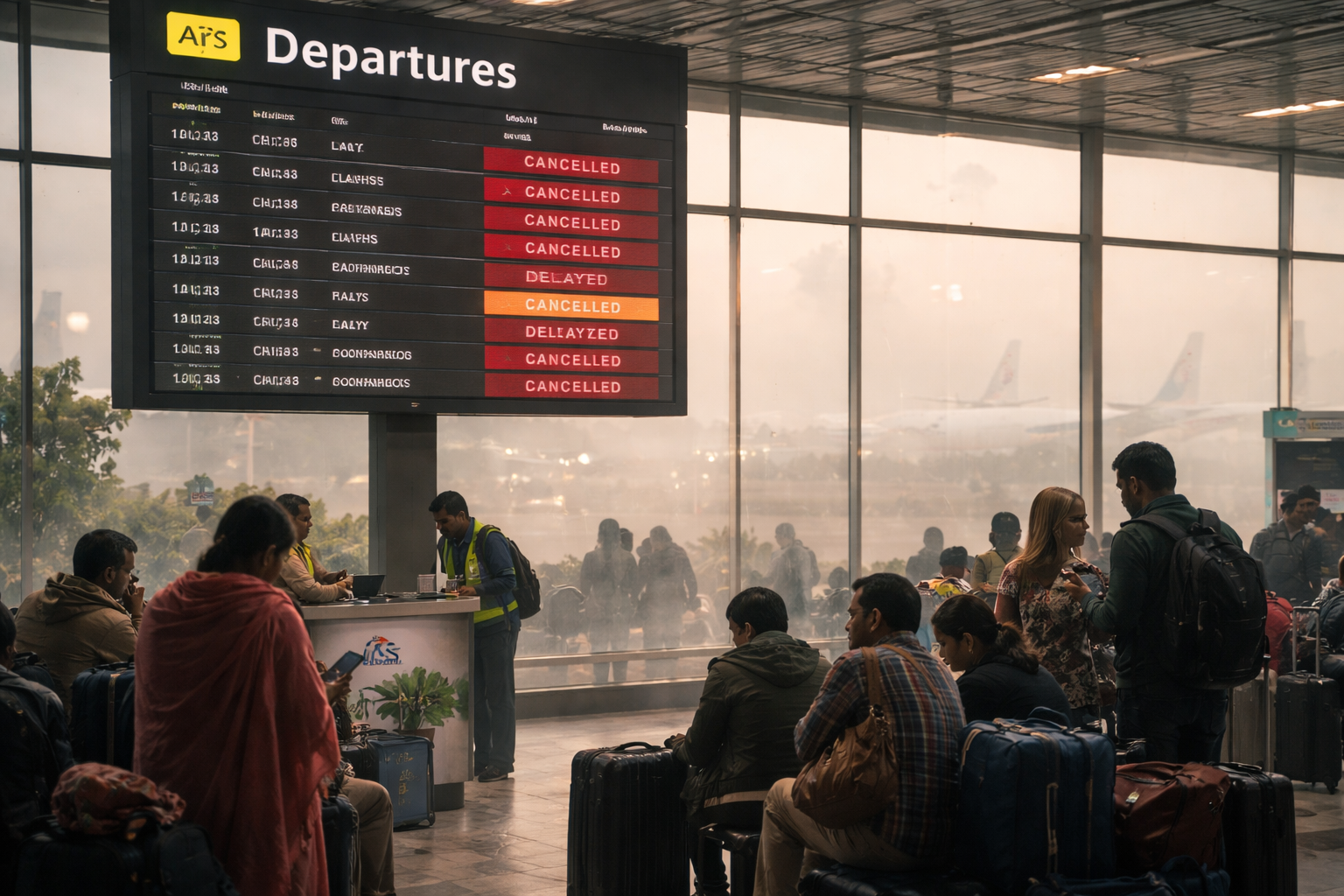
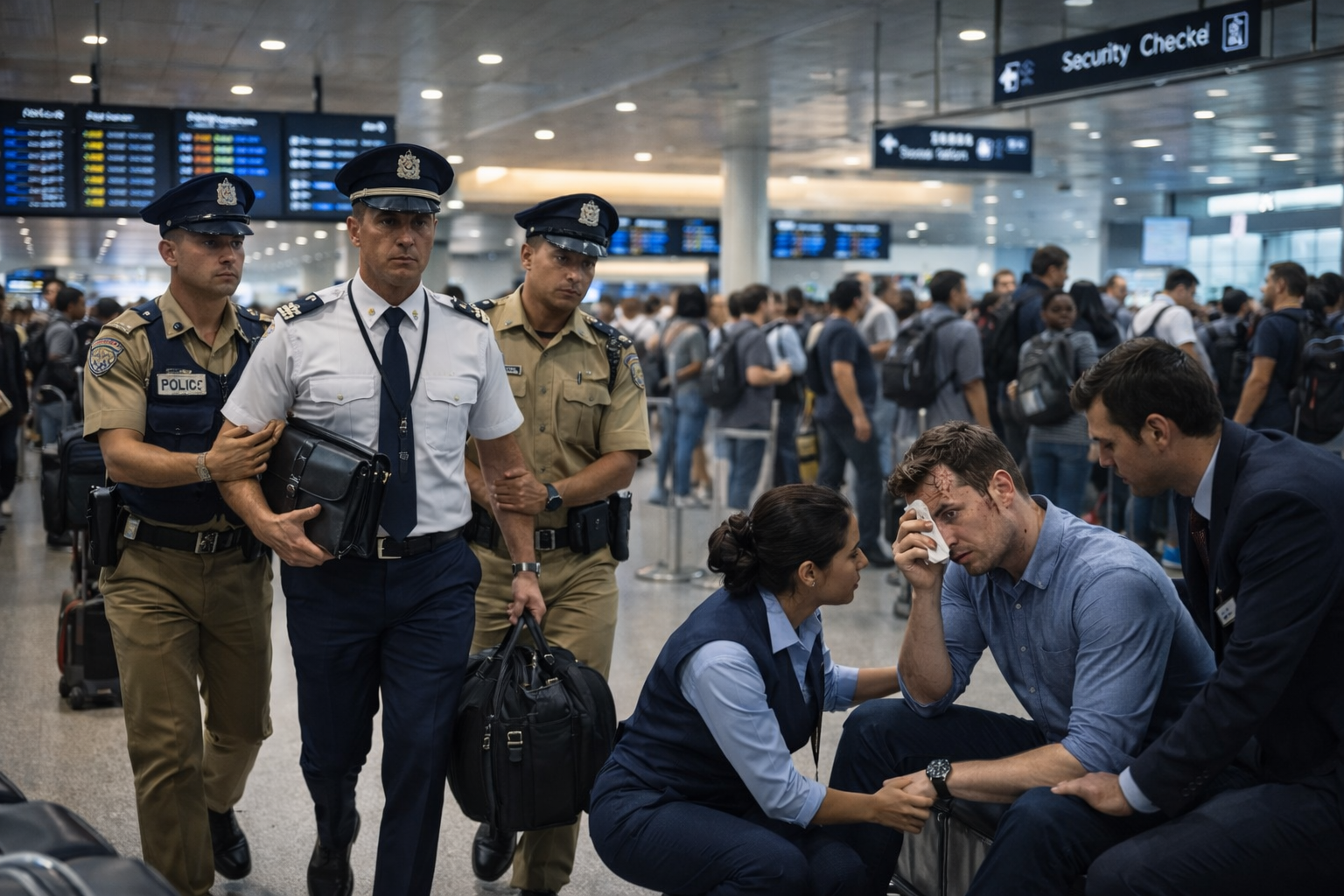
Passengers stranded at the departure terminal described mounting frustration as the wait extended with sporadic announcements. Some were unable to access meal vouchers or alternate arrangements promptly, leading to discomfort during prolonged transit in airport lounges and gate areas. Travel agents and ticketing partners also received complaints from affected travellers seeking clarity on revised departure timings and rebooking options.
In situations where flights are delayed for extended periods, carriers are generally expected to assist passengers with essential services such as refreshment vouchers, accommodation support if overnight stays become necessary, and regular communication on status. Passengers said that updates were not forthcoming at intervals they deemed adequate, which added to stress and uncertainty.
IndiGo’s customer care teams typically handle such cases through rebooking, refunds where applicable, or offering alternate flights on the next available service. In this instance, some passengers were reportedly moved to later flights to Singapore or offered refunds for the affected sector, while others chose to wait for the original aircraft once revised timings were announced.
Delays on international flights can have wider knock-on effects beyond the immediate flight itself. Passengers with multi-leg itineraries risk losing seats on connecting services, visa validity windows can be affected, and ground transportation or accommodation bookings may need to be rescheduled at short notice. For business travellers, time lost due to unclear rescheduling can mean missed meetings, presentations or work commitments.
Civil aviation regulations place certain obligations on airlines to inform passengers of significant schedule changes and to provide timely support, but enforcement and passenger experience can vary case by case. Industry observers say proactive communication and contingency planning by airlines help reduce passenger hardship when unplanned delays occur, such as when aircraft rotation issues or late incoming flights disrupt scheduled operations.
For travellers affected by the Singapore-bound delay, the focus has shifted to obtaining alternate seats, refunds or travel credits that can be applied on future flights. Passenger advocacy groups often encourage affected travellers to document expenses and correspondences with airlines in case compensation claims or regulatory complaints become necessary, although compensation norms vary by route and regulatory jurisdiction.
IndiGo has a large international footprint on short and medium haul sectors and has been expanding services to key regional destinations, including Singapore. Incidents of unexplained delays highlight the complexity of airline operations, which depend on interconnected schedules, crew availability, aircraft maintenance and slot coordination across networks.
As passengers adjust their plans and airlines work to restore service regularity, the experience underscores how delays on one leg of a journey can ripple across broader travel plans. Industry analysts say that while disruptions are an inherent part of air travel logistics, clear communication and timely support are critical to maintaining customer trust and travel continuity.
Airlines typically monitor performance metrics related to on-time performance, delay causes and turnaround efficiency to identify operational bottlenecks and improve service reliability. For passengers, access to real-time flight status tools, frequent updates from airline digital channels, and proactive assistance at airport service desks can make a significant difference in how disruptions are managed.
The Singapore-bound delay has prompted calls for clearer information sharing and better passenger care during prolonged waits, as travellers weigh their options and seek timely resolution to complete their journeys.