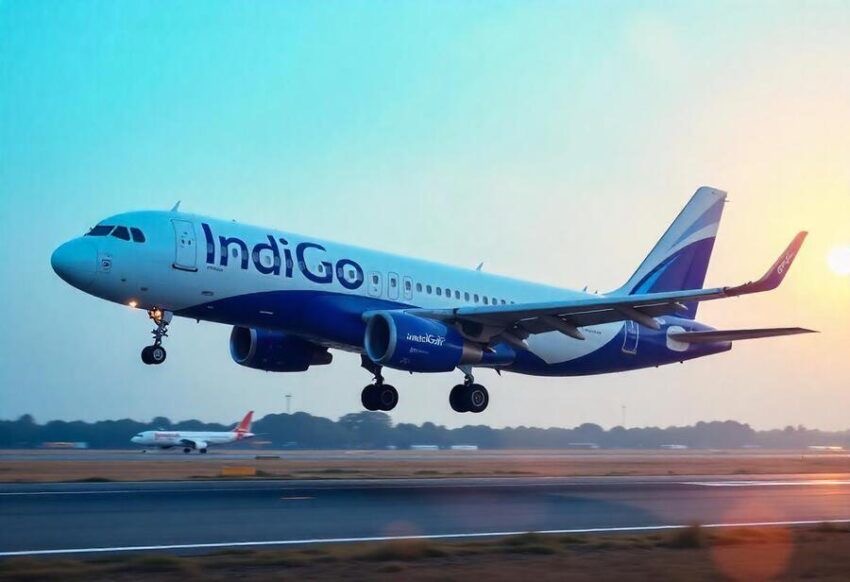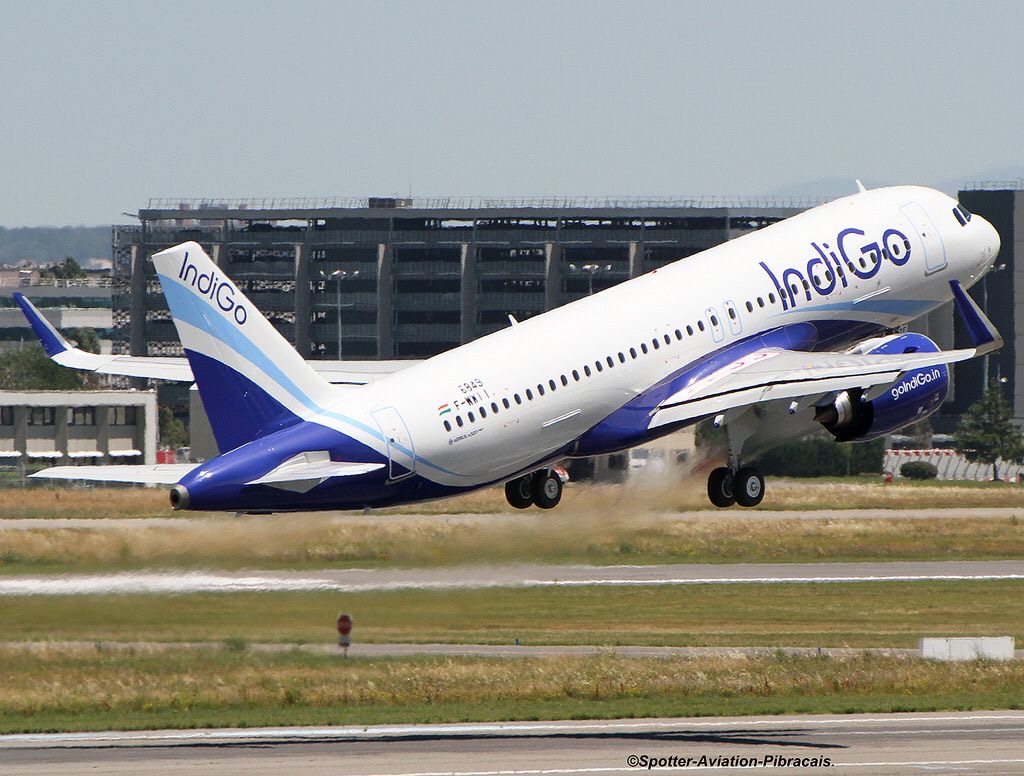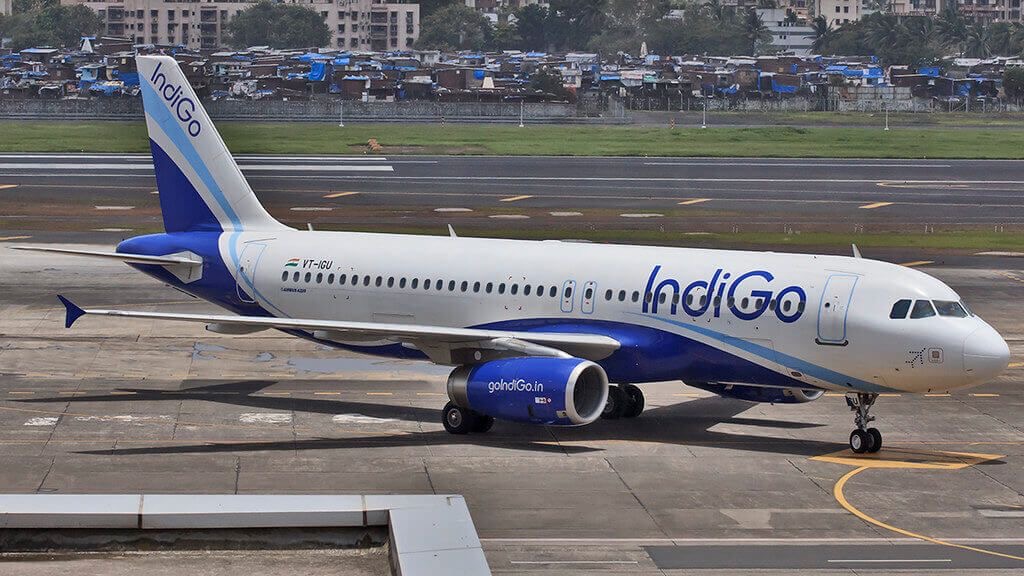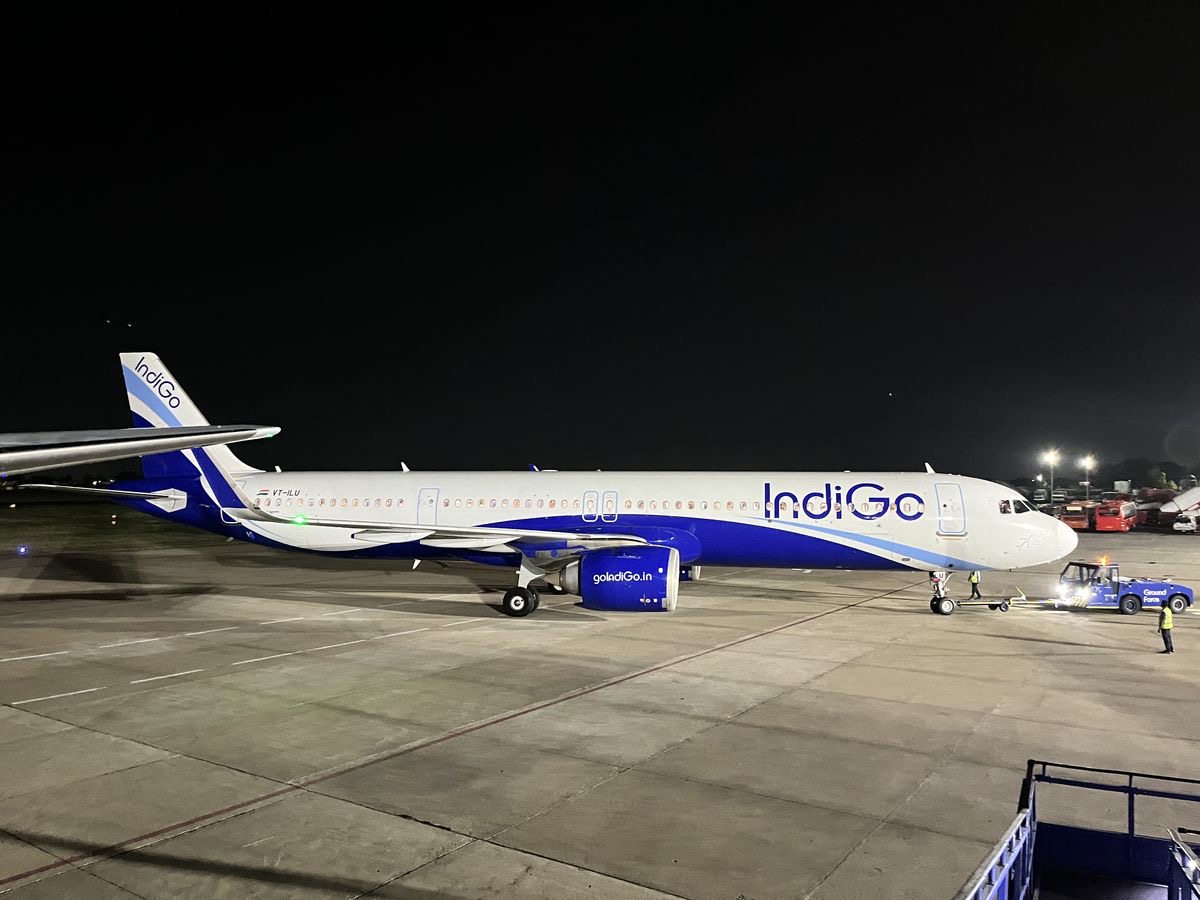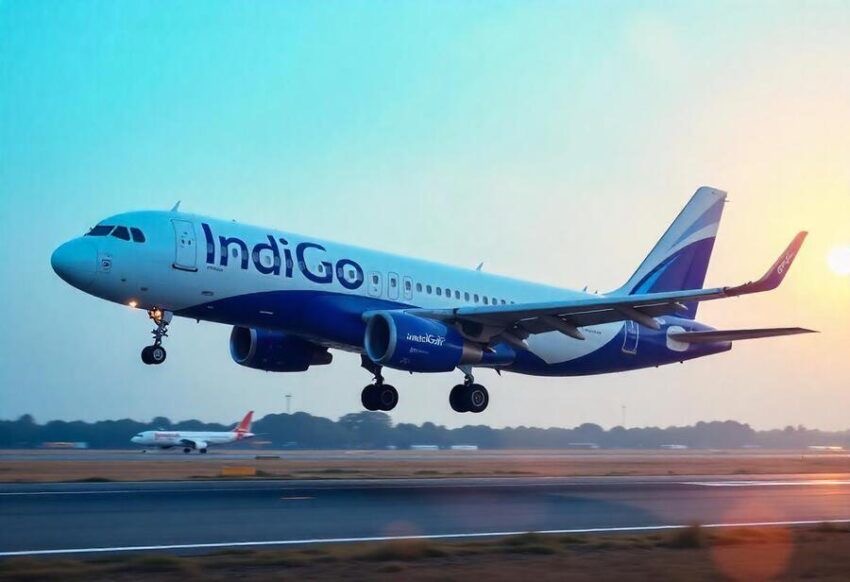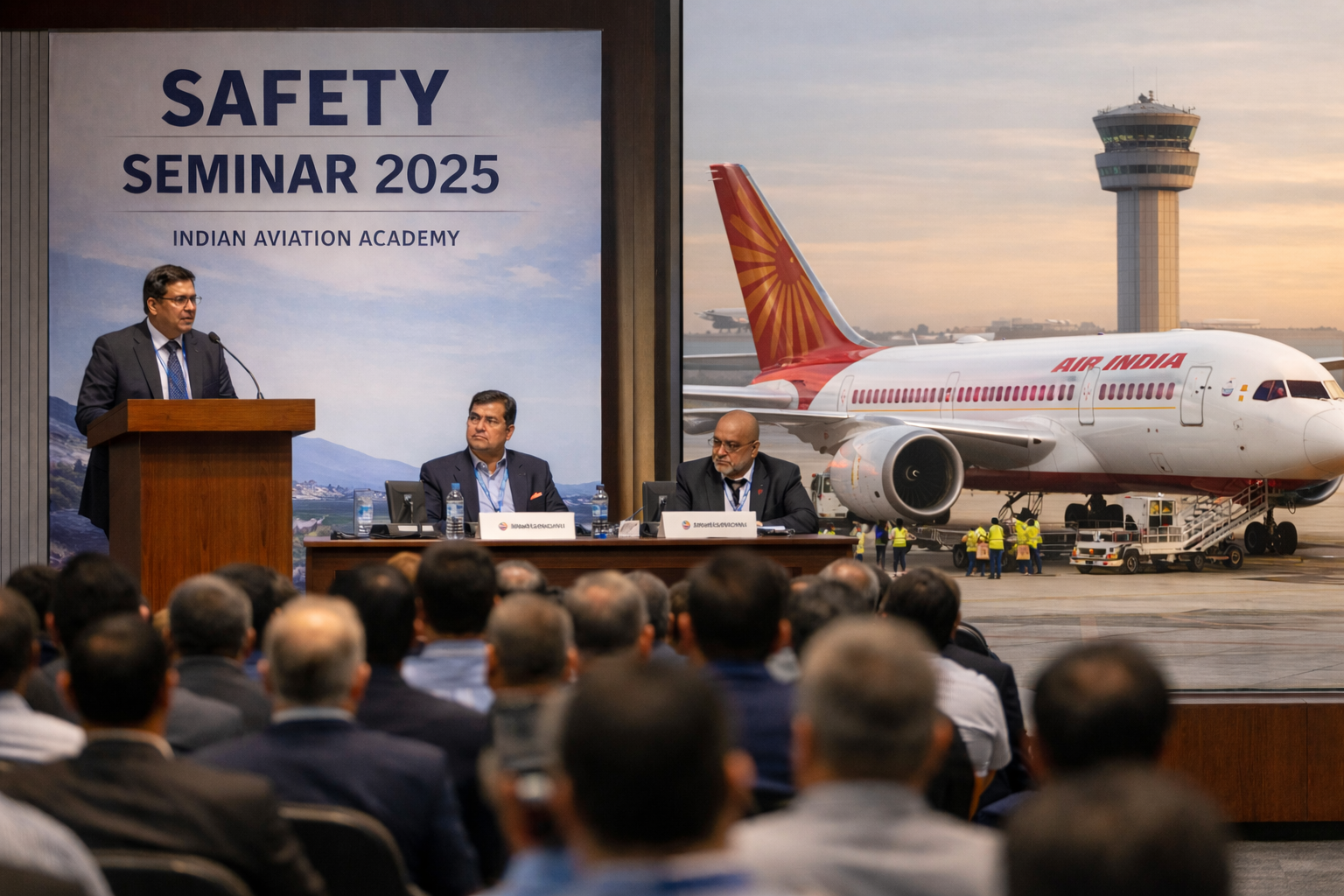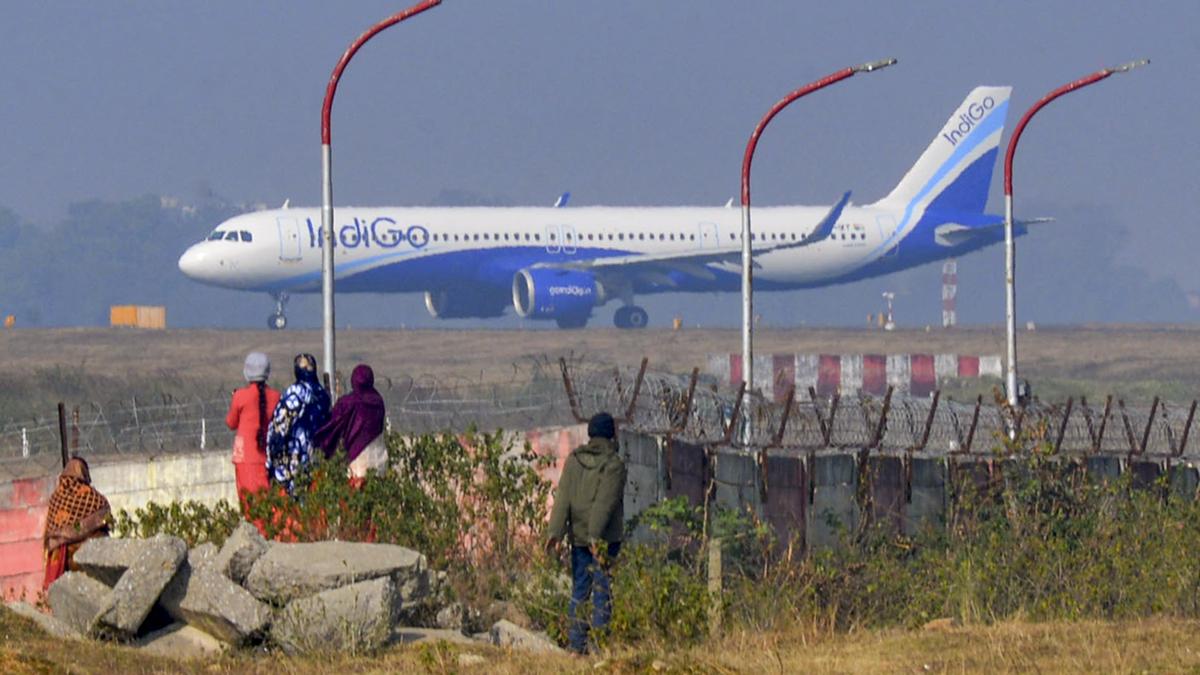

A special committee appointed by India’s aviation regulator has submitted a confidential report detailing its findings on the recent large-scale flight disruptions experienced by IndiGo. The report was handed over to the Directorate General of Civil Aviation late in December and has since been forwarded to the Ministry of Civil Aviation for further examination. While the contents of the document remain undisclosed, officials confirmed that it will play a key role in shaping the government’s response to the incident.
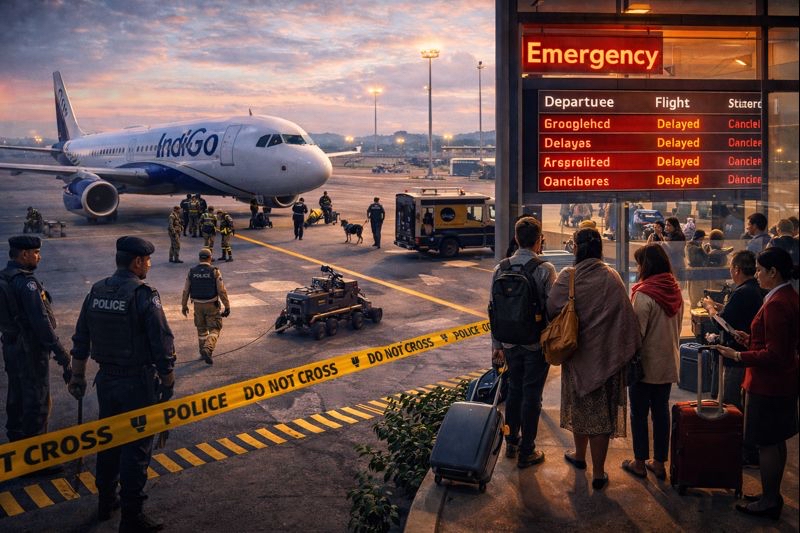
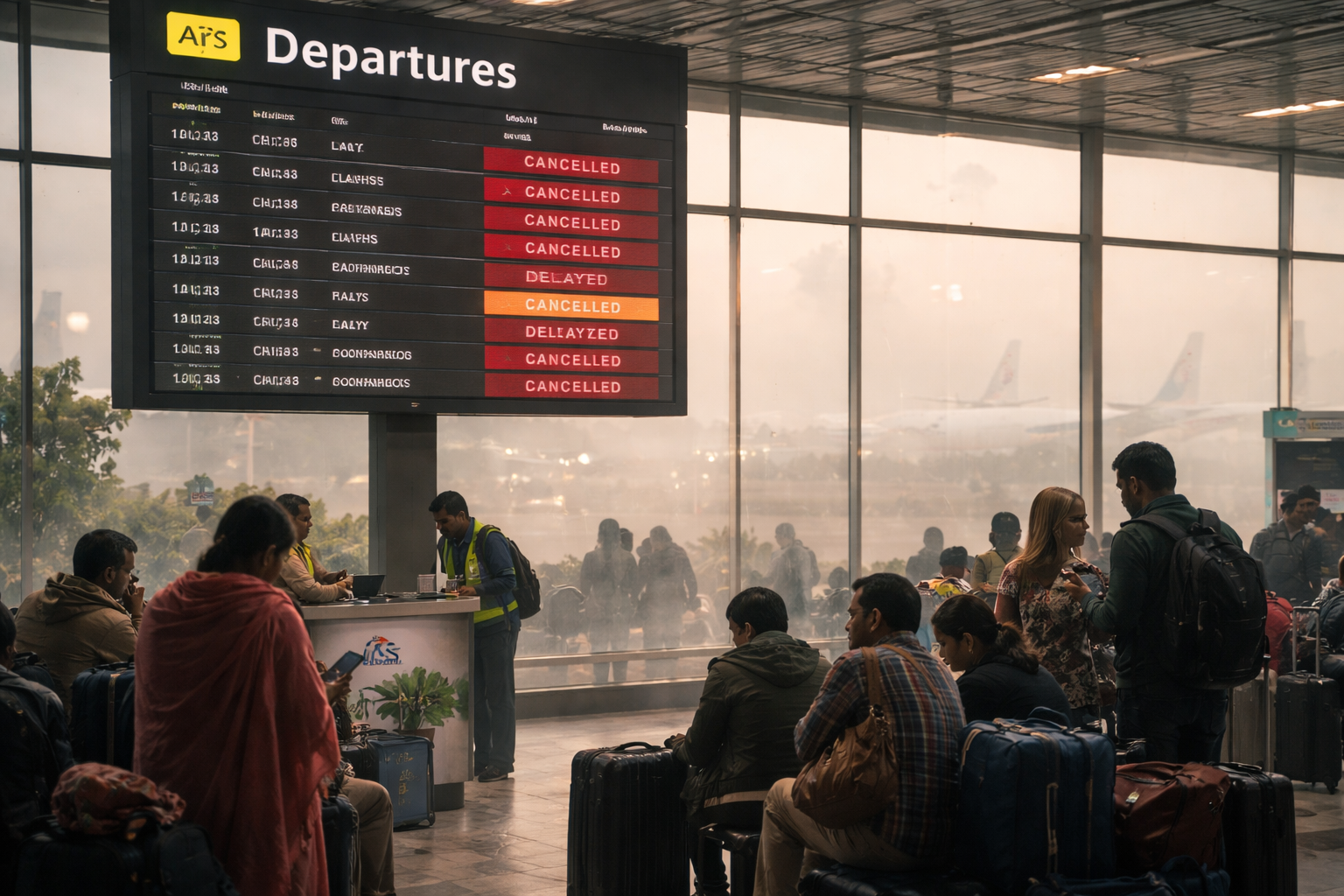
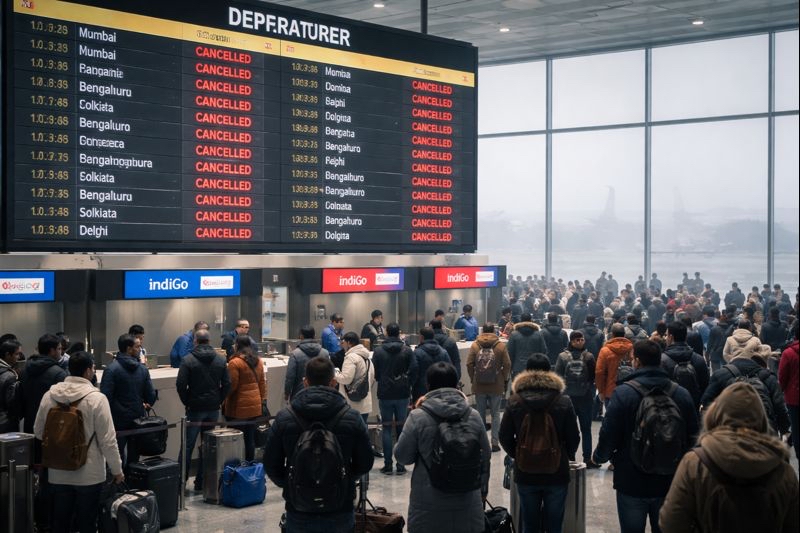
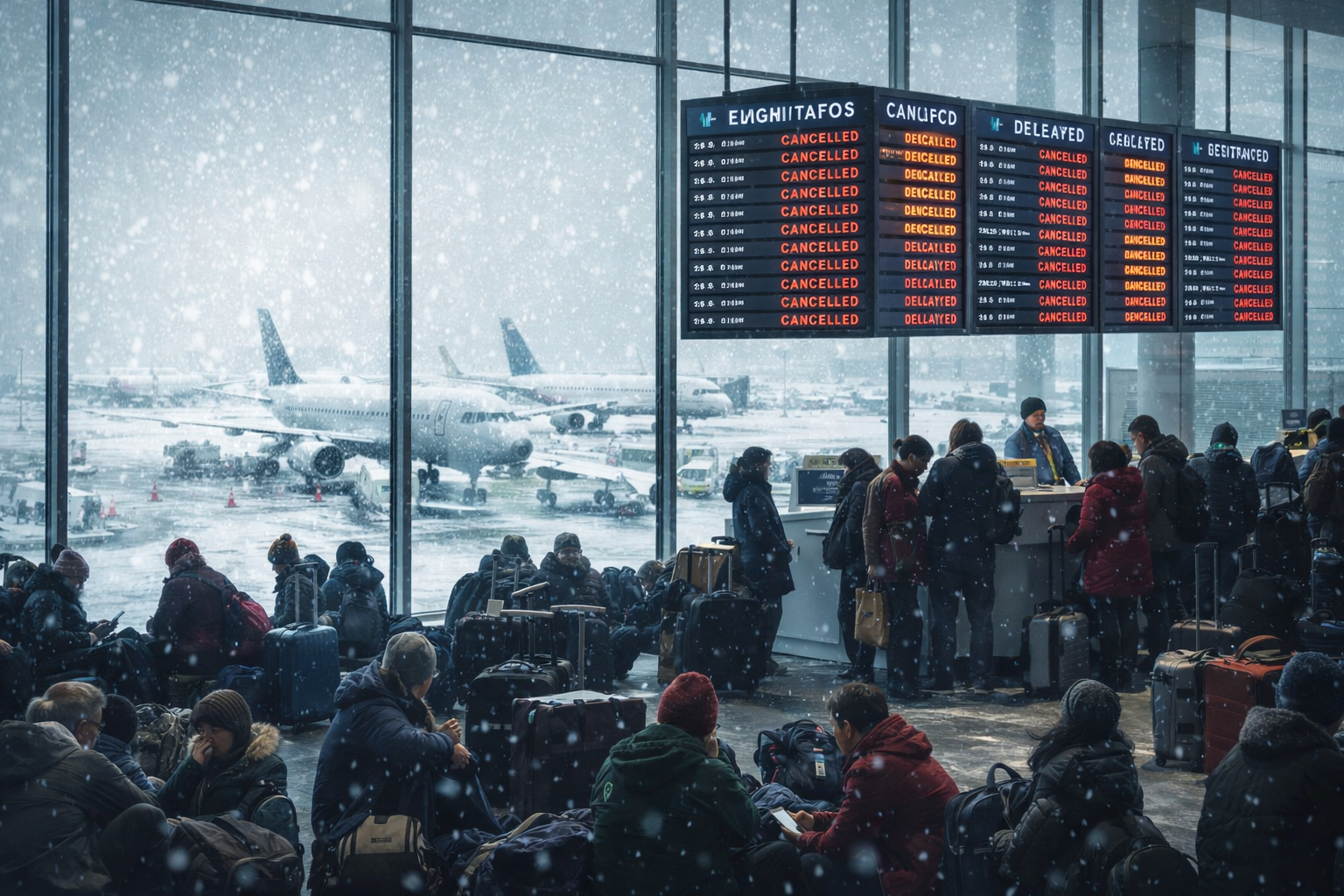
The committee was formed earlier this month after IndiGo faced severe operational challenges that led to widespread flight cancellations and delays across the country. Thousands of passengers were affected during this period, particularly in the first week of December, when the airline struggled to maintain its published schedule. Airports witnessed long queues, confused travellers, and repeated last-minute changes that drew strong public and regulatory attention.
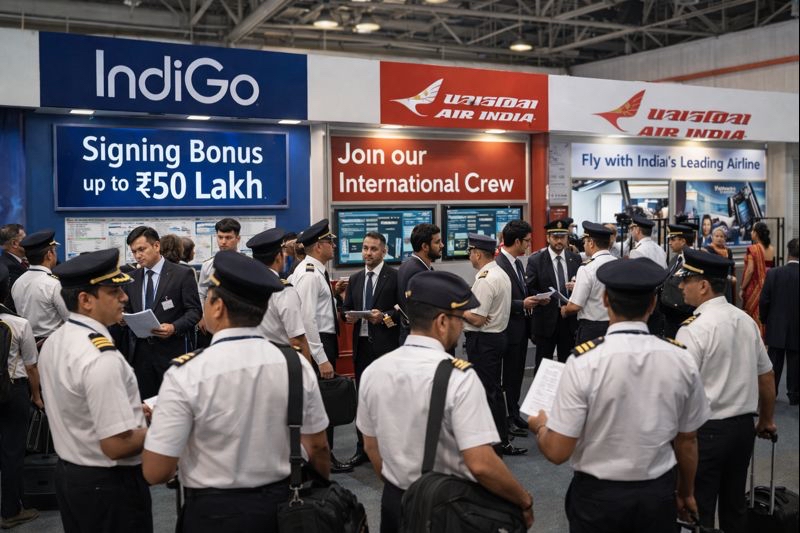
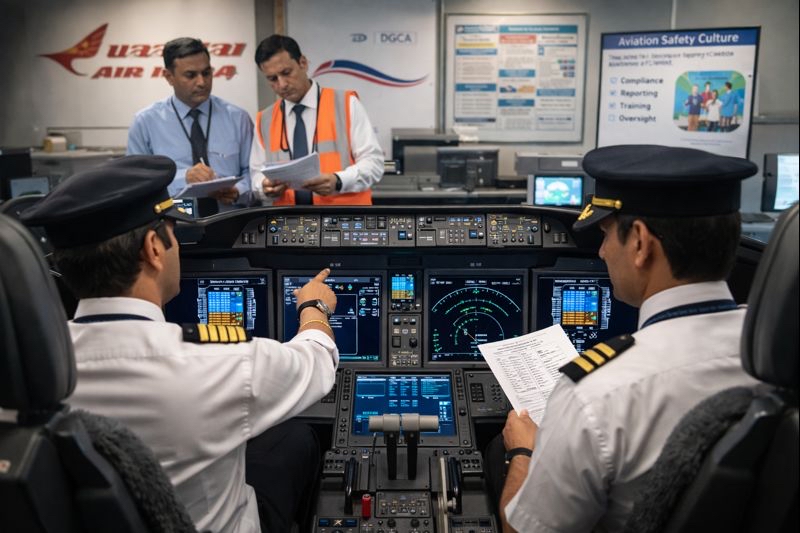
According to officials familiar with the matter, the disruptions were linked to a combination of factors, including crew shortages and difficulties in implementing revised flight duty and rest regulations. These new norms, designed to improve pilot welfare and flight safety, placed additional pressure on scheduling systems and crew availability, exposing weaknesses in planning and execution during peak travel periods.
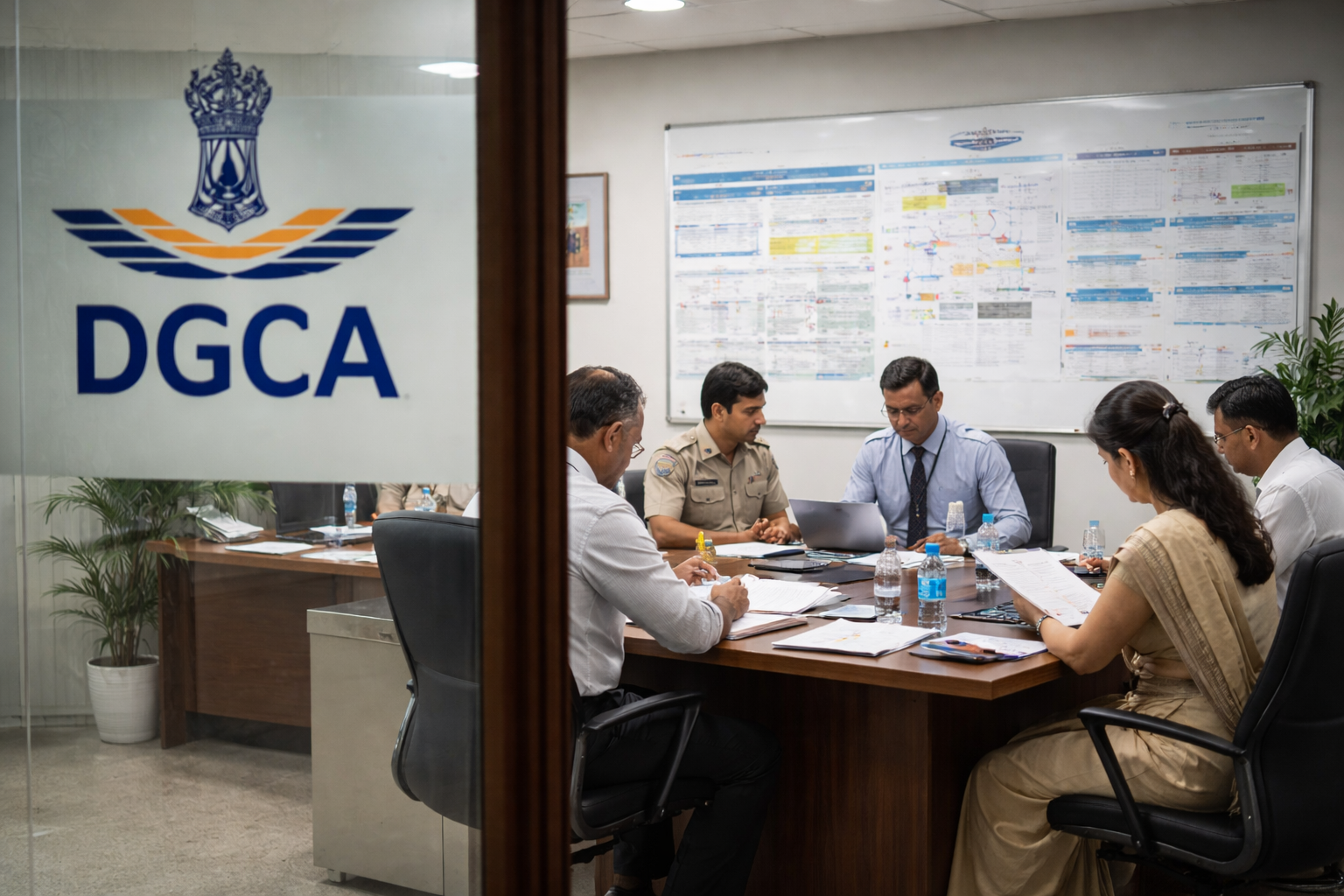
The investigative panel was led by a senior official of the DGCA and included experienced aviation inspectors and experts. Its mandate was to examine the root causes of the disruptions, assess whether regulatory requirements were adequately followed, and evaluate the airline’s internal systems for crew planning, rostering, and operational resilience. The panel reviewed detailed data submitted by the airline and held multiple discussions as part of the inquiry.
Copies of the confidential report have been shared with senior government officials, including the civil aviation minister and the aviation secretary. While no formal action has yet been announced, the findings are expected to guide decisions on possible corrective measures, enforcement actions, or policy refinements. Authorities are keen to ensure that similar disruptions do not recur, particularly as passenger volumes continue to grow.
IndiGo had earlier acknowledged that it faced challenges in accurately forecasting crew requirements under the revised duty norms. The airline stated that its internal assessments did not fully account for the operational impact of the new regulations, which contributed to the instability seen in early December. Since then, the carrier has said it is working to strengthen its planning processes and improve coordination across departments.
The episode has prompted broader discussions within the aviation sector about the pace and implementation of regulatory changes. Industry stakeholders argue that while safety-focused reforms are essential, airlines require adequate transition time and support to align systems and manpower with new rules. Regulators, on the other hand, have stressed that compliance cannot be compromised and that passenger interests must remain central.
Passenger groups have also voiced concerns following the disruptions, calling for greater transparency, stronger accountability, and improved communication during periods of operational stress. Many travellers affected by the cancellations reported financial losses and emotional distress, underscoring the real-world impact of large-scale schedule breakdowns.
As the aviation ministry reviews the confidential report, attention now turns to how its recommendations will be implemented. Whether through stricter oversight, revised scheduling requirements, or enhanced contingency planning, regulators are under pressure to ensure that airlines operating in India are better prepared to handle regulatory changes and seasonal challenges. The outcome of this review is likely to influence how airline operations are monitored and managed in the months ahead.