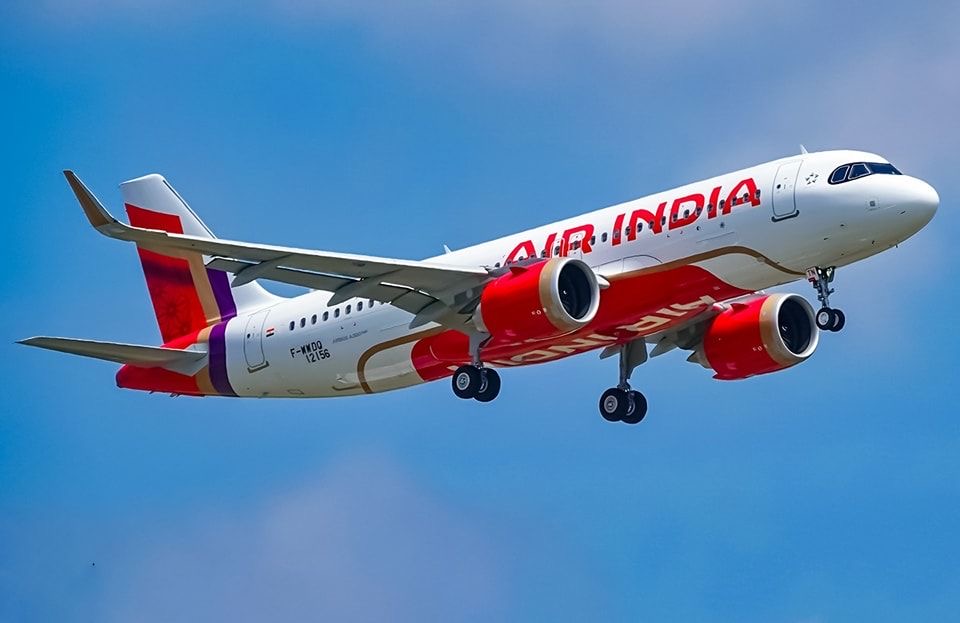

The Indian aviation community is bracing for the release of a much-anticipated final report into the tragic crash of Air India Flight AI171, with authorities indicating that the document is expected to be completed in 2026. The crash, which occurred in June of last year, resulted in the loss of hundreds of lives and sent shock waves through an industry already facing a challenging period marked by operational disruptions and safety concerns.
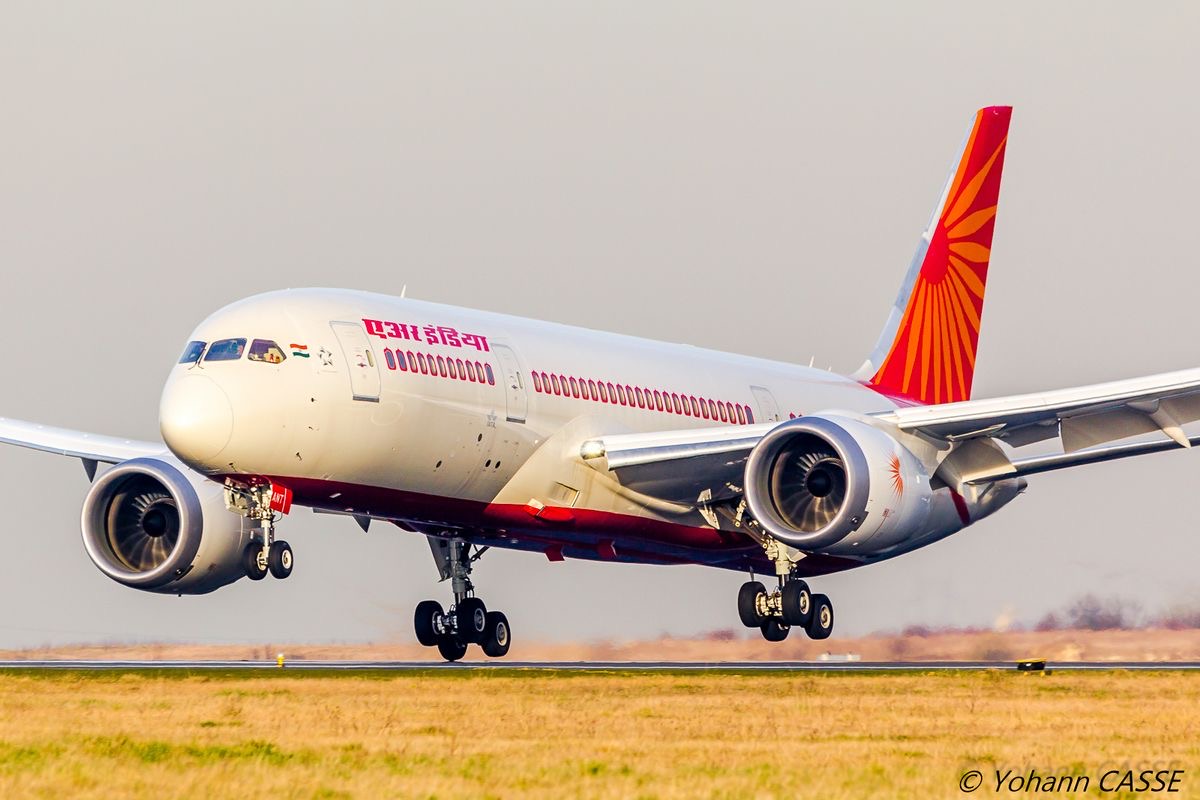
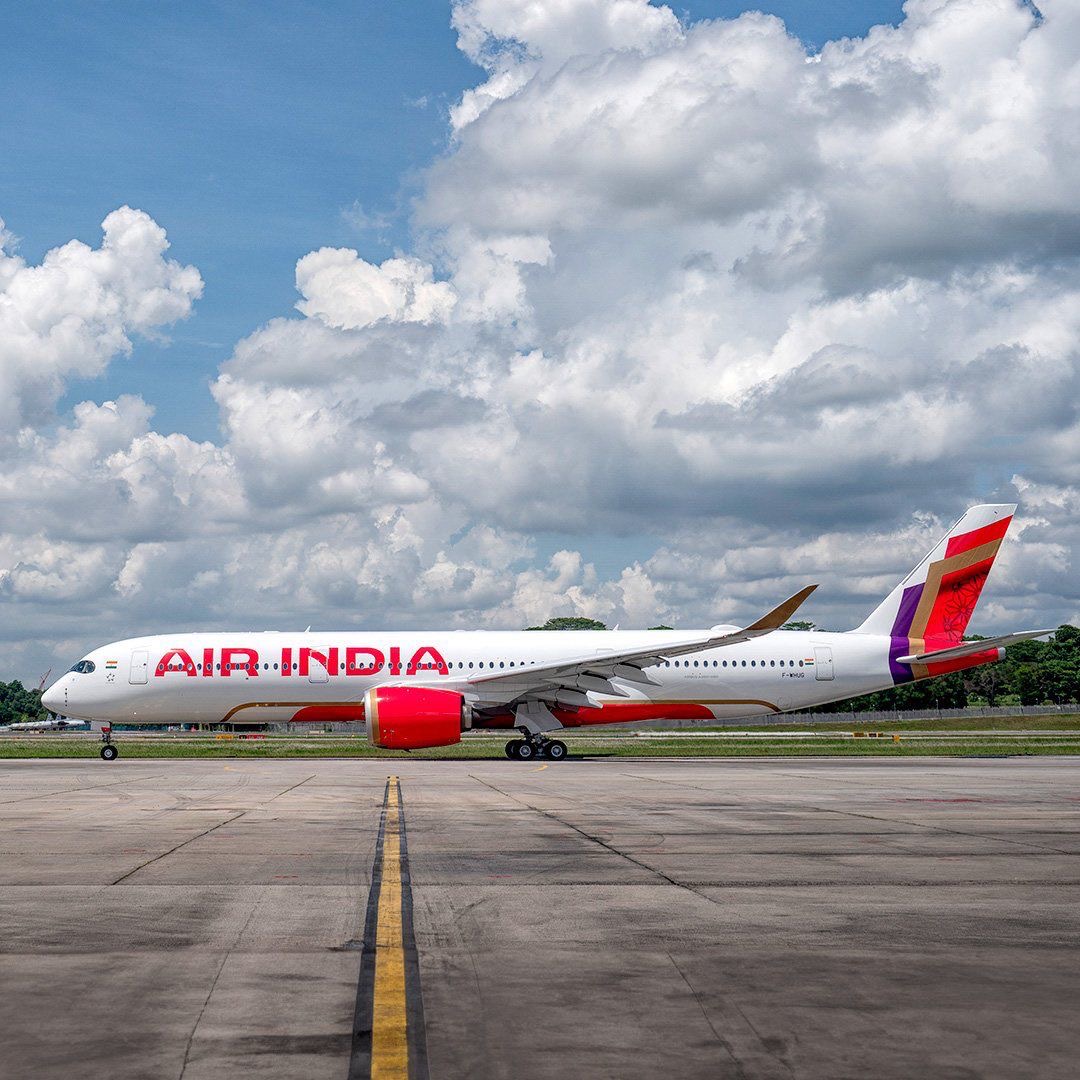
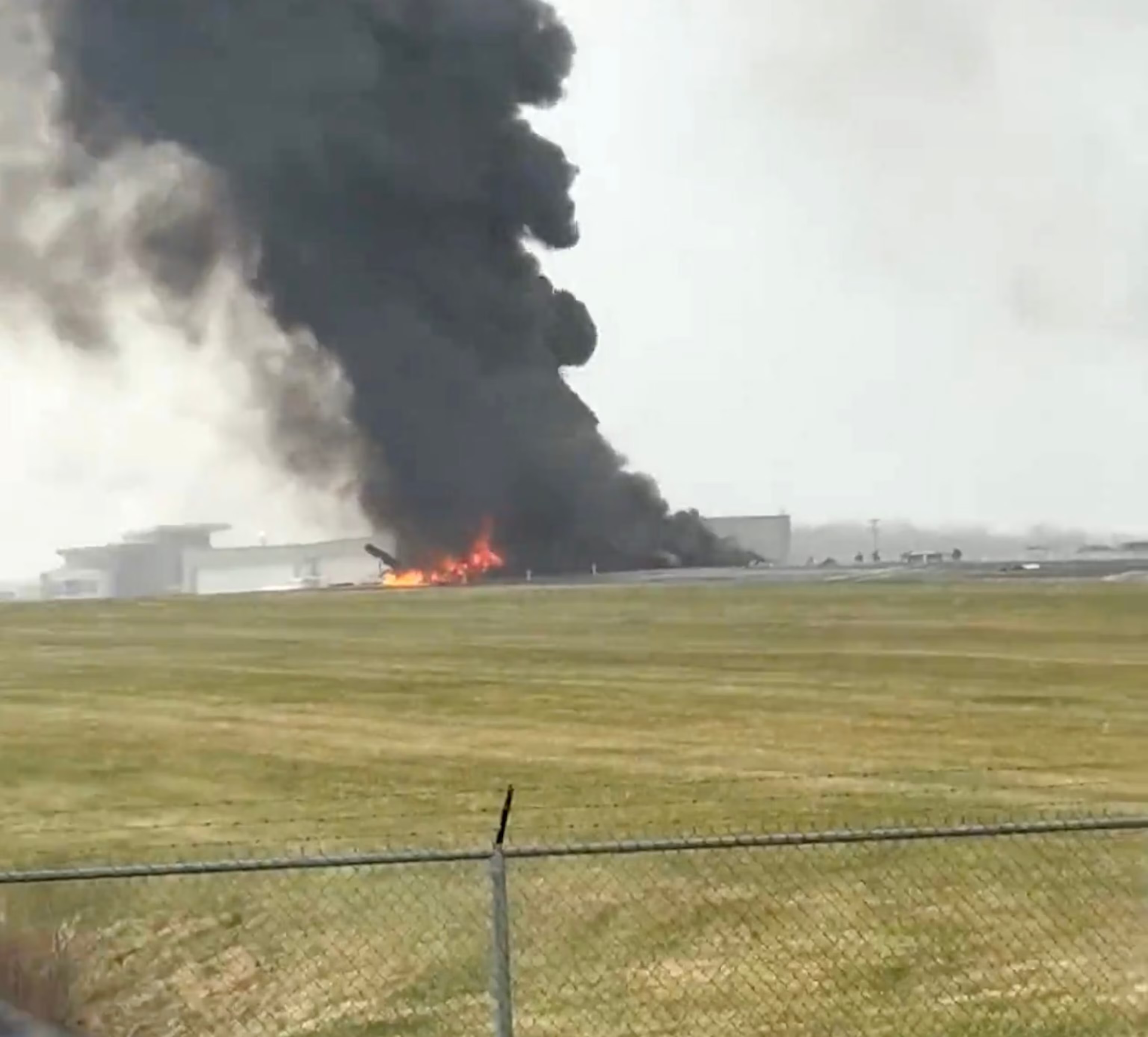
Flight AI171, a wide-body Boeing 787-8, went down shortly after taking off from Ahmedabad while bound for London, killing most of the passengers and crew on board along with a number of individuals on the ground. The initial preliminary findings released earlier offered some insights into possible causes, but many key questions have remained unanswered, leaving families of victims, aviation professionals, and regulators eagerly awaiting the comprehensive final investigation findings.
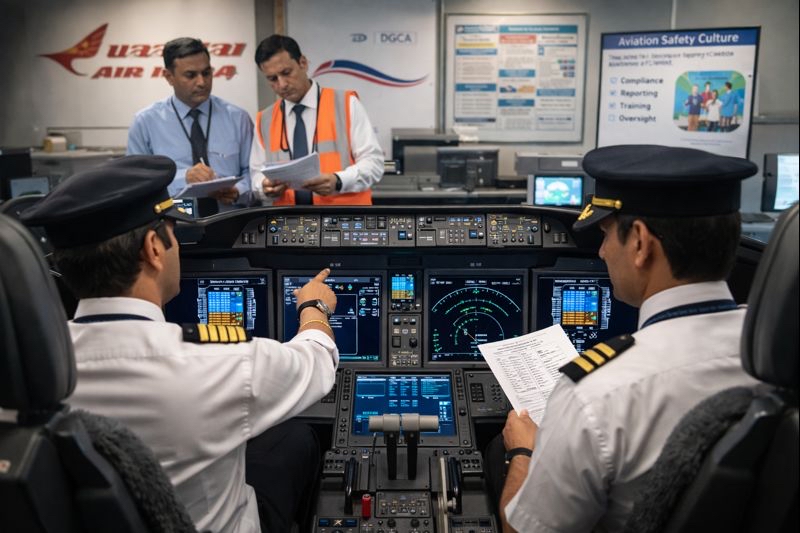
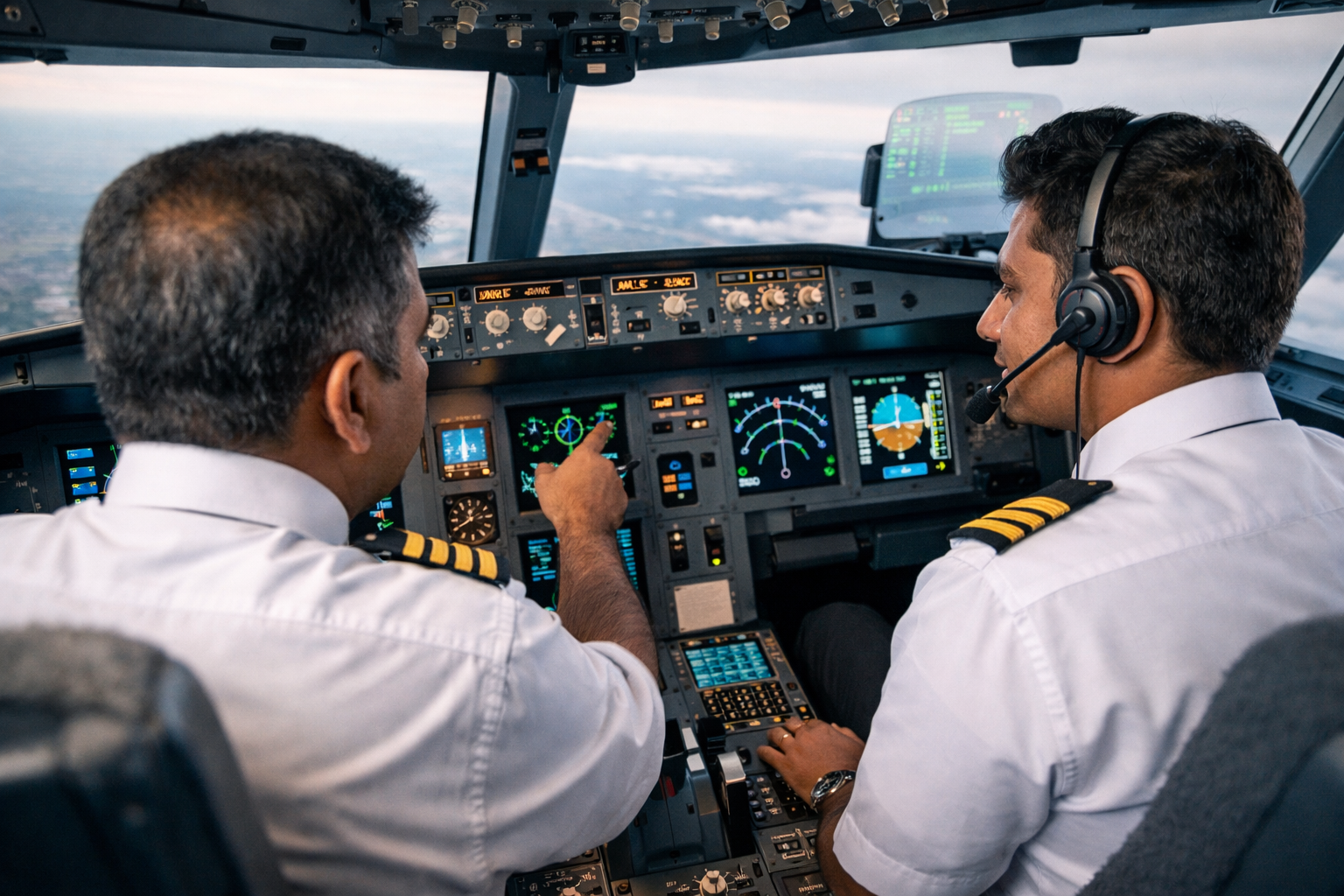
The final report is being prepared by the Aircraft Accident Investigation Bureau, which has been conducting a detailed probe into both technical and human factors that could have contributed to the accident. Investigators have been meticulously analysing flight data, cockpit recordings, maintenance records, and other evidence, seeking to provide a definitive account of what went wrong in the moments leading up to the disaster.
As the industry looks ahead to the report’s release, aviation experts suggest that its conclusions could have far-reaching implications for safety practices, pilot training, aircraft design, and regulatory oversight not only in India but potentially around the world. The preliminary report hinted at issues that may have involved unexpected system behaviour and cockpit confusion, and the full report is expected to clarify these aspects with greater detail.
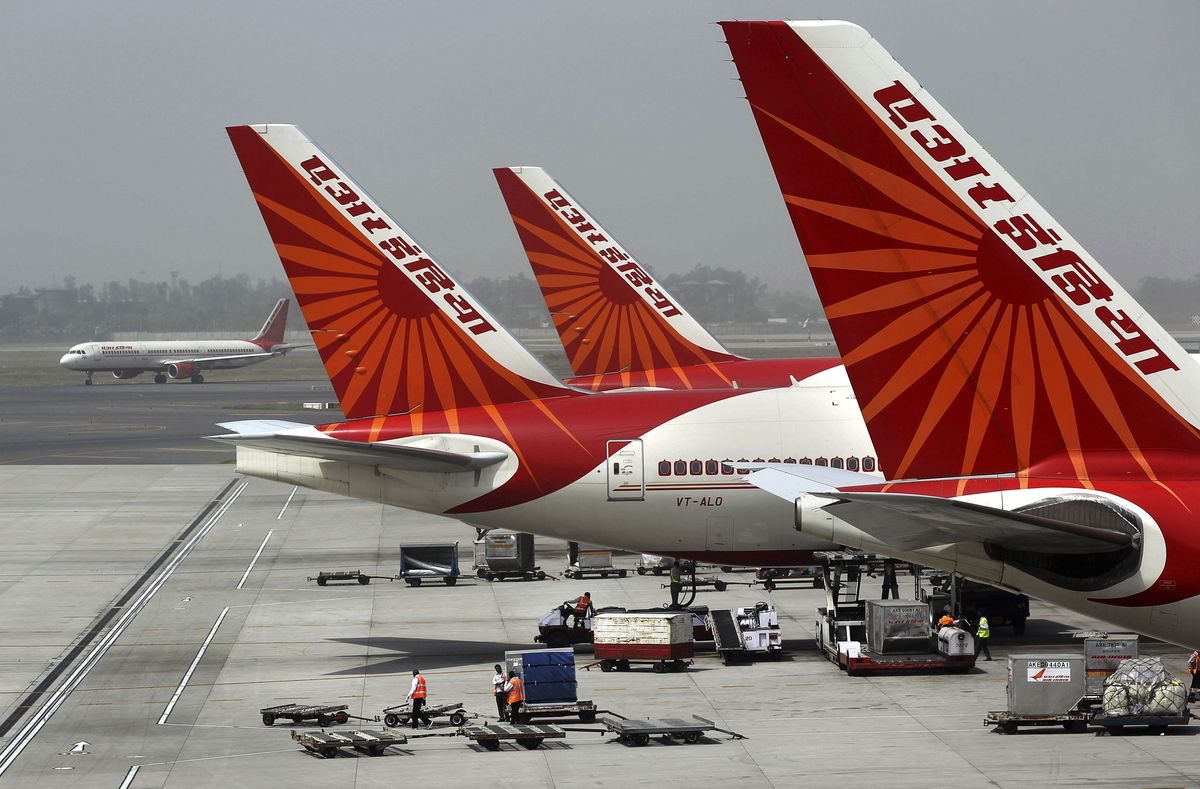
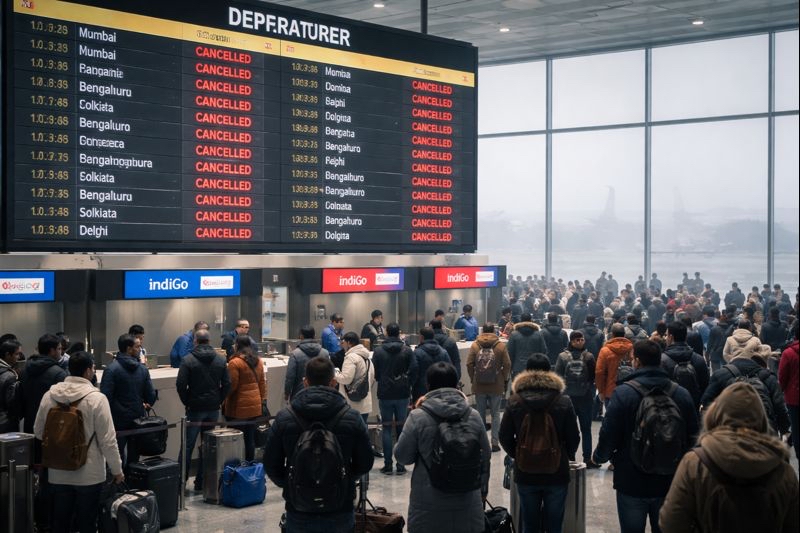
The crash occurred against the backdrop of a turbulent year for Indian aviation, during which operational challenges affected several carriers and led to widespread flight disruptions. Many industry stakeholders have noted that the dual impact of technical mishaps and systemic issues such as crew planning and fatigue awareness have together highlighted the need for robust and resilient aviation systems.
Airlines, regulators, and pilots’ associations have all expressed their commitment to learning from the tragedy as they await the final findings. For many professionals in the field, the release of the detailed report represents an opportunity to strengthen safety protocols and implement changes that might prevent a similar event from occurring again in the future.
Meanwhile, grieving families and advocacy groups continue to press for complete transparency in the investigation, hoping that the final report will provide closure as well as clear answers to lingering questions. The emotional and societal impact of the crash has been profound, with the loss affecting communities across the country.
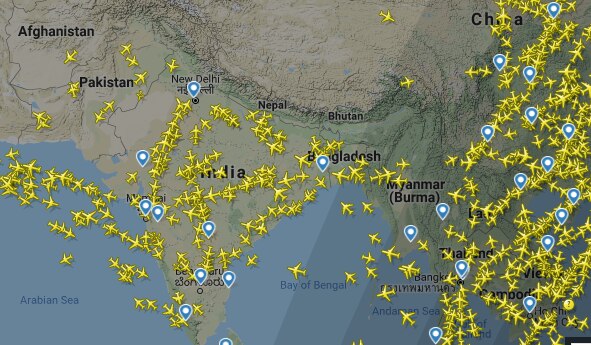
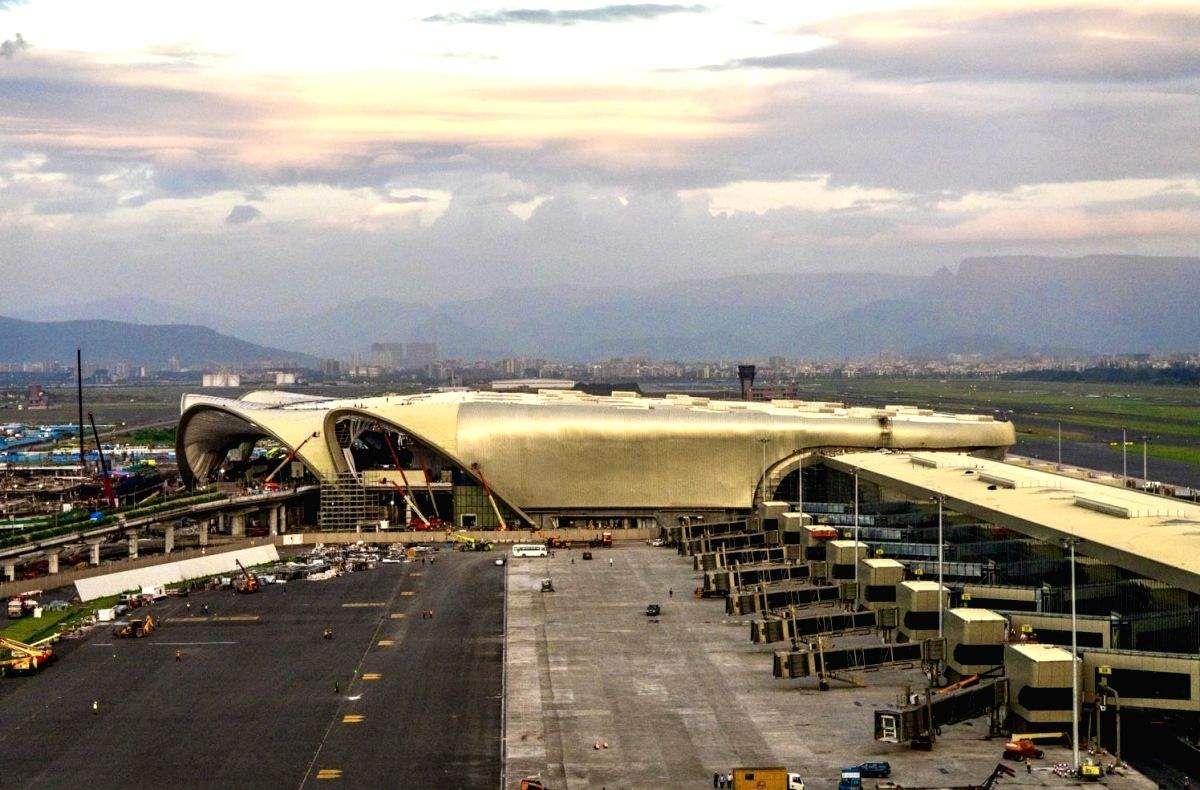
As 2026 unfolds, the aviation sector remains hopeful that the lessons learned from this incident will help usher in improvements in safety culture, emergency response protocols, and aircraft operation standards. With new airports opening and the industry aiming for growth and recovery, the comprehensive crash report is seen as an essential step in charting a safer path forward for Indian aviation.