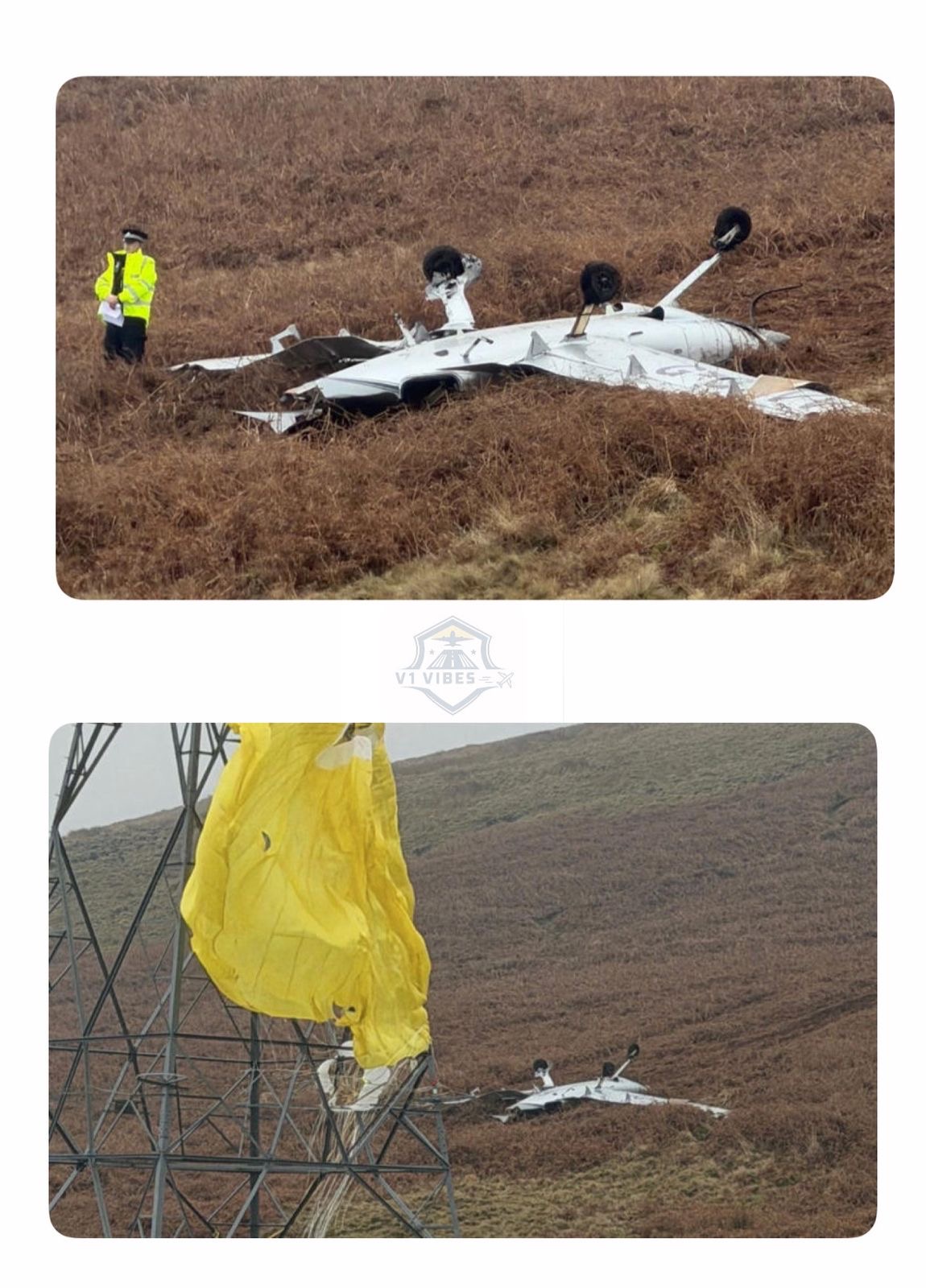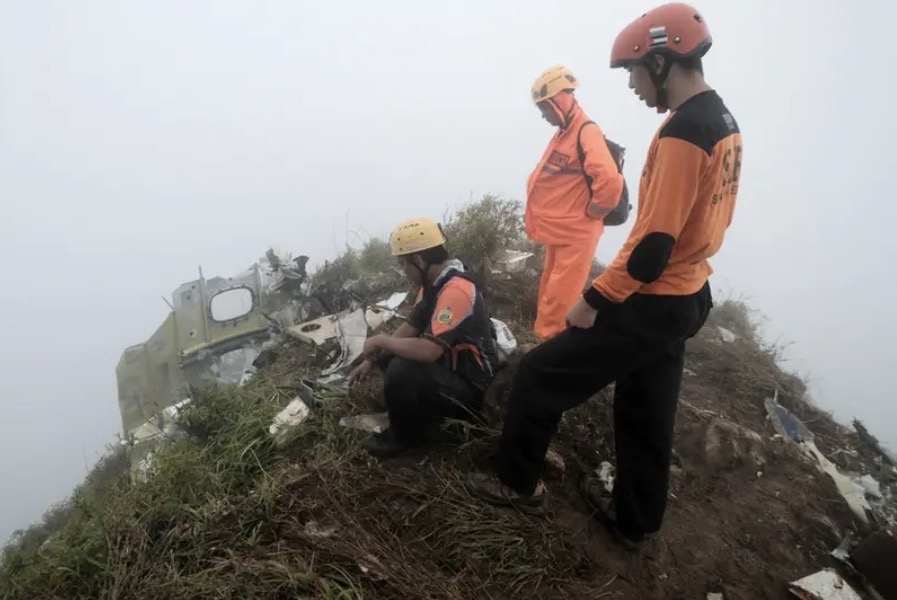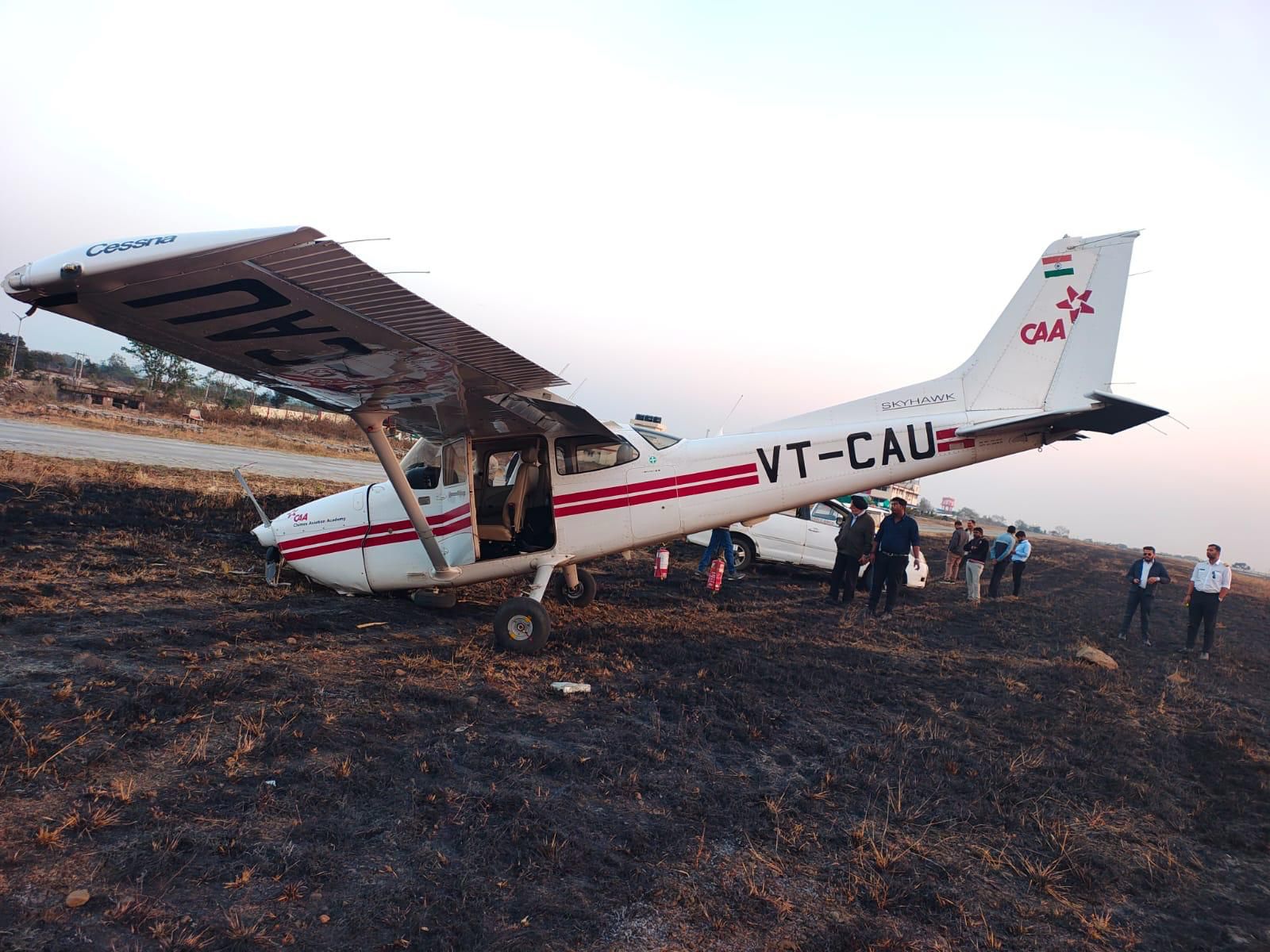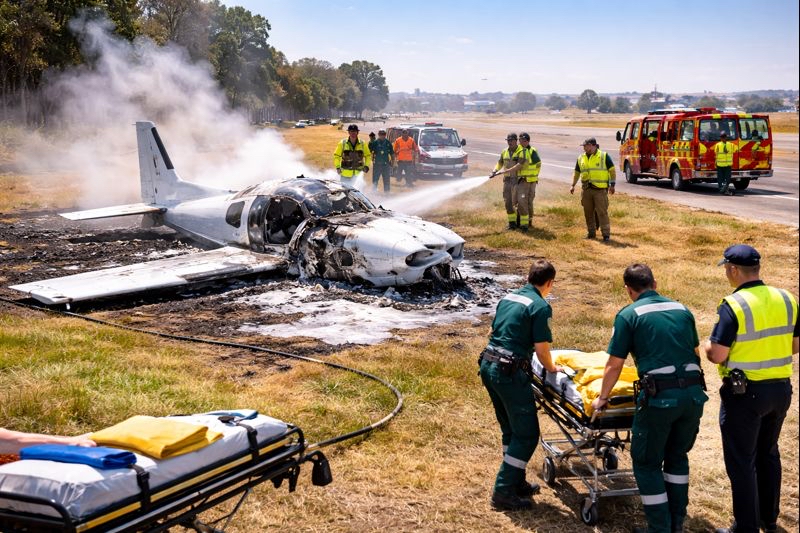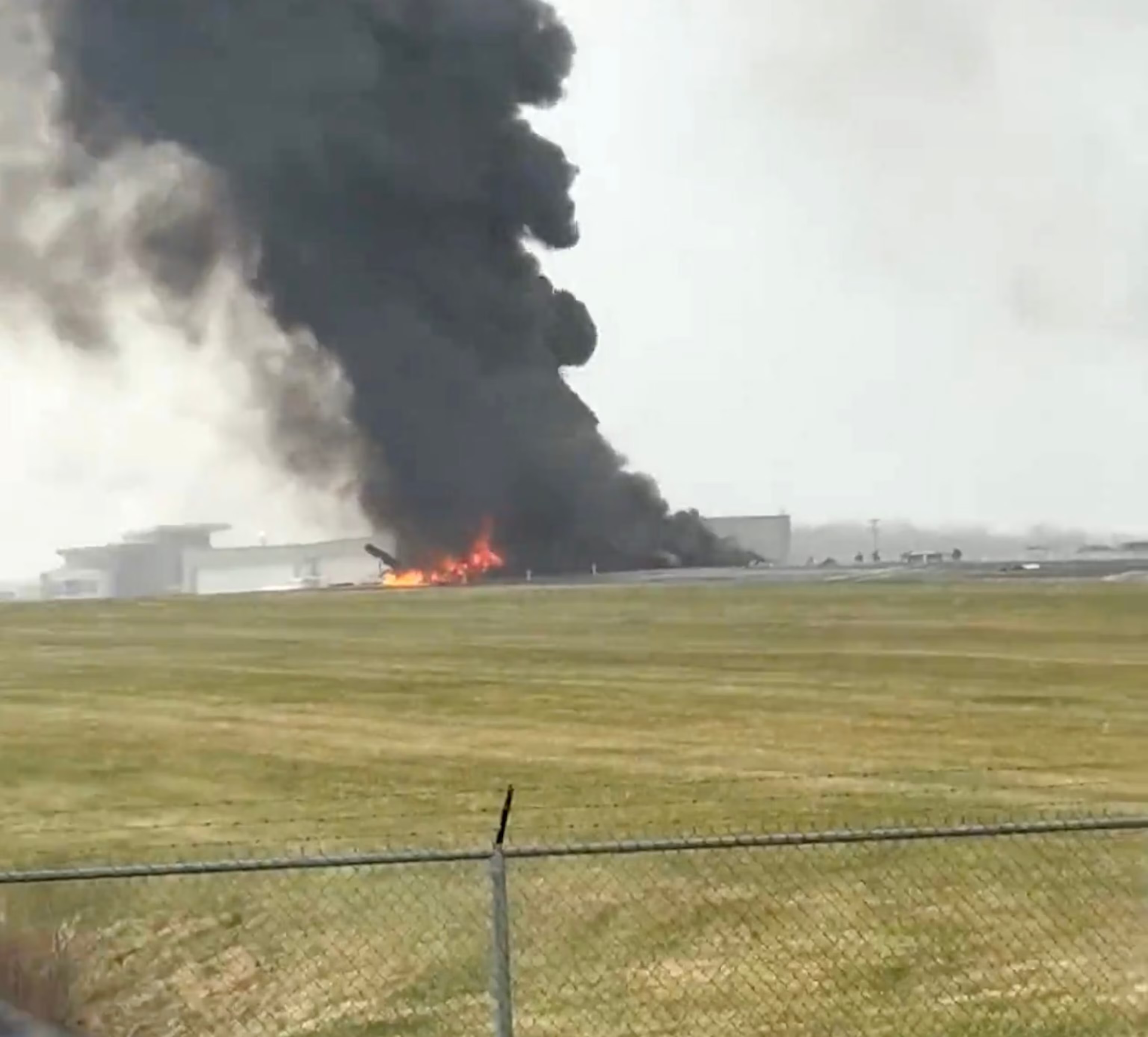

Redbird Airways has responded to the recent plane crash near Ranchi in Jharkhand by stating that preliminary assessments show no defects with the aircraft itself, even as aviation authorities press ahead with a detailed investigation into what caused the fatal accident. The aircraft, operated on a charter flight by the flying school, came down shortly after departing Ranchi Airport. While the tragic event claimed lives and triggered emergency response efforts, the operator maintains that there was no inherent malfunction in the airframe or systems prior to impact.
In its statement, Redbird Airways emphasised that the aircraft involved had been maintained in accordance with regulatory requirements and that routine inspections and airworthiness checks were up to date. The operator said it is cooperating fully with investigators, including providing access to maintenance logs, technical records, crew training documentation and any available flight data that might shed light on the chain of events.
Preliminary remarks by the company come amid ongoing inquiries by the Directorate General of Civil Aviation and the Aircraft Accident Investigation Bureau, which are tasked with piecing together the full sequence that led to the crash near Bundu, a forested area several kilometres from the departure airport. While the focus on aircraft health is important, investigators are also examining operational, environmental and human-factor elements such as weather conditions, fuel planning, pilot decision making and real-time communications with air traffic control.
Early indications from Redbird Airways that no defects existed do not preclude other potential issues that might have arisen during the flight. Crash investigations typically look at a wide spectrum of contributing factors, even when initial checks show that key systems were functioning prior to departure. Engines, control surfaces, avionics systems, fuel systems and structural integrity will all be evaluated as part of a comprehensive review.
Authorities are gathering evidence from the crash site, including wreckage components, engine parts and any recoverable instrumentation. Although many small aircraft do not carry traditional flight recorders, data from GPS units, electronic devices and radar tracks may be analysed to understand flight path behaviour, altitude changes and any anomalies that occurred in the moments before impact.
Witness accounts from residents near the crash area, as well as communications logs from the departure airport, are also being examined to determine how the flight progressed and when conditions began to deteriorate. Investigators are careful to cross-reference multiple data sources to build a clear, evidence-based picture rather than relying on any single explanation.
Redbird Airways’ reassurance that the aircraft itself exhibited no known defects is welcomed by some aviation experts, who note that systematic maintenance is a key pillar of safe operations. However, they also caution that the absence of pre-existing faults does not eliminate other operational stresses that can lead to accidents, such as fuel mismanagement, unexpected weather changes, pilot workload issues or system failures that develop in flight.
The operator’s statement adds that it stands ready to support authorities throughout the investigation, including responding to technical queries, facilitating interviews with training staff and crew associated with the aircraft, and ensuring that documentation is accessible. This cooperative stance is typical in aviation incidents, where operators often act in concert with regulators and safety boards to expedite fact-finding.
Meanwhile, local officials and emergency responders continue recovery and site management operations near the crash location, coordinating logistics and safety protocols to support investigative teams working in challenging terrain. The priority for all involved remains to determine the precise cause of the crash and to derive any safety recommendations that might prevent similar occurrences in the future.
In the coming weeks, investigators are expected to release interim findings and preliminary reports as the inquiry progresses through evidence collection and analysis phases. Final conclusions, often published months after an accident, will provide a comprehensive understanding of both causal and contributing factors, and may inform training practices, regulatory guidance, aircraft usage policies or operating procedures.
For families of the victims and the aviation community at large, the focus now is on ensuring that the investigation is thorough, transparent and based on sound technical evaluation, while ongoing discussions around flight safety, training and operational discipline continue in parallel.