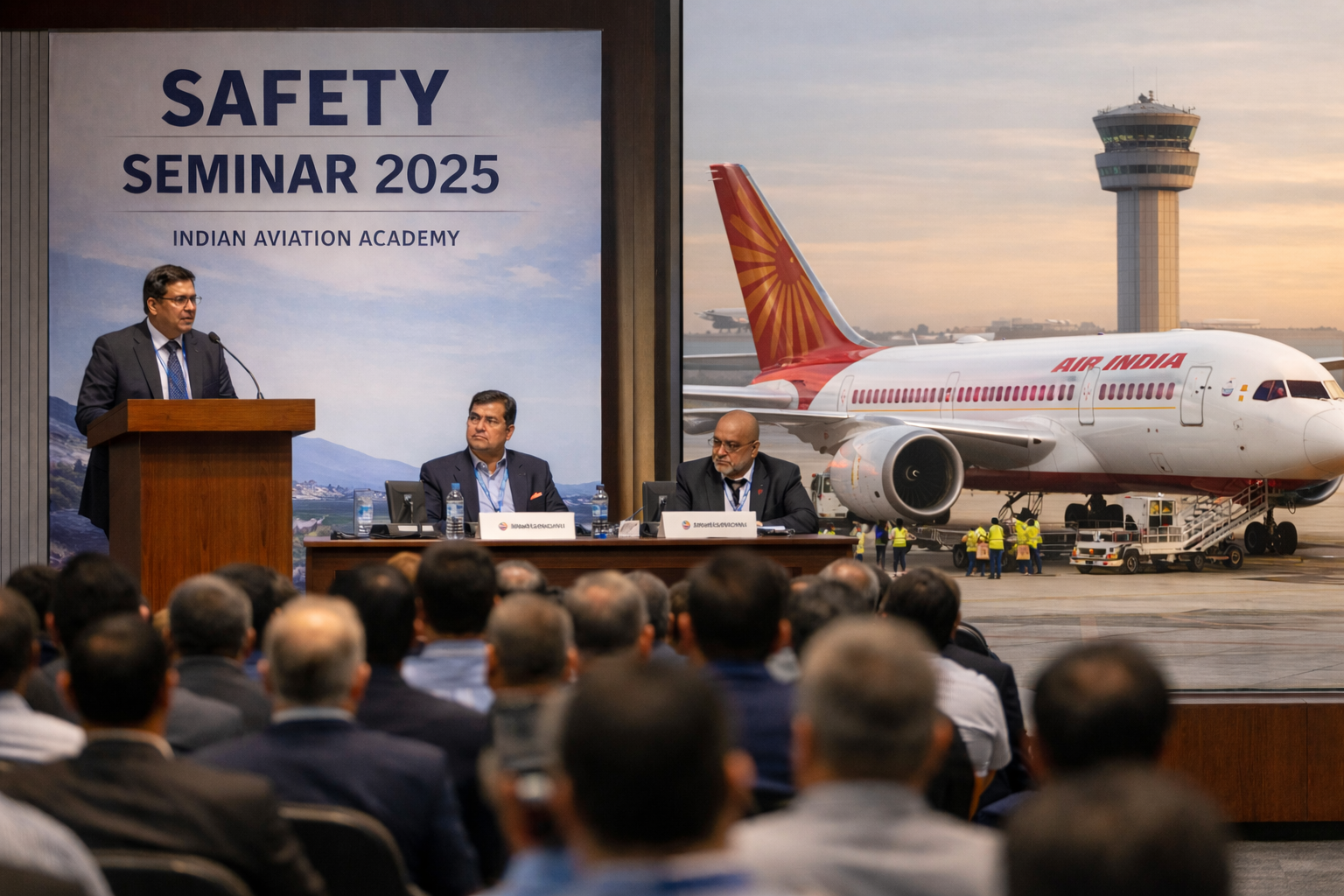

The leader of the International Air Transport Association (IATA) has warned that the global airline industry is falling behind in its transition to cleaner fuels and sustainable energy solutions, urging carriers, regulators and governments to accelerate efforts to reduce carbon emissions and meet climate commitments. Speaking at an aviation forum, the IATA chief emphasised that achieving the sector’s environmental targets will require stronger collaboration, faster adoption of sustainable aviation fuels (SAF) and clearer policy frameworks across major markets.
A core element of the call to action was a focus on sustainable aviation fuel, which is viewed by industry experts as one of the most effective near-term pathways to reduce greenhouse gas emissions from jet operations. Although SAF production has increased in recent years, supply remains limited and costs are higher than conventional jet fuel, creating barriers for widespread uptake. The IATA leader urged stakeholders to bridge the gap between demand and production by investing in new facilities, incentivising SAF adoption and harmonising international standards.
The warning comes amid global conversations on climate change and energy transition, where sectors such as automotive and energy production have made more visible progress in electrification and decarbonisation. Aviation, with its unique operational requirements and safety standards, faces distinct challenges, but industry representatives maintain that meaningful progress on clean fuels is essential to align air travel with broader sustainability goals.
In his remarks, the IATA chief noted that without a significant increase in SAF availability and implementation, the industry risks missing its medium- and long-term climate targets, including goals to achieve net zero carbon emissions by mid-century. He called for stronger incentives from governments such as tax breaks, mandates for SAF blending and streamlined certification processes to encourage investment and adoption by airlines of all sizes.
The speech also highlighted the need for international cooperation, as the aviation industry’s emissions are a global concern that crosses national boundaries. Coordination among countries on regulatory frameworks and financial support models could help scale up cleaner fuel production and create economies of scale that make SAF more cost effective for carriers.
Airlines themselves have begun pilot programmes and bilateral agreements with fuel producers, but the pace of adoption varies widely by region and carrier. Some airlines have pledged ambitious climate targets and initiated fleet renewal programmes that include more fuel-efficient aircraft, while others are still developing comprehensive strategies. The IATA chief urged all carriers to integrate clean fuel plans into their core growth strategies rather than treating sustainability as a peripheral initiative.
In addition to SAF, the transition discussion also includes long-term technologies such as hydrogen propulsion, electric aircraft and hybrid systems. While these innovations hold promise for future reductions in aviation emissions, they are not expected to be commercially viable at scale in the immediate future. As a result, SAF remains the most practical lever for near-term impact, alongside improvements in operations, flight planning and aircraft efficiency.
The IATA leader’s remarks underscore the urgency of aligning industry momentum with environmental imperatives. With passenger travel rebounding strongly from pandemic lows and air traffic expected to continue growing, the industry faces the dual challenge of supporting economic connectivity while also shrinking its environmental footprint.
Governments and international bodies are expected to consider these concerns as they negotiate climate agreements and aviation policies in the months ahead. Stakeholders will watch closely to see whether regulators can deliver predictable, long-term frameworks that give investors and airlines the confidence to scale up sustainable fuel projects and related infrastructure.
Airline executives have generally welcomed the emphasis on sustainability, but they also acknowledge the practical hurdles of cost, supply chain limitations and regulatory complexity. Bridging these gaps will require concerted action from industry associations, national governments, fuel producers and carriers working in parallel toward cleaner skies.