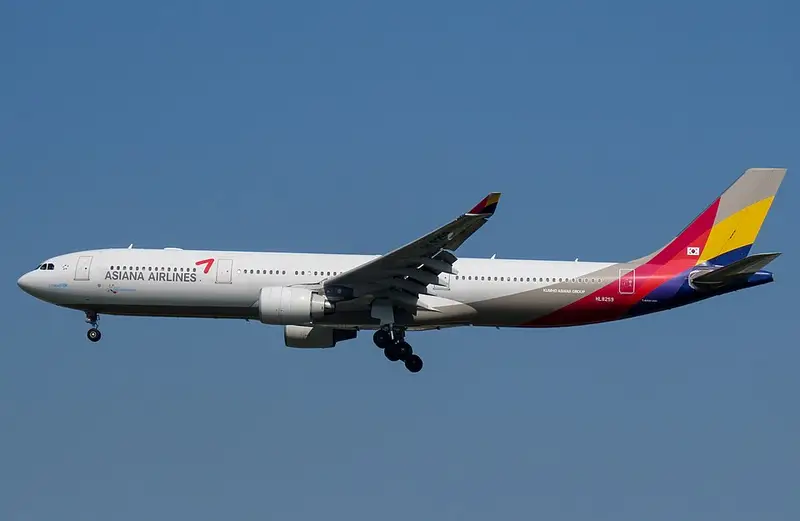
A mid-air inflight scare on an Asiana Airlines flight led to a passenger sustaining minor burns after a power bank ignited unexpectedly during the cruise portion of the journey. The incident occurred on a long-haul flight that was progressing normally when the device began emitting smoke and heat in a passenger’s carry-on bag, prompting a swift response from cabin crew and fellow travellers.
The passenger carrying the power bank reportedly felt a sudden warmth and noticed smoke emanating from their bag a short time into the flight. Cabin crew were alerted immediately and moved quickly to assess the situation. The crew instructed the passenger to isolate the device and used smoke hoods and protective gloves as they worked to bring the situation under control.
Other passengers in the nearby rows described hearing a faint “sizzling” sound before noticing the smoke. Although the sound did not resemble a loud bang or explosion, the visual cue was enough to raise concern among those seated close by. Several passengers said that cabin attendants reacted calmly and professionally, immediately reassuring travellers and moving quickly to contain any potential hazard.
In accordance with established safety protocols, flight attendants used fire containment bags designed for electronic devices to secure the smoking power bank and prevent further combustion. One of the passengers assisting reported that the device appeared to flare up quickly, but the crew’s preparations and presence of safety equipment helped keep the situation from escalating.
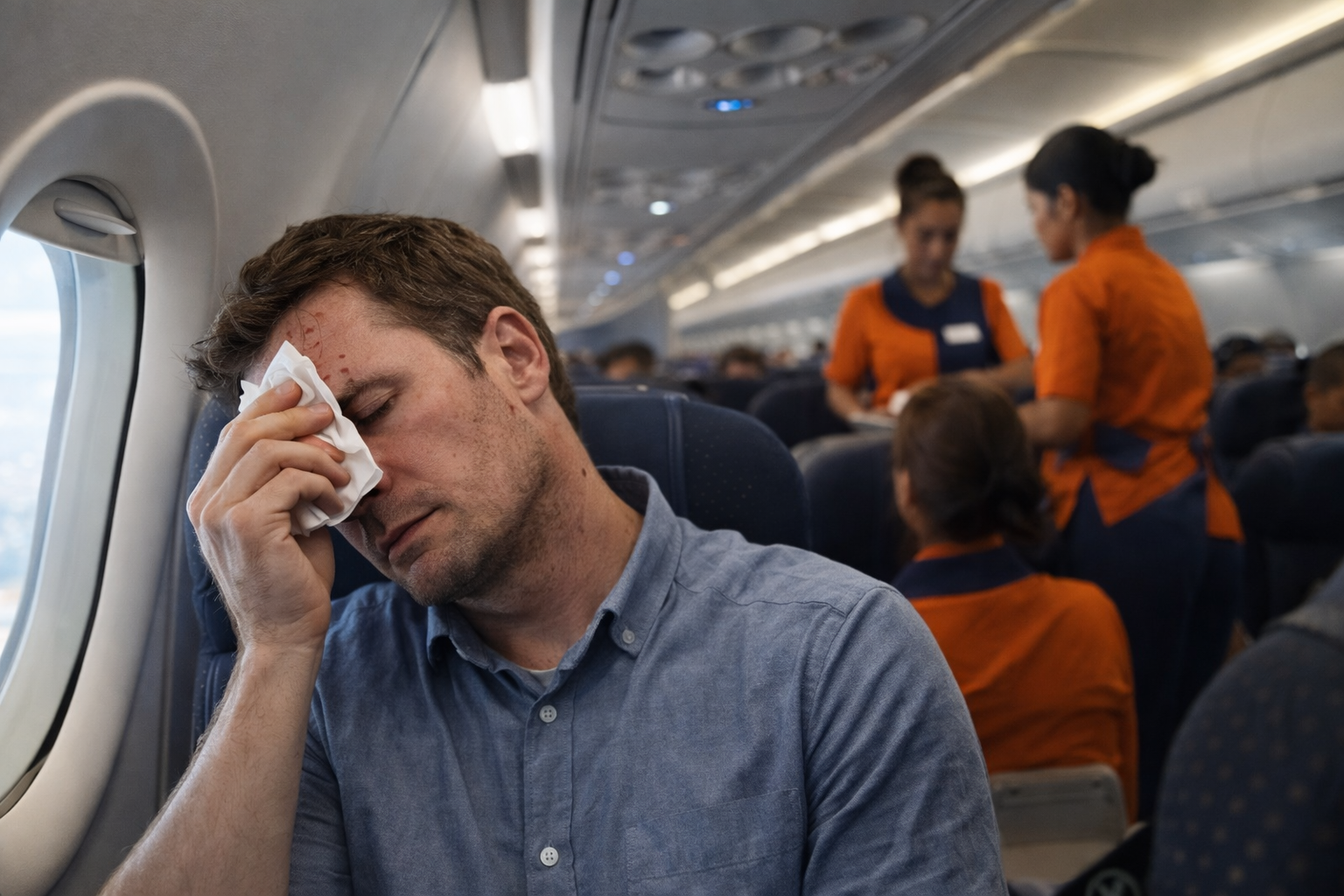
The passenger carrying the power bank suffered minor burns to one hand while attempting to reposition the device after noticing the smoke. Flight attendants provided first-aid treatment onboard for the burns, which were superficial, and the individual was later examined by medical staff after the aircraft landed. No other passengers were injured in the incident.
Once the inflight situation was under control, the pilot made the decision to continue toward the scheduled destination, as there was no ongoing threat to the aircraft or passengers. Communication from the cockpit to the cabin emphasised that the situation had been safely managed and thanked passengers for their cooperation and calm demeanour.
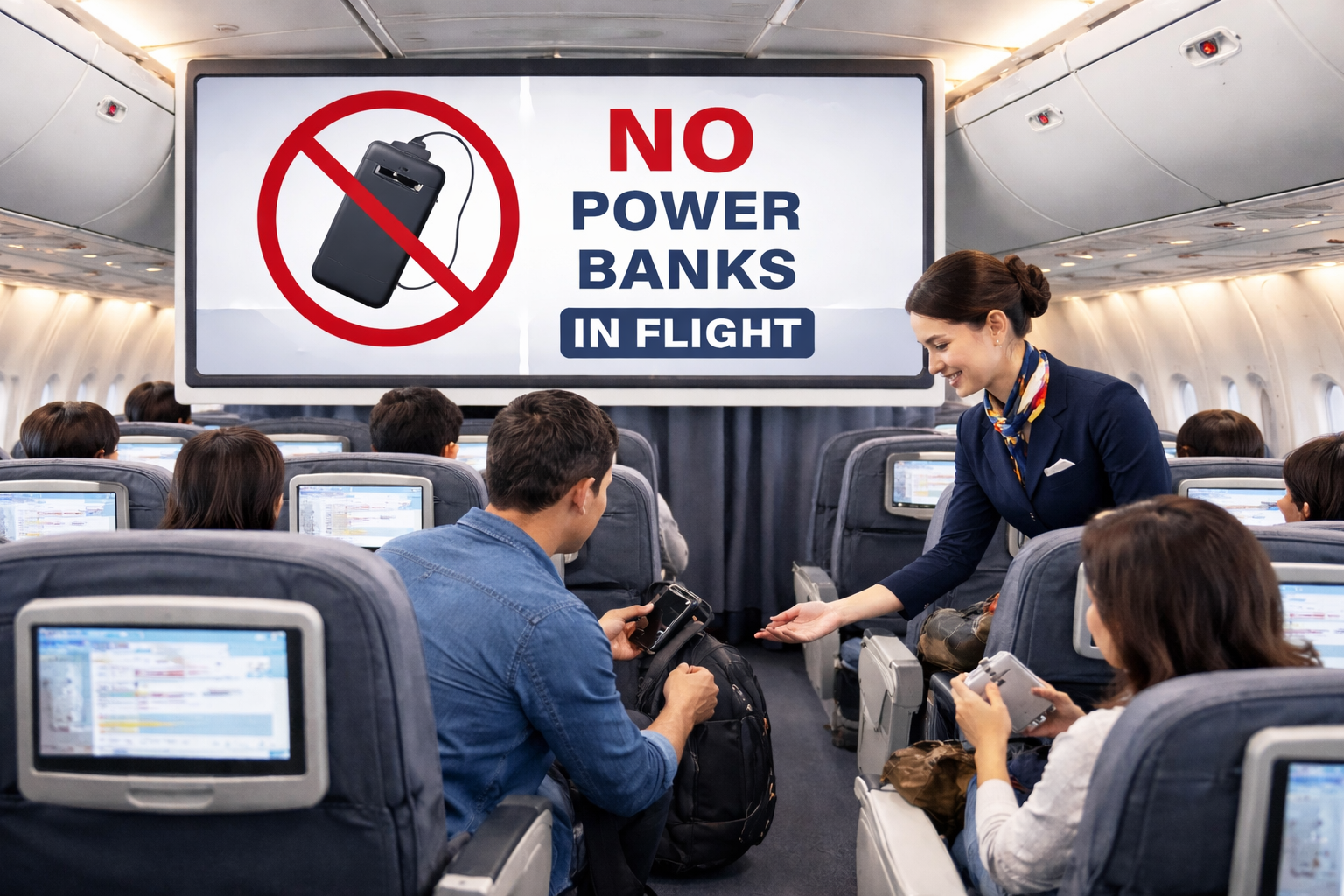
Aviation safety experts say that incidents involving lithium-ion batteries and power banks, while rare, are well recognised in the industry. These batteries can become unstable if damaged, improperly manufactured, or overheated, and are known to pose fire risks in confined areas such as aircraft cabins. Airlines and regulators have strict guidelines about carrying such devices, including recommendations to carry them in hand luggage and to keep them switched off during flights.
Following this incident, airline officials reiterated safety guidelines for passengers travelling with electronic devices and stressed the importance of following crew instructions whenever potential hazards arise. They also praised the crew’s handling of the situation, noting that their training and readiness helped prevent more serious consequences.
As the airline continues to review the circumstances of the ignition, authorities will examine the power bank itself, including its make, model, and condition prior to boarding. Investigators typically look at whether the device was damaged, improperly certified, or experiencing internal fault. The findings could help shape future guidance for travellers and contribute to broader discussions about managing lithium-ion battery risks in aviation.