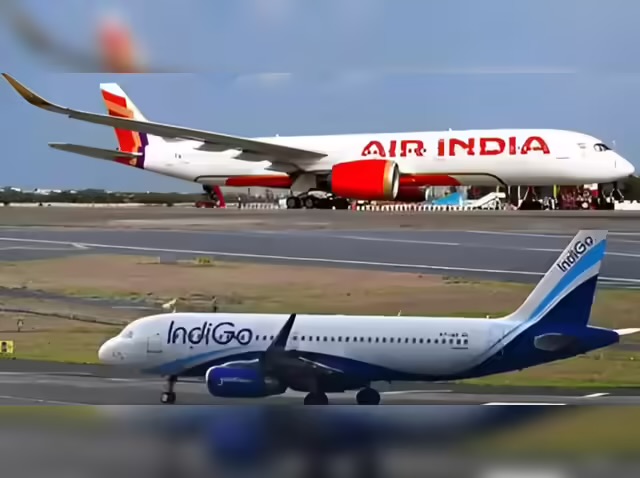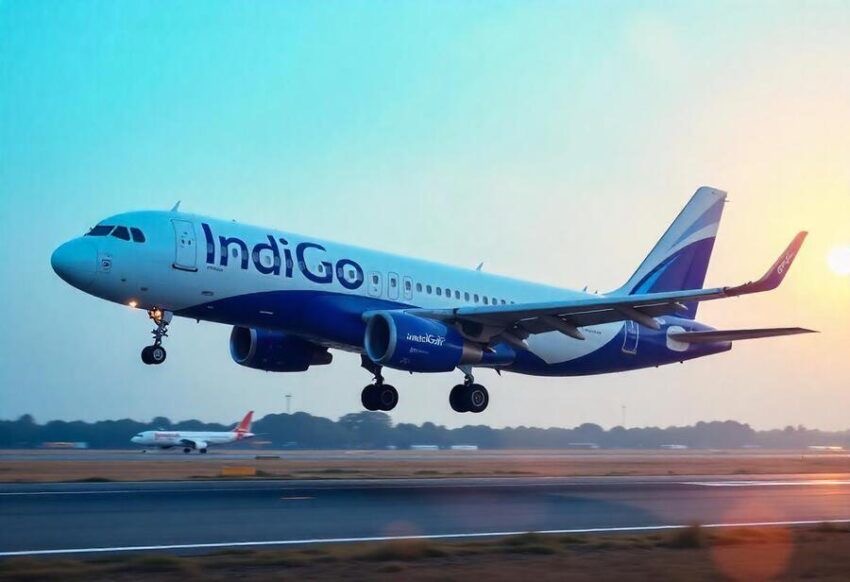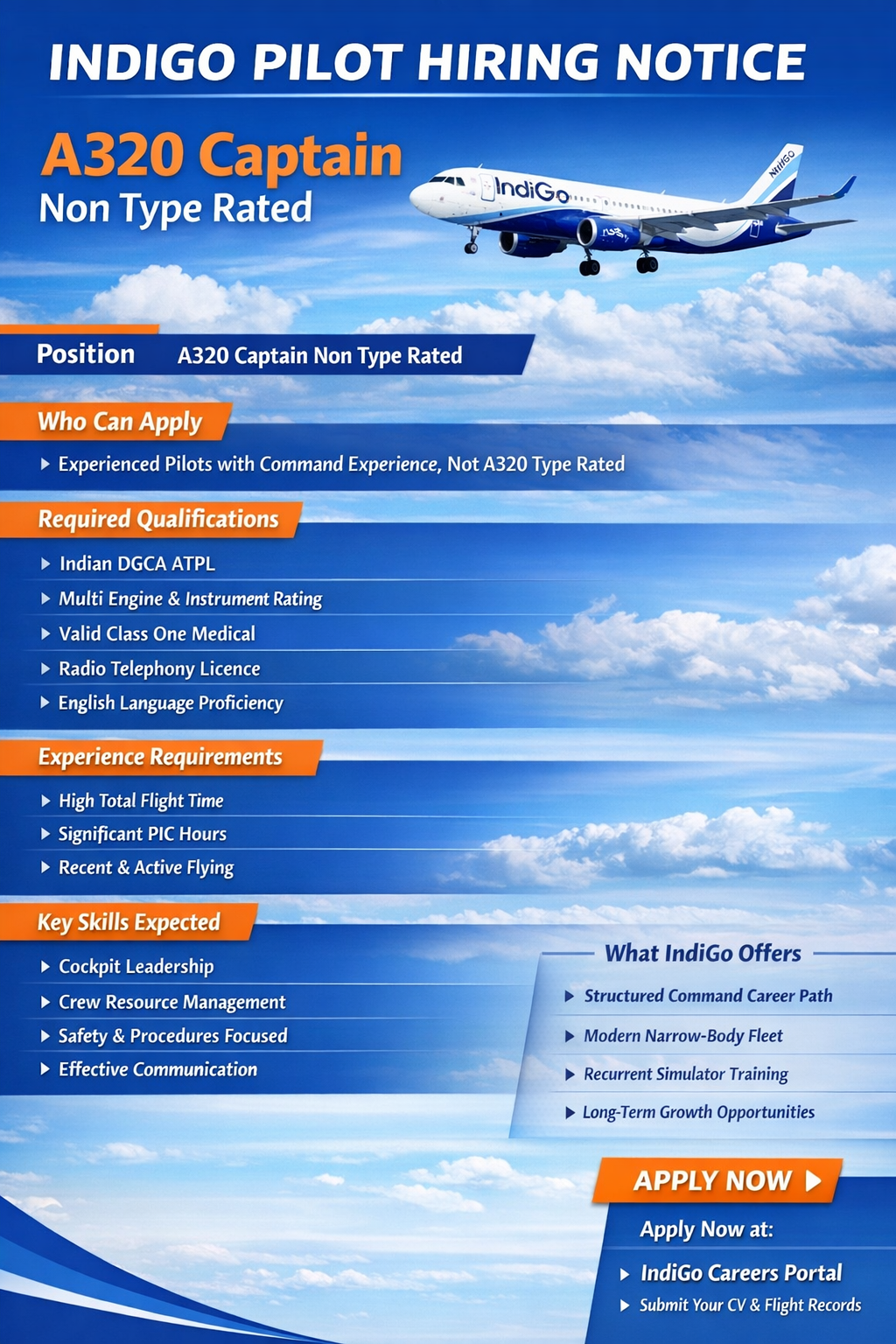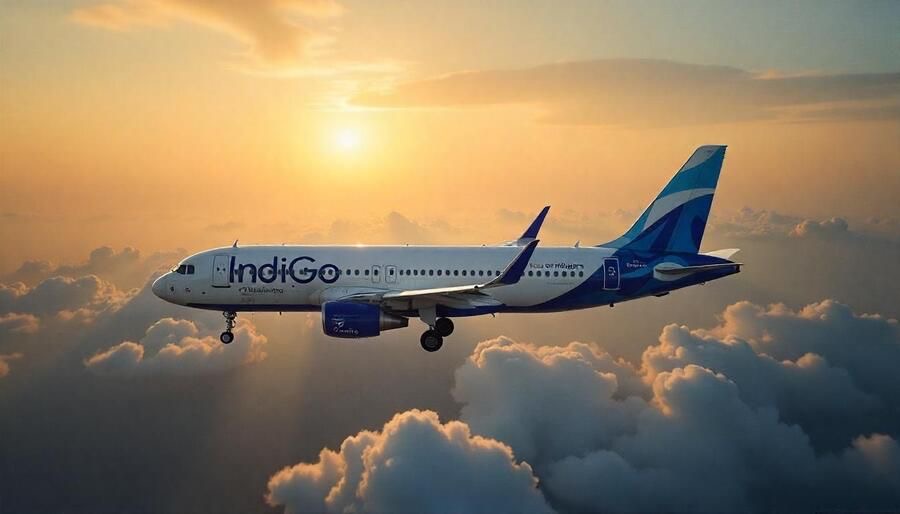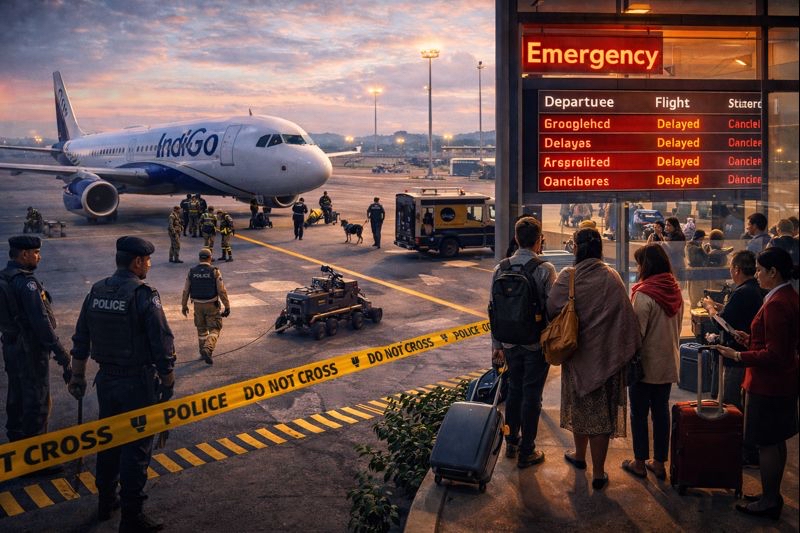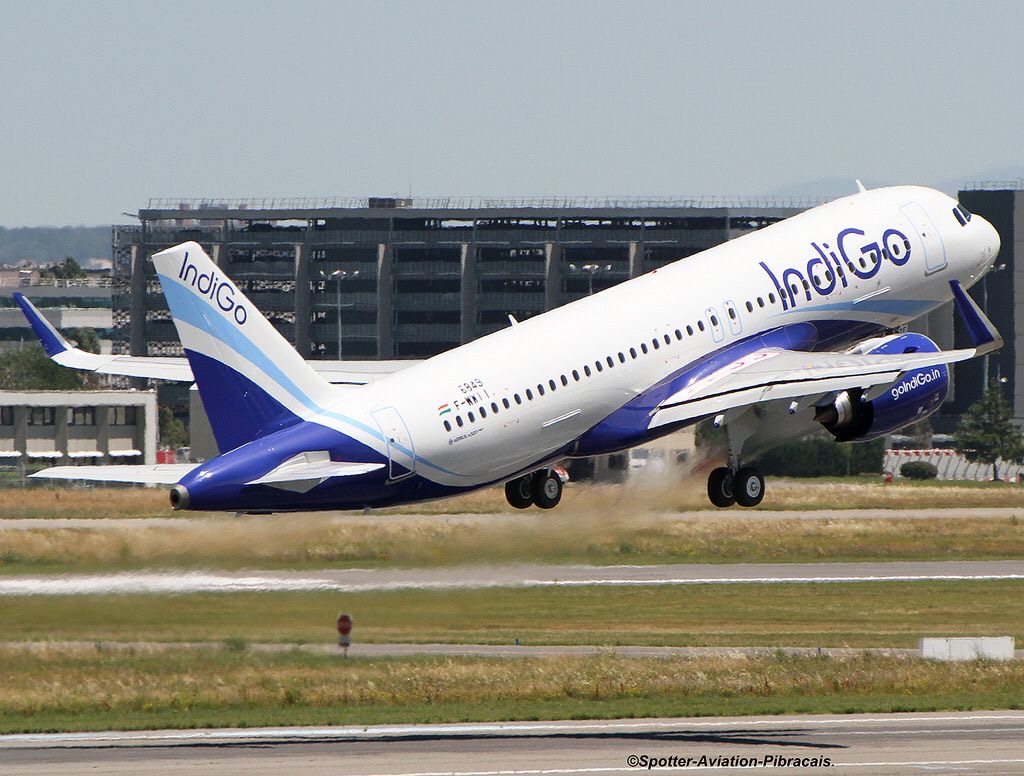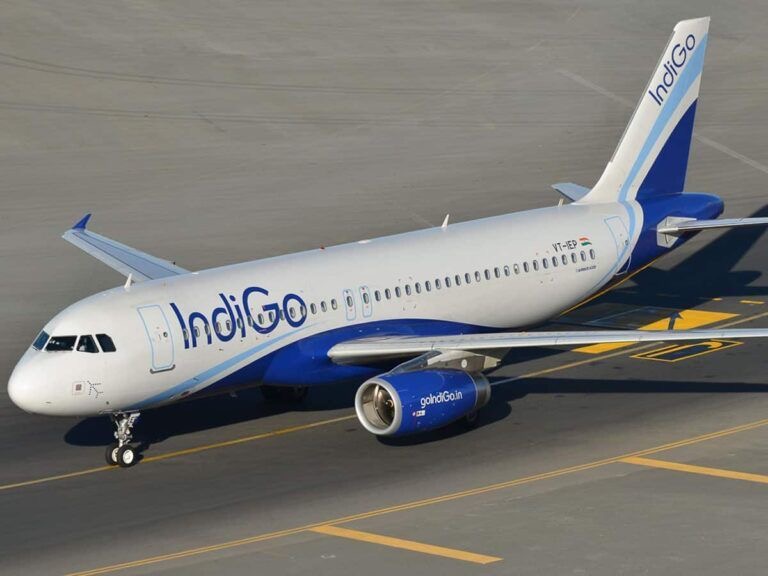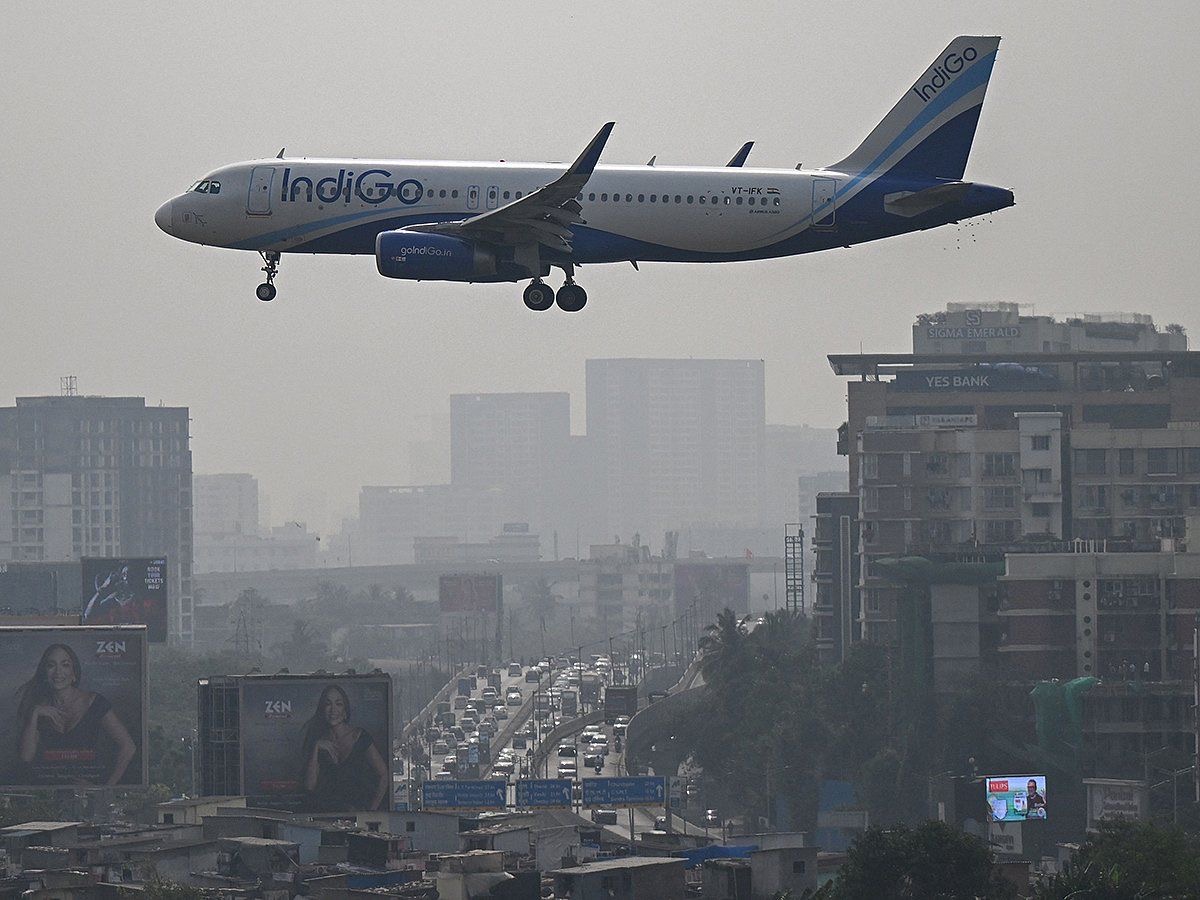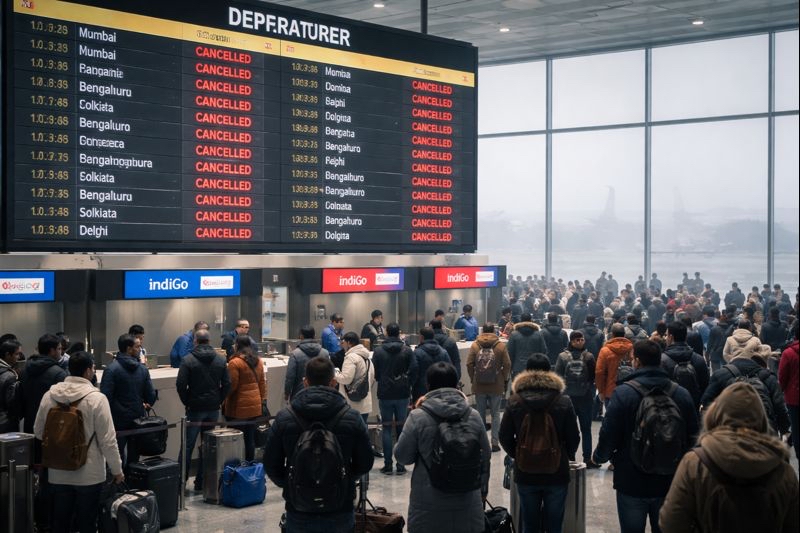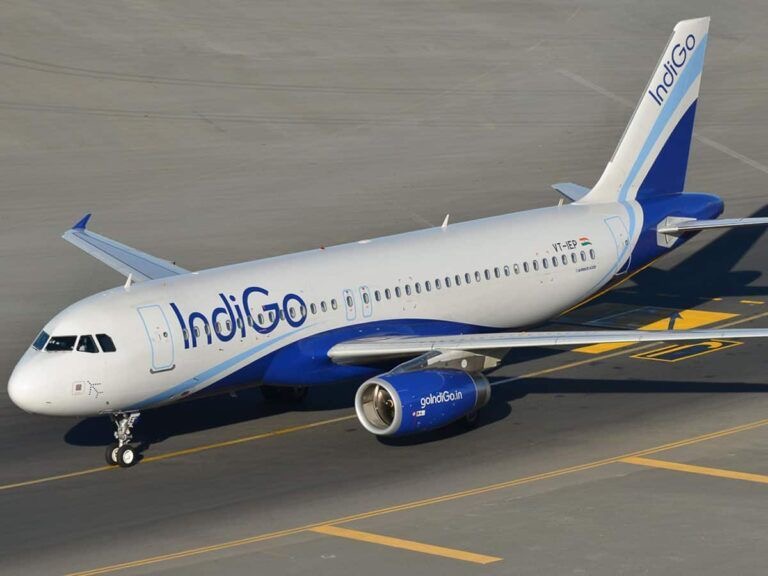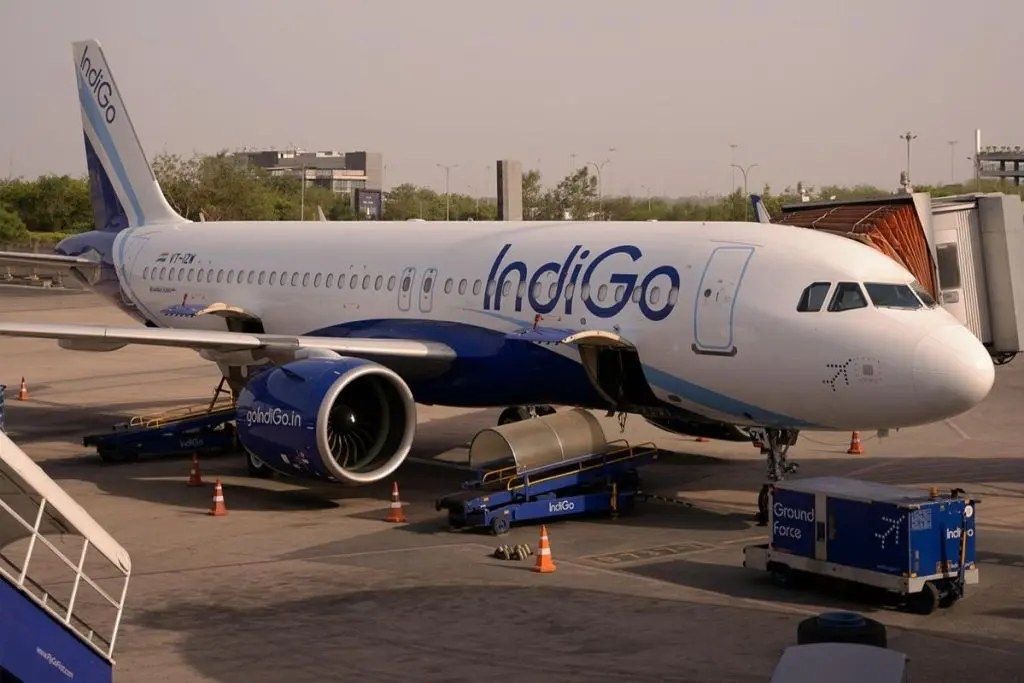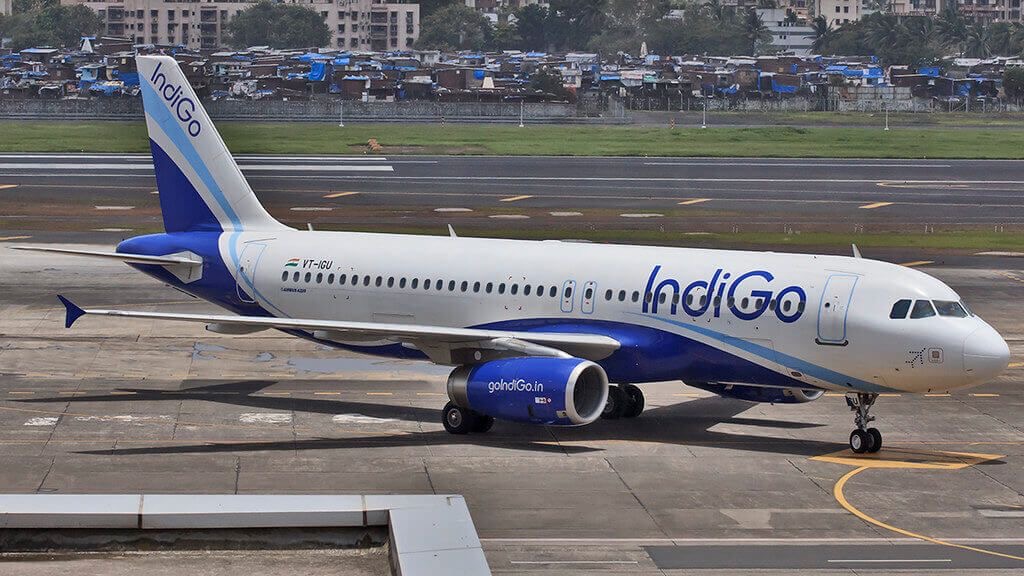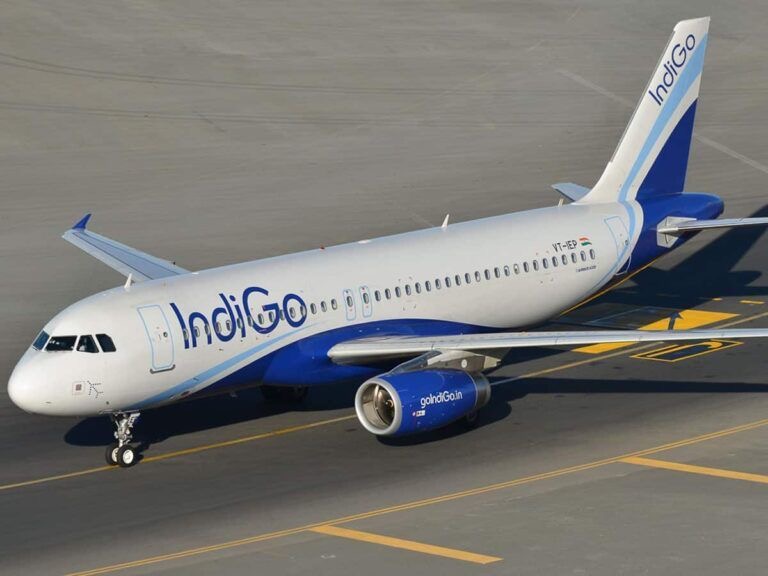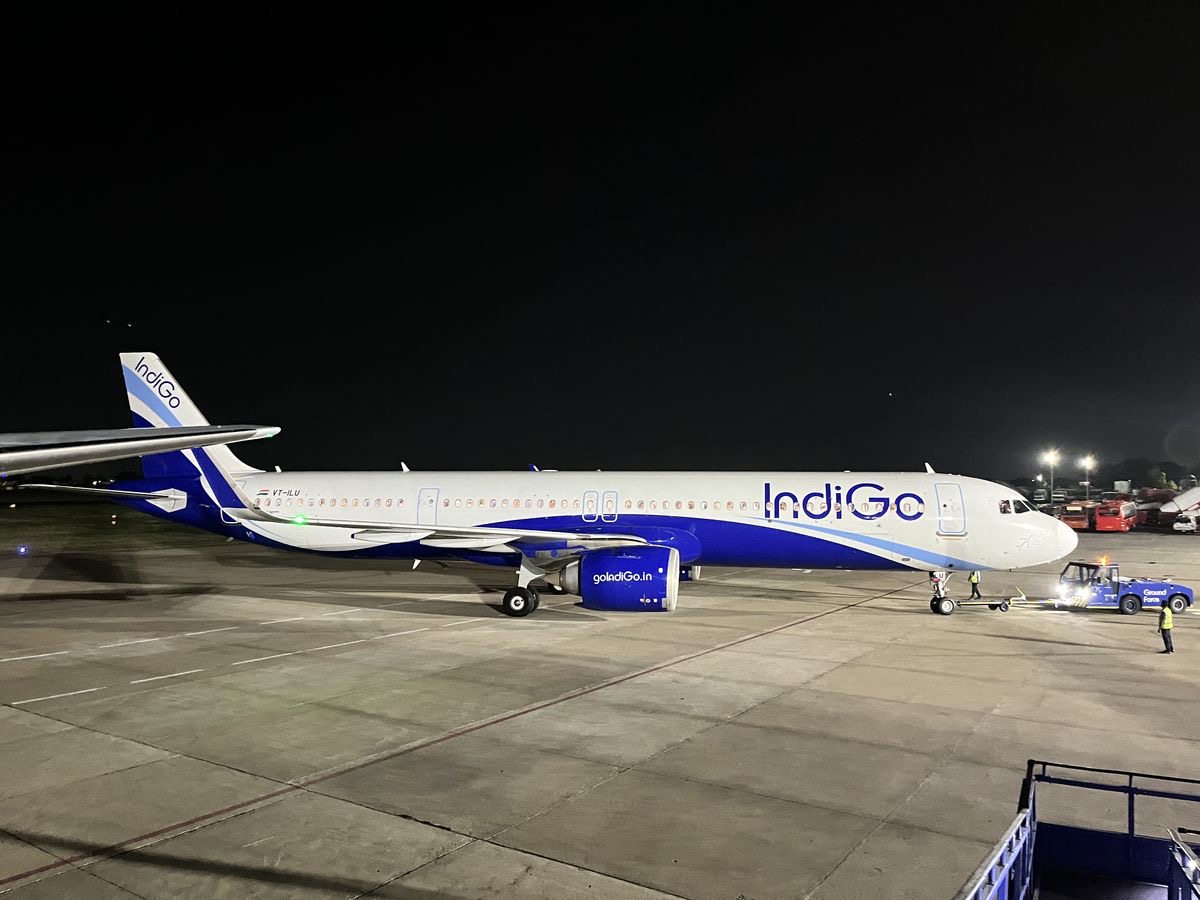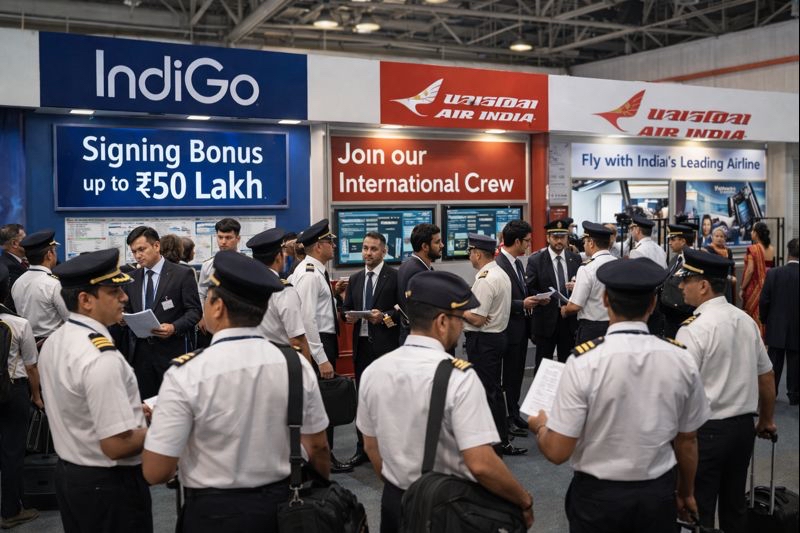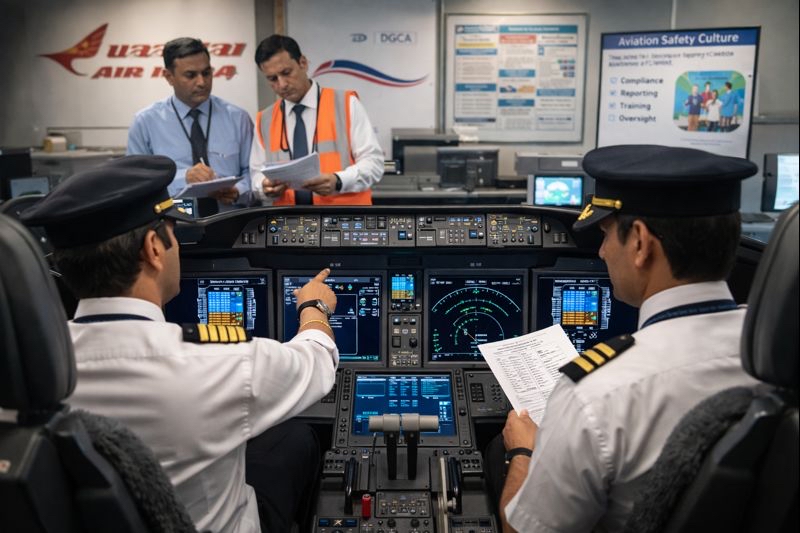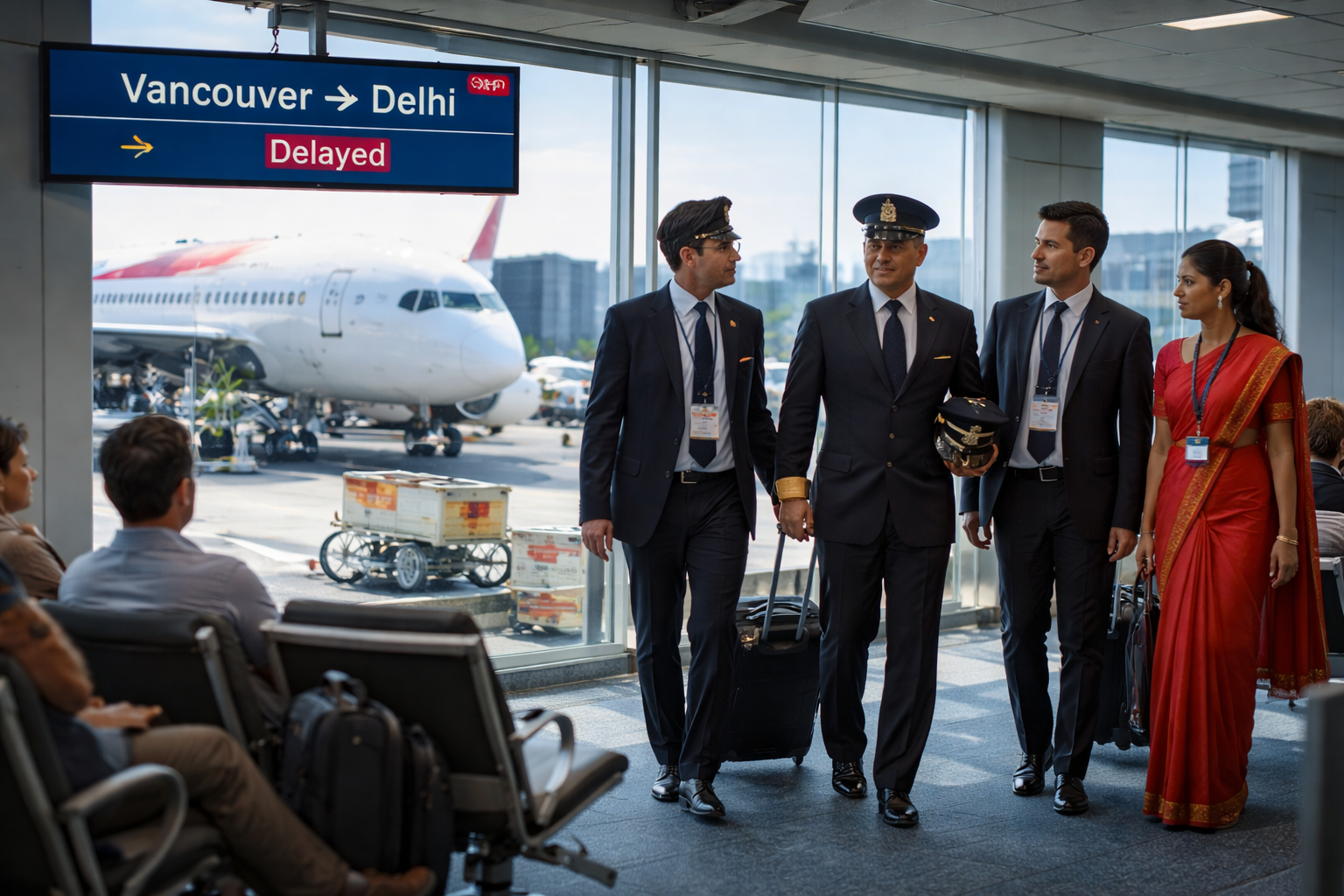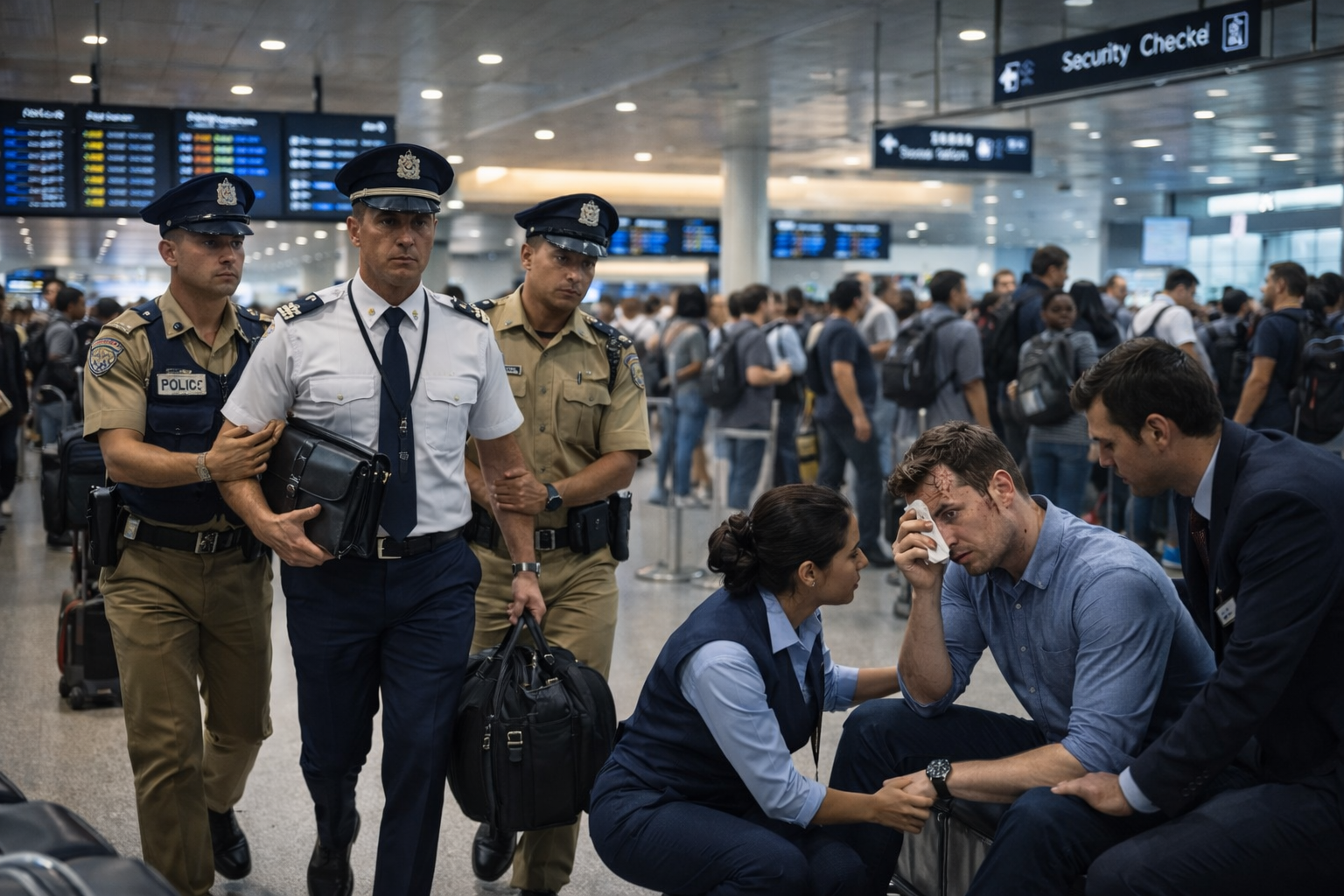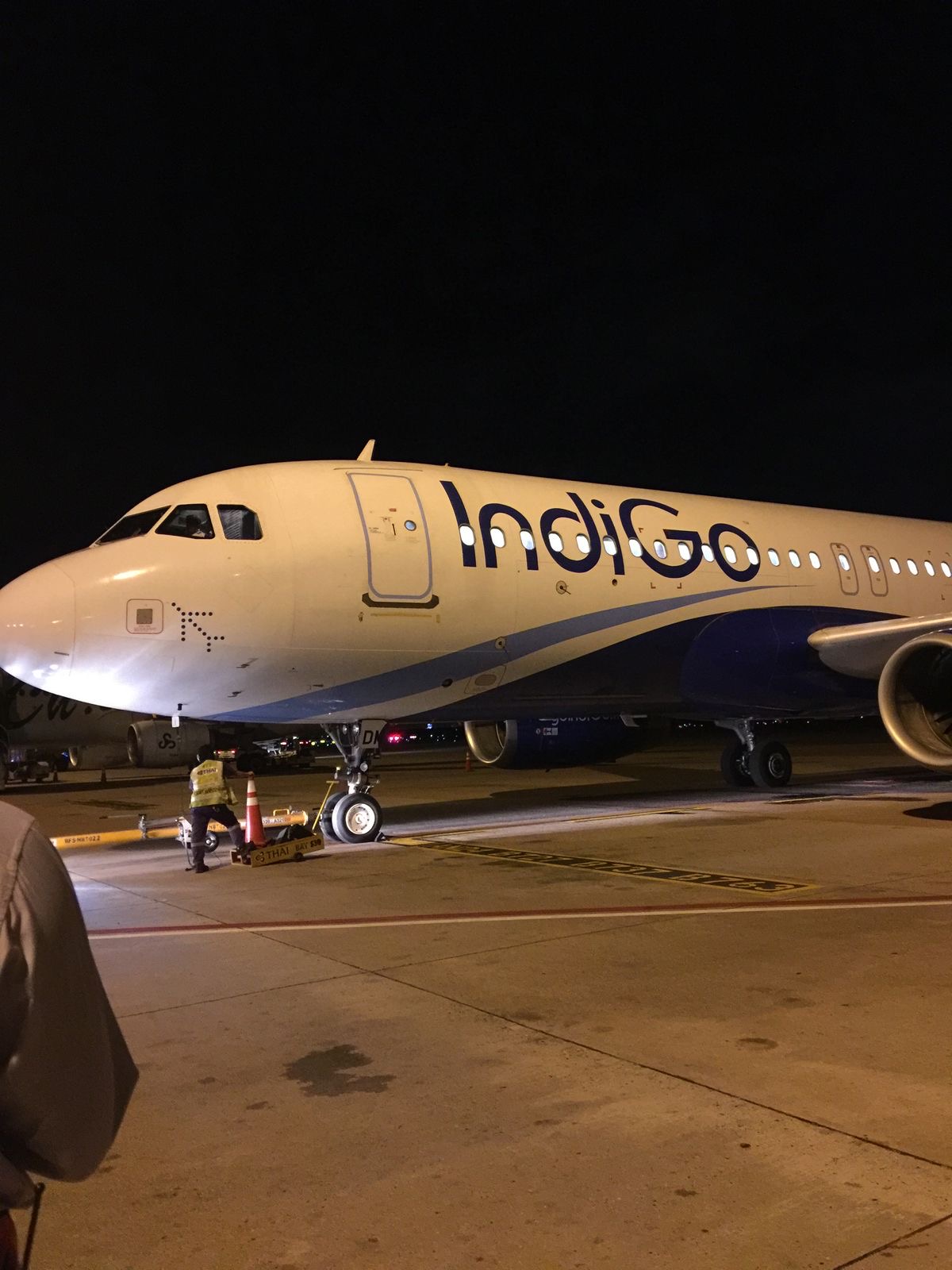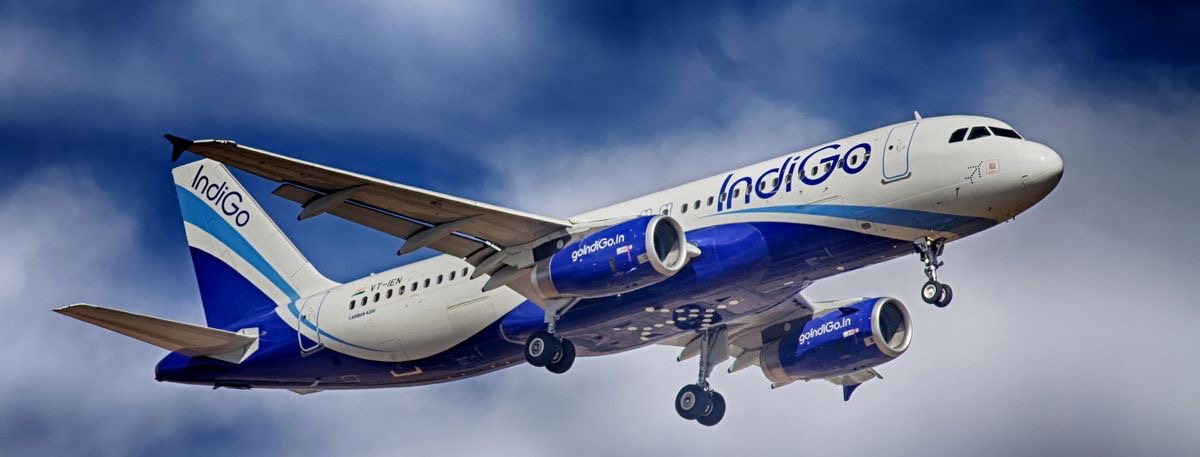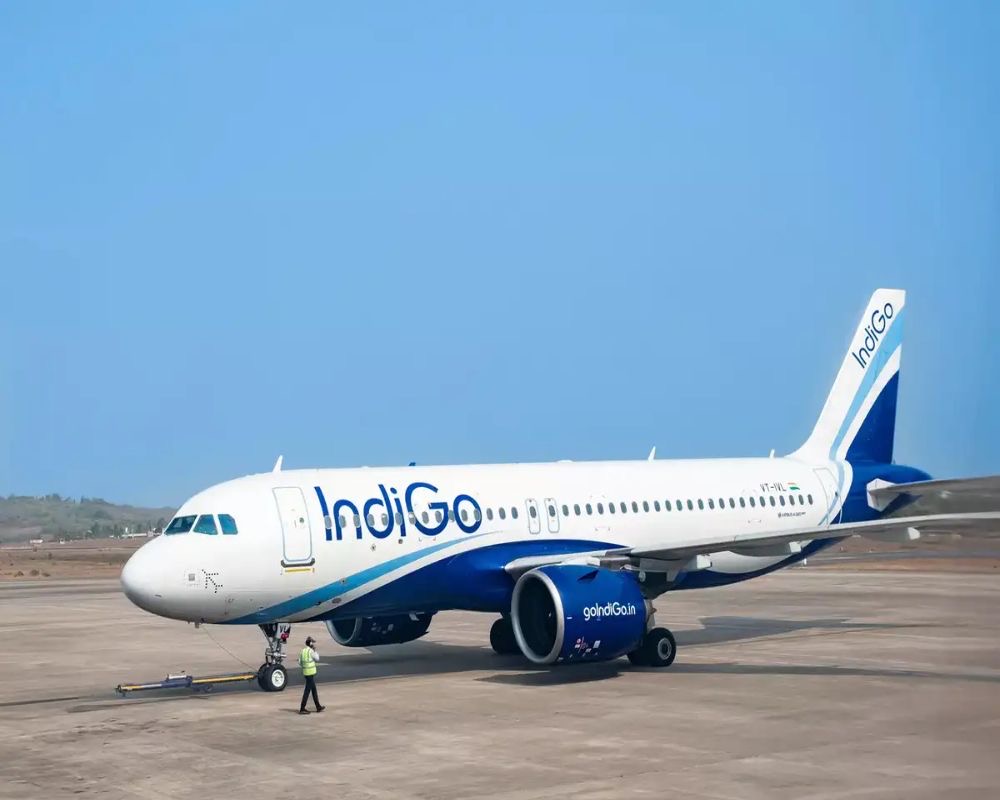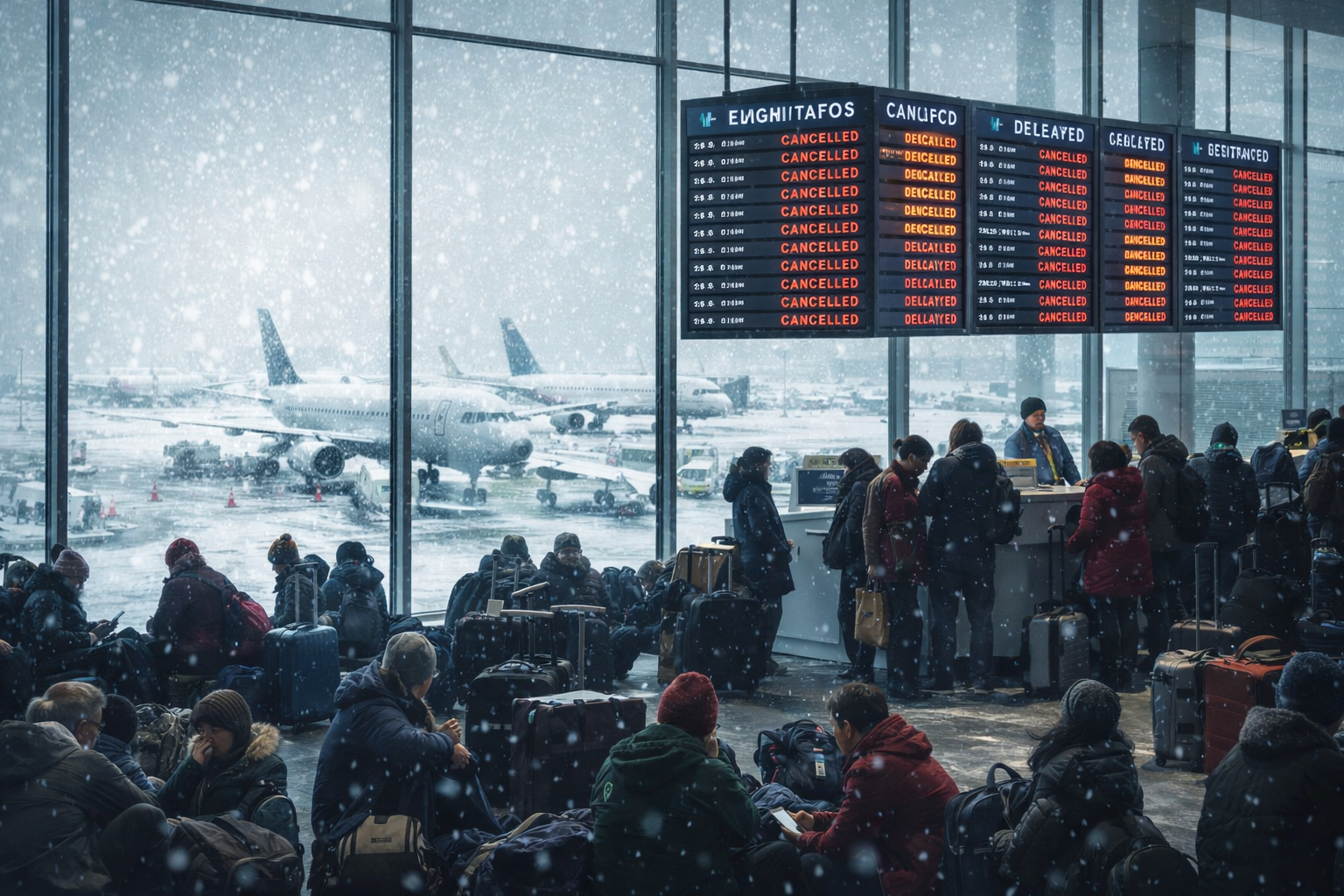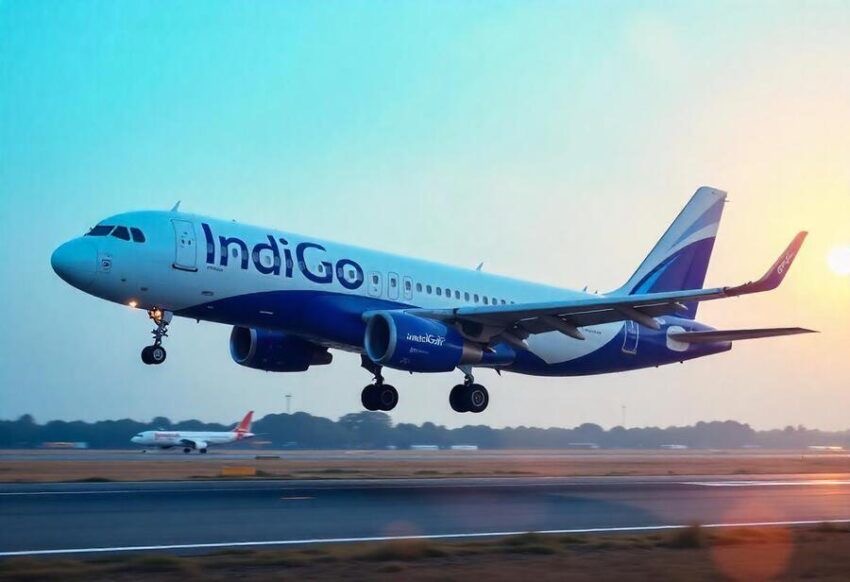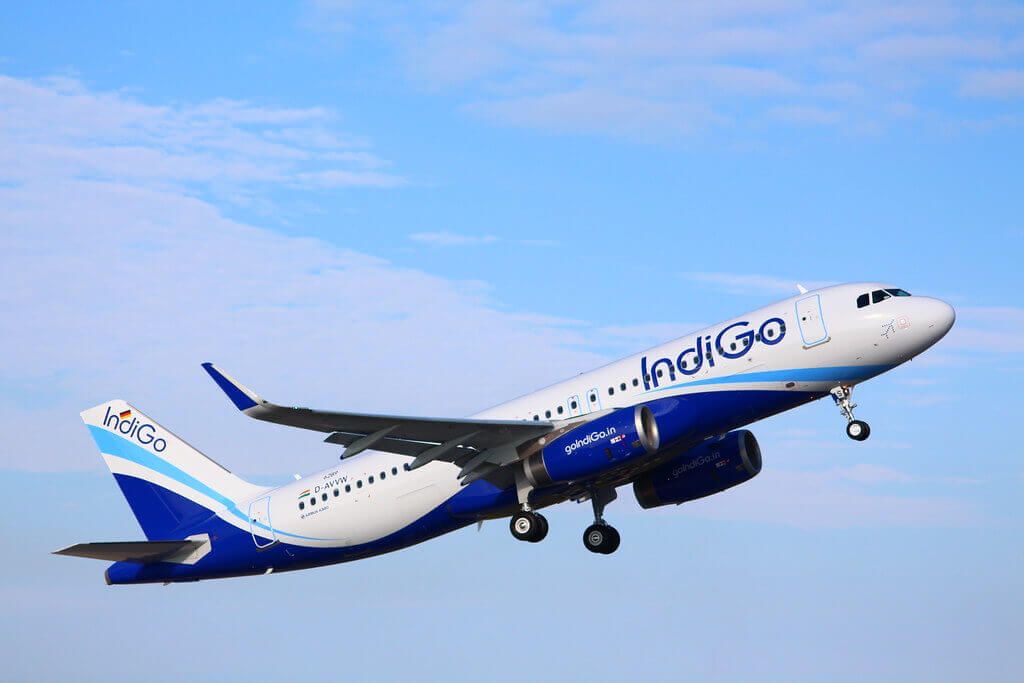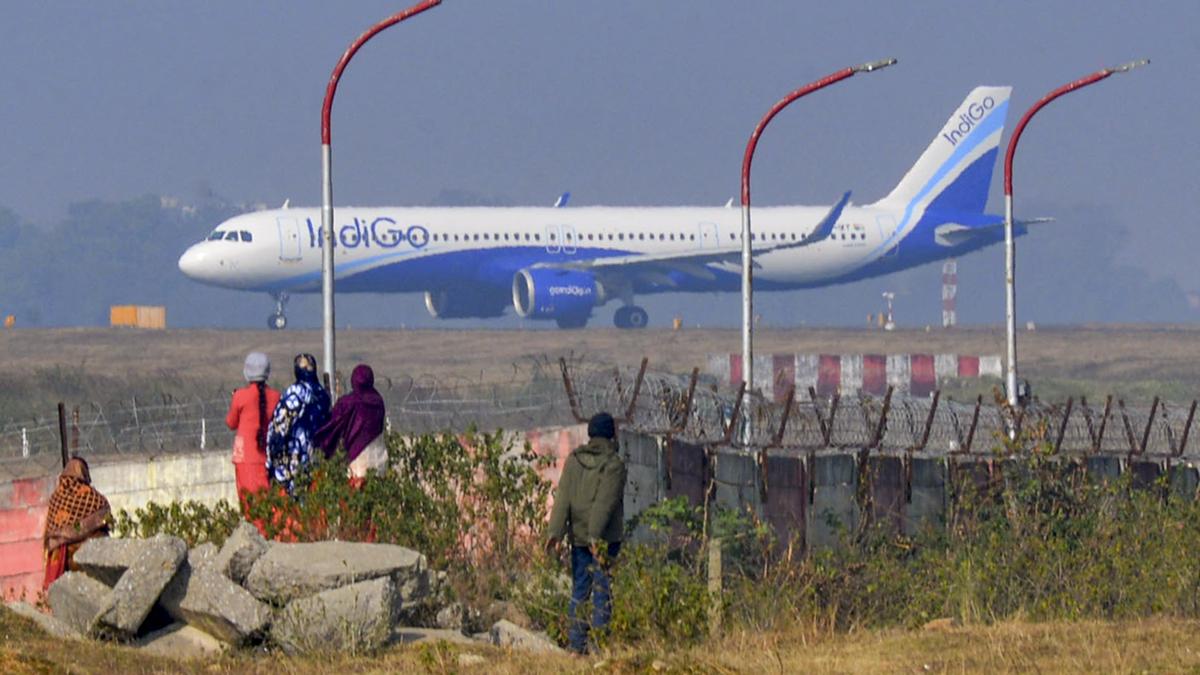

The Airline Pilots’ Guild, a representative body for commercial pilots in India, has strongly criticised the civil aviation regulator’s decision to impose a ₹22.20 crore fine on IndiGo following the airline’s large scale operational disruptions in December 2025. The pilots’ body has termed the penalty inadequate, arguing that it does not sufficiently reflect the gravity of the crisis that left thousands of passengers stranded and exposed deeper systemic shortcomings within airline operations.
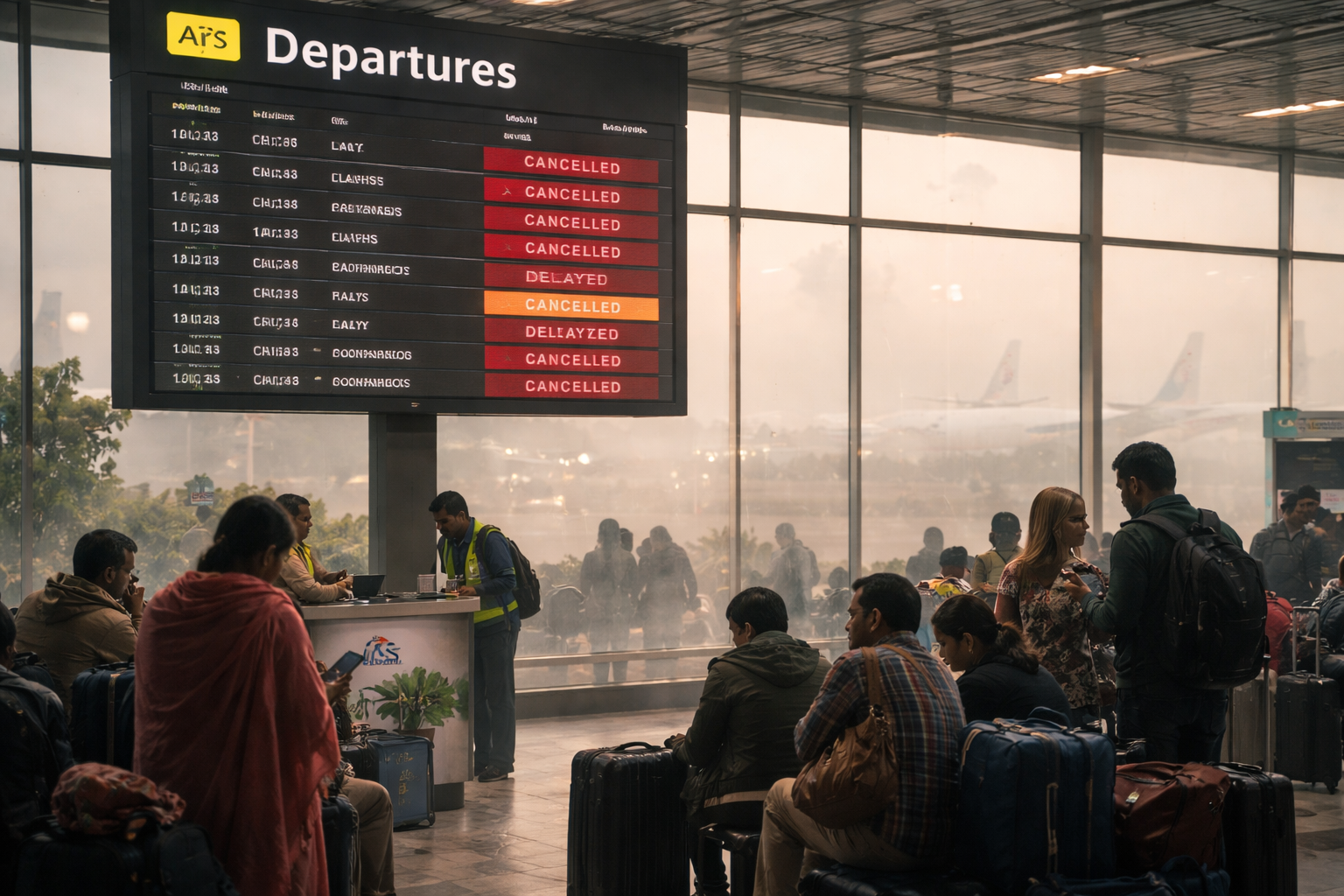
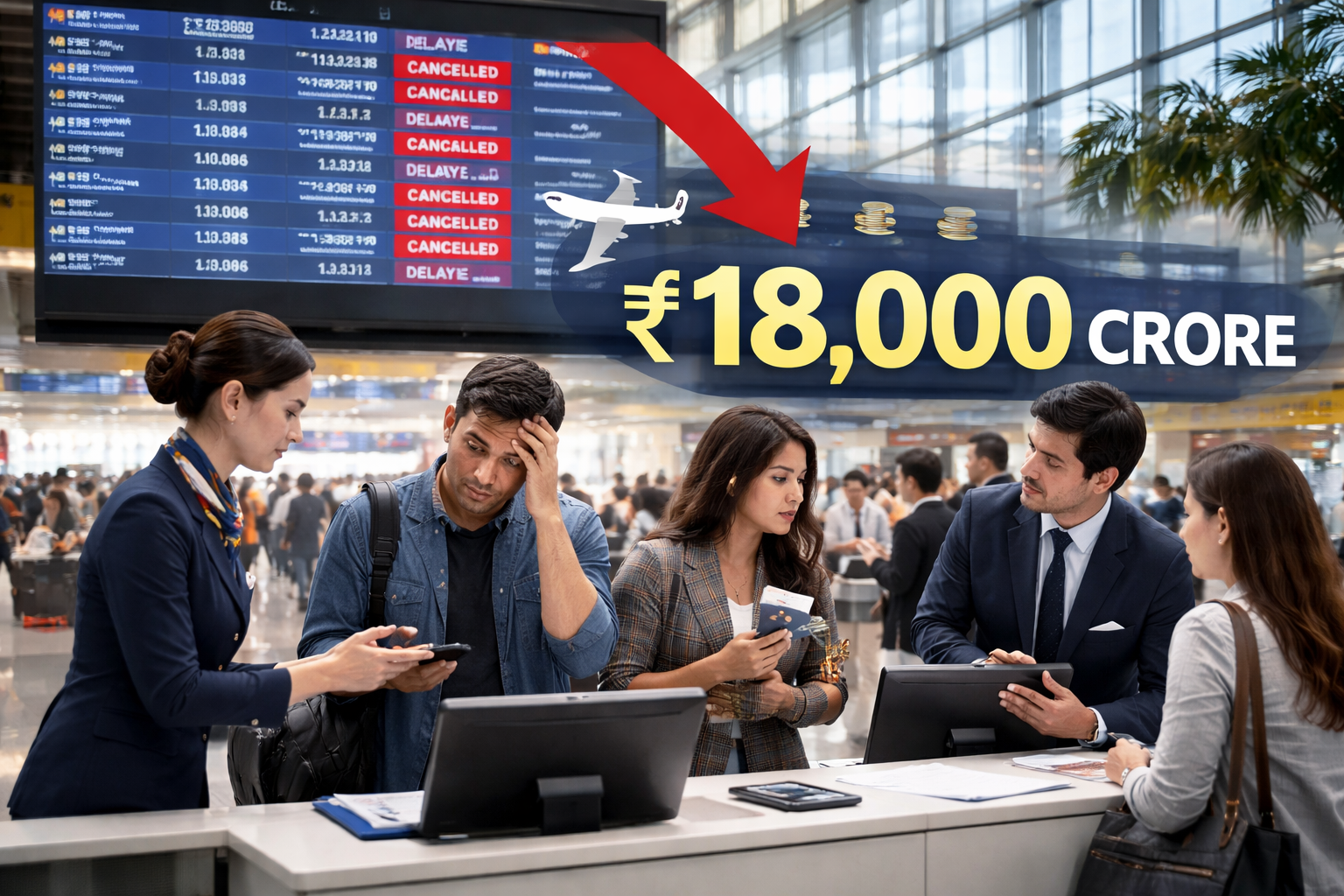
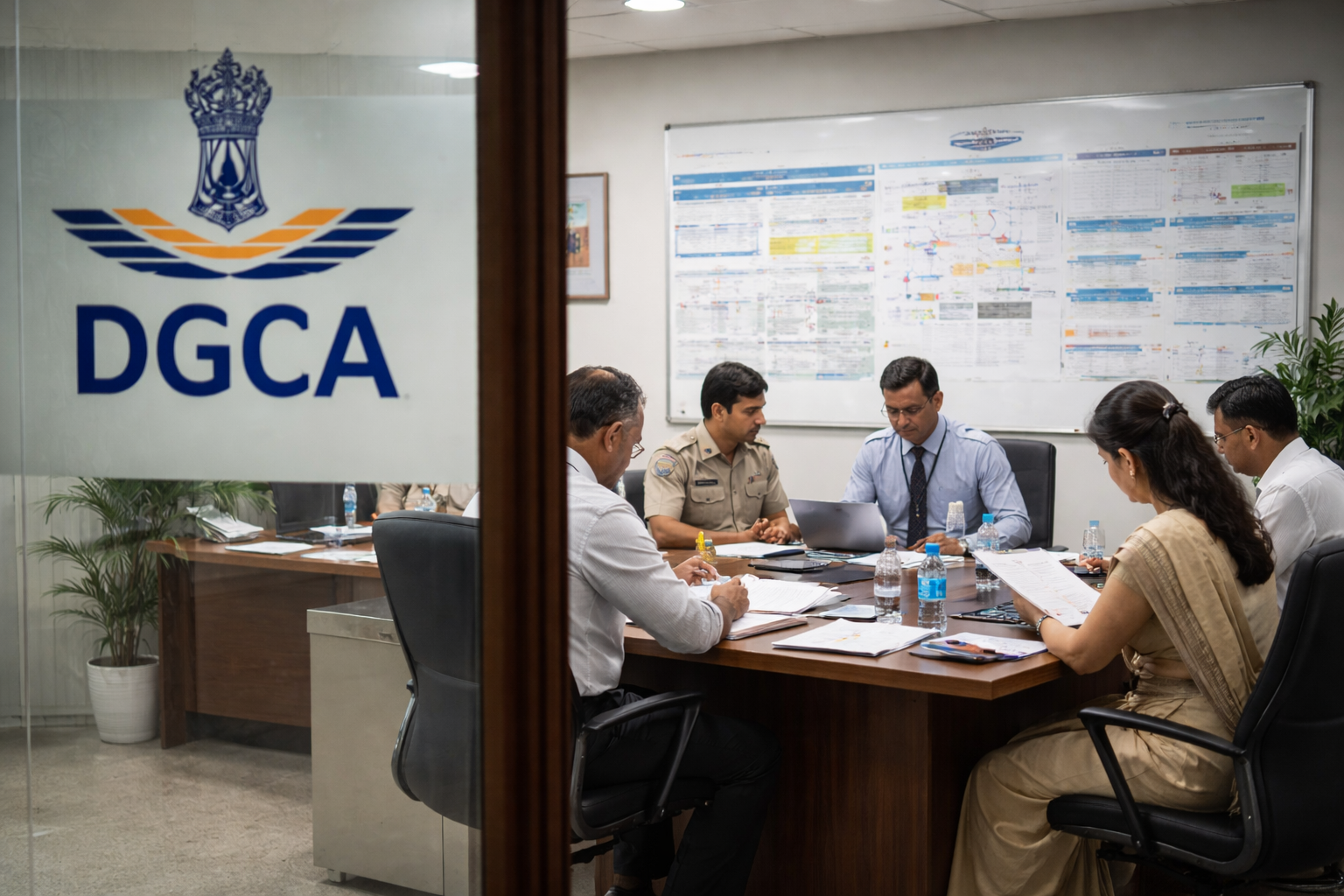
The Directorate General of Civil Aviation had imposed the fine after widespread flight cancellations and delays disrupted travel during a peak period. The regulator pointed to deficiencies in crew planning, aircraft deployment and contingency preparedness, noting that these failures collectively undermined operational reliability and passenger confidence. The penalty was among the highest imposed on an Indian airline, signalling regulatory concern over the scale of the disruption.
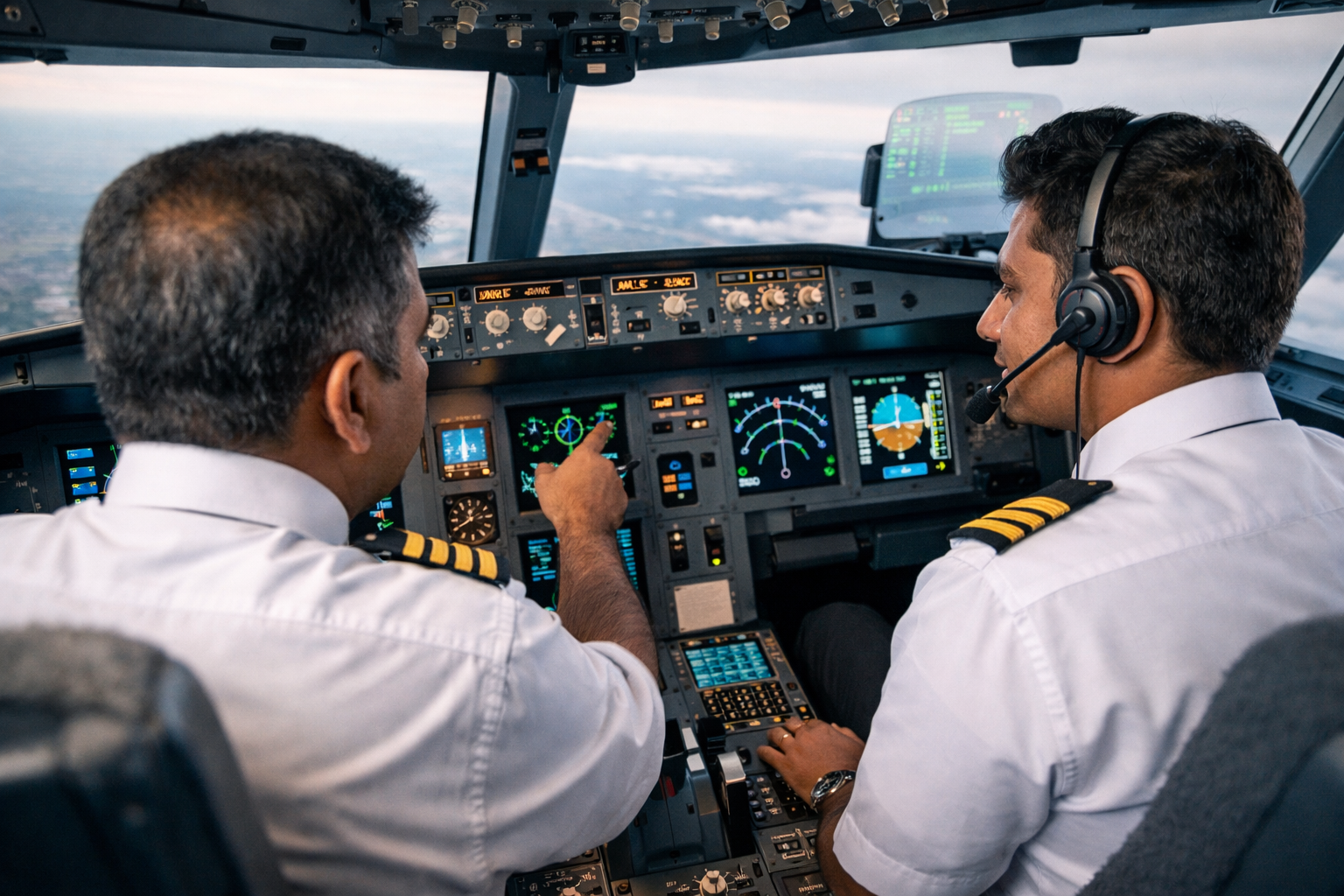
Despite this, the pilots’ body maintains that the financial penalty alone does not address the underlying causes of the meltdown. In its response, the Guild argued that the disruptions highlighted serious issues related to workload management, scheduling pressure and decision making at the management level, all of which have potential safety implications if left unaddressed.
The Guild further stated that meaningful accountability should extend beyond fines and include stronger oversight of airline operational practices. According to pilots, sustained regulatory engagement and corrective directives are necessary to ensure that airlines prioritise safety, resilience and realistic planning rather than aggressive schedules that stretch resources thin.
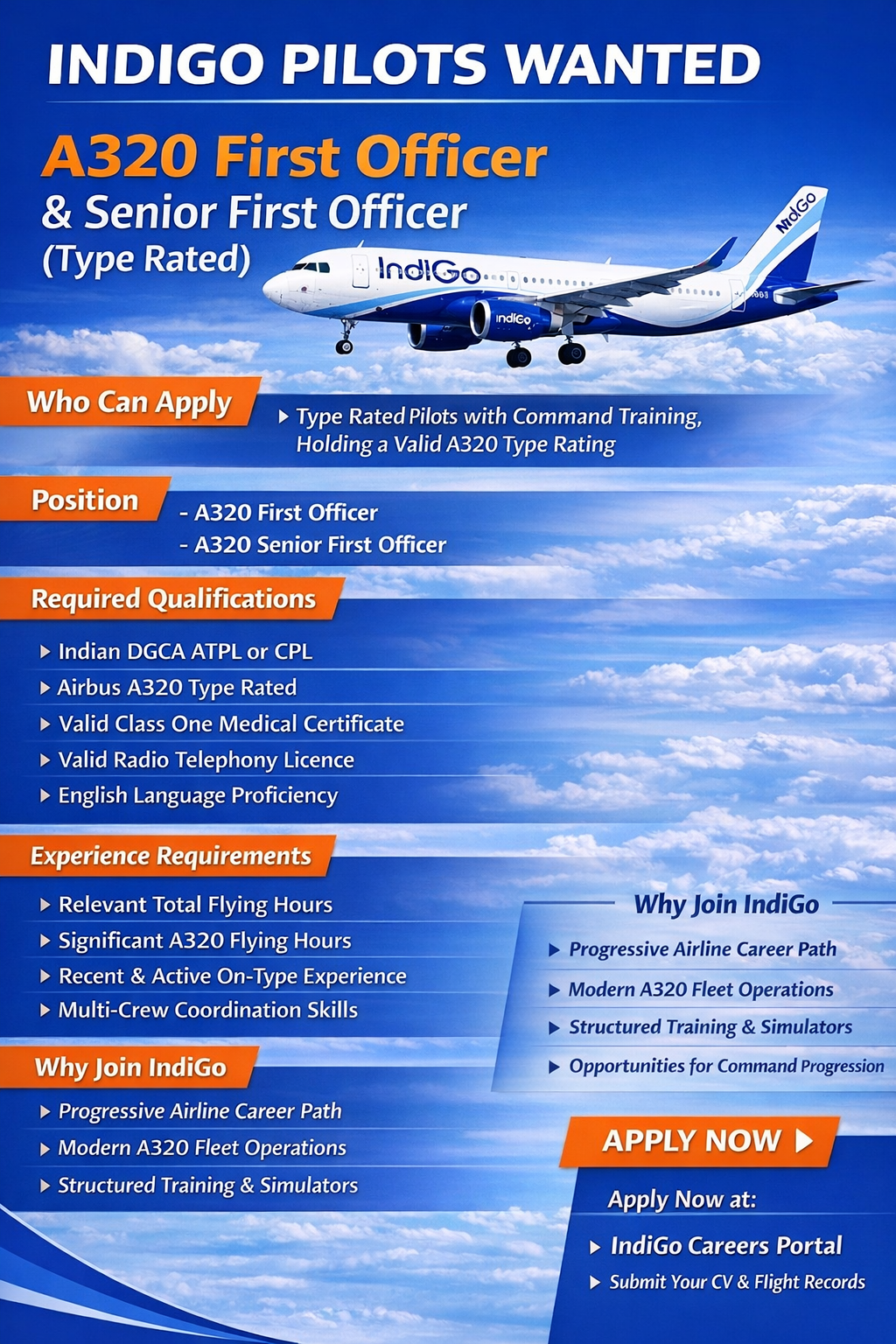
IndiGo has acknowledged the regulator’s action and stated that it is implementing corrective measures aimed at improving crew rostering systems, strengthening operational planning and enhancing passenger communication during irregular operations. The airline has reiterated that it remains committed to compliance and to restoring customer trust after the disruptions.
The episode has also renewed calls for closer consultation with frontline aviation professionals when assessing systemic failures. Pilots argue that their operational experience offers valuable insights into practical constraints and safety margins that should inform regulatory decisions and airline policies alike.
The disagreement underscores a broader debate within India’s rapidly expanding aviation sector about how accountability should be enforced in times of operational stress. While regulators focus on compliance and penalties, pilot groups and passenger advocates emphasise the need for long term structural reforms to prevent recurring disruptions.
For passengers affected during the December chaos, the discussion is a reminder that operational reliability depends not only on regulatory fines but also on robust planning, adequate staffing and transparent communication. As air travel demand continues to rise, the balance between growth, efficiency and safety remains at the centre of industry scrutiny.