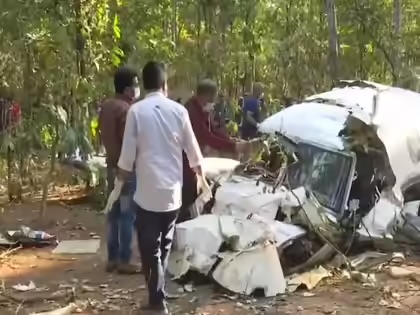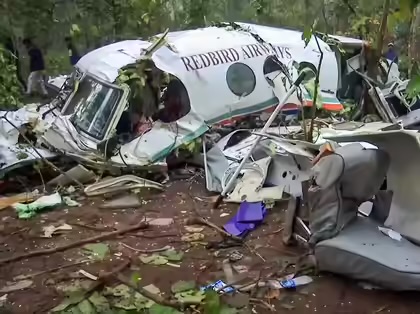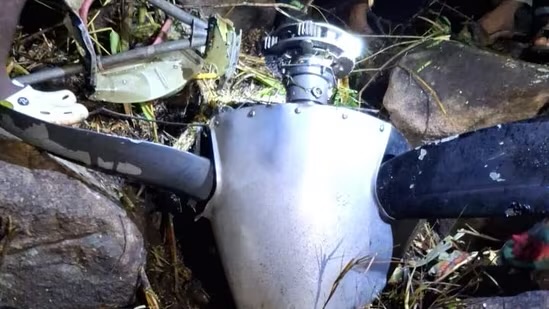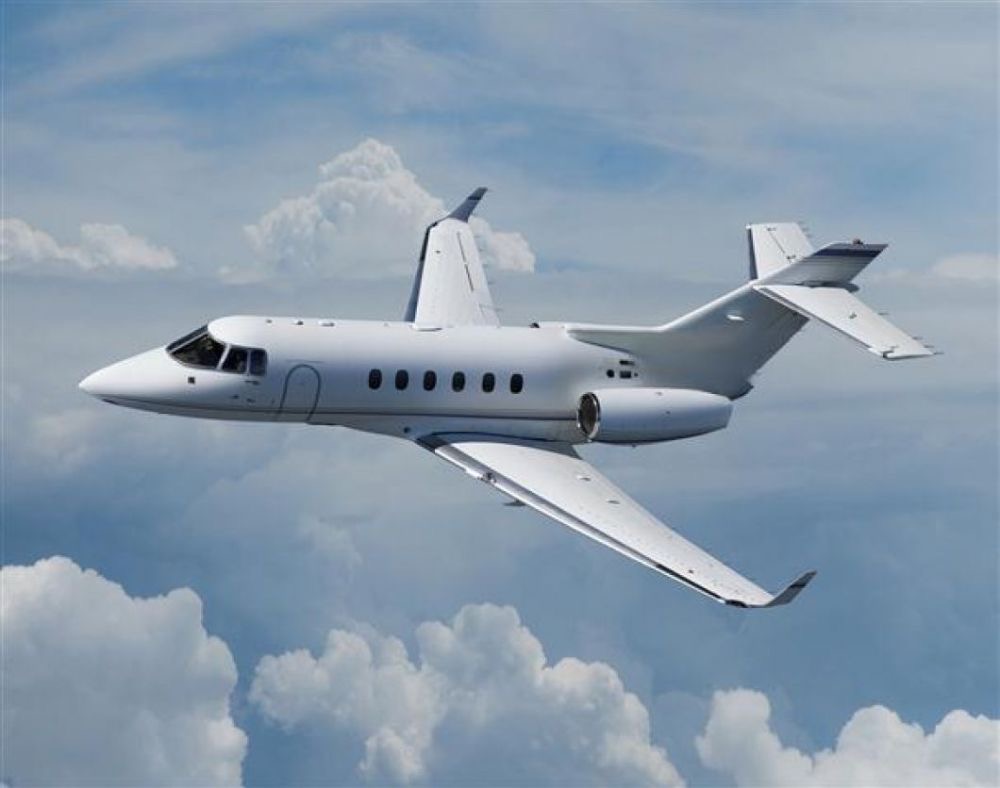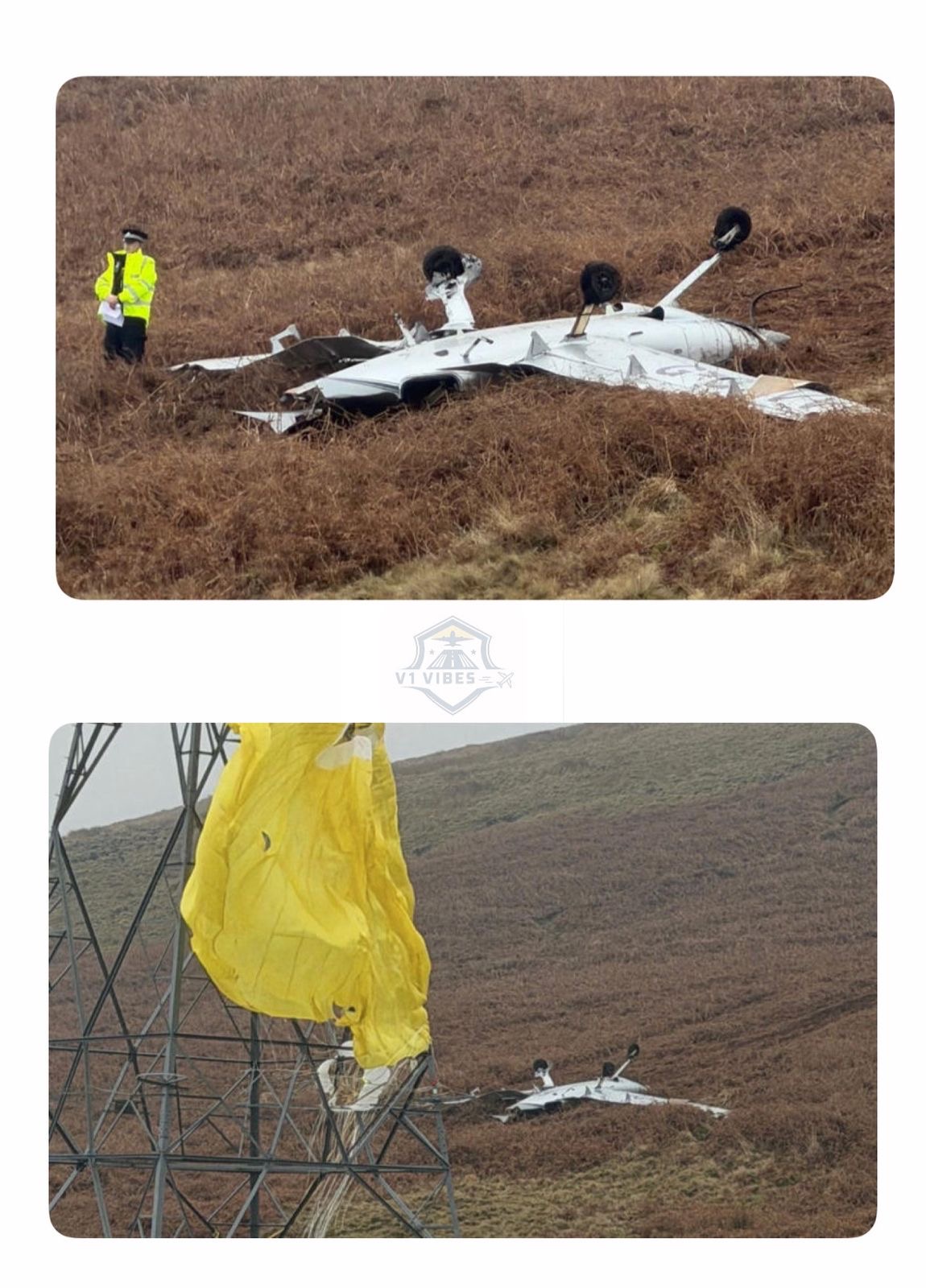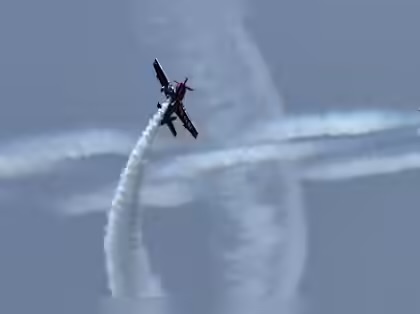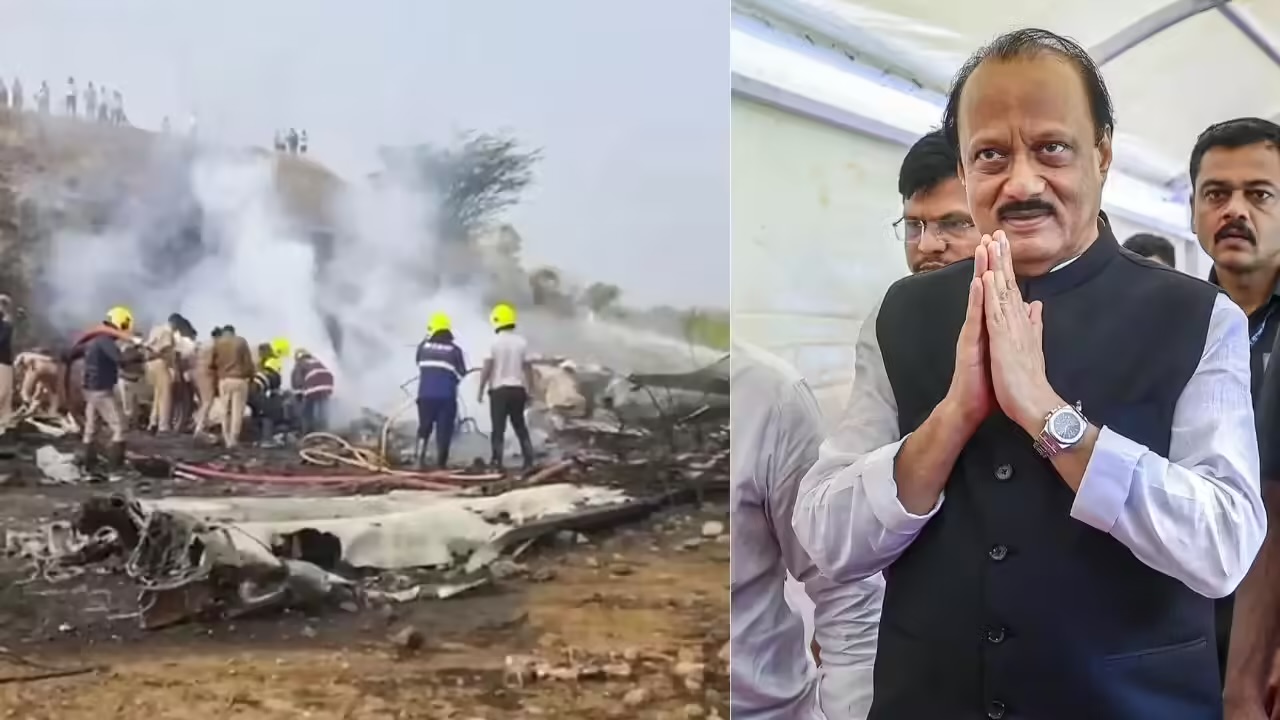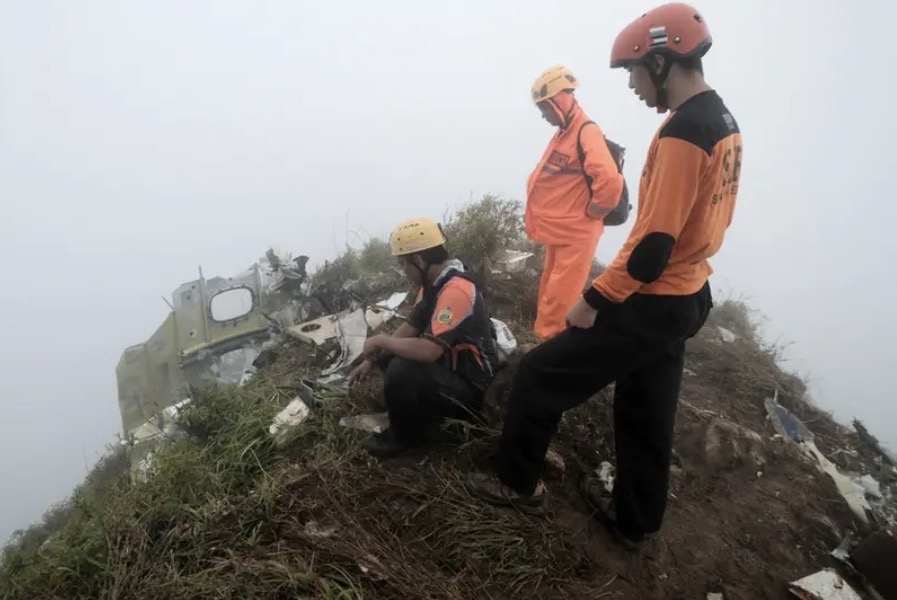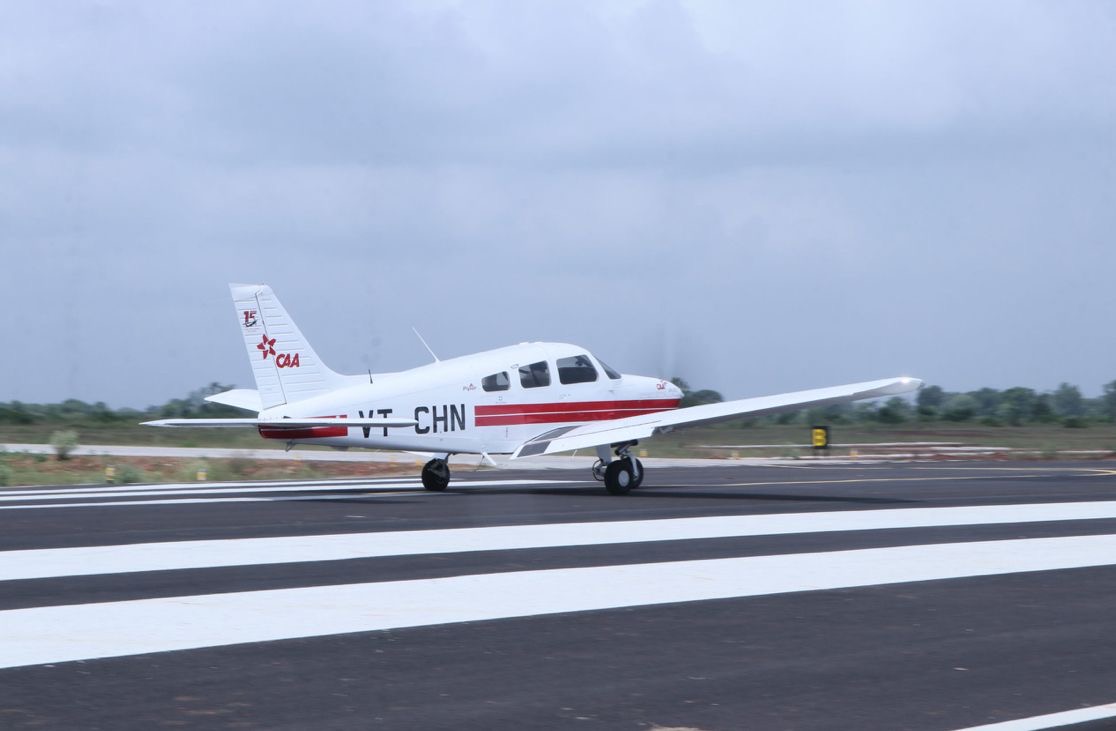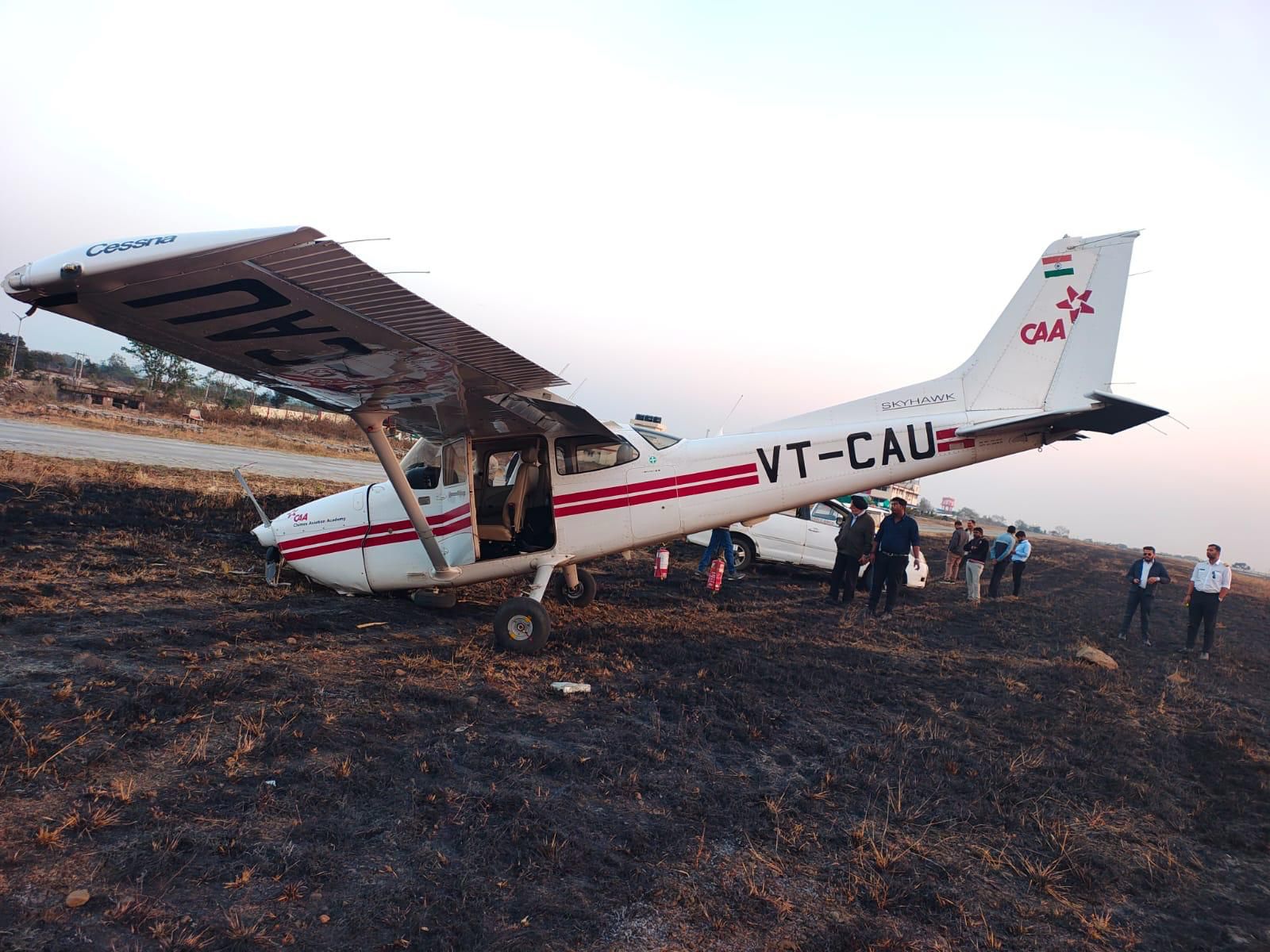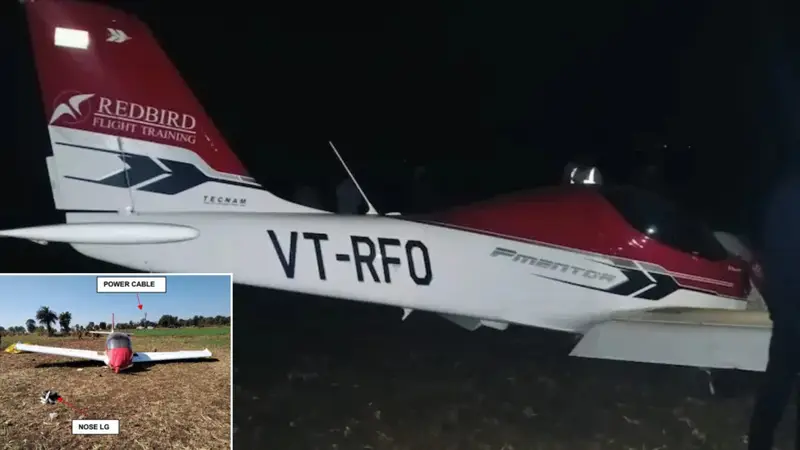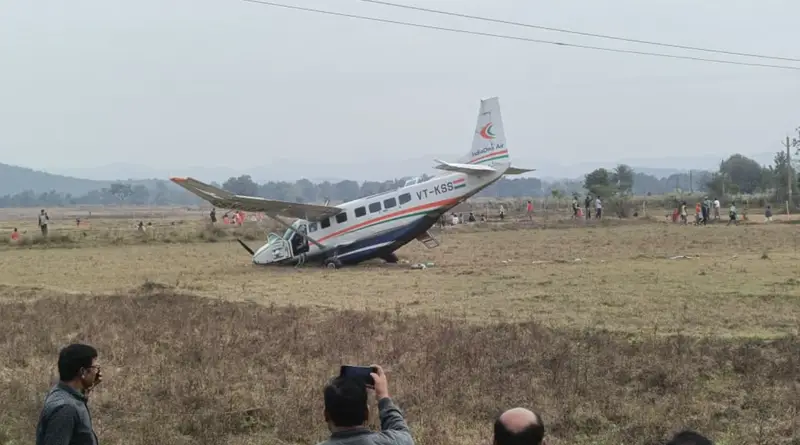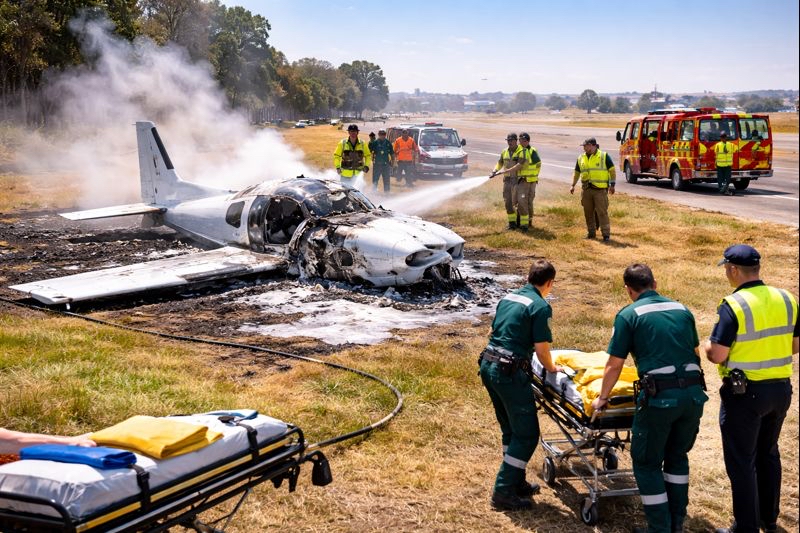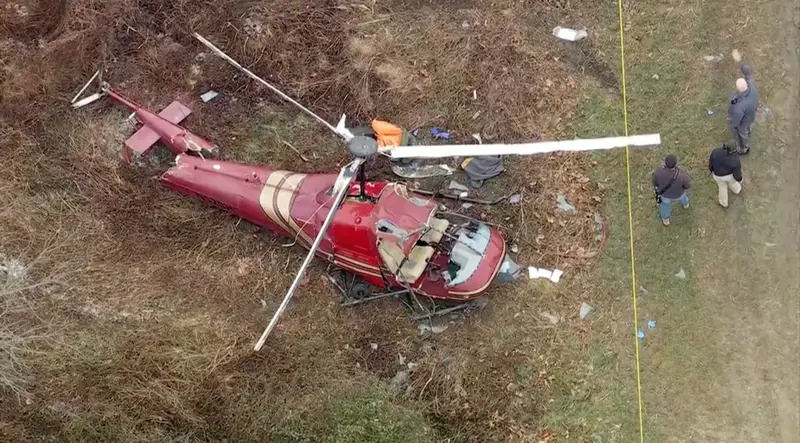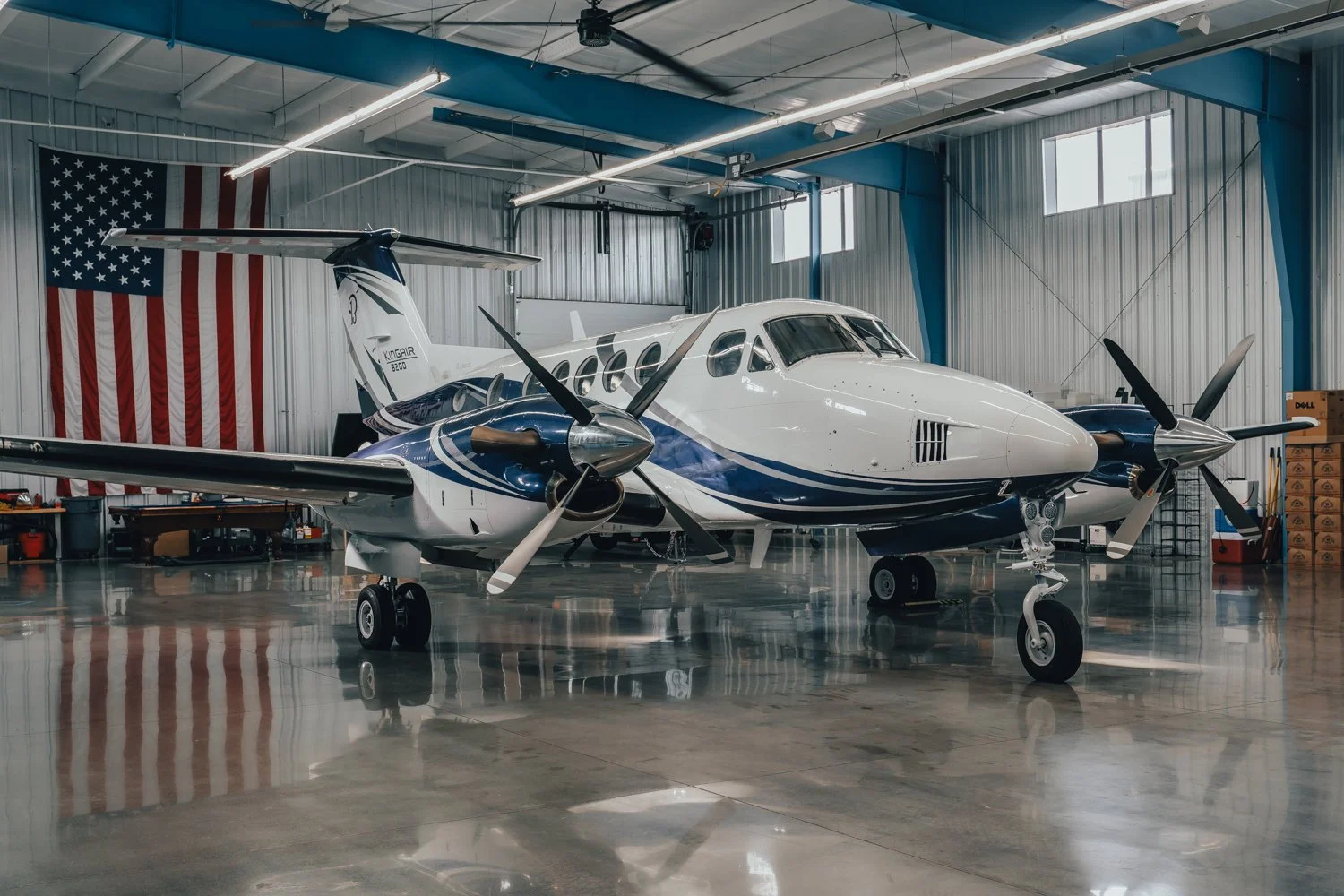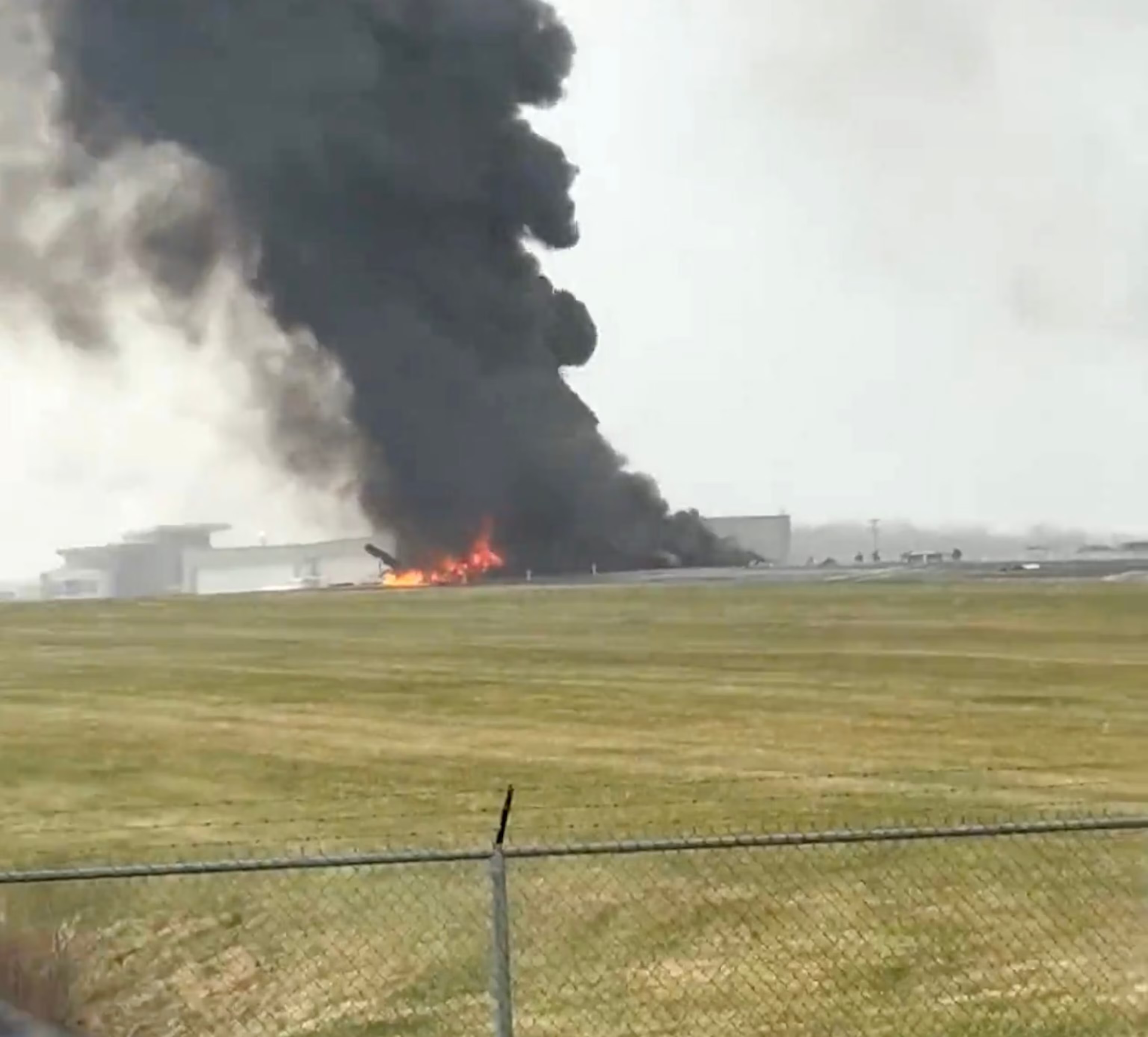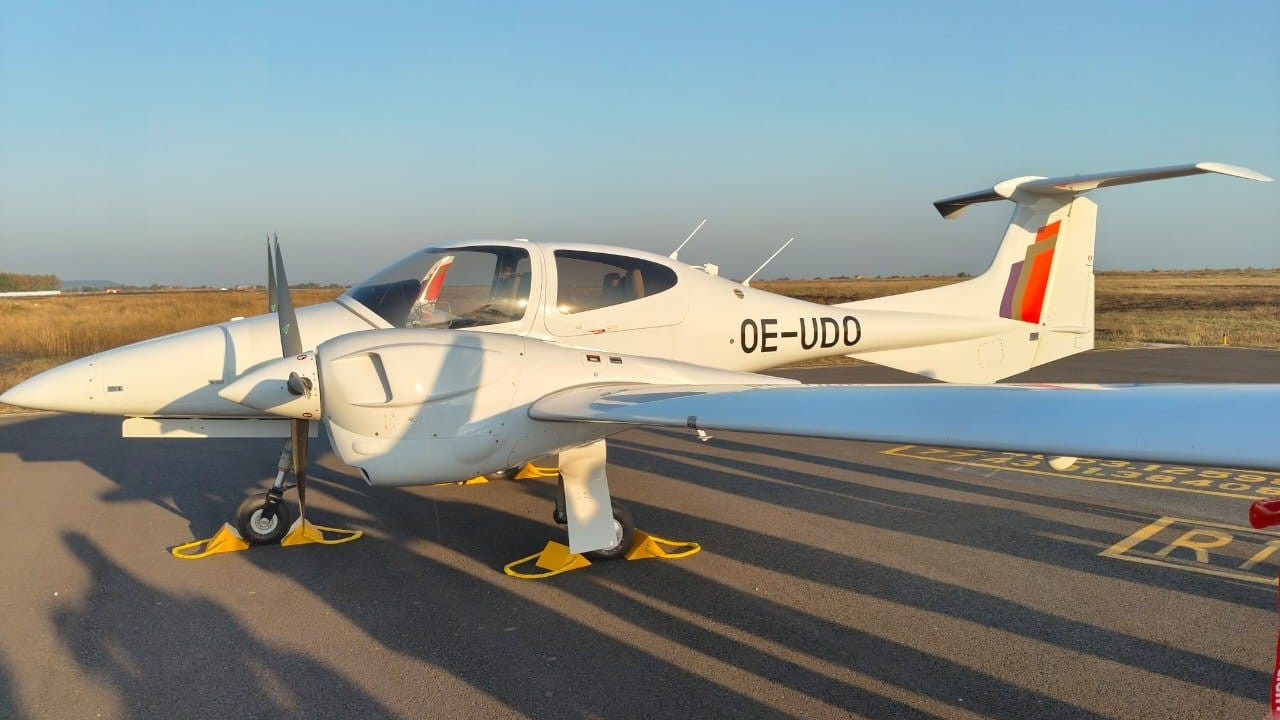

A private mini aircraft went down in Karnataka on Sunday in an incident that saw both occupants successfully eject from the aircraft before it hit the ground, escaping without serious injury. The crash occurred in a relatively remote area, prompting an immediate response from local emergency services and aviation authorities.
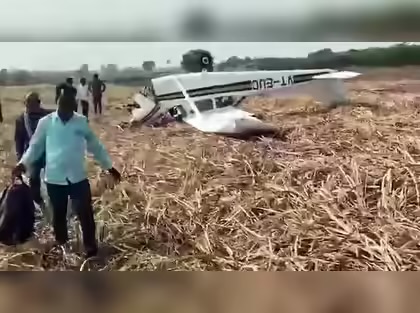
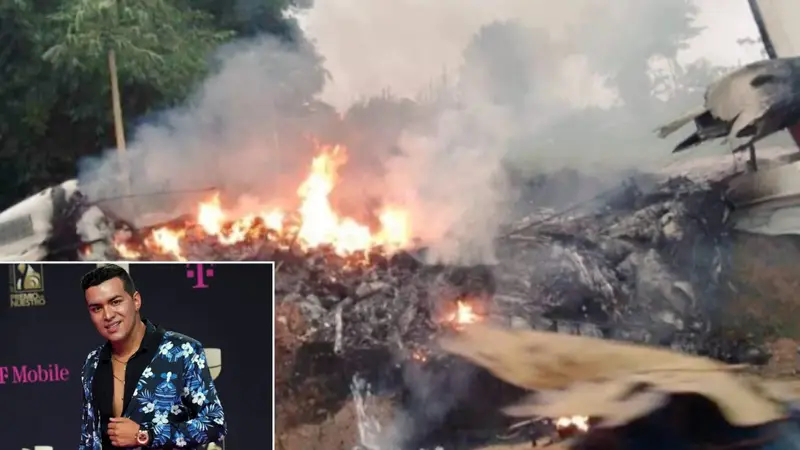
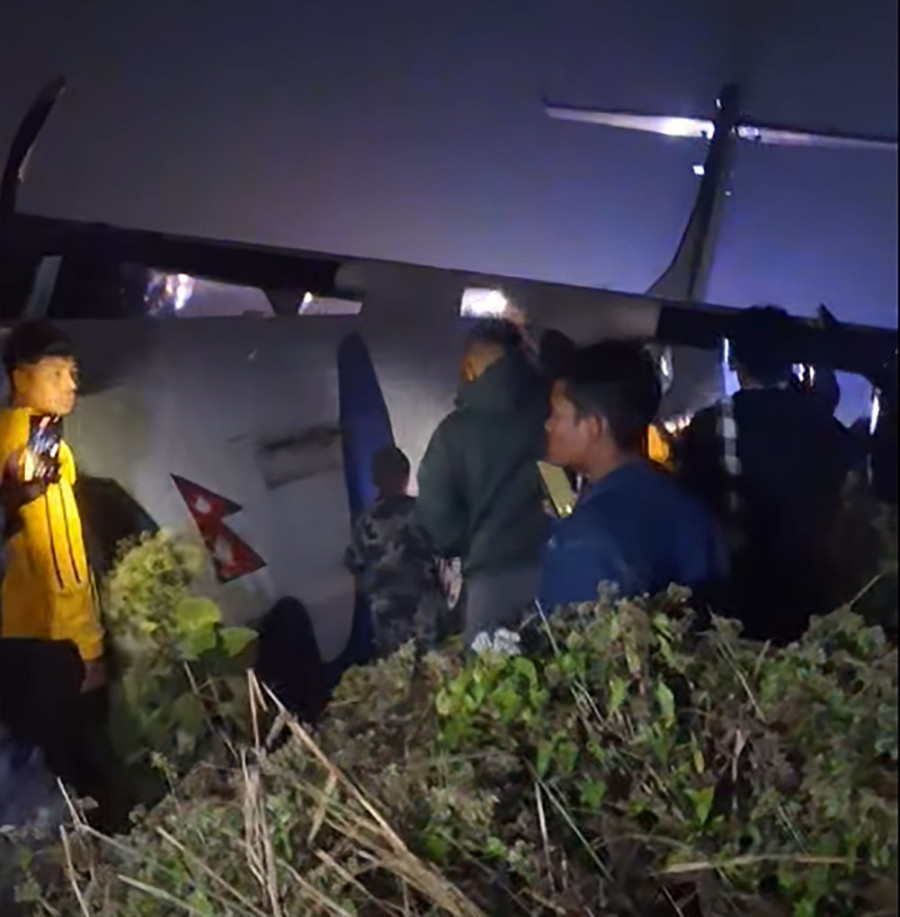
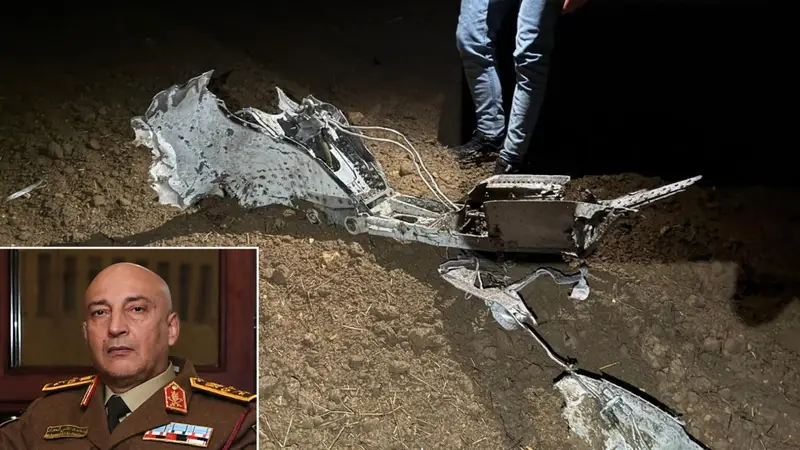
The manned light aircraft was on a routine private flight when the pilot encountered difficulties that required an emergency exit from the aircraft. Both the pilot and the passenger made use of the aircraft’s ejection system a safety feature increasingly found in specialised light or experimental aircraft and came down using their personal parachutes. Shortly after they had safely exited, the aircraft crashed in a field, reducing the risk to people and property on the ground.
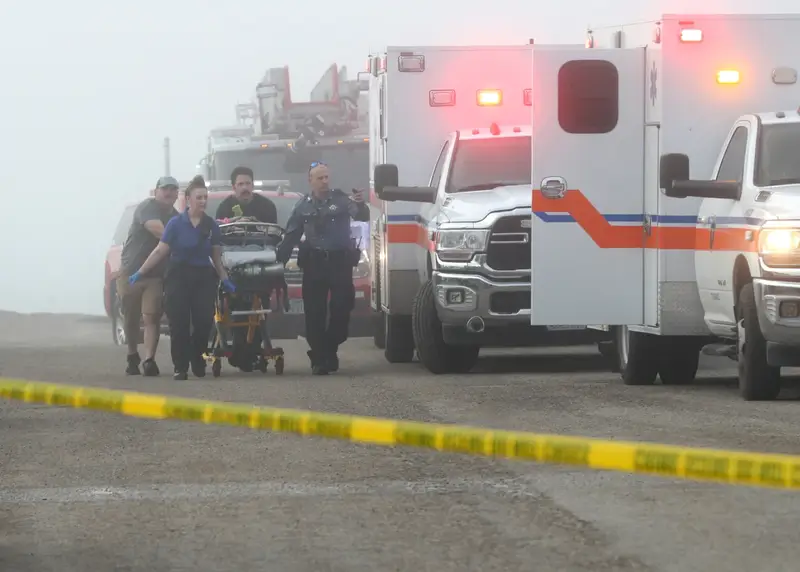
Eyewitnesses in the vicinity reported seeing the two parachutes descend, followed by the unmanned plane hitting the ground. Local residents and first responders quickly moved to assist the two occupants once they landed. Both individuals were reported conscious and responsive, with only minor cuts and bruises noted at the scene. Emergency medical teams assessed their condition before arranging transport to a nearby hospital for precautionary evaluation.
Police, fire personnel and local authorities cordoned off the crash site to support rescue operations and ensure safety while officials began preliminary documentation. The area was also secured for investigative teams to conduct their work once the immediate emergency response concluded.
Aviation experts say that aircraft equipped with ejection systems offer an added layer of safety in serious in-flight malfunctions. The decision to eject is typically a last resort, used when the pilot deems the aircraft no longer controllable and the risk of staying onboard outweighs the danger of ejecting at low altitude.
Authorities from the Directorate General of Civil Aviation and other relevant aviation bodies were notified swiftly and are expected to launch a formal investigation into the incident. Investigators will examine aircraft maintenance history, flight records, eyewitness accounts and environmental conditions at the time to determine the sequence of events that led to the emergency ejection and subsequent crash.
Light and private aircraft operations adhere to regulatory oversight, including airspace clearances, aircraft condition checks and pilot certification standards. The presence of an ejection system in a civilian mini aircraft is uncommon but not unheard of, particularly in experimental or specialised aviation categories. Investigators will also verify whether the aircraft’s equipment and ejection mechanisms were used in conformity with safety protocols.
Local residents who assisted at the scene praised the calm response of the occupants and emergency crews, noting that the parachute descent helped avert a more serious outcome. The quick medical assessment and minor nature of the injuries stood in contrast to many aviation accidents where occupants remain inside a disabled aircraft until impact.
Officials reiterated that the focus of the initial inquiry is to understand why the aircraft encountered distress and required the use of its ejection features. Once the detailed data from on-board systems, maintenance logs and other sources are reviewed, a clearer picture will emerge about the root cause, whether technical, mechanical or related to flight conditions.
For now, the incident in Karnataka is being treated as an example of how well-executed emergency procedures and safety systems can dramatically improve survivability in aviation emergencies. The two individuals who ejected were expected to recover fully, and aviation authorities are planning to release further findings when the investigation progresses.