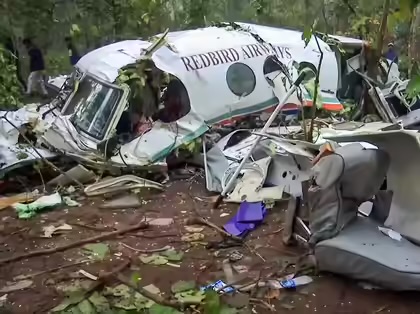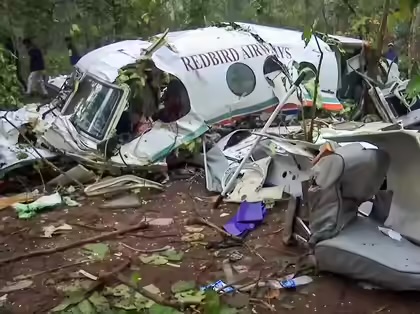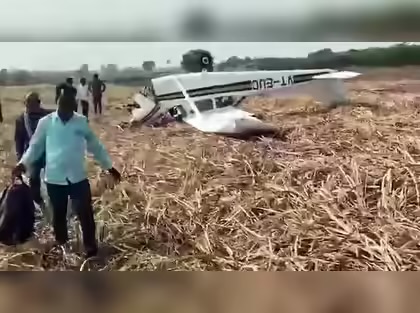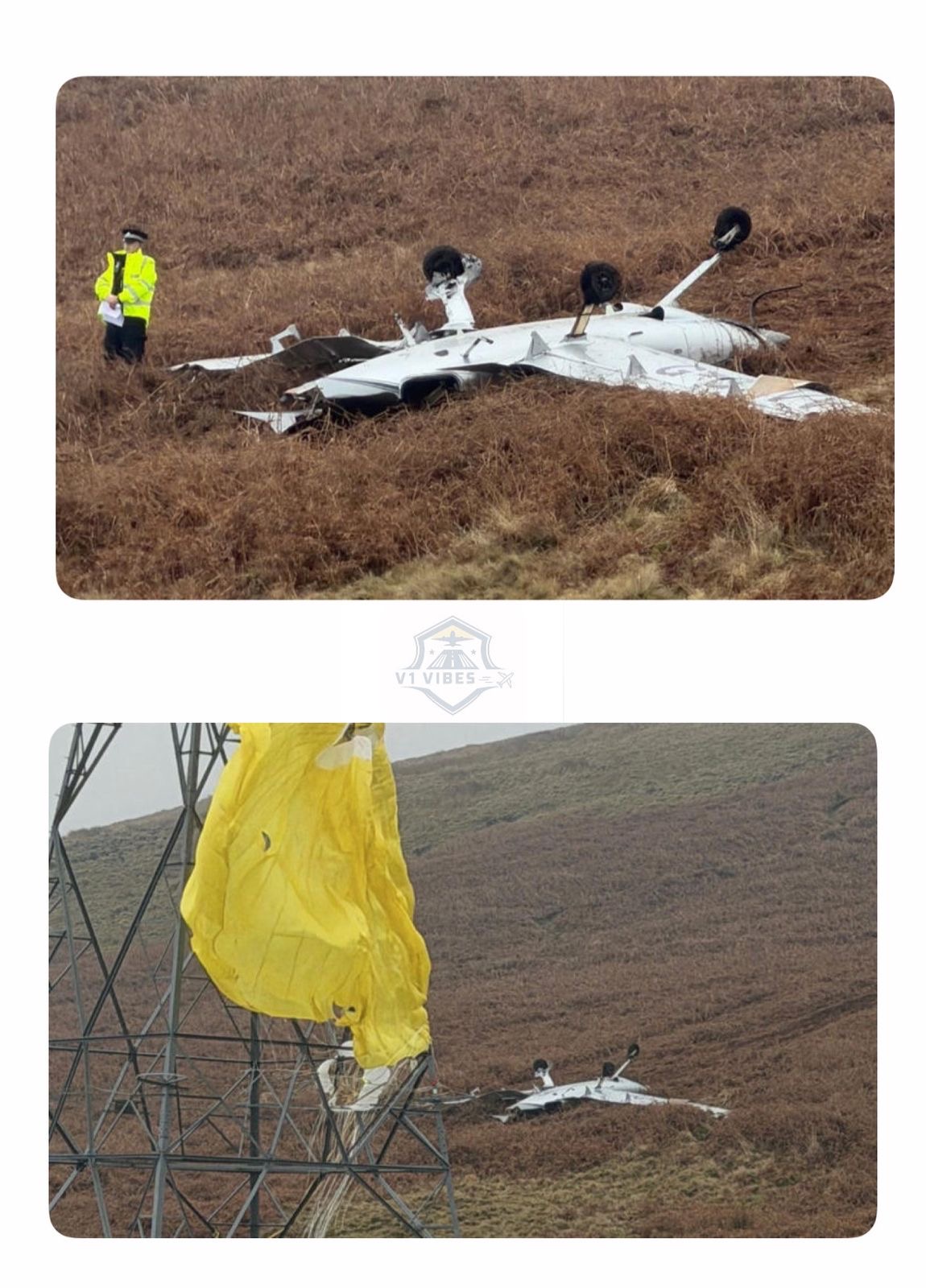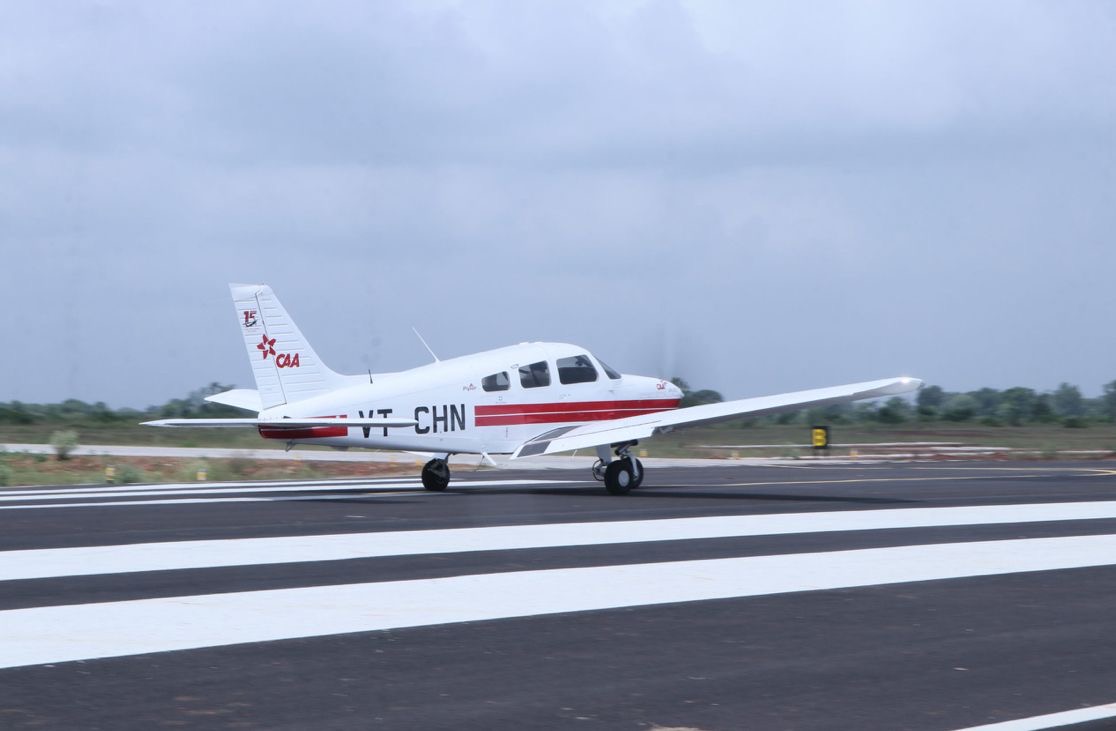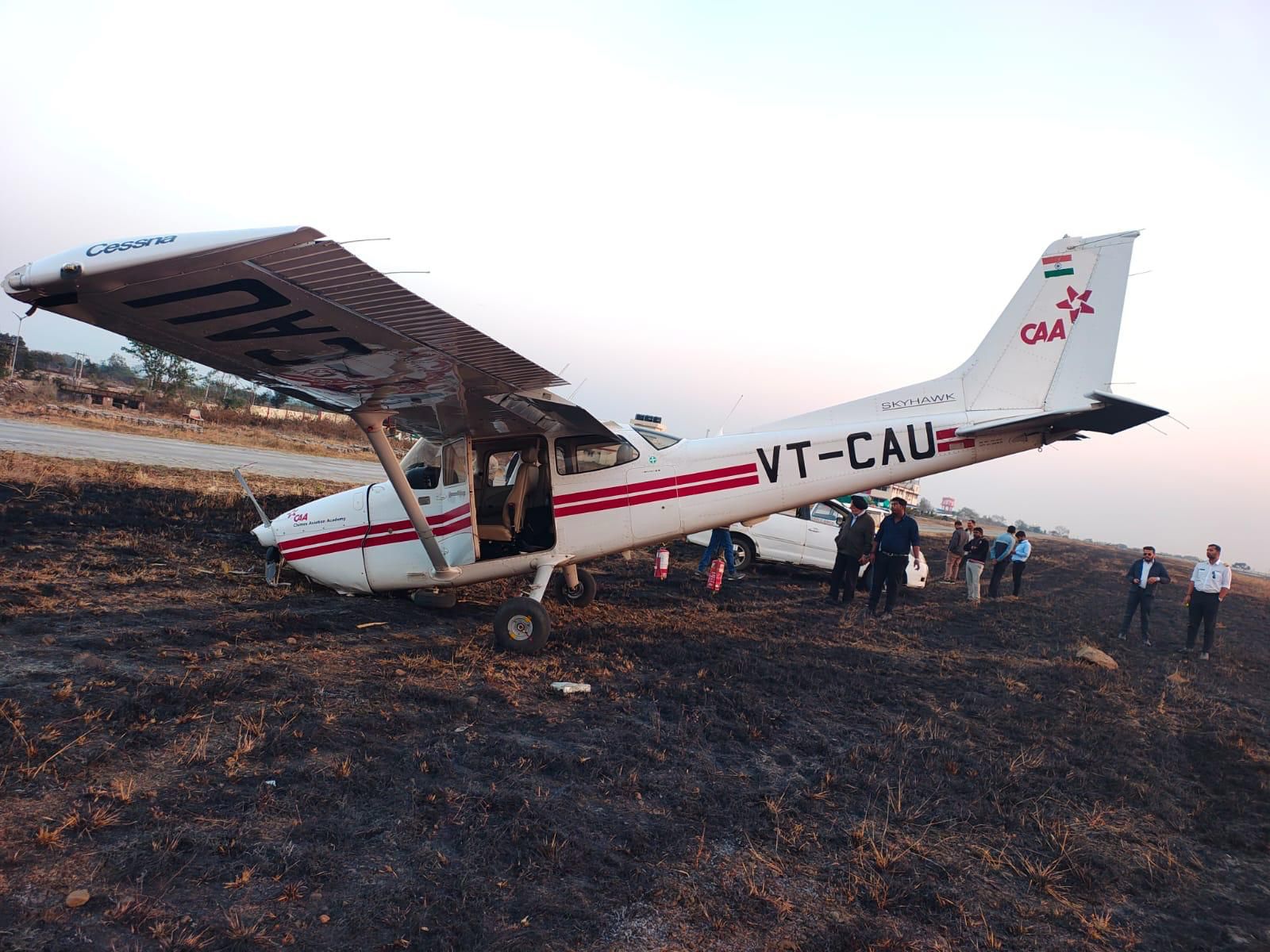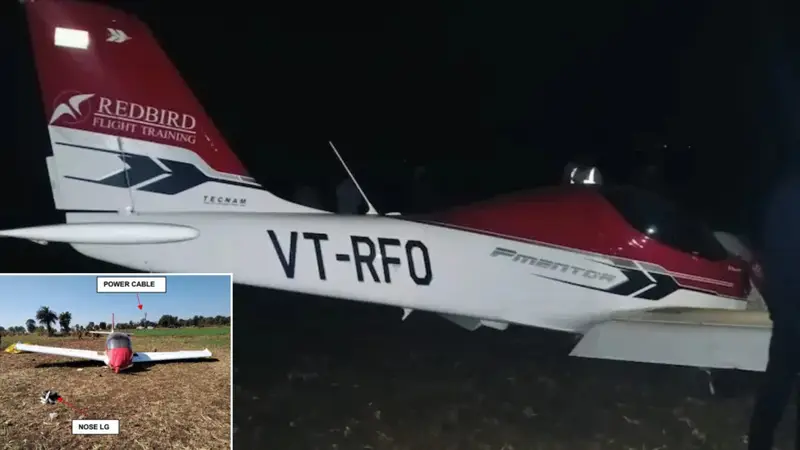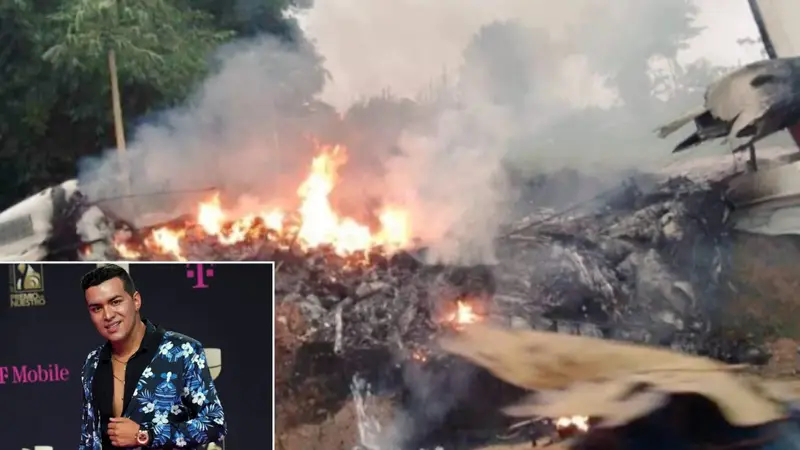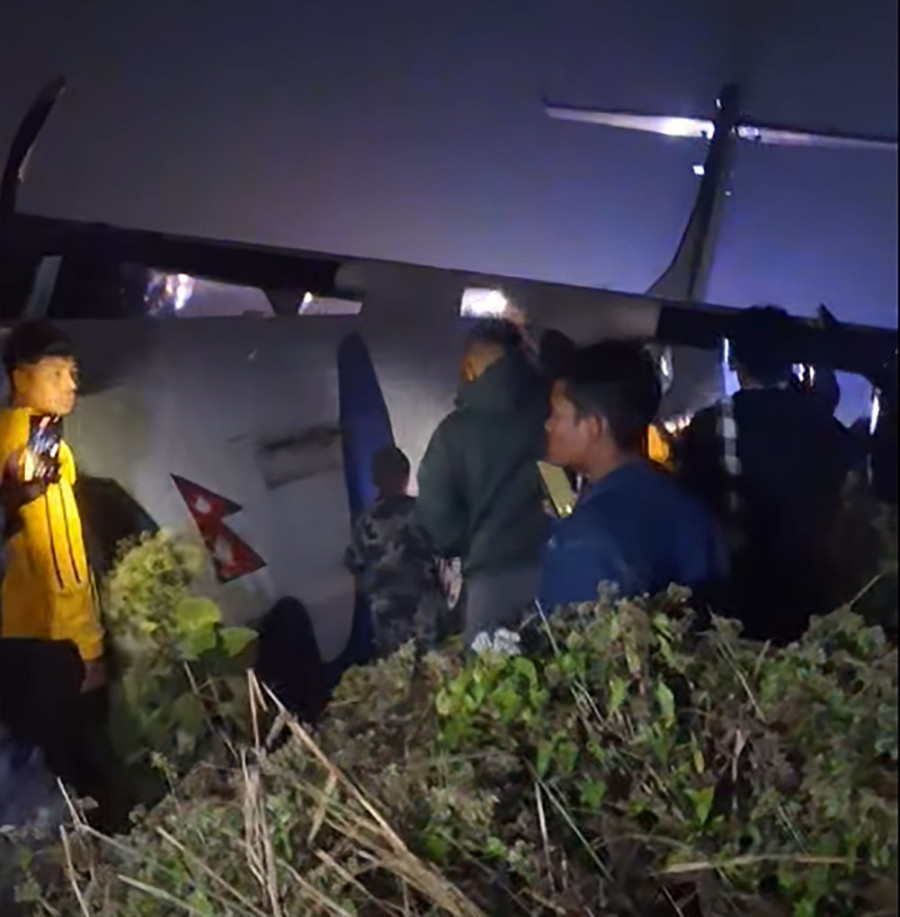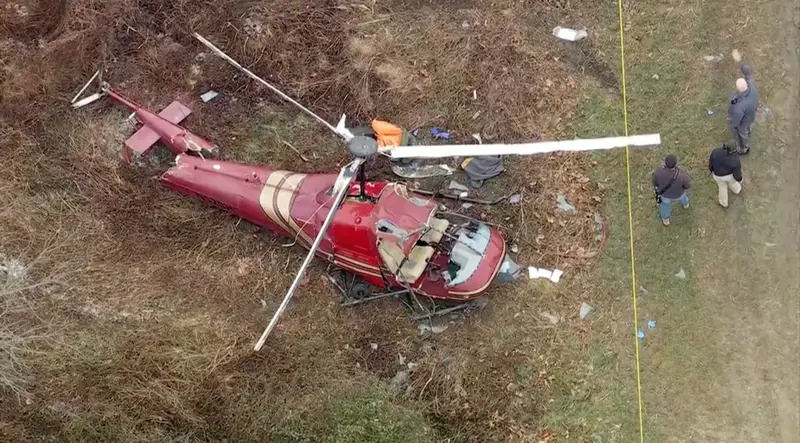

A small single-engine training aircraft overturned during an emergency landing near Madrid, but the pilot emerged uninjured, aviation officials reported. The incident occurred on a routine training sortie when the aircraft experienced a technical issue that forced the pilot to seek an immediate landing outside of an airport environment.
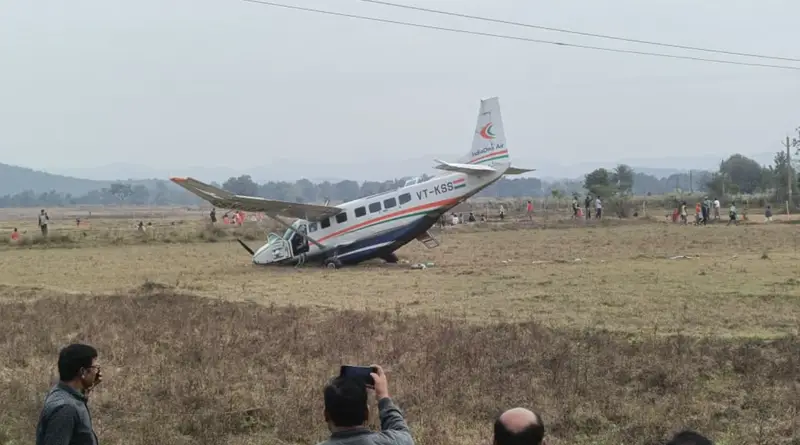
The pilot, who was flying alone, recognised the developing problem in mid-flight and determined that an off-airport landing was the safest option under the circumstances. After selecting a suitable stretch of open ground near the aircraft’s flight path, the pilot brought the aircraft down with controlled descent techniques. During the touchdown, one of the aircraft’s landing gear components failed to absorb the impact cleanly, causing the plane to flip onto its roof.
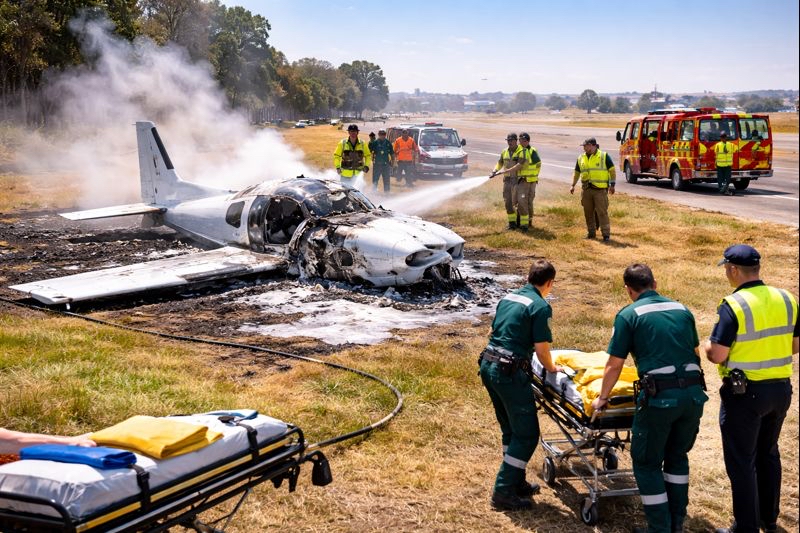
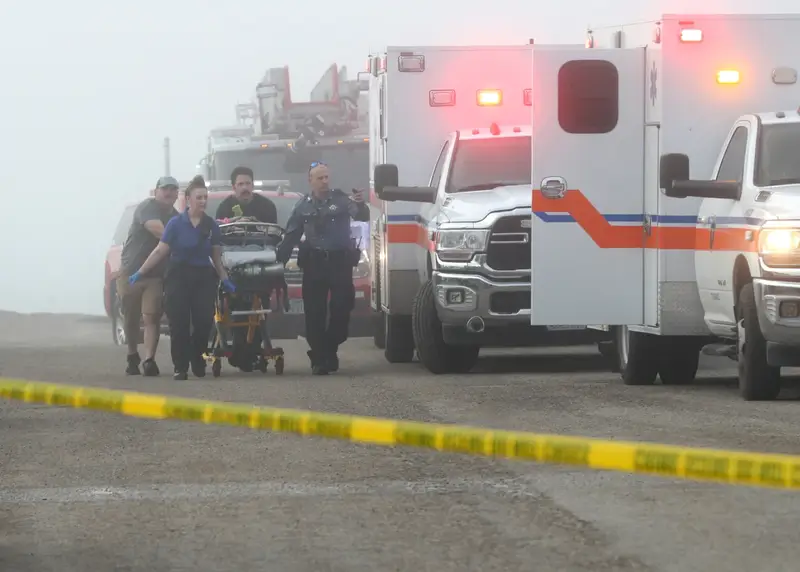
Emergency responders and aviation safety personnel were notified promptly and reached the scene to assess the situation. The pilot was already clear of the aircraft when help arrived and was evaluated by medical teams. Despite the dramatic nature of the aircraft’s overturning, no injuries were reported, and the pilot was described as being in good condition.
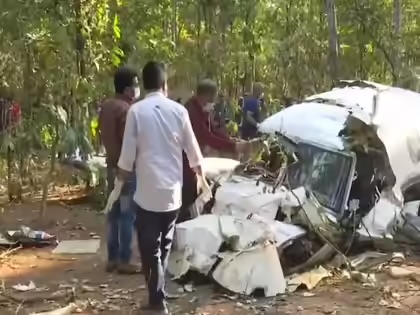
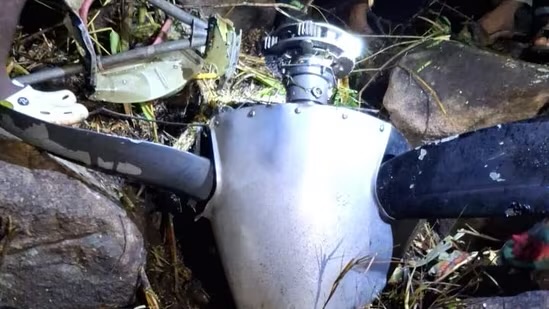
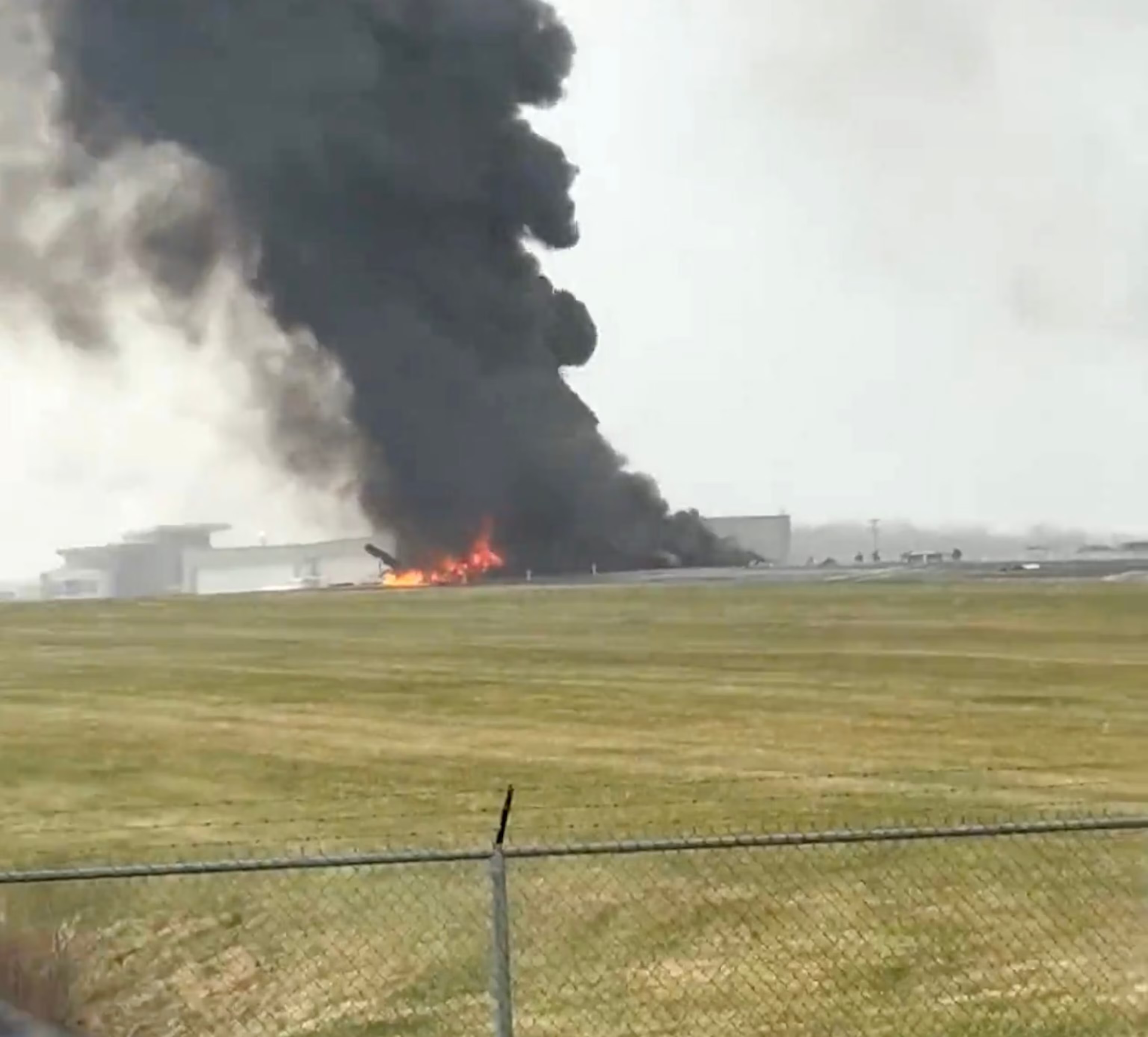
Authorities secured the area for safety and began preliminary documentation of the wreckage. The site was cordoned off to preserve evidence for investigators who will work to determine the sequence of events leading up to the emergency landing and the subsequent flip. Standard protocols for aircraft accidents and incidents are being followed as part of the review.
Training aircraft, often used in flight schools and pilot education programmes, are designed with safety and reliability in mind, but they are still subject to mechanical issues and in-flight anomalies that can occur even under experienced hands. In this case, the pilot’s decision to land immediately likely averted more serious consequences that can arise when systems degrade during flight.
Investigators will examine maintenance records for the aircraft, recent inspection logs, fuel status, control responses and any available flight data to establish whether the emergent condition was caused by a mechanical failure, a system anomaly or another factor. These assessments will help determine whether the incident was isolated or if additional guidance is needed to prevent similar occurrences.
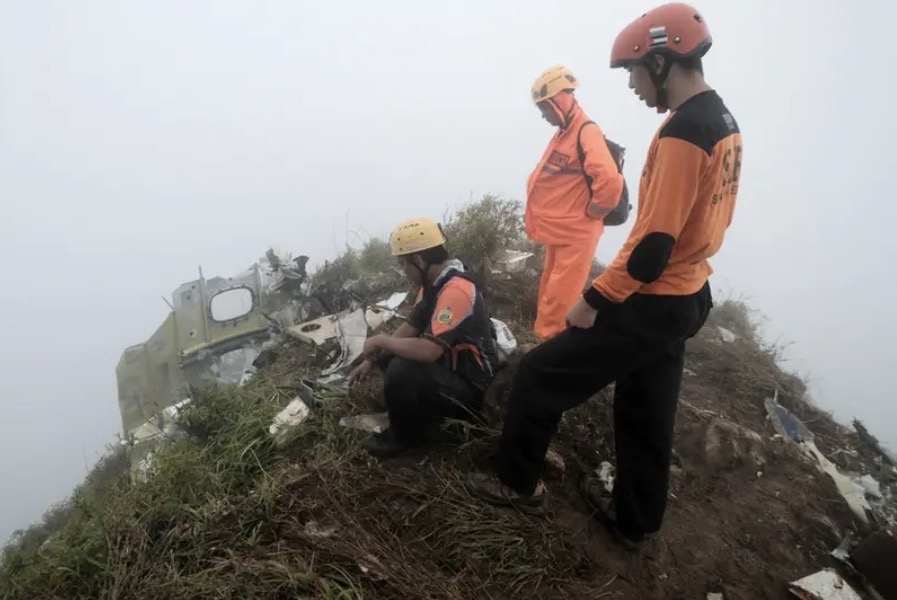
The aircraft’s structure, now inverted on the ground, will be studied by technical teams to understand how its design responded to the stress of the emergency landing. Photos and initial observations suggest that although the airframe suffered damage consistent with an inverted landing, key safety components helped preserve the integrity of the pilot’s occupant space, contributing to the lack of injury.
Local aviation authorities and the flight training community emphasised the importance of emergency preparedness and pilot training in handling unforeseen situations. Scenarios such as engine trouble, control system irregularities or other in-flight issues are often practised in simulators or specialised training sessions so that pilots can respond effectively when real situations arise.
The pilot’s calm handling of the emergency situation drew praise from both first responders and aviation observers, highlighting that decisive action and good judgement can make a critical difference in outcomes when aircraft cannot reach a designated runway.
As the investigation unfolds, officials will share updates on possible causes and any recommended safety measures. Findings from such incidents are regularly used to inform training syllabus enhancements, maintenance protocols and industry safety advisories.
For aviation enthusiasts and everyday travellers alike, this incident serves as a reminder of the robust safety culture within aviation and the value of strong pilot training that prepares crews for unexpected challenges. The pilot’s safe exit from an overturned aircraft stands as a testament to both individual skill and the underlying resilience built into general aviation operations.