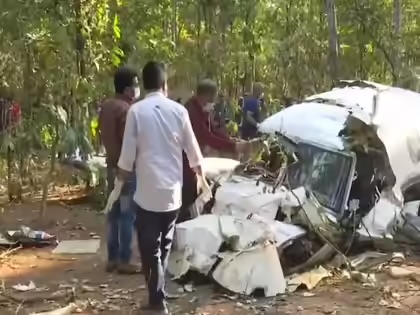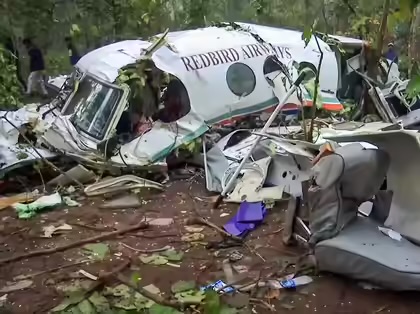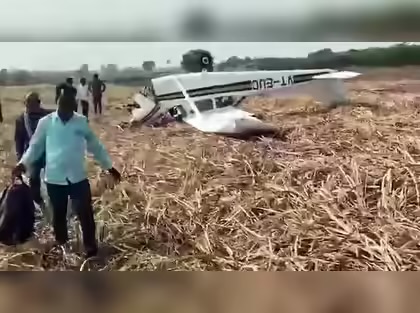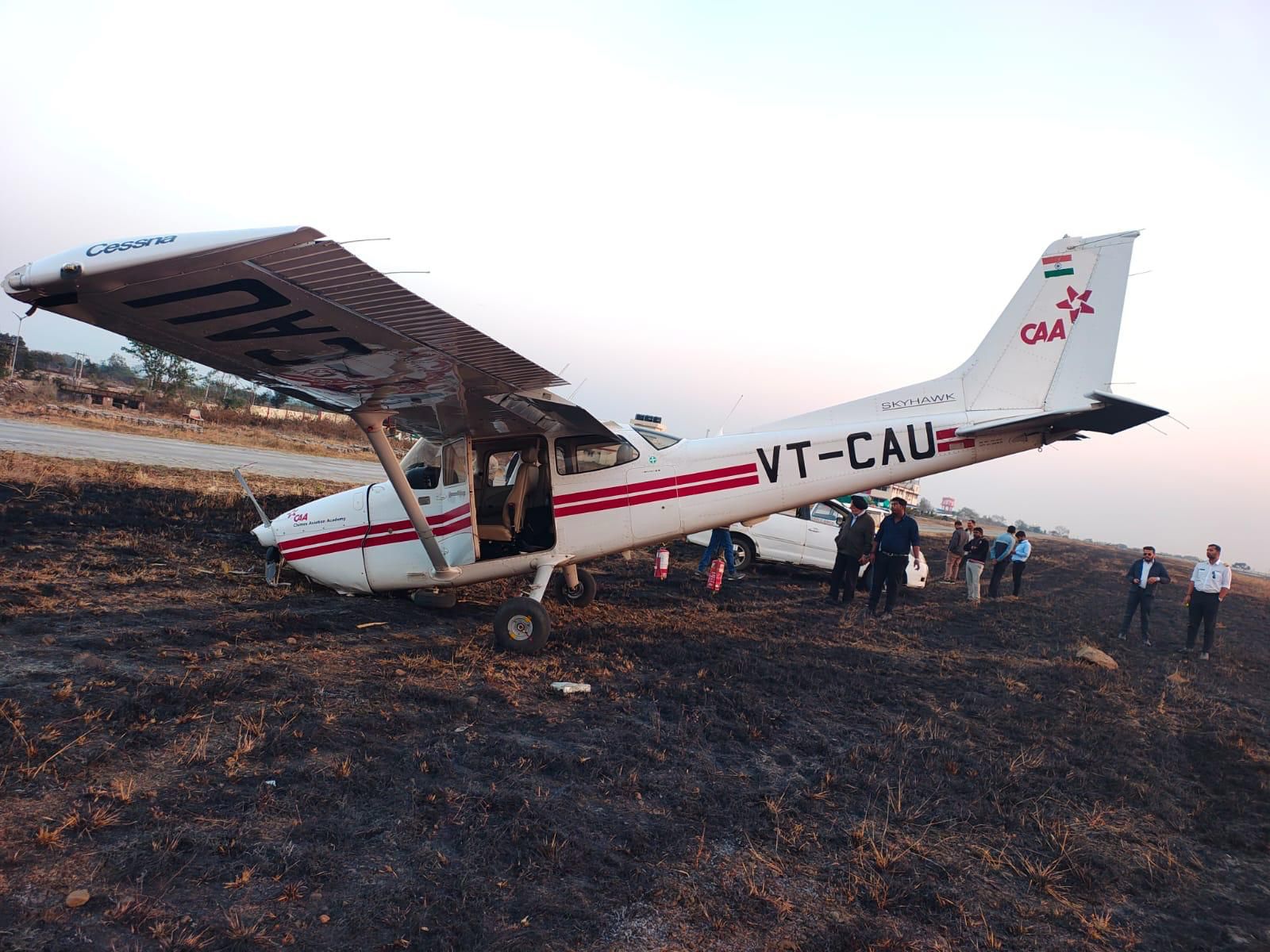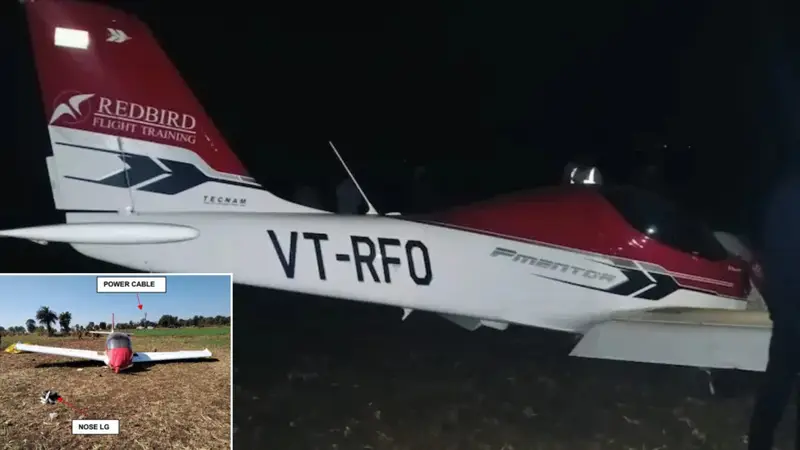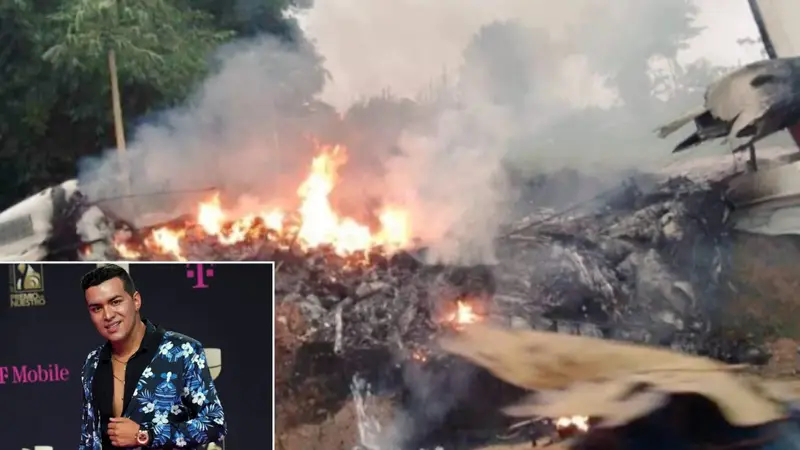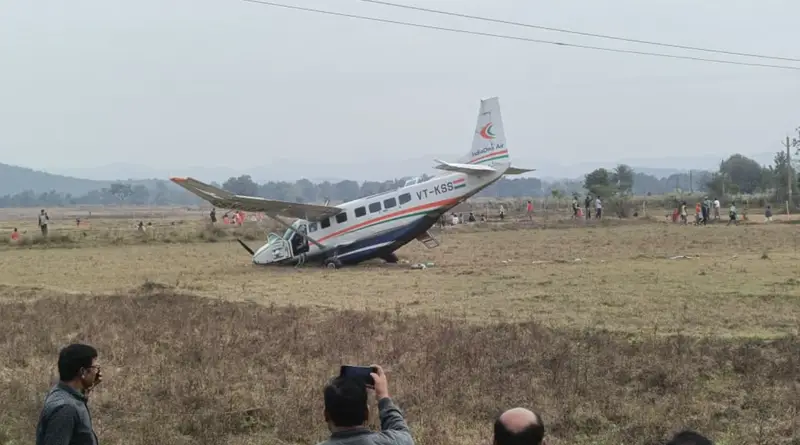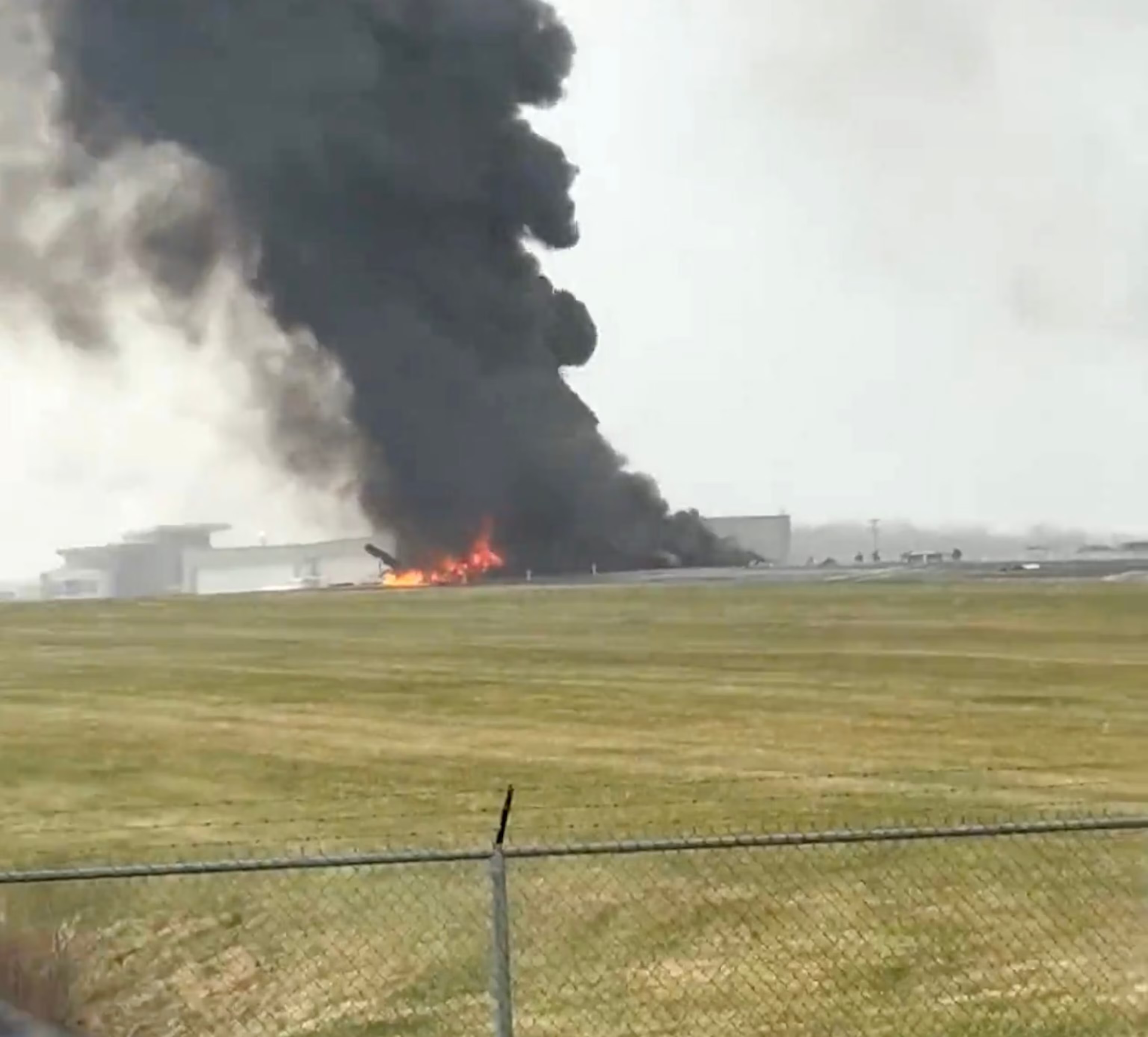
A student pilot walking away from a training flight crash has drawn widespread attention after a light aircraft plunged to the ground and burst into flames shortly after takeoff near Adelaide’s Parafield Airport. The trainee, who was the sole occupant of the aircraft, survived the fiery impact with serious presence of mind and emergency responders credited quick action with preventing further tragedy.
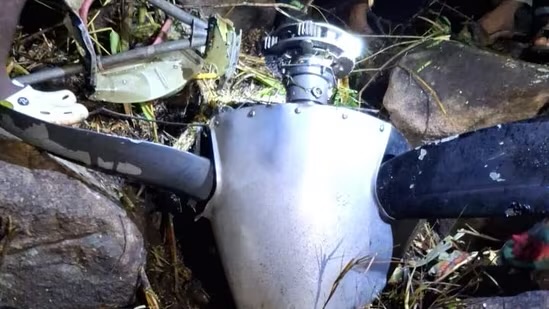
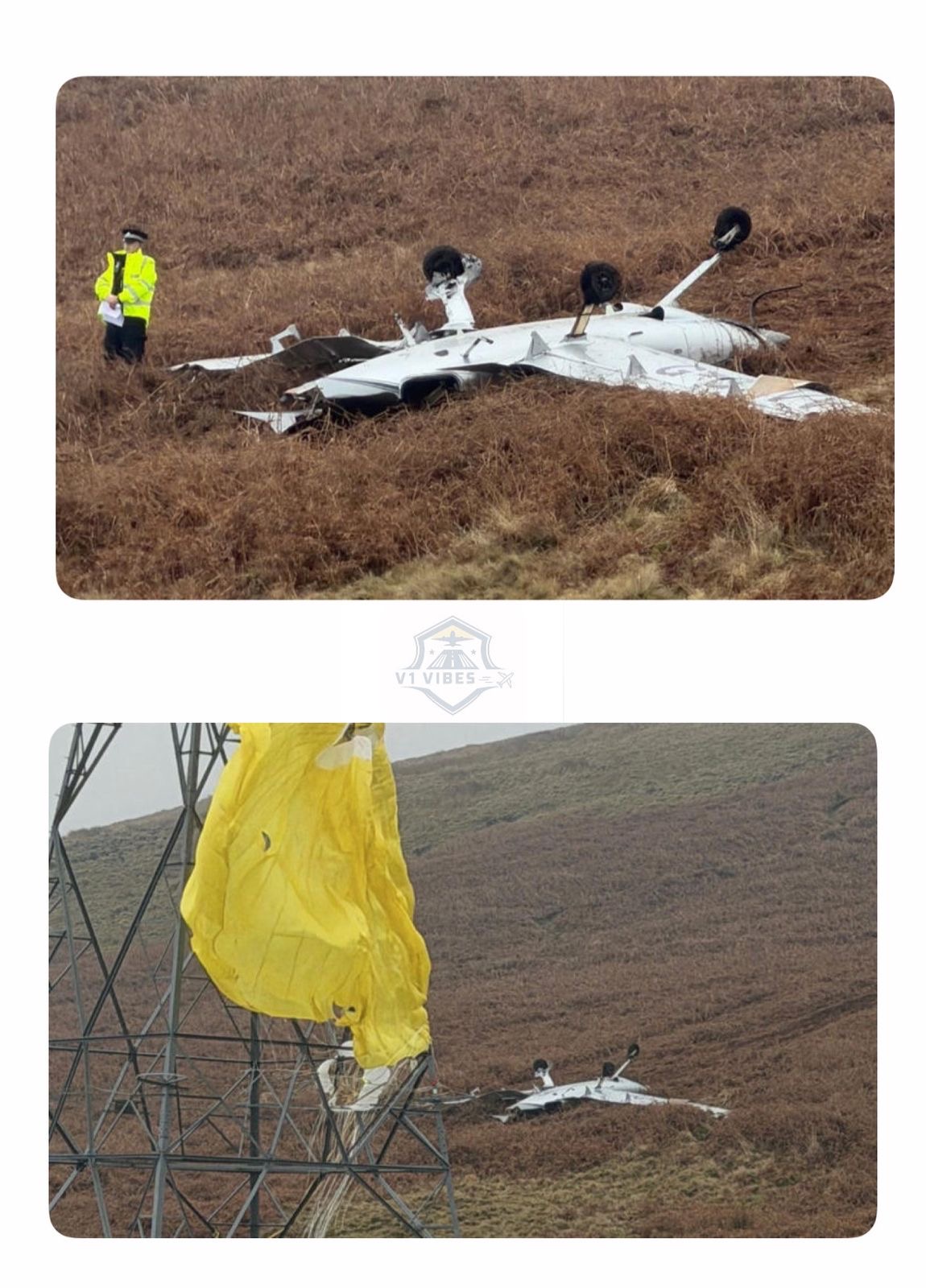
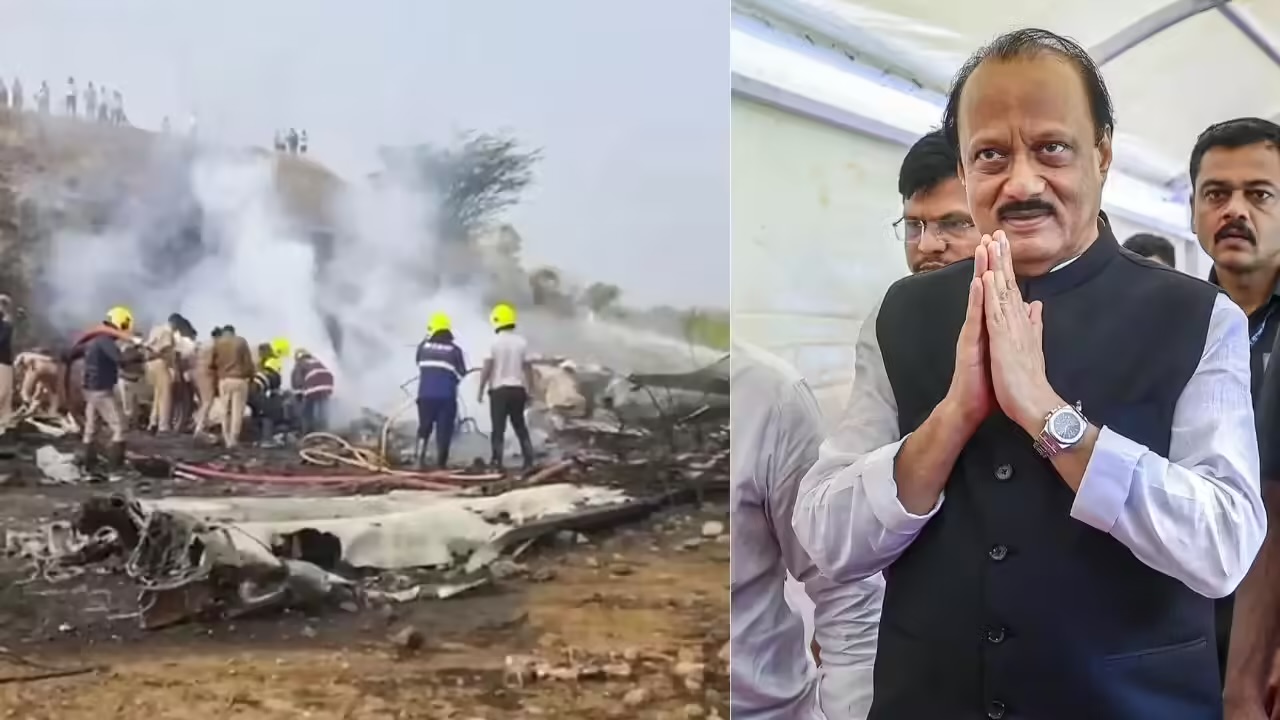
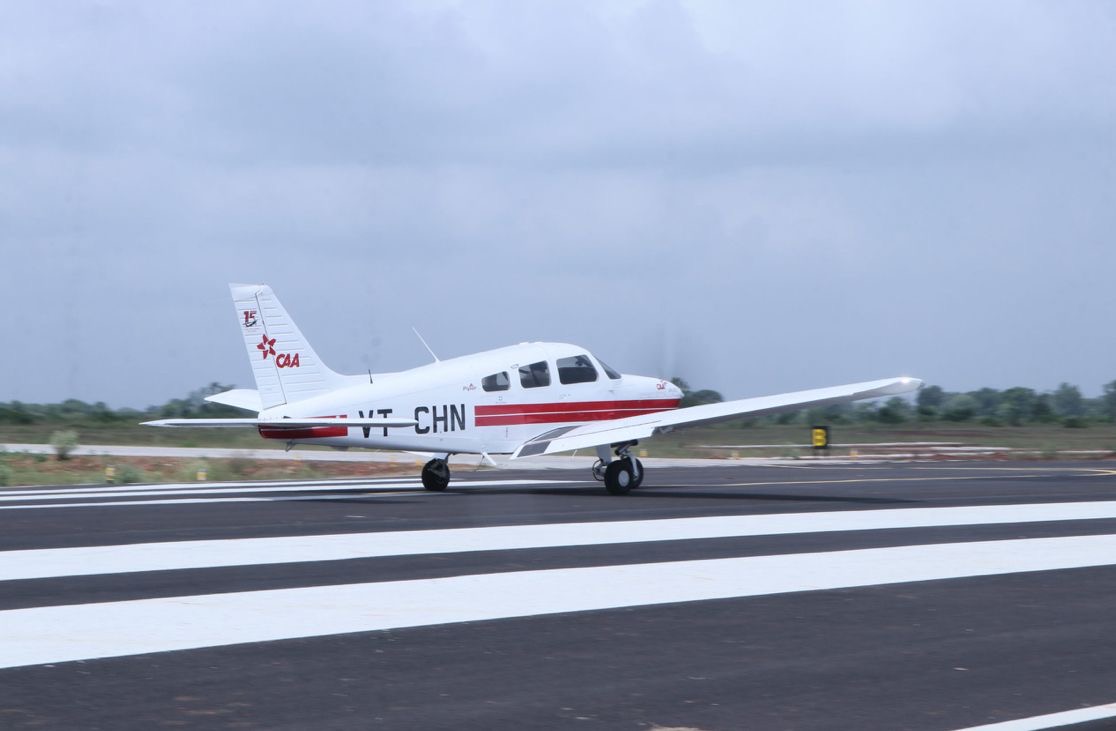
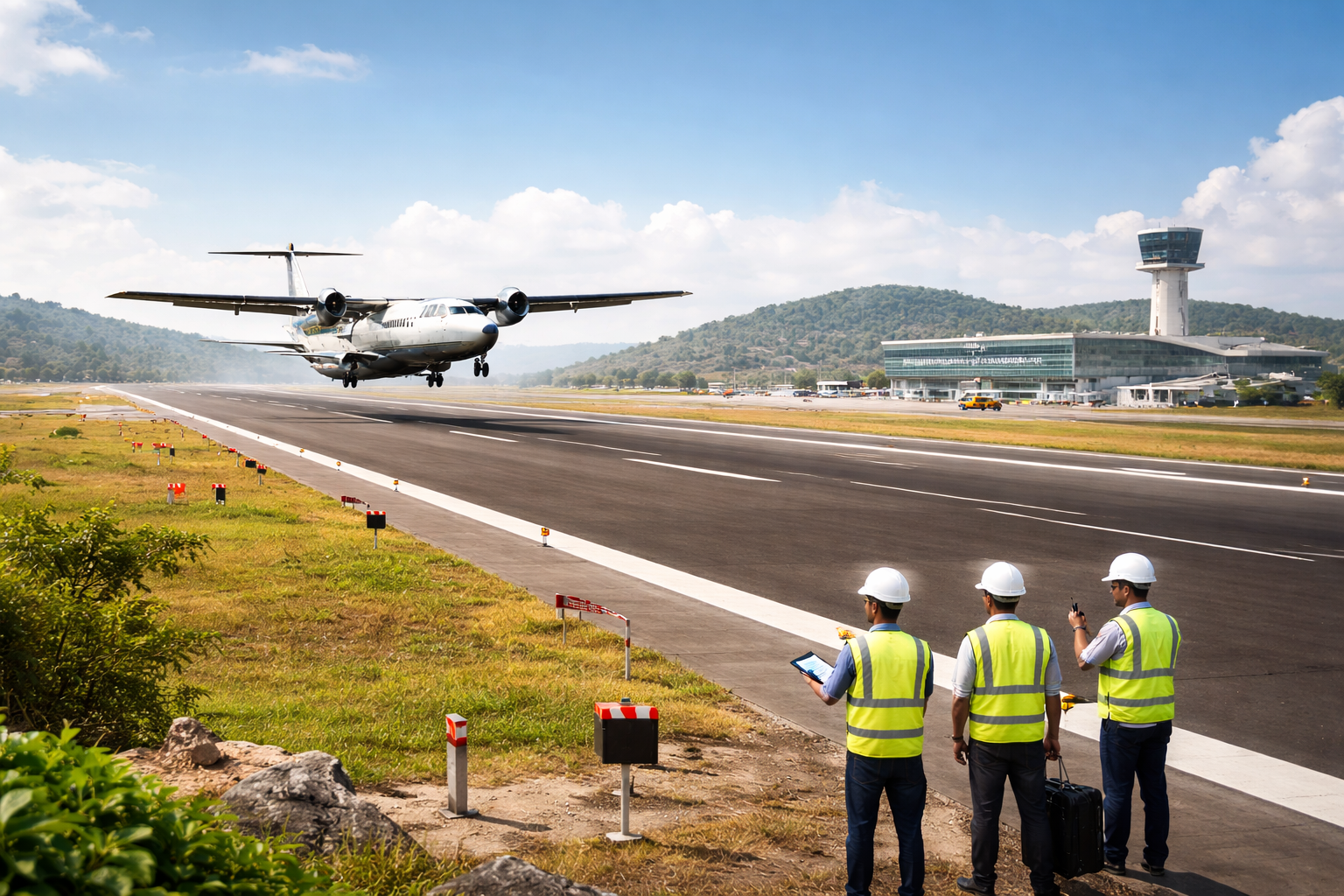
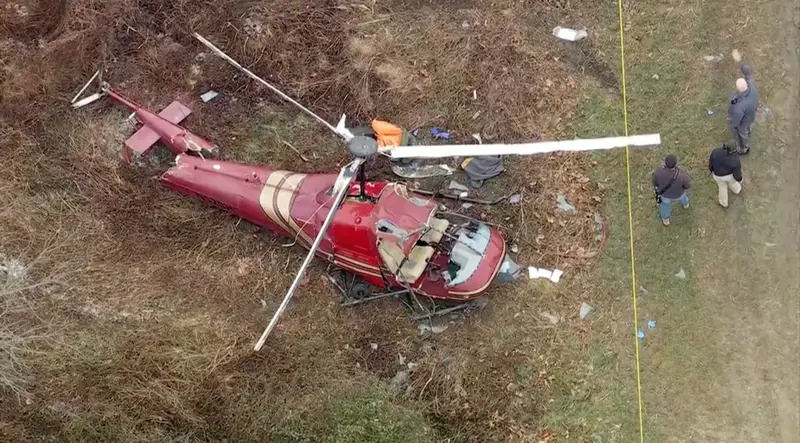
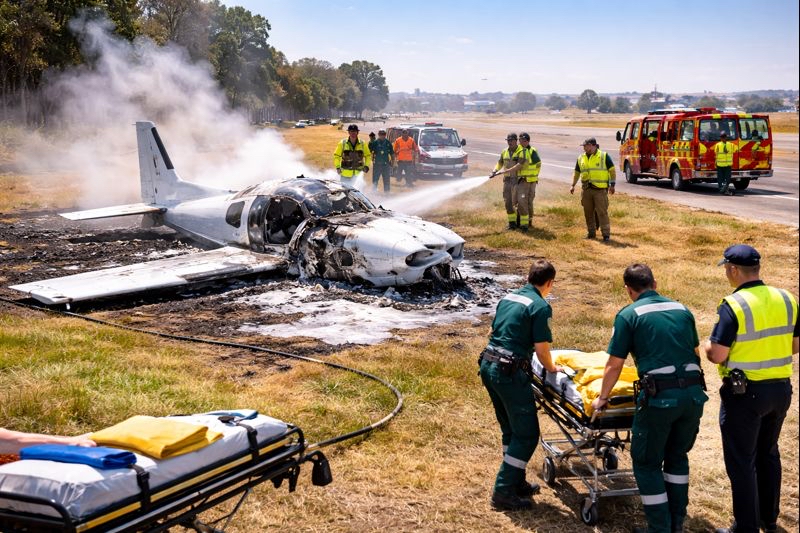
The incident took place during a routine training sortie in the mid-afternoon, when the two-seat single-engine aircraft encountered trouble shortly after lifting off. Witnesses reported seeing the plane descend rapidly before striking a grassy area just off the runway, where it then erupted into heavy flames and smoke. Nearby onlookers called emergency services as the aircraft burned fiercely against the backdrop of a clear sky.
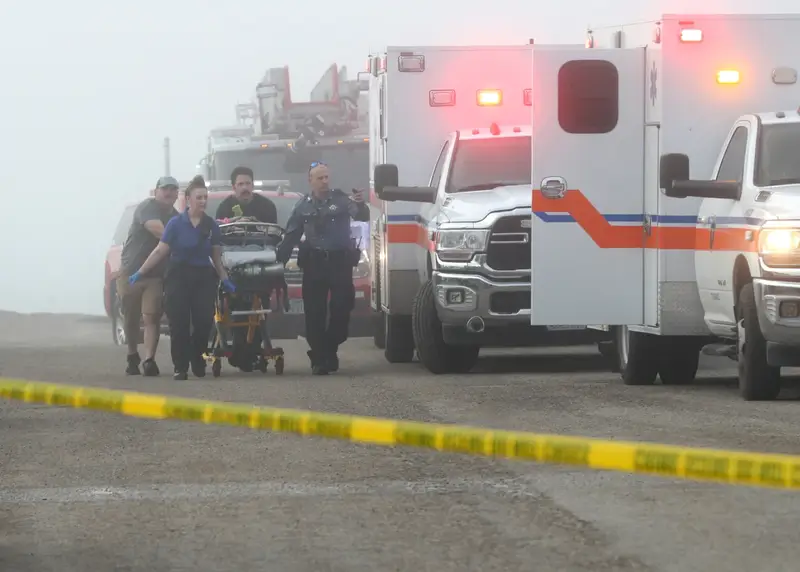
Despite the alarming scene, the student pilot was able to exit the burning wreckage on his own and retreat to a safe distance, where he was met by responding fire crews and medical personnel. Emergency responders quickly extinguished the blaze and provided first aid to the pilot, who was later transported to a local hospital for evaluation and treatment of non-life-threatening injuries.
Passengers and staff at Parafield Airport were understandably shaken by the event, with some describing the moment of impact as “jarring” and the resulting fireball as “terrifying.” However, many also praised the pilot’s quick reaction and credited the training he had received for helping him escape the aircraft before conditions worsened. Aviation experts said that the fact he was able to walk away was a testament to both his reflexes and structural safety features of modern light aircraft.
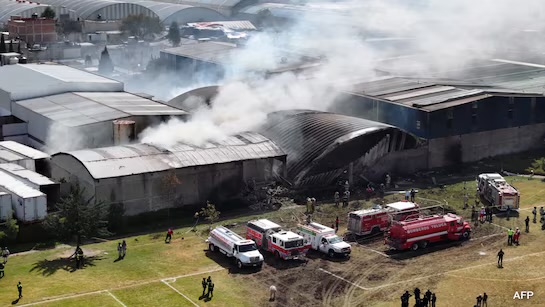
Airport operations were temporarily suspended as emergency crews dealt with the wreckage and ensured the scene was safe for investigation. Flights were held on the ground and arriving aircraft were rerouted or placed in holding patterns until the runway and surrounding areas were cleared. Officials later confirmed that normal operations resumed once investigators had completed initial assessments.
The surviving pilot was described by friends and instructors as an enthusiastic student with a passion for flying. Aviation training institutions often stress the importance of emergency preparedness and survival training, and in this case those elements appear to have played a critical role in the positive outcome for the trainee. Faculty members noted that he had shown calmness under pressure during rigorous flight drills leading up to the accident.
Authorities have launched a formal investigation into the cause of the crash, with aviation safety experts examining factors such as engine performance, mechanical issues, weather conditions, and pilot inputs at the time of the incident. Preliminary interviews and data collection are underway, and it may take weeks before a detailed report is released outlining the probable causes of the mishap.
The broader aviation community in Australia has rallied around the student and the flight school, offering support and encouragement as the pilot recovers. Many pilots, both amateur and professional, highlighted the importance of safety procedures and diligence during training flights, reminding others that even routine sorties can carry risks that must be respected.
In the wake of the crash, discussions about flight training standards, emergency response readiness, and safety equipment are likely to continue. In the meantime, the survival of the student pilot stands as a hopeful reminder that preparation, training, and rapid emergency response can make a life-saving difference in even the most dramatic of aviation incidents.