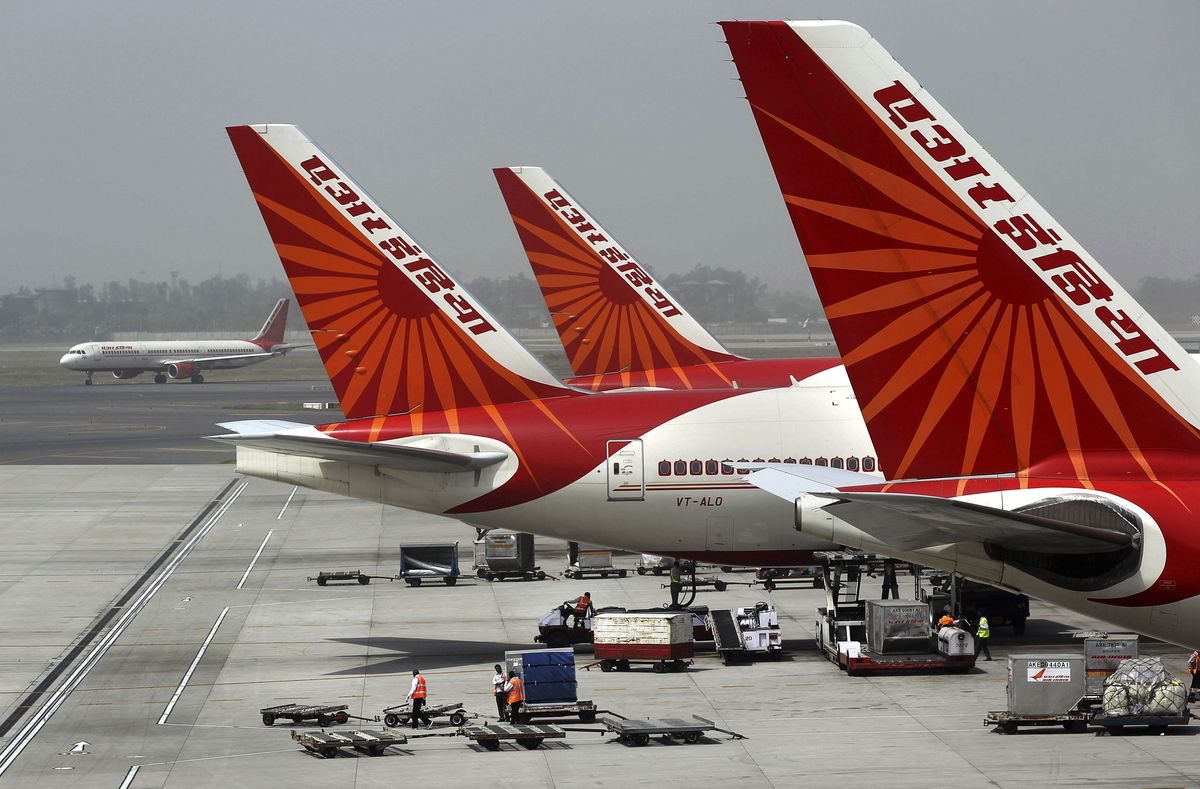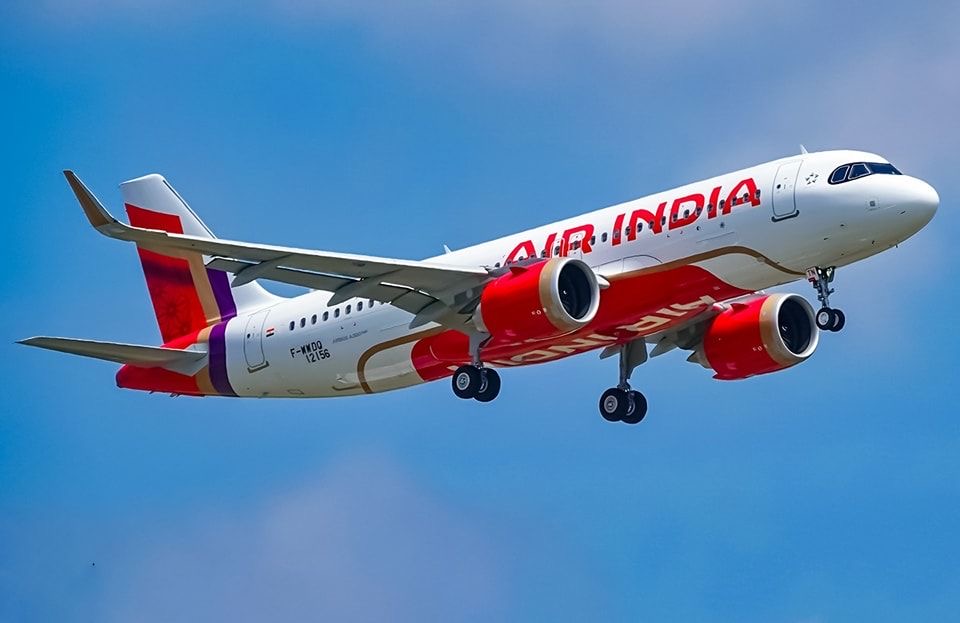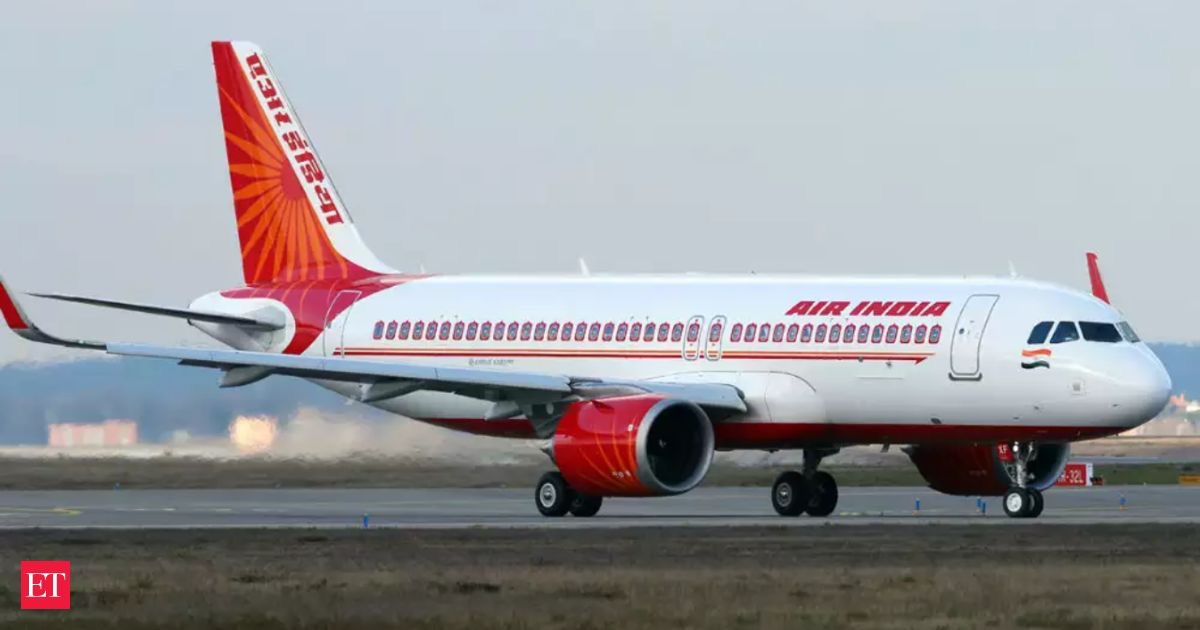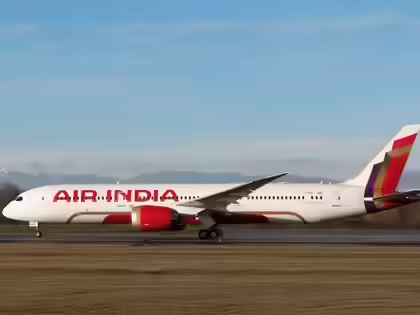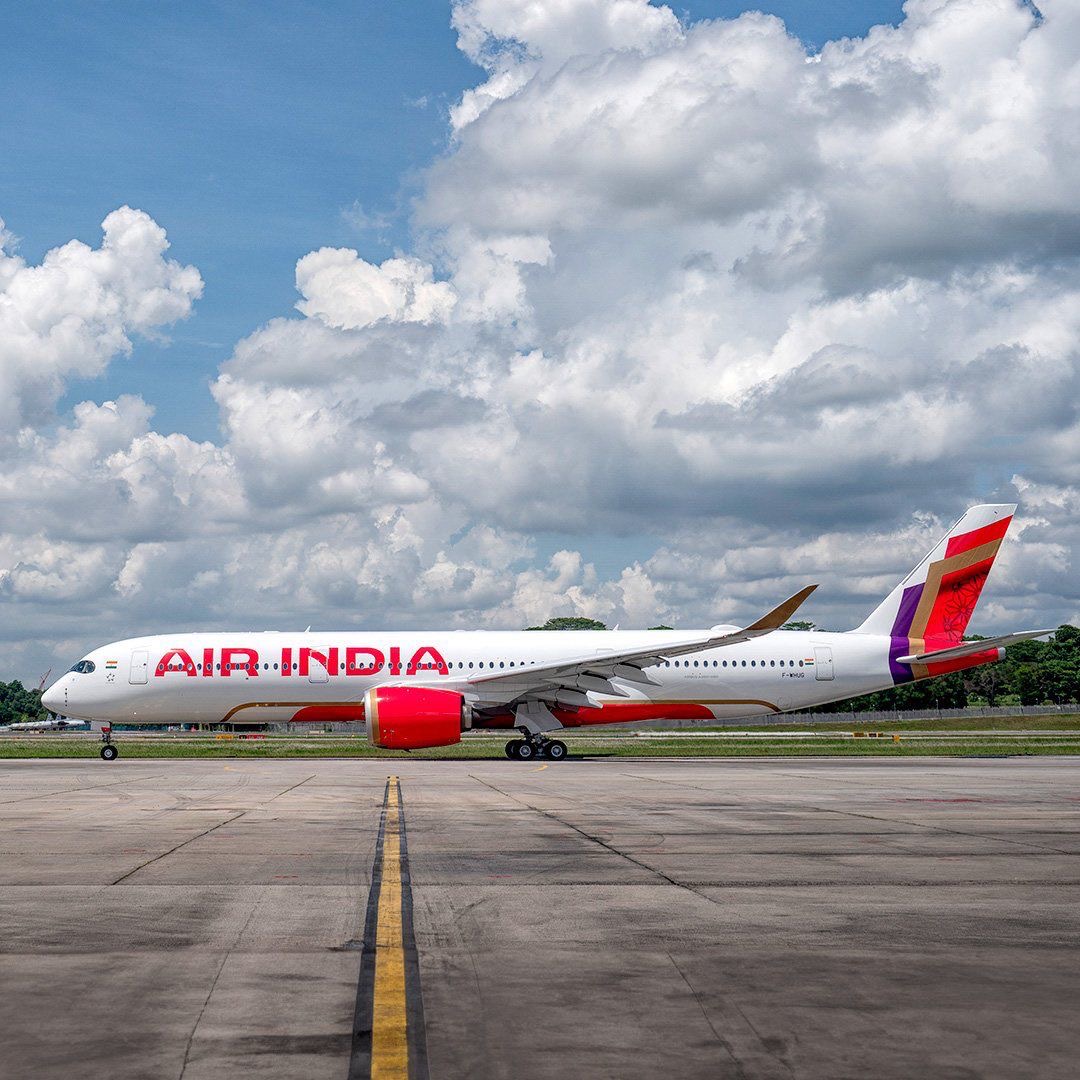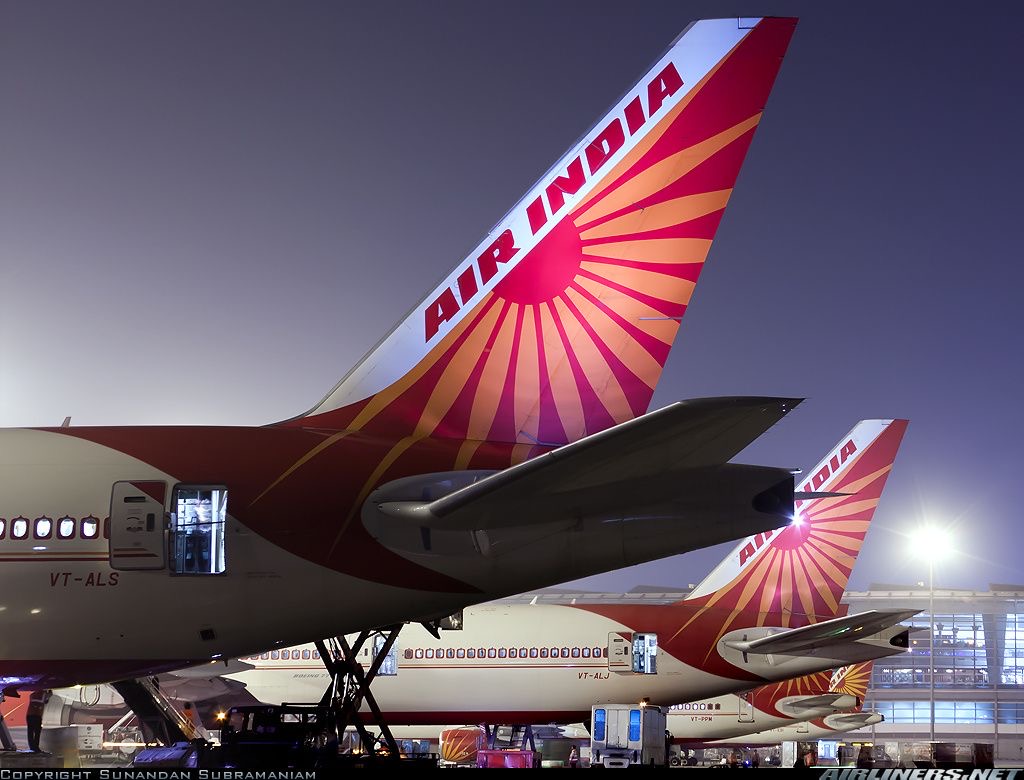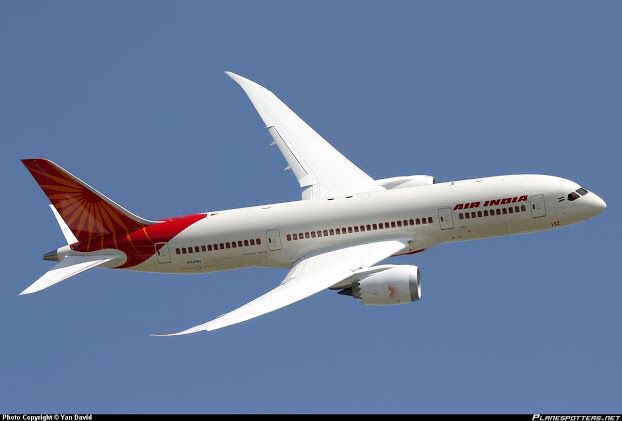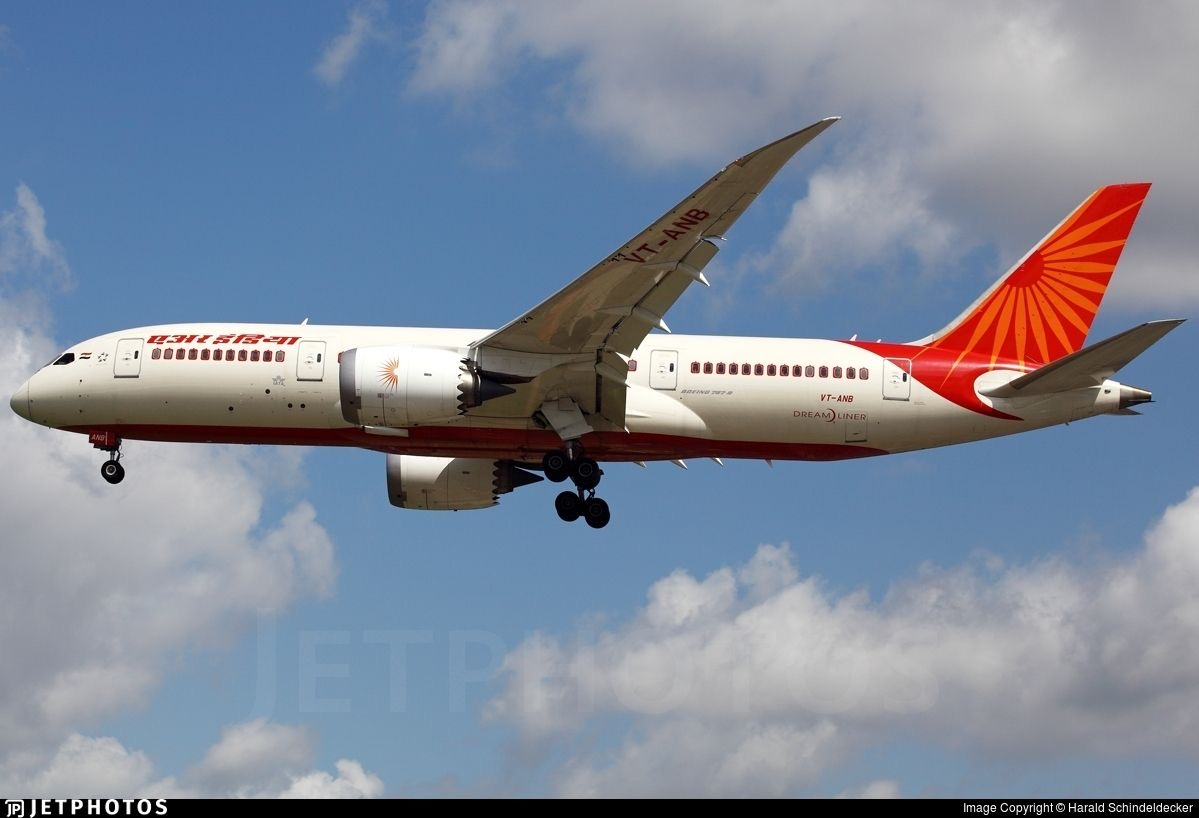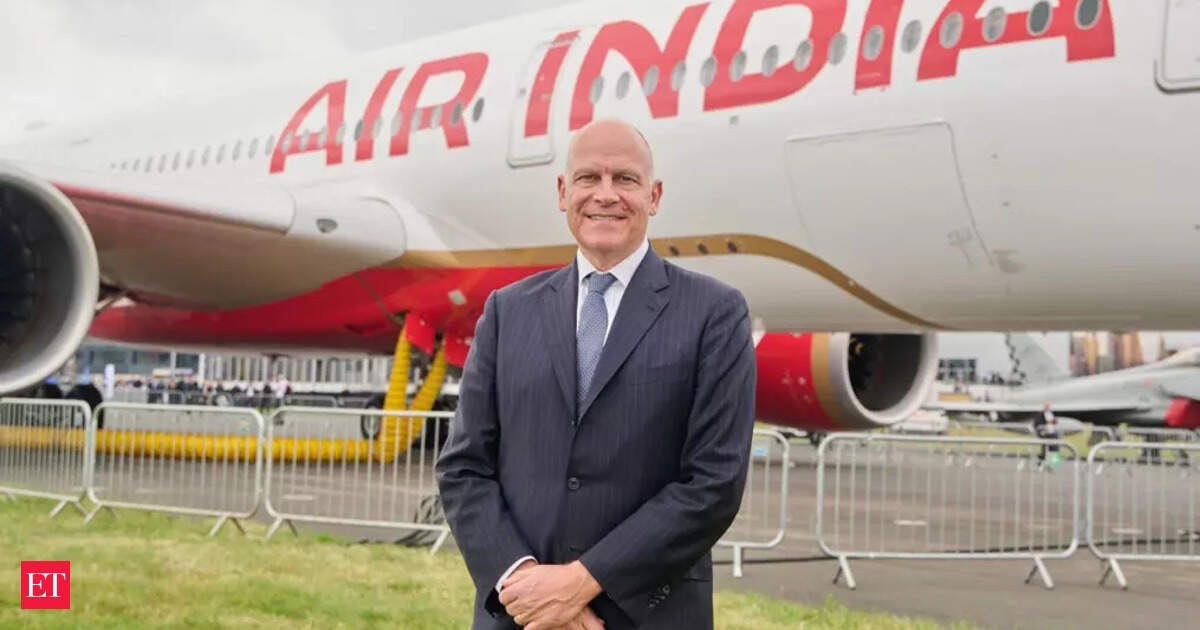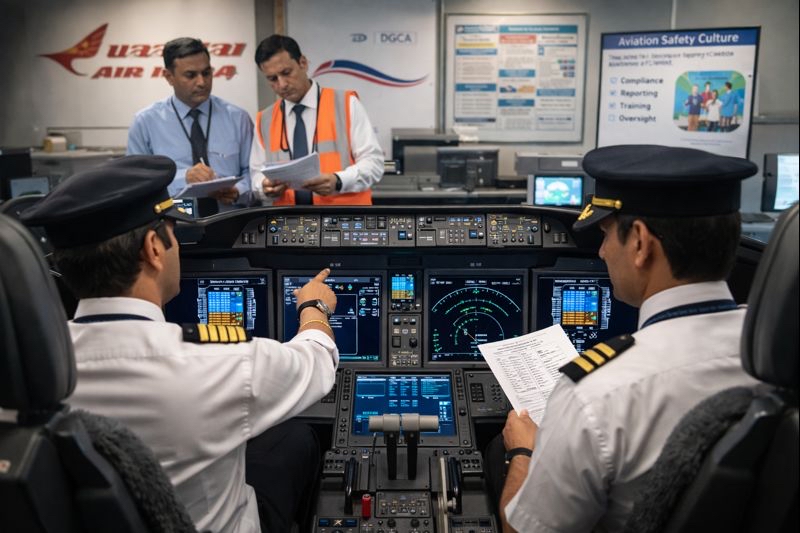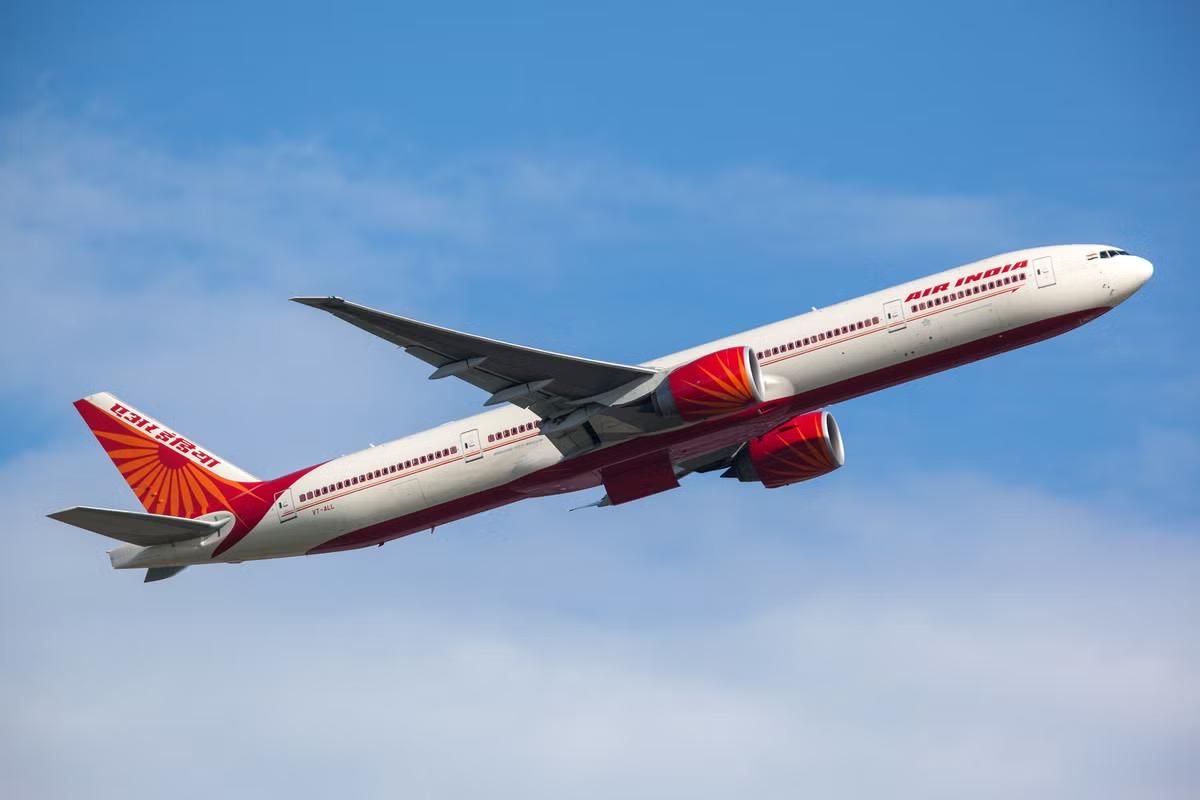

India’s flagship carrier Air India has significantly modernised its workforce structure following its privatisation, with the government stating that the airline’s employee base is now more aligned with private-sector performance standards.
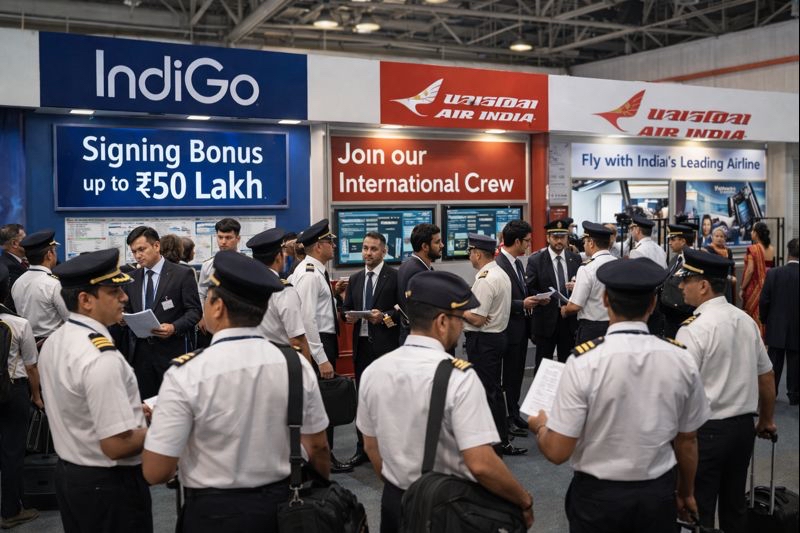
According to the Ministry of Civil Aviation, the airline has undertaken several structural changes since the Tata Group acquired Air India in January 2022. These changes include new hiring strategies, contract restructuring, and voluntary exit options for certain employees as part of a broader transformation plan aimed at improving operational efficiency.
Government officials informed the Rajya Sabha that the airline’s workforce today is younger and more skilled compared to earlier years. The restructuring has helped bring staffing structures closer to private-sector benchmarks, which typically focus on productivity, operational discipline, and customer-centric performance indicators.
As part of the transition, the airline has introduced policy adjustments designed to improve employee retention and organisational efficiency. These include raising retirement ages in certain roles, revising employment contracts, and implementing stricter cost-management measures such as limiting business-class travel for internal purposes. Officials say these steps reflect a shift toward a more commercially driven and customer-focused airline culture.
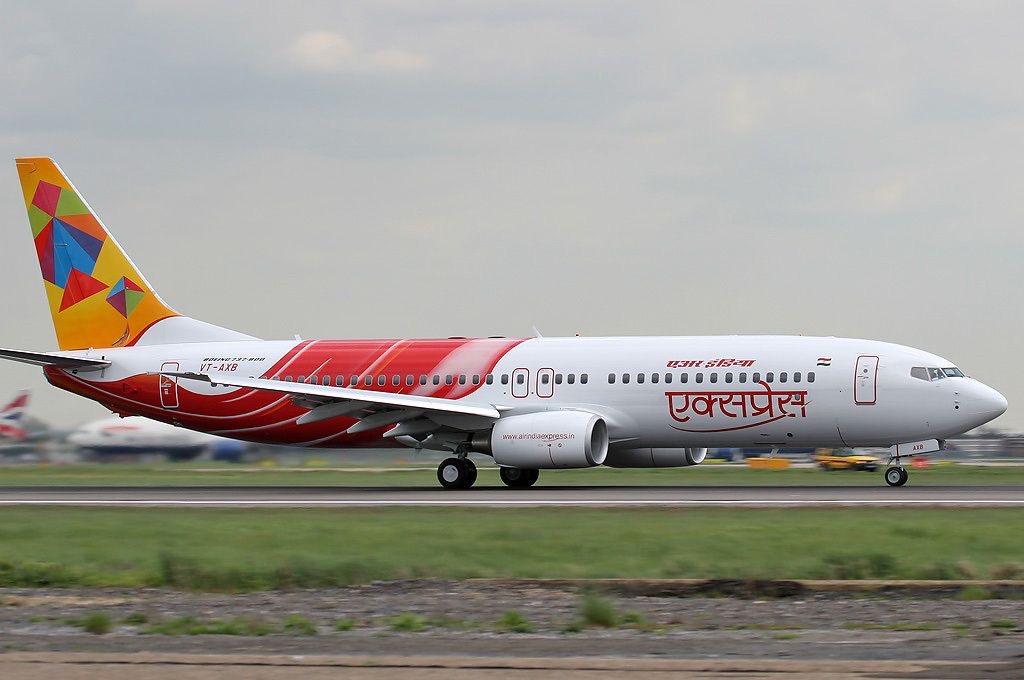
The ministry also noted that the airline has been undertaking several operational initiatives to strengthen performance after privatisation. These efforts include fleet modernisation, the expansion of international and domestic routes, large-scale technology upgrades, and integration initiatives across the broader Air India Group. Such changes are part of the airline’s long-term strategy to compete more effectively in the rapidly expanding Indian aviation market.
Despite these reforms, the government clarified that operational and financial decisions at Air India are now largely commercial matters handled by the airline’s management, given its status as a privately owned company. The airline’s transformation strategy is therefore being implemented directly by the management under the Tata Group’s ownership.
Officials also highlighted that employment conditions were protected during the early phase of privatisation. Under the share purchase agreement signed during the airline’s sale, employees could not be retrenched for a specified period except under specific disciplinary or legal circumstances. This provision was introduced to safeguard staff interests during the transition from government to private ownership.
The restructuring of Air India’s workforce comes at a time when India’s aviation industry is expanding rapidly and competition among airlines is intensifying. By modernising its employee structure and improving operational efficiency, the airline aims to position itself as a stronger competitor in both domestic and international markets.
Industry experts believe that the transformation of Air India under private ownership could serve as a major turning point for the airline, helping it transition from a historically loss-making state carrier into a more competitive, service-oriented global airline.