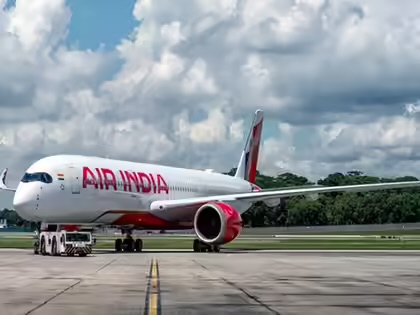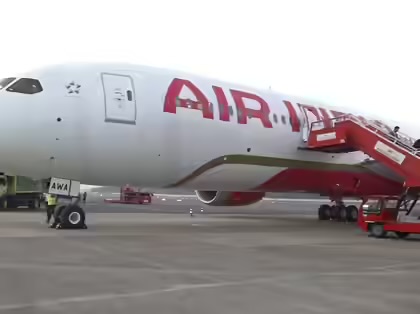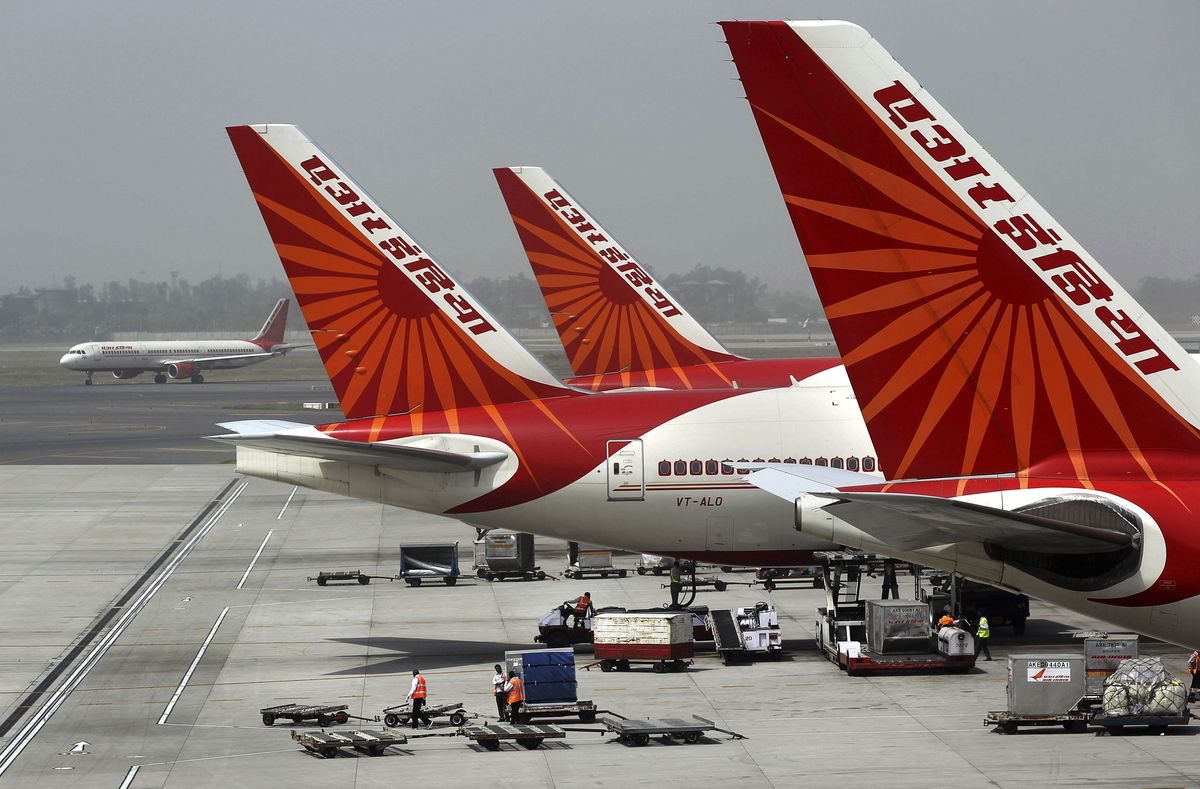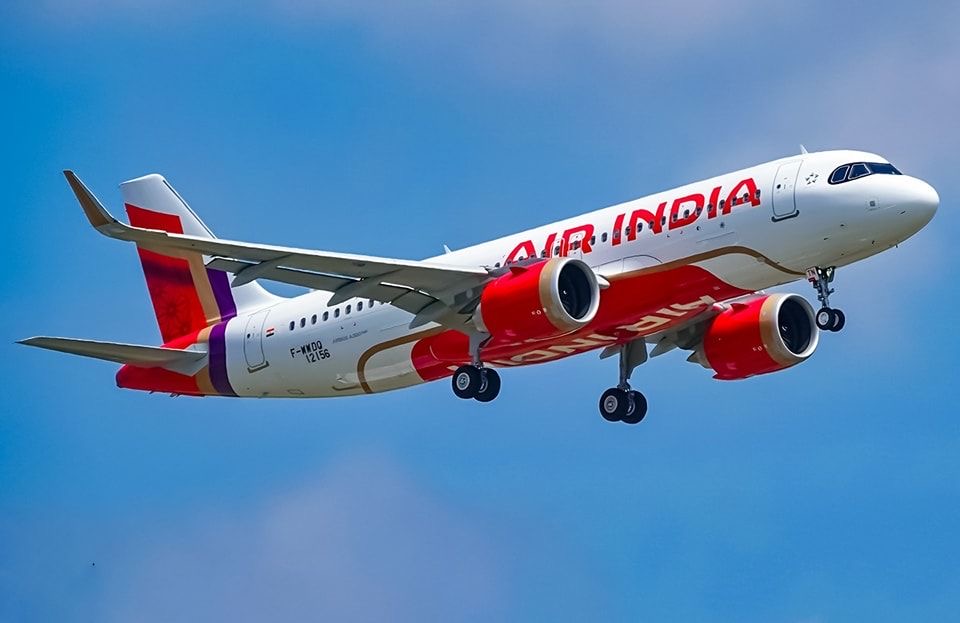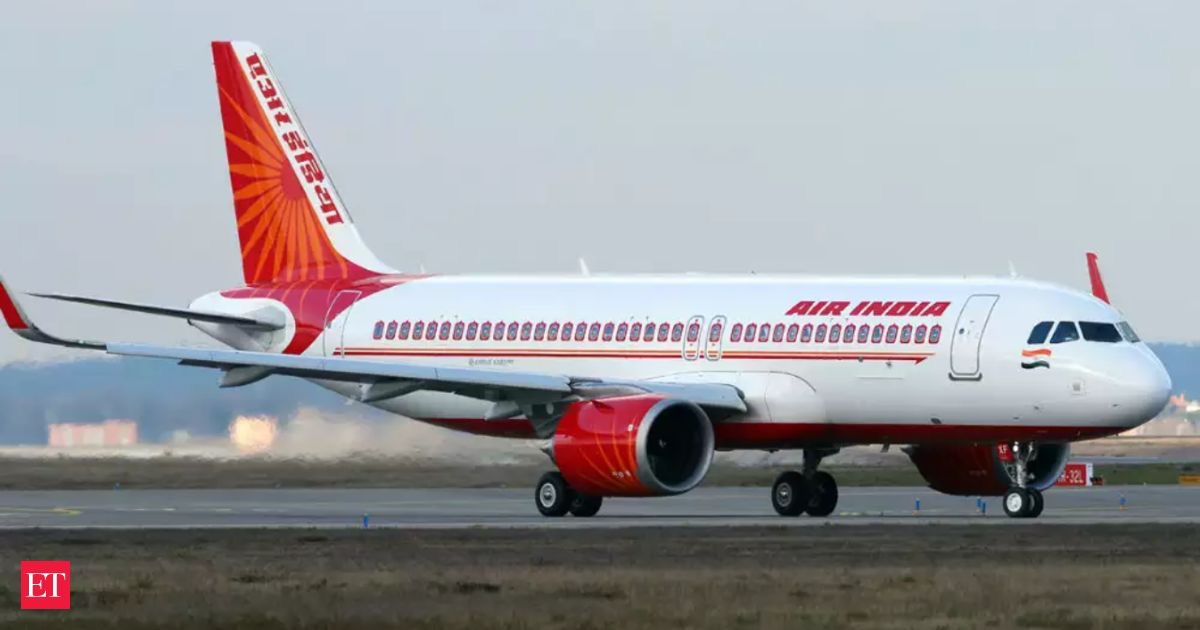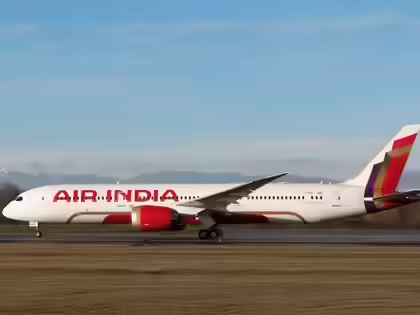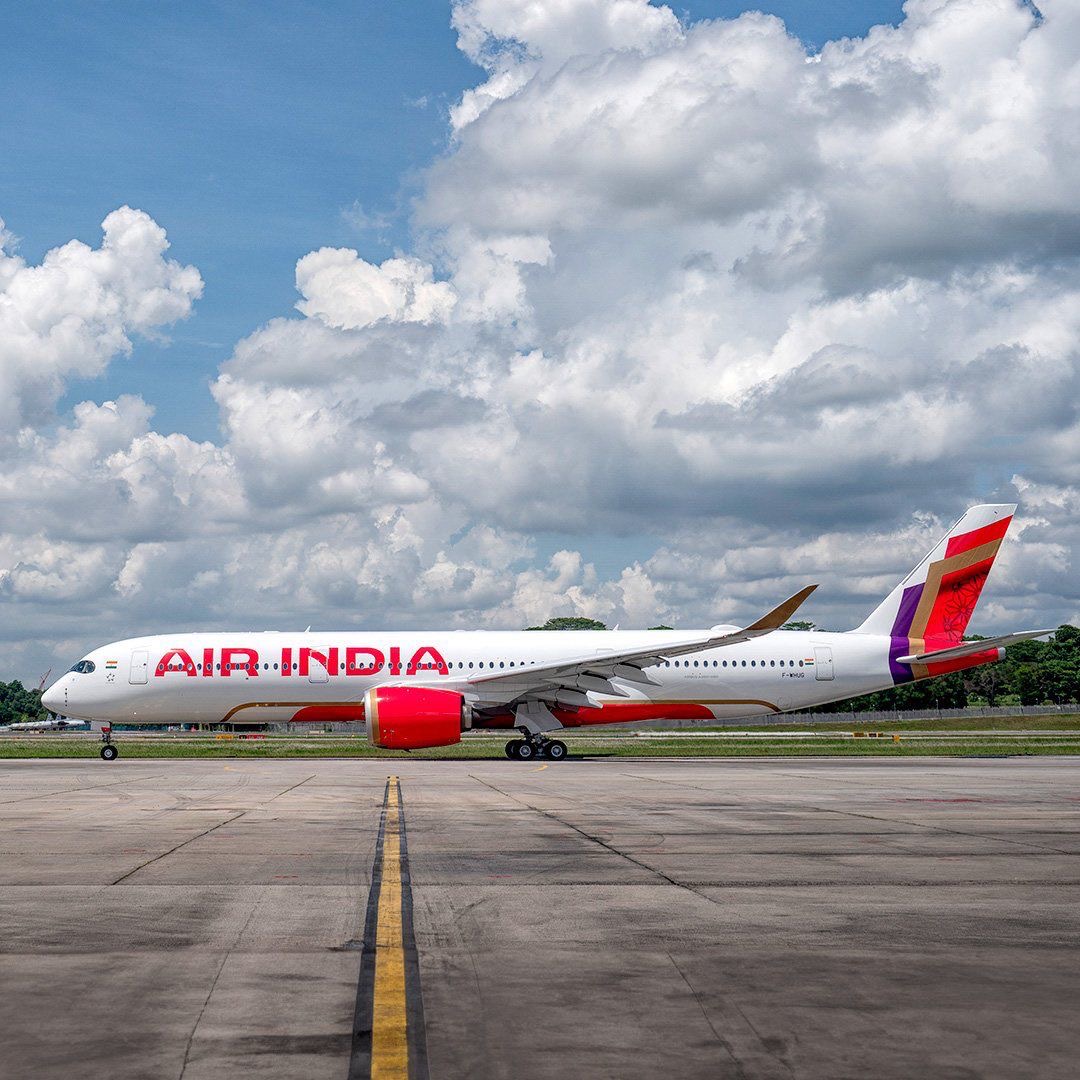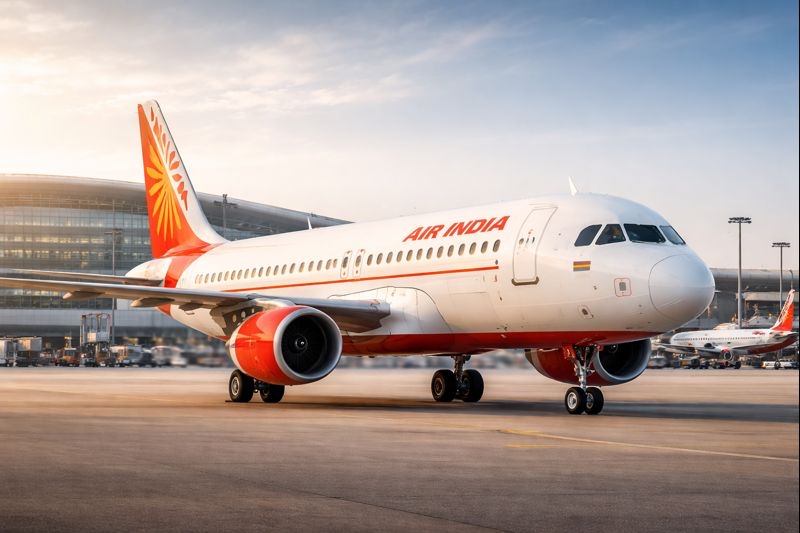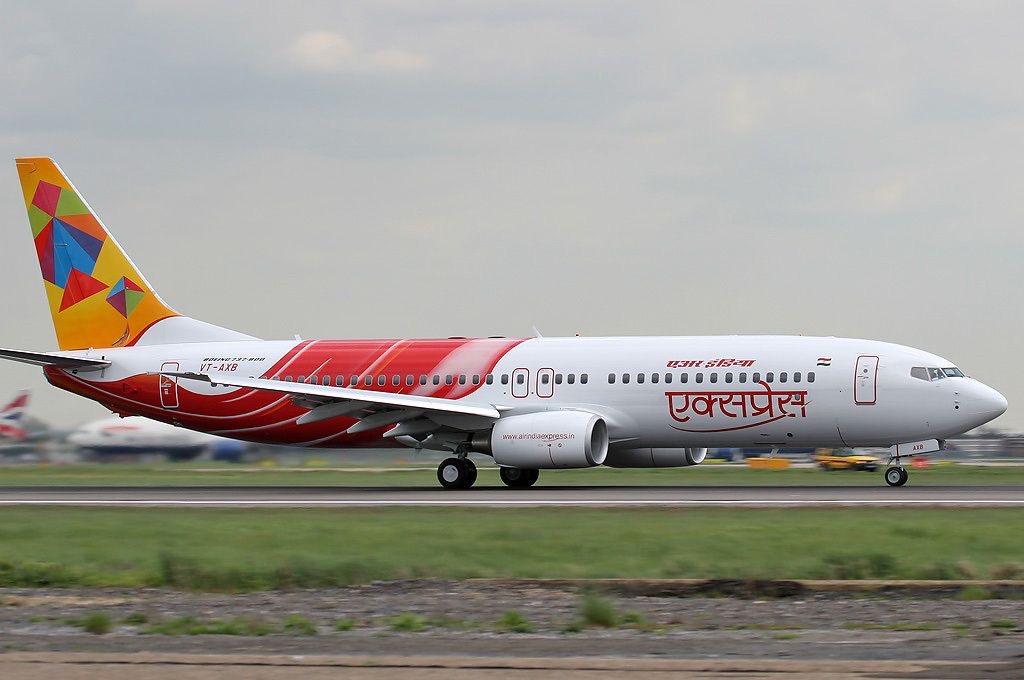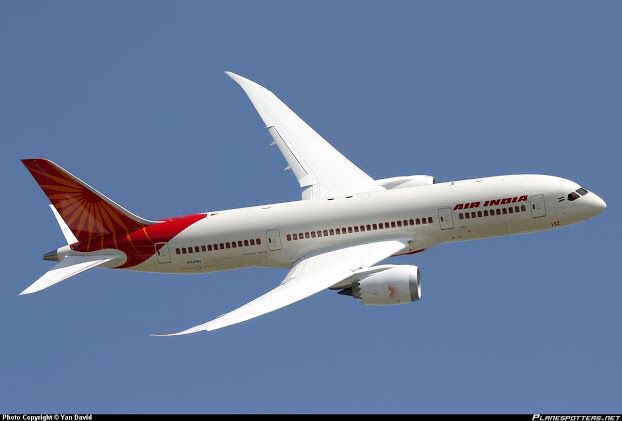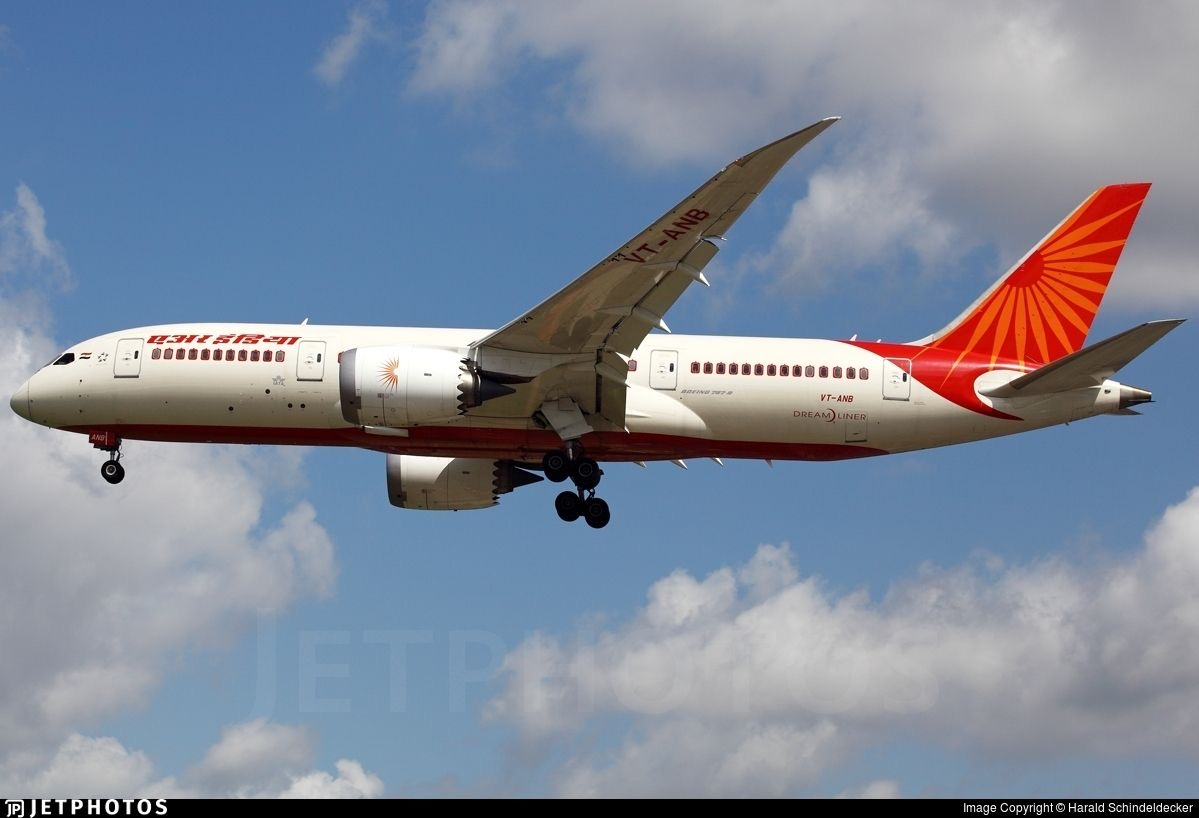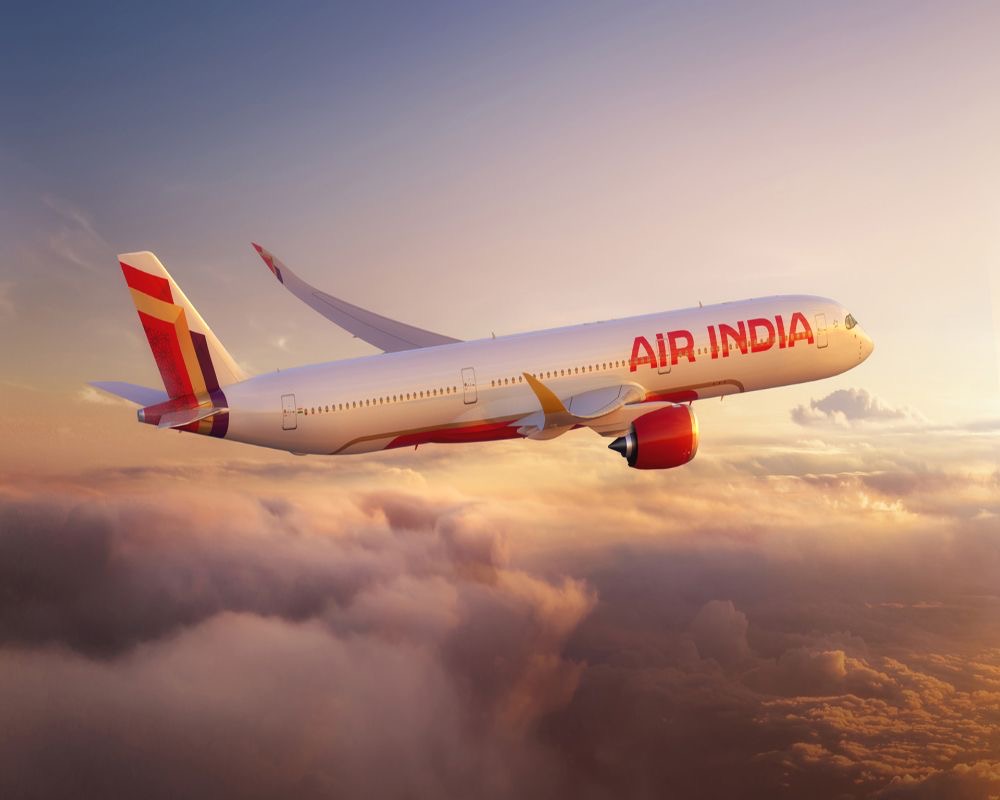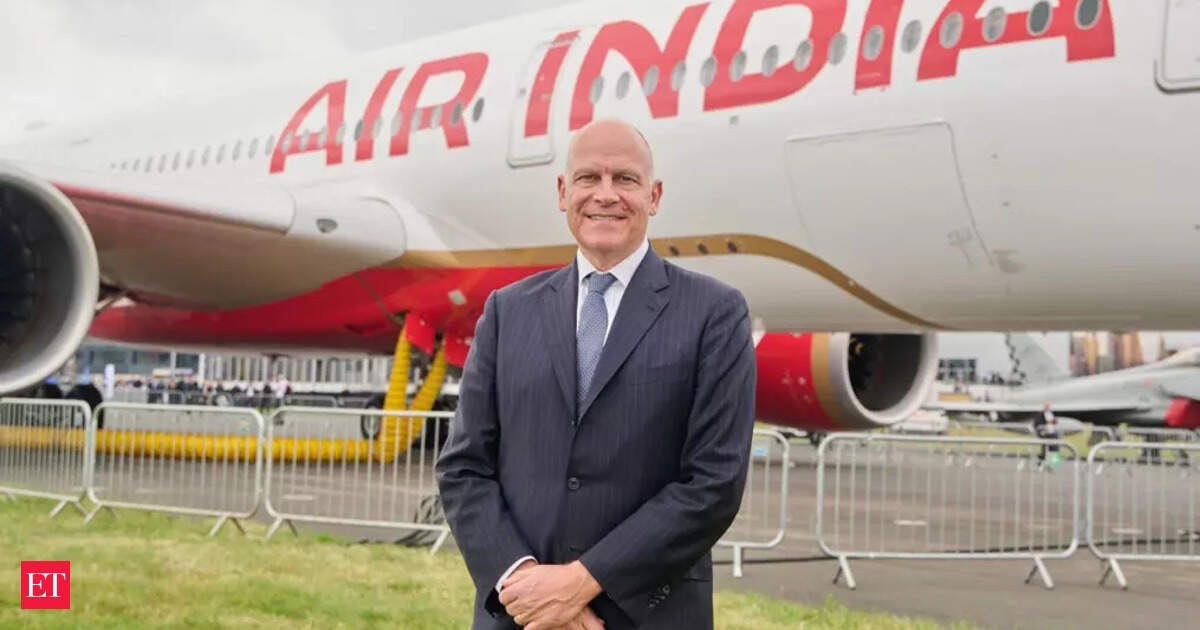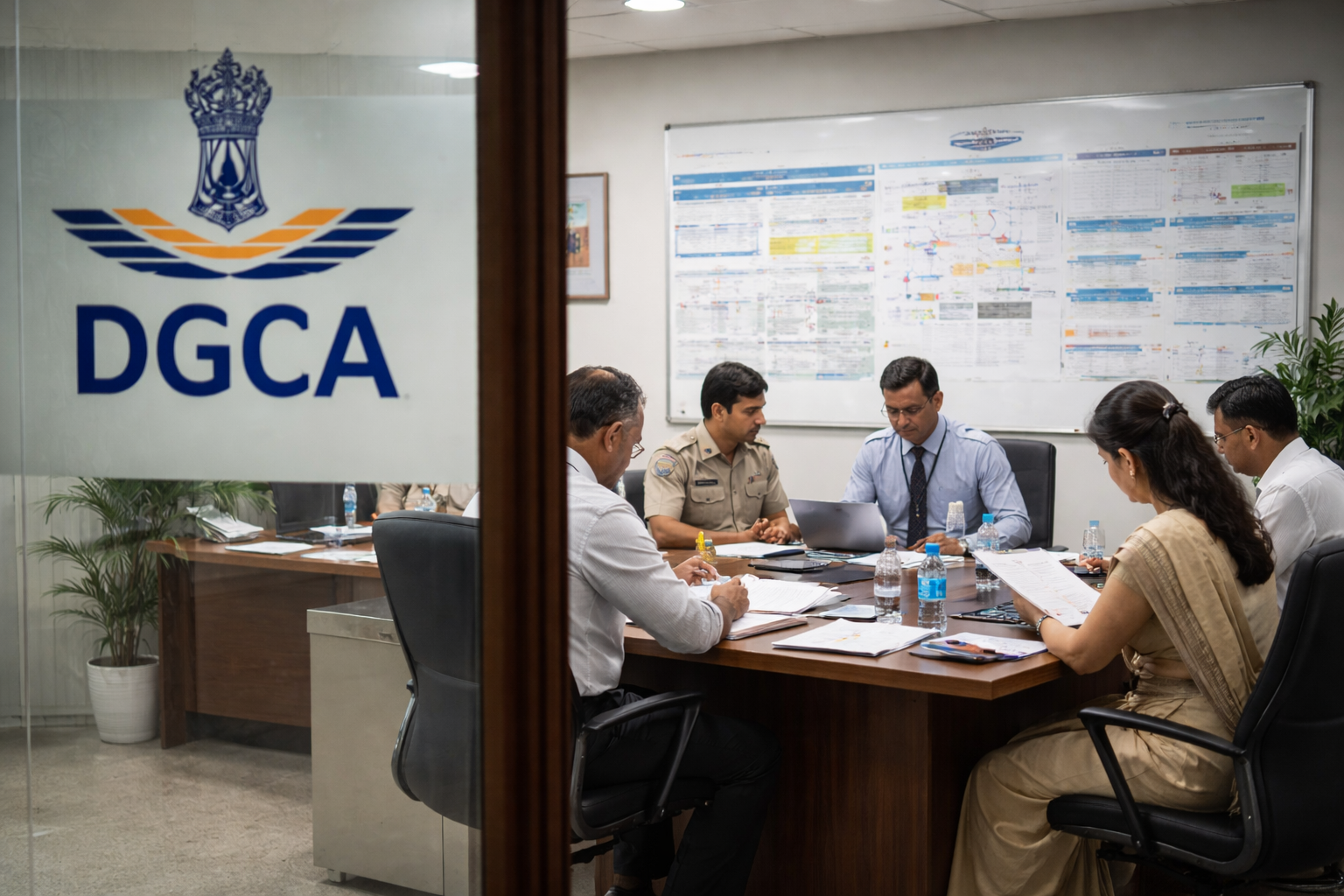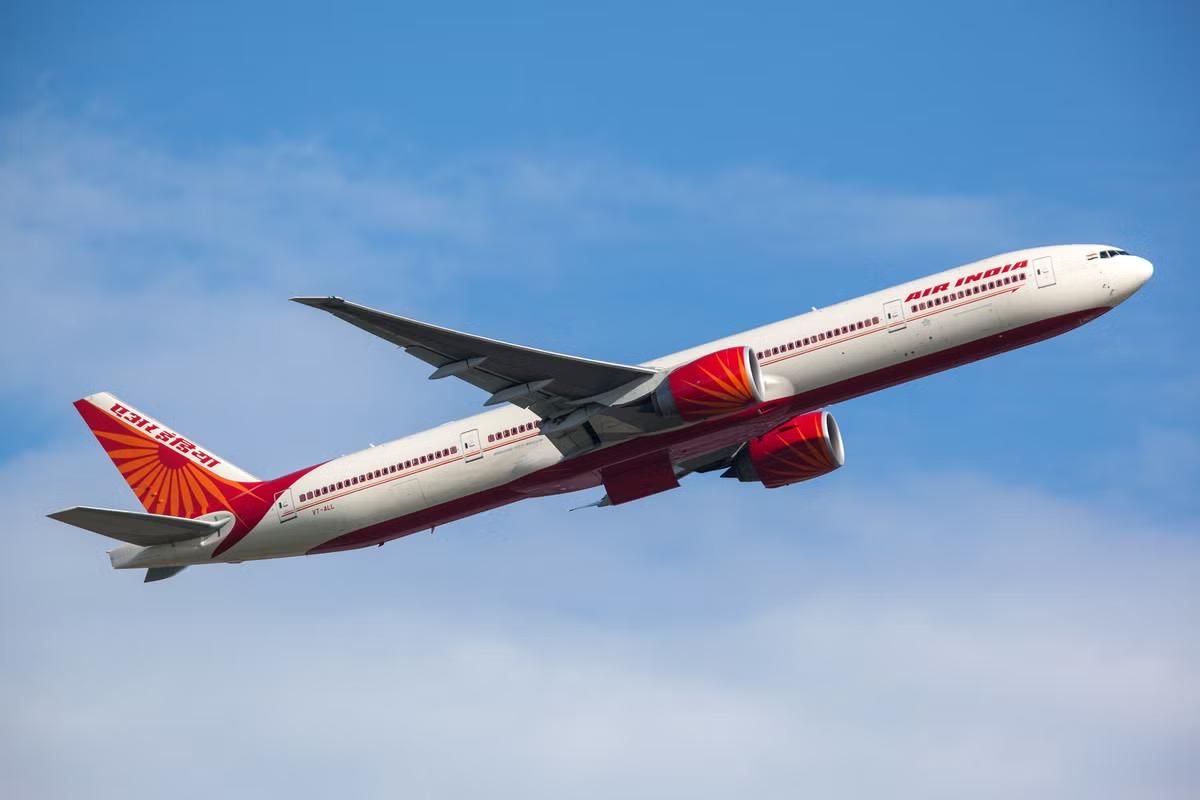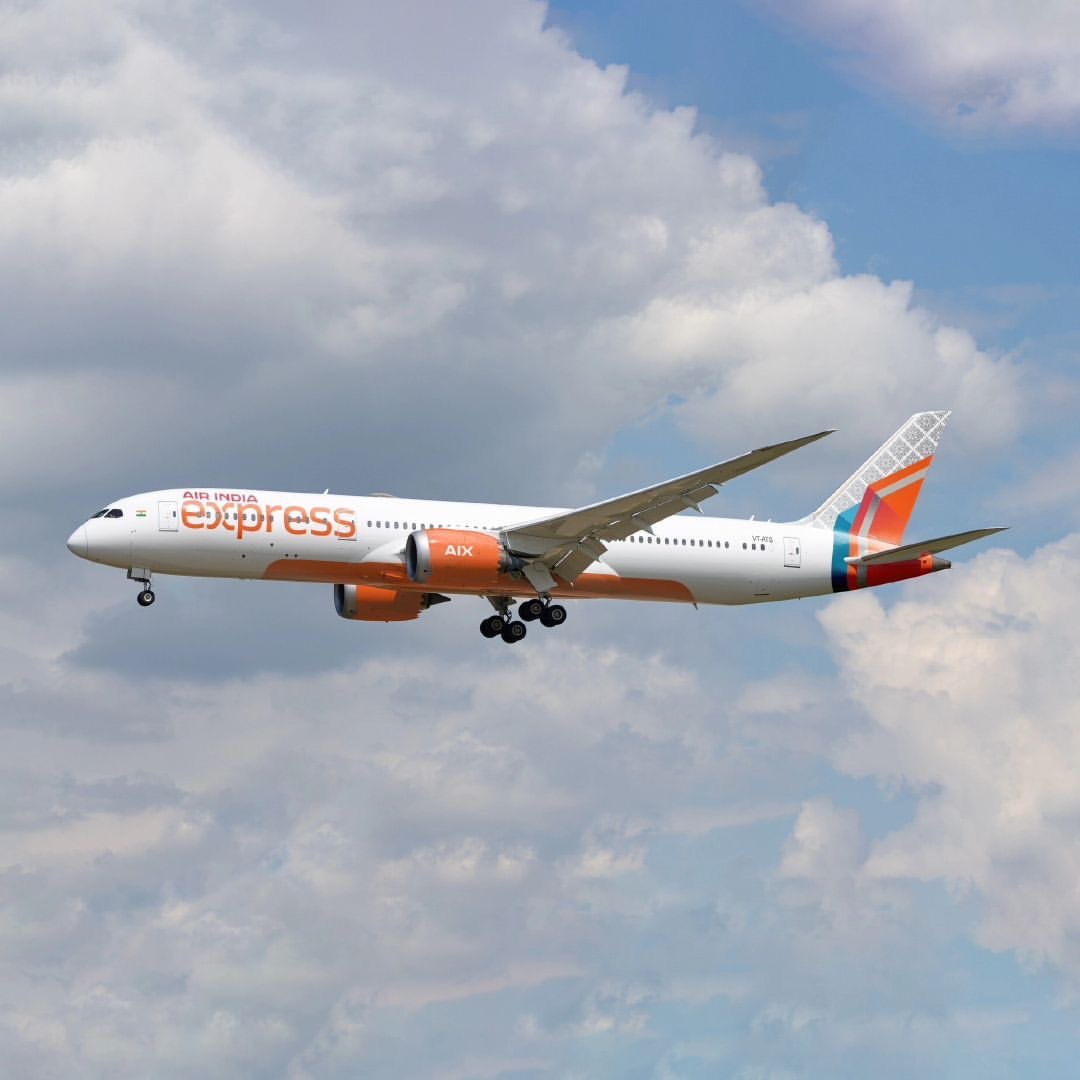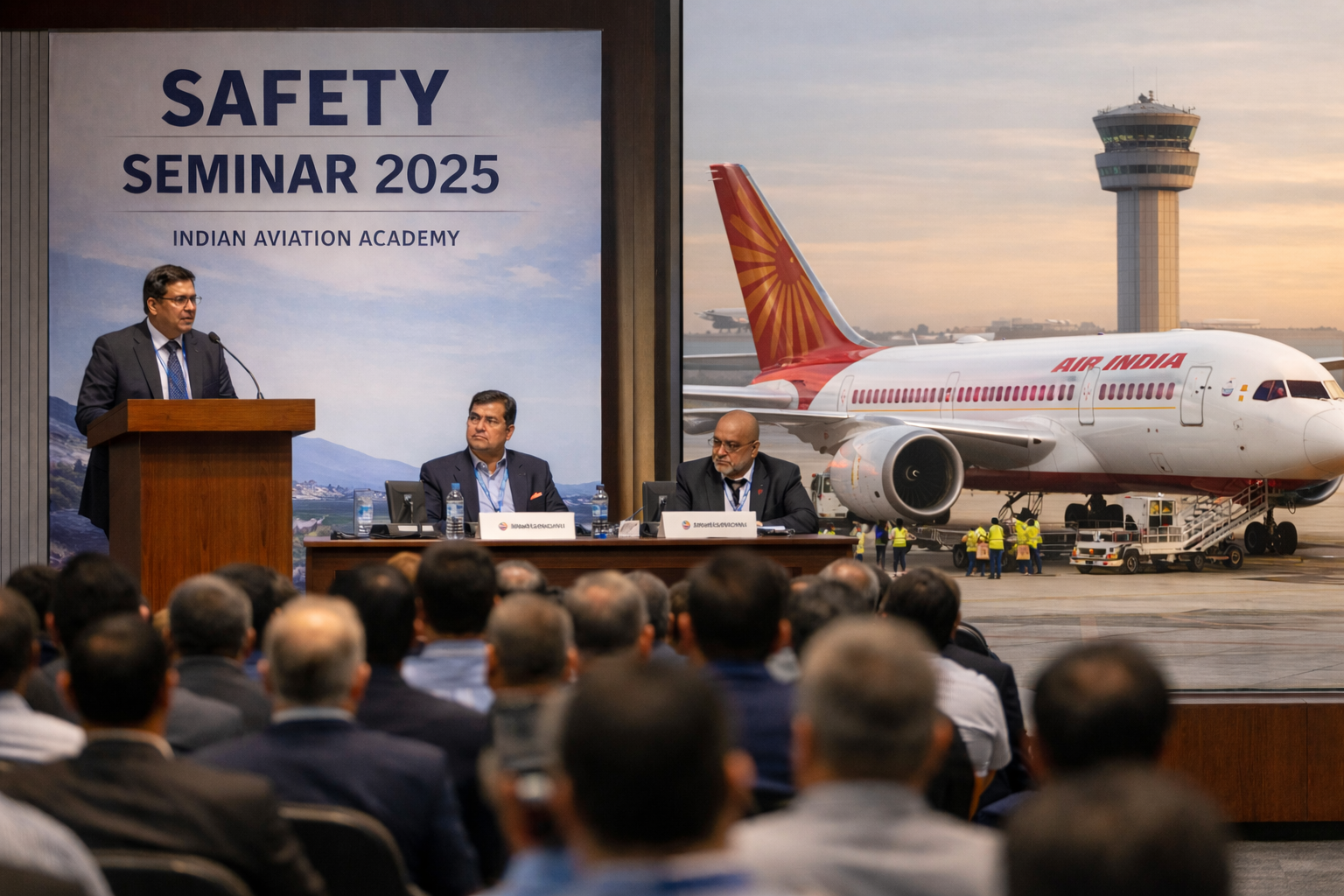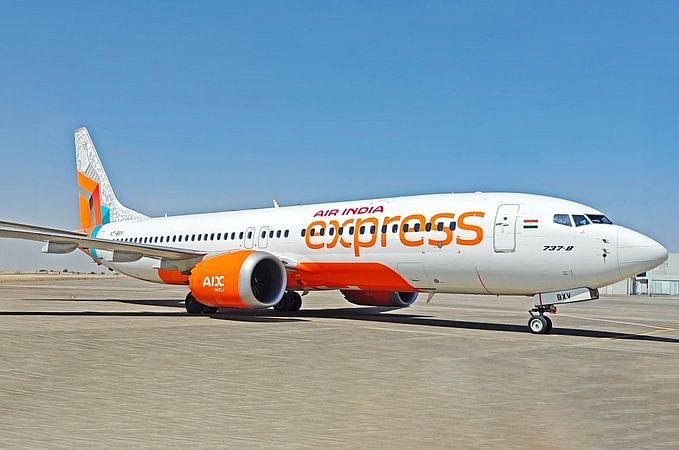
India’s aviation regulator has taken a firm stance on flight safety by issuing a show-cause notice to a group of Air India pilots, demanding explanations for a series of incidents that raised concerns about adherence to safety protocols. The notice marks one of the more significant regulatory actions in recent months, reflecting heightened scrutiny on pilot conduct and operational discipline within the nation’s flag carrier.
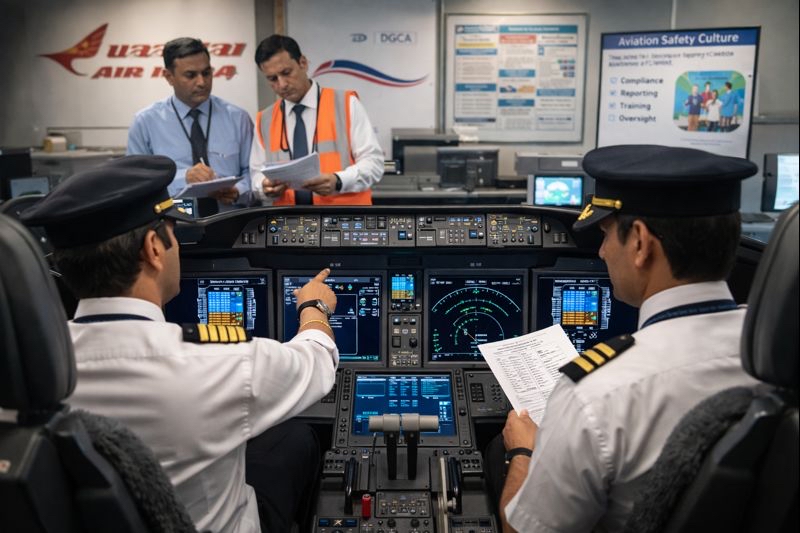
Officials from the Directorate General of Civil Aviation have questioned the pilots about their decisions and actions in relation to specific flight events that reportedly deviated from standard operating procedures. The regulator’s action underscores the importance of strict compliance with established safety norms, particularly as the industry continues to strive for high reliability in both domestic and international operations.
While the exact incidents cited in the notice have not been fully disclosed, sources familiar with the matter indicate that the regulator was particularly concerned about lapses in procedural compliance during certain phases of flight. These concerns were significant enough for the DGCA to seek written explanations from the pilots involved, as well as from relevant Air India management personnel responsible for oversight and crew training.
In response to the notice, Air India has moved quickly to cooperate with the regulator and has indicated that it is conducting its own internal review of the matters raised. Airline officials said that they are committed to providing the DGCA with all necessary information and clarifications, while also reaffirming their dedication to maintaining the highest safety standards across their operations.
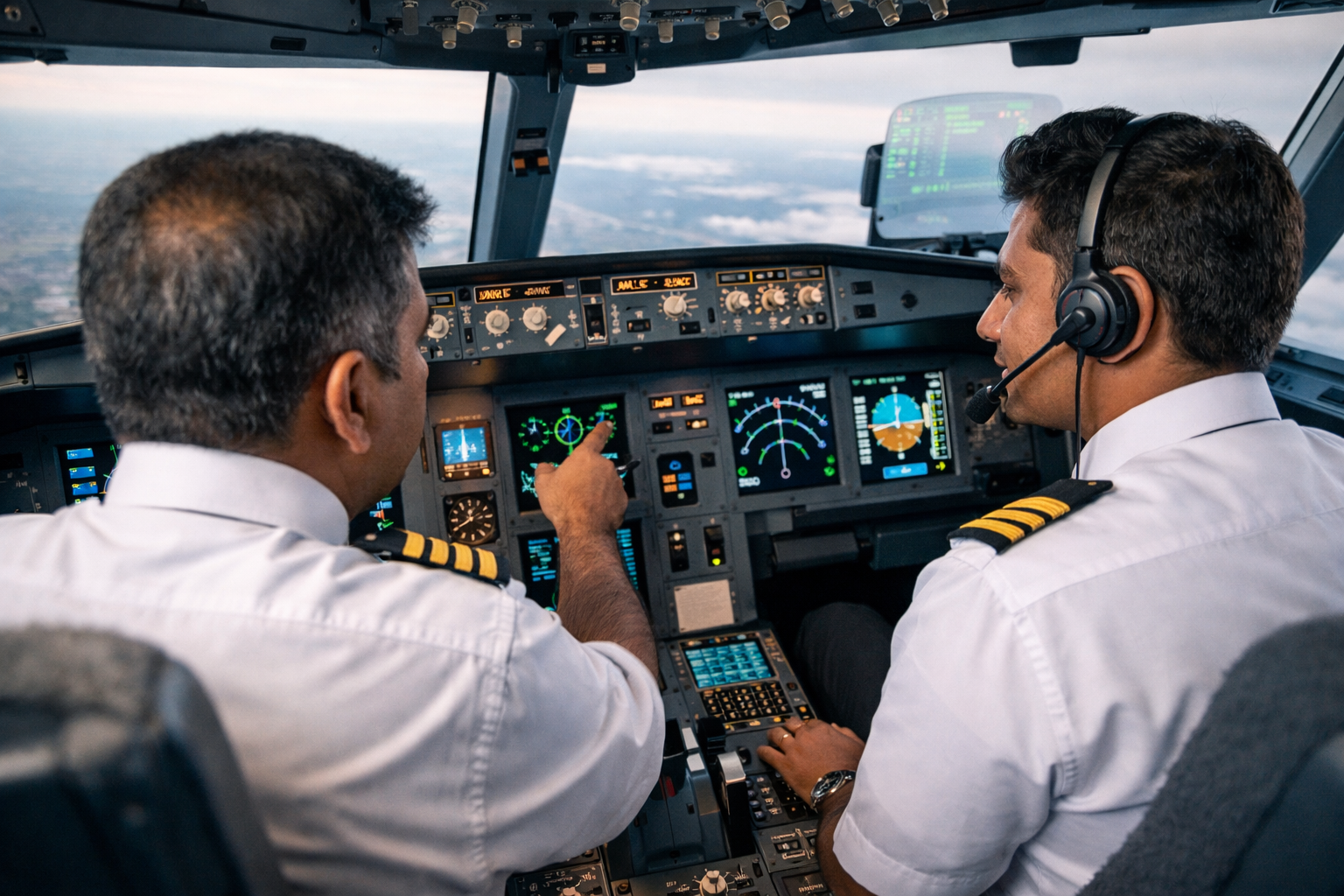
The show-cause notice arrives against a backdrop of heightened regulatory focus on operational readiness and flight discipline across the aviation industry. In recent months, authorities have been paying closer attention to how airlines plan crew schedules, manage cockpit resource practices, and enforce compliance with safety checklists, standard operating procedures, and emergency protocols.
Pilots who receive show-cause notices are typically asked to explain their actions, provide context, and offer mitigating factors that may have influenced decisions made during specific flight segments. The DGCA will review these explanations before determining whether further action is warranted, which could include additional training, disciplinary measures, or procedural changes designed to prevent similar occurrences in the future.
Industry experts say that the regulator’s move sends a clear message about accountability in the cockpit and reinforces the principle that safety oversight is paramount in commercial aviation. They note that while pilots make countless decisions every day without incident, it is crucial that any perceived departures from safety norms are investigated thoroughly to protect passengers and crew alike.
Passengers and frequent flyers, watching from the sidelines, have expressed mixed reactions. Many welcomed the regulator’s assertiveness, saying that passenger confidence depends on trust in both airline and regulatory leadership. Others caution that aviation is inherently complex, and pilots often must make judgement calls in dynamic conditions, underscoring the need for balanced investigation and understanding.
As Air India and the pilots prepare their responses to the show-cause notice, attention will remain on how the process unfolds and what corrective measures might be recommended. With the aviation sector under intense pressure to maintain service quality while upholding safety, the outcome of this regulatory action could influence training practices, operational oversight, and industry perceptions well into the future.