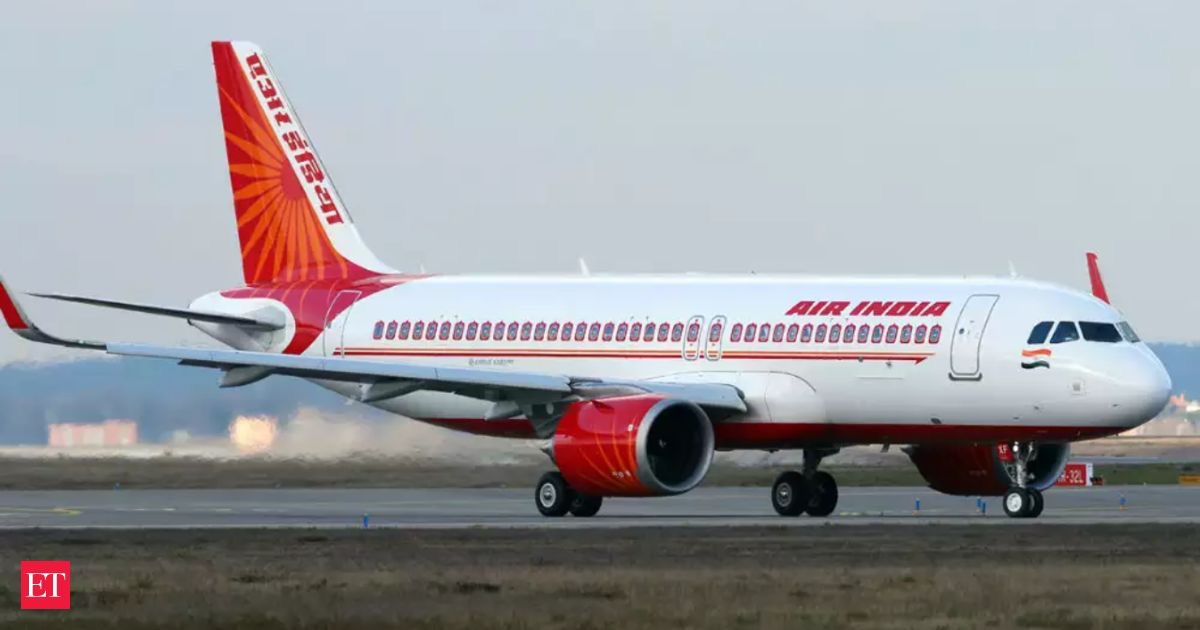
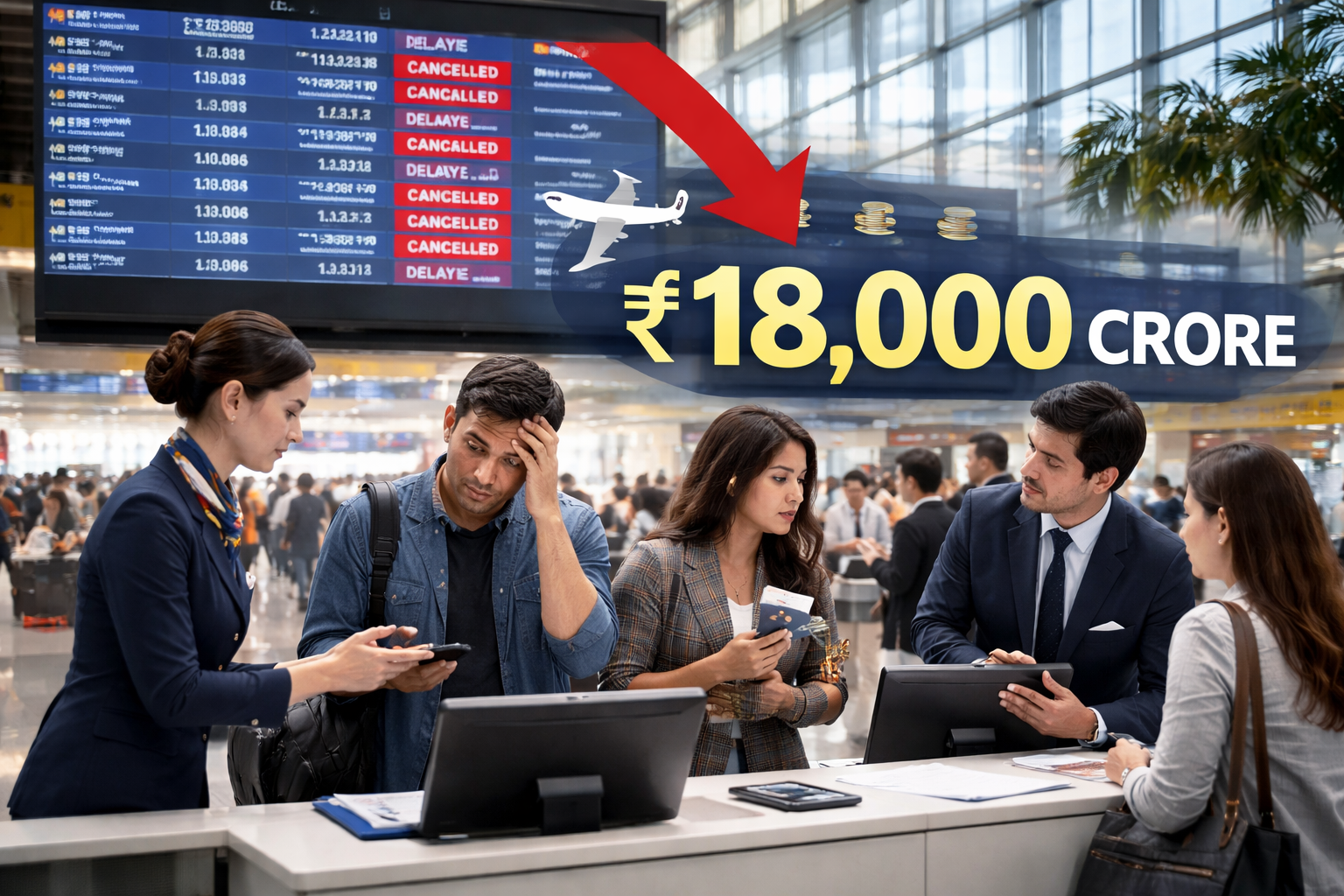
The Indian aviation industry could face significant financial setbacks in the coming year as analysts warn of mounting losses triggered by operational disruptions and softening travel demand. A prominent credit rating and analytics firm has projected that the sector may report cumulative losses of up to ₹18,000 crore, reflecting a period of heightened strain for airlines and related aviation businesses. The outlook underscores the challenges facing carriers and airports as they attempt to balance rising costs with unpredictable passenger traffic.
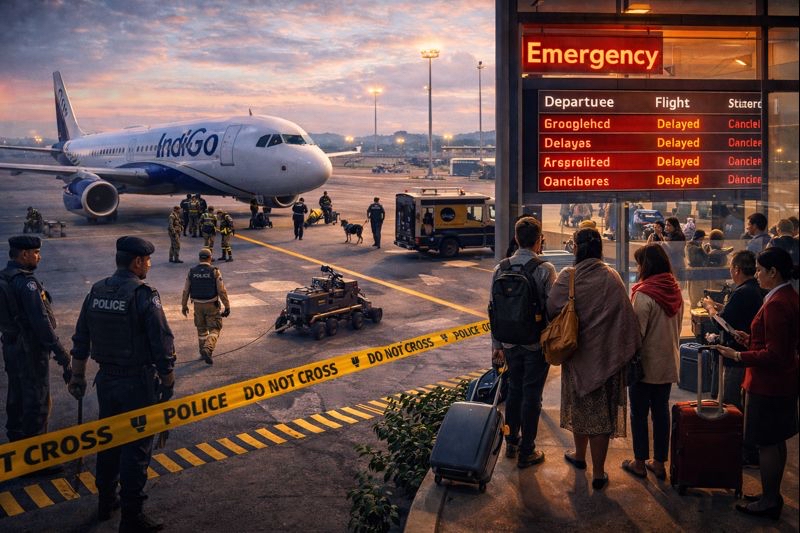
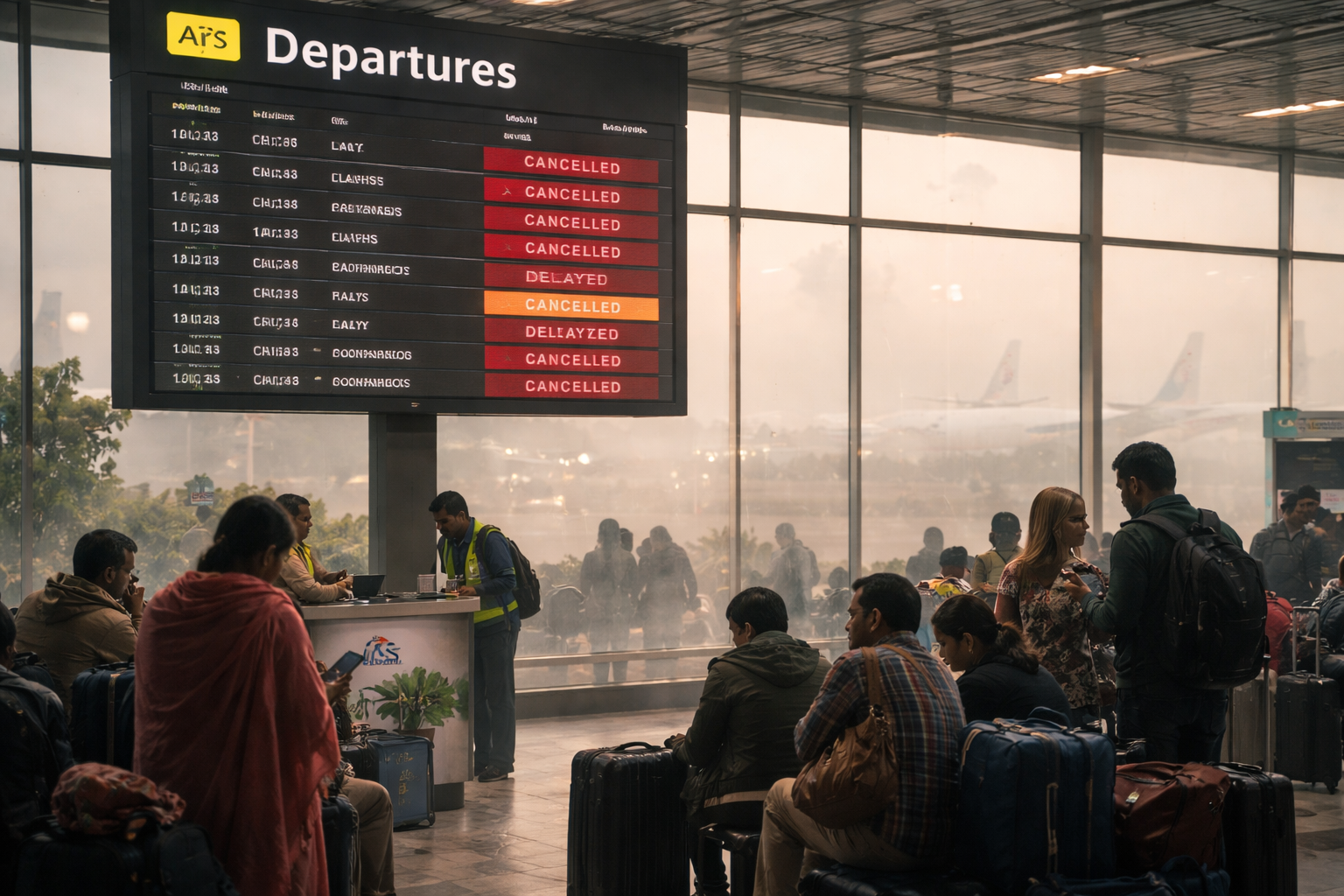
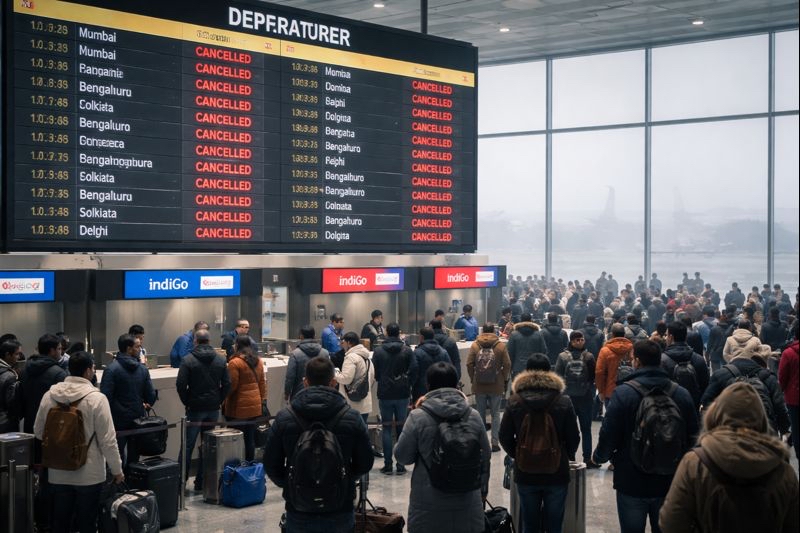
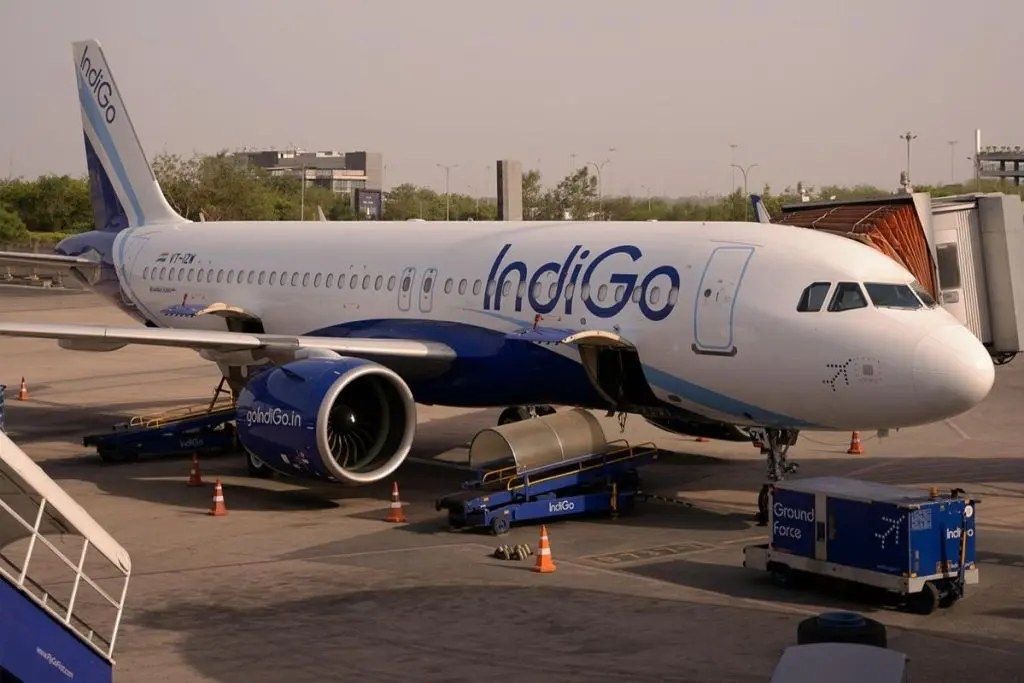
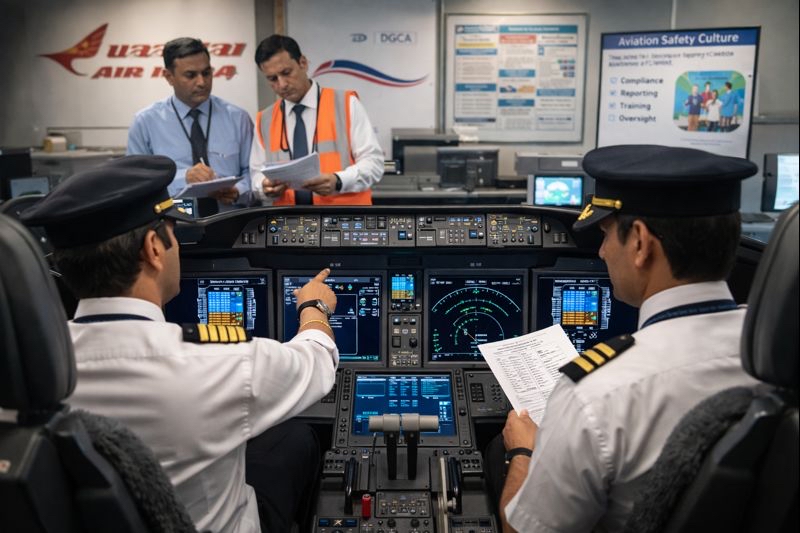
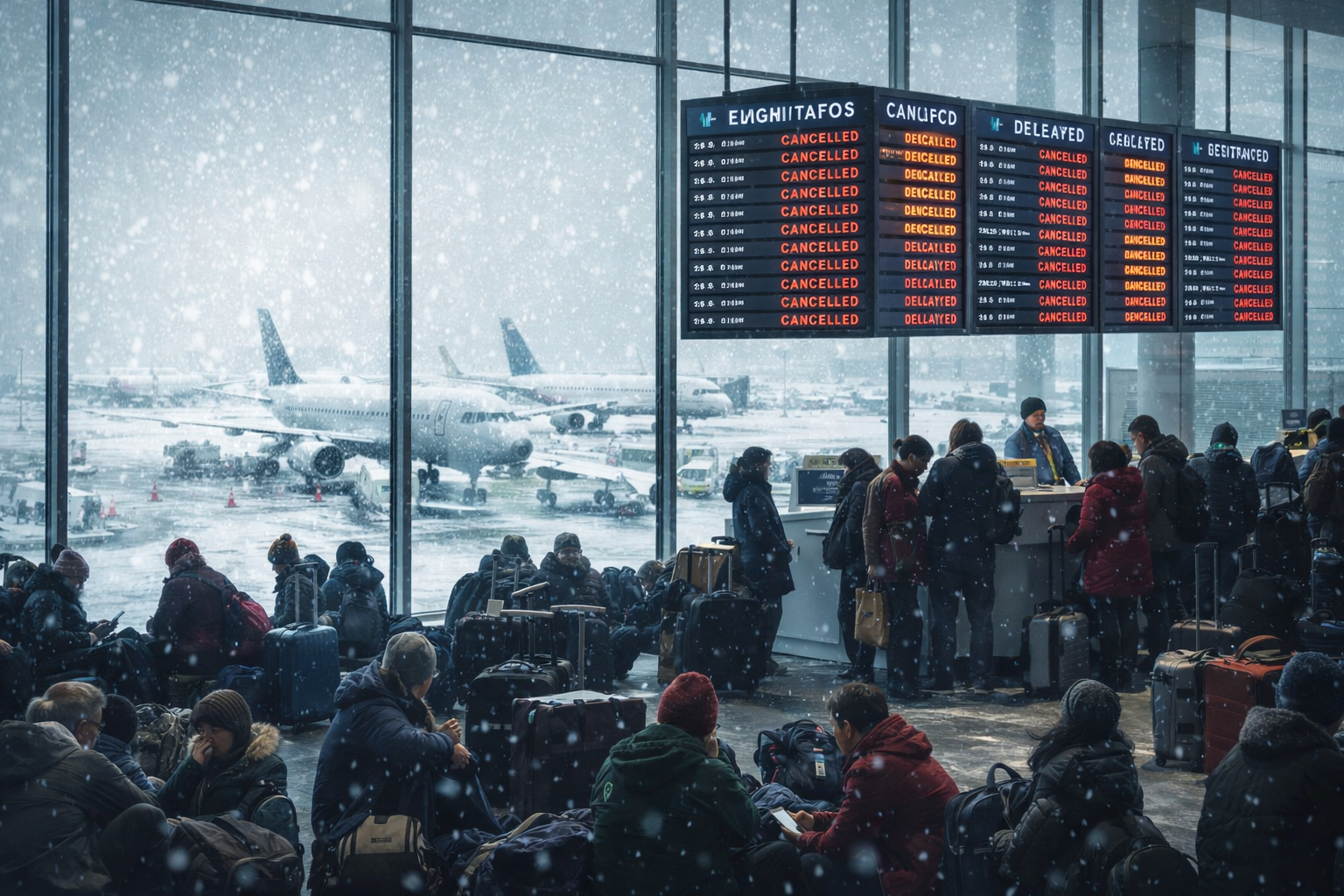
Industry executives and analysts have pointed to multiple factors contributing to the deteriorating financial picture. Among the most significant have been widespread flight disruptions earlier in the year, which affected consumer confidence and highlighted weaknesses in crew planning and operational readiness. In addition, rising fuel prices and inflationary pressures have increased the cost of flying at a time when airlines are also under pressure to remain competitive on fares.
Weaker demand in certain markets has compounded the problem. While leisure travel continues to show resilience, business travel — a key revenue driver for airlines — has not recovered to pre-pandemic levels in many sectors. Experts suggest that this uneven demand pattern has made it harder for airlines to achieve the load factors and yields needed to generate robust profitability, especially on routes that depend heavily on corporate travellers.
The projected losses could influence credit ratings, bank financing terms, and investor confidence in the aviation sector. Airlines typically rely on a combination of debt and equity to finance fleet expansion, maintenance, and daily operations. Sustained losses of this magnitude may force carriers to revisit expansion plans, delay aircraft deliveries, or pursue cost-cutting measures to preserve liquidity.
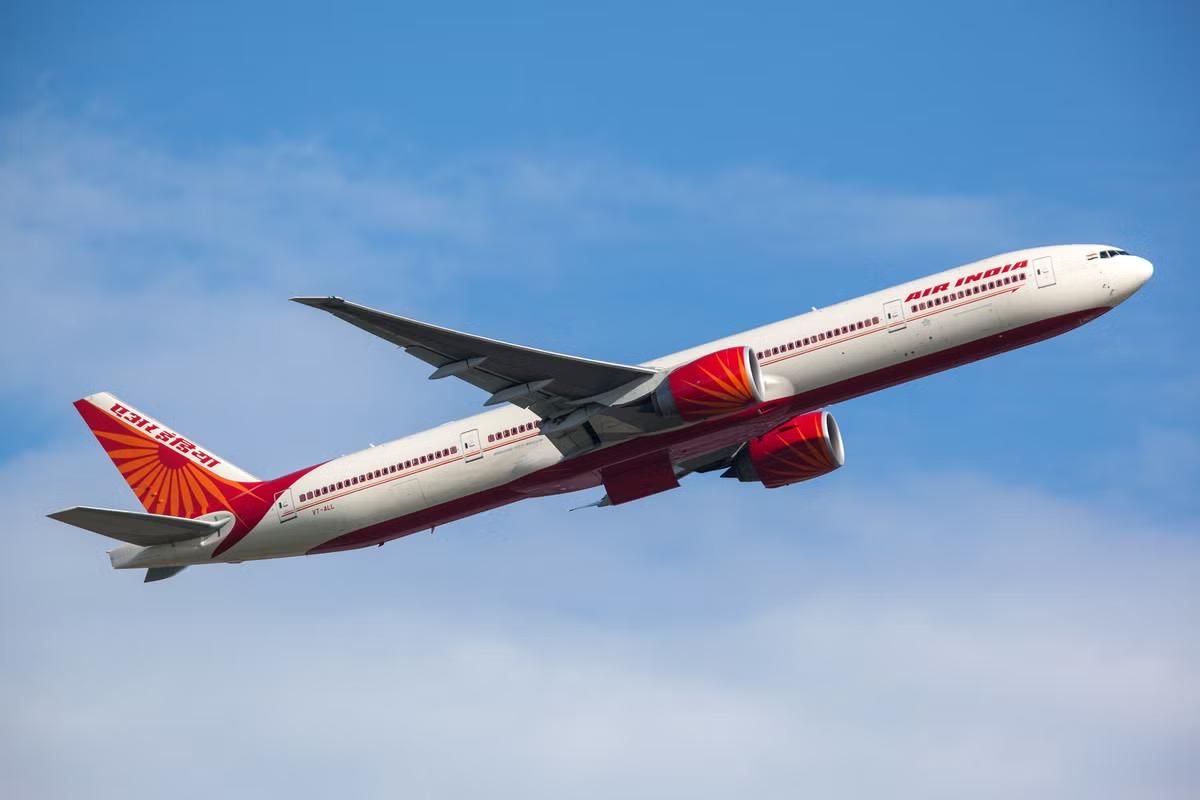
One area drawing scrutiny is fleet utilisation and network planning. Air carriers must balance capacity with demand, ensuring that aircraft are deployed on routes where passenger volumes justify the costs. Experts say that persistent mismatches between capacity and demand — particularly on less profitable regional routes — have exerted downward pressure on yields and overall financial performance.
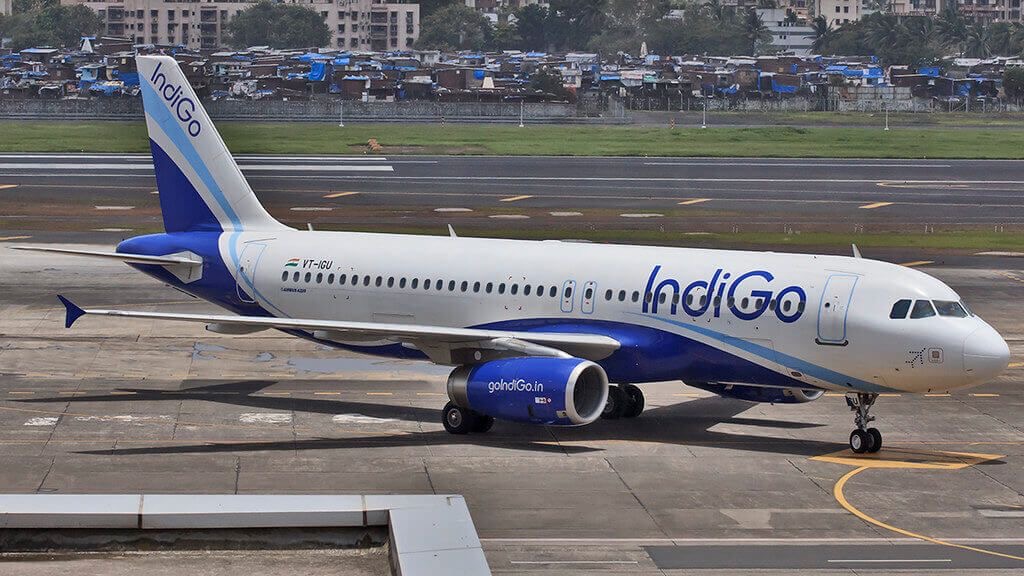
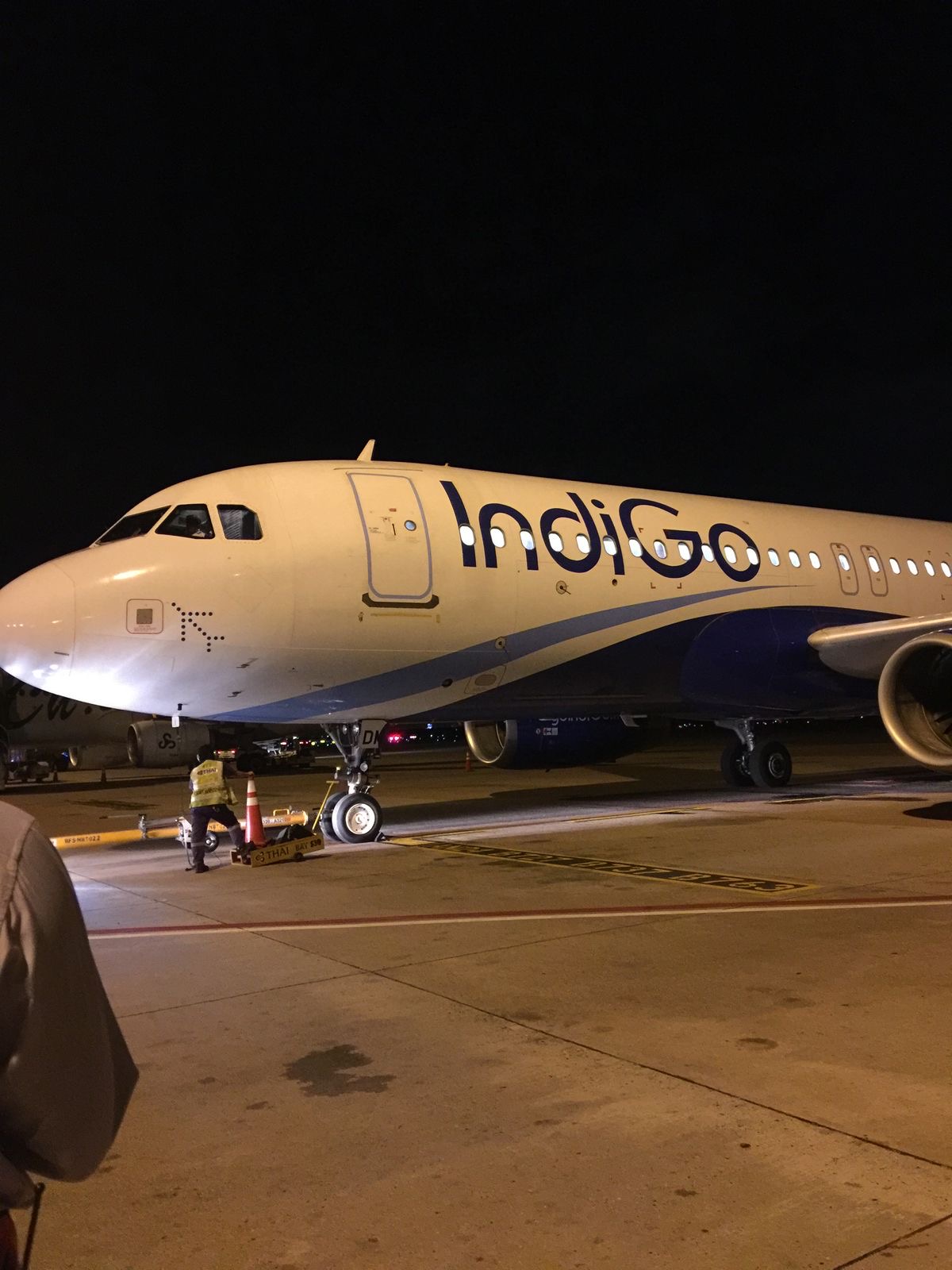
Another dimension of the challenge lies in the competitive landscape. Indian aviation is dominated by several large carriers that compete aggressively on pricing, often at the expense of margins. Smaller regional airlines have struggled to achieve economies of scale, and in some cases have found it difficult to sustain operations without external support. This competitive pressure underscores the need for strategic collaboration and operational efficiency across the sector.
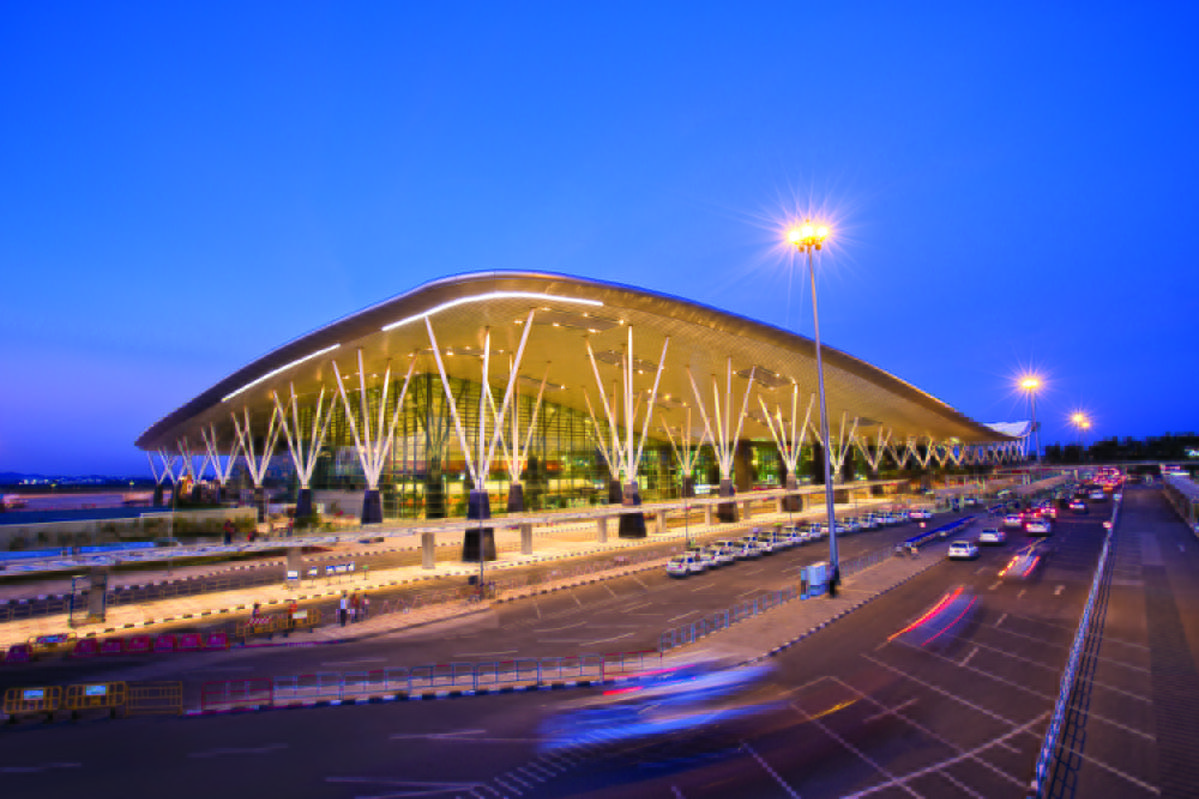
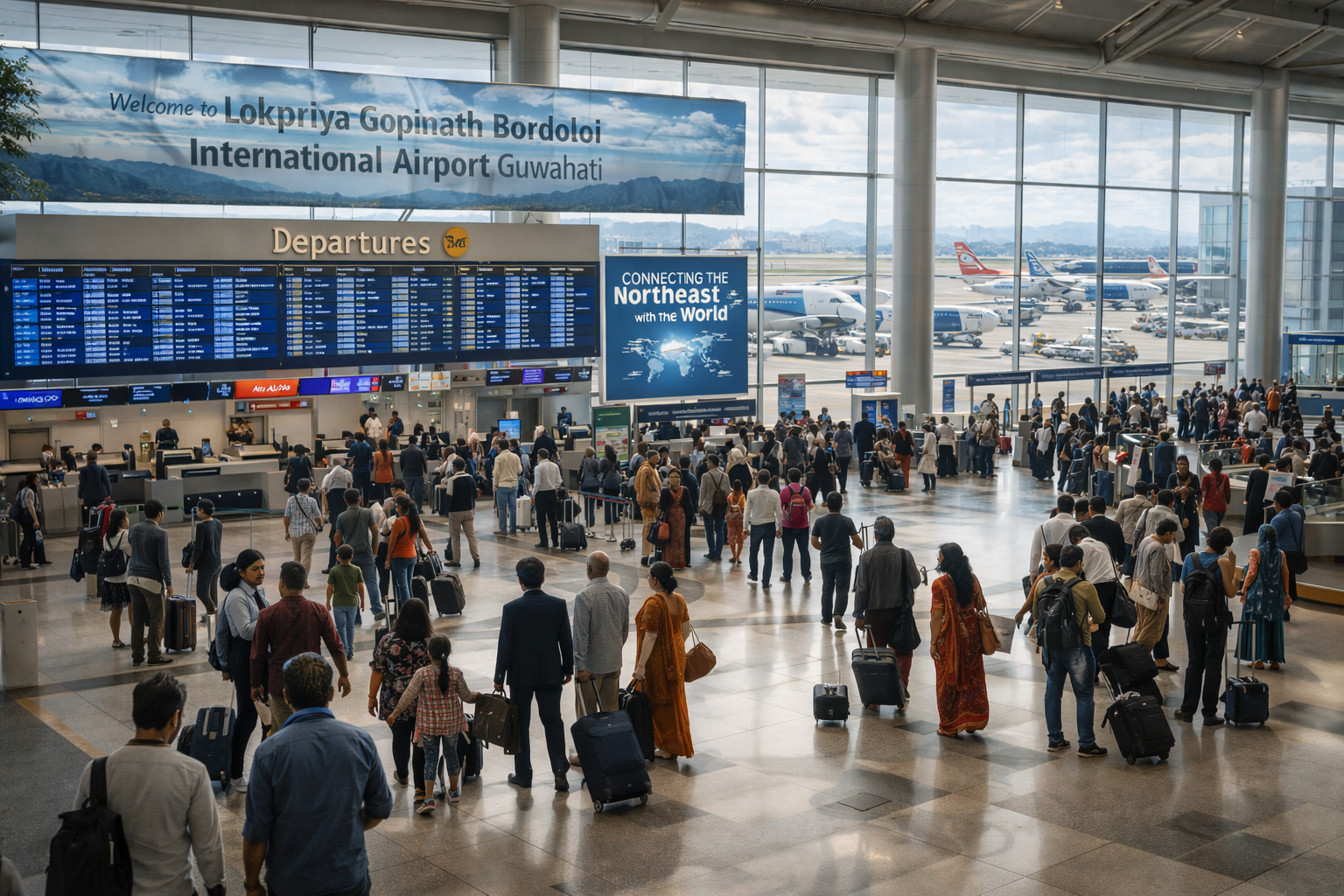
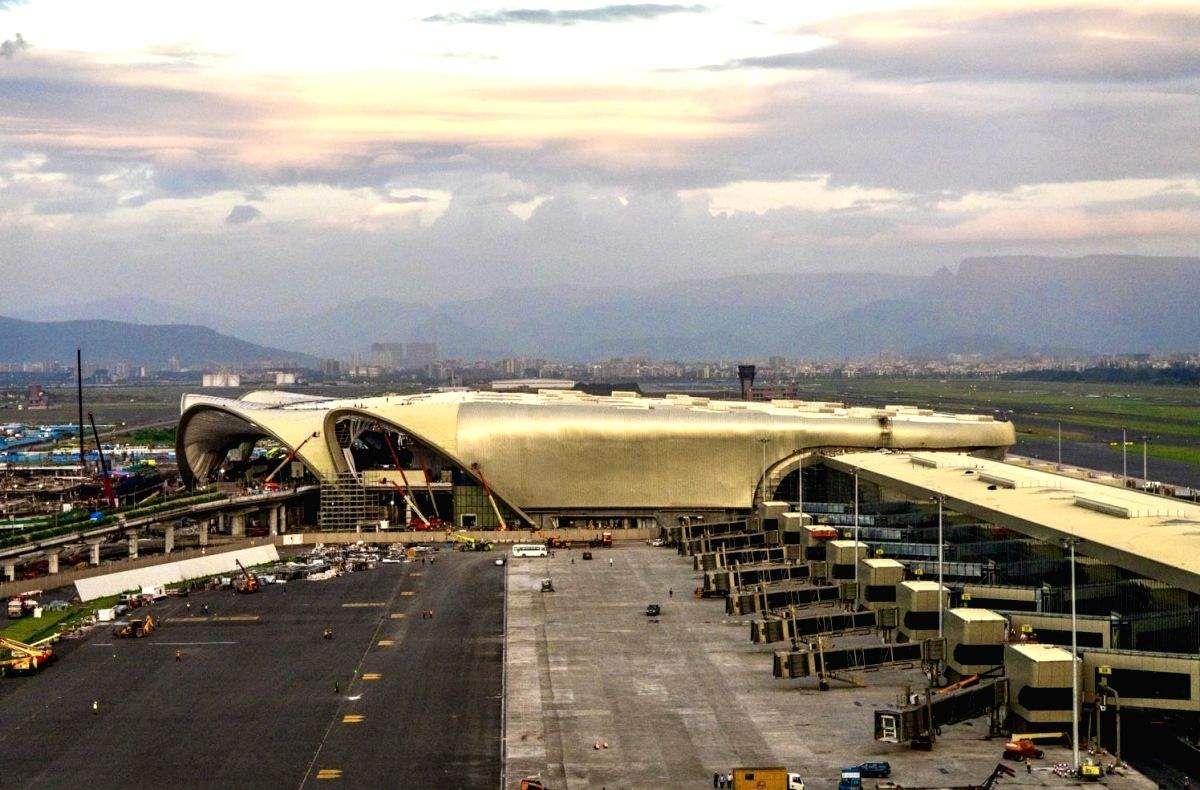
Despite these headwinds, industry stakeholders also note areas of resilience. Passenger numbers continue to grow on certain domestic sectors, and there are still pockets of international demand as outbound and inbound travel recovers. Airports have reported solid footfall, particularly at major hubs, and ancillary revenues from retail and services remain a stabilising force for some operators.
Government support and regulatory oversight will play a key role in helping the industry navigate this difficult period. Policy measures aimed at easing financial stress, facilitating infrastructure development, and encouraging stronger safety and operational practices could help restore confidence. Analysts stress that a collaborative approach between regulators, airlines, and other aviation stakeholders will be essential to chart a sustainable path forward.
As the aviation sector absorbs the implications of this sobering forecast, carriers are expected to focus on improving efficiency, maintaining cost discipline, and refining their service offerings. While the road ahead may be challenging, aviation professionals remain hopeful that sustained demand growth in key segments and strategic adjustments can help weather the current downturn and lay the groundwork for a more balanced recovery.