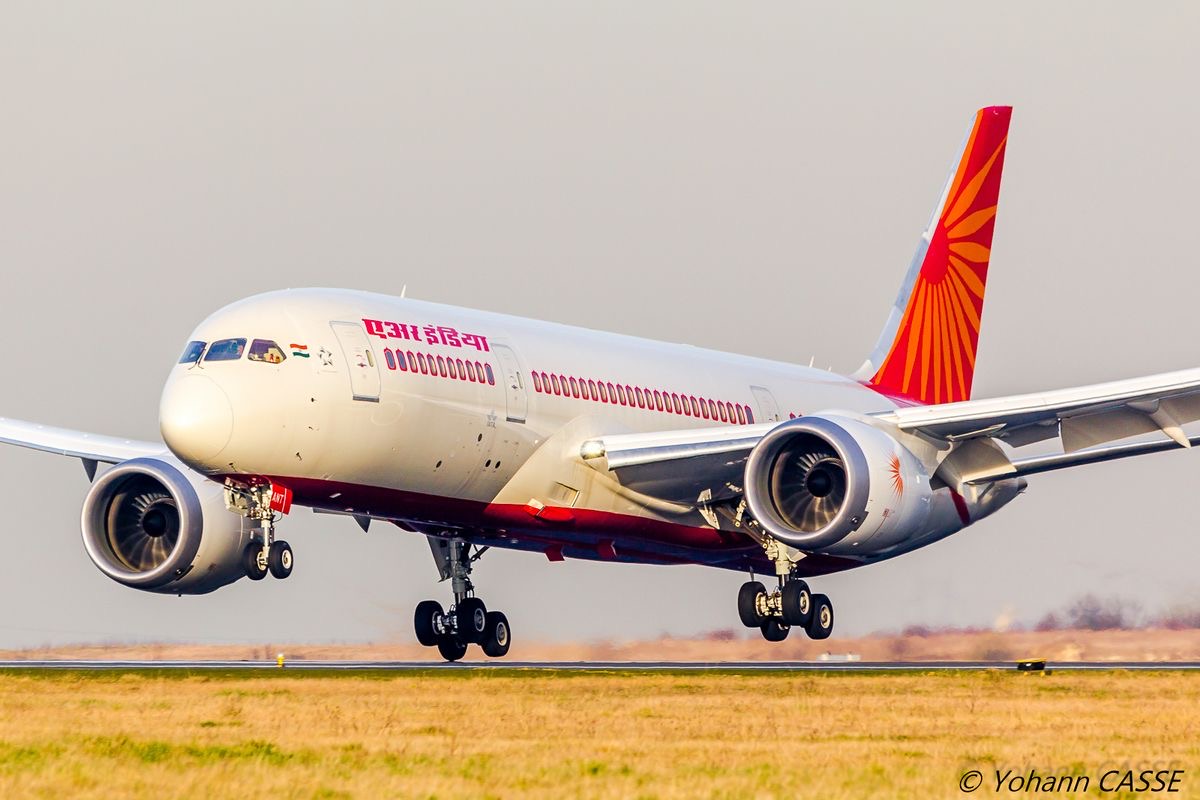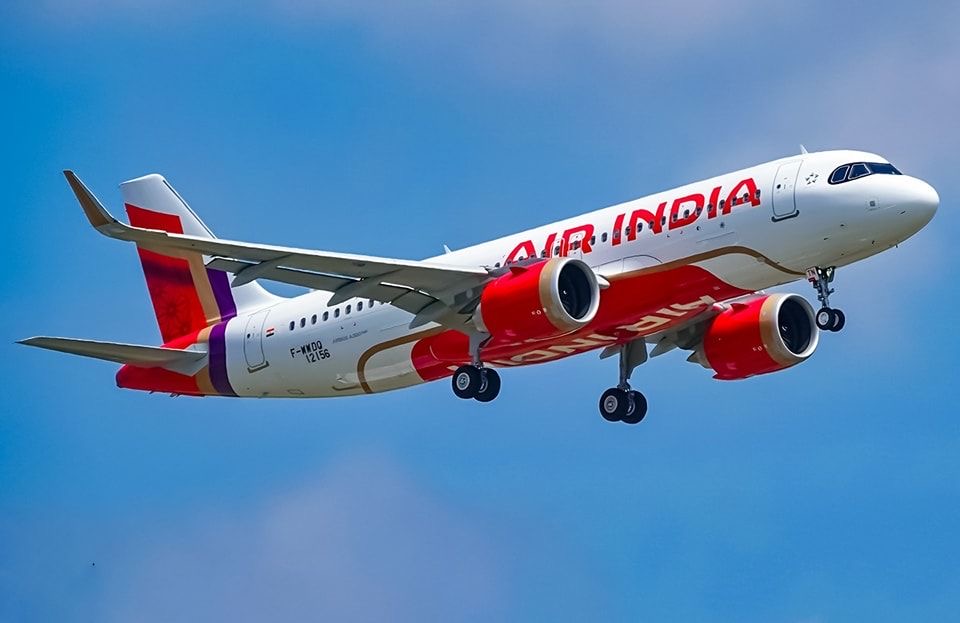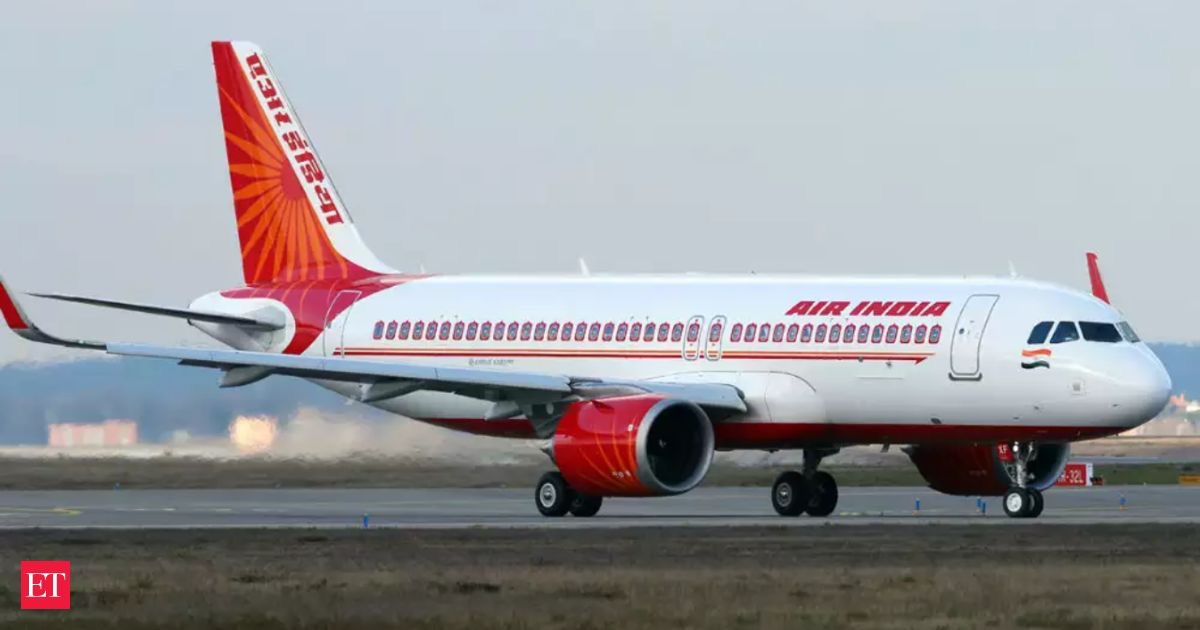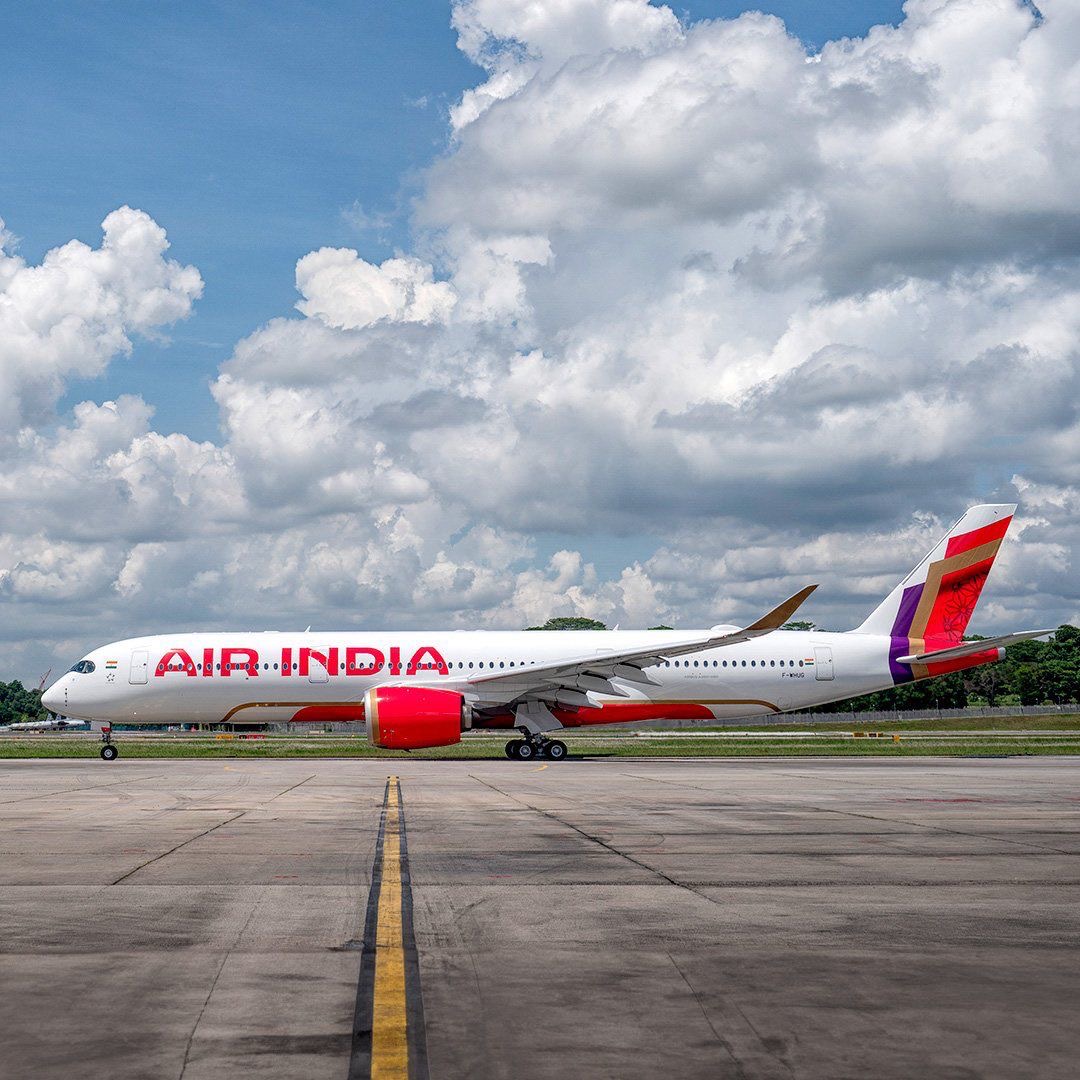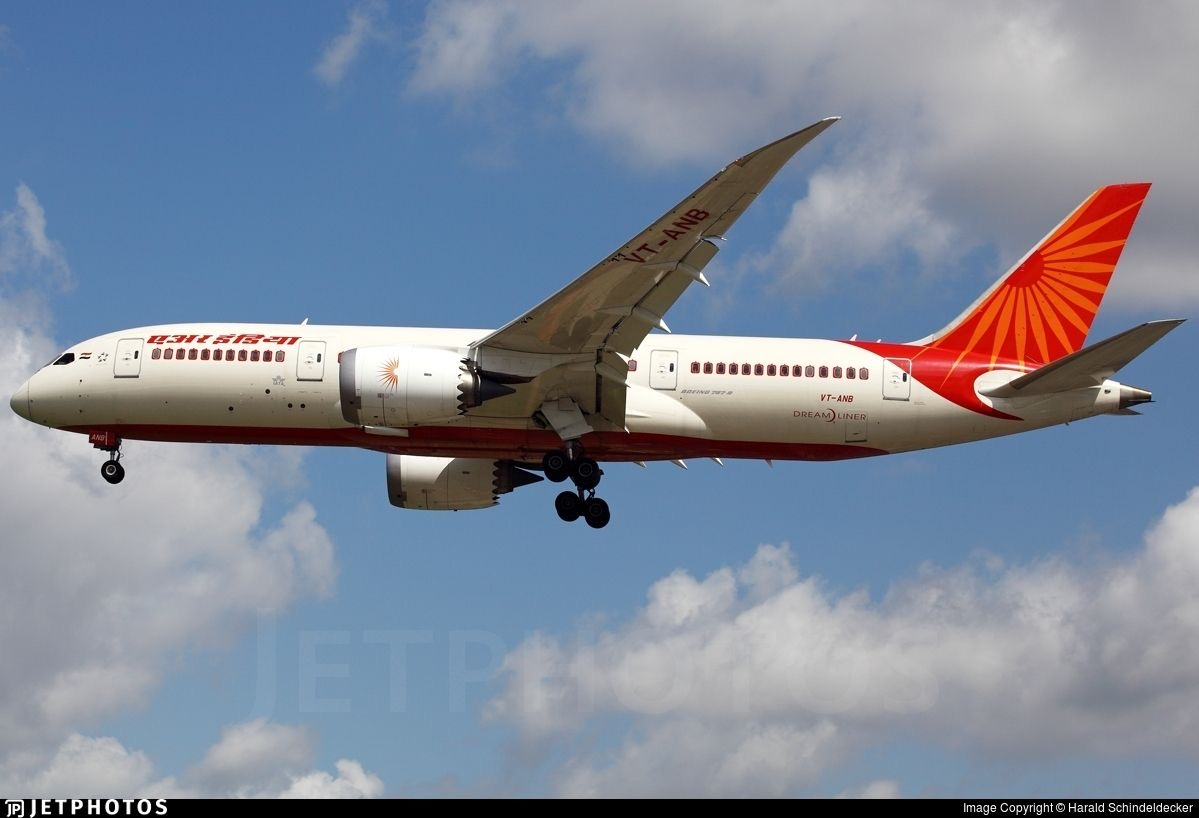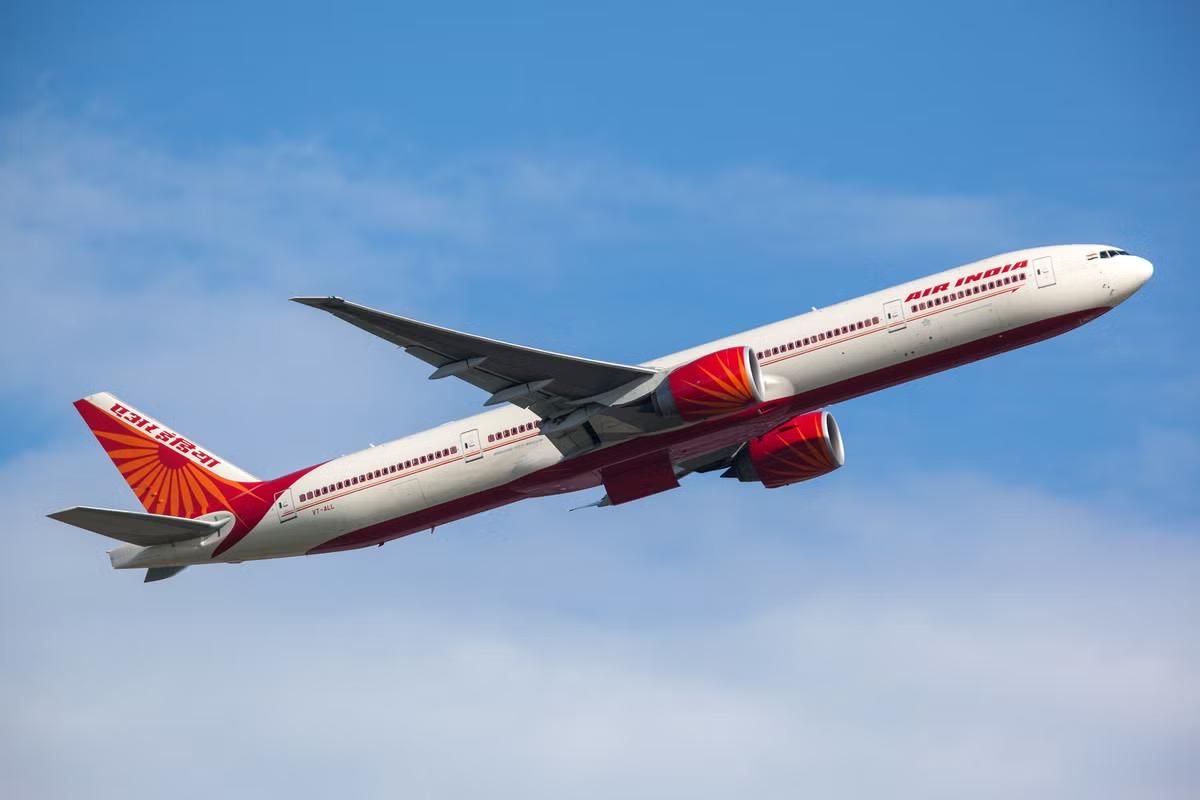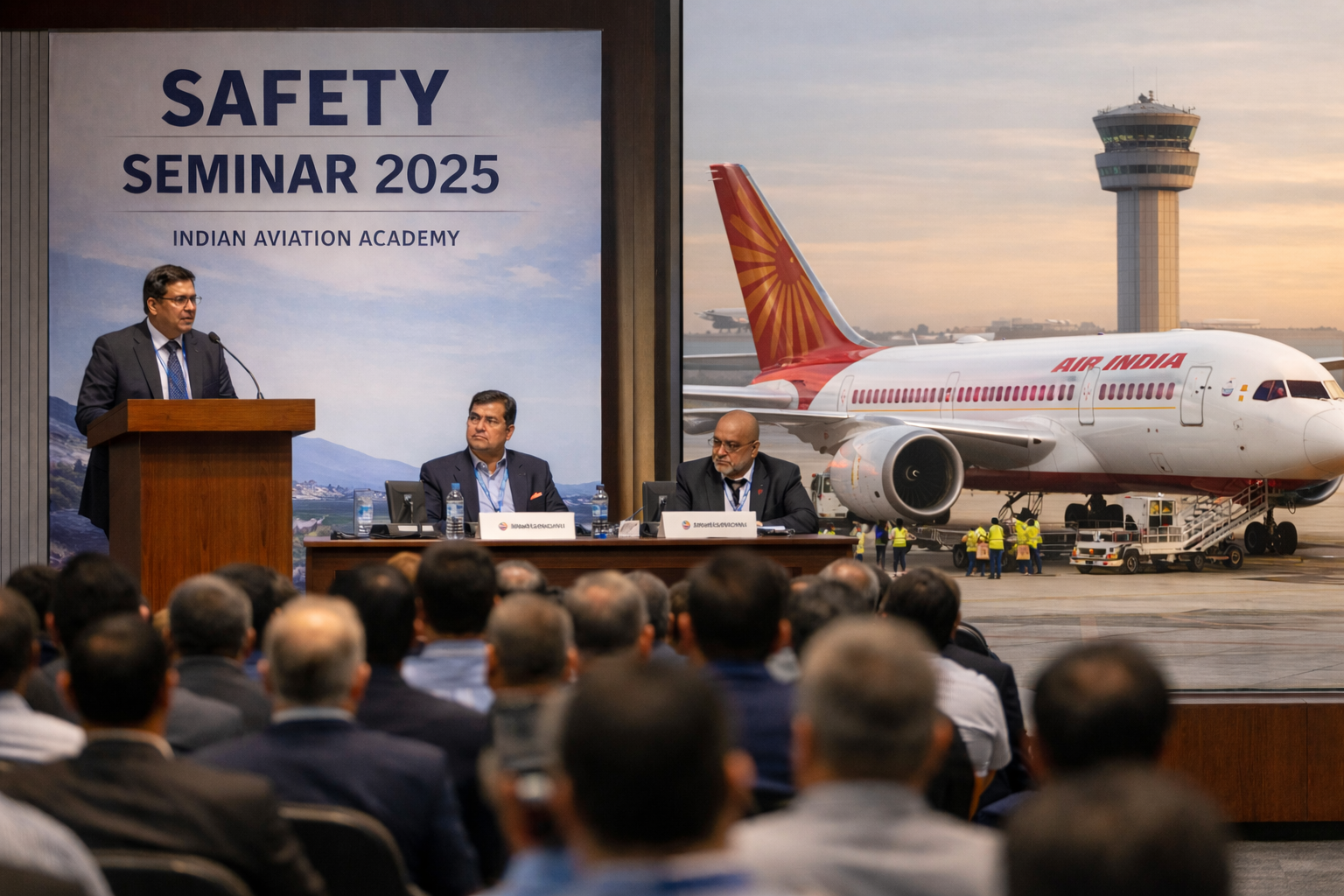

Transport Canada, the federal agency responsible for civil aviation safety in Canada, has issued a formal warning to Air India regarding adherence to alcohol consumption and duty regulations following the arrest of an Air India pilot at Vancouver International Airport. The advisory underscores the importance of strict compliance with drinking policies for pilots and crew, particularly when operating international services in Canadian airspace.
The warning comes in the wake of an incident in which an Air India pilot was taken into custody by local authorities before a scheduled flight, after concerns were raised about the pilot’s fitness for duty. Although the pilot was later released on bail, the event prompted scrutiny from Canadian aviation officials, who emphasised that airline crew must consistently meet regulatory standards related to alcohol and substance use.
Transport Canada’s communication to Air India referenced the strict zero-tolerance approach that Canada maintains for crew impairment. Under Canadian aviation regulations, flight crew members are prohibited from consuming alcohol within a defined period before duty time and must demonstrate complete sobriety when reporting for work. These standards are in place to ensure passenger safety and maintain confidence in international flight operations.
Air India officials expressed understanding of the regulator’s position and reiterated their commitment to safety and compliance. The airline said that it is reviewing its internal policies and training programmes to ensure that all pilots and cabin crew are fully aware of and adhere to applicable rules in all jurisdictions where it operates. Management emphasised that safety is a core priority and that regulatory expectations are taken seriously.
Industry observers noted that incidents such as the one in Vancouver can have broader implications for international carriers, particularly when operating in countries with stringent regulatory environments. Ensuring that pilots and crew understand and respect local aviation rules is essential to maintaining bilateral trust between regulatory bodies and operators. In this case, Transport Canada’s warning serves as a reminder of the high standards expected of global airlines.
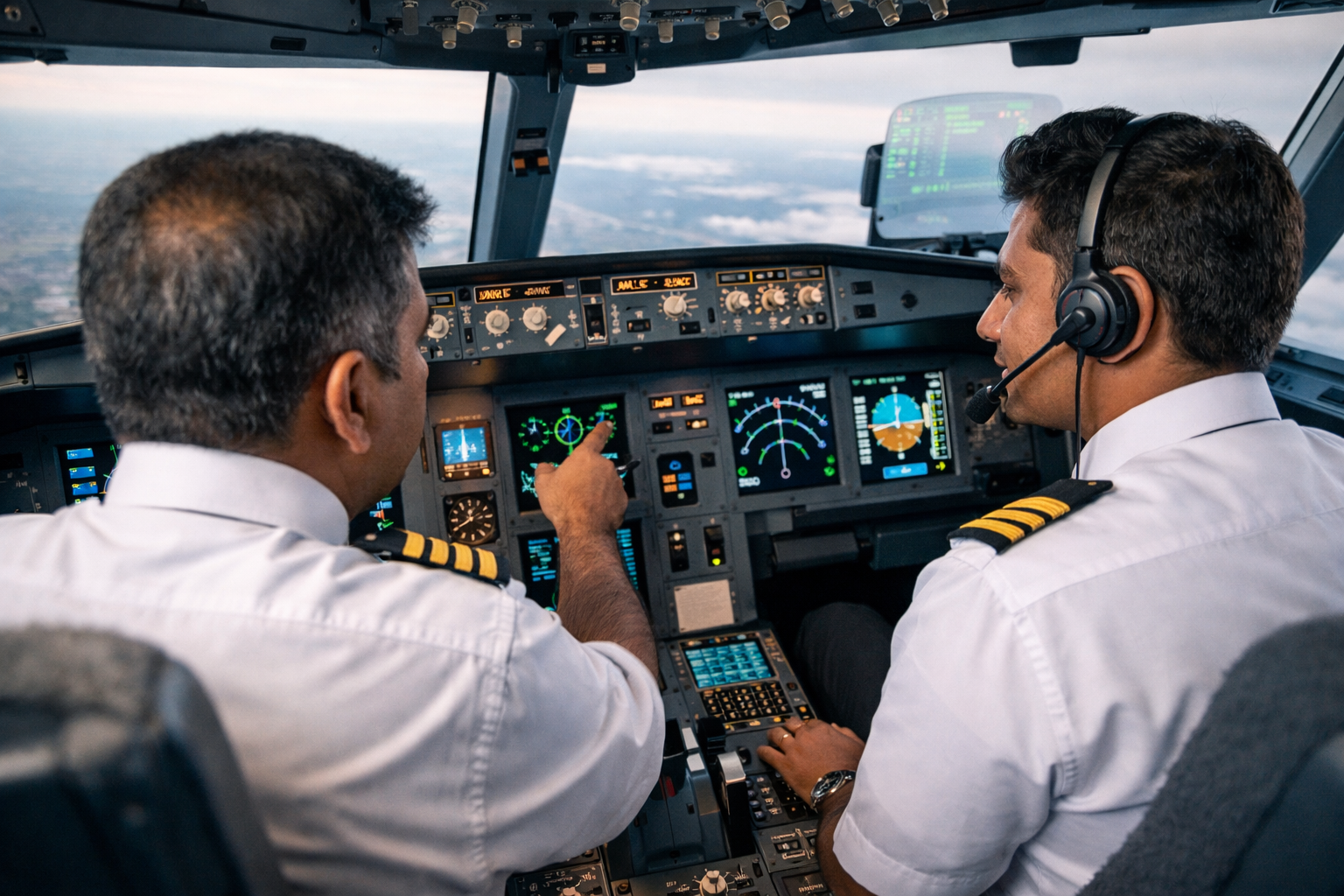
The incident has sparked conversations within the aviation community about the need for robust crew management practices and consistent enforcement of behavioural policies. Airlines typically implement clear guidelines regarding alcohol consumption, duty times, and rest periods, not only to comply with regulations but also to safeguard operational integrity. Training and recurrent awareness programmes are often used to reinforce these expectations among flight crews.
For passengers, the development has been largely a behind-the-scenes affair, with most unaware of the specifics of pilot conduct regulations. However, aviation safety advocates say that such regulatory interventions ultimately contribute to safer skies by holding carriers accountable to uniform standards across international markets. They argue that transparency and proactive policy alignment benefit both the flying public and airline operations.
As Air India and Transport Canada continue to engage on the matter, airline officials have indicated that they will work closely with regulators to address any concerns and demonstrate compliance with international norms. The situation highlights the interconnected nature of global aviation and the critical role that regulatory cooperation plays in harmonising safety practices.
In the broader context of the airline’s operations, the advisory from Transport Canada reinforces the need for ongoing vigilance and adherence to global safety standards. Airlines operating multi-national schedules must navigate varying regulatory frameworks, and clear communication, rigorous training, and strict internal enforcement are key tools for ensuring that crews are ready and fit to fly at all times.