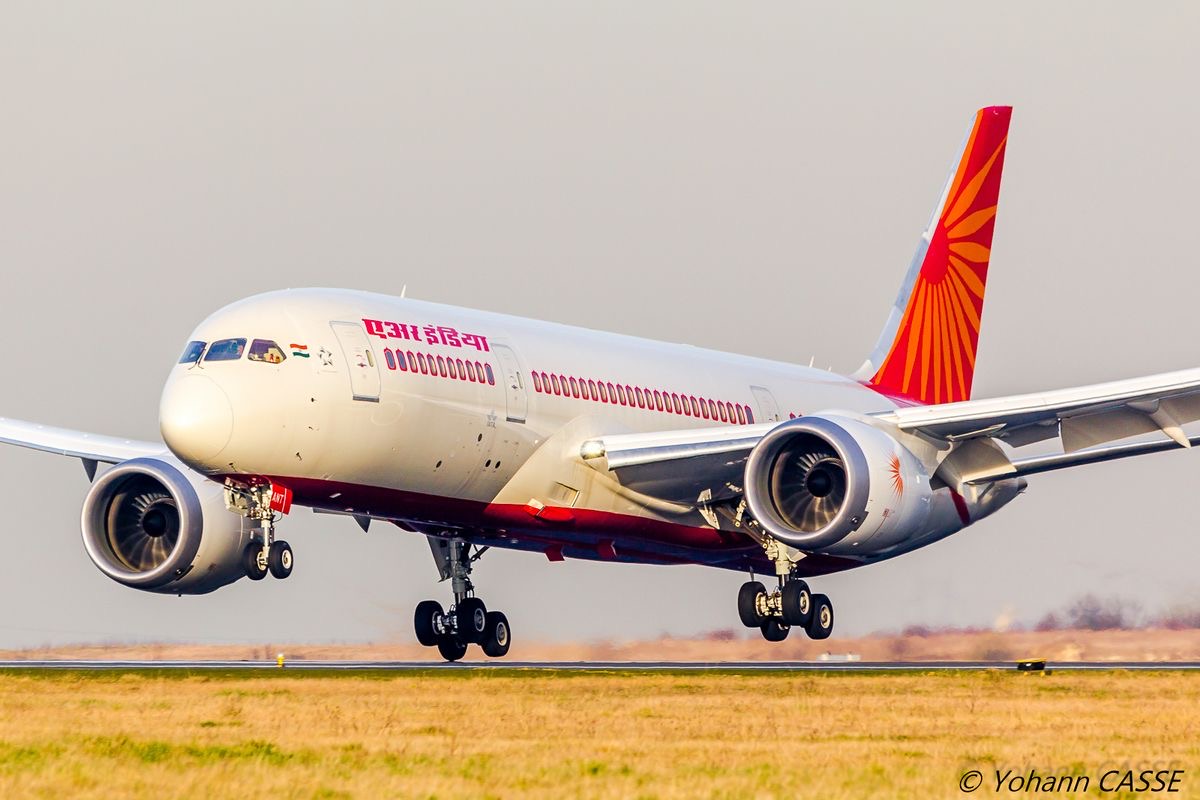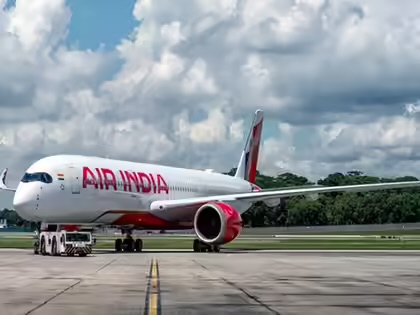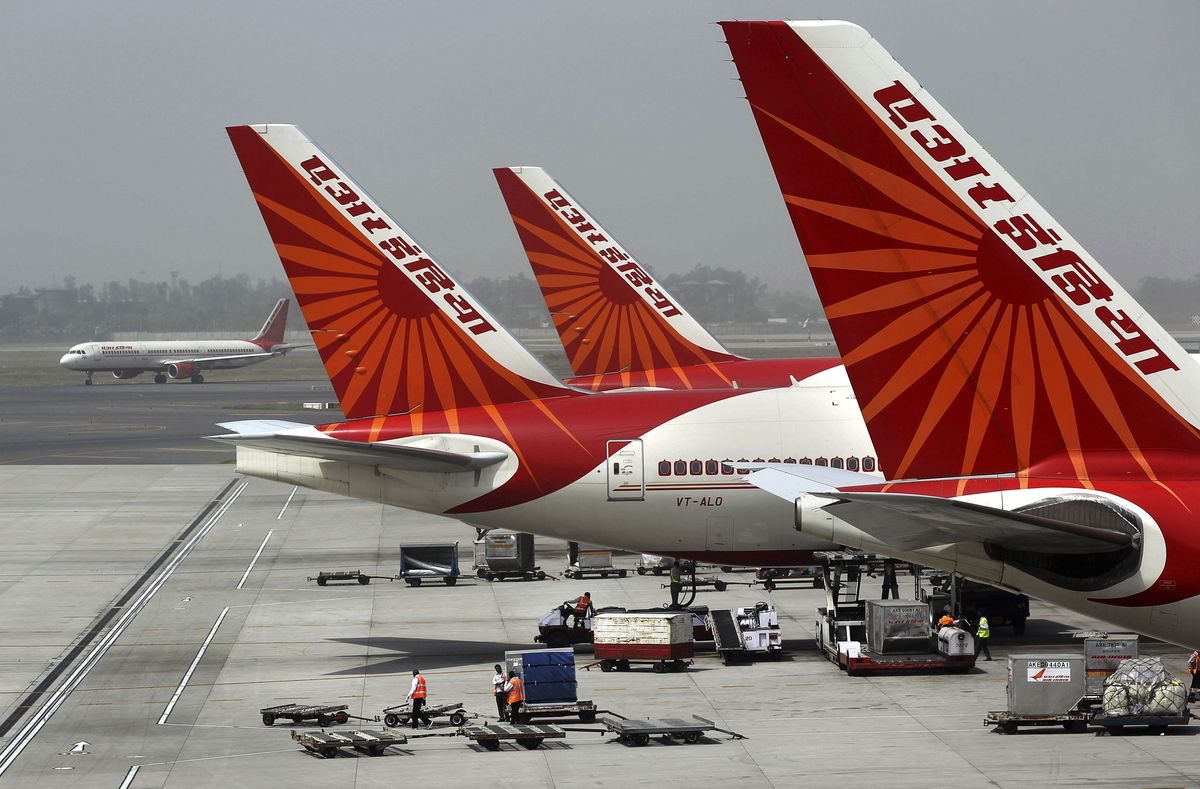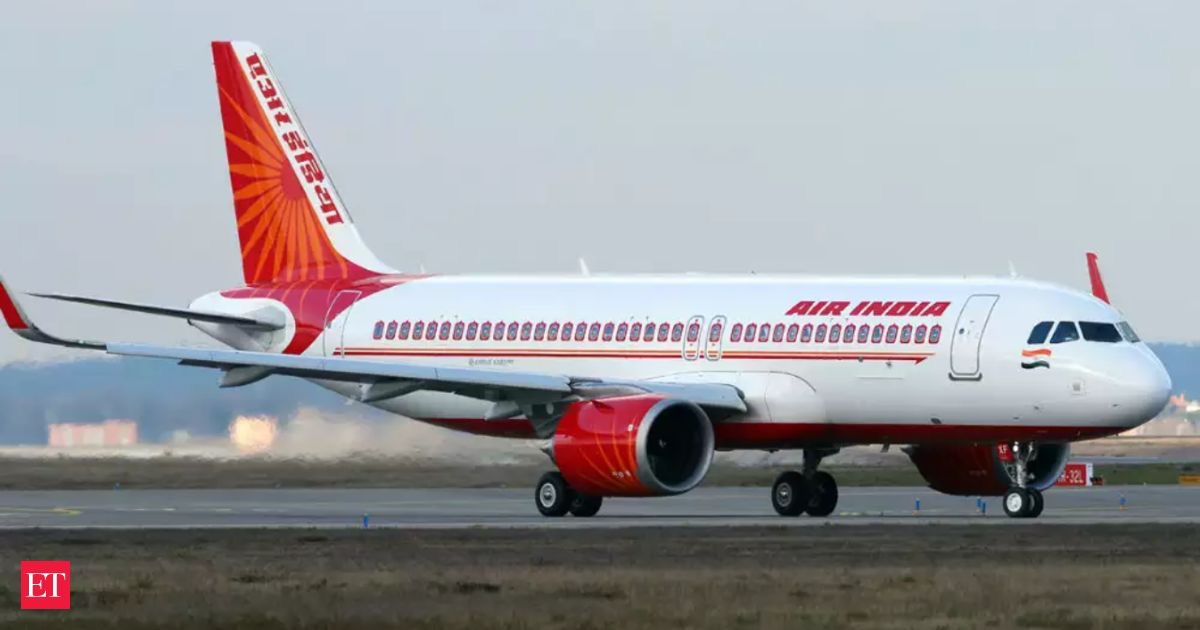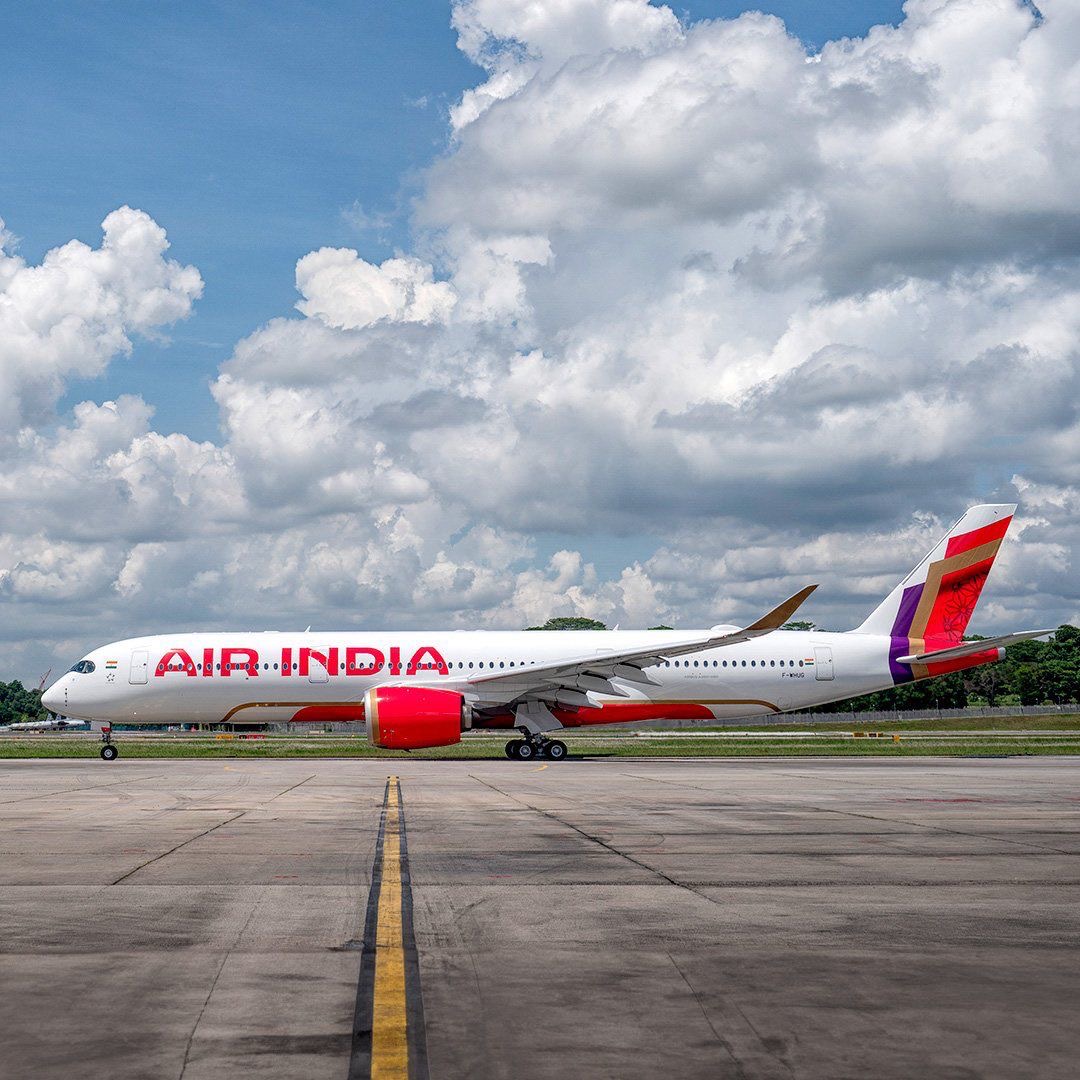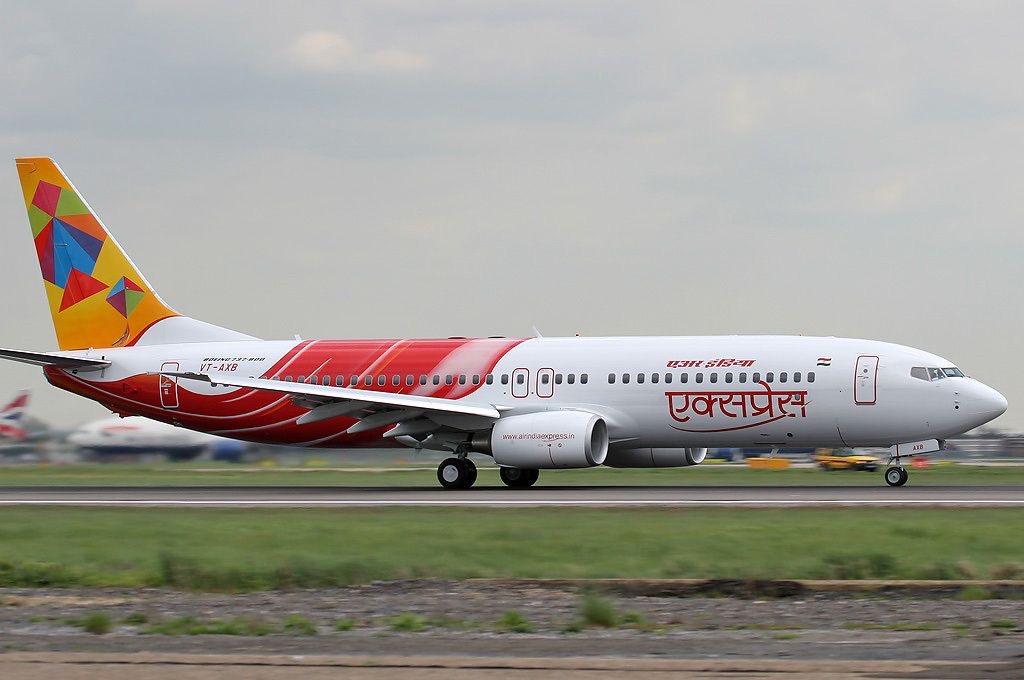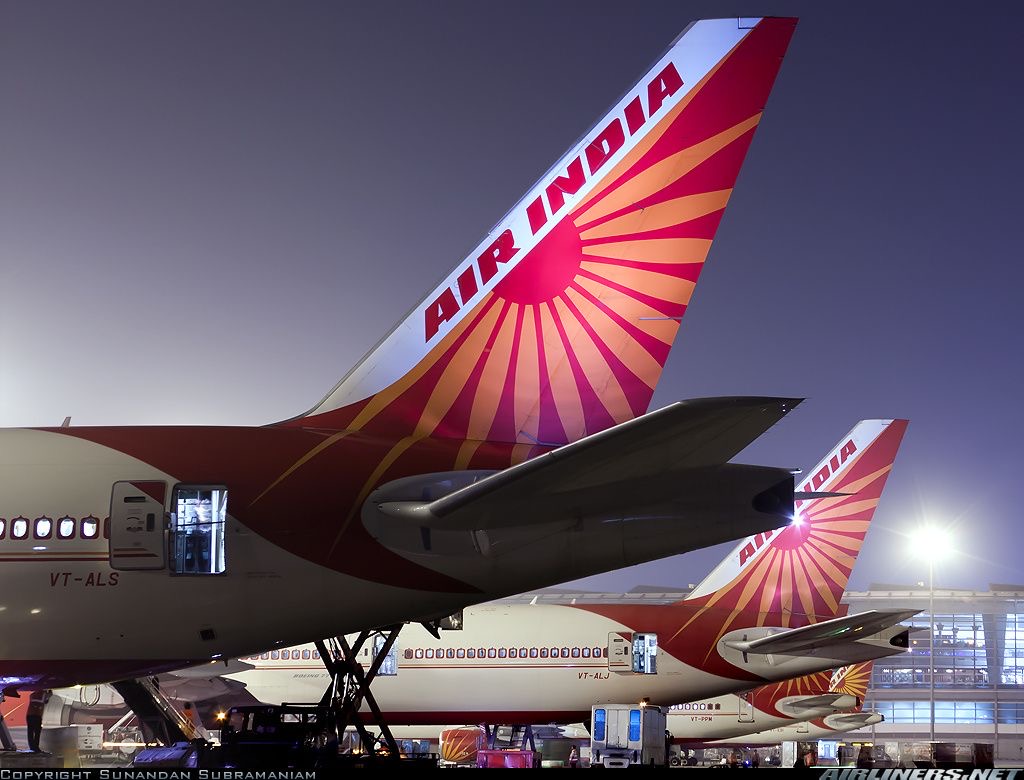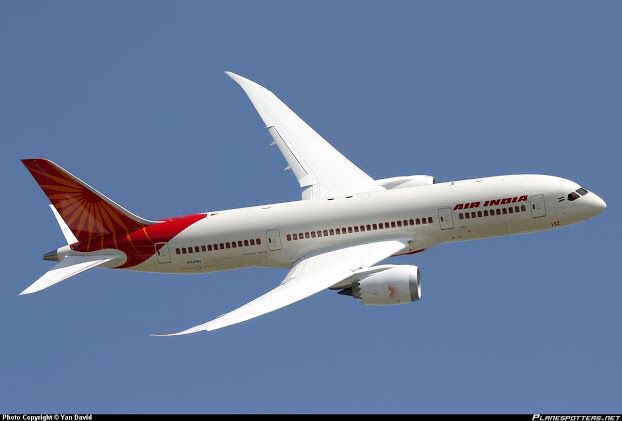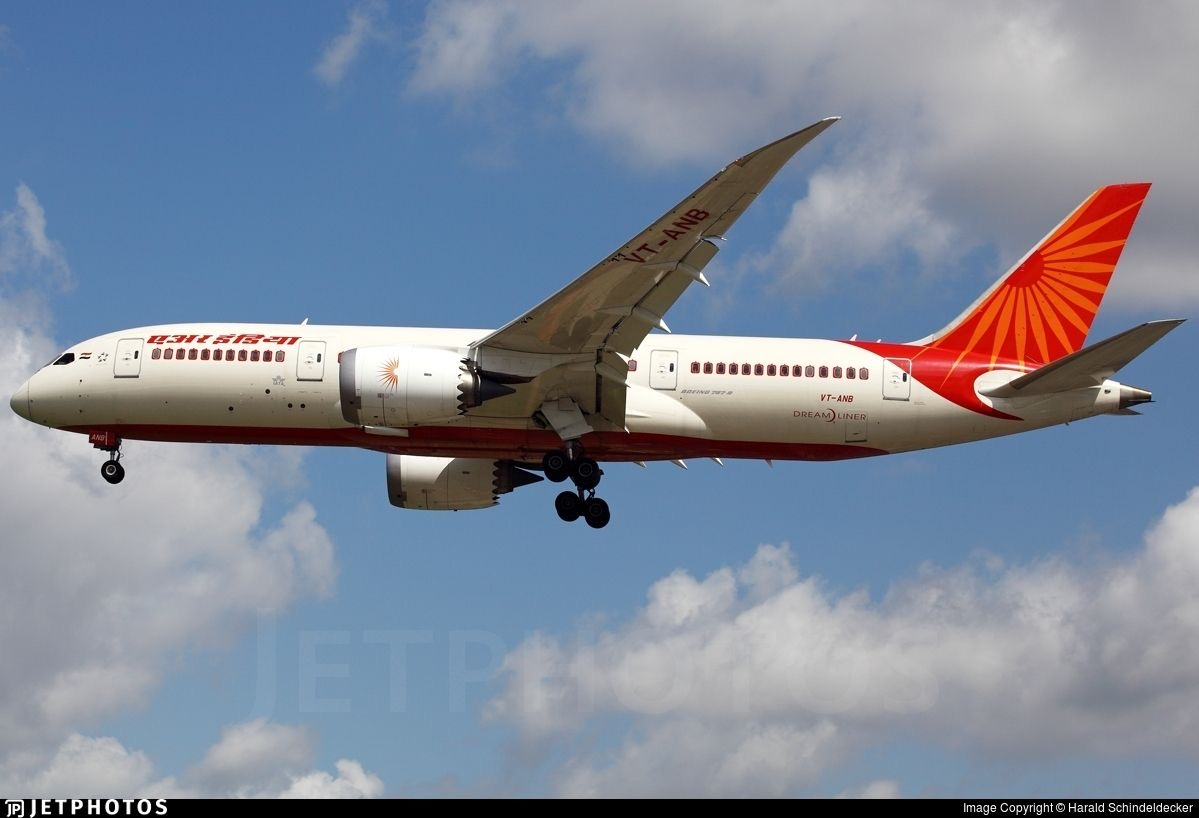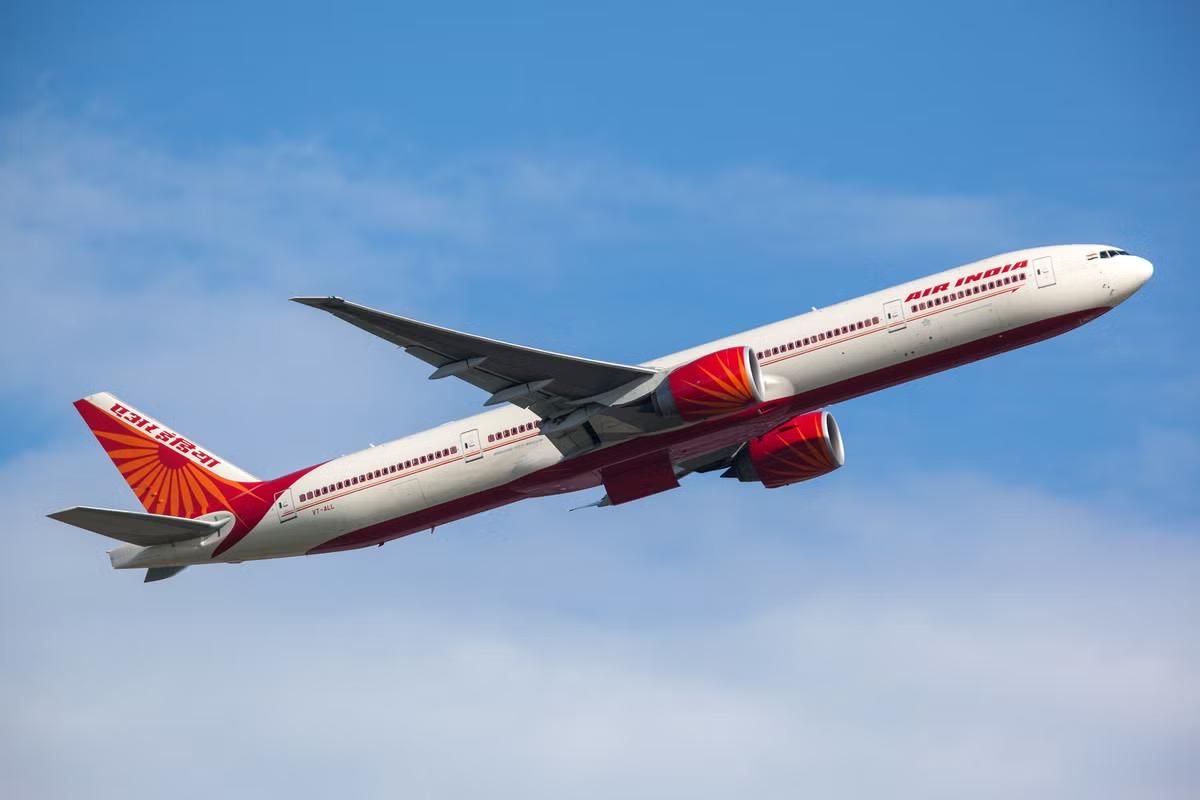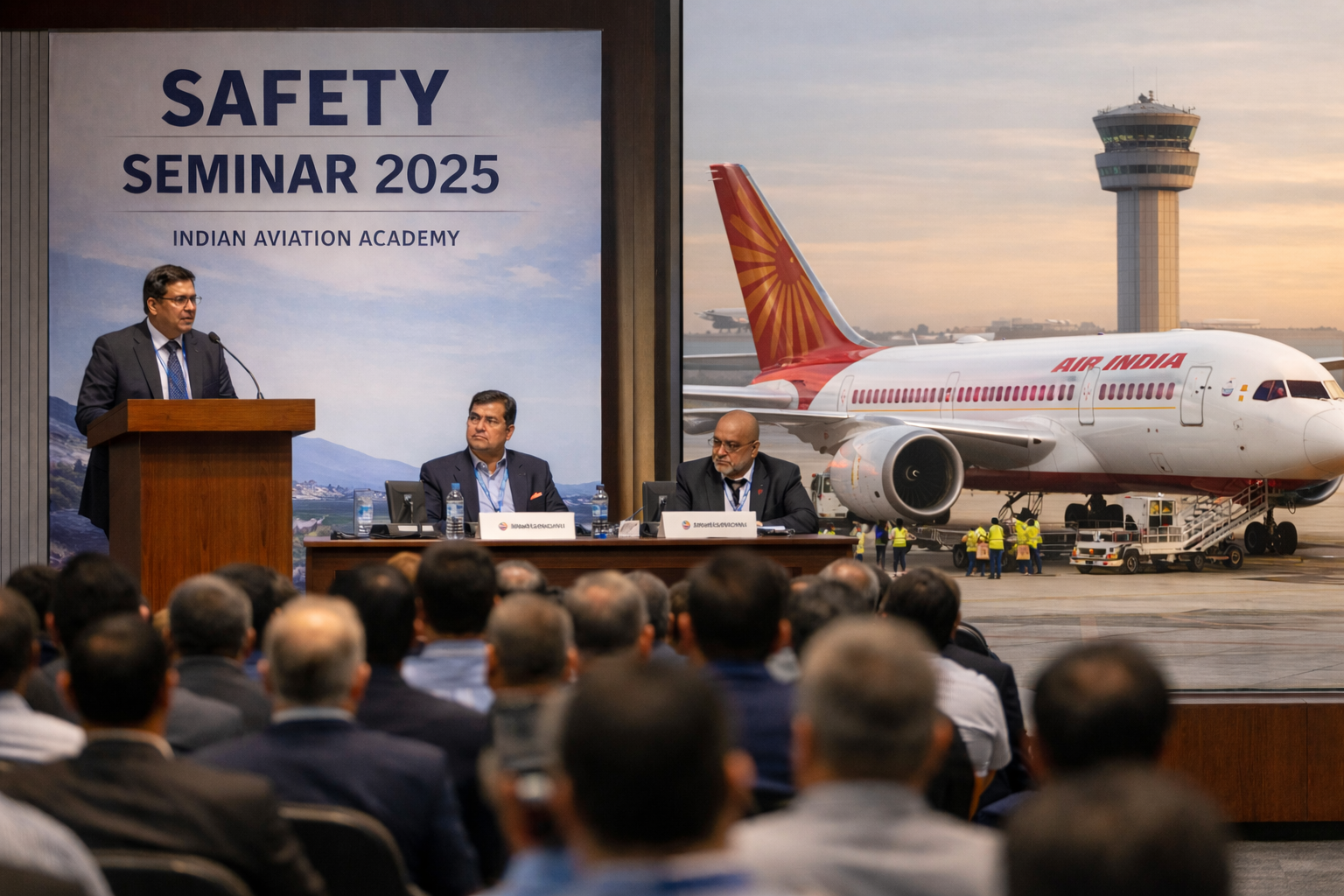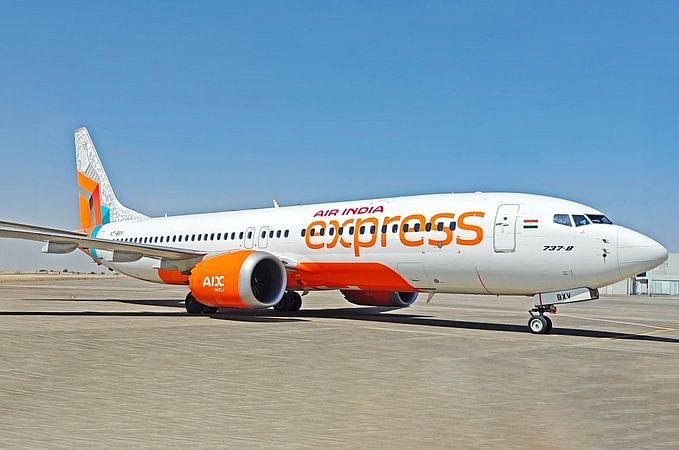
Air India’s chief executive officer, Campbell Wilson, has said that the airline has achieved noticeable improvements in the reliability of its aircraft fleet, reflecting a concentrated effort on maintenance quality, operational procedures and performance accountability. Speaking about the airline’s progress, Wilson highlighted that enhanced reliability has become one of the cornerstones of Air India’s broader transformation strategy, aimed at restoring confidence among passengers and strengthening operational resilience across its expanding network.
Fleet reliability refers to the consistency with which aircraft complete scheduled flights without technical issues that could delay departures or disrupt operations. For an airline with a large and diverse fleet serving both domestic and international markets, higher reliability translates into fewer flight cancellations, better on-time performance and improved passenger experience. According to Wilson, focused investments in maintenance planning, engineering oversight and predictive diagnostics have driven this trend upward.
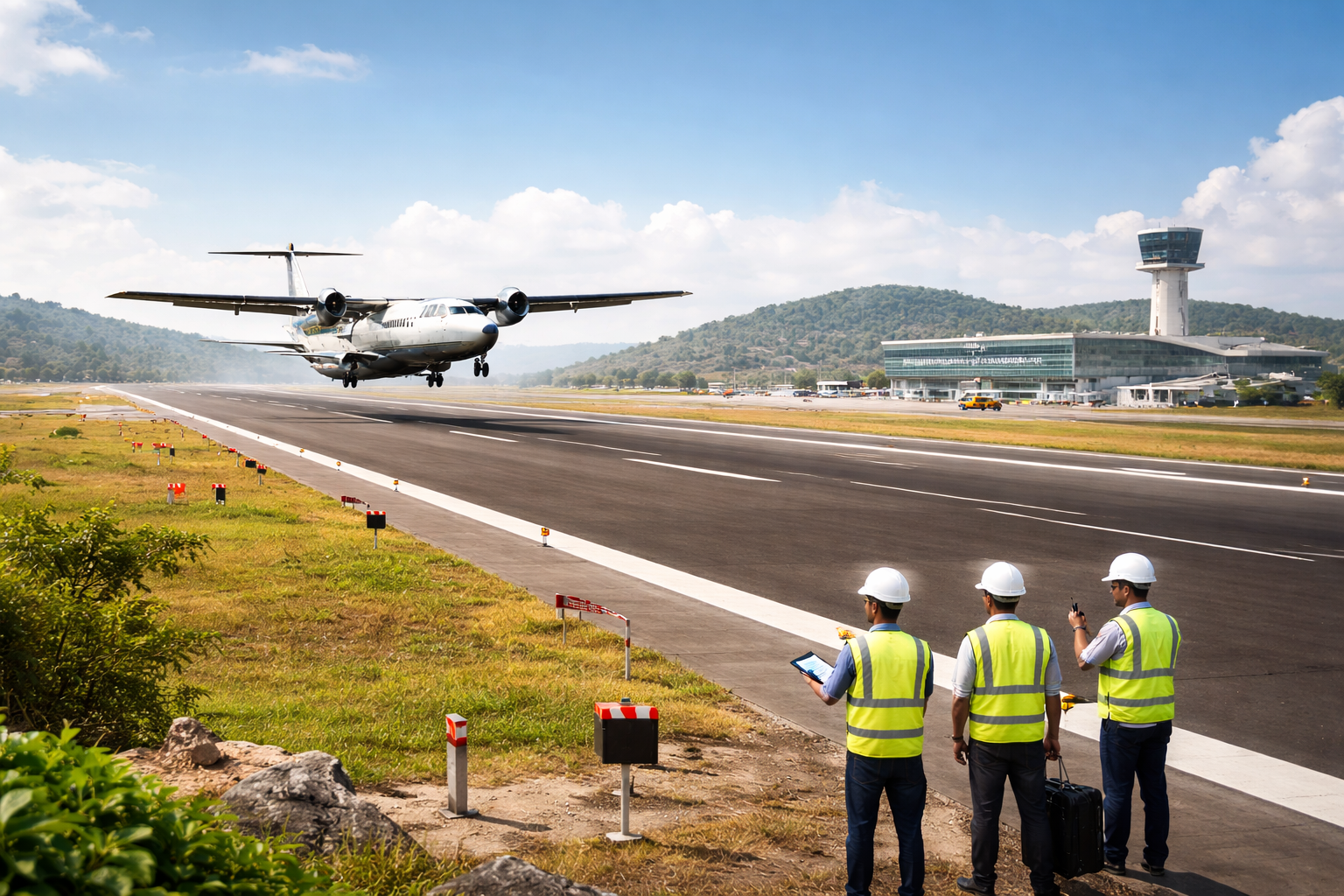
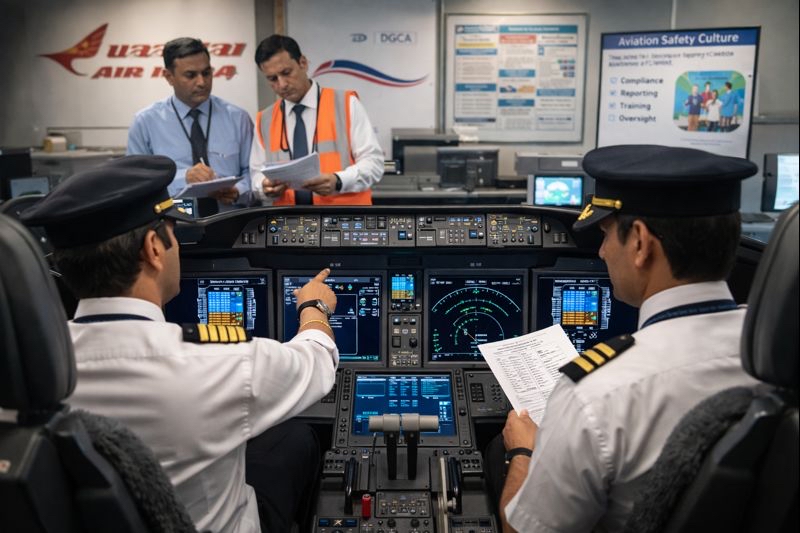
Air India’s maintenance teams have been reinforcing inspection regimes, adopting data-driven predictive monitoring and increasing coordination between engineering, flight operations and technical control units. These measures help identify potential issues before they affect flight schedules, allowing aircraft to remain serviceable and reducing unscheduled maintenance events that can lead to delays.
Wilson emphasised that operational reliability is not an isolated performance metric but tied to a range of airline functions, including crew scheduling, part availability, turnaround efficiency and ground handling effectiveness. He noted that improvements in reliability have had a positive impact on the airline’s on-time performance statistics, customer satisfaction levels and overall operational confidence.
Part of the improvement drive has involved adopting industry best practices and aligning local processes with global aviation standards. Air India’s leadership team has been engaging with manufacturers, third-party maintenance facilities and aviation safety authorities to maintain high standards of engineering and compliance across all aircraft types in its fleet.
Enhancements in reliability have also supported Air India’s continuing network growth. With the airline increasing frequencies, adding new routes and deploying a mix of narrowbody and widebody aircraft, sustained reliability is essential to absorb network complexity without a corresponding rise in disruptions. Wilson pointed out that more reliable aircraft give operations teams the flexibility to match capacity with demand while limiting the knock-on effects that mechanical issues can have on schedules.
For passengers, these improvements mean a greater likelihood that flights will depart and arrive according to plan, reducing stress and improving travel experience. Along with reliability, Air India has focused on other service quality areas such as cabin comfort, customer communication and loyalty programme enhancements, all of which are part of a holistic push to re-establish the airline’s brand strength.
Wilson also noted that the airline’s ongoing fleet modernisation, with newer aircraft joining the roster and older ones being phased out or refurbished, supports reliability gains. Newer jets come with upgraded systems, extended maintenance intervals and digital health monitoring tools that contribute to fewer unscheduled events and enhanced operational predictability.
Industry analysts say that fleet reliability is a critical competitive differentiator in civil aviation, especially for airlines operating mixed networks with tight schedules and high utilisation rates. By improving reliability, carriers can reduce operational costs associated with delays, crew rescheduling and passenger reaccommodation, while also increasing revenue potential through better asset utilisation.
Wilson’s remarks reflect confidence in the progress Air India has made since its integration into the Tata Group’s aviation portfolio, where a strategic focus on performance metrics has been paired with investments in infrastructure, training and technology. By sustaining reliability improvements, the airline aims to support its long-term growth ambitions and maintain service standards that meet or exceed customer expectations.
Looking ahead, Air India will continue leveraging its maintenance teams, data analytics and strategic partnerships to further embed reliability as a core operational strength. Consistency in aircraft performance is expected to underpin future expansions and reinforce the airline’s position in an increasingly competitive global aviation landscape.