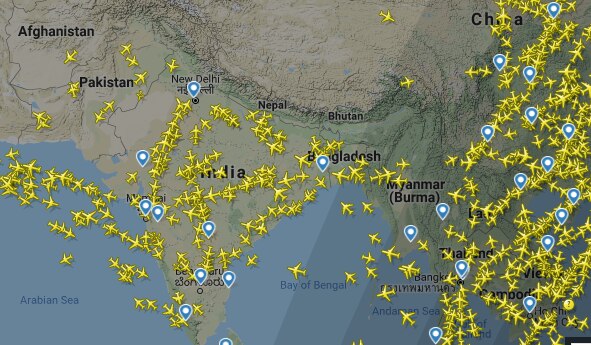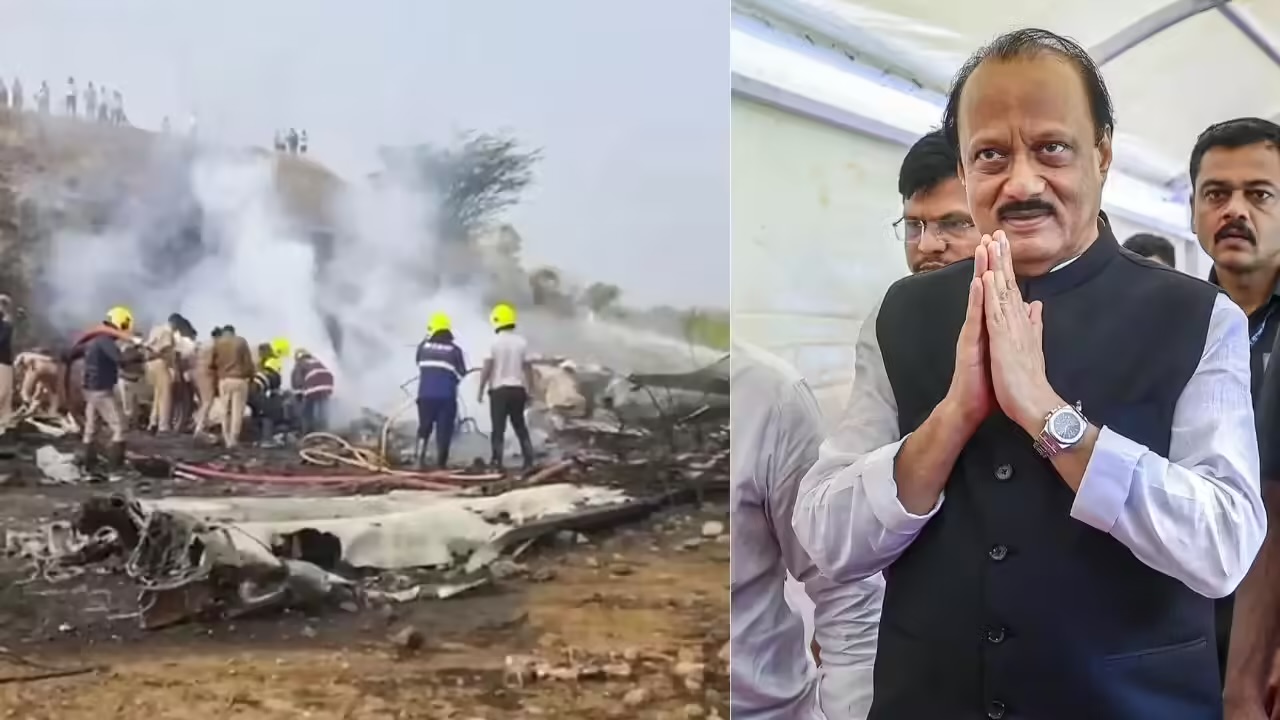

Newly analysed flight tracking data has shed light on the final moments of the aircraft carrying Maharashtra Deputy Chief Minister Ajit Anantrao Pawar, revealing that the jet made an initial approach to Baramati Airport’s Runway 11 before aborting the landing and climbing for another attempt. The information, drawn from flight-tracking services, provides key detail in understanding the sequence of events that preceded the tragic crash which claimed all lives on board.
The aircraft, a Bombardier Learjet 45 on a short domestic flight from Mumbai, was detected making a visual approach to Baramati’s runway early in the morning. The first attempt was not completed, with the flight data indicating that the pilots pulled up and climbed several hundred feet after passing near the runway threshold, consistent with a go-around manoeuvre — a standard aviation procedure when a landing cannot be safely completed.
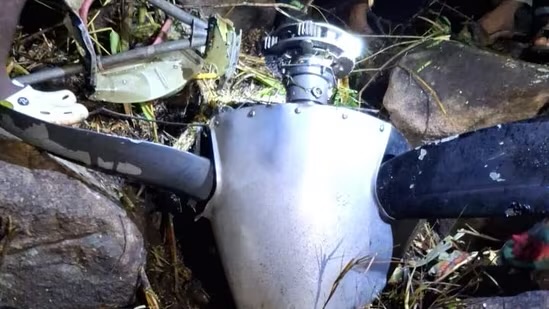
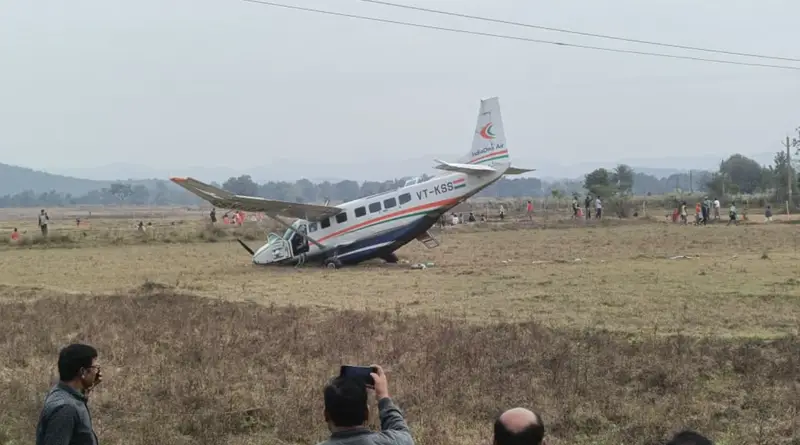
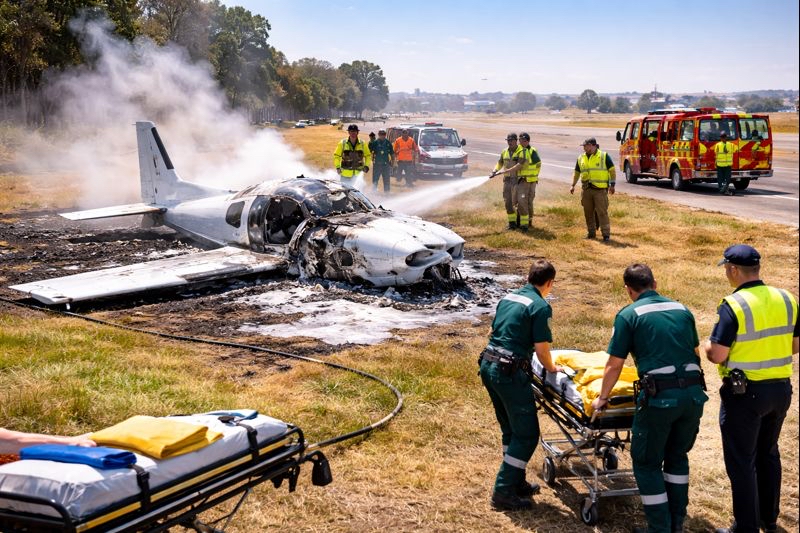
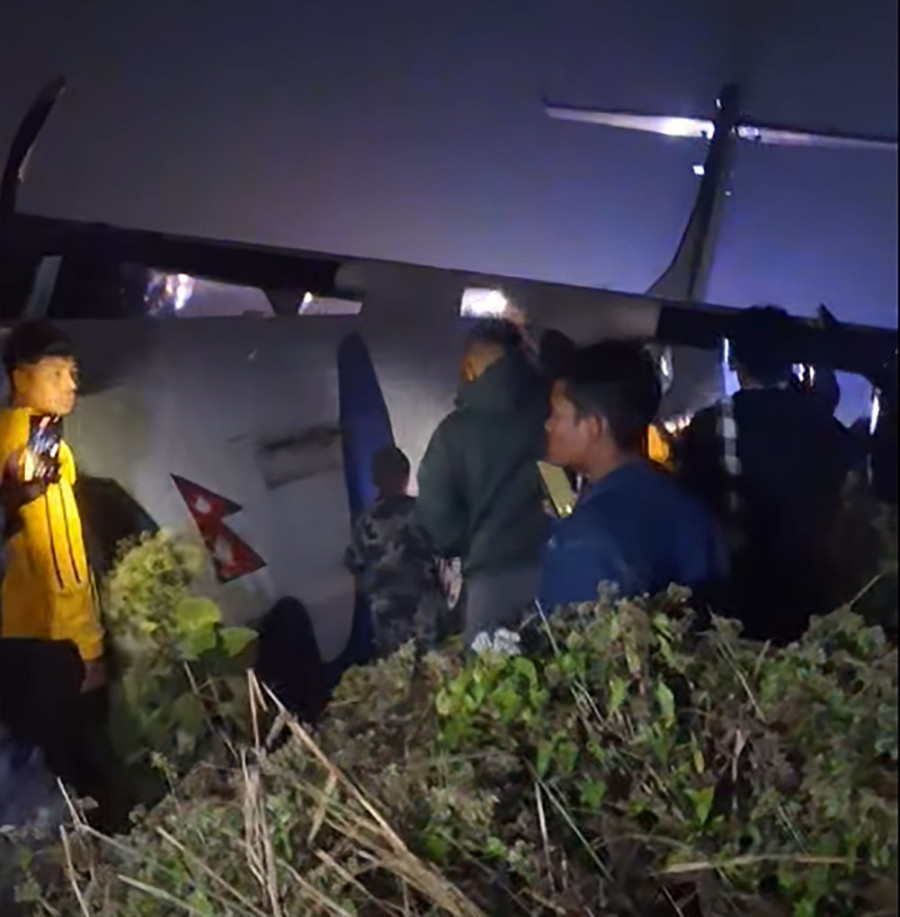
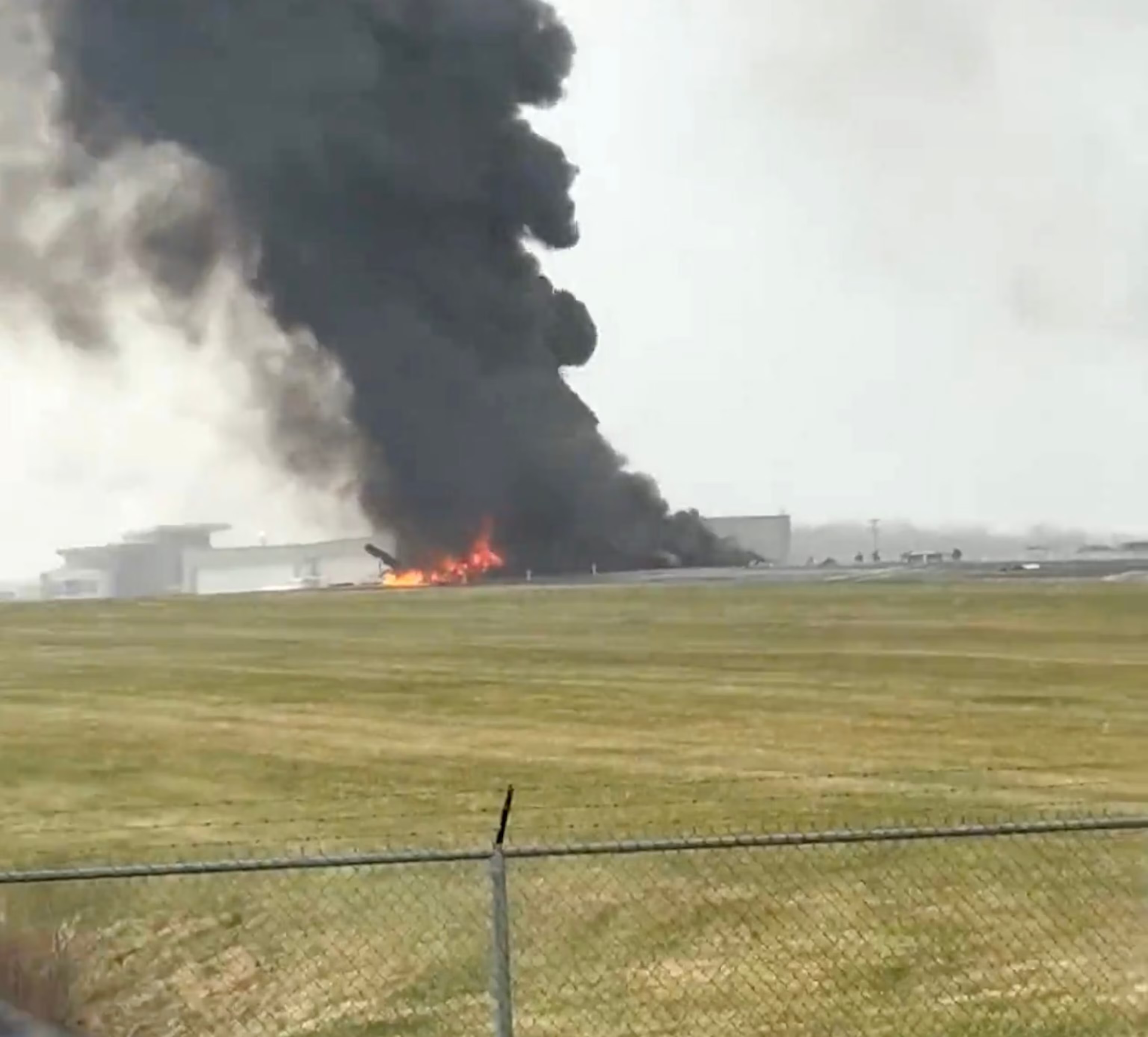
Following the aborted approach, the aircraft was traced repositioning itself for what appeared to be a second landing attempt. The last recorded signal from the aircraft was logged shortly before the mishap, placing it west-northwest of the runway. Moments later, the aircraft left radar coverage and subsequently impacted terrain close to the runway’s edge, where it was found badly damaged.
Although complete weather data at the Baramati airfield remains limited, the tracking records suggest that the initial landing effort may have been influenced by visibility or approach challenges. Reports said pilots first climbed from about 2,500 feet during the first attempt before stabilising for another descent toward the runway in the hours before the accident.
Baramati Airport operates without advanced landing aids such as an Instrument Landing System, meaning pilots often rely heavily on visual cues and local experience during approach. Observers say that in variable morning conditions, visual approaches can be difficult, particularly when terrain and atmospheric factors obscure landmarks or runway lighting.
The aborted landing and subsequent attempt are now central to the ongoing investigation into why the aircraft failed to complete its final approach. Aviation investigators will use the flight data, cockpit instruments and air traffic control communications to establish whether factors such as visibility, aircraft configuration or pilot decision-making contributed to the unsuccessful landings and the eventual crash.
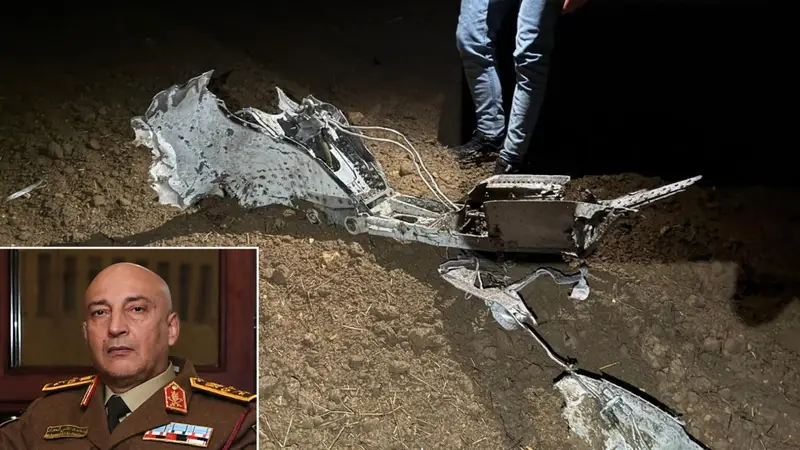
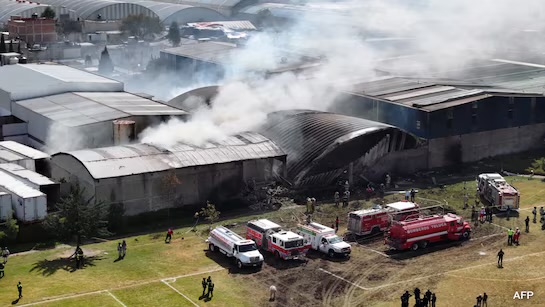
Recovery teams recovered wreckage near the left side of the runway, and the Aircraft Accident Investigation Bureau has taken charge of the technical inquiry. The DGCA and other authorities are expected to issue a more comprehensive timeline once preliminary findings are reviewed and analysed.
For relatives and supporters of Pawar and those aboard, the emerging flight data provides a structure to an otherwise chaotic account of the crash. The details of the aborted landing and renewed approach sequence raise critical questions about what the flight crew encountered in the moments just before the disaster.
As authorities work to piece together the full picture, the early flight-tracking information underscores the complexity of approach operations at uncontrolled fields and the importance of precise procedures in challenging visual landing conditions.